Baby Gear Myths vs. Facts: Walkers, Sleep Positioners, and Cribs
Baby gear myths often confuse convenience with safety. Current guidance says walkers do not teach walking, sleep positioners are unsafe, and cribs must meet modern standards.
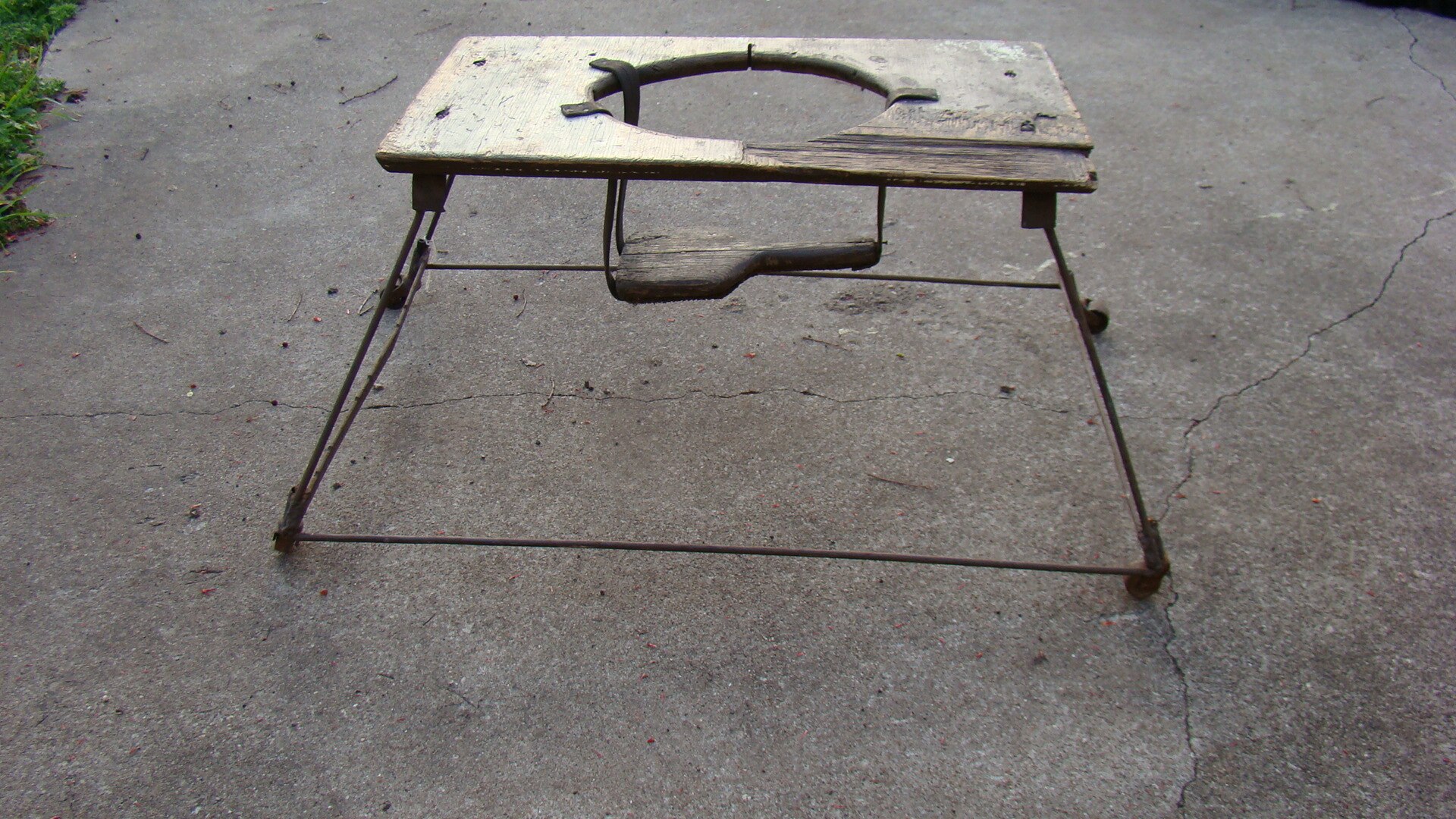
Cover: Own work · Wikimedia Commons · CC BY-SA 3.0
Question: Which common baby-gear claims are myths, and what do safety sources actually say?
Myth: Baby walkers help babies learn to walk.
Fact: Major pediatric guidance advises against baby walkers. They do not help babies learn to walk, and they can give a baby enough mobility to reach stairs, hot surfaces, or other hazards before they are ready. Supervised floor play is the better setting for movement practice.
Myth: Sleep positioners keep babies safer during sleep.
Fact: The FDA warns caregivers not to use infant sleep positioners because they can increase the risk of suffocation. These wedges and bolsters are not safe sleep products. Safe-sleep guidance calls for a firm, flat sleep surface with no pillows, bumpers, or positioners.
Myth: A hand-me-down crib is fine if it looks sturdy.
Fact: Crib safety depends on meeting current federal standards, not on a quick visual check. CPSC guidance highlights the risks of older cribs and drop-side designs, and it tells caregivers to check for recalls, missing hardware, and damaged parts before use. If the history or parts are uncertain, the crib is not a safe choice.
Myth: More baby gear means better development.
Fact: Gear can be useful for short, supervised tasks, but it should not replace time on the floor. Pediatric guidance emphasizes supervised tummy time and free movement for babies who are awake. A simple routine of floor play, rest, and interaction matters more than collecting specialized devices.