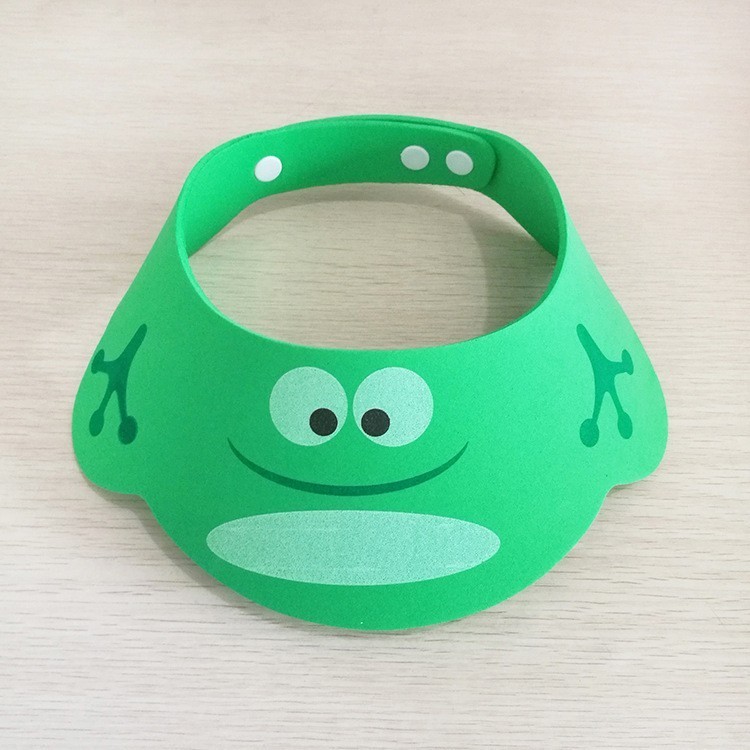

Photos from current listings. Actual item, color, and included accessories may vary.
Baby Wash Buying Guide
Baby wash is a surfactant-based cleanser formulated for infant skin and hair, where the core trade-off is mildness versus cleansing power—harsh sulfates strip the skin barrier, while ultra-gentle formulas may leave residue. The decision rule: choose a fragrance-free, sulfate-free wash with a pH near 5.5 and a recognized eczema-safe seal (NEA or similar) for newborns and eczema-prone skin; skip any wash with added fragrance, essential oils, or strong surfactants for daily infant use.


At a glance
- Category
- Baby Bathing & Grooming
- Data updated
- Nov 15, 2026
Current offers
Highlights
- Surfactant system determines mildness: sulfate-free (glucosides, isethionates, betaines) cleanses without stripping; avoid SLS/SLES in daily baby wash.
- pH near 5.5 matches infant skin acid mantle; alkaline washes (pH >7) disrupt barrier and worsen eczema—check the stated pH or test with strips.
- Eczema-safe washes carry the National Eczema Association Seal of Acceptance; fragrance-free and dye-free formulas are the baseline for reactive skin.
- Tear-free labeling reflects amphoteric surfactant blends with low eye irritation; not all tear-free washes are sulfate-free, so read the full ingredient list.
Best use cases
- Best for newborn daily baths: pick a fragrance-free, sulfate-free wash with NEA seal and pH 5.5—skip any wash with added fragrance or essential oils.
- Best for eczema-prone skin: choose a wash with colloidal oatmeal or ceramides and NEA acceptance; avoid bubble baths and any wash containing fragrance or SLS.
- Wrong fit for heavy cradle cap or toddler mess: a gentle daily wash may under-cleanse; use a dedicated cradle-cap oil or a slightly stronger kids' wash only on hair, not full body.
- Best for hair and body combo: a 2-in-1 wash with tear-free surfactants works for infants; skip adult 2-in-1 shampoos, which are too harsh for infant scalp.
Buying tips
- Read the first five ingredients: glucosides (decyl, coco) and isethionates (sodium cocoyl) signal mildness; SLS or SLES in the top five means skip for daily baby use.
- Look for 'fragrance-free' not 'unscented'—unscented may contain masking fragrance; fragrance-free is the safer choice for eczema and newborns.
- Match wash to water hardness: hard water reduces lather and leaves residue; choose a chelating or rinse-aid wash or use a water softener for better rinsing.
- For eczema, pair wash with a thick emollient applied within 3 minutes of bath; wash alone won't manage flare-ups—skip thin lotions and choose a cream or ointment.
Specs
| Surfactant Type | Sulfate-free glucosides/isethionates |
|---|---|
| pH Level | 5.5 (infant skin range) |
| Fragrance | Fragrance-free (not unscented) |
| Eczema Certification | NEA Seal of Acceptance |
Related searches
What to check before buying
- Confirm your baby's skin status: if eczema or reactive skin, require NEA seal and fragrance-free; if normal skin, a mild sulfate-free wash suffices.
- Check your water: hard water (above 120 ppm) needs a chelating wash or softener to avoid residue and irritation.
- Verify bath routine: daily baths suit mild washes; for every-other-day bathing, a slightly richer wash or plain water may be enough.
- Ensure you have a thick moisturizer ready post-bath—wash selection only works with proper emollient follow-up for eczema prevention.
FAQ
Data sources: eBay / Amazon listings and product attribute feeds Data updated Nov 15, 2026.
Some links on this page are affiliate links. If you buy after clicking one, we may earn a commission at no extra cost to you. This does not change which products appear here or their order. Affiliate disclosure.