Photos from current listings. Actual item, color, and included accessories may vary.
Newborn Backpack Carrier Buying Guide
A newborn backpack carrier is a soft-structured or wrap-hybrid carrier that positions an infant on the wearer's front or back, and the core trade-off is between structured buckles (easy on/off, less molding) and wrap-style fabric (contoured support, steeper learning curve). The rule is simple: choose a carrier with a firm, wide waistband and a dedicated newborn insert or adjustable seat width, and skip any one-size-fits-all sling with no head/neck support panel.


At a glance
- Category
- Baby Carriers, Slings & Backpacks
- Data updated
- Nov 17, 2026
Current offers
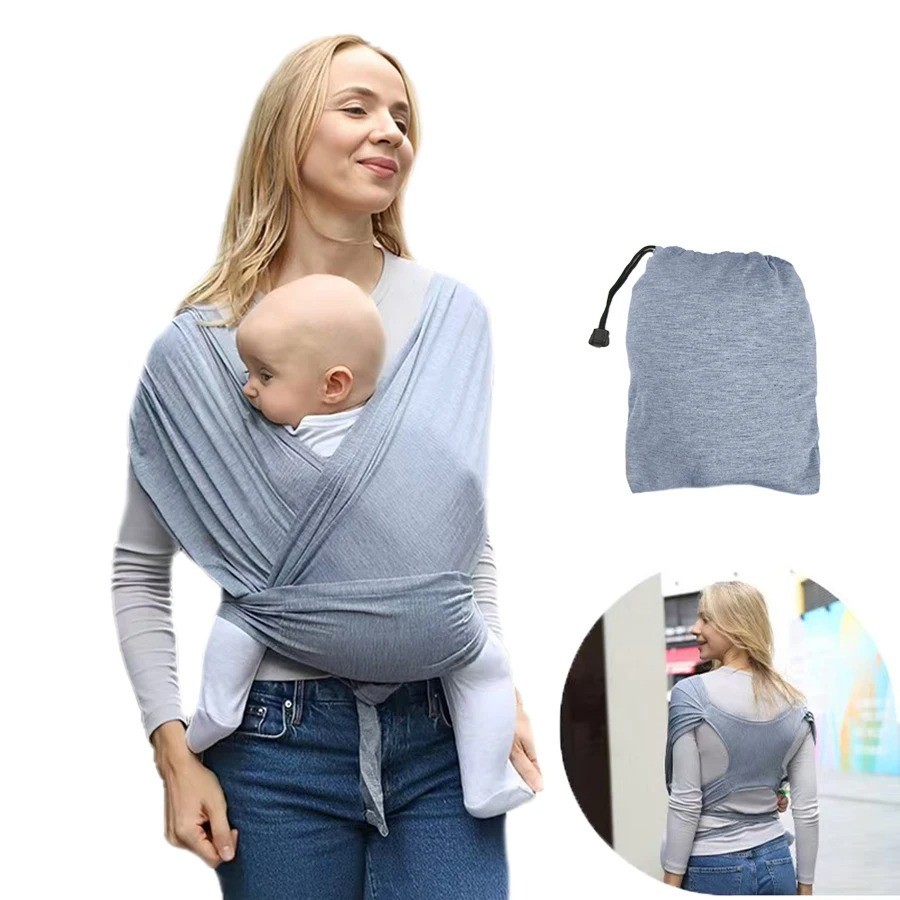 Ergonomic Baby Carrier Backpack Newborn Sling X-Shape Support Infant Wrap 4 Colo$12.99
 View on eBay
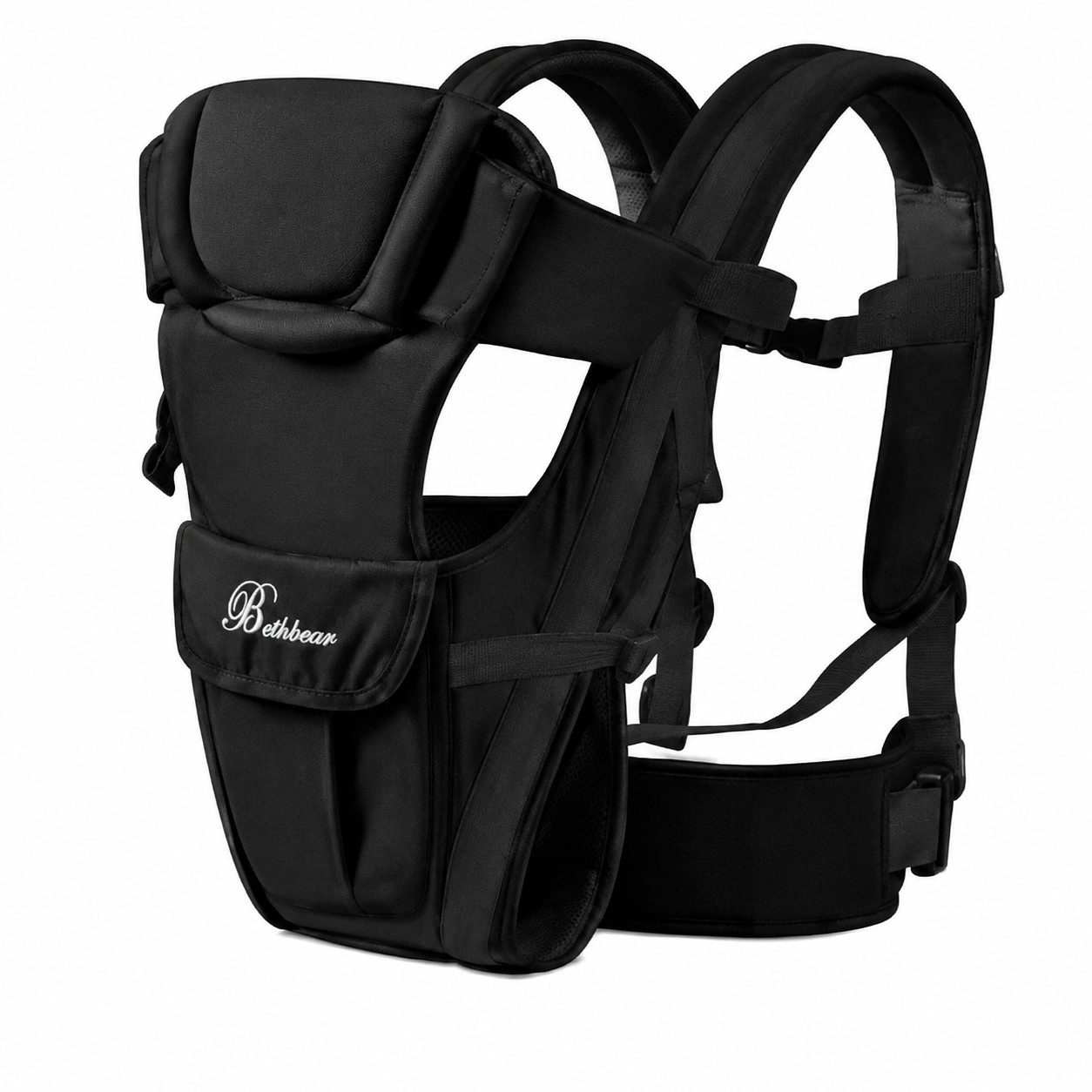 4-in-1 Ergonomic Baby Sling Carrier Adjustable Newborn Infant Toddler Backpack$29.99View on eBay
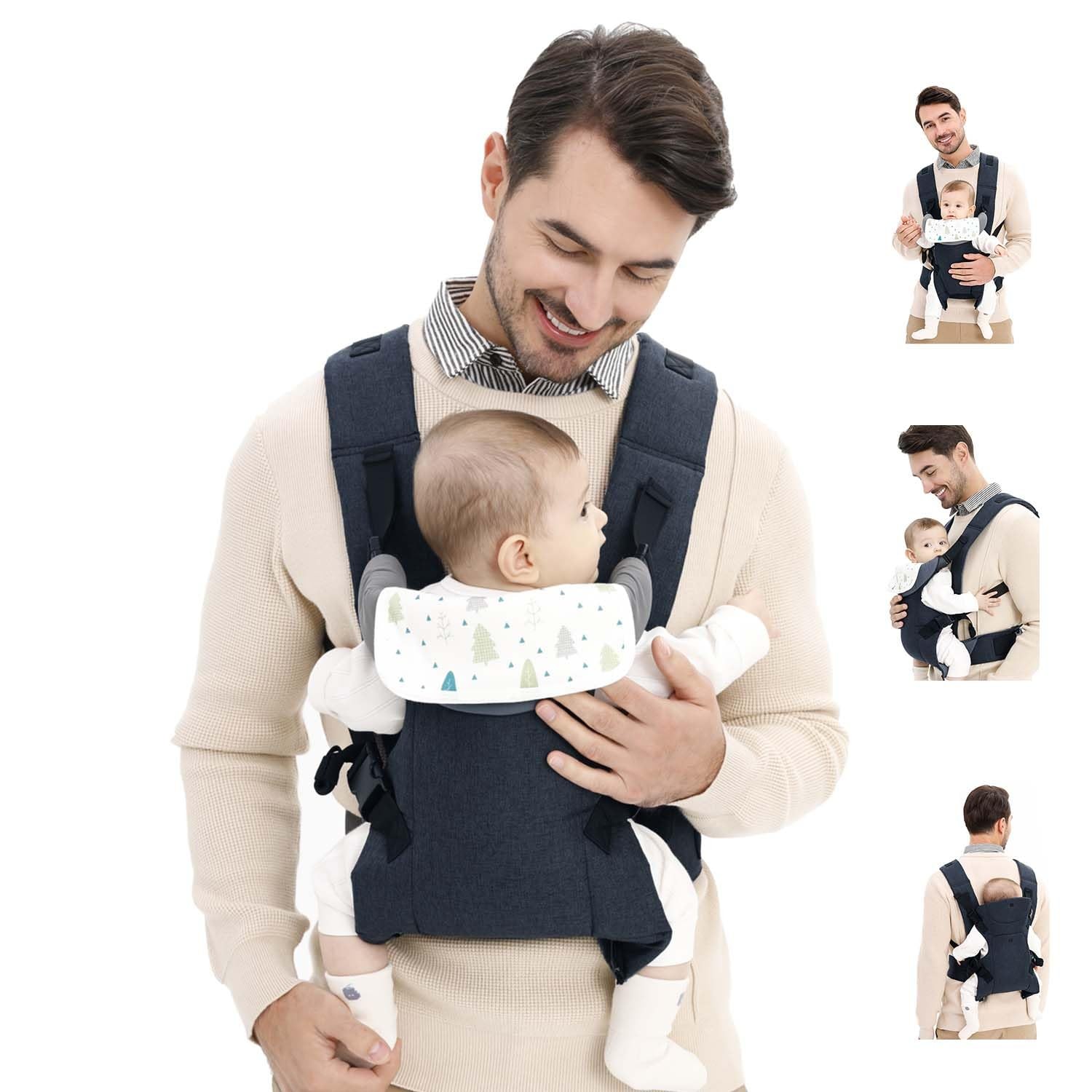 Baby Sling Carrier,4-in-1 Ergonomic Baby Backpack Front Carrier,Newborn to Wr...$30.40View on eBay
- Baby Sling Carrier,4-in-1 Ergonomic Baby Backpack Front Carrier,Newborn to To...$34.47View on eBay
- 4in1 Ergonomic Baby Sling Carrier Backpack Newborn to Toddler Dark Blue$35.75View on eBay
Highlights
- Ergonomic '4-in-1' carriers typically switch between front-inward, front-outward, hip, and back carry, but outward-facing should be reserved for babies with strong head control (usually 5–6 months).
- Newborn readiness depends on seat width adjustment: look for a base that narrows to 6–8 inches or includes a removable infant insert to support the C-curve spine.
- A structured waistband of 3–5 inches transfers weight to the hips; thin sashes under 2 inches concentrate load on shoulders and cause fatigue on long walks.
- Breathable mesh panels and a wide, padded shoulder strap set (2+ inches) matter more than fabric color for summer wear and back-carry comfort.
Best use cases
- Best fit — daily newborn front carry: pick a structured carrier with a narrow seat setting and a head-support flap; skip loose ring slings if you want quick buckles.
- Best fit — back carry for toddlers: choose a carrier rated to 33–45 lb with a tall back panel and chest strap; skip minimalist slings that lack a sternum strap.
- Wrong fit — premature or low-birth-weight infants: skip any carrier without a firm infant insert and consult a pediatric fit check before use.
- Wrong fit — heavy extended hiking: skip fashion slings and choose a framed or padded backpack carrier with load lifters and a hip belt over 4 inches.
Buying tips
- Match the seat width to the baby's thigh: newborn mode should support knee-to-knee without fabric bunching, typically a 6–8 inch base.
- Check the waistband range against your measurement: a carrier fitting 24–45 inches covers most adults, but plus-size wearers need extenders rated to 55+ inches.
- Confirm buckle quality: side-release buckles should be at least 1.5 inches wide and rated for 50+ lb to avoid slippage under load.
- For summer, choose mesh back panels and avoid dark non-breathable polyester; for winter, a carrier with a removable fleece cover adds warmth without a separate coat.
Specs
| Carry Positions | Front-inward / front-outward / hip / back |
|---|---|
| Newborn Minimum | 7–8 lb, 21–24 in with insert |
| Waistband Width | 3–5 in structured / 2 in sash |
| Weight Rating | Newborn to 33–45 lb |
Related searches
What to check before buying
- Measure your waist and shoulders before buying; a carrier that fits 24–45 inches waist and 30–48 inches chest covers most adults.
- Check your baby's current weight and height against the carrier's newborn minimum (usually 7–8 lb and 21–24 inches).
- Confirm the carrier includes a head-support flap and a structured waistband of at least 3 inches for newborn front carry.
- Verify machine-washability and dryer tolerance, since newborn spit-up and diaper leaks demand frequent cleaning.
FAQ
Data sources: eBay / Amazon listings and product attribute feeds Data updated Nov 17, 2026.
Some links on this page are affiliate links. If you buy after clicking one, we may earn a commission at no extra cost to you. This does not change which products appear here or their order. Affiliate disclosure.