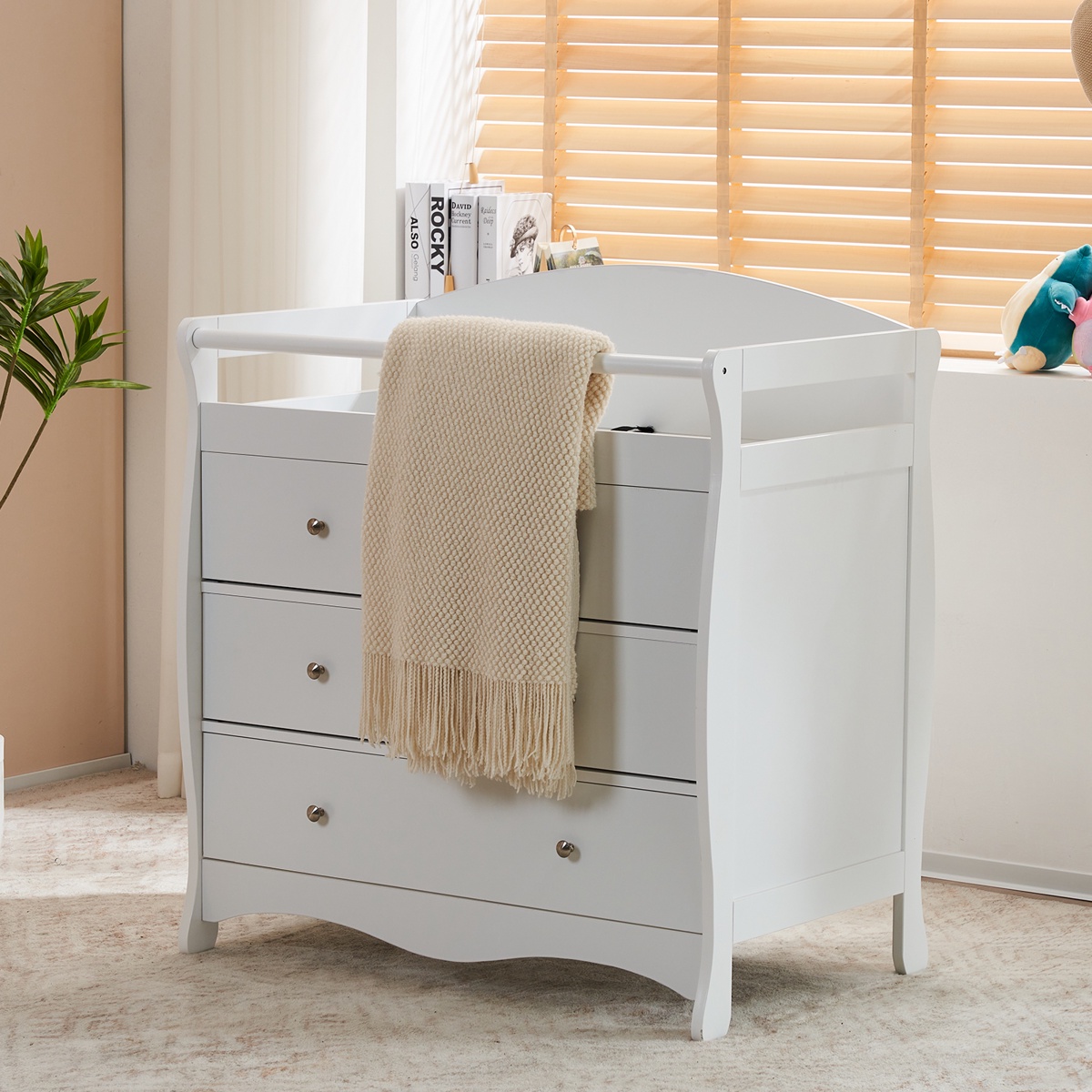

Photos from current listings. Actual item, color, and included accessories may vary.
Baby Cot Bed Buying Guide
A baby cot bed is a convertible infant sleep platform—typically wood or metal—that transitions from bassinet-height crib to toddler bed via removable rails. The primary trade-off is between solid-wood joinery and frame rigidity versus cheaper engineered-wood or thin-metal builds that loosen or flex over years of nightly use and reconfiguration. The decision rule: choose a cot bed with a solid-wood or thick-gauge metal frame and a 3-position mattress base if you plan to use it through the toddler years; skip lightweight flat-pack particleboard or thin tubular-metal models that cannot survive repeated rail removal.


At a glance
- Category
- Baby Sleep & Soothing
- Data updated
- Nov 18, 2026
Current offers
Highlights
- Solid pine, beech, or rubberwood frames with dowel-and-cam or mortise joinery hold rail alignment through toddler conversion; MDF or particleboard rails strip screw threads after repeated disassembly.
- Metal cot beds use 25–32 mm tubular steel with powder coating; thinner 19 mm tube and spot-welded joints flex and squeak under a standing toddler.
- A 3-position mattress base (high, mid, low) is the key ergonomic tier—fixed-height bases force unsafe lifting once the baby can sit up.
- Standard cot mattress footprint is 140×70 cm (UK/EU) or 130×70 cm; US full-size crib is 28×52 in—mattress must match frame within 2 cm to prevent entrapment gaps.
Best use cases
- Best fit for long-term nursery: pick a solid-wood cot bed with 3-position base and toddler rail conversion—it serves from newborn to roughly 4 years without a second purchase.
- Best fit for small rooms: choose a cot bed with under-cot storage drawers or a 3-tier drawer combo only if the drawer runners are metal; wooden-on-wood runners bind and break.
- Wrong fit: a fixed-height metal cot with no toddler conversion suits only the first 6–9 months—skip it if you want one purchase to cover the toddler stage.
- Wrong fit: avoid cots with drop-side rails unless they meet current EN 716 / BS EN 1130 fixed-rail safety standards—older drop-side mechanisms are a known entrapment risk.
Buying tips
- Measure the mattress cavity before buying: UK/EU cot bed takes 140×70 cm, compact cot 120×60 cm, and US crib 28×52 in—a 2 cm or larger gap around the mattress fails safety guidance.
- For wood, insist on solid pine, beech, or rubberwood rails at least 20 mm thick; particleboard or MDF rails under 15 mm chip at screw holes after the first rail removal.
- For metal, check tube diameter of 25 mm or more and welded (not riveted) joints; riveted flat-pack metal cots loosen and wobble within months.
- Confirm the base has at least 3 height positions and a lowest setting that puts the rail top at least 50 cm above the mattress—this is the threshold that keeps a standing toddler contained.
Specs
| Frame Material | Solid wood (pine/beech) vs metal |
|---|---|
| Mattress Size | 140×70 cm / 120×60 cm / 28×52 in |
| Base Positions | 3-position adjustable (high/mid/low) |
| Conversion | Toddler bed rail conversion included |
Related searches
What to check before buying
- Room fit: cot bed footprint is roughly 145×75 cm with rails; add 60 cm clearance on the drop side for access and keep 30 cm from radiators or blinds cords.
- Mattress match: buy the mattress with the cot—140×70 cm for standard cot beds, 120×60 cm for compact—and check the gap is under 2 cm on all sides.
- Floor and frame: solid-wood cots suit carpet and wood floors; on thick pile, add felt pads and check the base locking pins engage fully.
- Companion parts: a cot bed needs a matching mattress, fitted sheets, and a toddler rail (often sold separately on convertible models)—confirm the rail is included.
FAQ
Data sources: eBay / Amazon listings and product attribute feeds Data updated Nov 18, 2026.
Some links on this page are affiliate links. If you buy after clicking one, we may earn a commission at no extra cost to you. This does not change which products appear here or their order. Affiliate disclosure.