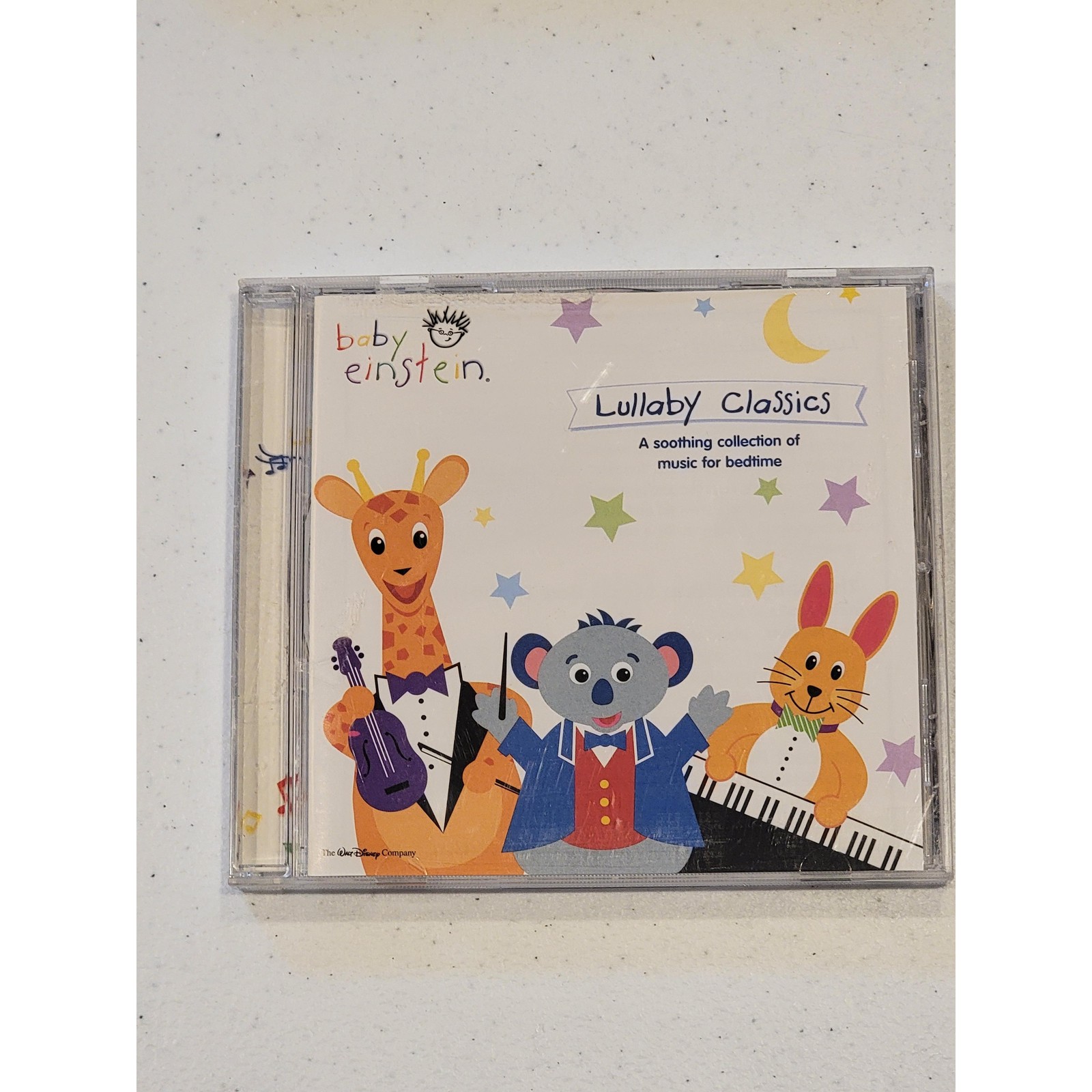

Photos from current listings. Actual item, color, and included accessories may vary.
Infant Sleep Aid Buying Guide
Infant sleep aids encompass white-noise machines, vibrating/rocking soothers, swaddles, and musical plush toys designed to trigger the calming reflex and extend sleep stretches. The core trade-off is between passive sensory tools (sound, darkness, scent) and active motion devices—passive aids are safer and simpler, while motion devices demand rigorous safety shutoffs and power management. Decision rule: prioritize AAP-safe, cord-free, auto-off passive sound/light aids for overnight sleep; reserve motion or vibration soothers for supervised naps and consult your pediatrician for infants under 4 months.


At a glance
- Category
- Baby Sleep & Soothing
- Data updated
- Nov 16, 2026
Current offers
Highlights
- White-noise machines should cap at 50 dB and sit at least 7 feet from the crib; sustained levels above 50 dB risk hearing damage over time.
- Motion soothers (rocking bassinets, vibrating pads) require a 15–30 minute auto-shutoff and a firm, flat sleep surface to meet safe-sleep guidelines.
- Swaddle sleep sacks use TOG ratings: 0.5 TOG for 75–80°F rooms, 1.0–1.5 TOG for 68–72°F, 2.5 TOG for 61–67°F—overheating raises SIDS risk.
- Musical plush and CD players are passive auditory aids only; they must be kept outside the crib (no loose items) and offer volume under 50 dB at crib distance.
Best use cases
- Best fit: a fan-free white-noise machine with continuous or 30/60-minute timer and <50 dB output for overnight sleep in a 68–72°F nursery—skip vibrating pads for unsupervised overnight use.
- Best fit: a 1.0–1.5 TOG swaddle sleep sack for a 7–18 lb infant in a 68–72°F room—skip loose blankets and oversized swaddles that can ride up over the face.
- Best fit: a cord-free, battery-operated portable sound machine for travel and stroller naps—skip plug-in units with short cords near the crib (strangulation risk).
- Wrong fit: crib-mounted vibrating or rocking devices that clamp to rails—skip these for infants under 4 months and for any overnight sleep; use only during supervised naps.
Buying tips
- Match TOG to nursery temperature: 0.5 TOG for >75°F, 1.0–1.5 TOG for 68–72°F, 2.5 TOG for 61–67°F; add a onesie underneath rather than a higher-TOG sack.
- Choose a sound machine with a 30/60/90-minute timer or continuous mode and volume limiter; infant sleep associations form fast, so pick a model you can fade out.
- For motion soothers, confirm a 15–30 minute auto-off, a firm flat mattress, and a max weight rating (typically 20–25 lb) that matches your baby's growth curve.
- Prefer USB-C or AA-battery power over wall-only adapters for portability and to avoid cord hazards; verify the plug standard matches your region (Type A/B for US).
Specs
| Aid Type | Sound / Motion / Swaddle / Plush |
|---|---|
| Sound Level | ≤50 dB at crib distance |
| Swaddle TOG | 0.5 / 1.0–1.5 / 2.5 by room temp |
| Power Source | USB-C / AA battery / AC adapter |
Related searches
What to check before buying
- Measure your crib or bassinet interior: sound machines and projectors should sit at least 7 feet away and never inside the sleep space.
- Check nursery temperature with a digital thermometer at mattress level; select swaddle TOG accordingly (68–72°F is the common 1.0–1.5 TOG zone).
- Confirm your outlet voltage and plug type (120V Type A/B in the US) and whether the device needs a USB adapter or batteries.
- Verify the motion soother's weight limit and auto-off timer, and ensure the sleep surface is firm and flat per AAP guidance.
FAQ
Data sources: eBay / Amazon listings and product attribute feeds Data updated Nov 16, 2026.
Some links on this page are affiliate links. If you buy after clicking one, we may earn a commission at no extra cost to you. This does not change which products appear here or their order. Affiliate disclosure.