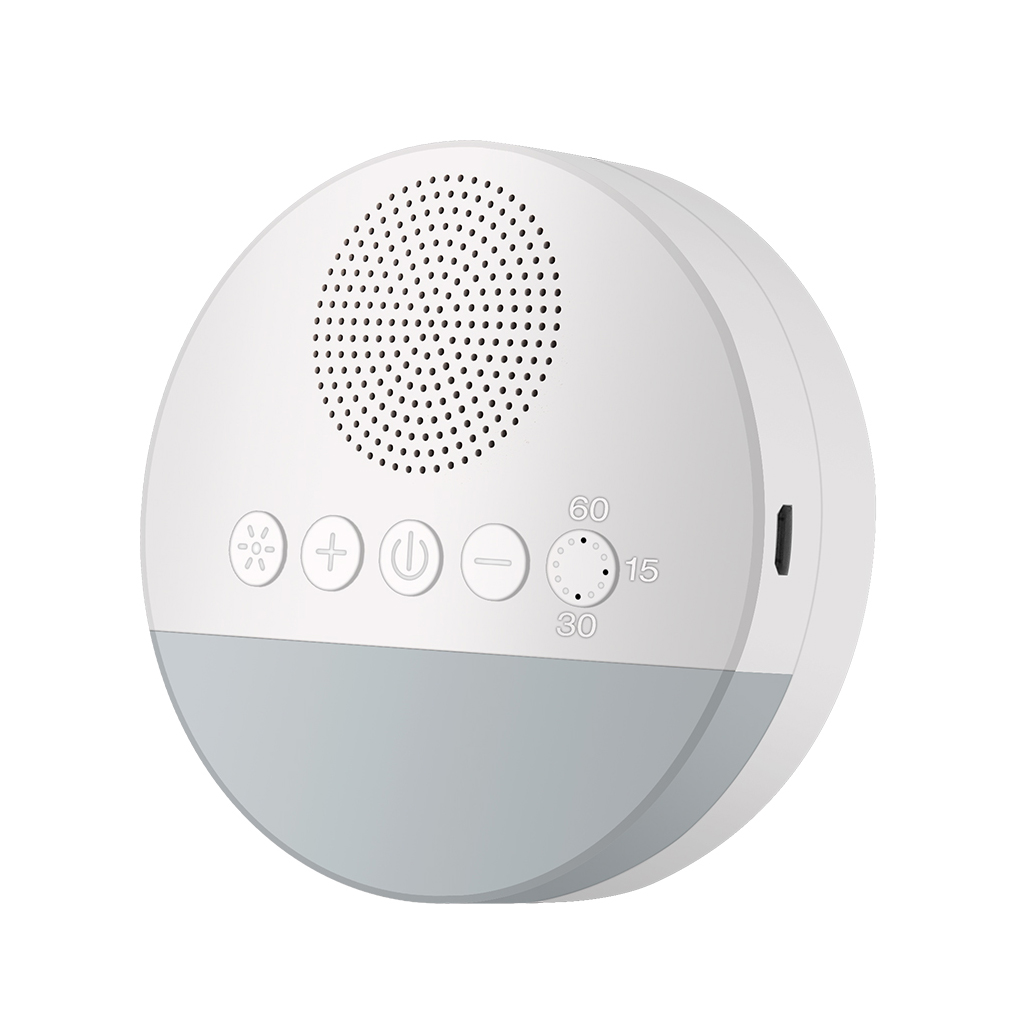

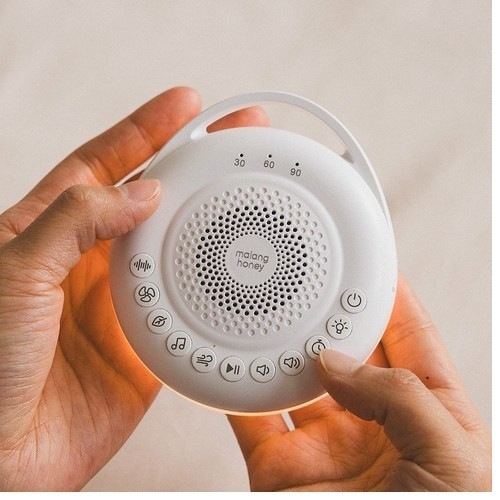
Photos from current listings. Actual item, color, and included accessories may vary.
Newborn Sound Machine Buying Guide
A newborn sound machine is a dedicated white-noise and lullaby device designed to mask household sounds and replicate womb acoustics for infants under 12 months, with the core trade-off being safety-certified infant-specific volume limits, continuous-play battery runtime, and true portability versus generic adult sleep machines. Durable, decision-grade options pair a 50–85 dB infant-safe volume ceiling with USB-C rechargeable or AC continuous power and a washable or wipe-clean housing; compromises rely on phone apps, unregulated volume, or fragile micro-USB ports that fail within months.


At a glance
- Category
- Baby Sleep & Soothing
- Data updated
- Nov 16, 2026
Current offers

Highlights
- Infant-safe volume caps at 50–60 dB at crib distance; models rated 65–85 dB max must be placed at least 3 feet away to avoid hearing-risk thresholds.
- Continuous-play runtime separates tiers: 8–12 hr on a single charge for portables vs 20–30 hr or unlimited AC for nursery-dedicated units.
- True newborn timers run 15/30/45/60-minute auto-off or continuous-on; continuous-on is required for overnight sleep training and is the most common missing feature on budget dropship units.
- Housing and port design determine lifespan: sealed wipe-clean ABS with USB-C outlasts fabric-wrapped micro-USB units that fray and trap dust near the crib.
Best use cases
- Choose a rechargeable USB-C portable with a 50–60 dB cap and 10+ hr runtime for room-sharing, travel, and stroller naps; skip AC-only nursery units if the baby sleeps in multiple rooms.
- Pick an AC-powered continuous-play unit with a 60-minute timer and nightlight for a fixed nursery where overnight white noise runs 10–12 hours; skip battery-only portables that die mid-night.
- Select a toddler-handled, drop-tested model with lockable buttons for crib-side or toddler-room use; skip button-only units without a child lock once the baby can reach the device.
- For multi-caregiver homes, prioritize a single-button on/off and memory of last volume/sound; skip multi-menu units with deep settings trees that a grandparent or sitter cannot operate at 3 a.m.
Buying tips
- Match max volume to placement: for a unit within 3 feet of the crib, cap output at 50–60 dB; if the model only lists 70–85 dB, plan to place it across the room and test with a phone dB meter.
- Buy USB-C rechargeable for portability (8–12 hr real runtime); buy AC adapter units for 10–12 hr nightly continuous use, since battery models degrade to 60–70% capacity within 18 months.
- Require a true continuous-play mode, not just 15/30/45-minute timers—newborns and sleep-training toddlers need all-night masking, and timer-only units wake them at the shutoff.
- Prefer wipe-clean sealed ABS or silicone housings over fabric covers; fabric traps dust and spit-up near the crib and is rarely machine-washable on budget units.
Specs
| Volume Cap | 50-60 dB at crib / 65-85 dB max |
|---|---|
| Power Source | USB-C rechargeable vs AC adapter |
| Runtime | 8-12 hr portable / continuous AC |
| Timer Modes | Continuous-on + 15/30/60 min auto-off |
Related searches
What to check before buying
- Measure the distance from the planned device spot to the crib mattress: under 3 feet demands a 50–60 dB infant-safe cap; across the room allows a louder 70–85 dB unit.
- Confirm the nursery outlet reach or a USB-C power bank for overnight AC units; portable units need a charged battery every 8–12 hours.
- Check the housing for a child lock and a washable exterior if the device sits within toddler reach or on a floor-level shelf.
- Verify the sound library includes continuous white noise or pink noise (not just lullabies), since steady noise is what masks household sounds for newborns.
FAQ
Data sources: eBay / Amazon listings and product attribute feeds Data updated Nov 16, 2026.
Some links on this page are affiliate links. If you buy after clicking one, we may earn a commission at no extra cost to you. This does not change which products appear here or their order. Affiliate disclosure.