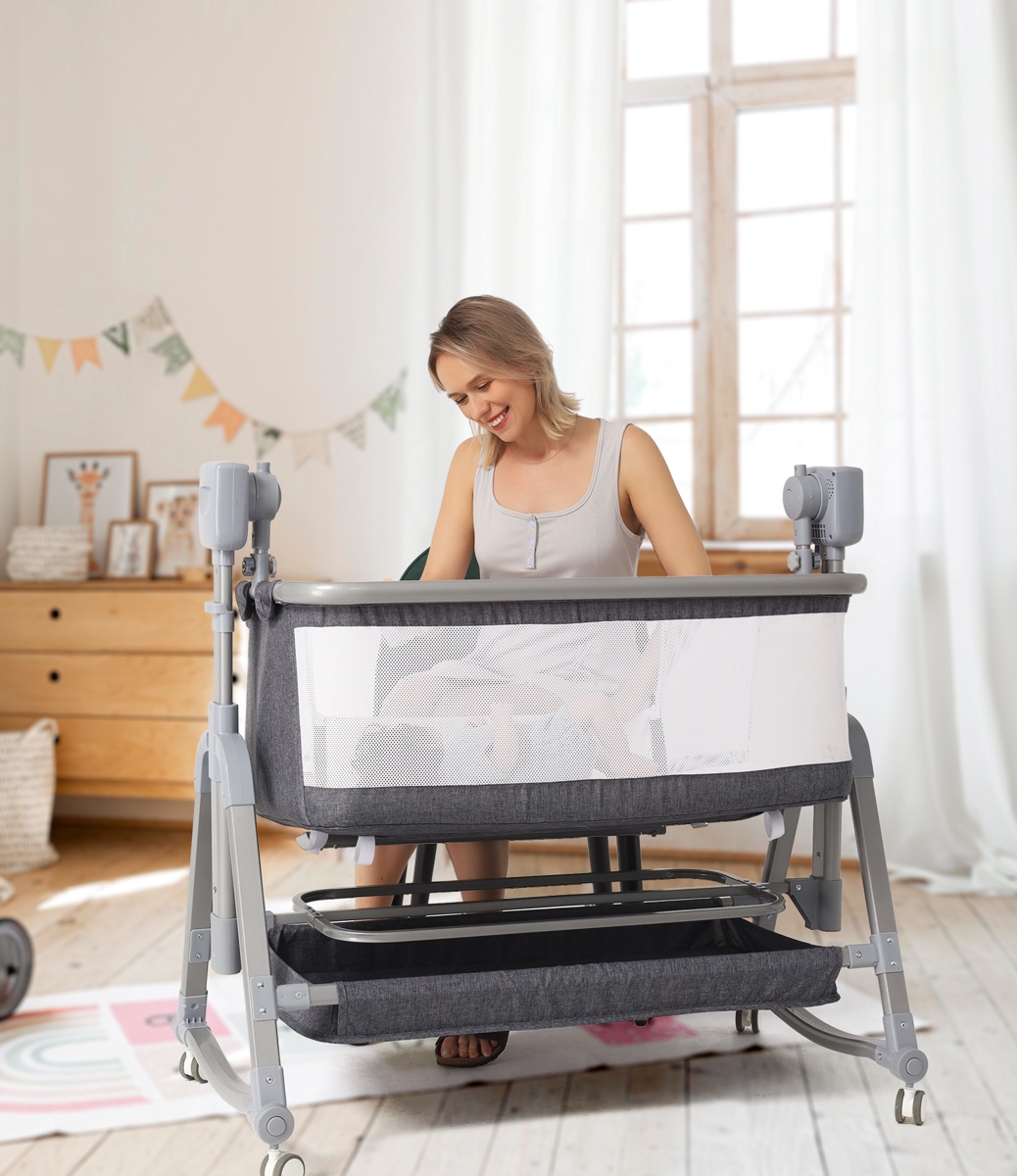

Photos from current listings. Actual item, color, and included accessories may vary.
Rocking Chair Buying Guide
A rocking chair for a nursery is a motion-capable seat or sleeper, and the core trade-off is between gentle, parent-powered glider/rocker mechanics and motorized bassinet-style soothing devices. Durable picks use solid wood or powder-coated steel frames with replaceable cushions; compromises are thin plywood rockers, plastic pivot joints, and unbranded electric shakers with no safety certification.


At a glance
- Category
- Baby Sleep & Soothing
- Data updated
- Nov 18, 2026
Current offers
Highlights
- Frame construction decides lifespan: solid hardwood or powder-coated steel with metal-to-metal glider bearings outlast particleboard and plastic pivot blocks that loosen within months.
- Motion type separates categories: traditional curved-runner rockers suit reading and feeding, while horizontal gliders and motorized bassinet shakers provide the repetitive linear motion newborns need to fall asleep.
- Fabric grade matters: performance-weave polyester or removable, machine-washable covers handle spit-up and leaks; bonded leather and fixed upholstery crack and stain in a nursery environment.
- Electric shaker units must carry a visible safety mark (CPC, CE, or equivalent) and a low-voltage adapter; uncertified mains-powered bassinets are the single biggest durability and safety risk in this segment.
Best use cases
- Pick a wooden glider or upholstered swivel rocker if the chair stays in the nursery for years of bedtime stories and feeding — the seat doubles as adult furniture after the baby outgrows it.
- Choose a compact motorized bassinet shaker only for the newborn stage (0–6 months) when hands-free coaxing is the priority; skip it if you want a seat that lasts past infancy.
- Skip full-size recliners and oversized rockers in small nurseries under 10 ft x 10 ft; a compact glider with a footprint under 30 in wide preserves floor space for a crib and changing table.
- Avoid cheap curve-runner rockers with plastic rocker blocks on hardwood floors — they slide and scratch; pick felt-padded runners or a glider with a locking mechanism instead.
Buying tips
- Match seat width to your room: leave at least 24 in of clear floor behind a glider's recline arc and 12 in on each side so the chair never hits the crib or wall.
- Check weight capacity at 250 lb or higher for adult use; nursery rockers rated under 200 lb use thinner frames and are the first to wobble.
- For electric bassinet shakers, confirm a 5–6 V DC low-voltage adapter and a washable bassinet liner — mains-voltage motors and non-removable liners are red flags.
- Prefer rockers with replaceable cushion covers and exposed hardwood or steel frames; upholstered-only designs with glued foam cannot be re-covered when stains set in.
Specs
| Motion Type | Curved runner / glider / motorized shaker |
|---|---|
| Frame Material | Solid hardwood / powder-coated steel |
| Weight Capacity | 250–300 lb adult rating |
| Upholstery | Removable washable fabric vs fixed leather |
Related searches
What to check before buying
- Measure the nursery floor space and door width before ordering — assembled gliders often exceed 30 in wide and will not fit through a standard 28 in door frame.
- Confirm your floor type: hard floors need felt or rubber runner pads, carpet needs wider flat runners, and gliders with locking pins are safest on uneven floors.
- Verify the rocker's recline or swivel clearance does not overlap the crib drop-side or a wall outlet within 24 in.
- For electric shaker models, check the plug standard and voltage for your region and that the adapter is included, not sold separately.
FAQ
Data sources: eBay / Amazon listings and product attribute feeds Data updated Nov 18, 2026.
Some links on this page are affiliate links. If you buy after clicking one, we may earn a commission at no extra cost to you. This does not change which products appear here or their order. Affiliate disclosure.