Photos from current listings. Actual item, color, and included accessories may vary.
Soothing Sound Machine Buying Guide
A soothing sound machine for babies is a dedicated audio device that masks environmental noise and establishes a consistent sleep cue through white noise, lullabies, or womb-like shushing. The primary trade-off is between portability (battery-powered, compact, often fewer sounds) and full-featured nursery operation (AC-powered, night light, cry sensor, higher output). The decision rule: choose a rechargeable or AA-powered unit with a true mechanical or high-quality digital sound engine and a 30-minute to continuous timer; skip any model that lacks volume memory or uses a proprietary charging cradle.


At a glance
- Category
- Baby Sleep & Soothing
- Data updated
- Nov 16, 2026
Current offers
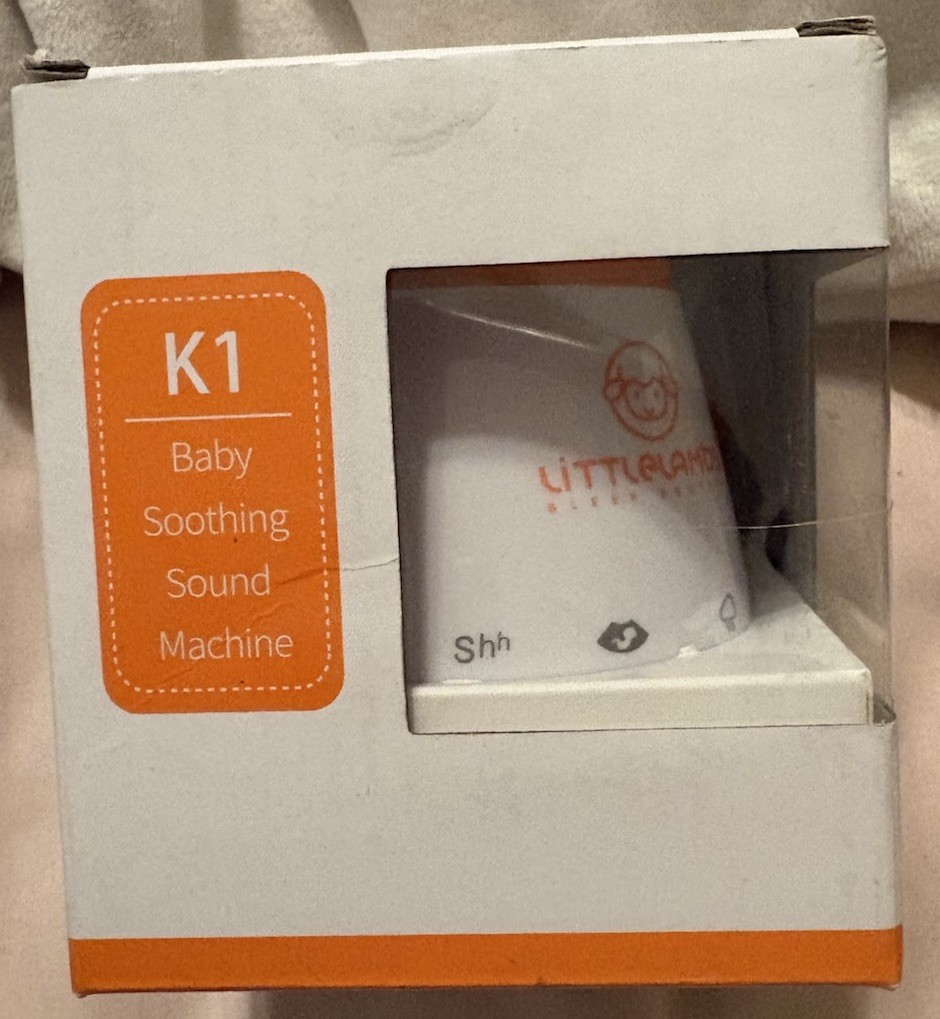 Little Lambs K1 Baby Soothing Sound Machine Sleep Soother Voice Sensor New$20.00
 View on eBay
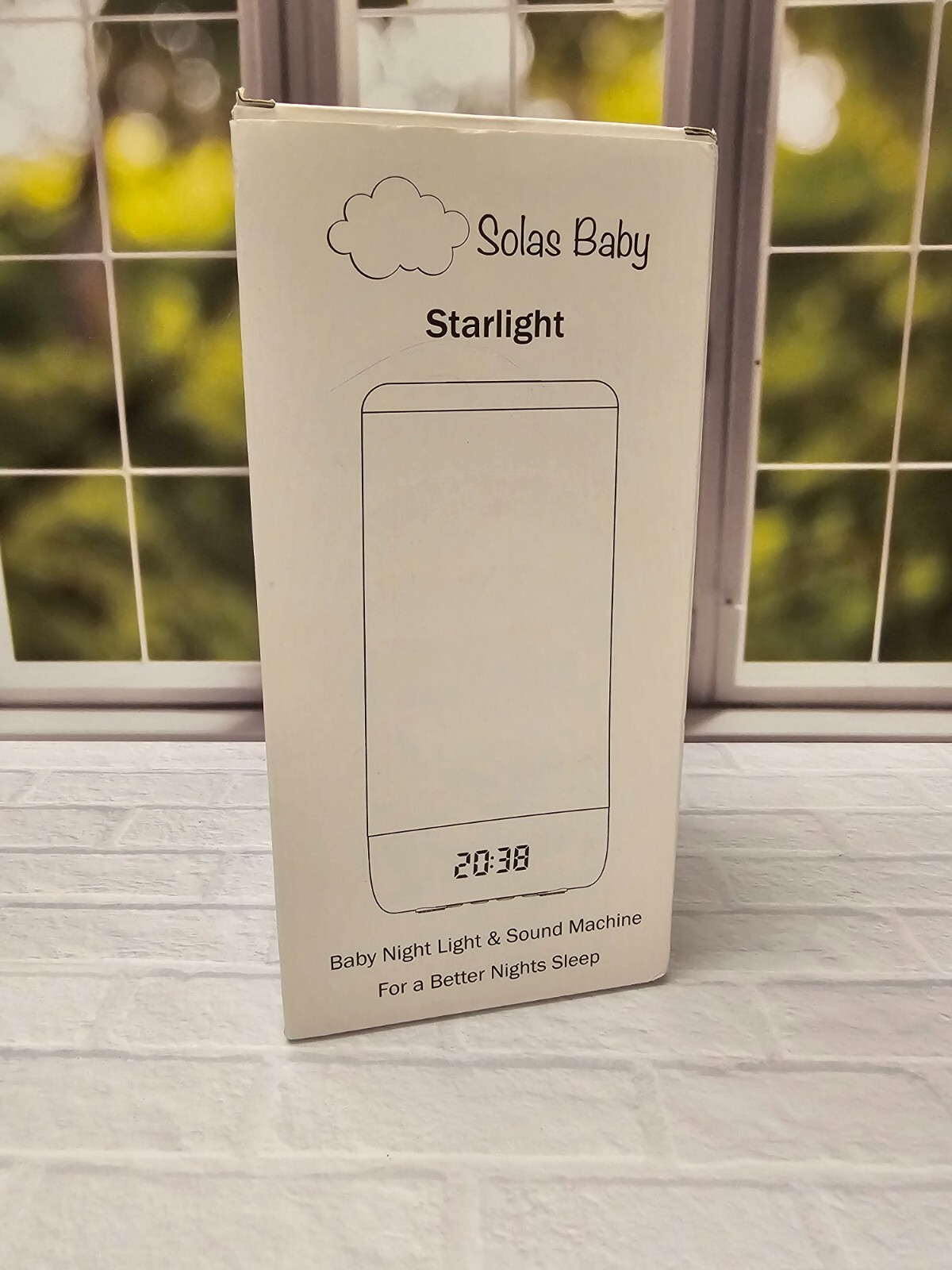 Starlight White Noise Soothing Sound Machine Baby Nursery Night Light$22.99View on eBay
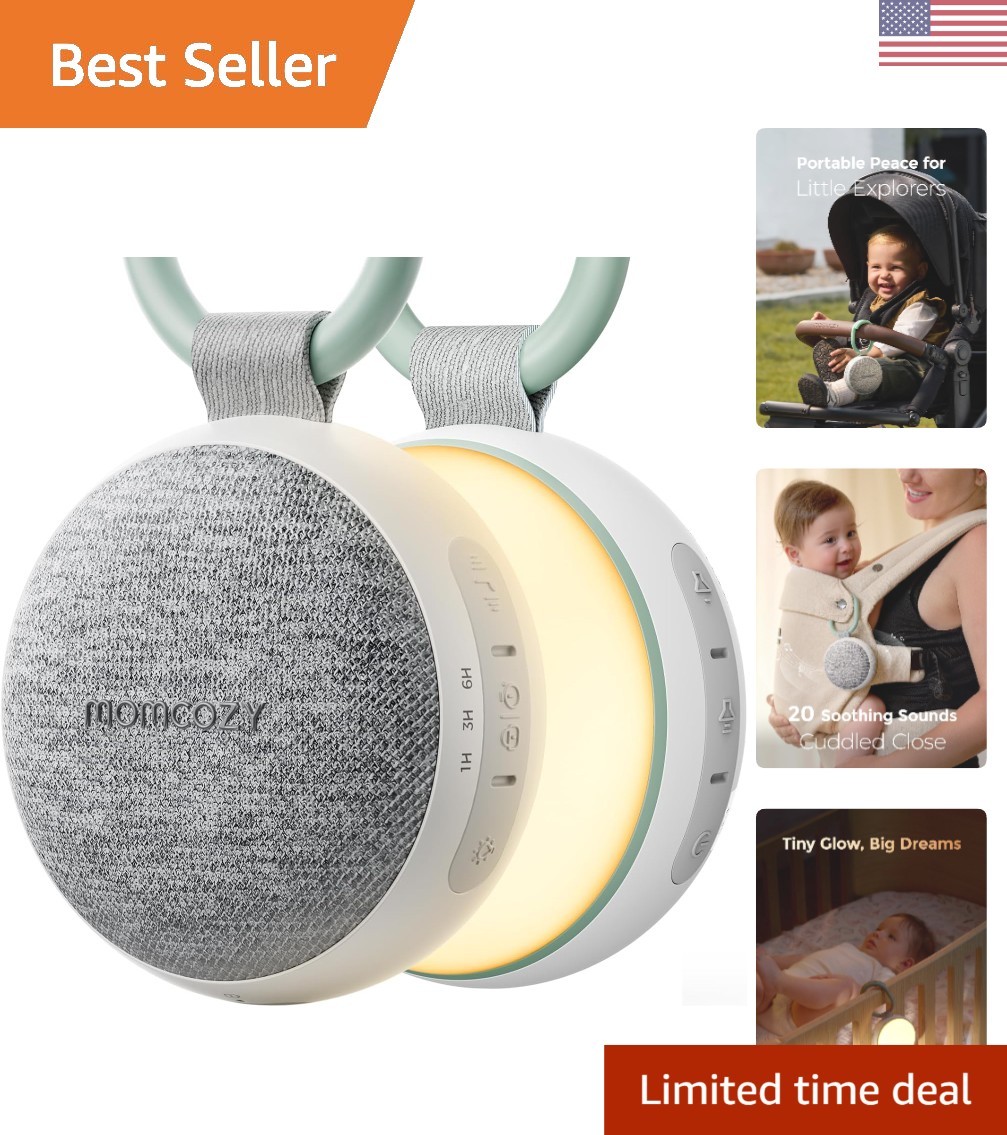 Soothing Sound Machine with Night Light - Perfect for Baby's Sleep and Travel$36.09View on eBay
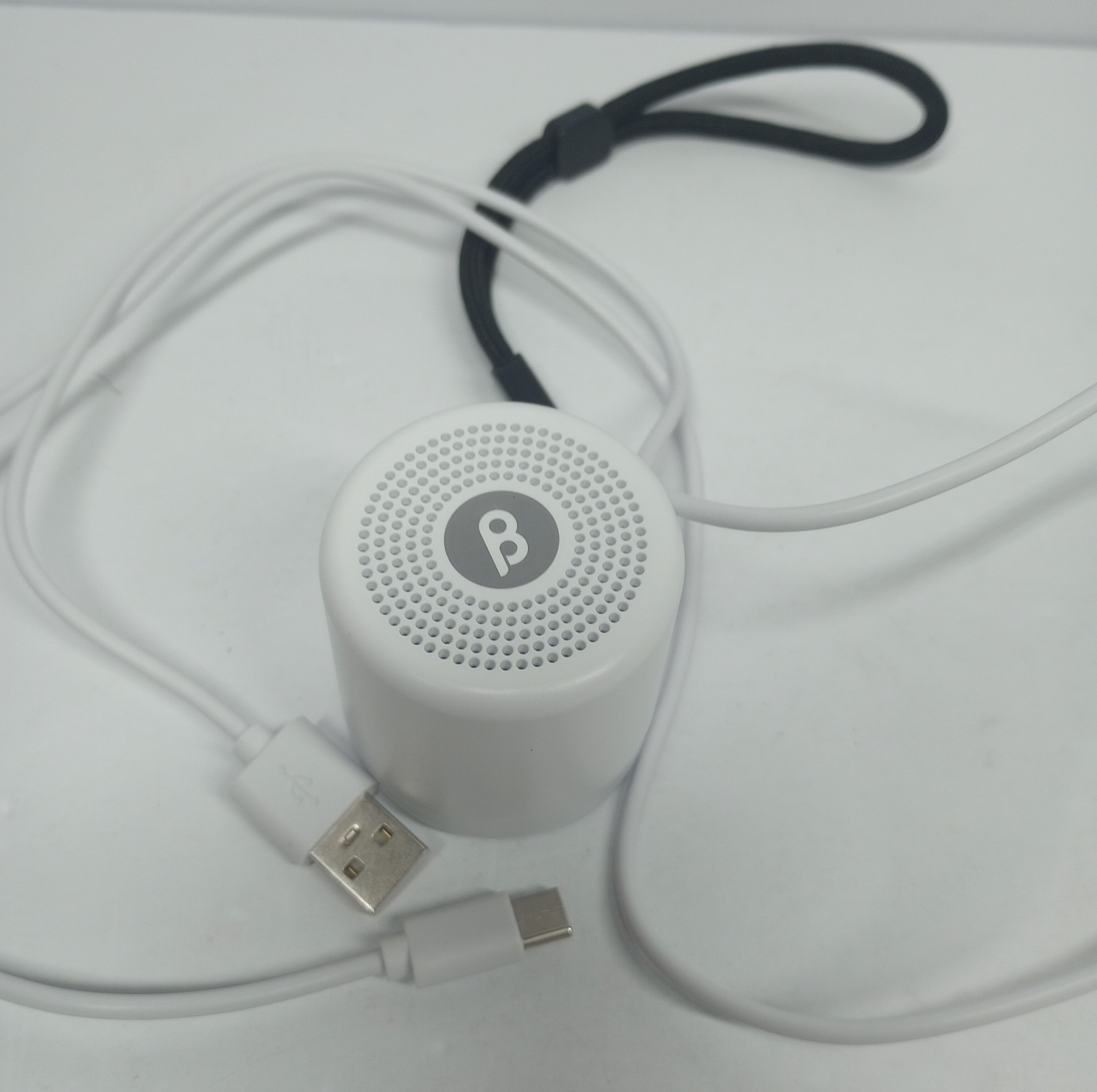 Dream Egg Mini Portable White Noise Sound Machine Sleep baby 30 soothing sounds$9.99View on eBay
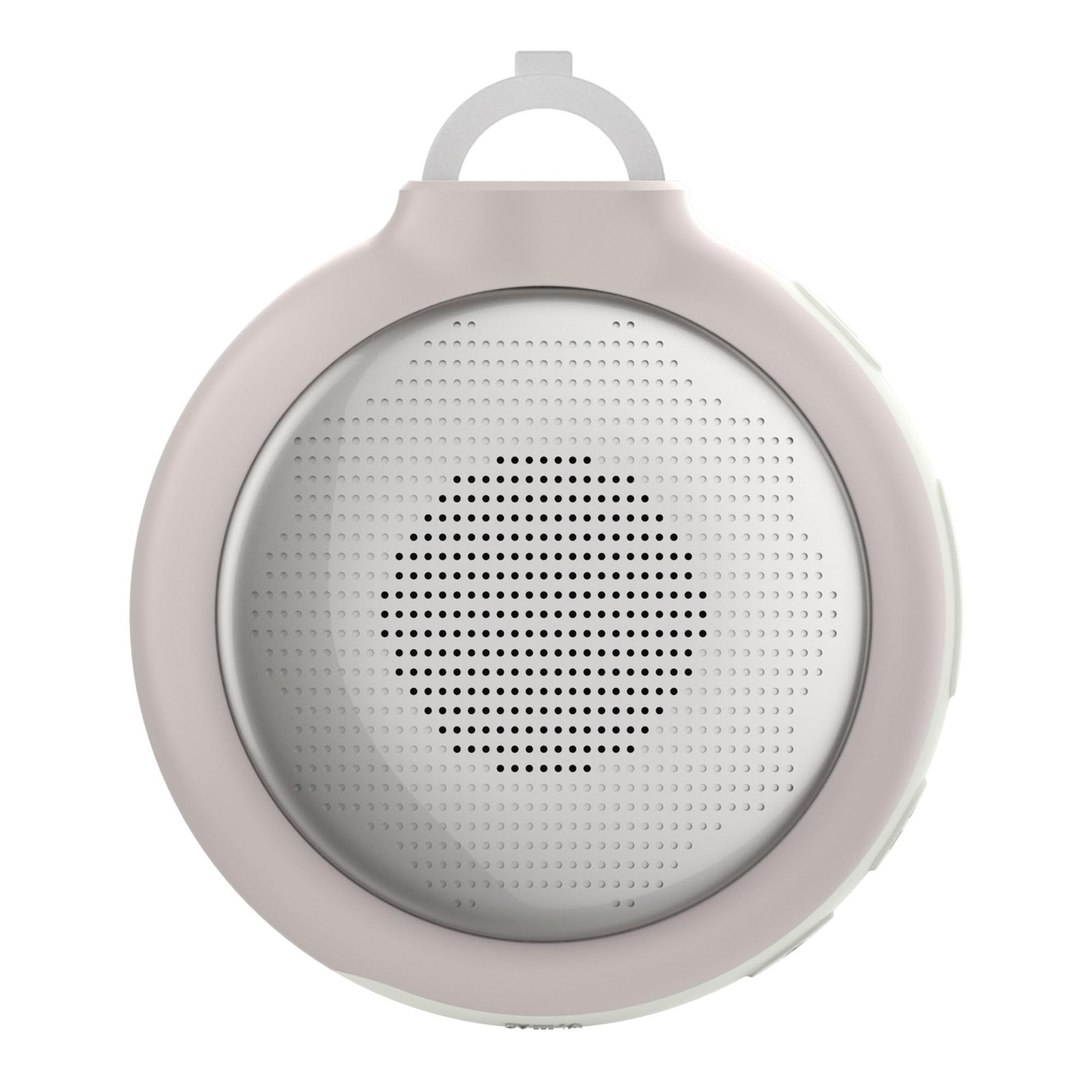 Portable Sound Machine, Baby Sleep Soothe, 9 Soothing Sounds, White Noise, Sh...$11.40View on eBay
- Portable Sound Machine, Baby Sleep Soothe, 9 Soothing Sounds, White Noise, Sh...$11.40View on eBay
- Portable Sound Machine, Baby Sleep Soothe, 9 Soothing Sounds, White Noise, Sh...$11.40View on eBay
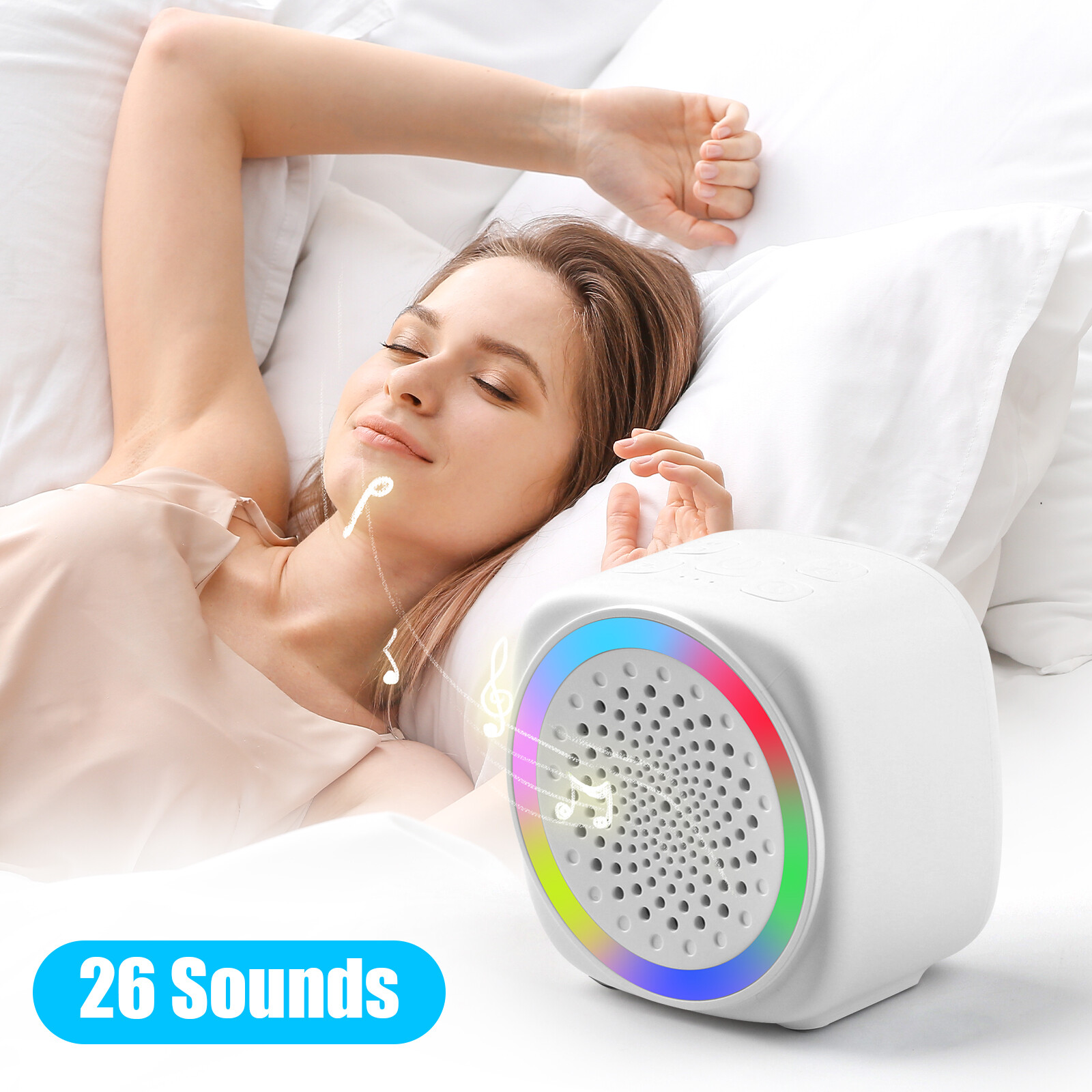 Q9 White Noise Sleep Machine 26 Soothing Sounds 9 Light Modes Baby Adult Home$11.95View on eBay
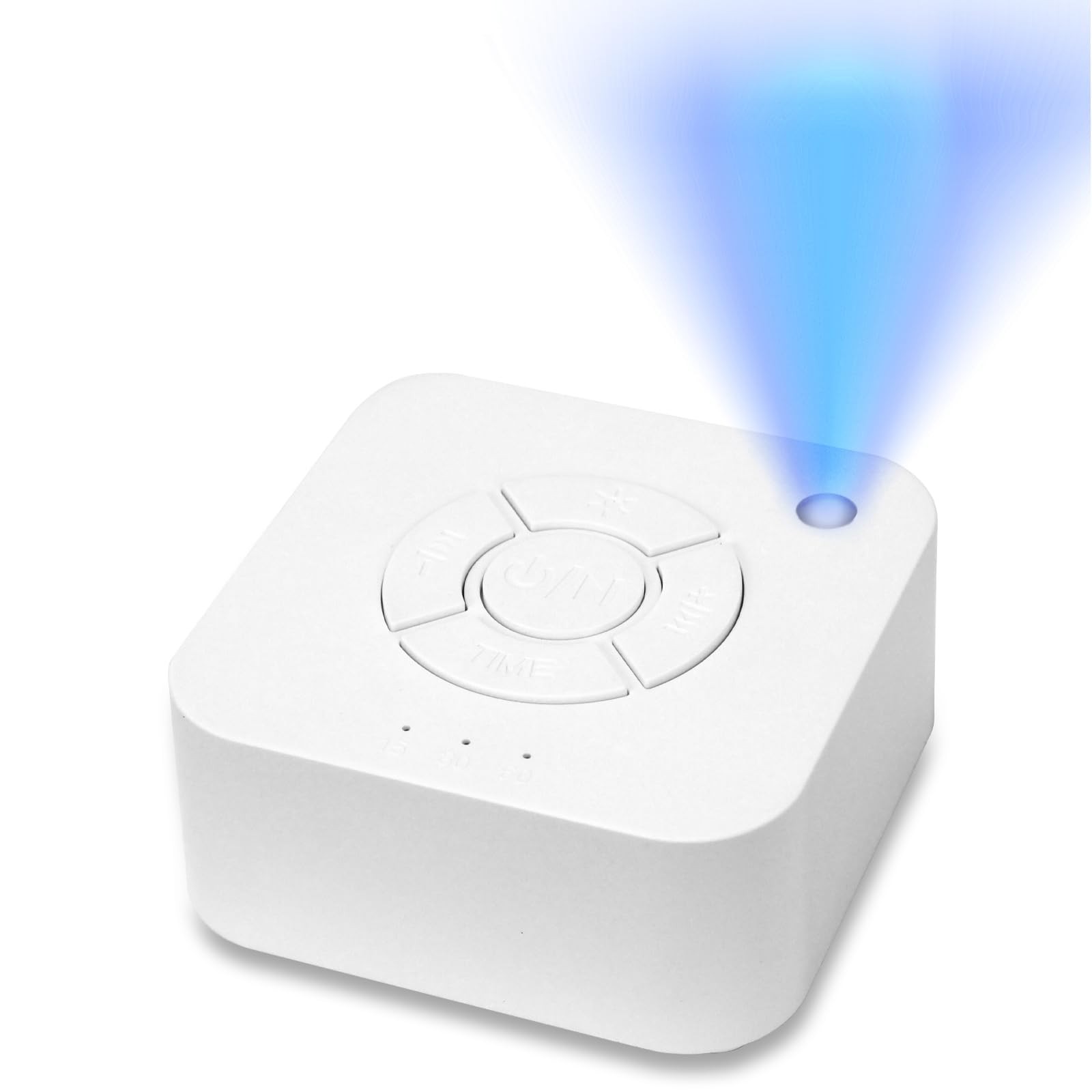 White Noise Sleep Machine,Sleep Aid for Adults & Babies,9 Soothing Sounds,Whi...$13.13View on eBay
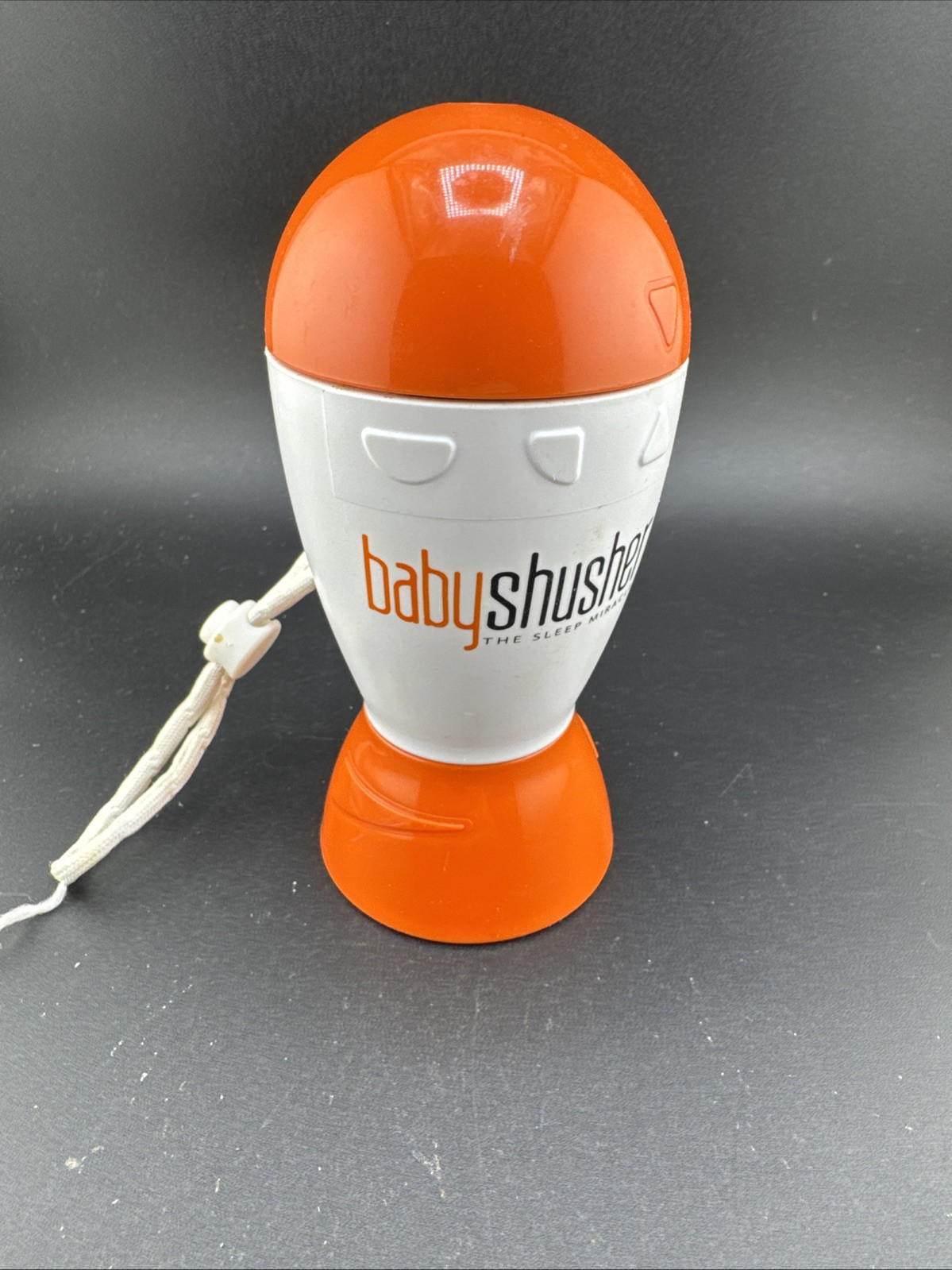 Baby Shusher The Sleep Miracle Natural Soothing Calming Sound Machine Works📦$13.20View on eBay
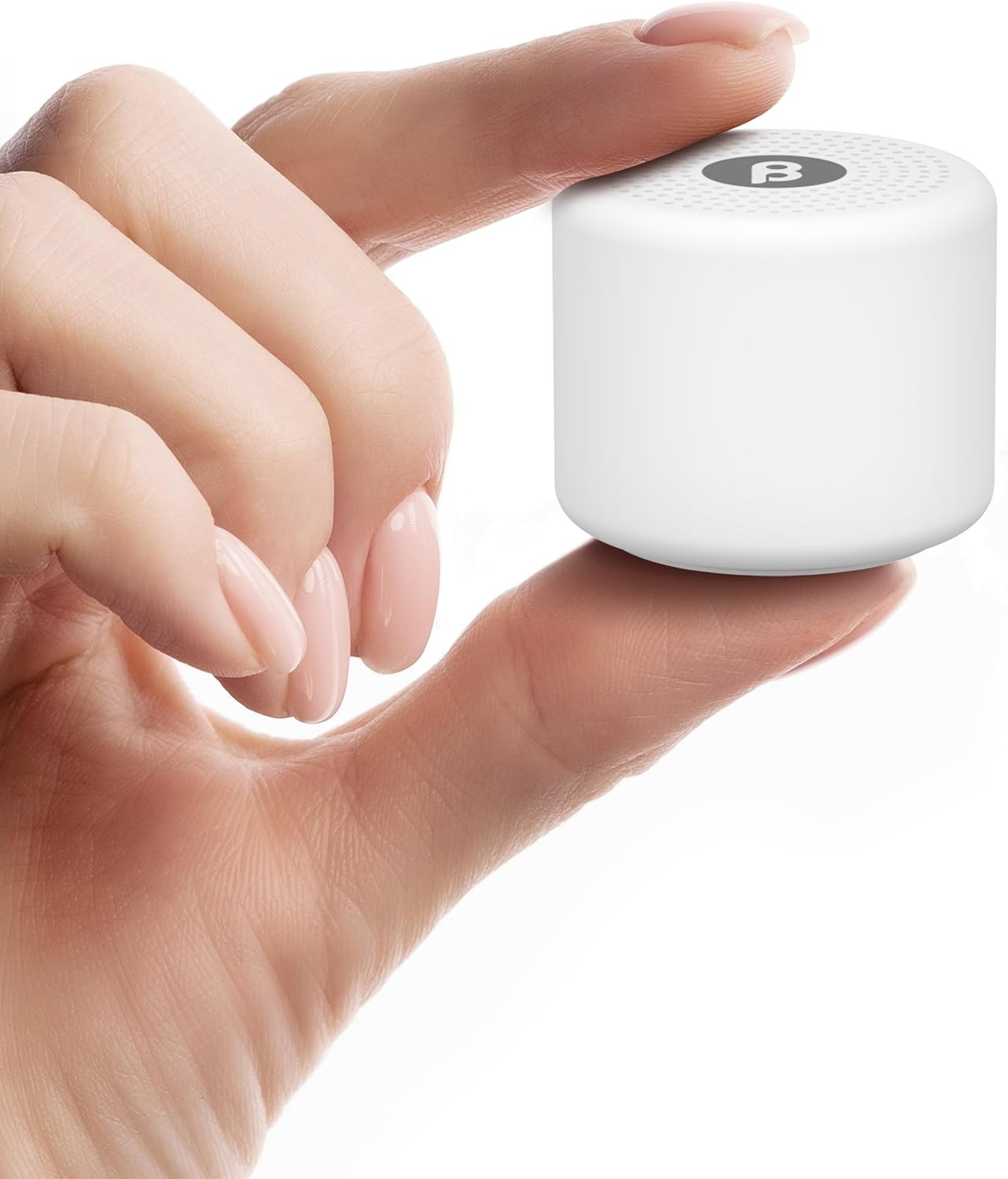 Mini Portable Sound White Noise Machine Baby Patter for Sleep with 30 Soothing S$13.52View on eBay
- Mini Portable Sound White Noise Machine Baby Patter for Sleep with 30 Soothing S$14.12View on eBay
 Portable Noise Machine for Baby Adult with 21 Natural Soothing Sound, Memory ...$14.36View on eBay
- Portable Sound Noise Machine for Baby Kids Adult with 21 Natural Soothing Sou...$14.67View on eBay
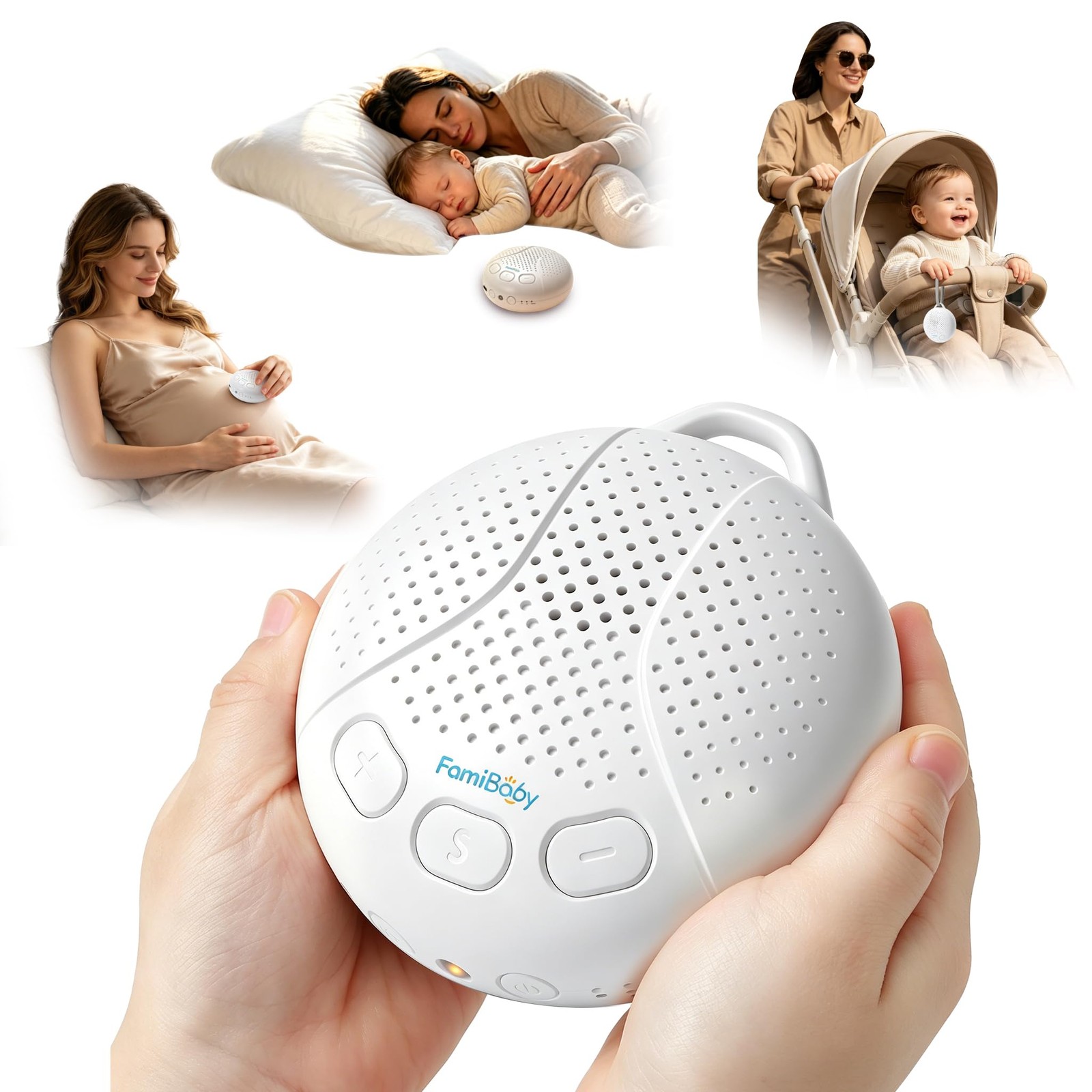 Portable White Noise Machine for Baby with Night Light 16 Soothing Sounds$14.74View on eBay
- Portable Sound Noise Machine for Baby Kids Adult with 21 Natural Soothing Sou...$14.80View on eBay
- Portable Sound Noise Machine for Baby Kids Adult with 21 Natural Soothing Sou...$14.92View on eBay
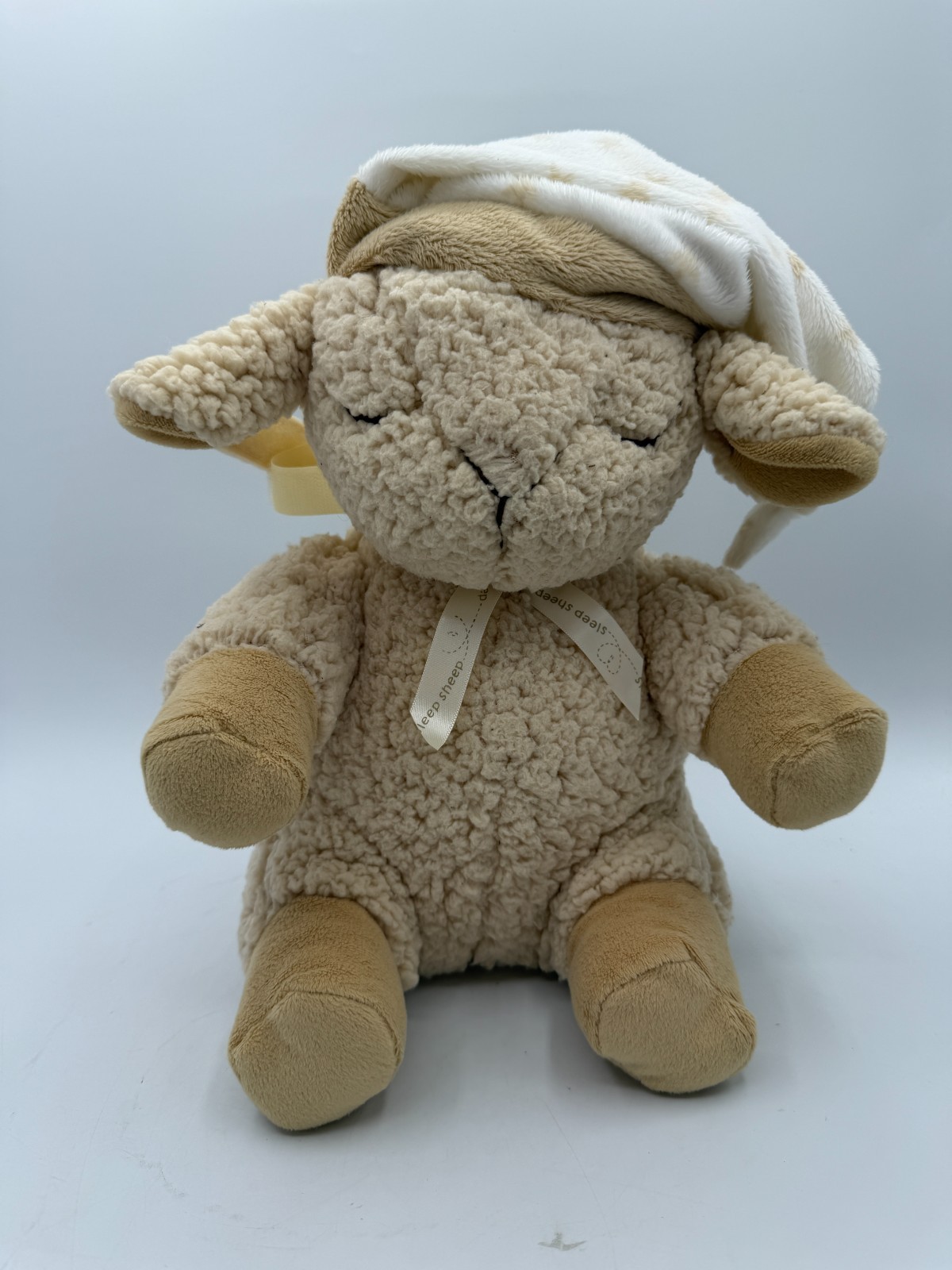 Cloud B Sleep Sheep Plays Soothing Sounds Soother Machine Baby Lamb 10" VIDEO!$14.95View on eBay
- Portable Sound Noise Machine for Baby Kids Adult with 21 Natural Soothing Sou...$15.05View on eBay
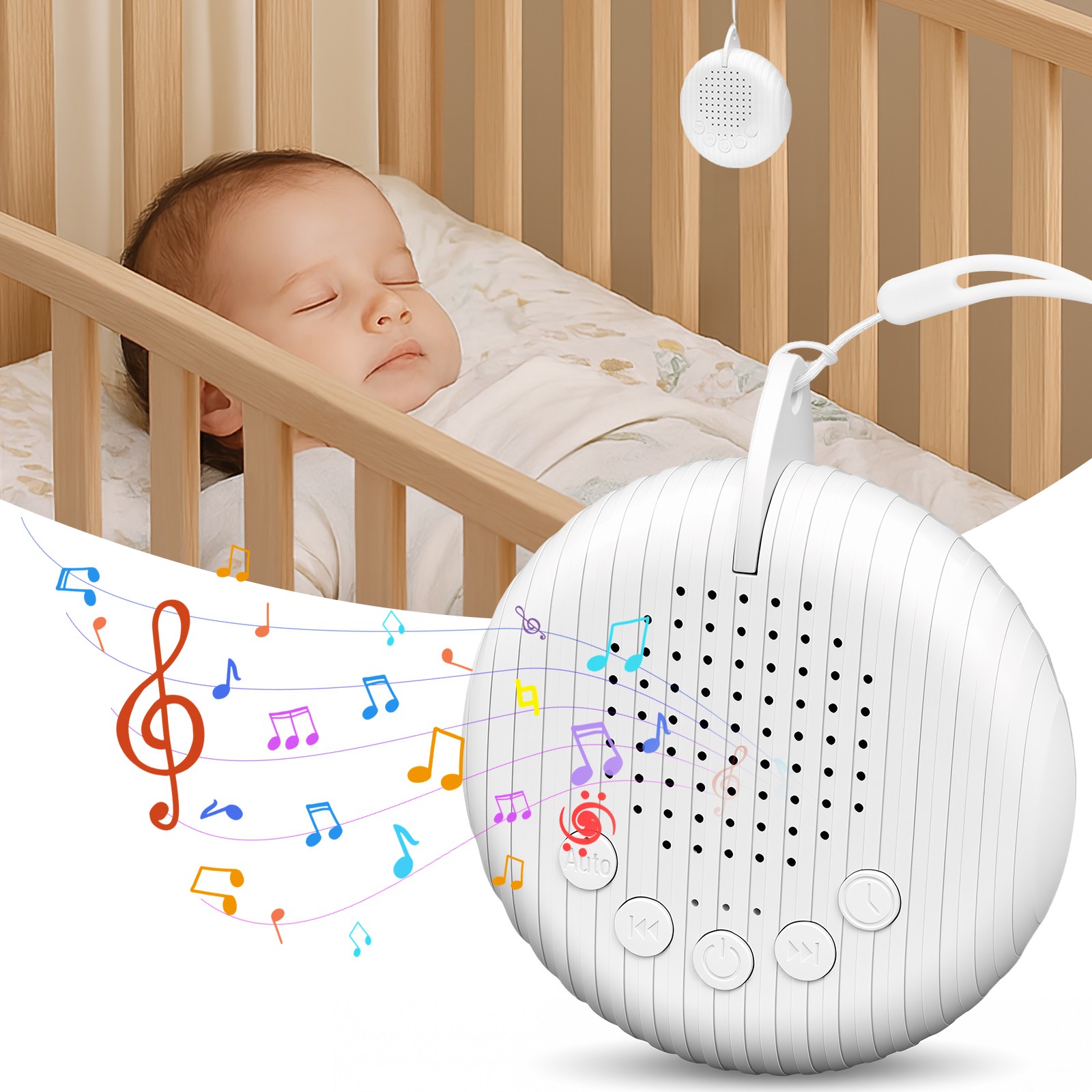 10 Soothing Sounds for Baby Sleep, Travel-Friendly Portable White Noise Machine$15.13View on eBay
Highlights
- Sound engines split into looping digital samples (common, prone to noticeable loop seams) and algorithmic white noise (smoother, better masking); fan-based units add real airflow noise but suffer bearing wear.
- Battery architecture matters: USB-C rechargeable lithium-ion units offer 8–20 hours per charge, while AA-powered models give 20–40 hours but require disposable cells; AC-only units never need charging but tether to a wall.
- Cry sensor models use a microphone threshold (typically 50–70 dB) to auto-restart sound; without adjustable sensitivity, they false-trigger on household noise or fail to catch quiet fussing.
- Night light output ranges from 0.5–5 lux on dim settings; above 5 lux at crib level can suppress melatonin, so look for a dedicated low-lux mode and amber/red LED options.
Best use cases
- Best fit for nursery-only use: an AC-powered unit with continuous play, cry sensor, and adjustable night light—skip battery-only models that die mid-night.
- Best fit for travel and stroller: a rechargeable USB-C unit under 1 lb with a carabiner or strap loop and at least 20 hours per charge—skip bulky AC units with proprietary adapters.
- Best fit for shared-room or toddler transition: a model with volume memory, 30/60/90-minute timers, and a child-lock button—skip single-button units that cycle through all sounds to power off.
- Wrong fit for light sleepers who need low-frequency masking: tiny portable units with 1–2 inch speakers cannot produce meaningful output below 100 Hz—choose a larger AC unit with a 3-inch or larger driver.
Buying tips
- Match speaker size to room: a 1-inch driver suits a stroller or co-sleeper, 2–3 inch drivers fill a standard nursery, and 4-inch or larger drivers are needed for rooms over 150 sq ft.
- For safe infant sleep, place the machine at least 3 feet from the crib and set volume to roughly 50 dB at crib level—about the loudness of a quiet shower.
- Prefer USB-C charging over micro-USB or proprietary docks; USB-C extends usable life and lets you recharge from any modern adapter or power bank.
- Check timer granularity: continuous play is best for overnight white noise, while 15/30/60-minute auto-off suits toddlers who need a fading cue; avoid units with only a single fixed timer.
Specs
| Power Source | AC plug / USB-C rechargeable / AA |
|---|---|
| Sound Engine | Digital loop vs algorithmic white noise |
| Battery Runtime | 8–20 hr USB-C; 20–40 hr AA |
| Night Light Output | 0.5–5 lux dim mode; amber/red LED |
Related searches
What to check before buying
- Measure the distance from the nearest outlet to the crib and shelf; AC units need a cord long enough to keep the device 3+ feet from the crib without a tripping hazard.
- Confirm your crib or bassinet has a flat, stable surface at least 12 inches away from the machine; avoid clamping to the crib rail itself.
- Verify the unit’s plug standard matches your country (US Type A/B, EU Type C/F, UK Type G) and that any adapter is included for travel models.
- Check whether the night light uses amber/red LEDs versus blue-white LEDs; blue-white light at any brightness is less ideal for night feeding and sleep onset.
FAQ
Data sources: eBay / Amazon listings and product attribute feeds Data updated Nov 16, 2026.
Some links on this page are affiliate links. If you buy after clicking one, we may earn a commission at no extra cost to you. This does not change which products appear here or their order. Affiliate disclosure.