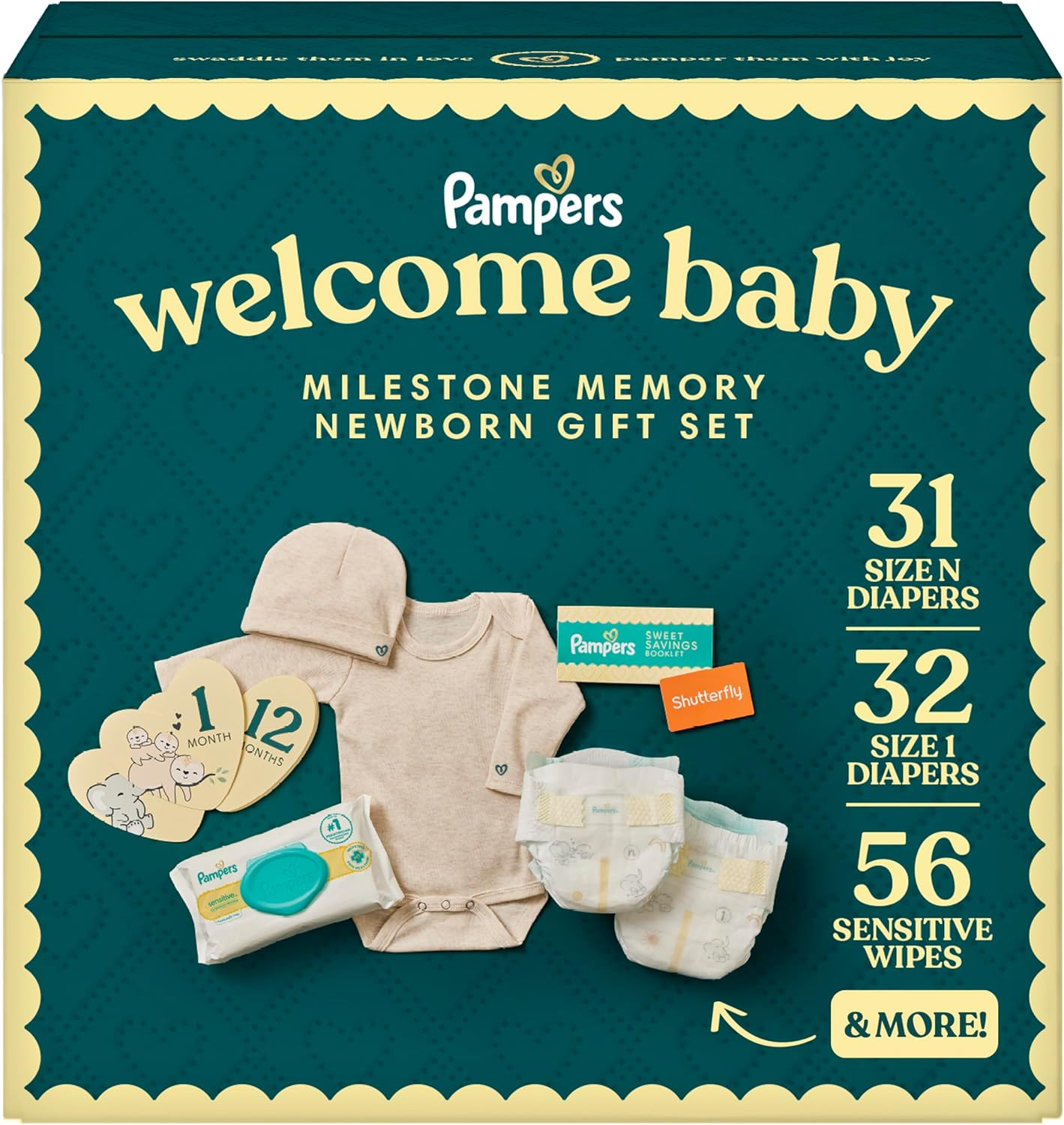

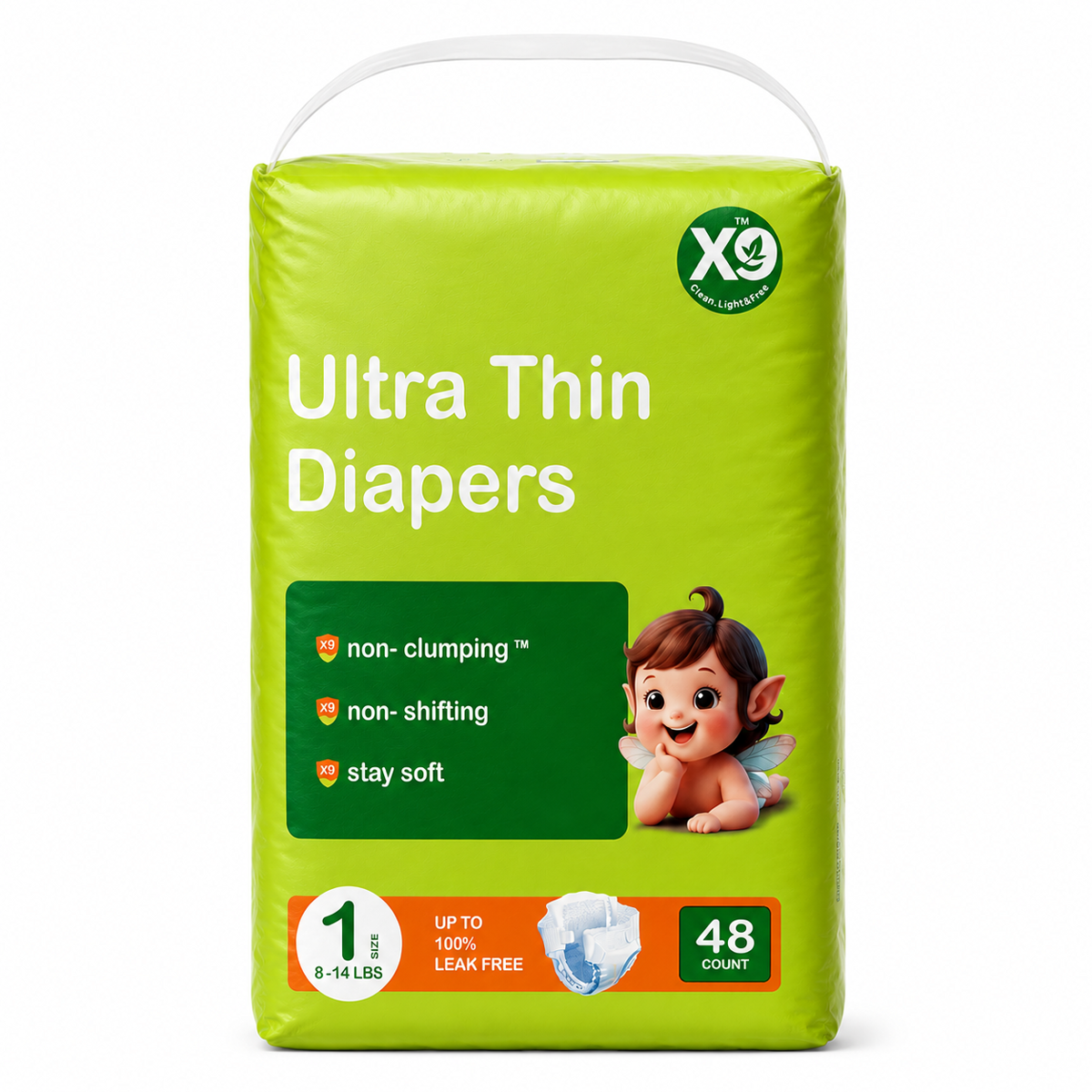
Photos from current listings. Actual item, color, and included accessories may vary.
Disposable Diaper Buying Guide
Disposable diapers are single-use absorbent garments built from a pulp-and-SAP core, a breathable backsheet, and refastenable tabs; the defining trade-off is absorbency speed versus breathability and fit range. The decision rule is simple: buy a tier with a clearly stated absorbent core (SAP plus pulp) and a size range that brackets your baby's weight with overlap, and skip any product that lists only 'fabric' as its material with no size or absorbency data.


At a glance
- Category
- Diapers & Wipes
- Data updated
- Nov 15, 2026
Current offers
Highlights
- Absorbent core grade: diapers using a superabsorbent polymer (SAP) plus fluff pulp lock liquid faster and stay drier under pressure than pulp-only or 'ultra-thin' cores with minimal SAP.
- Backsheet type: breathable polyethylene or nonwoven backsheets reduce rash risk versus fully occlusive plastic film; look for explicit 'breathable' construction claims.
- Size system: disposable diapers run in weight-banded sizes (Newborn through Size 7), and correct fit requires the baby's weight to sit inside the band, not at its edge.
- Tab and waist construction: refastenable hook-and-loop or adhesive tabs with stretch side panels allow re-fitting and reduce leaks versus fixed, non-stretch waists.
Best use cases
- Best fit: daytime use for a baby whose weight sits mid-range in a size band — choose a breathable-backsheet, SAP-core diaper in that band and skip the next size up.
- Best fit: overnight or long-stretch sleep — pick a dedicated overnight or higher-absorbency tier in the same size and add a booster only if the core is rated for extended wear.
- Wrong fit: newborns — skip standard Size 1 and use a Newborn size with an umbilical cord cutout until the baby exceeds the Newborn weight ceiling.
- Wrong fit: babies at a size boundary — skip stocking up on one size and instead split between the current band and the next band to bridge the weight transition.
Buying tips
- Match the baby's weight to the size band's midpoint; if weight is within the top 10% of a band, move up a size to avoid leaks and red marks.
- Choose an SAP-plus-pulp core over 'ultra-thin' pulp-light designs when absorbency volume matters more than a low profile.
- Prefer refastenable tabs with stretch side panels for re-fitting during the day; fixed-waist pull-ups suit mobile toddlers but not frequent changes.
- For sensitive skin, select a fragrance-free, chlorine-free pulp option with a breathable backsheet rather than a standard scented tier.
Specs
| Core Type | SAP + pulp vs pulp-only |
|---|---|
| Backsheet | Breathable nonwoven vs plastic film |
| Size Band | Newborn-Size 7 (weight-banded) |
| Closure | Refastenable tabs vs pull-up |
Related searches
What to check before buying
- Weigh the baby and confirm the weight falls inside the diaper's stated size band, not at its upper edge.
- Measure waist and thigh circumference if the baby is between sizes; thigh fit controls leak risk more than waist fit.
- Check that the backsheet is labeled breathable and the core names SAP, not just 'fabric' or 'ultra-thin'.
- Confirm the diaper format (tape-style vs pull-up) matches the change routine and the baby's mobility stage.
FAQ
Data sources: eBay / Amazon listings and product attribute feeds Data updated Nov 15, 2026.
Some links on this page are affiliate links. If you buy after clicking one, we may earn a commission at no extra cost to you. This does not change which products appear here or their order. Affiliate disclosure.