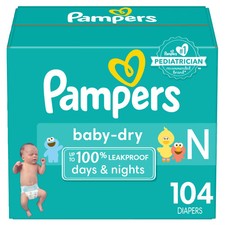

Photos from current listings. Actual item, color, and included accessories may vary.
Pamper Baby Diaper Buying Guide
Pampers baby diapers are a tiered disposable diaper system where the primary trade-off is absorbency chemistry and fit versus skin sensitivity and environmental cost. The decision rule: choose a size by weight range with a snug leg-cuff fit, and pick the product tier that matches your baby's urine output and skin sensitivity rather than marketing claims.
Absorbency Tier:12-hr core vs 2-3 hr daytimeSizing Basis:Weight range (lb) with 2-lb marginSkin Sensitivity:Fragrance-free / dye-free vs scentedClosure Type:Tape vs pull-up elastic sides
Typical price range$18.69


At a glance
- Category
- Diapers & Wipes
- Data updated
- Nov 17, 2026
Current offers
Highlights
- Pampers tiers differ by absorbency core: Baby Dry uses three absorbent layers for up to 12-hour protection, while Swaddlers and Cruisers use a thinner, softer top sheet and faster liquid lock-in.
- Size ranges are weight-based, not age-based; overlapping ranges mean fit at the leg cuffs and waistband determines leak prevention more than the printed size number.
- Wetness indicators appear on Swaddlers and some newborn tiers, changing color when wet, which reduces unnecessary changes and diaper rash risk.
- Diaper construction uses a cellulose fluff pulp core with superabsorbent polymer (SAP) beads; higher SAP concentration means thinner diapers with more liquid retention per gram.
Best use cases
- Best fit for overnight use: pick Baby Dry or a higher-capacity overnight tier when the baby sleeps 10-12 hours and leaks occur at the back or legs; skip thin daytime liners.
- Best fit for newborns and sensitive skin: choose Swaddlers or a fragrance-free, dye-free tier with a wetness indicator; skip heavily scented or extra-absorbent toddler tiers on newborns.
- Best fit for active toddlers: select Cruisers or a pull-up style with stretchy sides for walking and climbing; skip standard tape diapers if the baby resists lying down for changes.
Buying tips
- Use the weight range on the pack as the primary selection rule: pick the size where the baby's weight sits in the middle of the range, not the bottom, to avoid leg gaps.
- Check the leg cuff and waistband elasticity by stretching the diaper before first use; a snug but not red-marking fit prevents blowouts better than sizing up.
- Match the absorbency tier to the interval between changes: 12-hour protection tiers for overnight, thinner tiers for 2-3 hour daytime changes to reduce bulk between legs.
- Avoid stocking up on one size beyond 2-3 weeks of supply; babies gain weight quickly and the next size range may fit before the current pack is finished.
Specs
| Absorbency Tier | 12-hr core vs 2-3 hr daytime |
|---|---|
| Sizing Basis | Weight range (lb) with 2-lb margin |
| Skin Sensitivity | Fragrance-free / dye-free vs scented |
| Closure Type | Tape vs pull-up elastic sides |
Related searches
What to check before buying
- Measure the baby's weight and waist circumference; confirm the selected size range brackets that weight with at least 2 pounds of margin on each side.
- Check for skin sensitivity: if the baby has had reactions to scented or lotion-treated diapers, choose a fragrance-free, dye-free tier.
- Confirm the changing setup: overnight tiers require a room-temperature change area and a diaper pail that seals odor; daytime tiers need a portable changing pad for outings.
- Verify the diaper disposal method: SAP-containing diapers should go in a sealed pail and never be flushed; check local waste guidelines for compostable options.
FAQ
Data sources: eBay / Amazon listings and product attribute feeds Data updated Nov 17, 2026.
Some links on this page are affiliate links. If you buy after clicking one, we may earn a commission at no extra cost to you. This does not change which products appear here or their order. Affiliate disclosure.