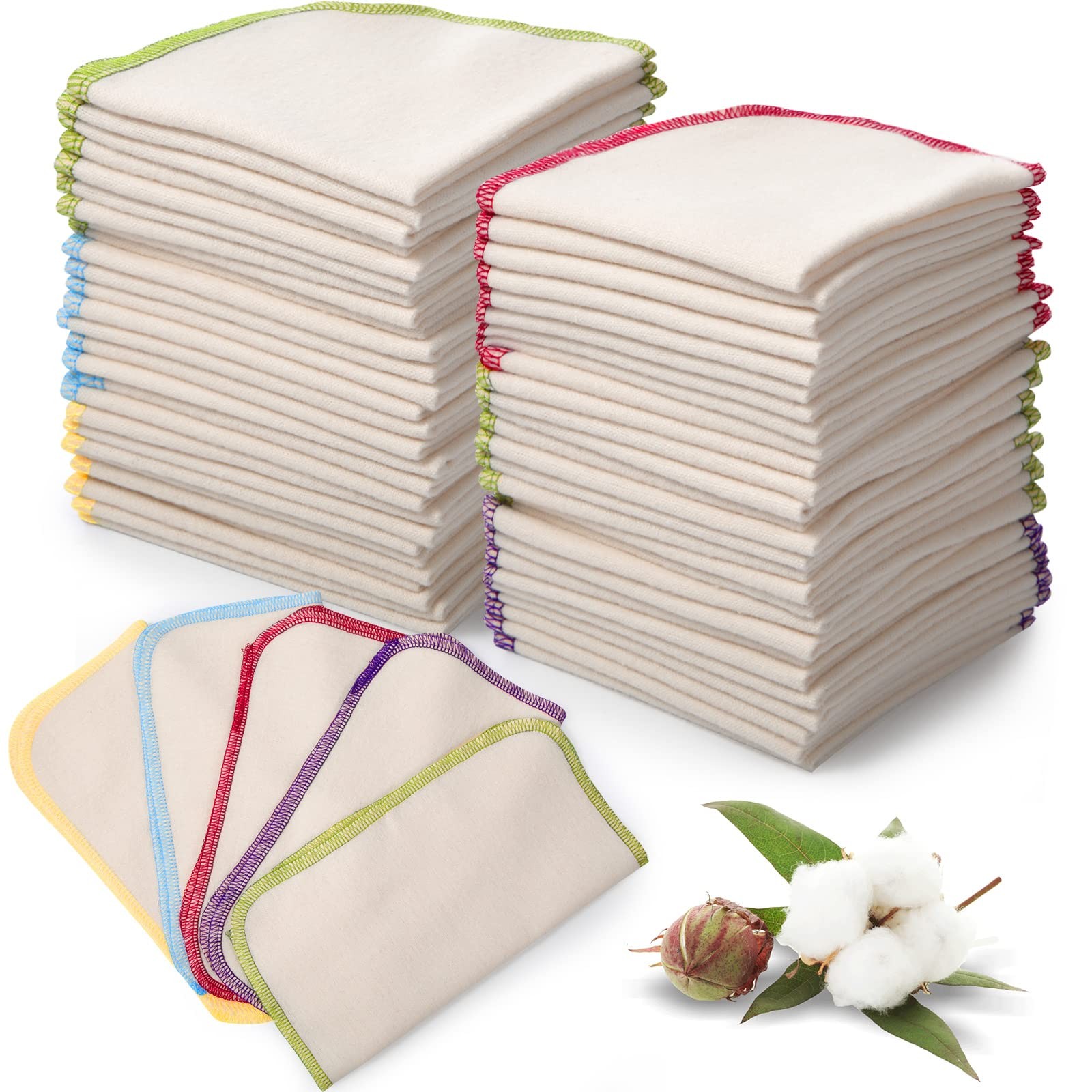

Photos from current listings. Actual item, color, and included accessories may vary.
Reusable Cloth Diaper Buying Guide
Reusable cloth diapers are washable absorbent systems (fitted, pocket, all-in-one, or flat/prefold with a cover) that replace disposables; the core trade-off is upfront absorbency and leak-proofing versus laundry effort and fit precision. Durable options use multi-layer natural or bamboo-cotton absorbents with PUL or wool covers and snap/rise adjustment; compromises use thin microfiber inserts, single-layer PUL, or hook-and-loop closures that degrade. Decide by your wash routine tolerance and your baby's rise/size range, not by pack count.


At a glance
- Category
- Diapers & Wipes
- Data updated
- Nov 17, 2026
Current offers
Highlights
- Absorbent core tiers: 4-6 layer bamboo/cotton or hemp blends outperform 2-layer microfiber, which compresses and loses capacity after repeated hot washes.
- Cover waterproofing: 2-mil PUL (polyurethane laminate) resists delamination; single-mil or TPU films fail earlier under daily hot-cycle laundering.
- Closure architecture: snap closures with a rise setting (3x3 or 4x4) outlast hook-and-loop (Aplix/Velcro), which loses grip after roughly 50-80 washes.
- System types: all-in-one (AIO) dries slowest but is easiest; pocket diapers dry fast and allow insert tuning; flats/prefolds with separate covers are cheapest per change and most customizable.
Best use cases
- Best fit: full-time cloth from newborn to toddler — choose one-size pocket diapers with snap rise and 4+ layer bamboo inserts, plus 2-3 covers per dozen for night doubling.
- Best fit: part-time or daycare cloth — pick AIO or pocket diapers with snap closures for caregiver simplicity; skip flats and prefolds that require folding skill.
- Wrong fit: families unwilling to run a prewash plus main wash every 2-3 days — disposable or hybrid systems avoid the laundry volume that cloth requires.
- Wrong fit: heavy night wetters in a single microfiber insert — upgrade to hemp/bamboo doublers with a wool or fleece cover instead of stacking thin microfiber.
Buying tips
- Size the stash at 24-36 changes for full-time use: 24-30 pocket/AIO diapers covers 2-3 days between washes for one baby; newborns need 12-18 changes/day initially.
- For one-size diapers, confirm a 3x3 or 4x4 rise snap grid covering roughly 8-35 lb; dedicated newborn sizes fit 6-12 lb better with umbilical snap-down.
- Match insert material to use: microfiber for quick daytime wicking (never against skin), bamboo/cotton for absorbency, hemp for thin night doubling.
- Prefer snap closures over hook-and-loop for longevity; if using hook-and-loop, expect to replace tabs or convert to snaps after about a year of daily use.
Specs
| System Type | Pocket / AIO / Prefold+cover / Flat |
|---|---|
| Absorbent Layers | 4-6 layer bamboo, cotton, hemp |
| Closure Type | Snap vs hook-and-loop |
| Rise Adjustment | 3x3 or 4x4 snap grid, ~8-35 lb |
Related searches
What to check before buying
- Measure baby's waist and rise (crotch to waist) and confirm the diaper's rise settings bracket that range before buying one-size.
- Confirm washing machine capacity: a main wash needs enough room for agitation; a small apartment drum may require smaller loads or a laundromat run.
- Check water hardness and detergent: hard water above roughly 180 ppm needs softened water or a water softener to prevent mineral buildup in absorbent layers.
- Verify drying: PUL covers and AIOs air-dry or tumble low only; pocket inserts and flats tolerate medium heat, so plan drying space accordingly.
FAQ
Data sources: eBay / Amazon listings and product attribute feeds Data updated Nov 17, 2026.
Some links on this page are affiliate links. If you buy after clicking one, we may earn a commission at no extra cost to you. This does not change which products appear here or their order. Affiliate disclosure.