Choosing a baby monitor or nursery camera starts with deciding what you want to monitor: a room view, more than one room, movement alerts, or a simple wireless receiver-and-transmitter setup. The four options here vary sharply in approach as well as price, from USD 29.99 to USD 269.99. The right fit is less about choosing the most feature-filled model and more about matching the monitor style to your household's routine.
Quick take
- For a multi-room visual setup: *Where Safety Meets Technology: HD Baby Monitor with Night Vision & Sound Machine* is the fullest-featured video choice, with split-screen viewing, support for up to four cameras, remote pan and tilt, and temperature alerts.
- For a low-cost wireless detection system: *Child Guard Wireless Child Monitoring Detection System Brand New* is the simplest starting point at USD 29.99, with a receiver and transmitter described for monitoring activity and movements.
- For portable movement monitoring: *Levana Oma Sense Portable Baby Breathing Movement Monitor w/Vibrations Audible* is designed to clip over clothing and includes a carrying case, making portability its central appeal.
- For an expandable camera setup at a lower listed price: *Enhanced Safety HB30 Baby Monitor, Expandable 4-Camera System & Tilt Adjustment* combines night vision, camera expansion, rotation, and VOX mode for USD 48.99.
Listed price comparison
| Baby monitor or nursery camera | Listed price | Relative price |
|---|---|---|
| Child Guard Wireless Child Monitoring Detection System Brand New | USD 29.99 | |
| Enhanced Safety HB30 Baby Monitor, Expandable 4-Camera System & Tilt Adjustment | USD 48.99 | |
| Levana Oma Sense Portable Baby Breathing Movement Monitor w/Vibrations Audible | USD 49.51 | |
| Where Safety Meets Technology: HD Baby Monitor with Night Vision & Sound Machine | USD 269.99 |
The lowest listed price is 89% below the highest. Notably, the HB30 camera monitor and the Levana wearable sit within cents of each other, but they address very different monitoring preferences: room viewing versus wearable abdominal-movement monitoring.
Decision matrix
| If your priority is... | Strong match | Why it stands out | Main trade-off |
|---|---|---|---|
| Watching two areas from one parent unit | Where Safety Meets Technology: HD Baby Monitor with Night Vision & Sound Machine | Split-screen display and audio focus for one camera at a time | It has the highest listed price in this group |
| Starting with a basic receiver-and-transmitter arrangement | Child Guard Wireless Child Monitoring Detection System Brand New | The description centers on a wireless detection system for activity, sleep patterns, and movements | No video-display, camera-count, or alert-type details are stated |
| A monitor that travels with the baby rather than stays focused on a room | Levana Oma Sense Portable Baby Breathing Movement Monitor w/Vibrations Audible | Portable wearable sensor with a carrying case and lithium-ion battery | It is intended for infants between 0-6 months according to its description |
| Camera expansion and adjustable viewing | Enhanced Safety HB30 Baby Monitor, Expandable 4-Camera System & Tilt Adjustment | Supports up to four cameras with horizontal rotation and vertical tilt | Its 960x240-dot display is a different proposition from the 720 HD display in the higher-priced video option |
What separates these monitor types
A nursery camera is useful when the visual layout of the room matters. Both the HD Baby Monitor and HB30 focus on camera viewing, including night vision and the ability to expand beyond one camera. Choose between them based on how much control and screen capability you want: the HD Baby Monitor describes a 5-inch 720 HD display, split-screen viewing, SCAN mode, and remote pan, tilt, and 4x zoom. The HB30 emphasizes 360° horizontal and 120° vertical movement, 2x zoom, VOX activation, and one-way audio.
The Levana Oma Sense takes a different route. Rather than serving as a room camera, it is a wearable movement monitor designed to detect abdominal movement. Its described alert sequence begins with vibrations after 15 seconds without detected abdominal movement, followed by an audible alarm if movement is not re-established five seconds later. That narrower purpose can be appealing for families specifically seeking a portable movement-focused device, but it does not replace the room-viewing functions offered by the camera monitors.
The Child Guard system is the most open-ended option. Its receiver and transmitter are described as providing information about a child's activity, movements, and sleep patterns. At the lowest listed price, it may suit shoppers who want a basic wireless monitoring category without paying for the display, camera expansion, or wearable format featured elsewhere in this comparison.
Product notes
Where Safety Meets Technology: HD Baby Monitor with Night Vision & Sound Machine
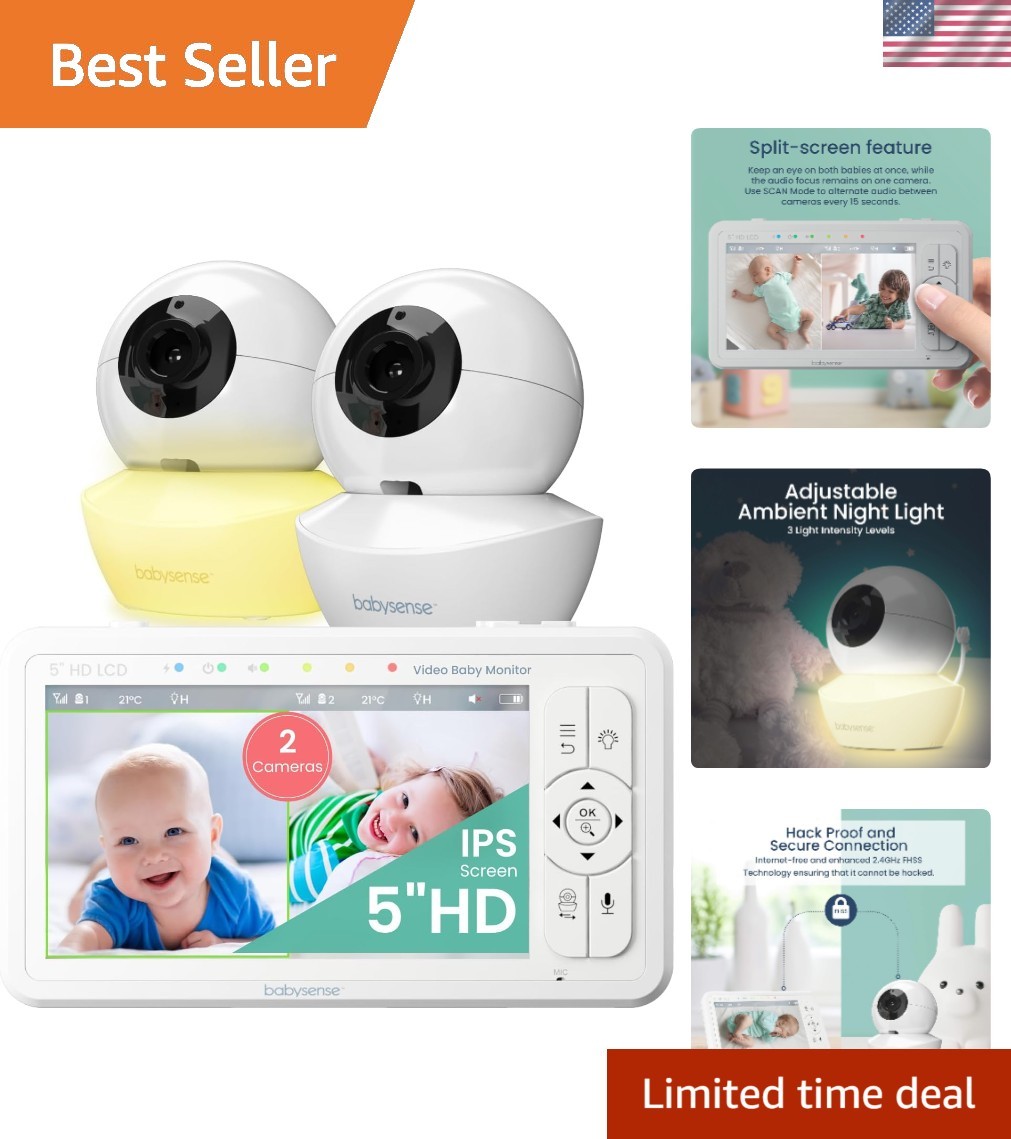
Pick this model when a visual monitoring system needs to cover more than one child or area. Its split-screen HD display is described for monitoring two babies simultaneously, while SCAN mode cycles between cameras every 15 seconds. The system can connect up to four cameras, and its 2.4 GHz FHSS wireless connectivity operates without WiFi. Additional nursery-oriented functions include white noise, programmable lullabies, an adjustable night light, temperature alerts, and a 4000 mAh battery. The limitation is straightforward: at USD 269.99, it sits far above every other option here. It is best suited to shoppers who will actively use its multi-camera and remote-viewing functions rather than those seeking only a simple monitor.
Child Guard Wireless Child Monitoring Detection System Brand New
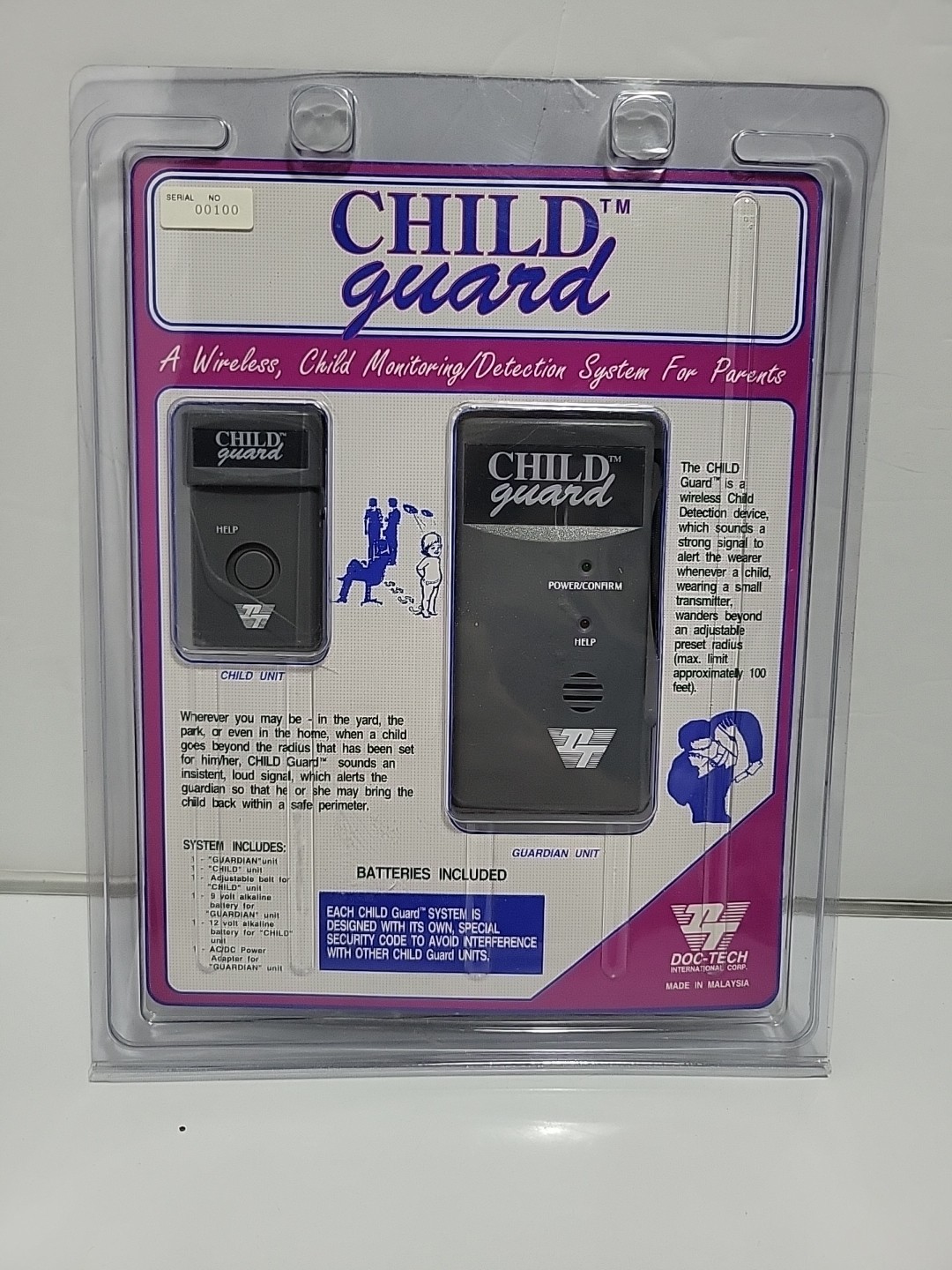
The Child Guard Wireless Child Monitoring Detection System Brand New is the choice for keeping the purchase focused on a basic wireless detection setup. The description identifies a receiver and transmitter and frames the system around monitoring activity, movements, and sleep patterns from elsewhere in the home. Its USD 29.99 listed price is the lowest in the comparison, which creates a substantial gap from the larger camera-based system. The trade-off is a much less defined feature set: there are no stated details on video viewing, night vision, camera expansion, battery type, connectivity protocol, or alert style. Choose it when receiver-and-transmitter monitoring is the goal, not when you specifically want room video or wearable sensing.
Levana Oma Sense Portable Baby Breathing Movement Monitor w/Vibrations Audible
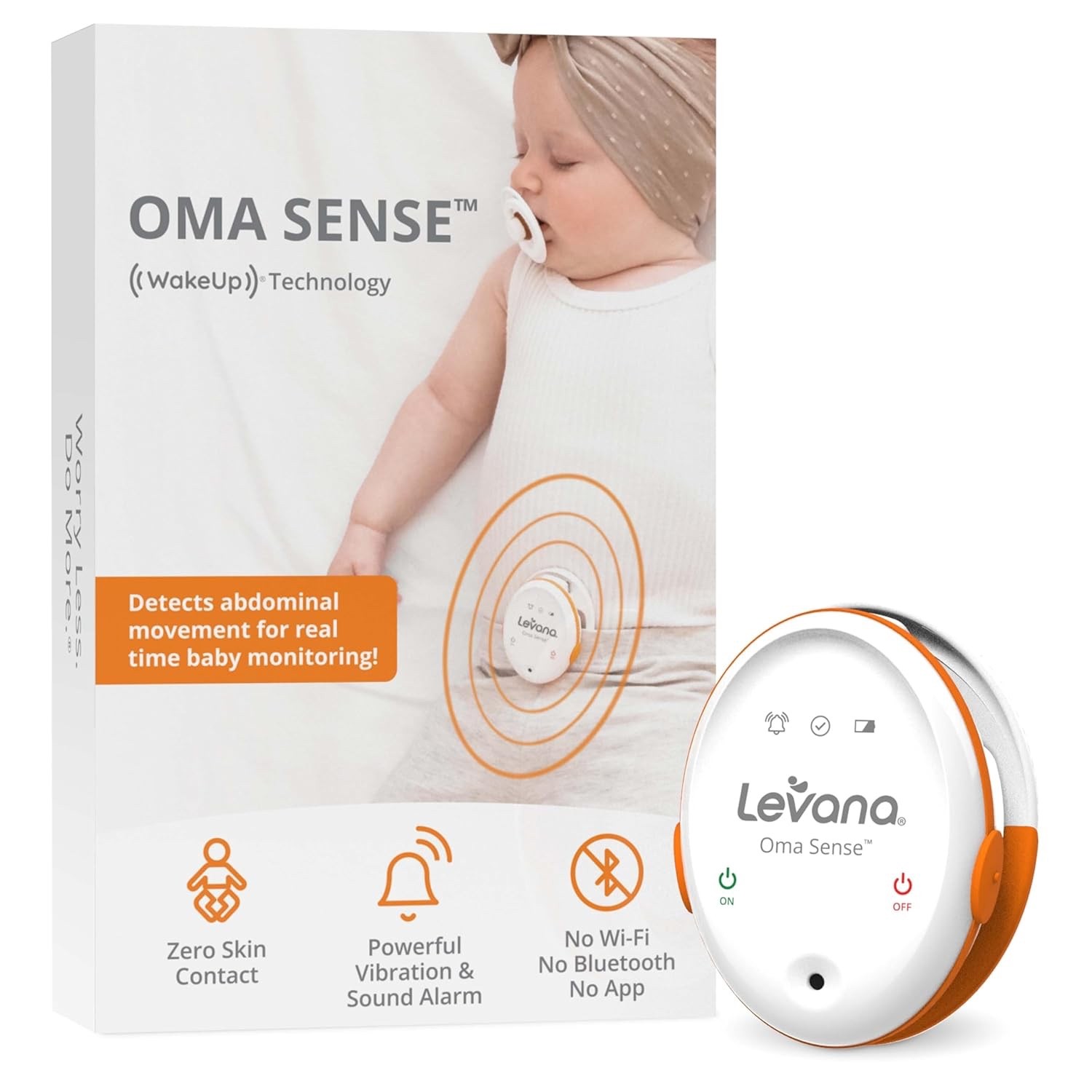
Levana's Oma Sense is distinguished by its wearable movement-monitor format. It is described as slipping over a diaper, pants, or a buttoned-up onesie without skin contact, and the included carrying case reinforces its portable role. The monitor uses vibrations first when no abdominal movement is detected, then an audible emergency alarm if movement does not resume in the stated interval. It also uses a lithium-ion battery and is described as having no WiFi, radio, or Bluetooth frequencies. At USD 49.51, it is close in price to the HB30 but serves a separate purpose. Its key constraint is its stated 0-6 month intended age range, along with the absence of a room camera or video display.
Enhanced Safety HB30 Baby Monitor, Expandable 4-Camera System & Tilt Adjustment
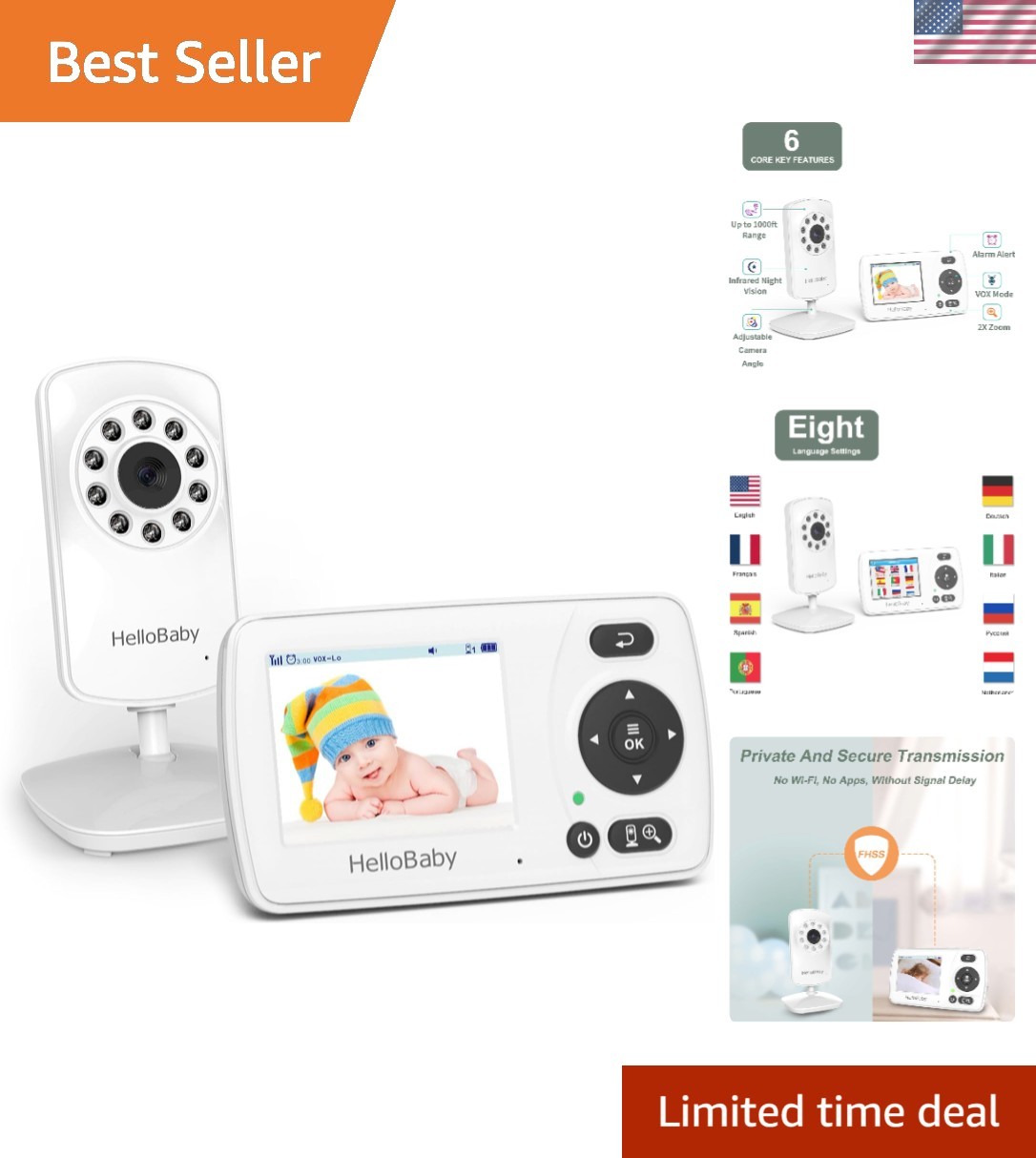
The HB30 makes sense for shoppers who want a camera monitor with room-coverage flexibility without stepping up to the highest-priced choice. It is described with IR night vision, VOX mode that activates the screen when a baby cries, one-way audio, feeding-time alerts, and support for up to four cameras. Its camera movement specifications-360° horizontal rotation and 120° vertical rotation-are especially relevant for adapting the view across a nursery or other indoor space. The limitation is that the display is described as 960x240 dots, and its 2x zoom is more modest than the 4x zoom named for the HD Baby Monitor. It is the better fit when expandable camera coverage matters more than split-screen HD viewing.
Final recommendation
For most shoppers seeking a nursery camera with room to grow, choose the Enhanced Safety HB30 Baby Monitor, Expandable 4-Camera System & Tilt Adjustment. At USD 48.99, it pairs expandable four-camera support with night vision, adjustable camera movement, VOX mode, and one-way audio. Choose the Where Safety Meets Technology: HD Baby Monitor with Night Vision & Sound Machine instead when split-screen viewing of two babies, remote pan and tilt, and a 5-inch 720 HD display are priorities worth its USD 269.99 price. For a wearable, movement-focused format, the Levana Oma Sense is the targeted alternative; for the most basic and lowest-priced wireless route, choose the Child Guard Wireless Child Monitoring Detection System Brand New.