Photos from current listings. Actual item, color, and included accessories may vary.
Baby Monitor Camera Buying Guide
A baby monitor camera is either a dedicated closed-loop system (parent unit + camera over FHSS/DECT) or a Wi-Fi/IP camera streamed to your phone; the core trade-off is zero-latency, no-internet reliability versus remote access and app features. Buy a dedicated FHSS/DECT system with a parent unit for primary overnight sleep safety, and treat Wi-Fi cameras as a secondary remote-viewing layer, never the sole monitor.


At a glance
- Category
- Baby Monitoring & Safety
- Data updated
- Nov 17, 2026
Current offers
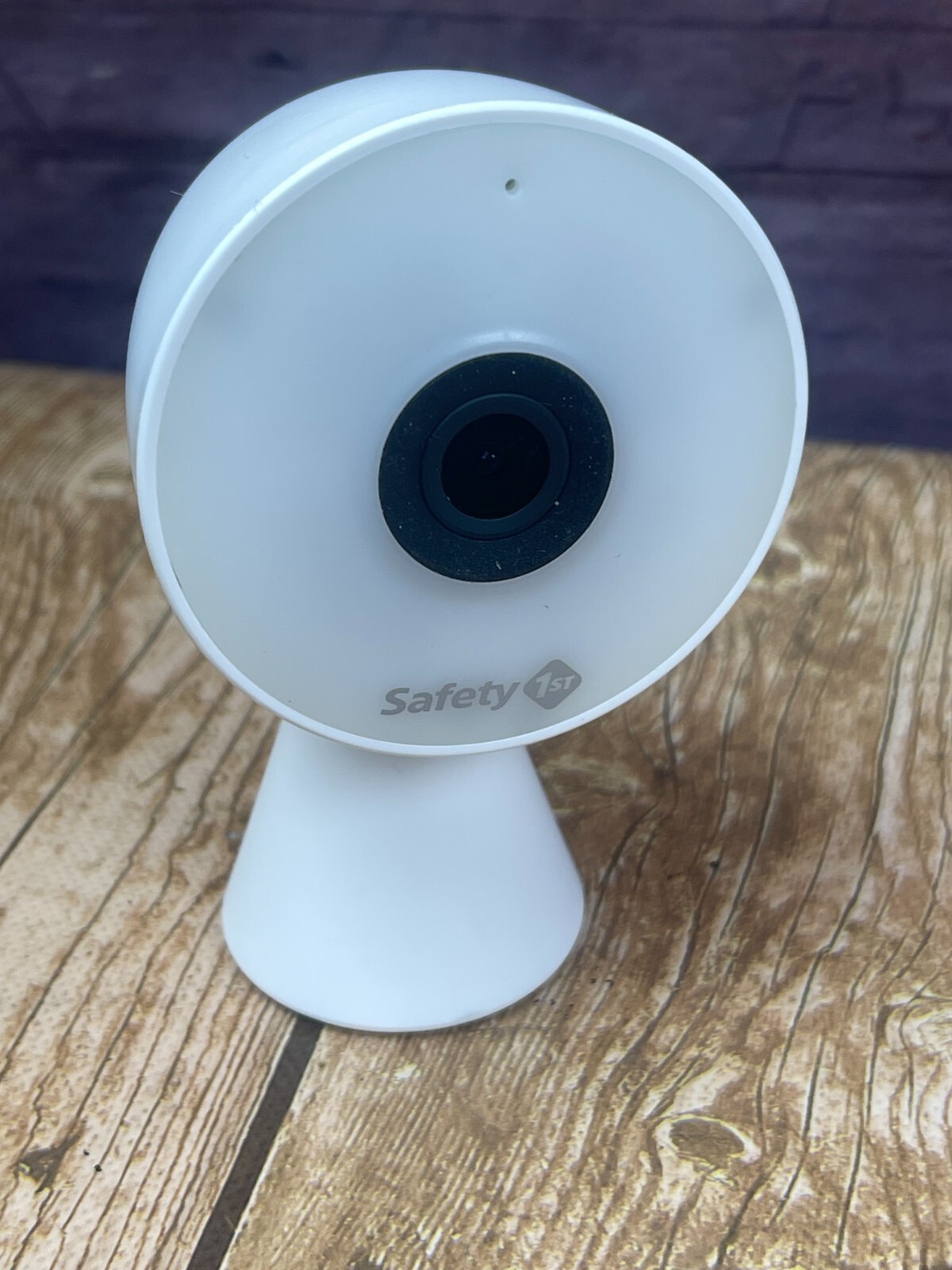 Safety 1st HD Wi-Fi Baby Monitor Camera with Sound and Movement Detecting MO163$12.72
 View on eBay
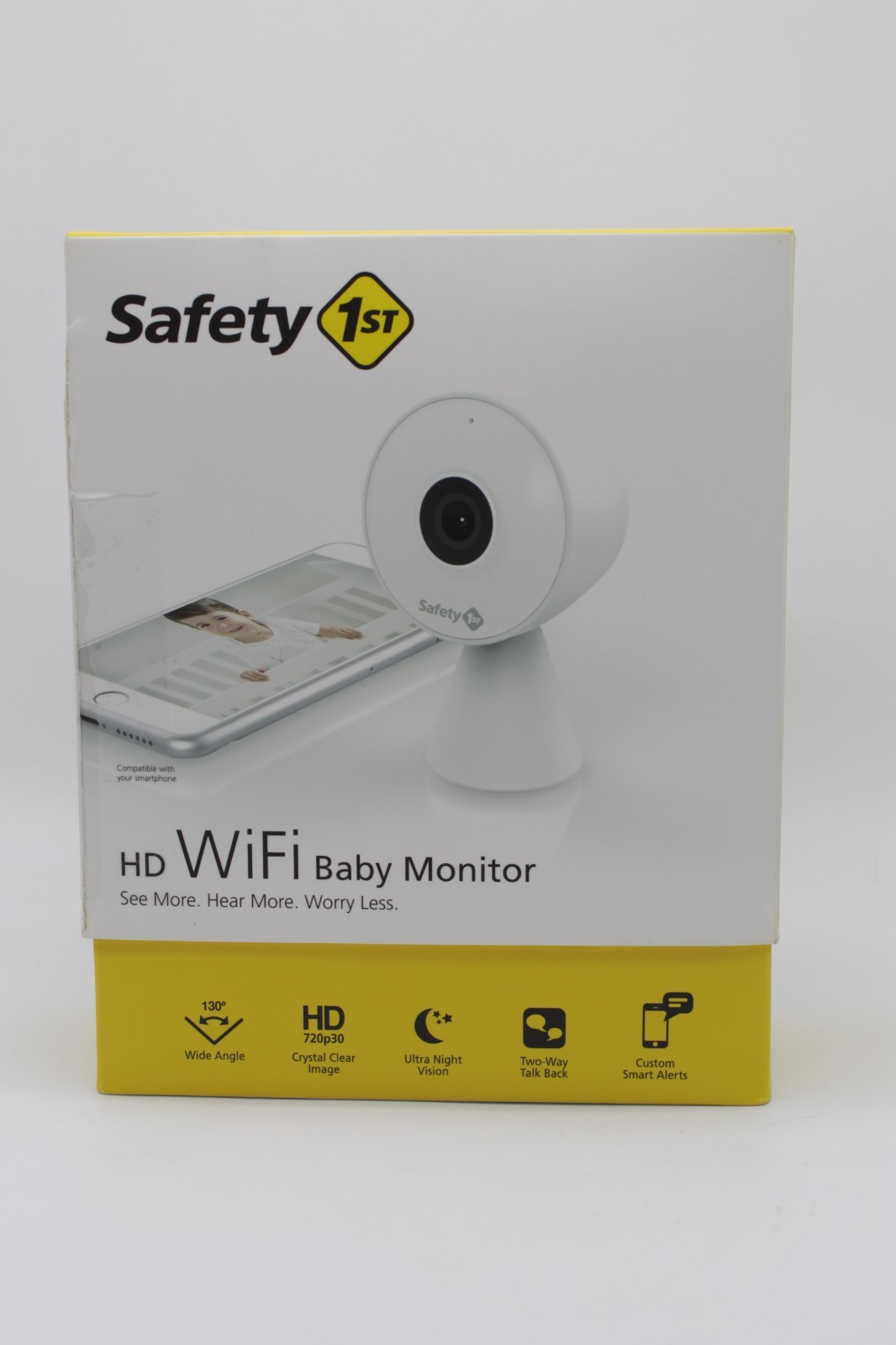 Safety 1st HD Wi-Fi Baby Monitor Camera with Sound & Motion Detection - Open Box$17.99View on eBay
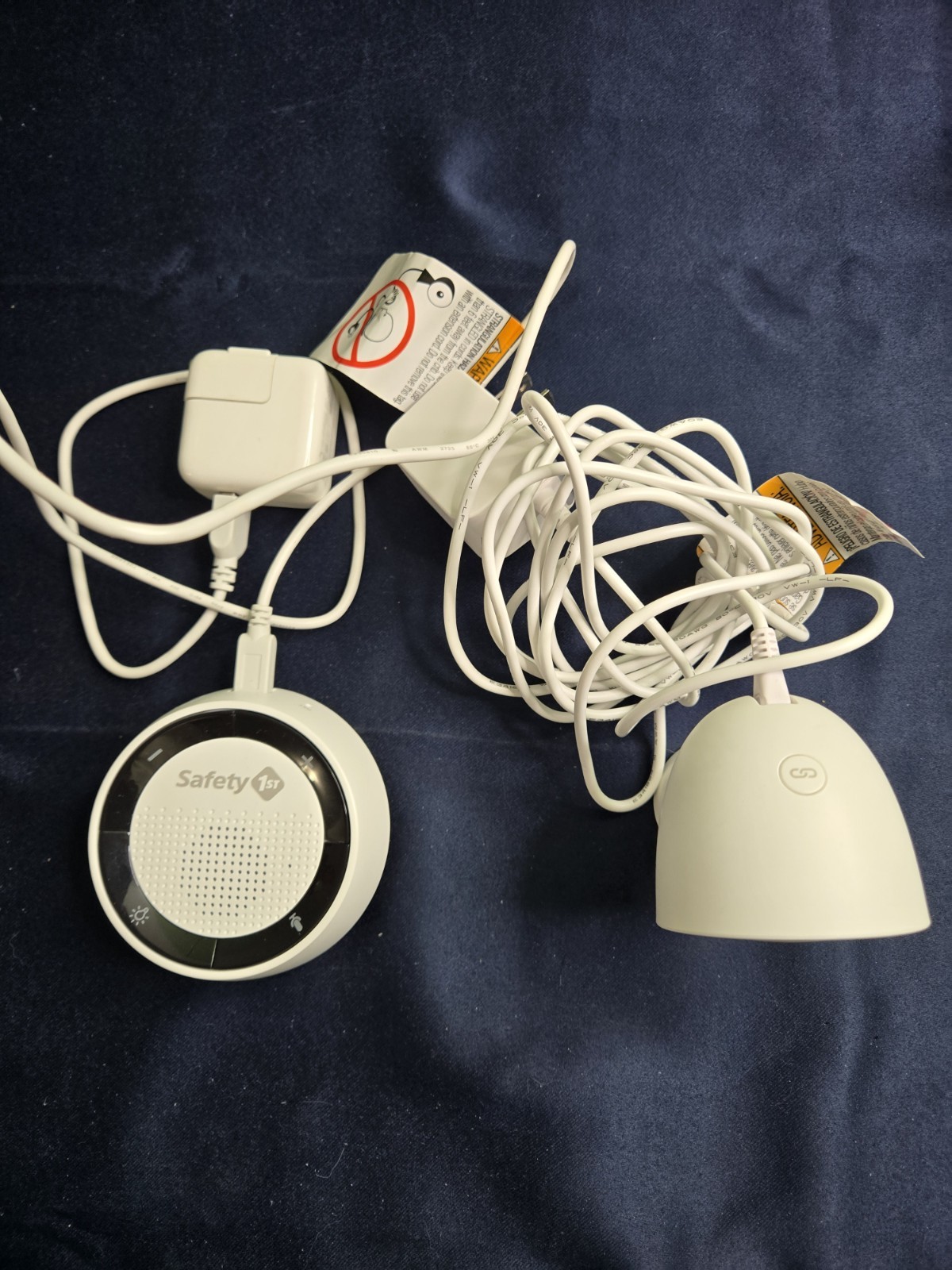 Safety 1st HD Wi-Fi Baby Monitor Camera MO163 Complete & Tested$19.95View on eBay
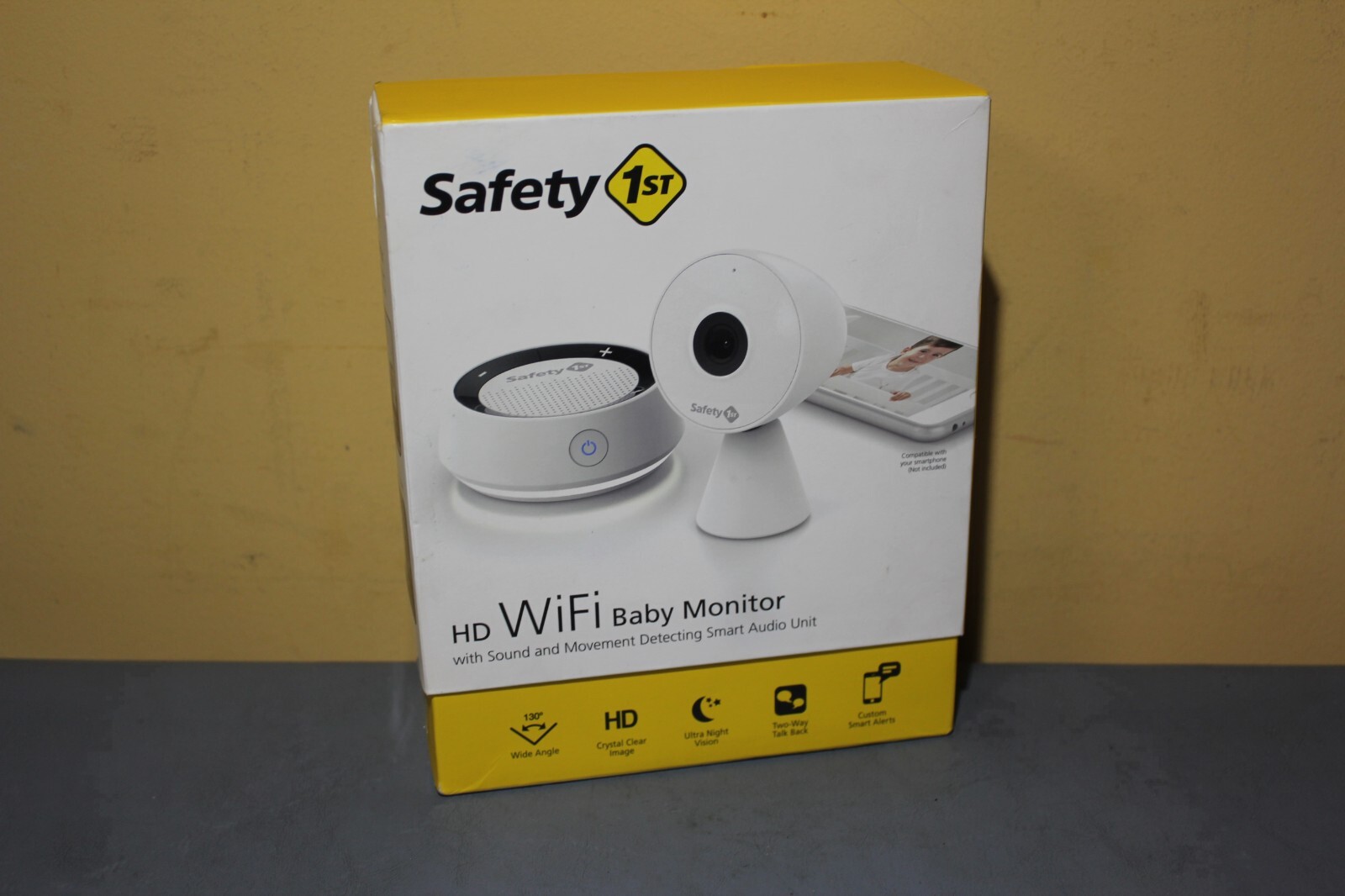 Safety 1st - HD WiFi Baby Monitor Camera MO163 - New$19.95View on eBay
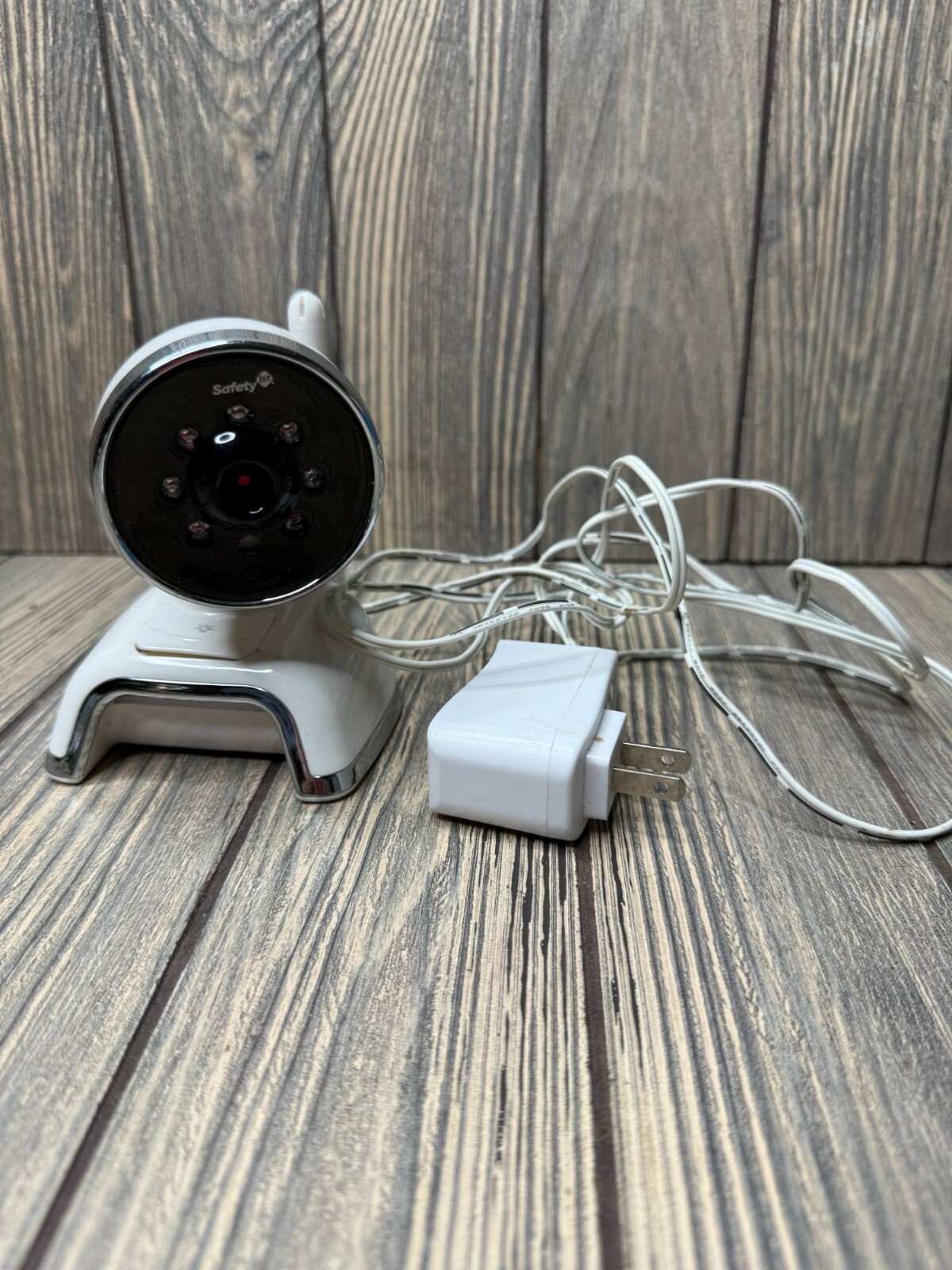 Safety 1st Touch Tech Baby Monitor Camera With Adapter & Night Vision MO140$23.99View on eBay
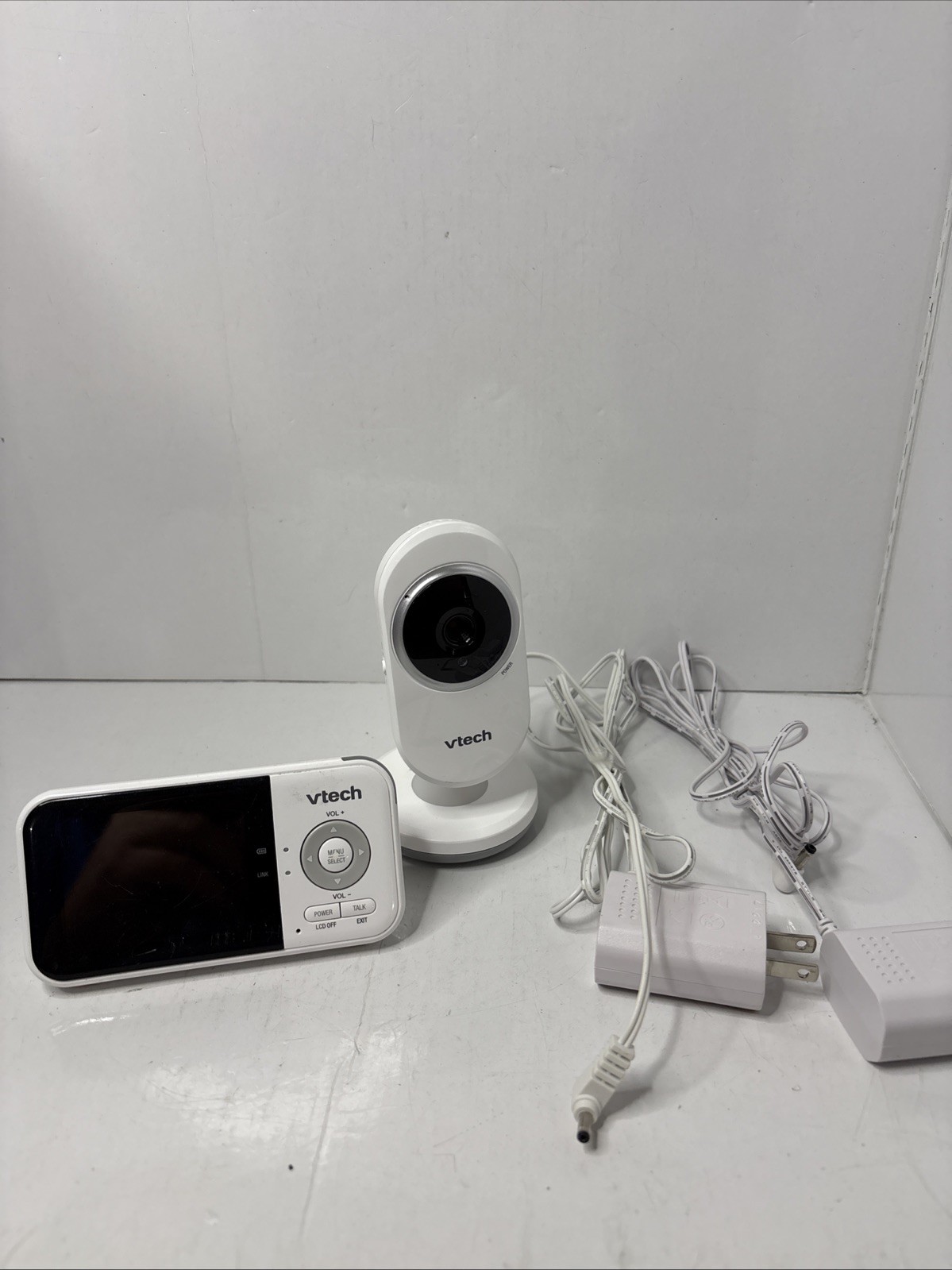 VTech VM3254 2.8 in Baby Monitor Camera Set - Tested Works Great *** Baby Safety$24.99View on eBay
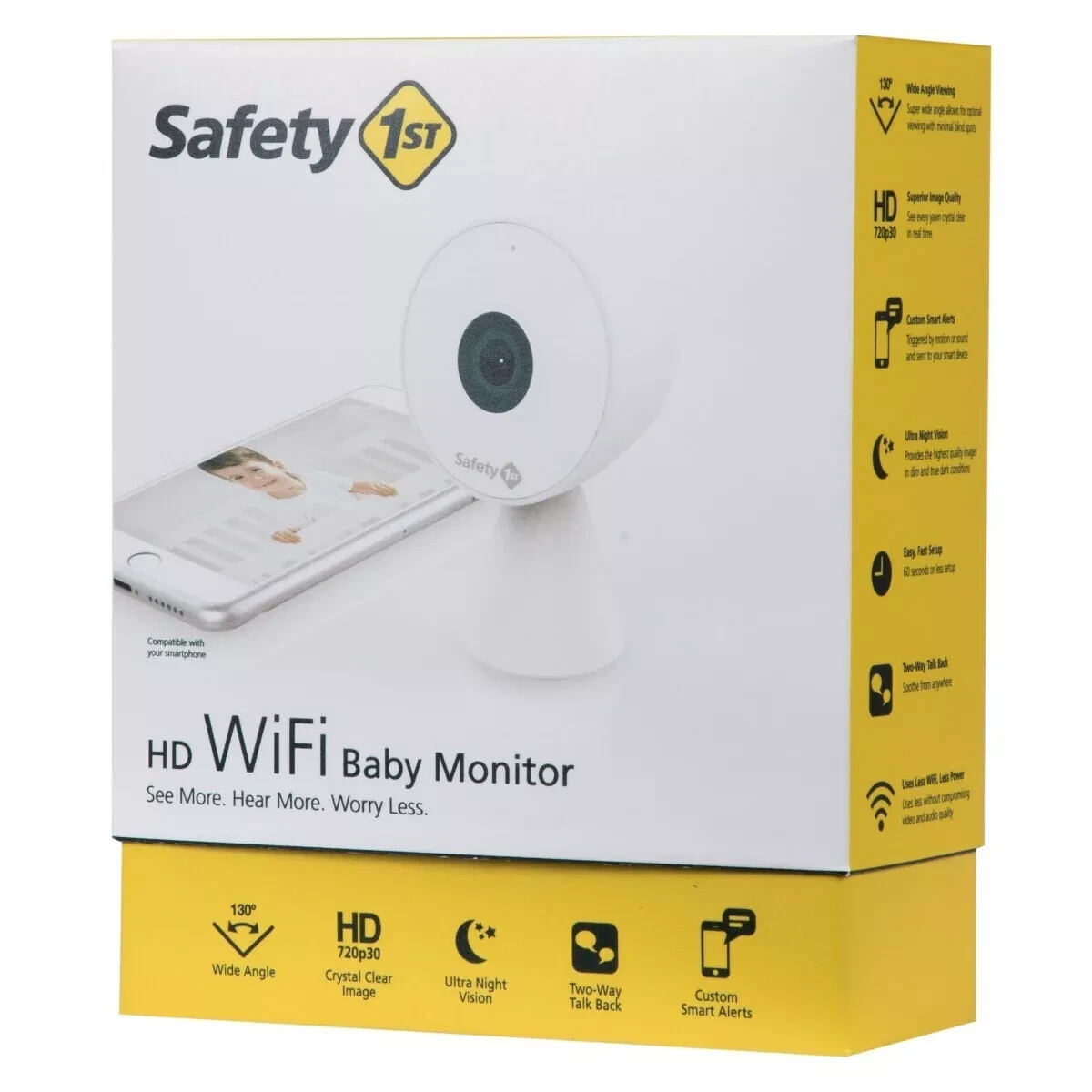 Safety 1st HD Wi-Fi Baby Monitor Camera with Sound- and Movement-Detecting$28.20View on eBay
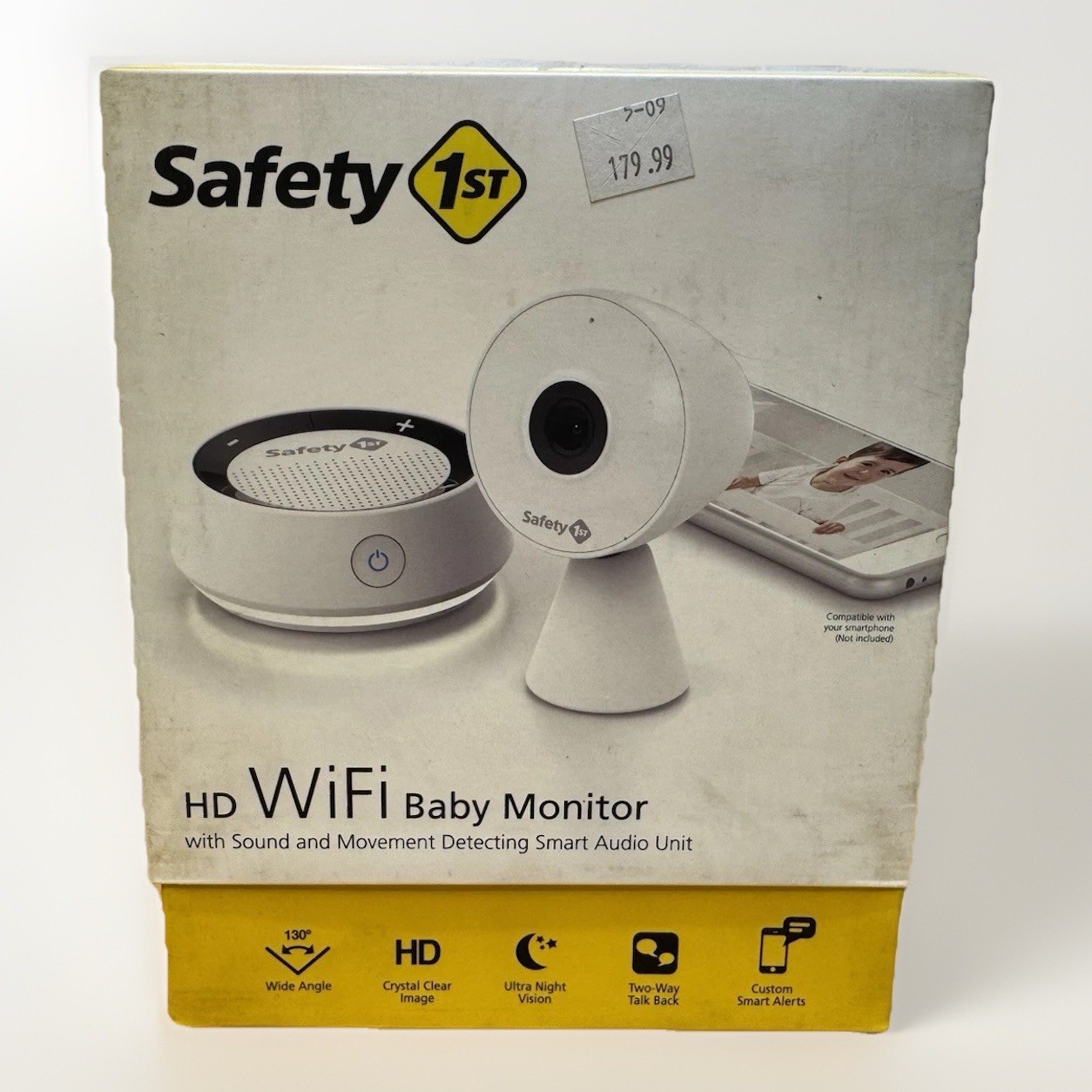 Safety 1st HD WiFi Streaming BABY Monitor Camera With Audio Movement Detection$29.99View on eBay
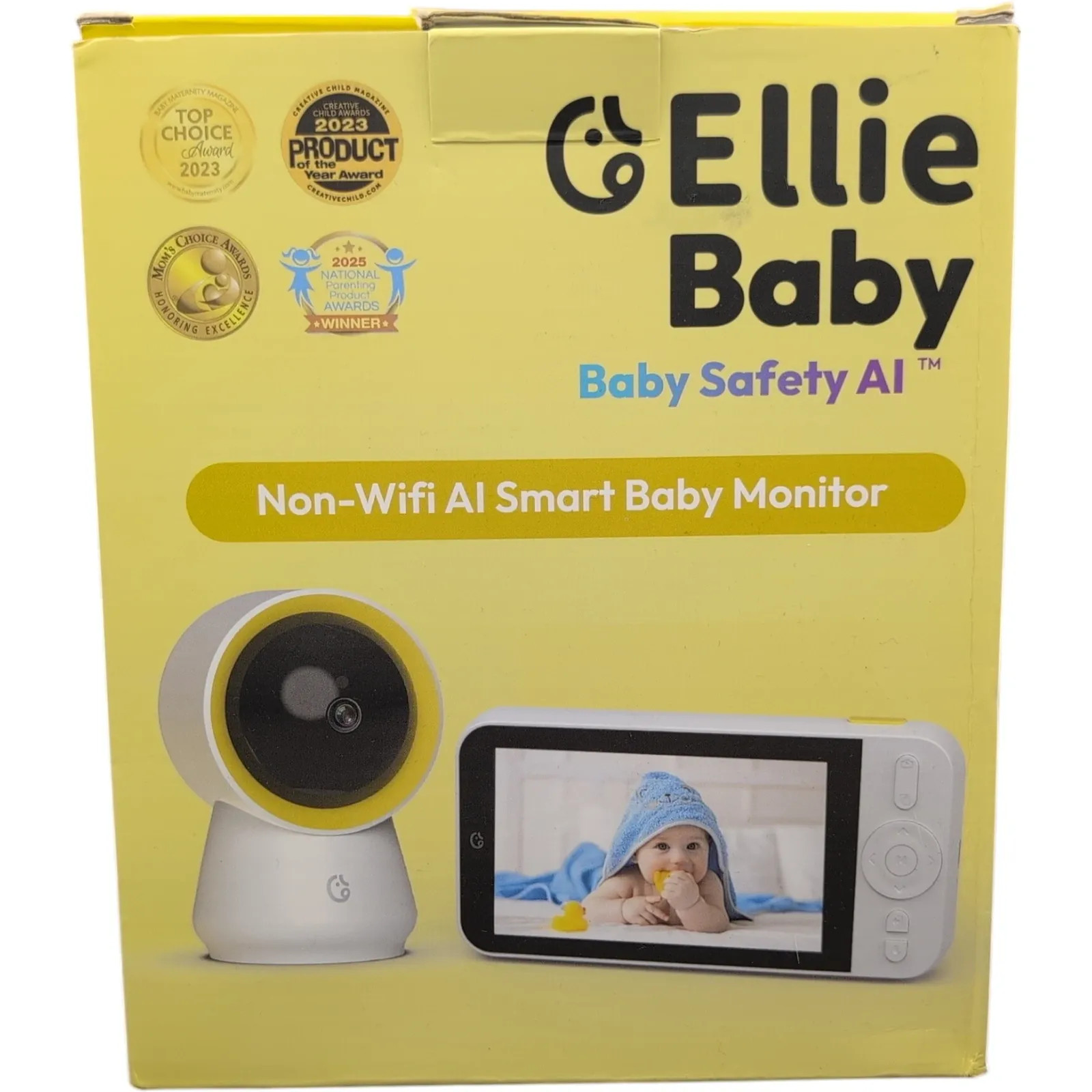 Ellie Baby Non-Wifi AI Smart Baby Monitor Camera 5in Screen SC-AI04 White HD$31.54View on eBay
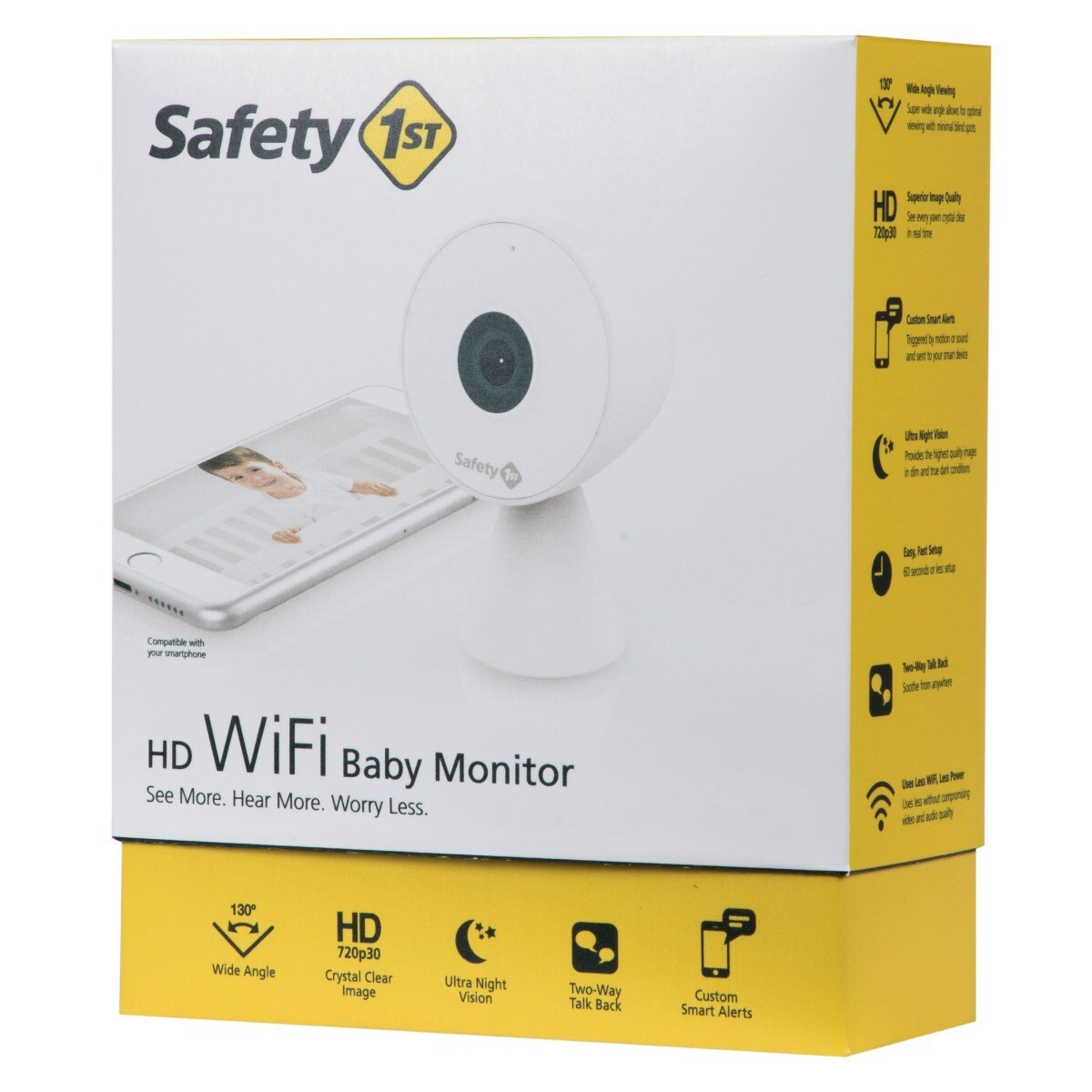 Camera HD Wi-Fi Baby Monitor Camera with Sound- and Movement-Detecting$34.99View on eBay
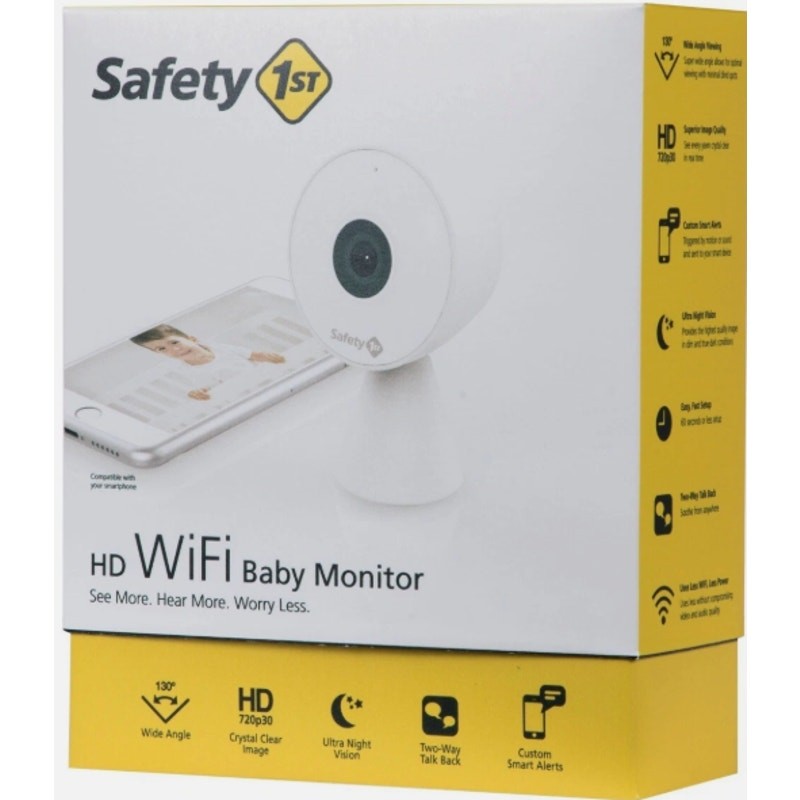 Safety 1st HD Wi-Fi Baby Monitor Camera with Sound- and Movement-Detecting NEW$39.00View on eBay
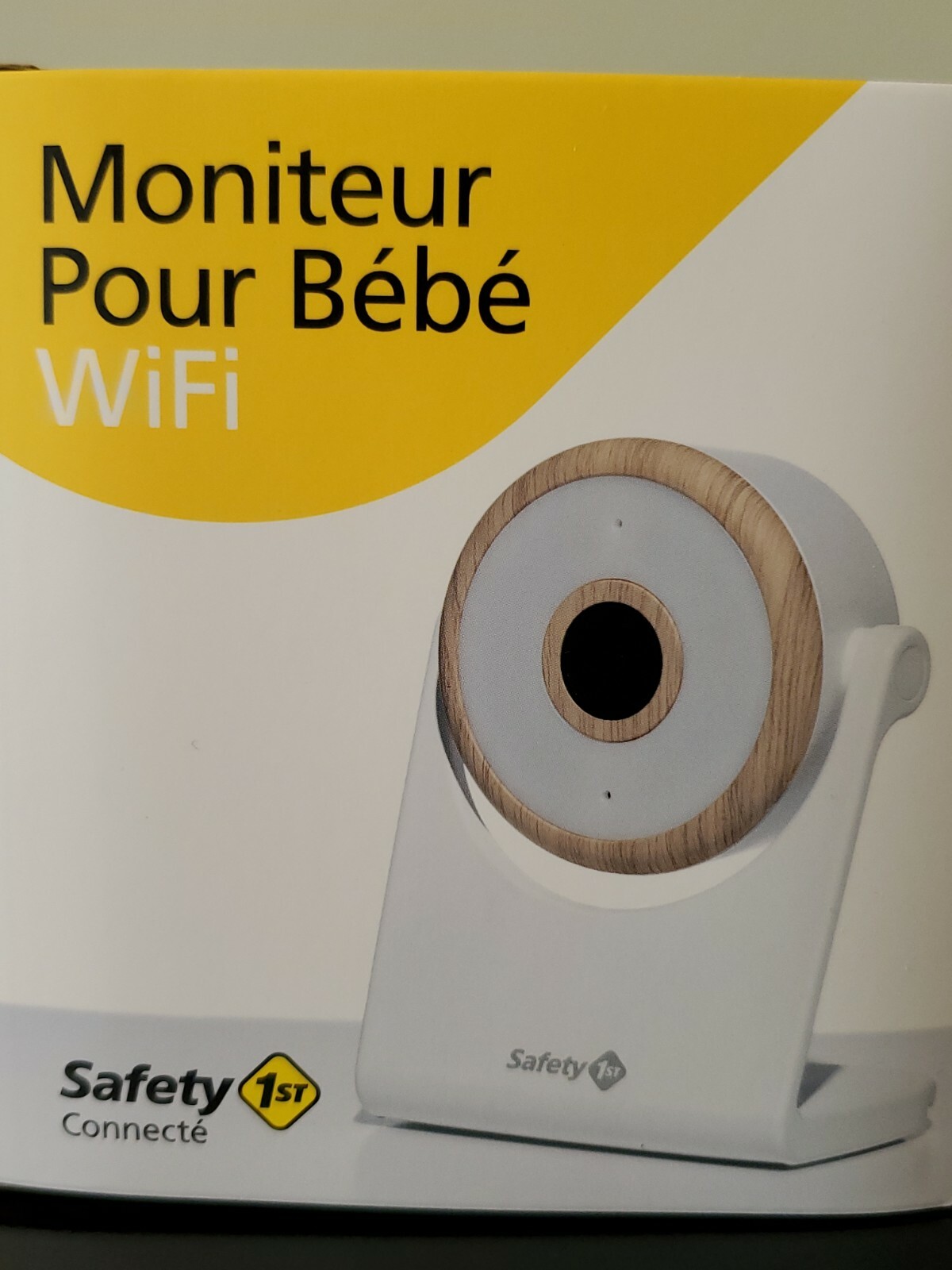 Safety 1st HD WiFi Connected Baby Monitor Camera With Audio - Model MO173 - NEW$39.99View on eBay
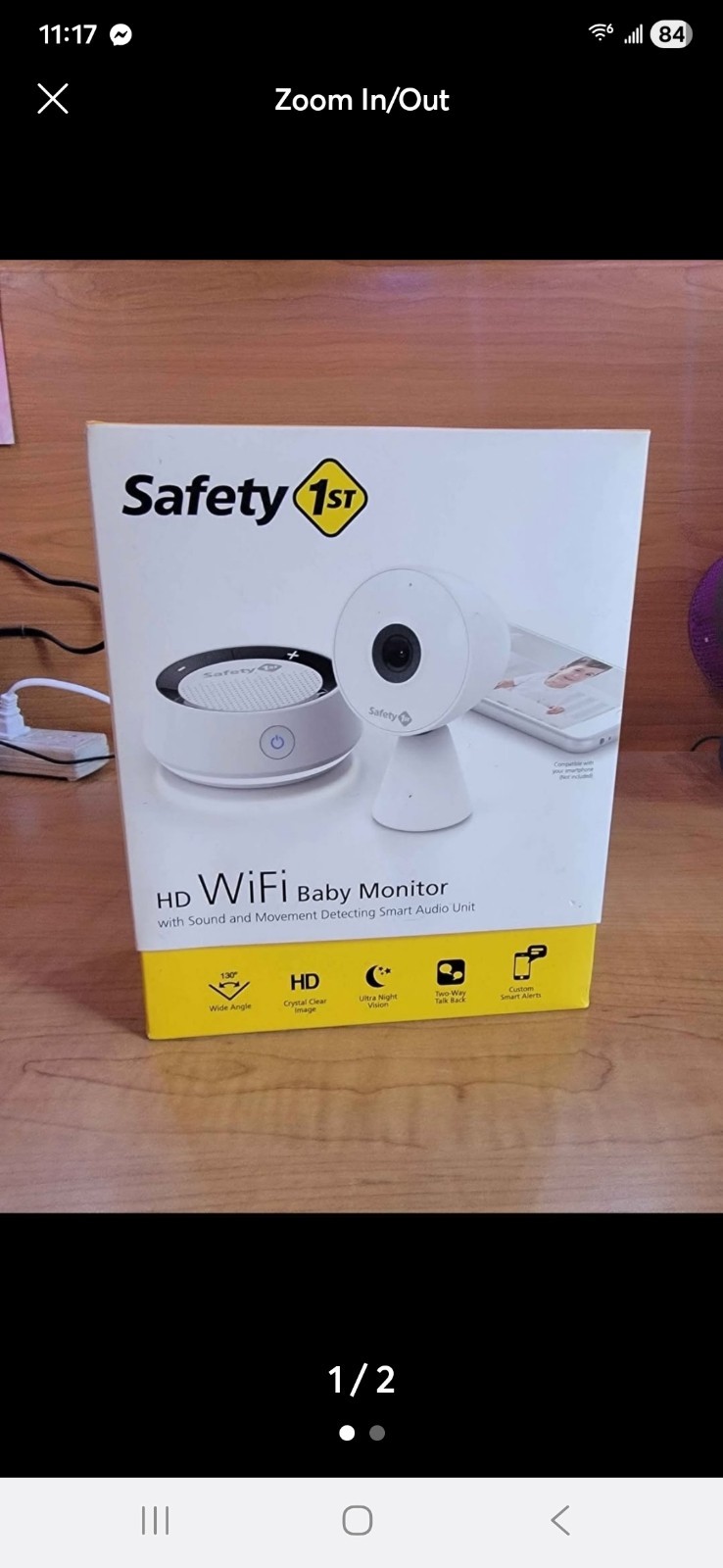 Safety 1st HD WiFi Streaming Baby Monitor Camera With Audio Movement Detection -$60.00View on eBay
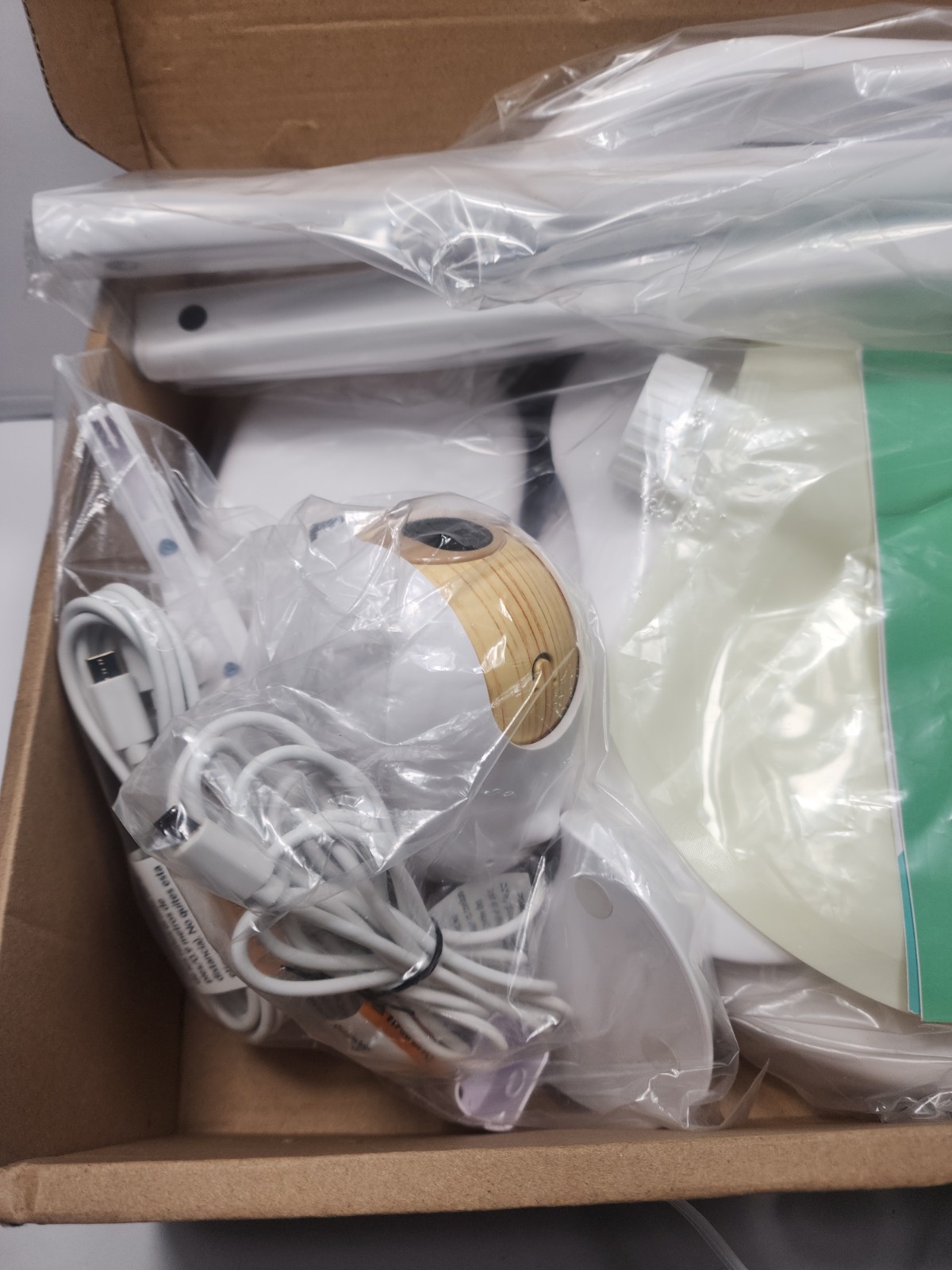 CUBO AI Plus Baby Monitor Camera System Sleep Safety Monitor$100.00View on eBay
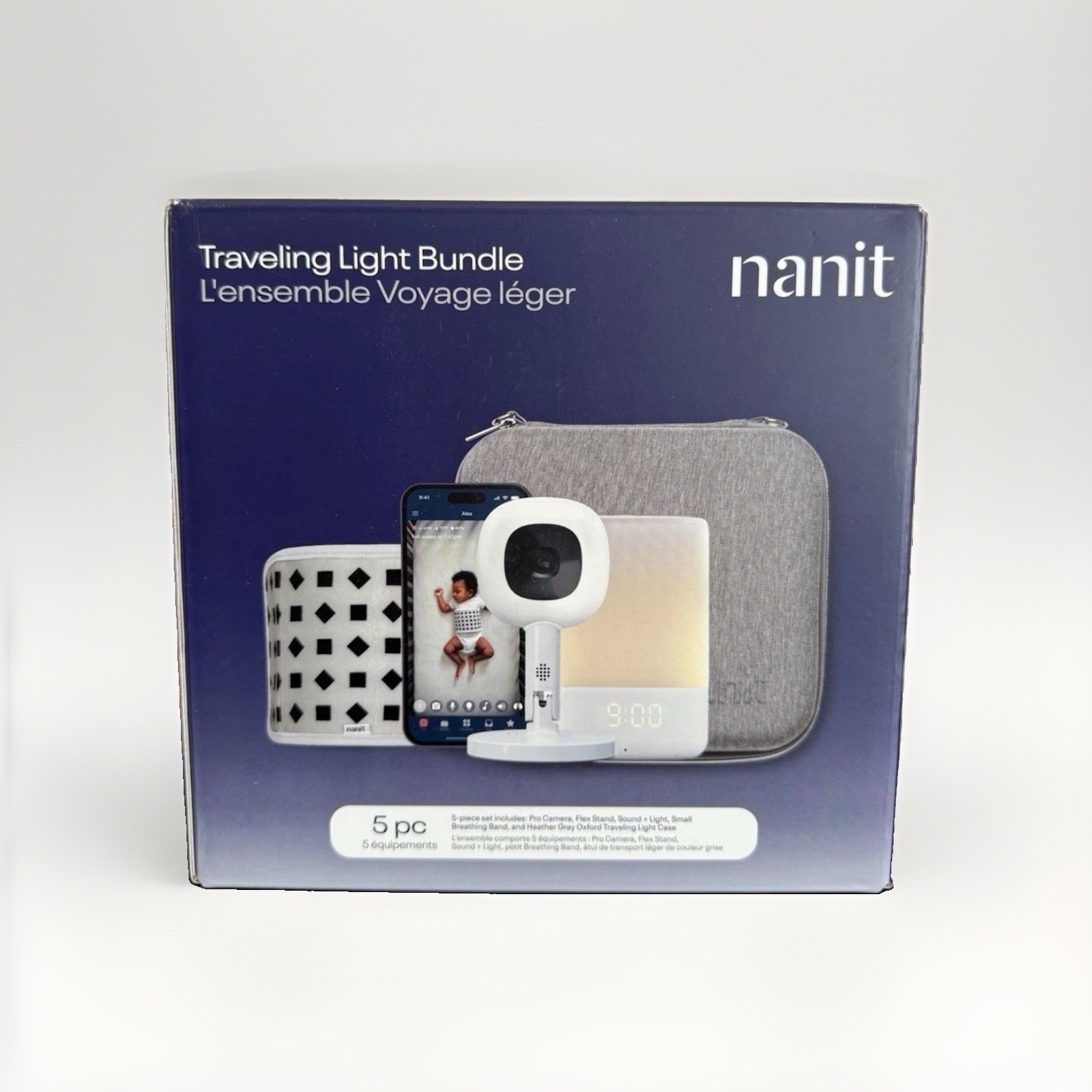 Nanit Pro Smart Baby Monitor Camera Travel Bundle P322NG Alexa Google✈️FAST-SHIP$129.99View on eBay
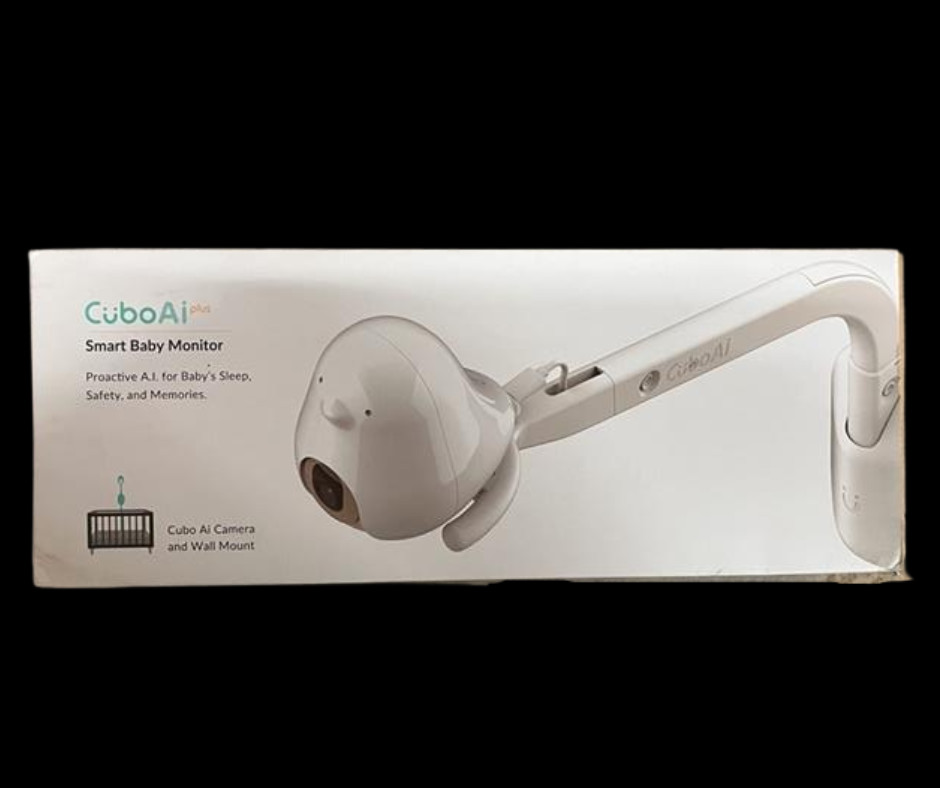 CUBO AI Plus Baby Monitor Camera System Sleep Safety Monitor$175.00View on eBay
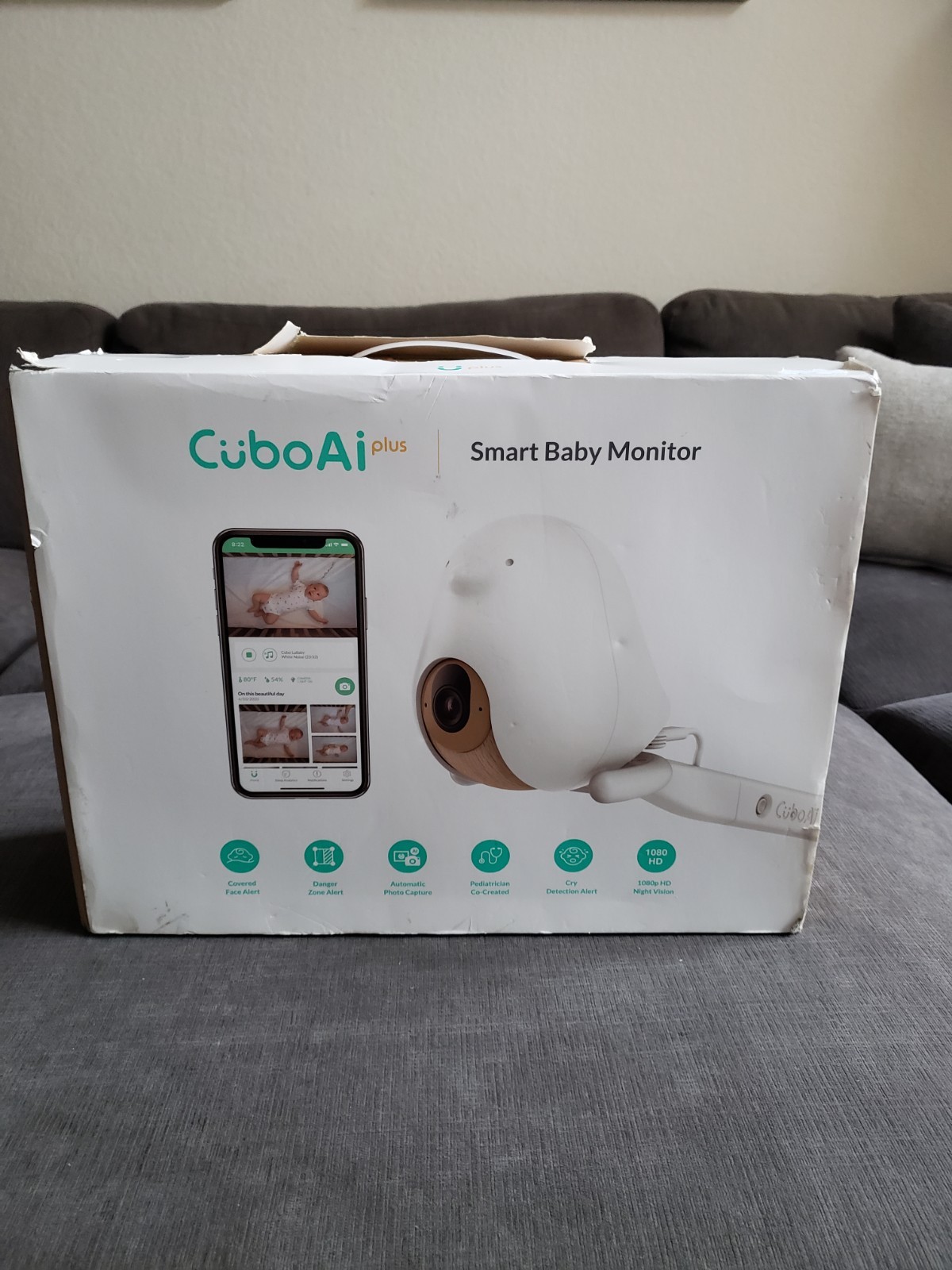 CUBO AI Plus Baby Monitor Camera System - Sleep Safety Monitor - NEW OPEN BOX!$209.99Last checked Nov 14, 2026View on eBay
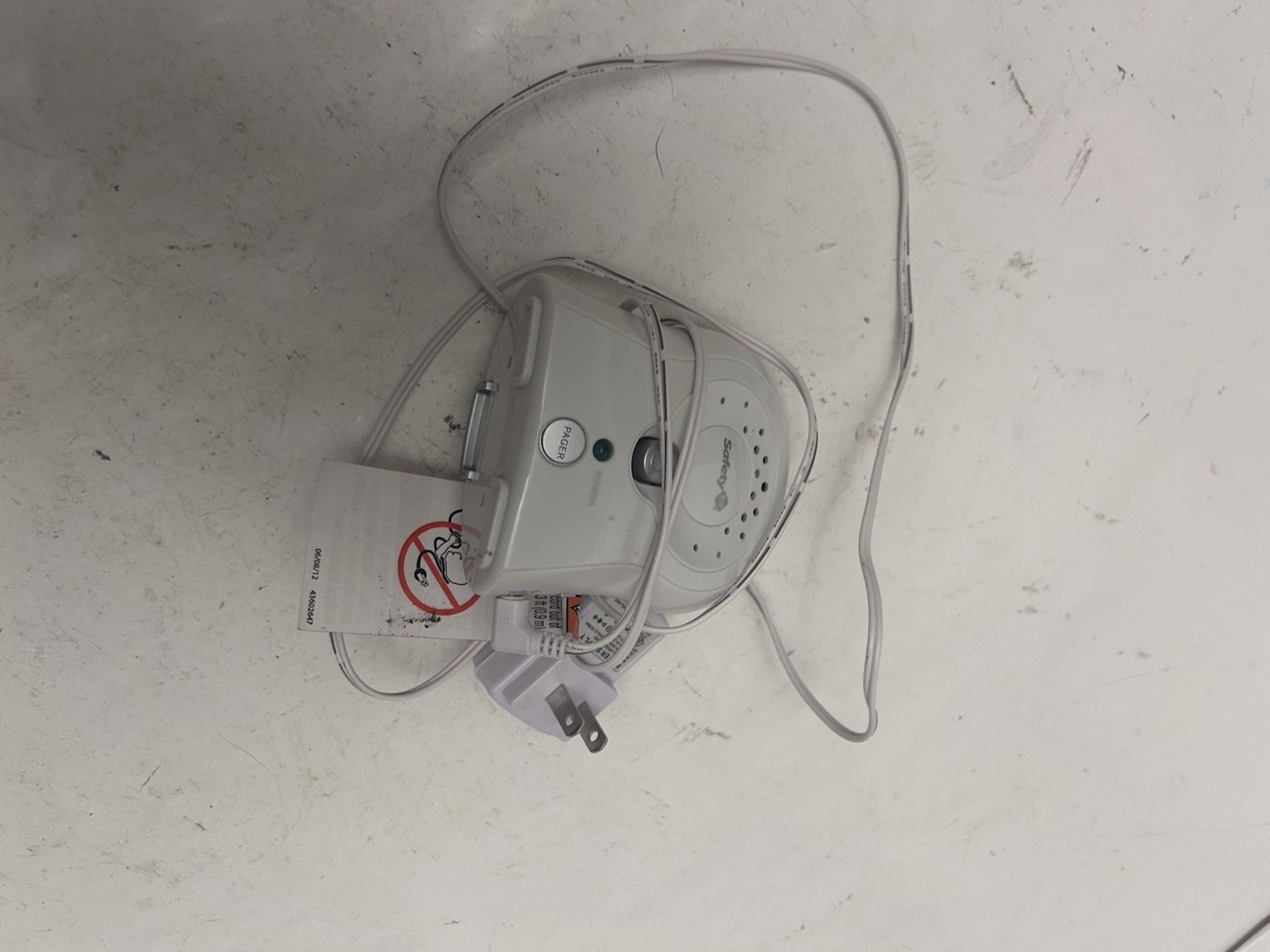 Safety 1st Baby Monitor 1 monitor only$2.00View on eBay
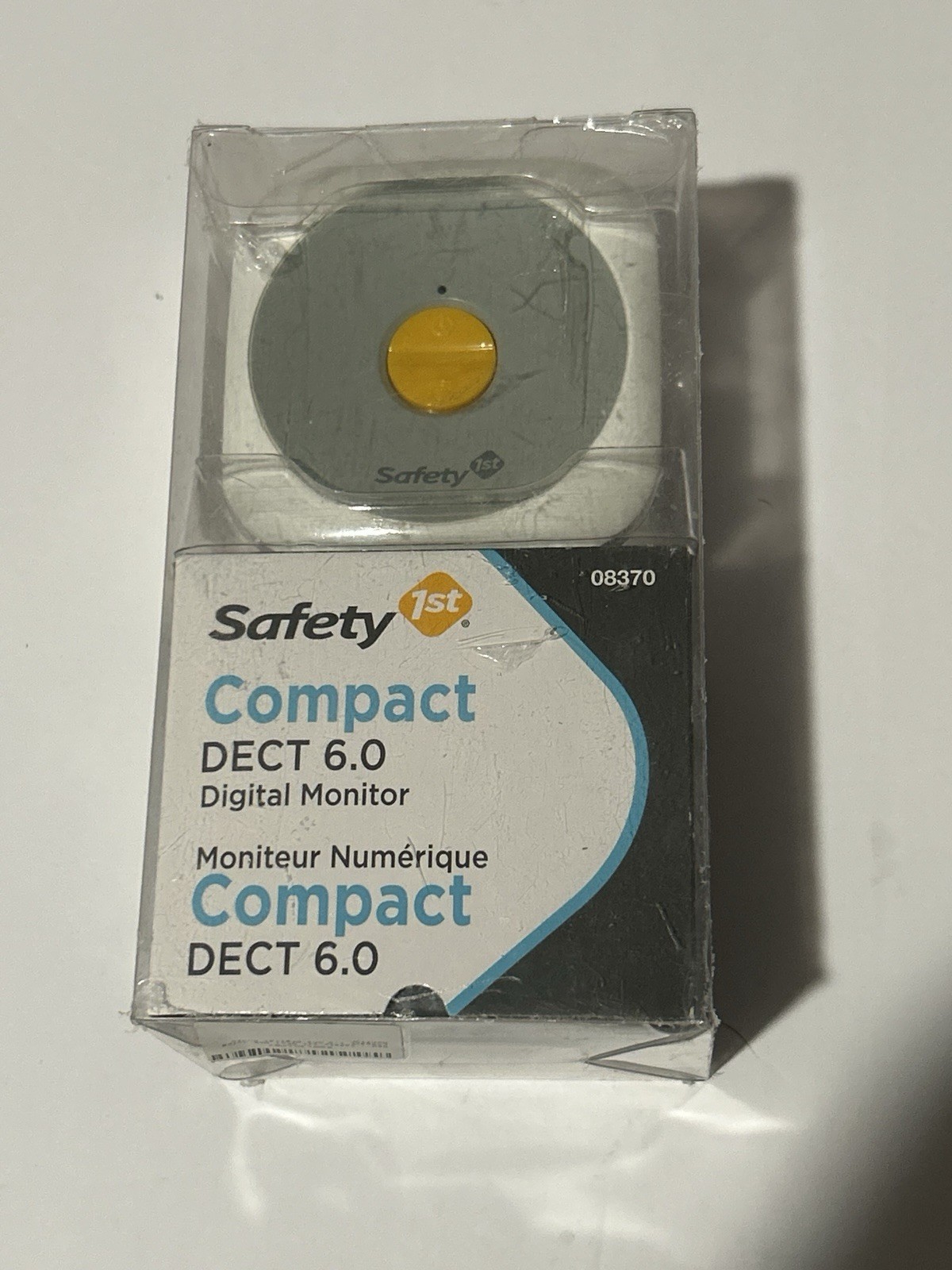 Safety 1st Baby Sound Monitor Digital Compact Dect 6.0 08370 Sounds Lights Pager$2.99View on eBay
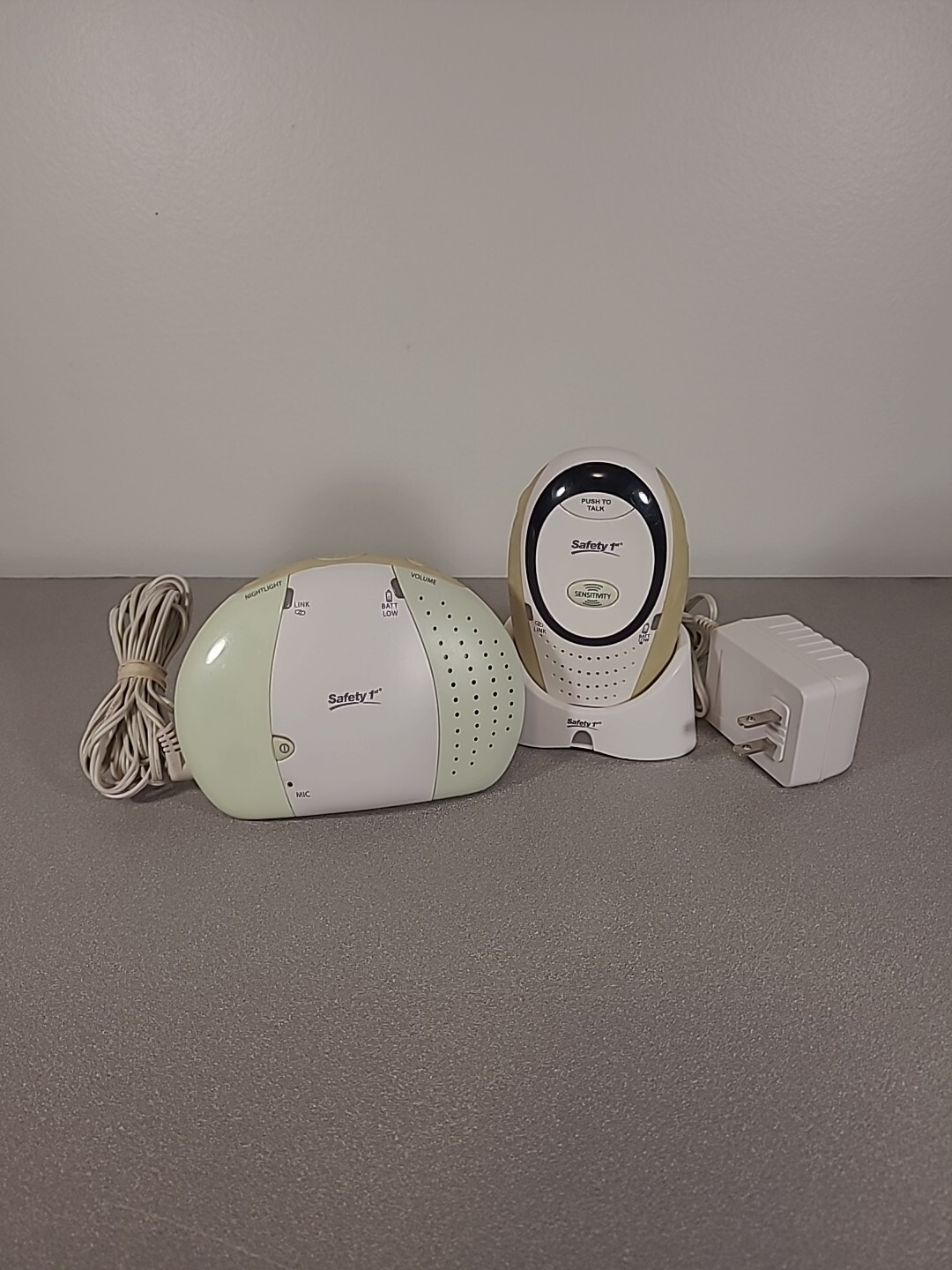 Safety 1st Baby Monitor and Walkie Bundle With Chargers Tested$3.32View on eBay
Highlights
- Dedicated monitors transmit over 2.4 GHz FHSS or DECT; FHSS hops channels to resist interference, while DECT is a licensed, encrypted standard with no pairing drops and no router dependency.
- Wi-Fi cameras stream over 2.4 GHz 802.11 b/g/n; 5 GHz-only routers force a 2.4 GHz guest band, and cloud-dependent models fail as a monitor when internet or the vendor cloud goes down.
- Resolution tiers: 720p is adequate for a crib-distance view; 1080p sharpens face detail, and 2K adds little at typical 3–10 ft mounting distance but costs more bandwidth and battery.
- Night vision is 850 nm IR (faint red glow) or 940 nm IR (invisible); range is roughly 15–20 ft in a dark room, and motorized pan/tilt covers a full crib where a fixed lens cannot.
Best use cases
- Primary overnight monitoring: choose a dedicated FHSS/DECT system with a dedicated parent unit (2.8–5 in screen), sound-activated display, and a 1,000+ ft line-of-sight range — skip Wi-Fi-only cameras for the sleep-critical feed.
- Remote check-ins from work or travel: choose a Wi-Fi camera with 1080p, local microSD recording, and two-way audio, but keep a dedicated audio monitor as the always-on primary.
- Multi-room or multi-child households: choose a system that supports 2–4 paired cameras on one parent unit with split-screen or auto-scan, rather than buying separate single-camera kits.
- Movement/breathing alerts: choose a monitor with a dedicated sensor pad or radar (e.g., breathing/movement type) only as an add-on alert — never as a substitute for safe-sleep practice or a firm, flat mattress.
Buying tips
- Match range to home construction: FHSS/DECT units reach 1,000 ft line-of-sight but drop to roughly 150–300 ft through two interior walls; Wi-Fi cameras need router signal strength above -70 dBm at the crib.
- Screen size vs portability: a 2.8 in parent unit fits a pocket and runs 8–12 hours; a 5 in unit is easier to read at night but is a bedside device, not a carry-along.
- Power and backup: choose a parent unit with USB-C charging and a 2,000 mAh+ battery for all-night runtime, and a camera with a 5 V/1 A USB adapter so a power bank can back it up in an outage.
- Recording and privacy: local microSD (Class 10, 32–128 GB) keeps footage off the cloud; if you choose cloud, require two-factor authentication and AES-128 or better encryption on the stream.
Specs
| Connection Type | FHSS/DECT dedicated vs Wi-Fi 2.4 GHz |
|---|---|
| Parent Unit Screen | 2.8–5 in (none on Wi-Fi-only) |
| Resolution | 720p / 1080p / 2K |
| Night Vision | 850 nm IR vs 940 nm IR |
Related searches
What to check before buying
- Measure crib-to-mount distance and pick lens/range: fixed lens for under 10 ft, motorized pan/tilt for a full-room or multi-crib view.
- Confirm wall or shelf mounting: most cameras need a 1/4 in-20 tripod thread or included bracket; check that the cable reaches an outlet without crossing the crib.
- Test your router band: Wi-Fi cameras need a 2.4 GHz network with WPA2; note signal at the crib wall before committing to a Wi-Fi-only setup.
- Plan the always-on layer: budget for a dedicated audio or FHSS video monitor as primary, with the camera as secondary, and confirm the parent unit's battery runtime covers your longest night.
FAQ
Data sources: eBay / Amazon listings and product attribute feeds Data updated Nov 17, 2026.
Some links on this page are affiliate links. If you buy after clicking one, we may earn a commission at no extra cost to you. This does not change which products appear here or their order. Affiliate disclosure.