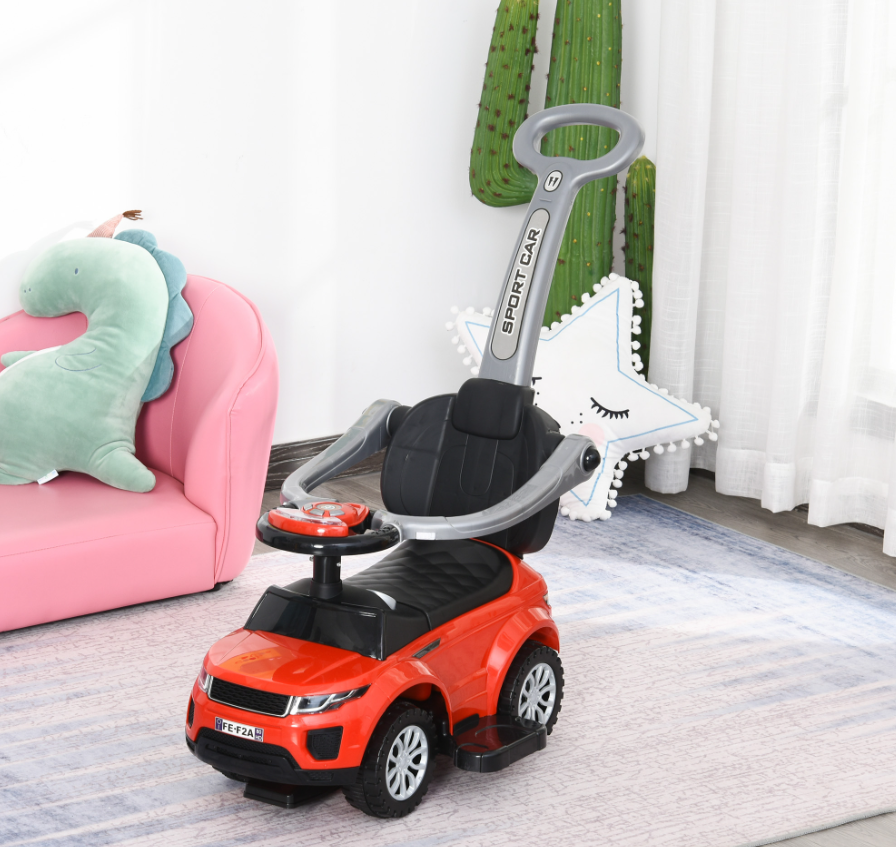

Photos from current listings. Actual item, color, and included accessories may vary.
1 Year Old Toy Buying Guide
A 1-year-old toy is any play item sized, weighted, and safety-rated for a child around 12 months, where the core trade-off is between open-ended developmental play and passive electronic entertainment. Durable options use chunk-free, chew-safe materials like BPA-free ABS, food-grade silicone, and untreated hardwood, while compromises rely on thin plastics, small detachable parts, and battery-hungry sound modules. The decision rule: buy for the developmental milestone (walker, sorter, stacker, push-along) in a material that survives mouthing and dropping, not for lights-and-sound volume.


At a glance
- Category
- Baby Toys & Activity Gear
- Data updated
- Nov 19, 2026
Current offers
Highlights
- Safety standard: ASTM F963 and EN71 toy-safety compliance is the baseline; avoid unmarked plastics that skip phthalate and small-parts testing.
- Material grade: BPA-free ABS, food-grade silicone, and sealed hardwood outperform thin polystyrene and painted MDF that chip or crack under mouthing.
- Push-along walkers with wide wheelbases and adjustable handle height (roughly 18-24 in) prevent tip-overs better than narrow three-wheel frames.
- Activity cubes and sorters with 6-12 in footprints and rounded edges support pincer-grasp and cause-effect learning without small-choke hazards.
Best use cases
- Best fit: a push-along walker with a wide base and height-adjustable handle for a cruising 1-year-old not yet walking independently; skip tall, narrow strollers that tip when pulled up on.
- Best fit: a wooden or silicone stacking/sorting set for mouthing-phase babies; skip electronic sound cubes with small battery doors that need screwdrivers and constant supervision.
- Best fit: a ride-on push car with a secure harness bar for 1-3 year olds as a parent-guided outdoor toy; skip motorized ride-ons until the child has independent balance and steering control.
- Wrong fit: plush toys with glued-on eyes or loose ribbons for a heavy-mouthing 1-year-old; choose embroidered features and stitched seams instead.
Buying tips
- Match the toy to the milestone: cruising babies need push-along support at 18-24 in handle height; early walkers need low, stable ride-ons with a parent push bar.
- Check material callouts: BPA-free ABS, food-grade silicone, or sealed hardwood; reject soft PVC and unmarked painted surfaces that flake under chewing.
- Prefer toys with fewer than three small detachable parts and no coin-cell batteries; button batteries are a severe ingestion hazard for under-2s.
- For ride-ons, confirm a seat height under 10 in and a wheelbase wider than the seat for tip resistance; stroller-style 3-in-1 frames should lock the footrest.
Specs
| Safety Standard | ASTM F963 / EN71 compliant |
|---|---|
| Material Grade | BPA-free ABS / silicone / hardwood |
| Age Suitability | 12-24 months (1-year-old tier) |
| Battery Type | AA/AAA screw-secured; no coin cells |
Related searches
What to check before buying
- Measure your play space: activity cubes and walkers need roughly a 3x3 ft clear area; ride-ons need a flat, smooth surface at least 6 ft long.
- Confirm floor type: hard floors suit wheeled walkers and ride-ons; thick carpet resists rolling, so pick wide-wheel or silicone-base toys for rugs.
- Verify battery standard: toys with lights and sound should use AA/AAA in screw-secured compartments; avoid coin-cell or button-cell powered items.
- Check companion parts: ride-on push cars need a secure harness bar and parent push handle included; walkers need adjustable height to grow with the child.
FAQ
Data sources: eBay / Amazon listings and product attribute feeds Data updated Nov 19, 2026.
Some links on this page are affiliate links. If you buy after clicking one, we may earn a commission at no extra cost to you. This does not change which products appear here or their order. Affiliate disclosure.