Photos from current listings. Actual item, color, and included accessories may vary.
Baby Toy Buying Guide
Baby toys are stage-gated developmental tools where safety certification and material grade decide durability and suitability, not feature count. The core trade-off is between open-ended, stage-matched simplicity versus battery-driven multi-mode gadgets that can overstimulate or break. The rule: buy only for the child's current motor stage, insist on ASTM F963 or EN71 marks, and skip any toy without a stated age band.

At a glance
- Category
- Baby Toys & Activity Gear
- Data updated
- Nov 15, 2026
Current offers
 Stuffed Spiral Car Seat Baby Toy - Sensory Development for Infants$27.54
 View on eBay
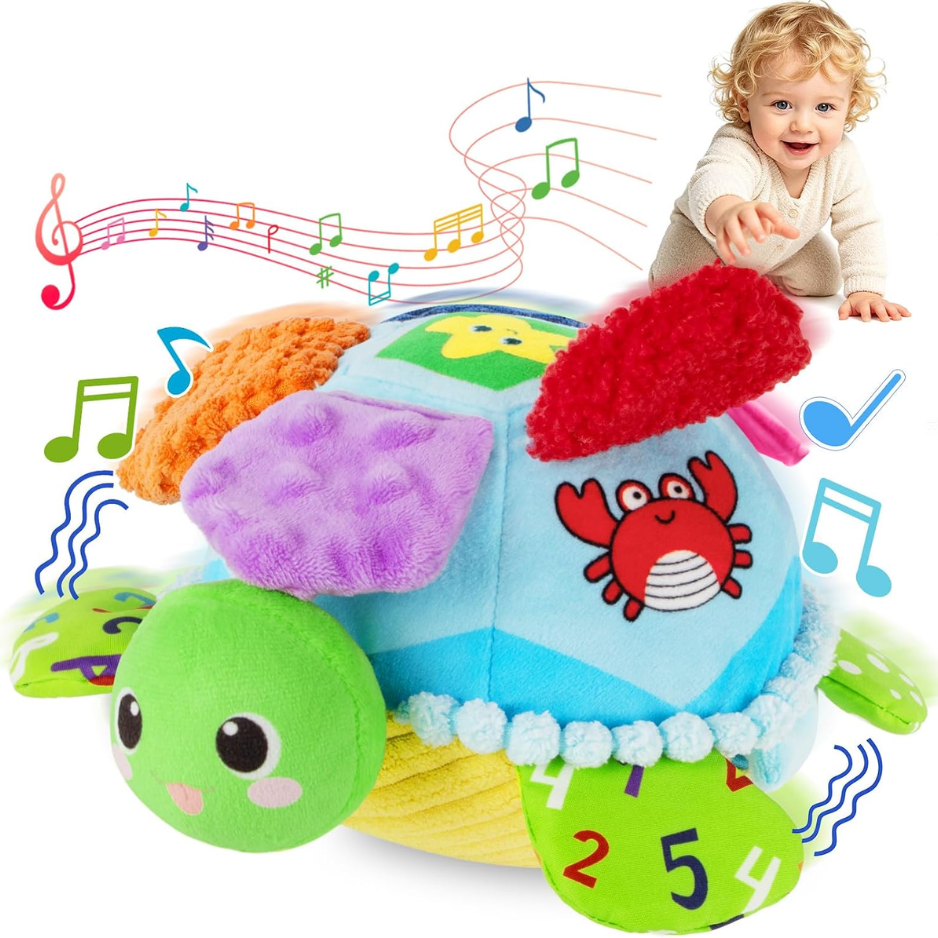 Baby Toys Months,Interactive Musical Crawling Dancing Turtle Soft Plush Tummy Time 50 Songs Recording, Sensory For Babies$81.99
 View on Mallflare
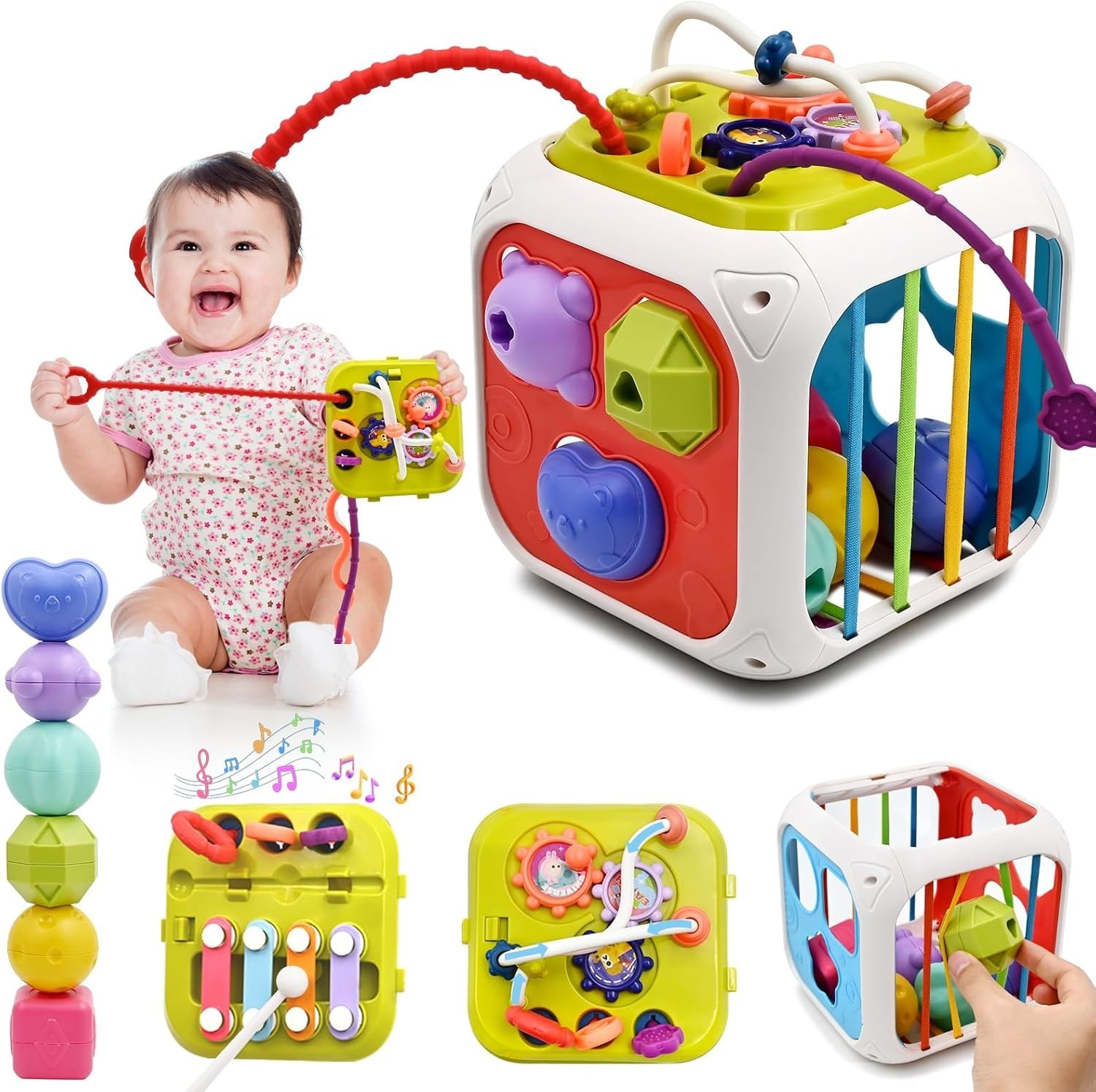 7 in 1 Baby Toys 6 to 12 Months Activity Cube Montessori Toys for 1$29.79View on eBay
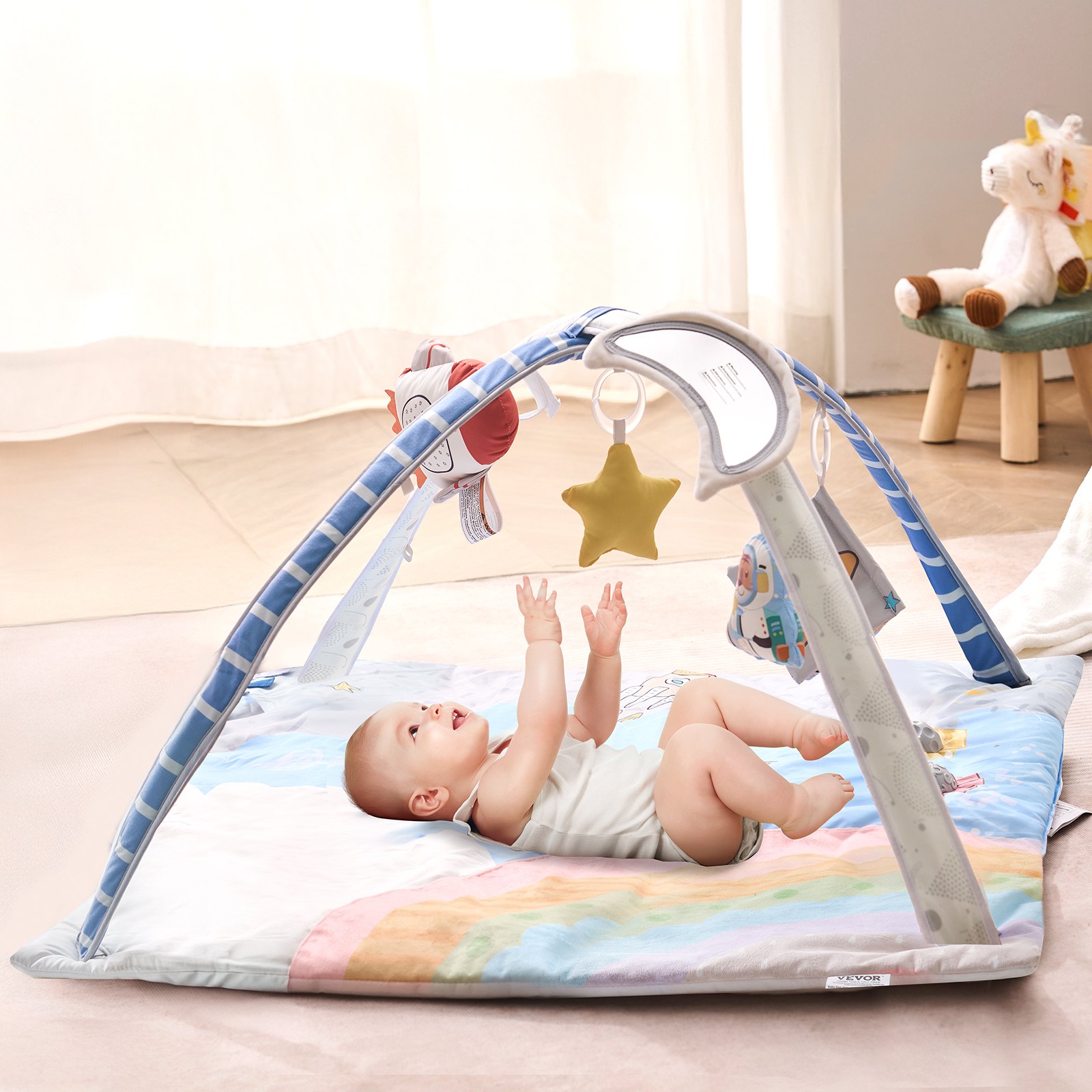 Baby Play Gym Mat Tummy Time Activity Mat With 6 Sensory Toys$27.99View on Mallflare
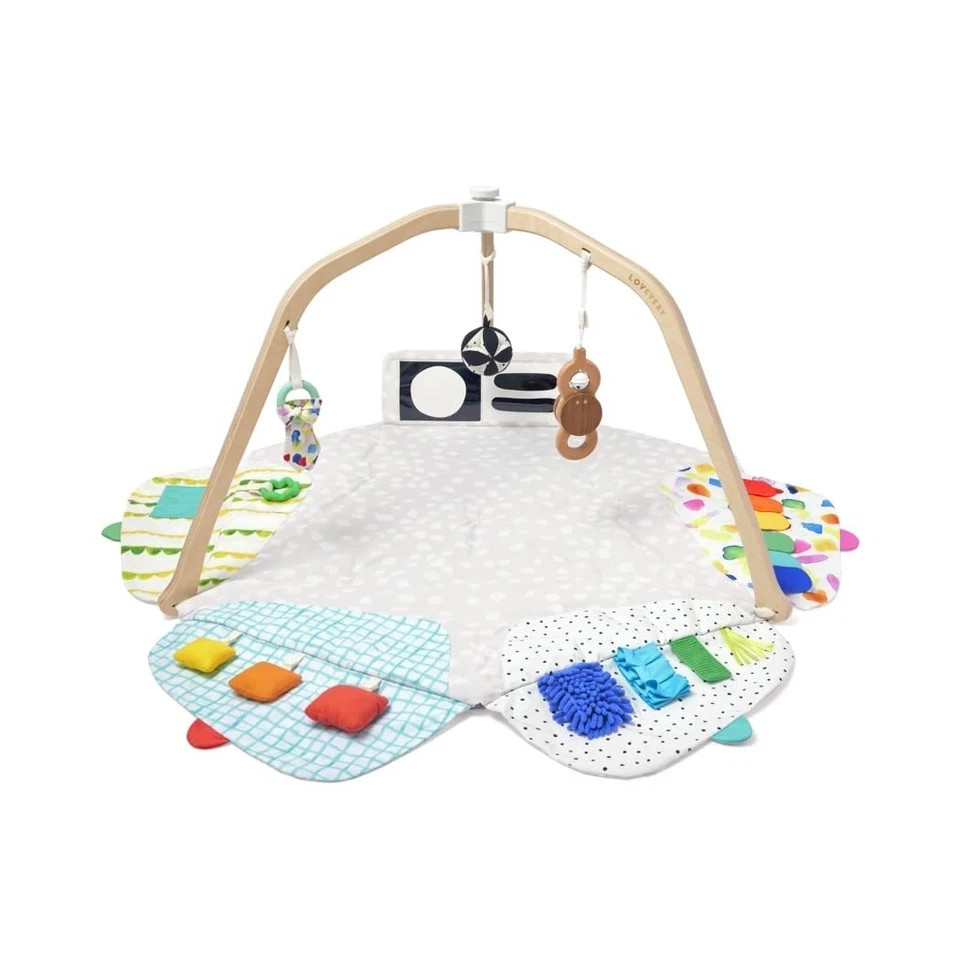 Baby Toys LOV The Play Gym | Baby Activity & Tummy Time Mat (NEW!!!)$112.00View on eBay
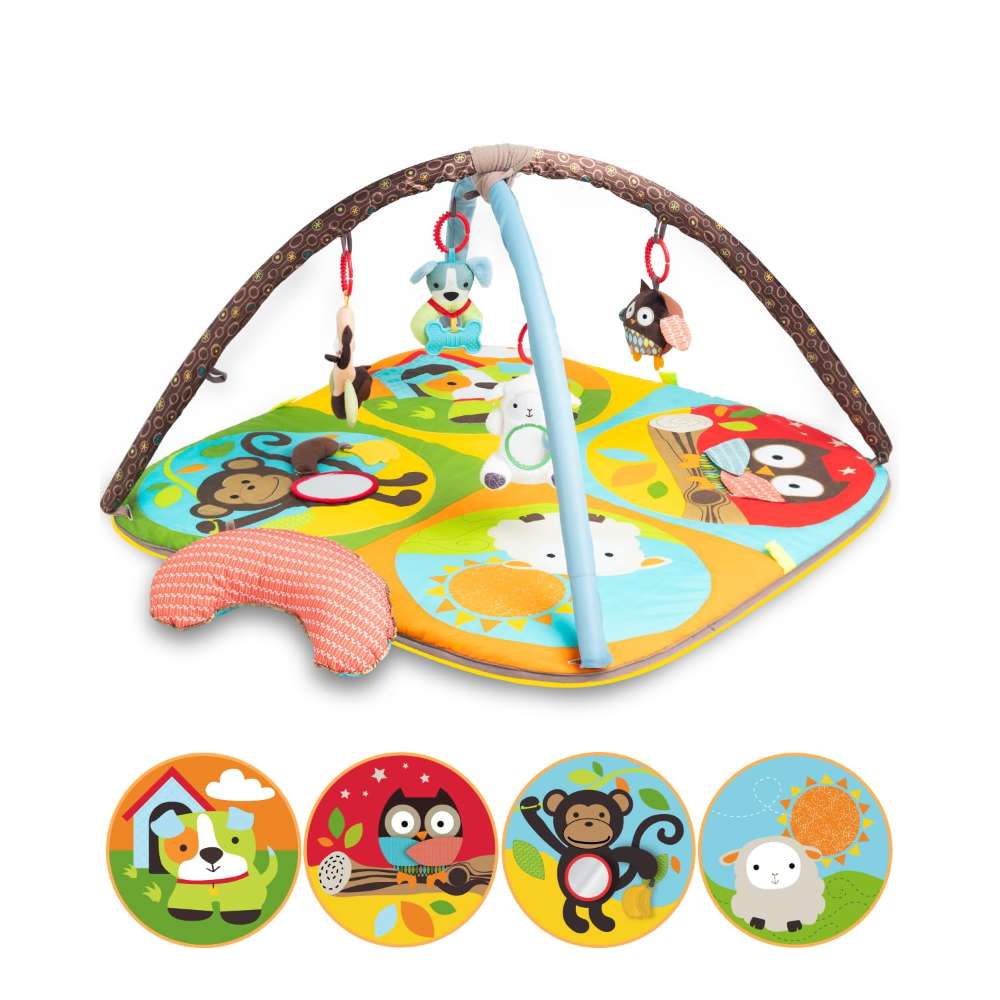 Keeygo Baby Play Mat Zoo Theme Sensory Infant Toys Keep Occupied Toddler Activity Gym Develop Neck Strength Gym For$32.99View on Mallflare
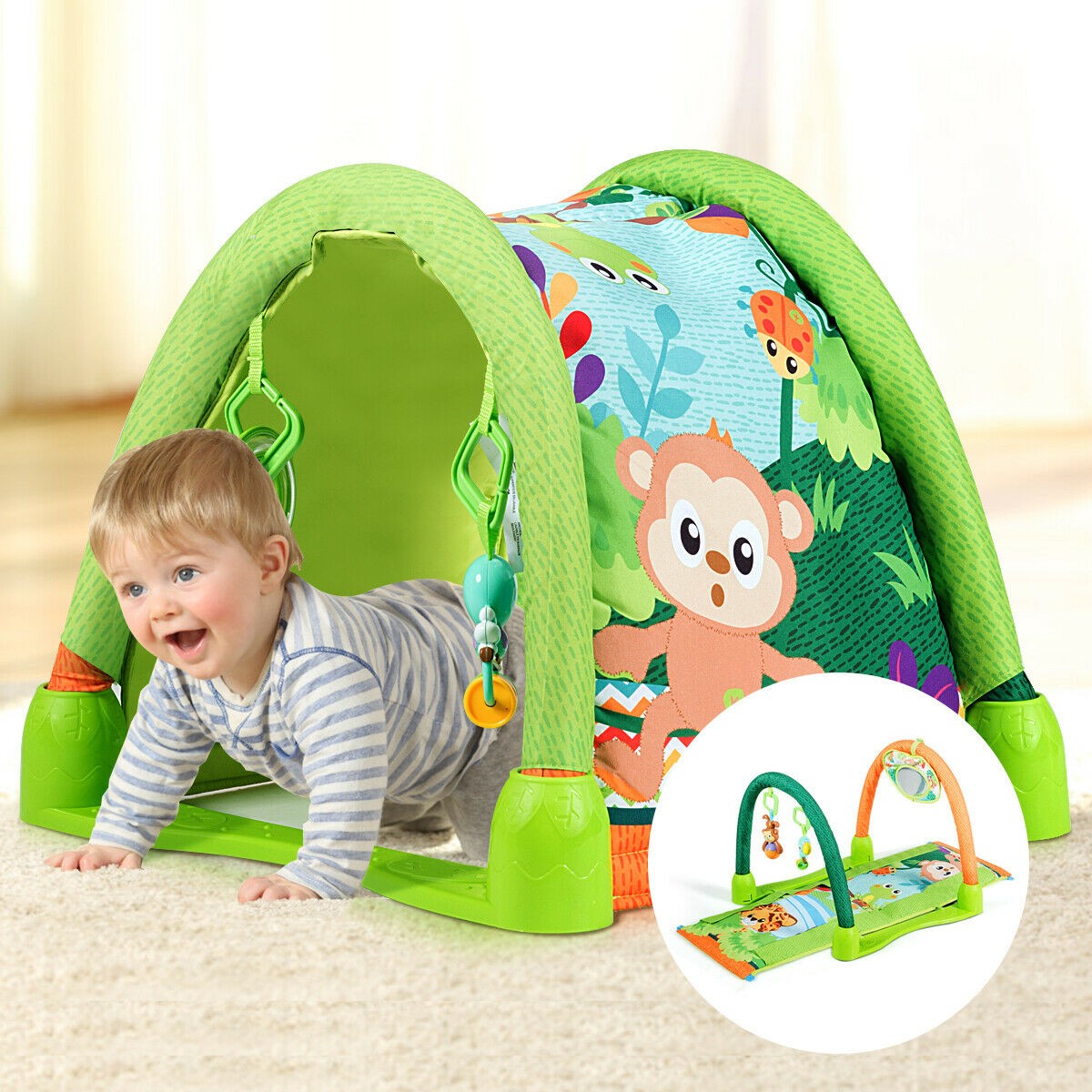 4-in-1 Green Activity Play Mat Baby Activity Center w/3 Hanging Toys$12.00View on eBay
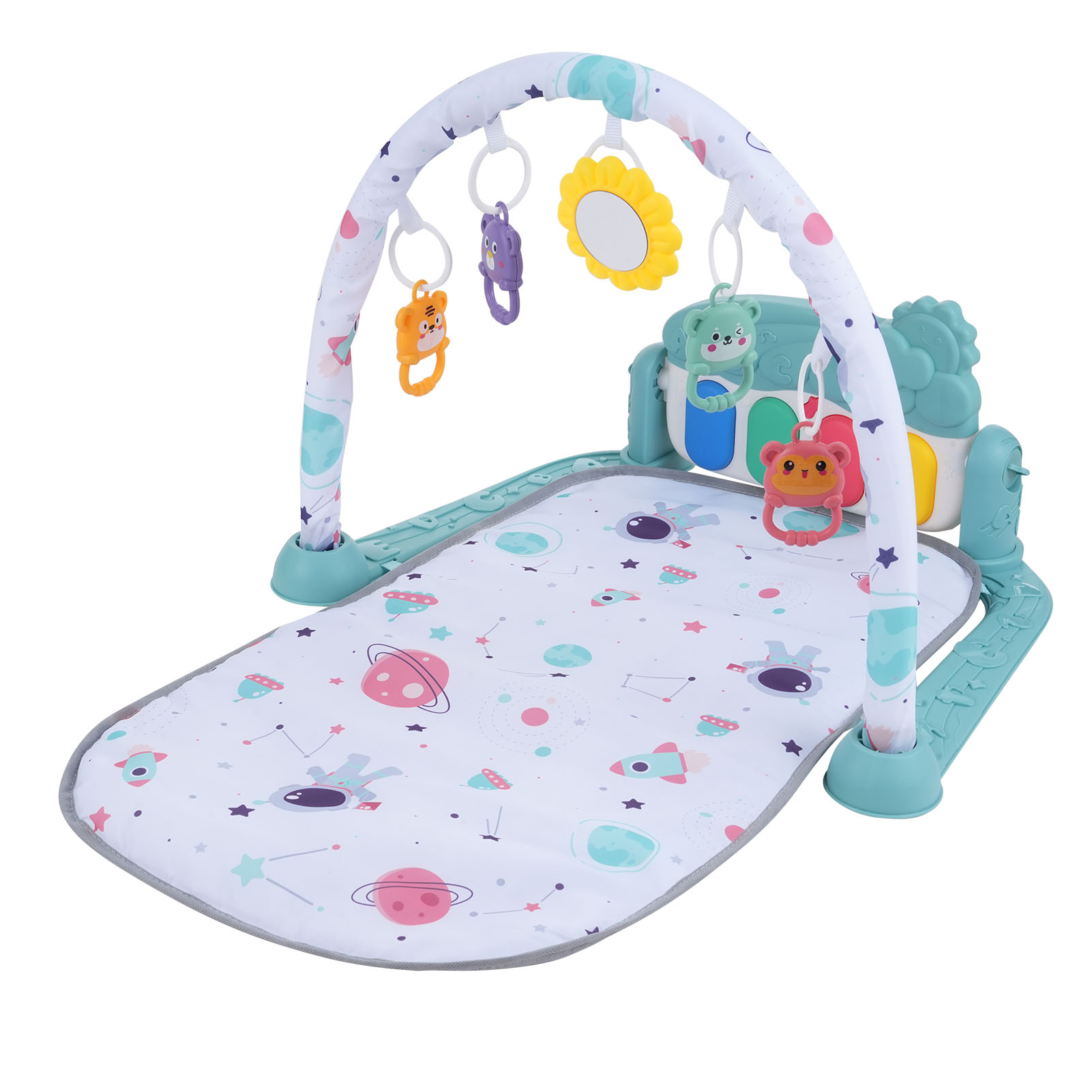 Baby Play Mat With Piano Keyboard & Deatchable Hanging Toys, Kick And Musical Activity Gym, Tummy Time Crawling Mat$36.99View on Mallflare
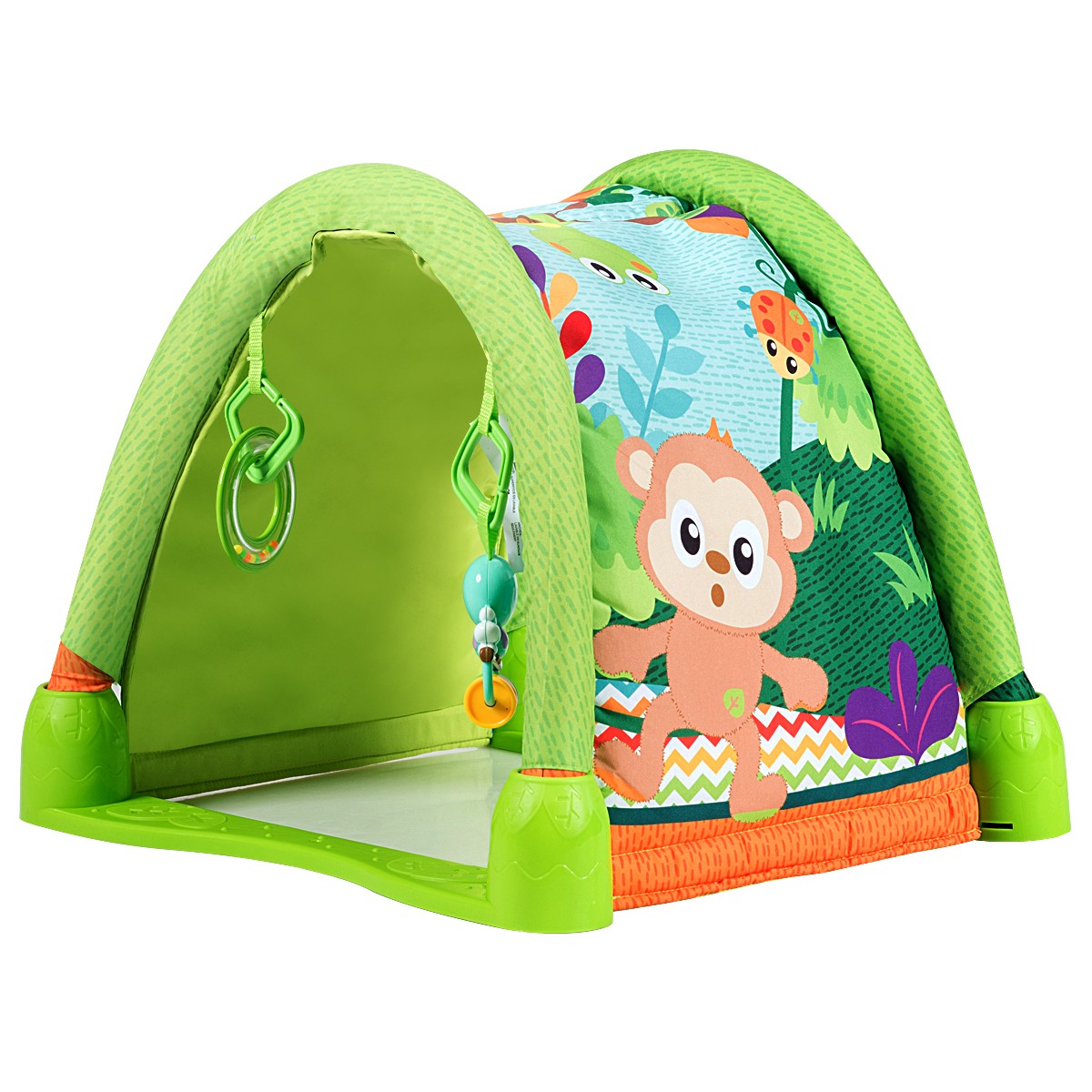 4 in 1 Activity Gym Play Mat Baby Activity Center w/ 3Educational Toys$12.99View on eBay
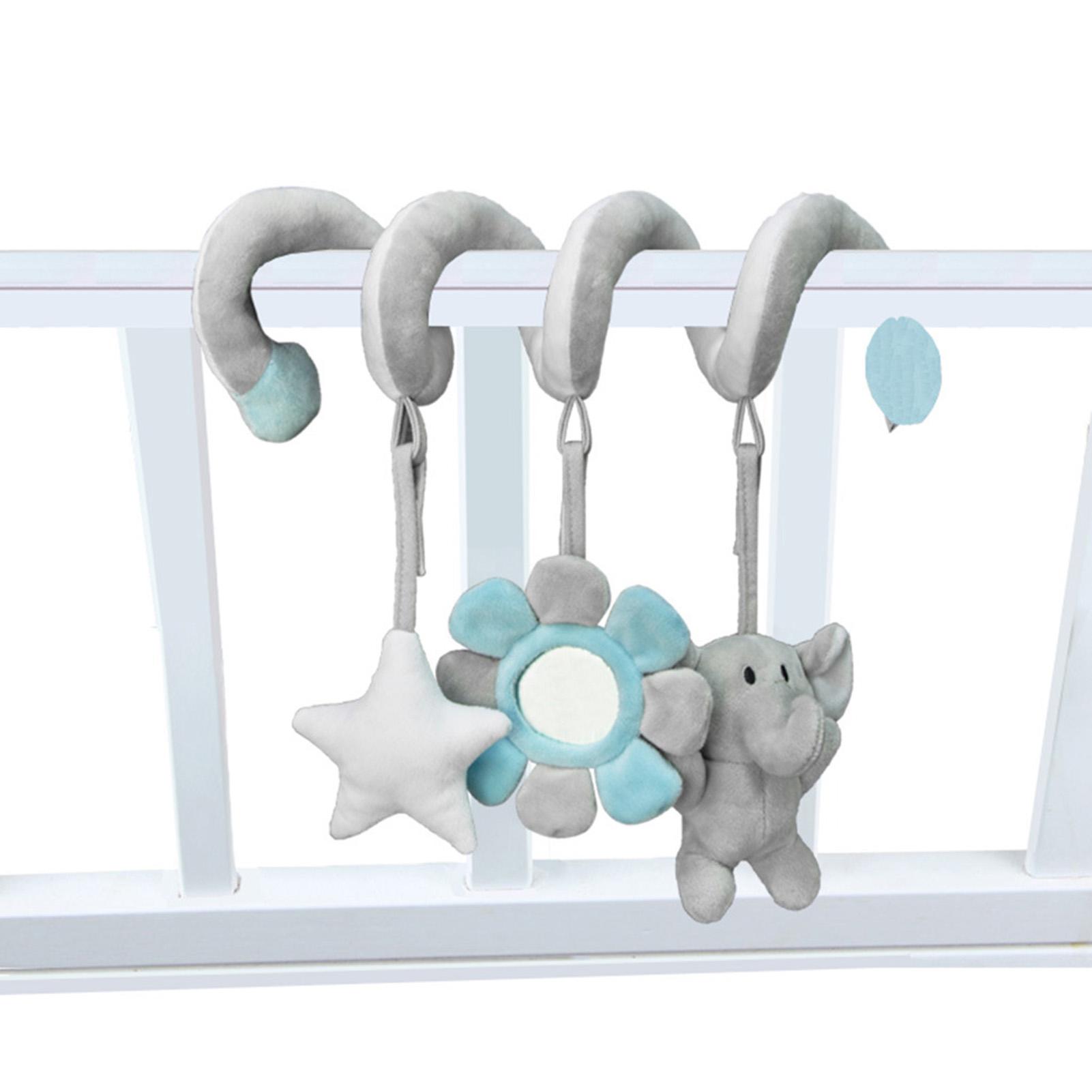 Baby Pram Crib Activity Spiral Plush Toys Infant Stroller Toy Car Seat Hanging Educational$39.99View on Mallflare
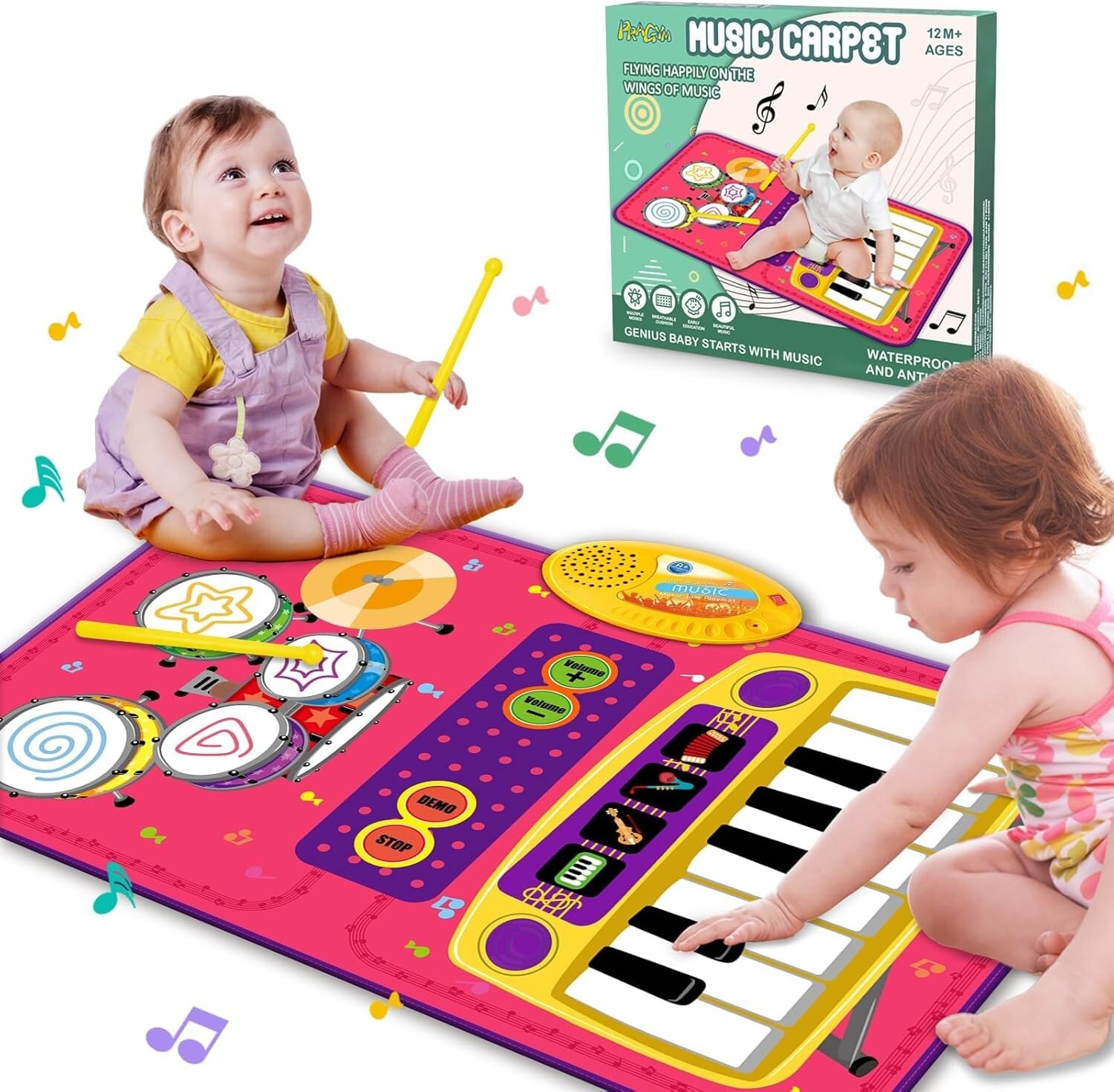 Baby Play Mat - Music Carpet Toddler Baby Piano Musical Toy for 18+Month$12.99View on eBay
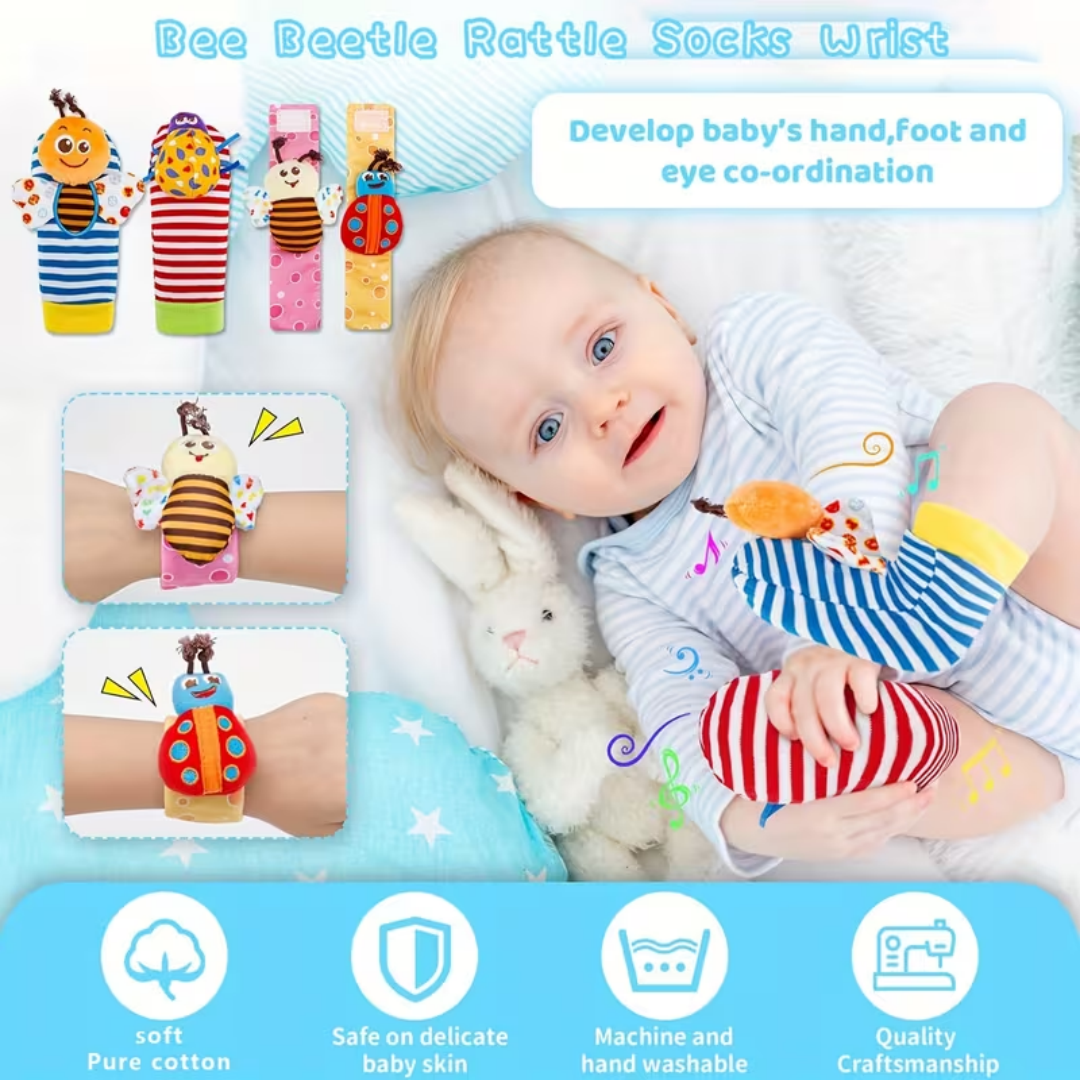 Baby Ringing Toy Set, Gripping Easy to Grasp Sensory Buckle, Development Learning Music Toy, Newborn Shower Birthday Gift 1 2 3 4 5 6 7 9 10 12 Months Boy and Girl$40.99View on Mallflare
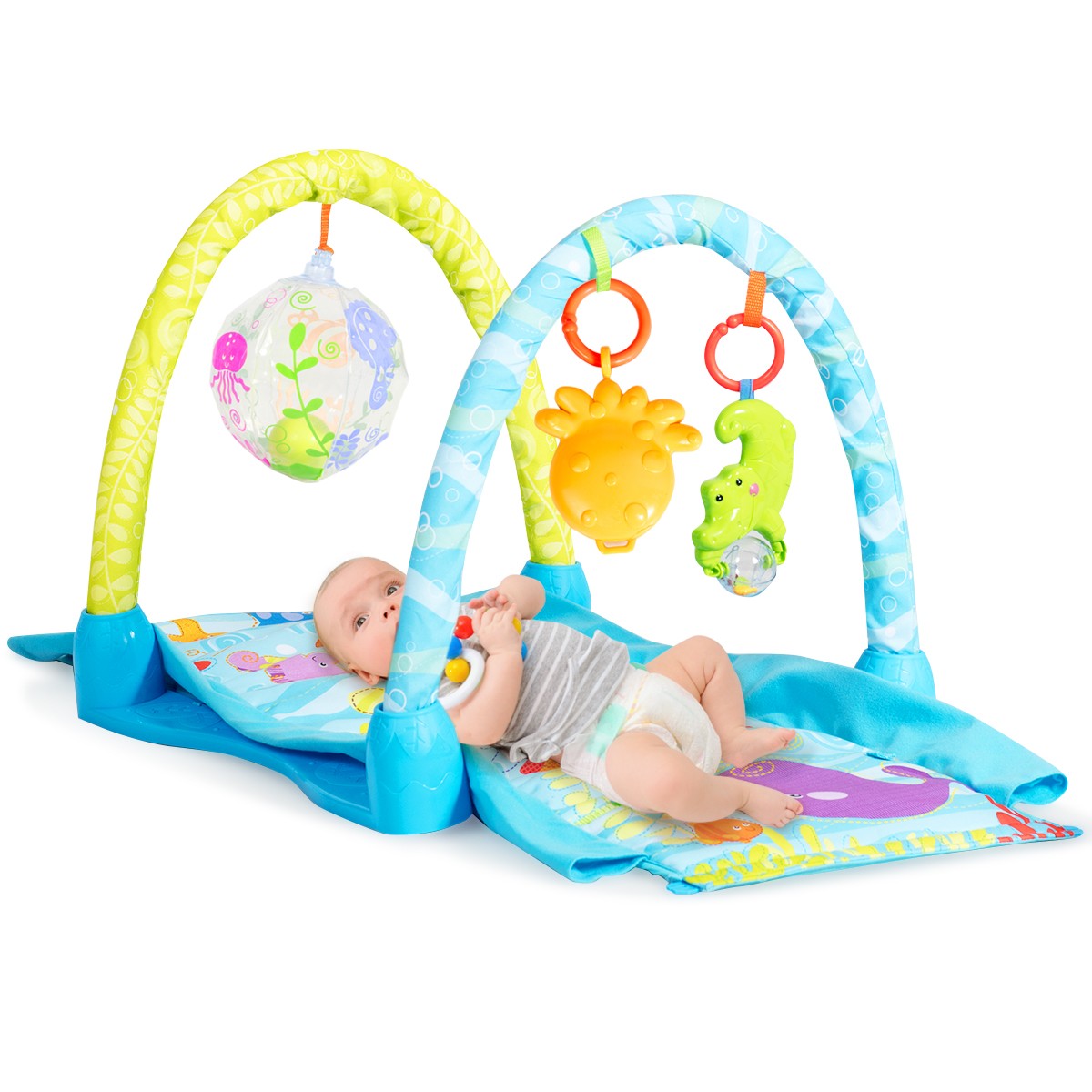 4 in 1 Activity Gym Play Mat Baby Activity Center w/ 3 Hanging Toys Play Time$15.99View on eBay
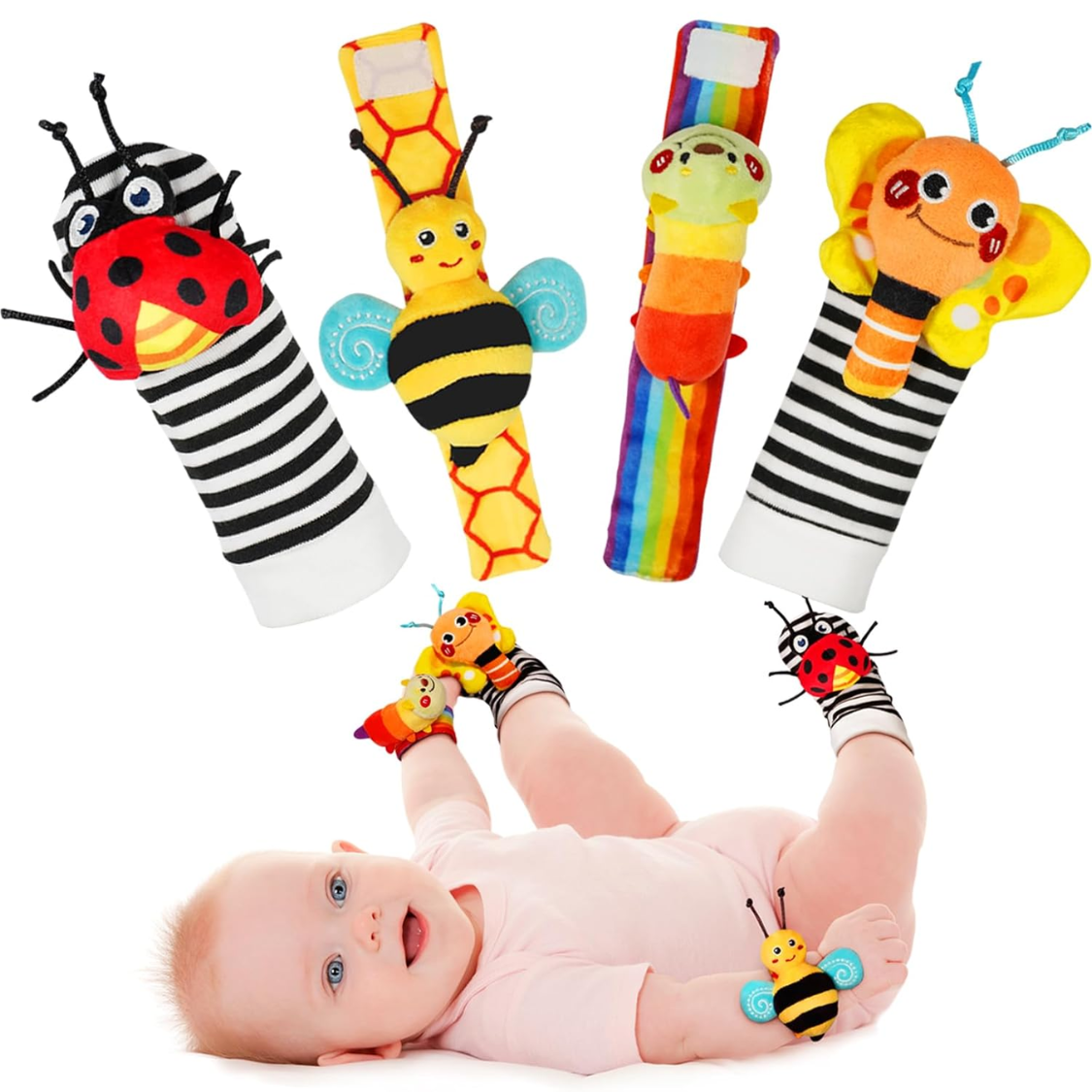 Baby Wrist Rattle Socks And Foot Finder Set Perfect Toys For 0-12 Months Newborn Boys And Girls As Shower Gifts Garden$48.99View on Mallflare
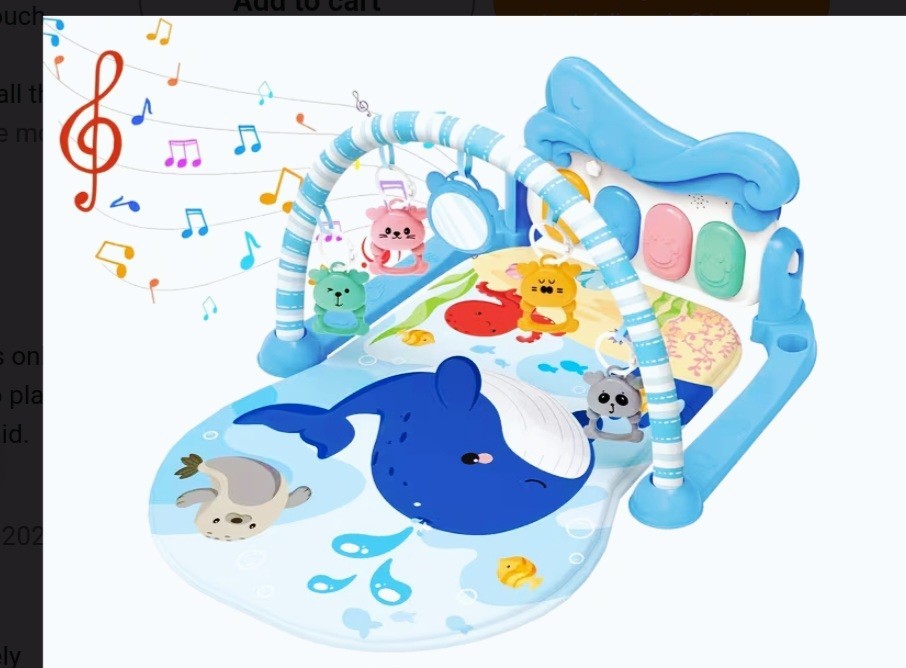 Baby Music Play Gym Piano Mat Newborn Activity Crawling Pad Early Learning Toy$15.99View on eBay
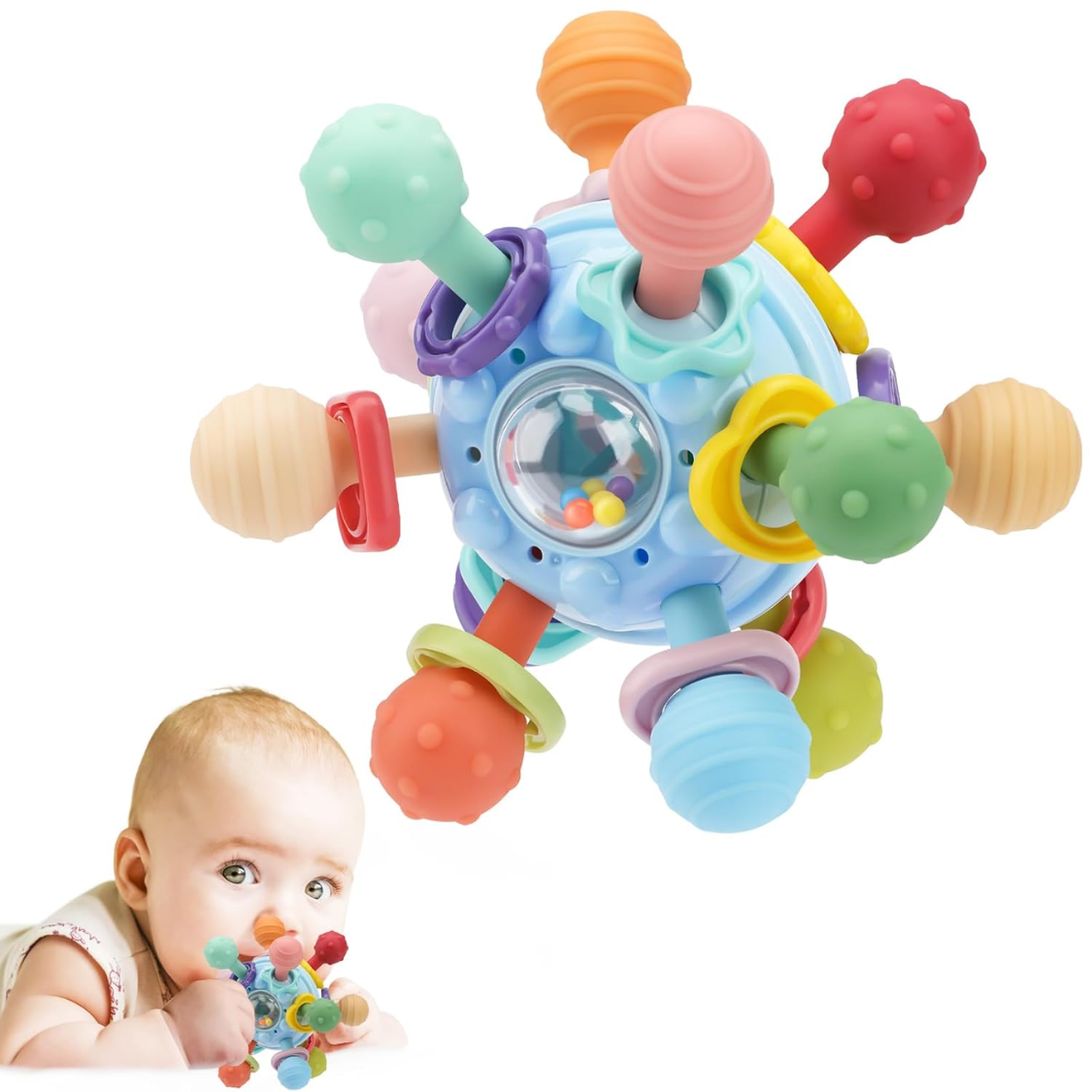 Baby Montessori Sensory Toys For Teether Teething For Babies 0 3 6 9 12 18 Months Newborn Infant Learning Developmental$52.99View on Mallflare
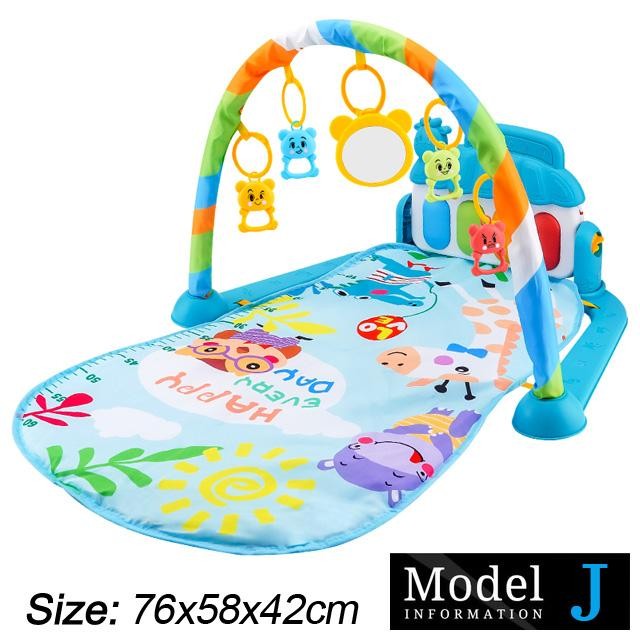 Baby Fitness Stand Music Play Gym Activity Toys Newborn Piano Crawling Blanket$16.87View on eBay
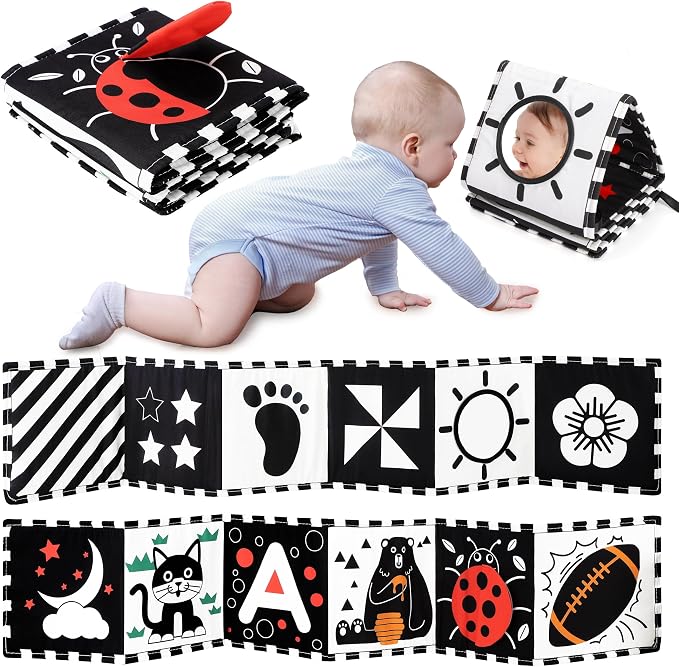 Black And White High-Contrast Baby Tummy Time Toy, Visual Stimulation Activity Toy For Newborns And Infants, Early Sensory Development And Focus Training Toy$78.99View on Mallflare
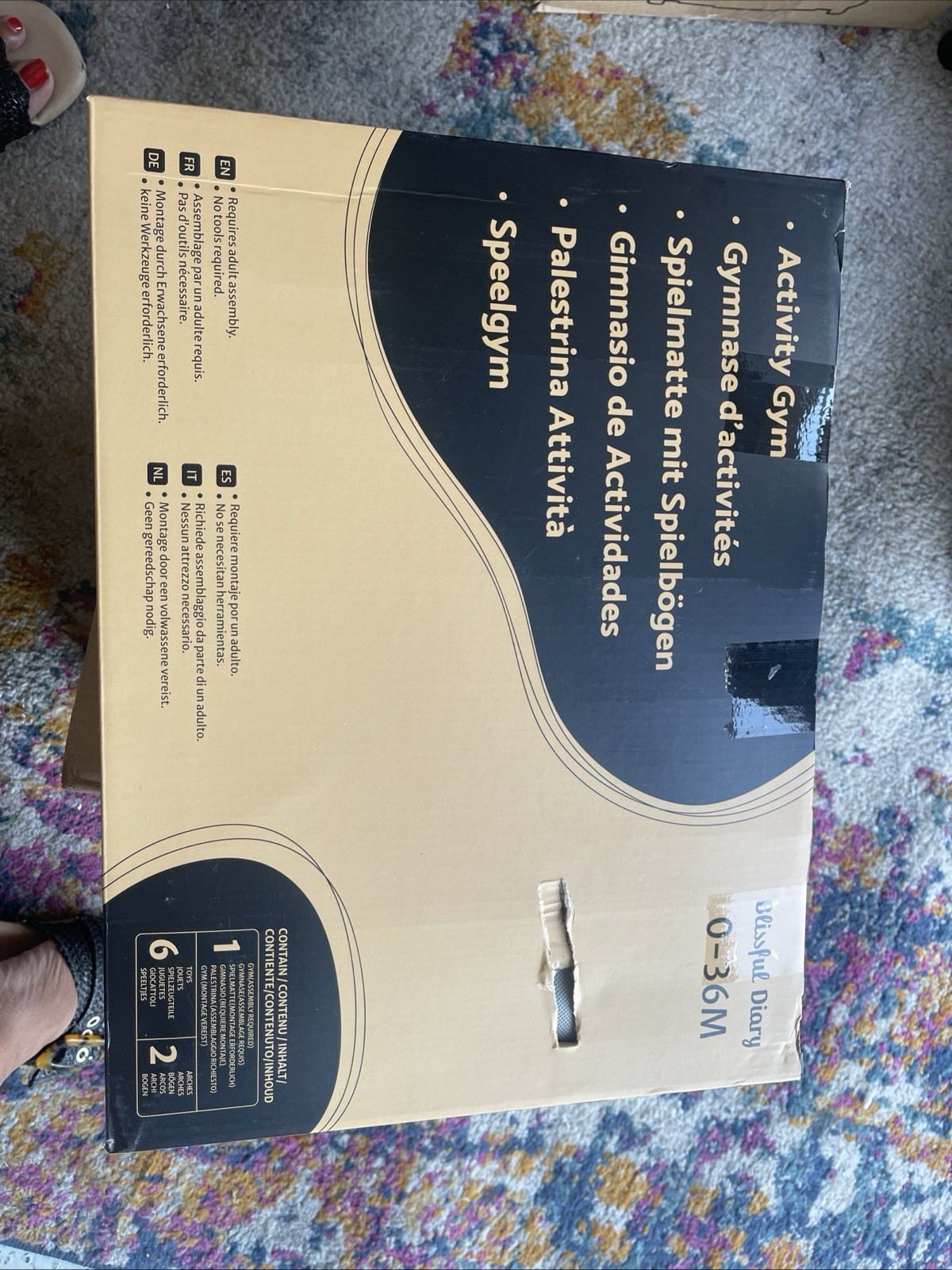 Blissful Diary Baby Activity Gym - New Sealed • Playmat + Toys • 0–36 Months$18.00View on eBay
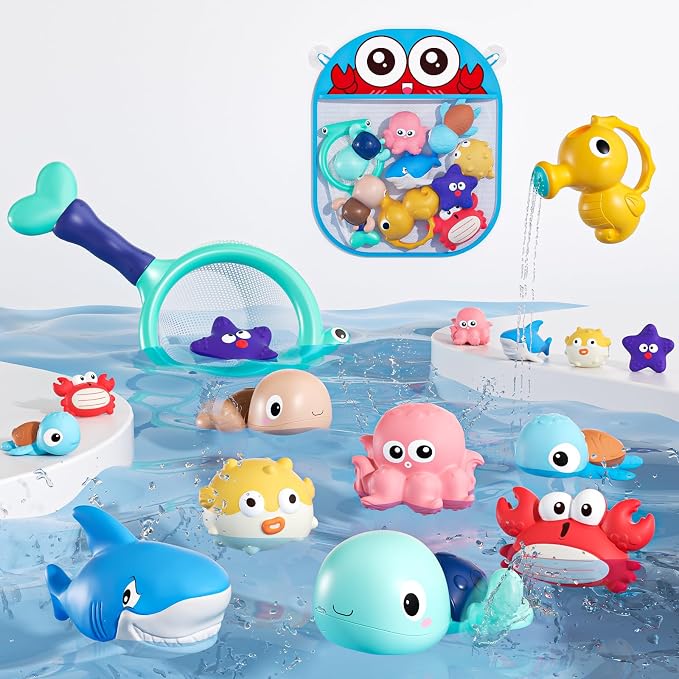 Baby Bath Toy Fishing Game Set For Ages Months, No-Hole Sea Animal Water Toys With Net For Bathtub, Pool, And Time Sensory Play$98.99View on Mallflare
Highlights
- Stage bands 0–3, 3–6, 6–12, and 12–24 months are functional limits: a 0–3 toy lacks the choking-hazard testing and grip size a 12-month walker needs.
- ASTM F963 (US) and EN71 (EU) are the two enforceable safety standards; certification covers small parts, sharp edges, and phthalate limits.
- BPA-free ABS is rigid and easy to sanitize for teethers and activity cubes; food-grade silicone is the correct grade for anything entering the mouth.
- Activity cubes with 5–7 sides and multi-mode musical units deliver the most developmental variety per footprint, but require battery doors with screwed closures for infant safety.
Best use cases
- Newborn to 3 months: choose a high-contrast play gym mat with 3–6 hanging sensory toys; skip musical electronics and activity cubes, which exceed visual and motor range.
- 3–6 months (tummy time and grasping): pick a spiral car-seat/stroller toy and a silicone teether; skip walkers and push toys until head control and sitting are established.
- 6–12 months (sitting and crawling): a 5–7 side activity cube plus a kick-piano play mat matches pulling-to-stand and cause-and-effect play; skip plush-only toys that offer no manipulative feedback.
- 12–24 months: choose push-and-pull walkers and sorting/dumping toys; skip 0–3 month rattles, which are too small and offer no challenge.
Buying tips
- Match the printed age band to the child's current stage — buying a 12–24 month toy for a 6-month-old defeats the safety testing and grip sizing.
- For teething, require food-grade silicone or BPA-free ABS; soft PVC and unmarked plastics are an automatic skip.
- Prefer activity cubes with 5 or more sides and screwed battery compartments; snap-lid battery doors are a choking and ingestion risk.
- For play gyms, check mat dimensions against your floor space: a 30–40 inch mat fits most tummy-time zones, while oversized gyms crowd small rooms.
Specs
| Stage Range | 0–3 / 3–6 / 6–12 / 12–24 mo |
|---|---|
| Safety Standard | ASTM F963 / EN71 certified |
| Material Grade | BPA-free ABS / food-grade silicone |
| Activity Modes | 3–7 sides / multi-mode musical |
Related searches
baby toysbest toys for 1 year oldtoys for 1 year old boybest infant toystoys for 6 month oldtoys for six month oldtoys for 3 month oldbest toys for 6 month oldeducational toys for 1 year oldtoys for 18 month oldtoys for 2 month oldtoys for 4 month oldtoys for 9 month oldtoys for 8 month oldtoys for 5 month oldtoys for 7 month oldbest toys for 18 month oldbest toys for 9 month oldtoys for 10 month oldtoys for 12 month oldWhat to check before buying
- Measure the play area or crib footprint before buying a play gym or activity cube; gym mats typically run 30–40 inches and cubes need clear floor space.
- Confirm the toy's age band matches the child's stage and that the ASTM F963 or EN71 mark is printed on the packaging or toy.
- Check battery type and count for musical toys (usually AA or AAA) and confirm the compartment requires a screwdriver.
- Verify all hanging toys on a gym attach with closed links, not open hooks, so they cannot detach into the crib.
FAQ
Data sources: eBay / Amazon listings and product attribute feeds Data updated Nov 15, 2026.
Some links on this page are affiliate links. If you buy after clicking one, we may earn a commission at no extra cost to you. This does not change which products appear here or their order. Affiliate disclosure.