Photos from current listings. Actual item, color, and included accessories may vary.
Montessori Toy Buying Guide
Montessori toys are open-ended, child-led learning objects built around a specific developmental skill—grasping, object permanence, cause-and-effect, or fine motor control—rather than electronic stimulation. The core trade-off is between authentic, single-purpose materials (wood, minimal plastic, self-correcting design) and multi-function activity cubes that bundle many features but dilute the Montessori method. The decision rule: pick a toy that matches your child's exact developmental stage and offers one clear, self-correcting challenge; skip anything that does the playing for the child with lights, sounds, or batteries.

At a glance
- Category
- Baby Toys & Activity Gear
- Data updated
- Nov 15, 2026
Current offers
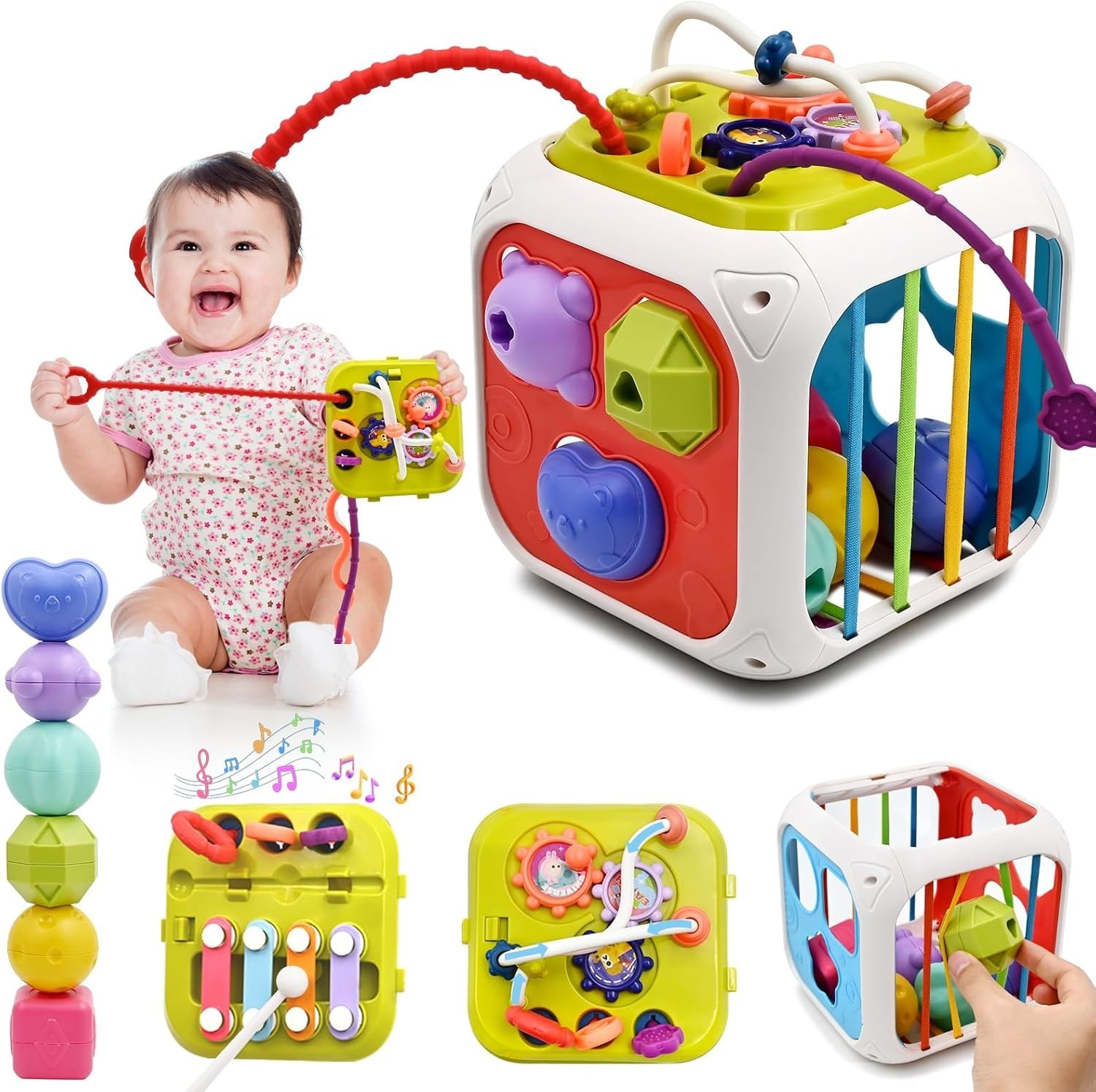 7 in 1 Baby Toys 6 to 12 Months Activity Cube Montessori Toys for 1$29.79
 View on eBay
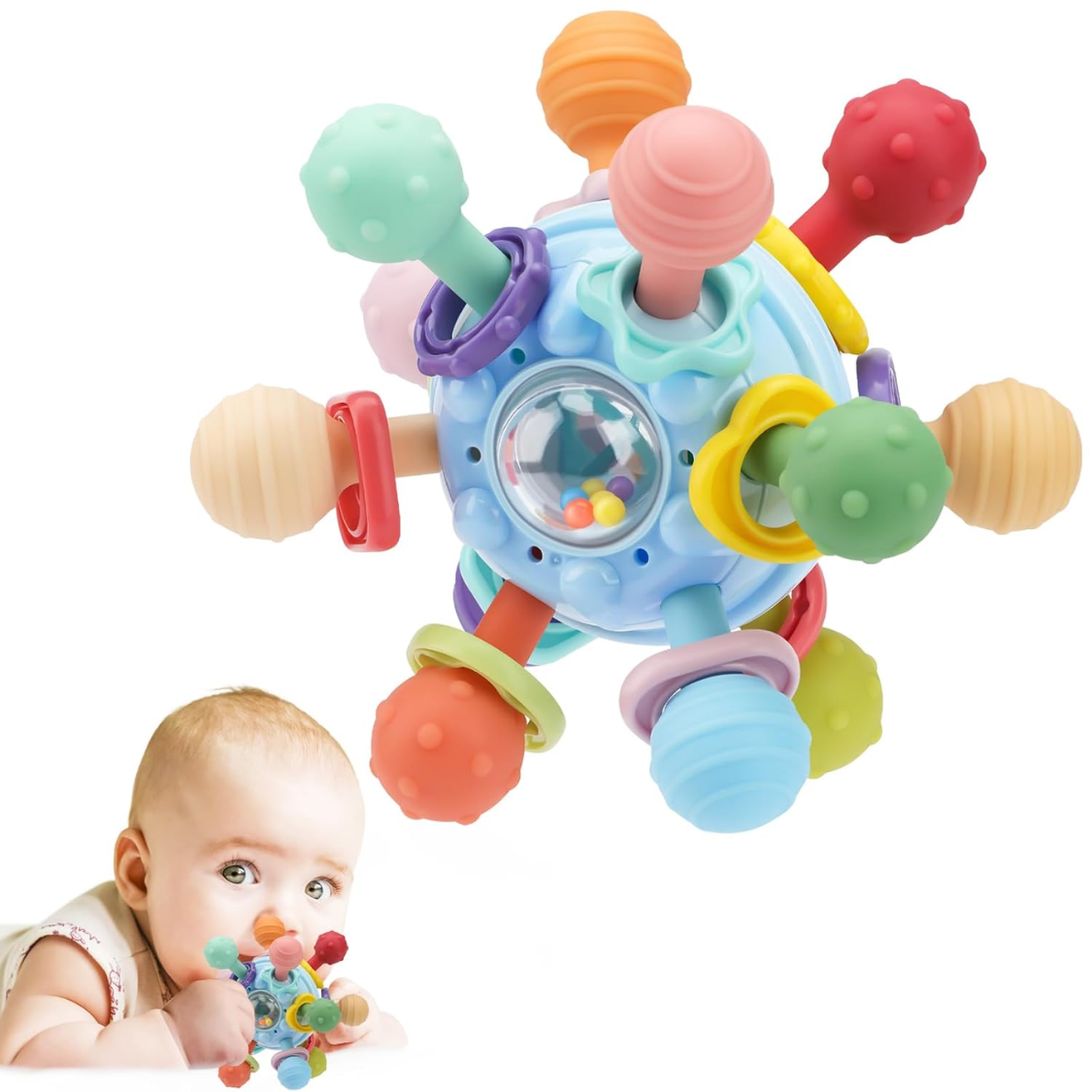 Baby Montessori Sensory Toys For Teether Teething For Babies 0 3 6 9 12 18 Months Newborn Infant Learning Developmental$52.99
 View on Mallflare
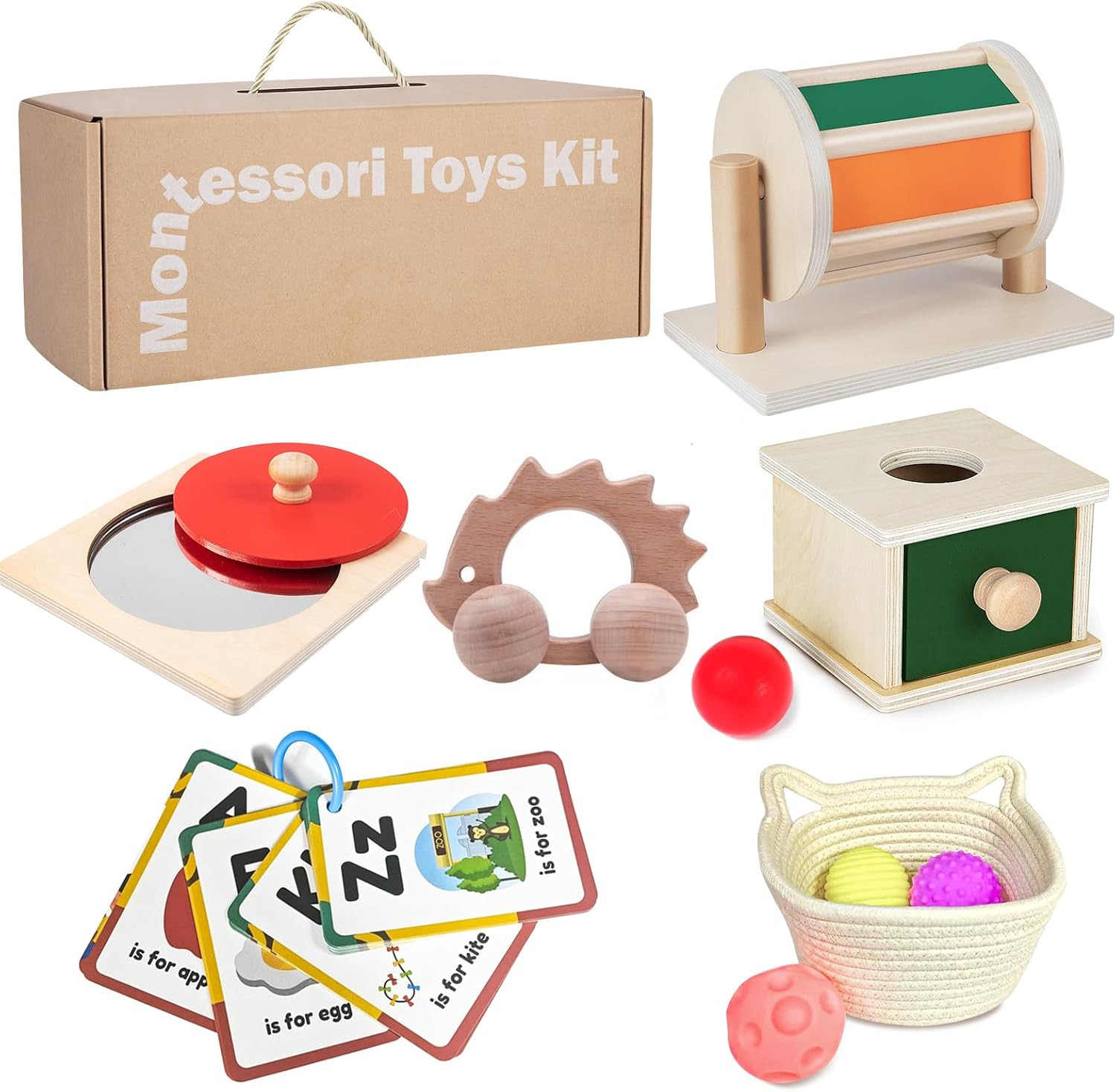 Montessori Toys for Babies 0-6 Months, 6 in 1 Learning Educational Set for Newbo$77.41View on eBay
Highlights
- Authentic Montessori materials use natural wood (beech, maple, rubberwood) with non-toxic water-based finishes and no batteries—plastic multi-function cubes are convenience toys, not Montessori.
- Developmental tiers are strict: 0-6 months needs high-contrast black/white visuals and grasping objects; 6-12 months needs object permanence boxes and cause-and-effect; 12-18 months needs posting, stacking, and shape sorting.
- Self-correction is the key mechanic—a coin that only fits the slot or a ring that only stacks in order teaches without adult intervention, which is the defining Montessori feature.
- Activity cubes labeled '7-in-1' or '6-in-1' trade depth for breadth; they suit general sensory play but not focused Montessori skill-building, so treat them as a supplement, not a core material.
Best use cases
- Best fit for newborns (0-6 months): choose a high-contrast black-and-white cloth or wood grasping set with a single ring or rattle—skip busy activity cubes that overstimulate.
- Best fit for 1-year-olds: pick a wooden object-permanence box or shape sorter with 3-4 shapes and a self-correcting lid—skip electronic toys that reward button-pressing with lights and sound.
- Best fit for 6-month-olds: select a teething-friendly wooden ring or sensory ball with varied textures—skip plush toys that can't be cleaned or mouthed safely for long.
- Wrong fit for any age: battery-powered 'Montessori-style' cubes with flashing lights and music—these undermine the self-directed, passive-material principle and should be avoided.
Buying tips
- Match the toy to your child's exact age band: 0-6 months (black/white contrast, grasping), 6-12 months (object permanence, teething), 12-18 months (posting, stacking, shape sorting).
- Choose solid wood over MDF or plywood; beech and rubberwood hold up to mouthing and dropping, while painted MDF chips and exposes unsafe edges.
- Check for non-toxic finishes explicitly—water-based lacquers and natural oils are standard for safe mouthing; avoid unknown paints and heavy varnishes.
- Prefer single-purpose, self-correcting designs (one slot per shape, graduated rings) over multi-function cubes—the simpler the material, the more it supports independent play.
Specs
| Material | Solid wood vs plastic vs cloth |
|---|---|
| Age Stage | 0-6m / 6-12m / 12-18m / 18m+ |
| Skill Focus | Grasping / Object permanence / Sorting |
| Power Source | No batteries (passive) vs electronic |
Related searches
What to check before buying
- Confirm the toy's age grading matches your child's current developmental stage—newborn visual sets are useless at 12 months, and small parts are choking hazards under 3.
- Measure your shelf or play mat space: wooden object-permanence boxes and shape sorters need a stable flat surface, not a cluttered bin.
- Check material and finish safety: solid wood with water-based, non-toxic paint or natural oil; avoid unknown plastics and loose small parts.
- Verify companion needs: some Montessori sets require a dedicated tray or basket for presentation—plan for a low shelf at child height to support the method.
FAQ
Data sources: eBay / Amazon listings and product attribute feeds Data updated Nov 15, 2026.
Some links on this page are affiliate links. If you buy after clicking one, we may earn a commission at no extra cost to you. This does not change which products appear here or their order. Affiliate disclosure.