Photos from current listings. Actual item, color, and included accessories may vary.
Anti Colic Bottle Buying Guide
Anti-colic bottles use internal venting, collapsible liners, or specialized nipple geometry to reduce air ingestion, spit-up, and gas during feeding. The core trade-off is venting effectiveness versus parts count and cleaning complexity: internal-vent systems (tubes, diaphragms) perform best but demand thorough daily disassembly, while simple nipple-vent designs are easier to clean but less effective for strong suction. Durable, well-designed options use BPA-free polypropylene, PPSU, or borosilicate glass, wide-neck openings, and clearly labeled flow-rate stages—avoid unbranded sets with vague vent claims and no flow-tier markings.


At a glance
- Category
- Feeding & Sterilizing
- Data updated
- Nov 19, 2026
Current offers
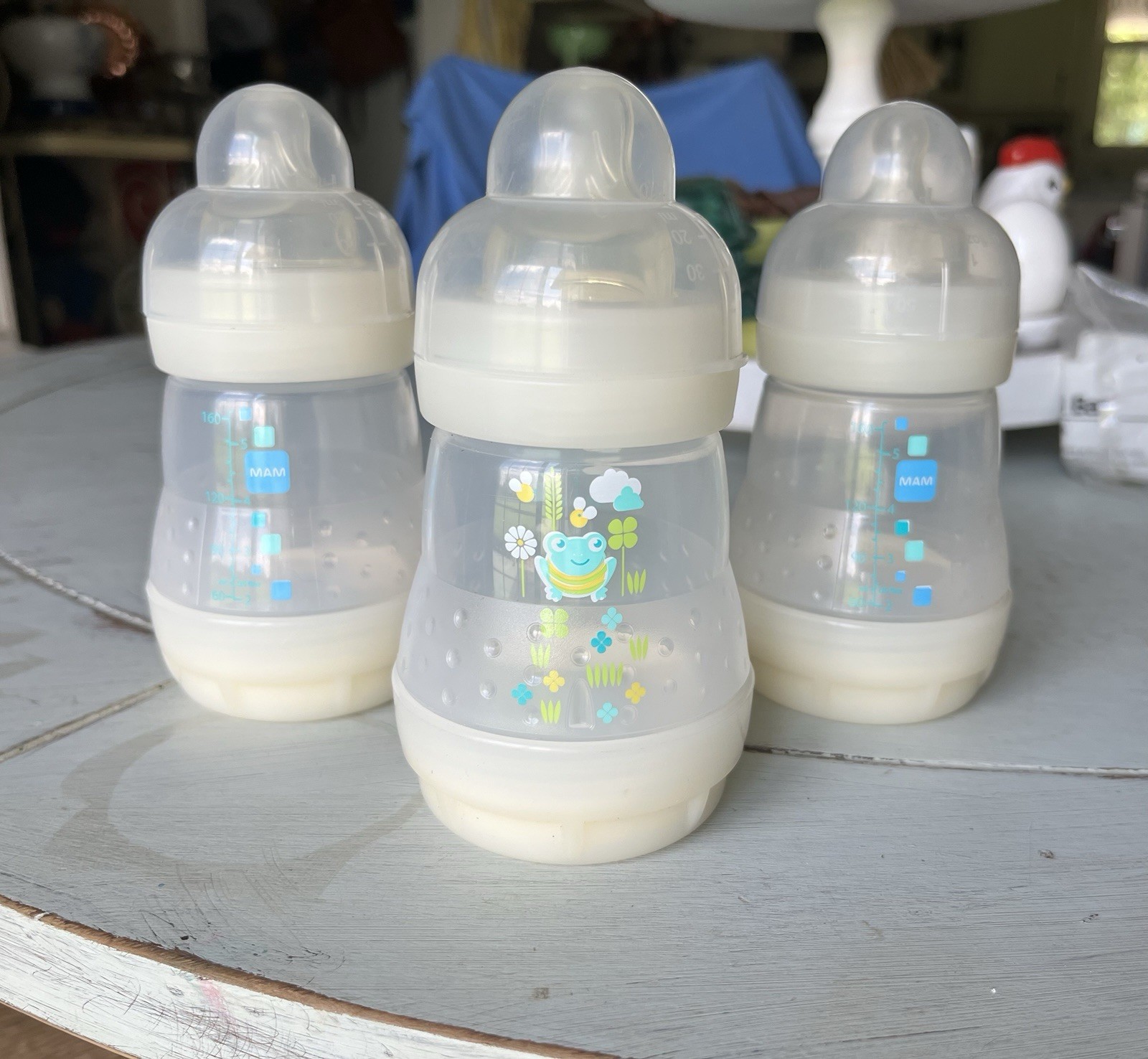 Lot of 3 Mam Anti Colic Bottles 5.5 oz.$25.99
 View on eBay
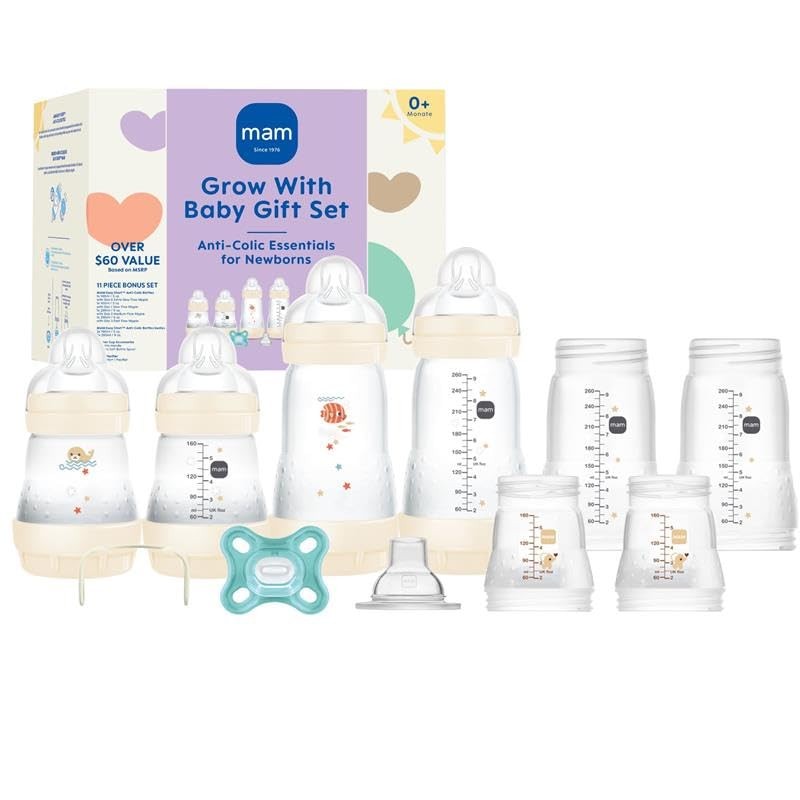 Grow with Baby 15-Piece Gift Set, Newborn 0-4 Months, Anti-Colic Bottles and ...$53.18View on eBay
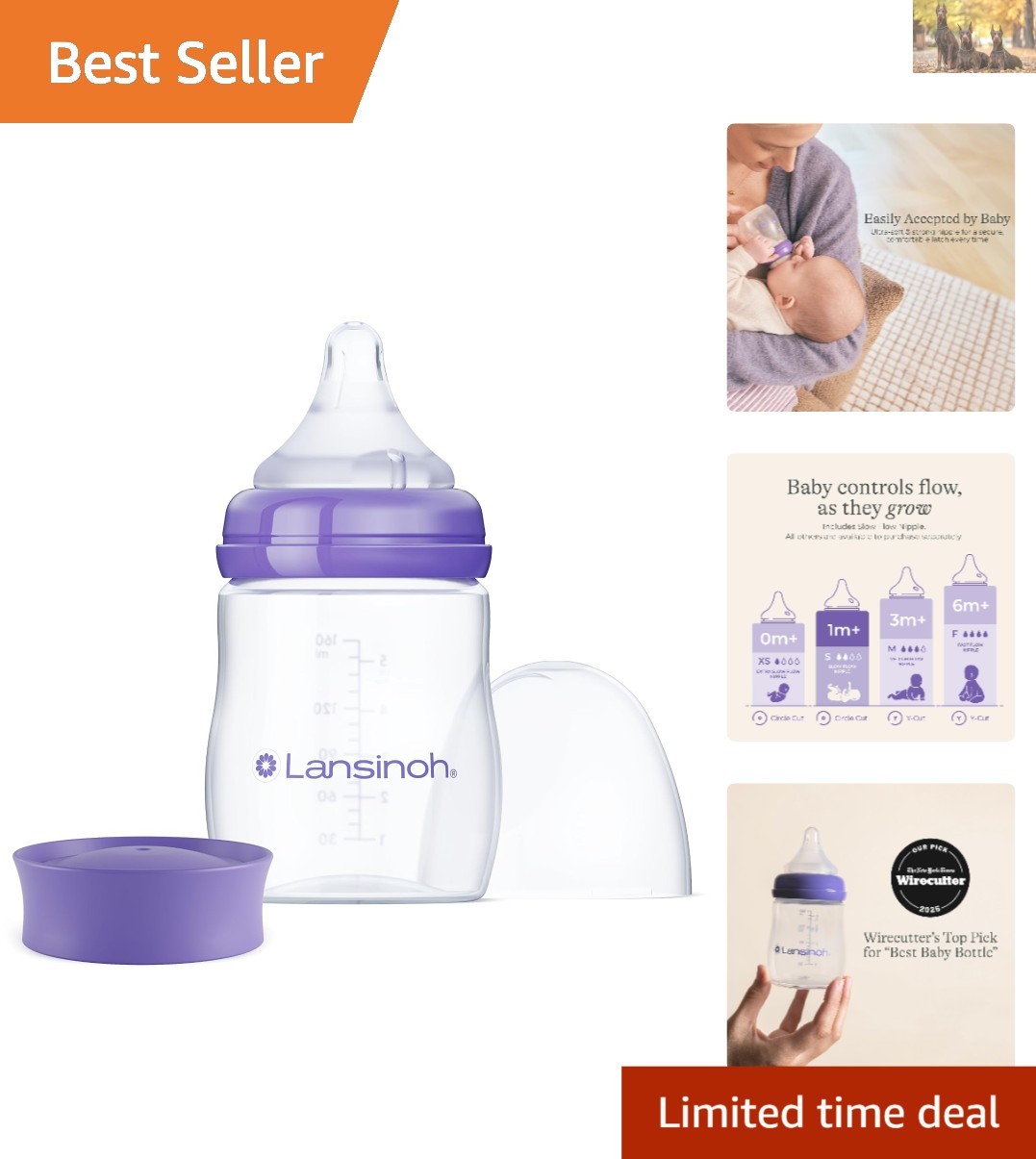 Breastfeeding Friendly Anti-Colic Baby Bottle - 5 oz with Slow Flow Nipple$16.91View on eBay
 Tommee Tippee Natural Start Anti-Colic Baby Bottle, 9oz, Slow-Flow...$21.00View on eBay
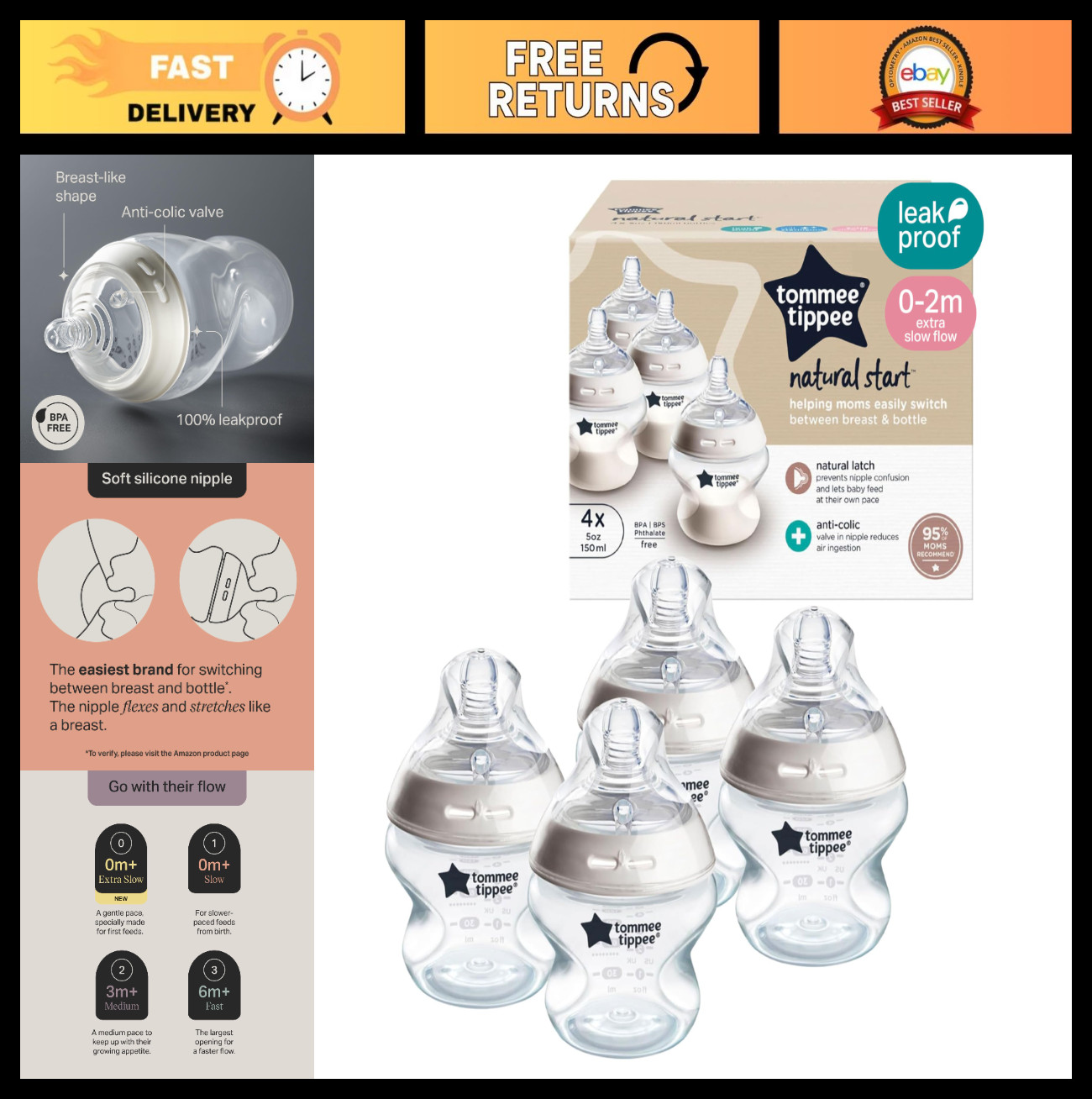 Anti-Colic Baby Bottles 5 oz BPA Free, Slow Flow Nipple, Self-Sterilizing, Pack$31.99View on eBay
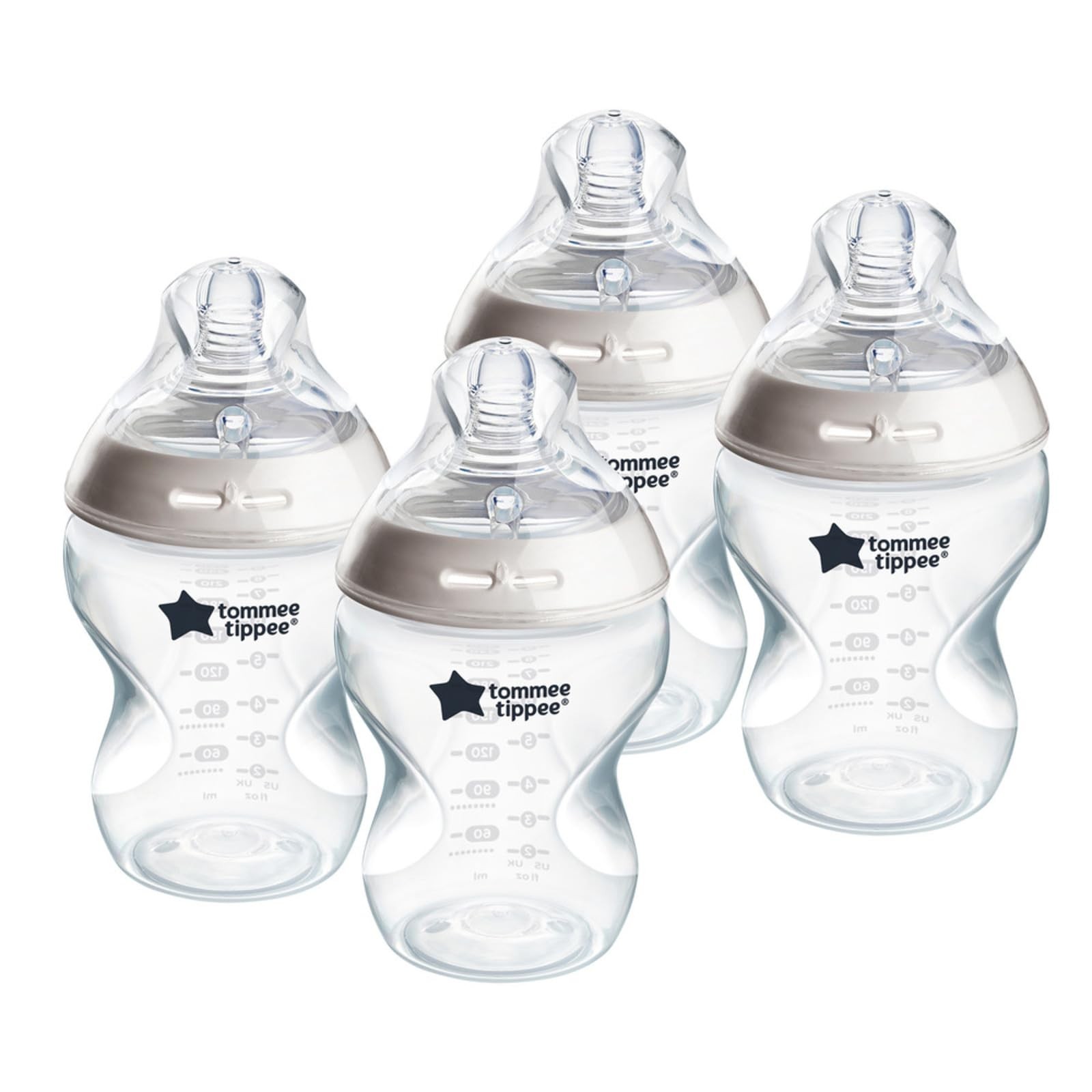 Anti-Colic Baby Bottles 9 oz BPA Free, Slow Flow Nipple, Self-Sterilizing, Pack$33.99View on eBay
Highlights
- Vent architecture drives performance: internal tubes/diaphragms (Dr. Brown's, MAM) isolate air from milk; simple nipple vents (Tommee Tippee) rely on nipple collapse resistance.
- Material tiers: PP (opaque, budget), PPSU (amber, heat-resistant to ~180°C), and borosilicate glass (inert, heaviest, best for pumped milk).
- Flow-rate staging is critical: slow-flow (0–3 months), medium (3–6 months), fast (6+ months); mismatched nipples cause gulping and air intake.
- Wide-neck (≥50mm) bottles accept most breast-pump flanges directly and simplify brush cleaning; narrow-neck limits compatibility.
Best use cases
- Best fit: colicky or gassy newborns—choose an internal-vent system (Dr. Brown's Options+, MAM Easy Start) with slow-flow nipple and 5 oz/150 ml capacity for 0–3 months.
- Best fit: breastfed babies transitioning to bottles—pick a wide-neck, breast-like nipple (Tommee Tippee Natural Start, Comotomo) with slow flow to reduce nipple confusion.
- Wrong fit: caregivers unwilling to disassemble and brush multiple vent parts daily should skip multi-part internal-vent bottles and use a two-piece nipple-vent design instead.
- Wrong fit: families needing long-term durability and dishwasher sterilization should skip thin PP bottles and choose PPSU or borosilicate glass.
Buying tips
- Match bottle size to age: 5 oz/150 ml for 0–3 months, 9 oz/260 ml for 3–12 months; larger bottles with slow-flow nipples cause excess air intake.
- Verify BPA-free labeling and material: PP is microwave-safe but clouds over time; PPSU tolerates repeated steam sterilization; glass is inert but heavy.
- Check nipple flow marking: newborn/slow-flow (0–3m) nipples have 1–2 holes; medium (3–6m) 2–3 holes; fast (6m+) cross-cut or Y-cut.
- Confirm wide-neck thread diameter (≥50 mm) if you plan to pump directly into the bottle; narrow-neck bottles require separate adapters.
Specs
| Vent Type | Internal tube vs nipple-vent |
|---|---|
| Material | PP / PPSU / Borosilicate glass |
| Capacity | 5 oz (150 ml) / 9 oz (260 ml) |
| Nipple Flow | Slow (0–3m) / Medium / Fast |
Related searches
What to check before buying
- Measure your breast-pump flange diameter and confirm the bottle neck accepts it directly or via a included adapter.
- Check sterilization method: PP tolerates steam and boiling; PPSU and glass handle dishwasher top rack; verify vent parts are dishwasher-safe.
- Count parts per bottle: internal-vent systems add 2–4 pieces per bottle; ensure you have enough bottles for a full day (typically 4–6).
- Confirm nipple level included in the set matches newborn slow-flow; many gift sets include size 1 or slow-flow, but verify before first feed.
FAQ
Data sources: eBay / Amazon listings and product attribute feeds Data updated Nov 19, 2026.
Some links on this page are affiliate links. If you buy after clicking one, we may earn a commission at no extra cost to you. This does not change which products appear here or their order. Affiliate disclosure.