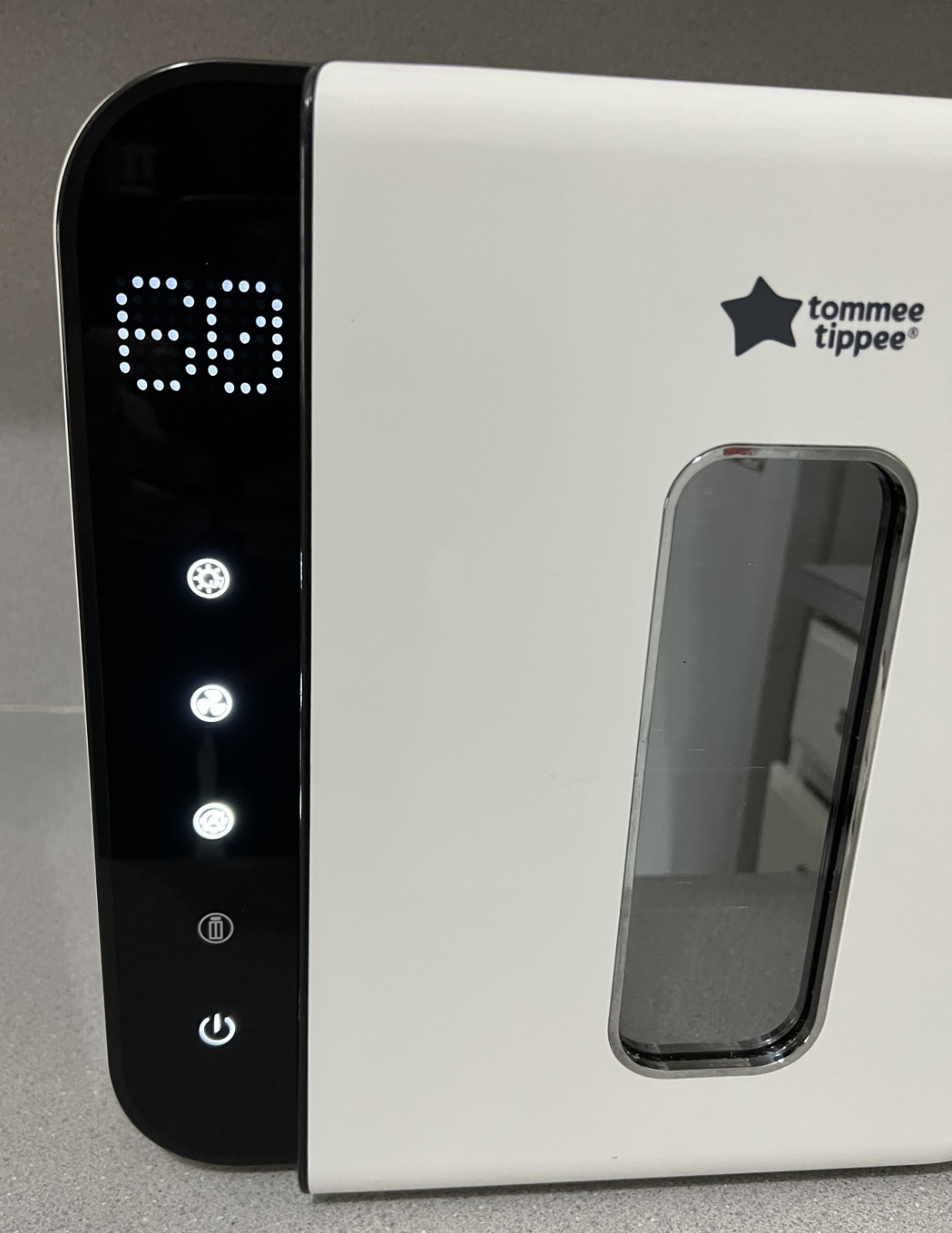

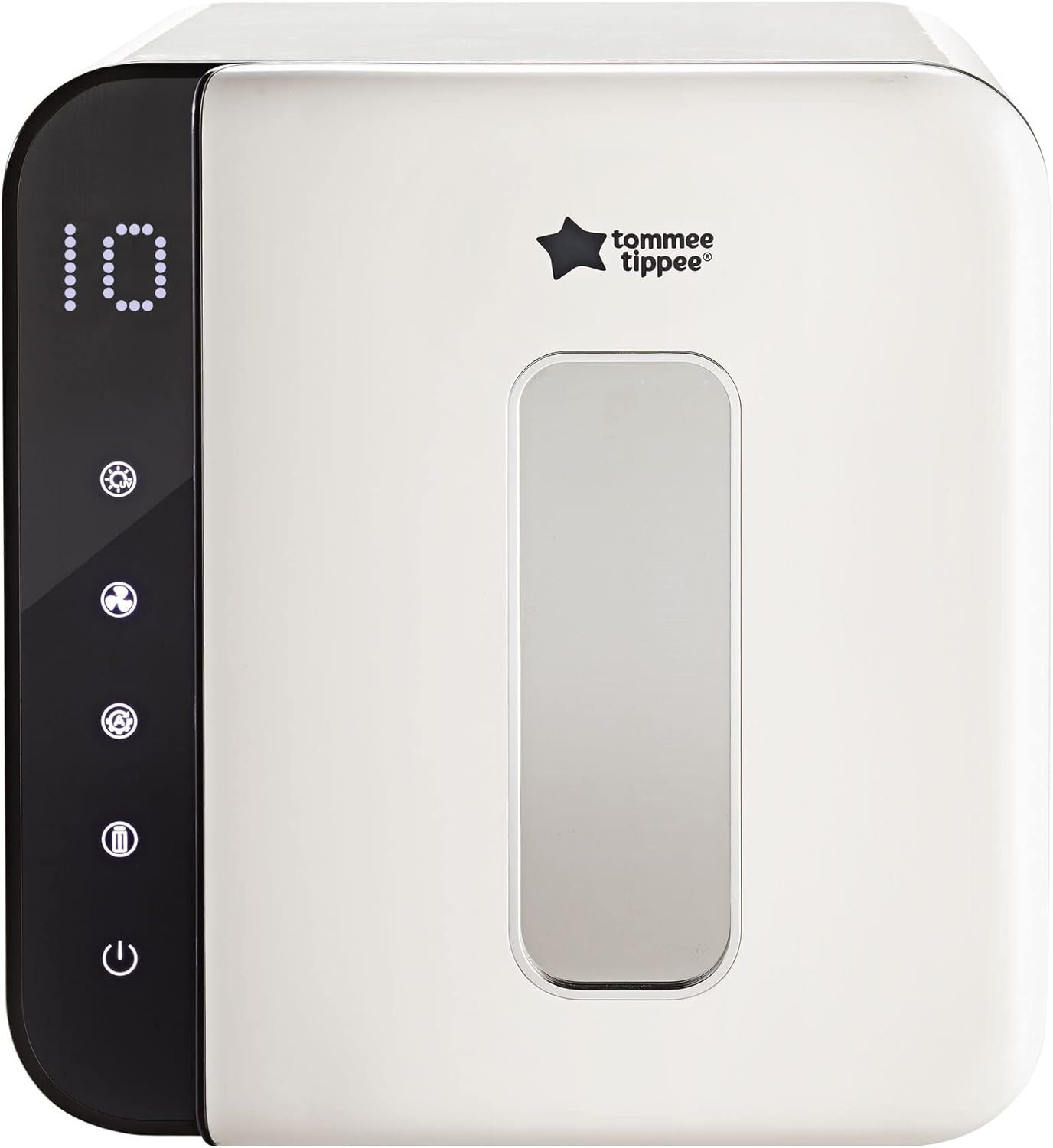
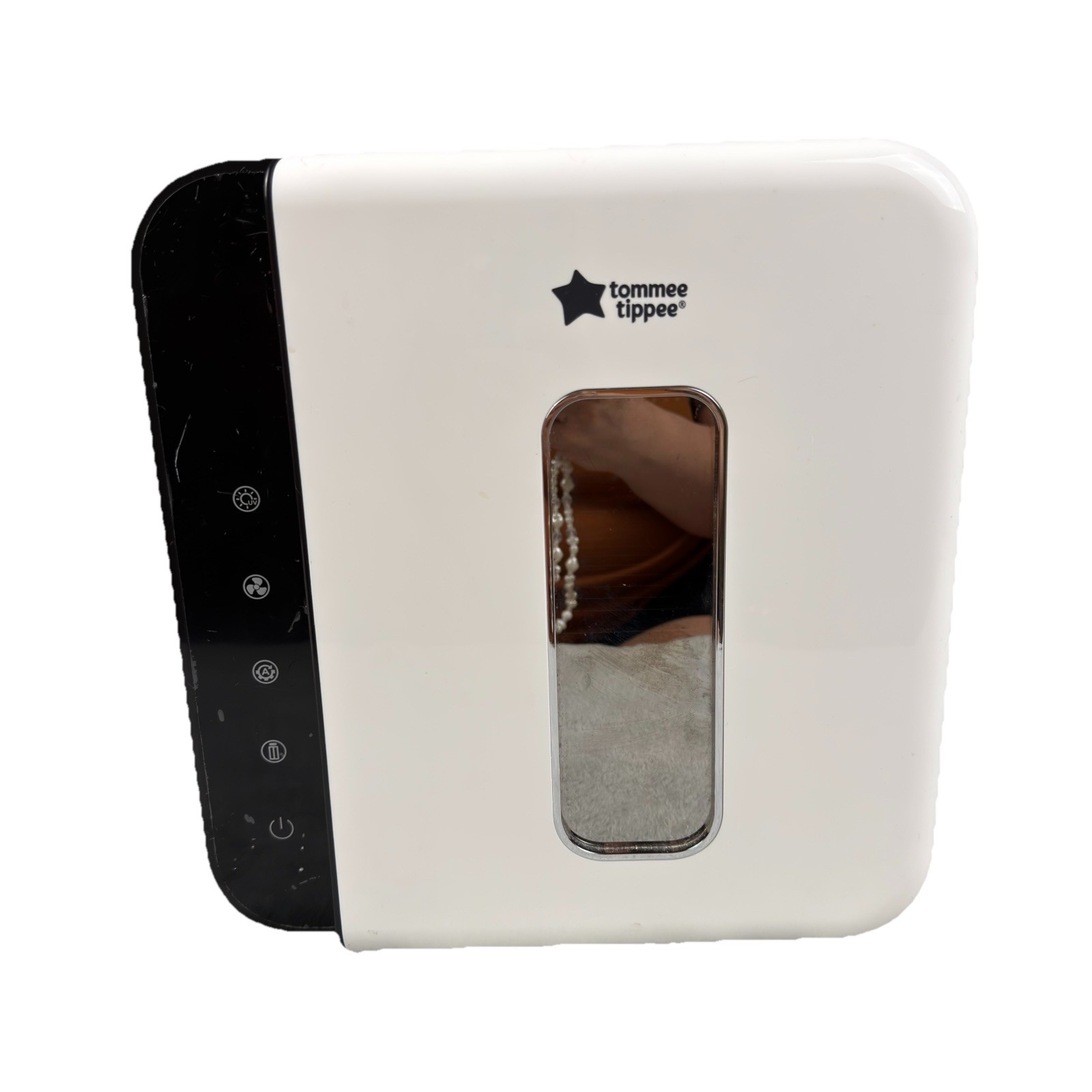
Photos from current listings. Actual item, color, and included accessories may vary.
Bottle Steriliser Electric Buying Guide
Electric bottle sterilizers use either steam (boiling water) or UV-C light to eliminate germs, and the choice hinges on material compatibility, drying ability, and cycle speed. Steam models are faster and reach higher temperatures, while UV models are gentler on plastics but require direct light contact and careful bulb maintenance. The decisive rule: prioritize a unit with a dedicated drying phase and a load capacity that matches your daily bottle count, or you'll be re-sterilizing constantly.


At a glance
- Category
- Feeding & Sterilizing
- Data updated
- Nov 15, 2026
Current offers
Highlights
- Steam sterilization kills 99.9% of germs in 6-12 minutes at 100°C, but leaves bottles wet unless a HEPA-filtered drying fan is included.
- UV-C sterilizers operate at 254 nm and need 10-30 minutes; they degrade silicone and some plastics over time and cannot penetrate opaque or stacked items.
- Double-wall or insulated steam chambers retain heat for faster cycles, while single-wall units lose efficiency and may warp thin plastic bottles.
- Units with a closed drying loop and HEPA filter prevent airborne recontamination; open-drip trays reintroduce bacteria within hours.
Best use cases
- Best fit: busy households with 6+ bottles daily — choose a steam sterilizer with integrated drying and a 6-8 bottle capacity to keep up with feedings.
- Best fit: parents of premature or immunocompromised infants — pick a steam unit with a validated 99.9% kill rate and a drying cycle to avoid rinse-water contamination.
- Wrong fit: those needing to sterilize breast pump parts and pacifiers alongside bottles — skip compact UV units with fixed racks and choose a steam model with adjustable baskets.
- Wrong fit: travel or small kitchens — a full-size steam sterilizer with drying is bulky; instead pick a collapsible steam bag or a compact UV unit only if counter space is fixed.
Buying tips
- Match capacity to your daily bottle count: a 6-bottle unit handles about 4-5 feedings per cycle; size up if you use formula or pump parts.
- Insist on a drying phase with a HEPA filter — wet bottles grow bacteria within 2 hours, and open-air drying defeats the sterilization.
- For UV units, confirm the bulb type and replacement interval (typically 6-12 months) and that the interior is mirrored to reach all surfaces.
- Check bottle material compatibility: steam is safe for glass, silicone, and PP; UV can yellow older PP and degrade silicone nipples faster.
Specs
| Sterilization Method | Steam (100°C) vs UV-C (254 nm) |
|---|---|
| Cycle Time | Steam 6-12 min / UV 10-30 min |
| Drying Phase | HEPA-filtered fan vs passive drip |
| Bottle Capacity | Compact 4-6 / Full-size 6-8+ |
Related searches
What to check before buying
- Measure your counter depth and height clearance — steam sterilizers with drying often exceed 35 cm in height and need 10 cm rear vent space.
- Confirm your bottle brand and size fit the rack: wide-neck bottles (e.g., 5 cm+ diameter) may not fit compact UV units.
- Verify your electrical outlet voltage and plug type matches the unit's rating (most are 220-240 V or 120 V, not dual-voltage).
- Check whether replacement filters (HEPA for drying, bulbs for UV) are included and their cost/availability before buying.
FAQ
Data sources: eBay / Amazon listings and product attribute feeds Data updated Nov 15, 2026.
Some links on this page are affiliate links. If you buy after clicking one, we may earn a commission at no extra cost to you. This does not change which products appear here or their order. Affiliate disclosure.