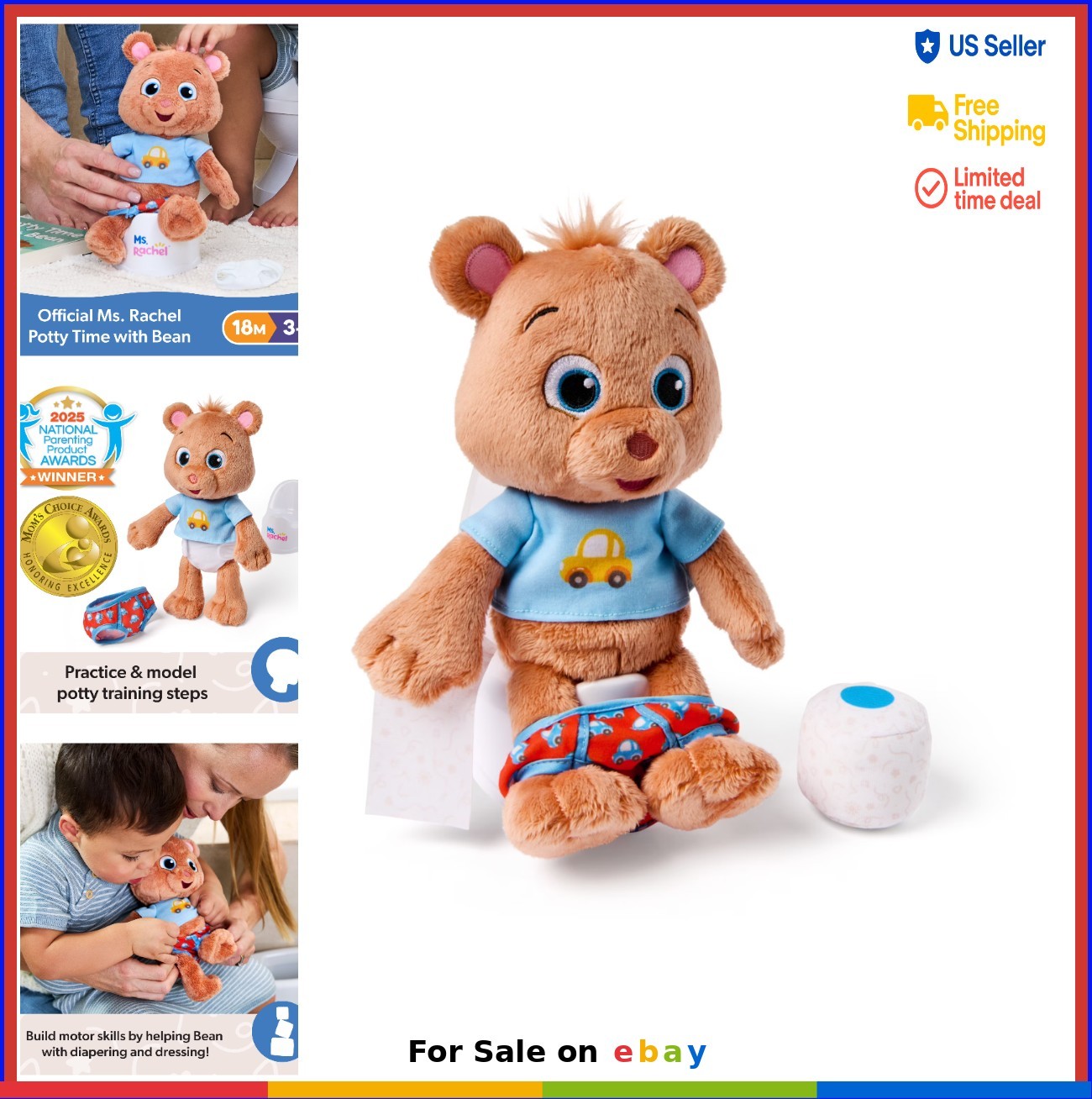

Photos from current listings. Actual item, color, and included accessories may vary.
Potty Training Doll Buying Guide
A potty training doll is a plush or vinyl teaching companion that models the toilet routine—sitting, wiping, flushing—so toddlers rehearse the sequence before doing it themselves. The primary trade-off is between a fully plumbed, water-flushing doll (higher realism, more cleanup) and a dry, accessory-driven plush set (simpler, less convincing). Choose a doll whose anatomy and accessories match your child's current potty stage: a wetting doll for awareness, a dry companion for routine rehearsal.


At a glance
- Category
- Potty Training
- Data updated
- Nov 16, 2026
Current offers
Highlights
- Wetting dolls use a refillable water reservoir and a removable diaper or underwear; most hold 4–8 oz and require hand-washing and air-drying to prevent mildew.
- Dry plush sets rely on a miniature toilet, sticker chart, and pretend-flush sound module; they teach sequencing but cannot demonstrate cause-and-effect wetness.
- Doll body material dictates durability: vinyl limbs wipe clean and survive repeated water play, while polyester plush needs surface washing and loses shape when soaked.
- Scale matters: a 12–14 inch doll fits standard 11–12 inch doll potties and toddler training seats, while 16–18 inch dolls often require brand-specific accessory toilets.
Best use cases
- Best fit: a 12–14 inch vinyl wetting doll for a 2–3 year old who resists sitting—the water trick makes the consequence concrete and the doll fits most doll-sized potties.
- Best fit: a dry plush bear set with sticker chart for a 18–30 month old in the pre-training phase—low mess, high pretend-play value, and the chart reinforces routine without pressure.
- Wrong fit: a 16–18 inch doll for a household with only a standard doll potty—check the accessory toilet diameter; oversized dolls tip over and frustrate the child.
- Wrong fit: a battery-powered flushing doll for a child sensitive to loud noises—sound modules often exceed 60 dB at close range and can cause resistance, not enthusiasm.
Buying tips
- Match doll height to potty seat: measure the accessory toilet opening; dolls under 12 inches slip through, dolls over 15 inches need a wide-base potty or they topple.
- Choose vinyl or hard-bodied dolls for wetting play; plush wetting dolls dry slowly and harbor odor—reserve plush for dry pretend routines only.
- Confirm the doll ships with at least one change of doll-sized underwear or diaper; proprietary sizes are hard to replace and generic 12-inch doll clothes rarely fit.
- For sticker-chart sets, check that stickers are repositionable vinyl, not paper—paper stickers tear on laminate charts and lose their reward value after one use.
Specs
| Doll Type | Wetting (water reservoir) vs Dry plush |
|---|---|
| Body Material | Vinyl / plush / mixed |
| Doll Height | 12–18 in (fits doll potties) |
| Included Accessories | Potty, underwear, chart, bottle |
Related searches
What to check before buying
- Measure your existing doll potty or training seat opening; note the maximum doll hip width it accepts before ordering any doll over 14 inches.
- Decide wetting vs dry: wetting requires a sink nearby, a drying rack, and tolerance for occasional spills; dry sets need only floor space and sticker storage.
- Check battery type and access for sound/flush modules—most use AA or AAA cells; screw-secured compartments are child-safe but need a small Phillips screwdriver.
- Verify the doll's clothing is removable and machine-washable or surface-wipe only; potty training dolls get handled constantly and hygiene matters.
FAQ
Data sources: eBay / Amazon listings and product attribute feeds Data updated Nov 16, 2026.
Some links on this page are affiliate links. If you buy after clicking one, we may earn a commission at no extra cost to you. This does not change which products appear here or their order. Affiliate disclosure.