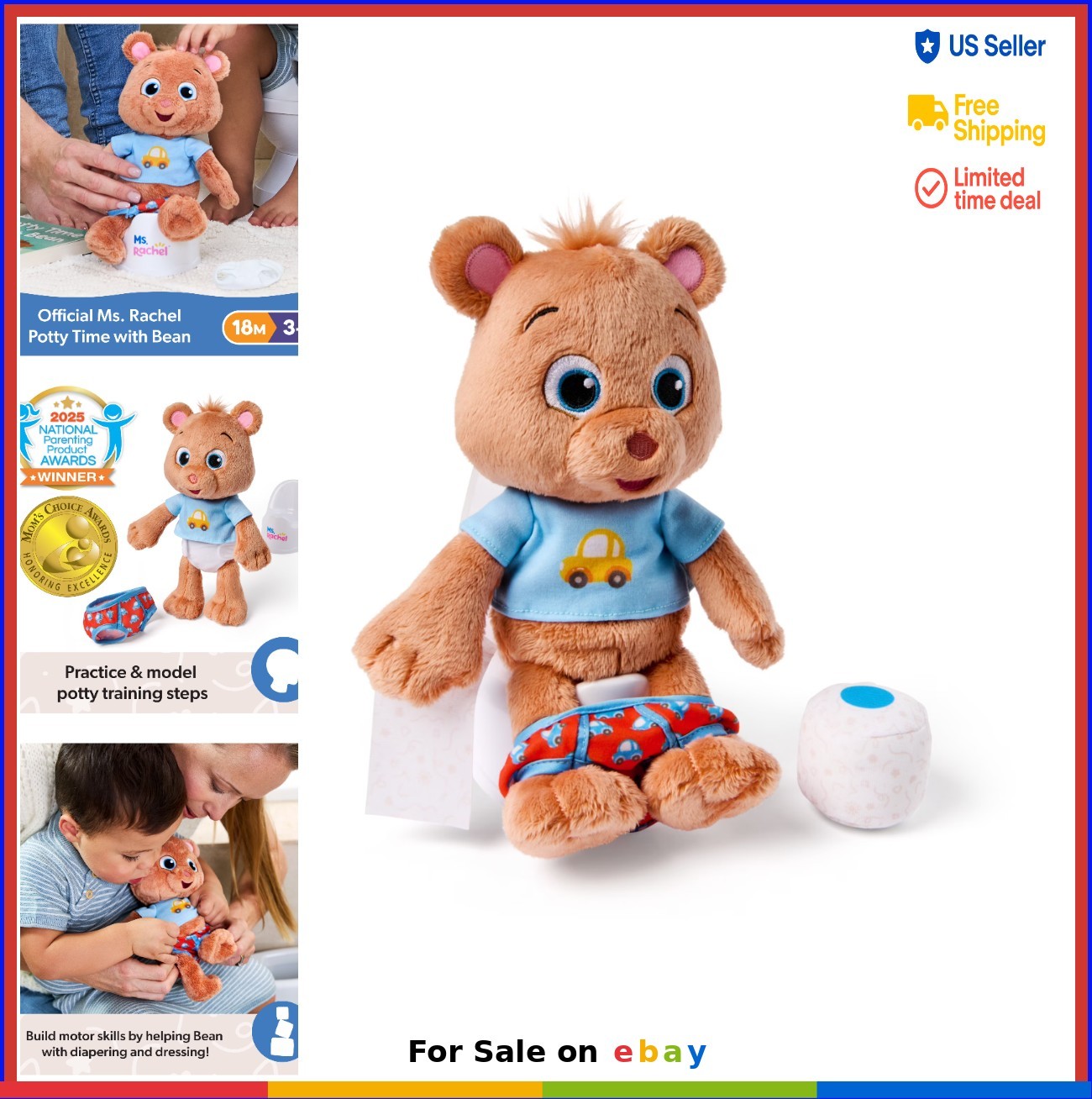

Photos from current listings. Actual item, color, and included accessories may vary.
Toilet Training Chart Buying Guide
A toilet training chart is a visual progress tracker—magnetic board, sticker sheet, or dry-erase calendar—that reinforces potty success through earned tokens or marks. The core trade-off is between disposable sticker systems that lose reuse value and durable magnetic/dry-erase boards that survive months of daily handling. Choose a reusable board with a built-in reward mechanic if you want one purchase to cover the full training arc; choose a sticker chart only for short, low-stakes trials.


At a glance
- Category
- Potty Training
- Data updated
- Nov 15, 2026
Current offers
Highlights
- Magnetic boards use a steel-backed surface with laminated magnets; dry-erase boards rely on a melamine or porcelain-coated face that resists ghosting only if wiped within 24 hours.
- Reusable systems earn their keep through token counts: 20–30 magnetic stars or velcro tabs cover a typical 2–4 week training window before a reward reset.
- Sticker charts are single-use paper or vinyl; peel-and-reposition vinyl stickers survive 3–5 re-sticks, while plain paper stickers tear on first removal.
- Wall-mount charts need a mounting method matched to the surface: adhesive hooks for tile, screws for drywall, and magnetic strips only on steel doors or appliance sides.
Best use cases
- Best fit: a reusable magnetic board with 20+ tokens for a child in the 18-month-to-4-year window who needs daily visual reinforcement—skip flimsy paper charts that tear by week two.
- Best fit: a dry-erase calendar chart for multi-week tracking with older toddlers (3–4 years) who respond to marking days—pair it with a fine-tip low-odor dry-erase marker, not a permanent one.
- Wrong fit: a sticker-only chart for a child who resists sitting—stickers cannot be re-earned or moved, so a magnetic token system that allows do-overs works better.
- Best fit: a portable clip-on chart for daycare or travel—choose one with a clip or hanging loop rather than a screw-mount board.
Buying tips
- Match token count to training length: 15–20 tokens suits a 1–2 week sprint; 30+ tokens or a 4-week grid suits gradual training with regression days.
- Check board thickness for durability: magnetic boards under 0.5 mm steel feel flimsy and warp; 0.8–1.2 mm steel-backed boards hold flat against walls.
- For dry-erase, confirm the surface is melamine-plus or porcelain-coated; bare melamine ghosts within weeks when marked daily with standard markers.
- Verify sticker material: vinyl or static-cling stickers re-stick 3–5 times; paper stickers are one-use and leave residue on painted walls.
Specs
| Chart Type | Magnetic board / Dry-erase / Sticker |
|---|---|
| Reusability | Reusable tokens vs single-use stickers |
| Token Count | 15–30 tokens / 2–4 week grid |
| Mounting | Adhesive hook / Screw / Magnetic strip |
Related searches
What to check before buying
- Measure the wall or door space where the chart will hang—most boards run 11×14 in to 16×20 in; confirm clearance above the potty or at child eye level (30–40 in from floor).
- Identify the mounting surface: steel door or fridge takes magnetic strips; drywall needs screws or damage-free adhesive strips rated for the board weight.
- Confirm the chart includes or specifies compatible tokens/markers—magnetic boards need the matching magnet set; dry-erase boards need low-odor markers and a felt eraser.
- Check room humidity: paper and vinyl stickers curl in bathrooms above 60% relative humidity; sealed magnetic or dry-erase boards resist moisture.
FAQ
Data sources: eBay / Amazon listings and product attribute feeds Data updated Nov 15, 2026.
Some links on this page are affiliate links. If you buy after clicking one, we may earn a commission at no extra cost to you. This does not change which products appear here or their order. Affiliate disclosure.