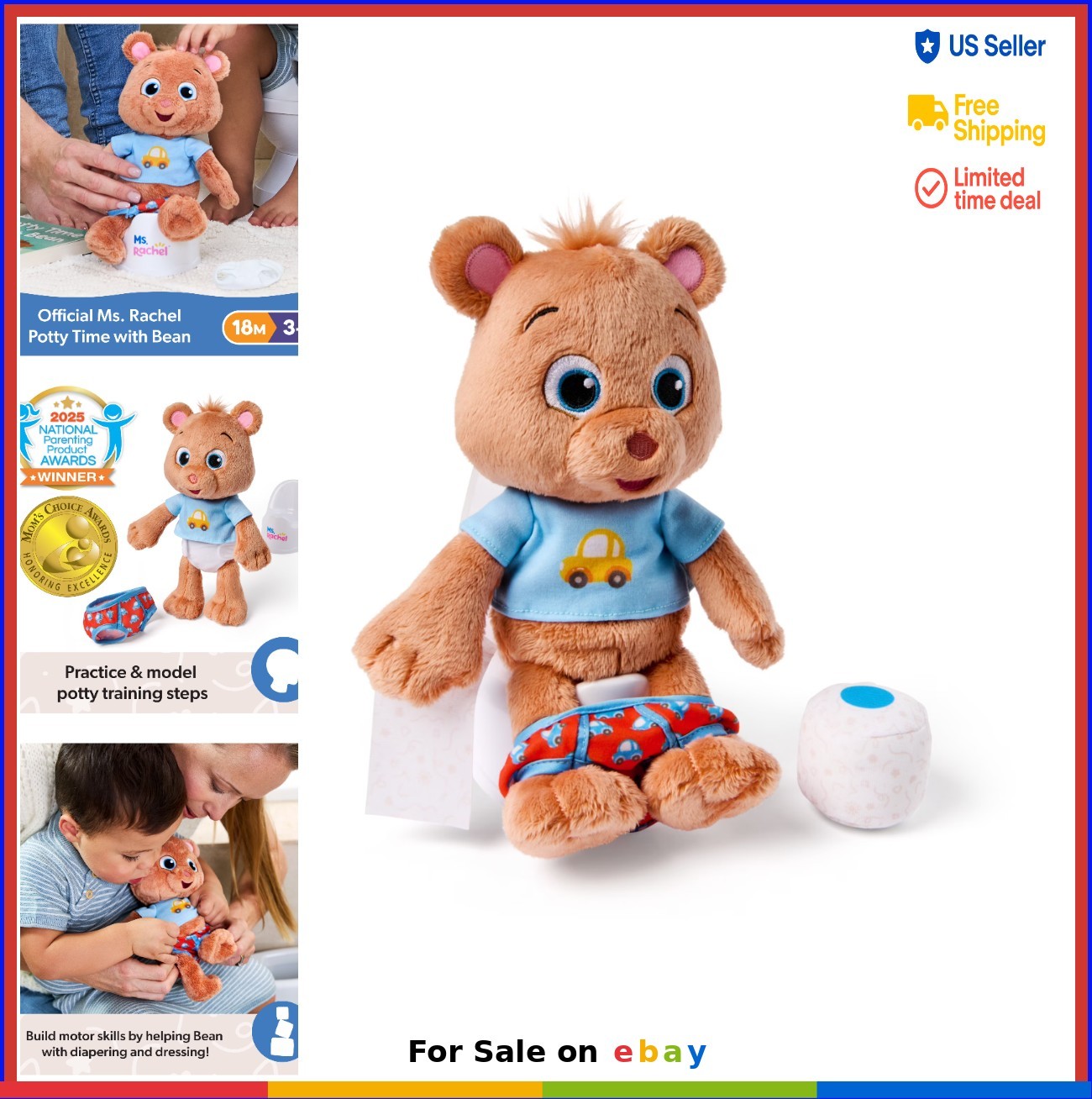

Photos from current listings. Actual item, color, and included accessories may vary.
Potty Training Sticker Chart Buying Guide
A potty training sticker chart is a visual reward system that uses stickers to track successful bathroom trips, turning a behavioral routine into a tangible game. The key trade-off is between reusable, customizable charts (magnetic or dry-erase) and disposable paper pads—reusable options offer better long-term value and durability, while paper charts are cheaper upfront but wear quickly. Choose a reusable chart with strong magnets or thick laminate if you want a system that survives multiple children; pick a paper pad only for short-term or travel use.


At a glance
- Category
- Potty Training
- Data updated
- Nov 15, 2026
Current offers
Highlights
- Magnetic charts with 1.5–2 mm thick magnetic backing adhere securely to fridge doors and resist curling; thin 0.5 mm magnets slide and peel.
- Dry-erase laminated charts require 200–250 GSM cardstock core to prevent ghosting and edge fraying after repeated wiping.
- Sticker adhesive quality determines reusability: removable low-tack stickers (like static cling vinyl) can be repositioned 10+ times; permanent glue tears paper.
- Chart layout with 5–7 rows of 10–14 squares matches typical 1–2 week training windows; oversized 30-day grids overwhelm toddlers and dilute reward frequency.
Best use cases
- Best fit: A reusable magnetic chart on the fridge for daily at-home training—pick one with a dry-erase surface and included static-cling stickers for zero waste.
- Wrong fit: A paper pad for a household with multiple caregivers or travel between homes—flimsy sheets tear and stickers lose adhesion after a few moves.
- Best fit: A chart with customizable reward milestones (e.g., sticker row equals a small prize) for strong-willed toddlers who need short-term incentives; skip generic 30-day grids.
- Wrong fit: A doll set with an attached sticker chart as your primary system—the chart is a minor accessory, not a full training tool; buy a dedicated chart separately.
Buying tips
- Measure your fridge door or wall space: standard charts run 11x14 in to 16x20 in; ensure at least 2 in clearance from door handles for easy sticker placement.
- Choose static-cling vinyl or low-tack removable stickers over permanent adhesive—they reposition without tearing and work on dry-erase surfaces.
- For dry-erase charts, verify the laminate is 5 mil or thicker; thinner film absorbs marker ink and becomes permanently stained within weeks.
- Match the number of squares to your child’s training frequency: 10–14 squares per row for 5–7 daily trips; 30-square grids suit older children who need weekly goals.
Specs
| Material Type | Magnetic / Dry-erase / Paper |
|---|---|
| Reusability | Reusable vs Disposable |
| Sticker Adhesion | Static-cling / Low-tack / Permanent |
| Grid Size | 10–14 squares per row |
Related searches
What to check before buying
- Confirm your fridge door is magnetic (stainless steel often is not); otherwise choose a wall-mount chart with adhesive backing or a hanging loop.
- Check marker compatibility: dry-erase charts require low-odor, fine-tip dry-erase markers; permanent markers will ruin the surface.
- Ensure the chart includes or specifies sticker size (typically 0.5–1 in diameter); oversized stickers cover multiple squares and break the tracking logic.
- For shared bathrooms or classrooms, pick a chart with multiple name columns or a blank header to track more than one child.
FAQ
Data sources: eBay / Amazon listings and product attribute feeds Data updated Nov 15, 2026.
Some links on this page are affiliate links. If you buy after clicking one, we may earn a commission at no extra cost to you. This does not change which products appear here or their order. Affiliate disclosure.