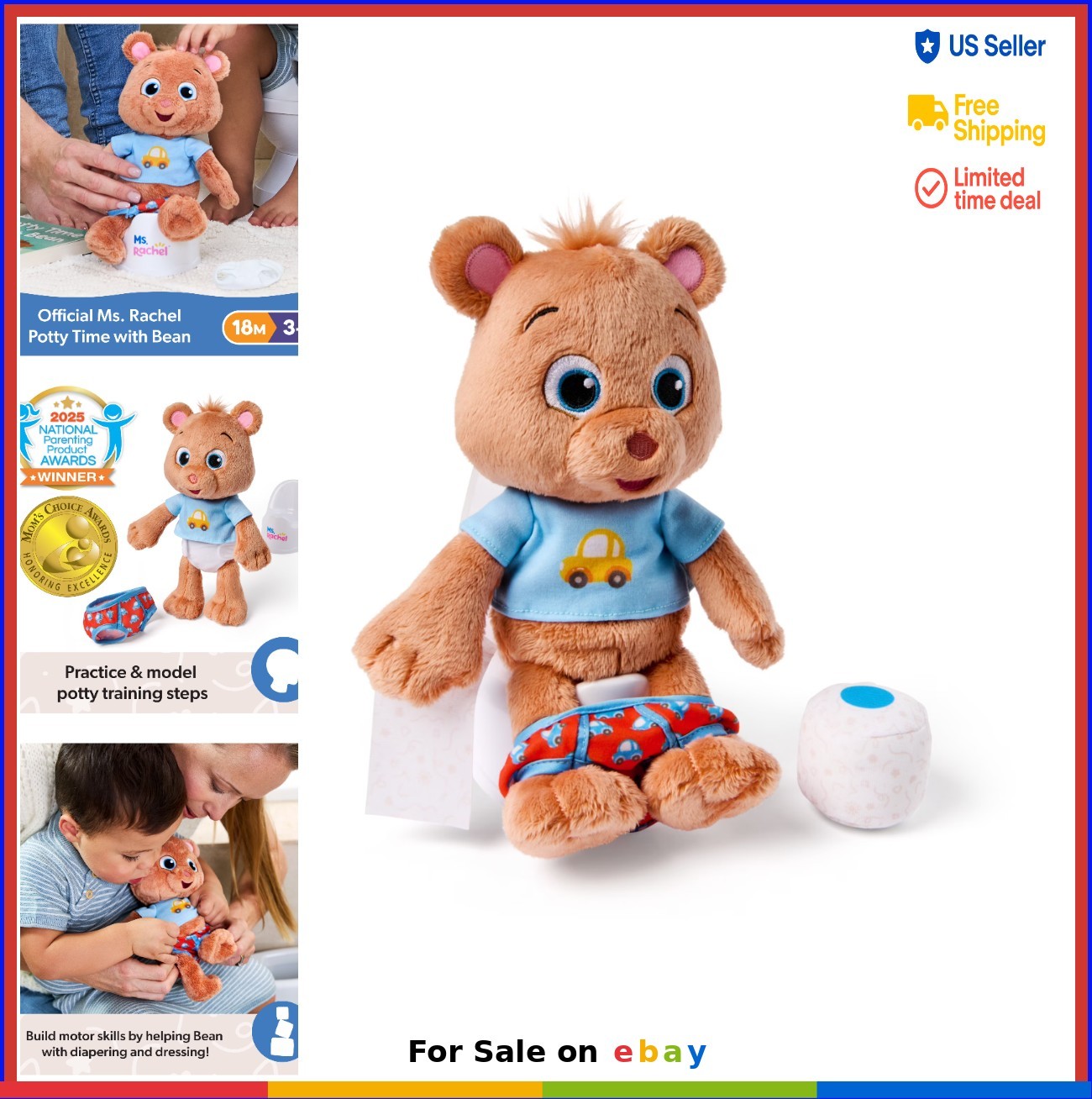

Photos from current listings. Actual item, color, and included accessories may vary.
Toilet Training Sticker Chart Buying Guide
A toilet training sticker chart is a behavior-reinforcement tool that pairs a visual progress tracker with small reward stickers to motivate a toddler through potty milestones. The core trade-off is between flimsy single-use paper charts and reusable magnetic or laminated boards that survive daily handling and repeated reward cycles. Choose a reusable board with a defined reward interval if you want a durable system; treat free printable sheets as short-term starters only.


At a glance
- Category
- Potty Training
- Data updated
- Nov 15, 2026
Current offers
Highlights
- Reusable magnetic or laminated charts with dry-erase surfaces outlast paper sheets, which tear and lose adhesive after a few weeks of daily sticker placement.
- Charts with a fixed number of sticker slots (typically 5-10 per reward cycle) give toddlers a concrete goal; open-ended grids delay the reward and weaken the reinforcement loop.
- Peel-and-stick vinyl or static-cling stickers adhere better to smooth laminated surfaces than to porous paper, reducing sticker loss and frustration.
- Chart designs that separate 'try' from 'success' columns reward effort, which research on behavior reinforcement shows sustains motivation better than success-only tracking.
Best use cases
- Best fit: a reusable magnetic chart on the bathroom door for daily use—pick one with 5-7 slots per reward row and included stickers; skip paper printables that curl in humid bathrooms.
- Best fit: a laminated chart with dry-erase markers for multi-child households—wipe and reuse per child; skip single-name personalized paper charts that can't be reset.
- Best fit: a travel-friendly clip-on chart for daycare or grandparents' house—choose a small board with static-cling stickers; skip large wall posters that don't port between locations.
- Wrong fit: expecting the chart alone to train a child—pair it with a consistent potty schedule and immediate praise; a chart without a reward routine is just decoration.
Buying tips
- Match sticker slot count to your child's attention span: 5 slots per reward row suits 18-24 month olds; 10 slots works for 2.5-3 year olds who can delay gratification longer.
- Choose static-cling or vinyl stickers over paper stickers—paper loses tack after 2-3 repositions, while vinyl survives dozens of moves on laminated boards.
- Verify the chart surface is dry-erase compatible if you want to reuse it across children or reset after accidents; matte paper surfaces smear and stain.
- Select a board sized to your bathroom wall: A4 or letter-size charts fit narrow spaces beside the toilet; larger posters need 12x18 inches of clear wall.
Specs
| Chart Material | Magnetic / Laminated / Paper |
|---|---|
| Sticker Type | Vinyl / Static-cling / Paper |
| Reward Interval | 5-10 slots per row |
| Reusability | Dry-erase / Single-use |
Related searches
What to check before buying
- Measure your bathroom wall space beside the toilet—confirm at least 8x10 inches of flat, dry surface for a standard chart or 12x18 inches for a poster.
- Check humidity: choose laminated or magnetic boards in bathrooms with showers; paper charts warp within weeks in steamy rooms.
- Confirm the chart includes or specifies sticker type—vinyl or static-cling; paper stickers need a smooth, non-porous surface to adhere.
- Decide on reward tier before buying: some charts include a reward suggestions card; otherwise plan a small non-food reward for each completed row.
FAQ
Data sources: eBay / Amazon listings and product attribute feeds Data updated Nov 15, 2026.
Some links on this page are affiliate links. If you buy after clicking one, we may earn a commission at no extra cost to you. This does not change which products appear here or their order. Affiliate disclosure.