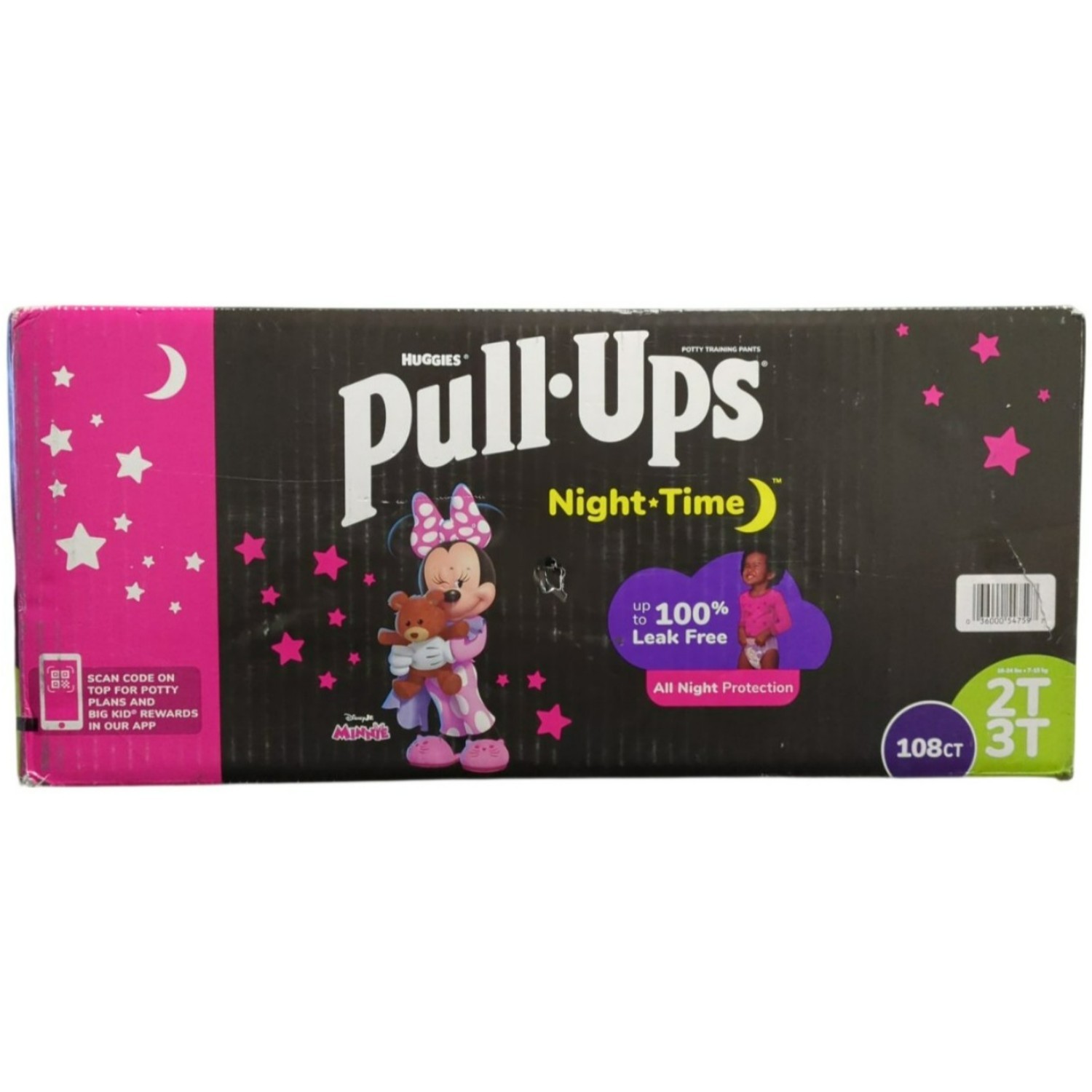

Photos from current listings. Actual item, color, and included accessories may vary.
Potty Training Pants Buying Guide
Buying potty training pants comes down to matching the absorbency tier to your child's overnight output and choosing a pull-up style that survives repeated up-down cycles without tearing. Most parents overbuy daytime pants for nighttime use, or pick a cloth version without accounting for laundry volume; the right pick depends on whether you need disposable overnight protection or reusable daytime learning.
At a glance
- Category
- Potty Training
- Last updated
- Nov 22, 2026
Current offers
Highlights
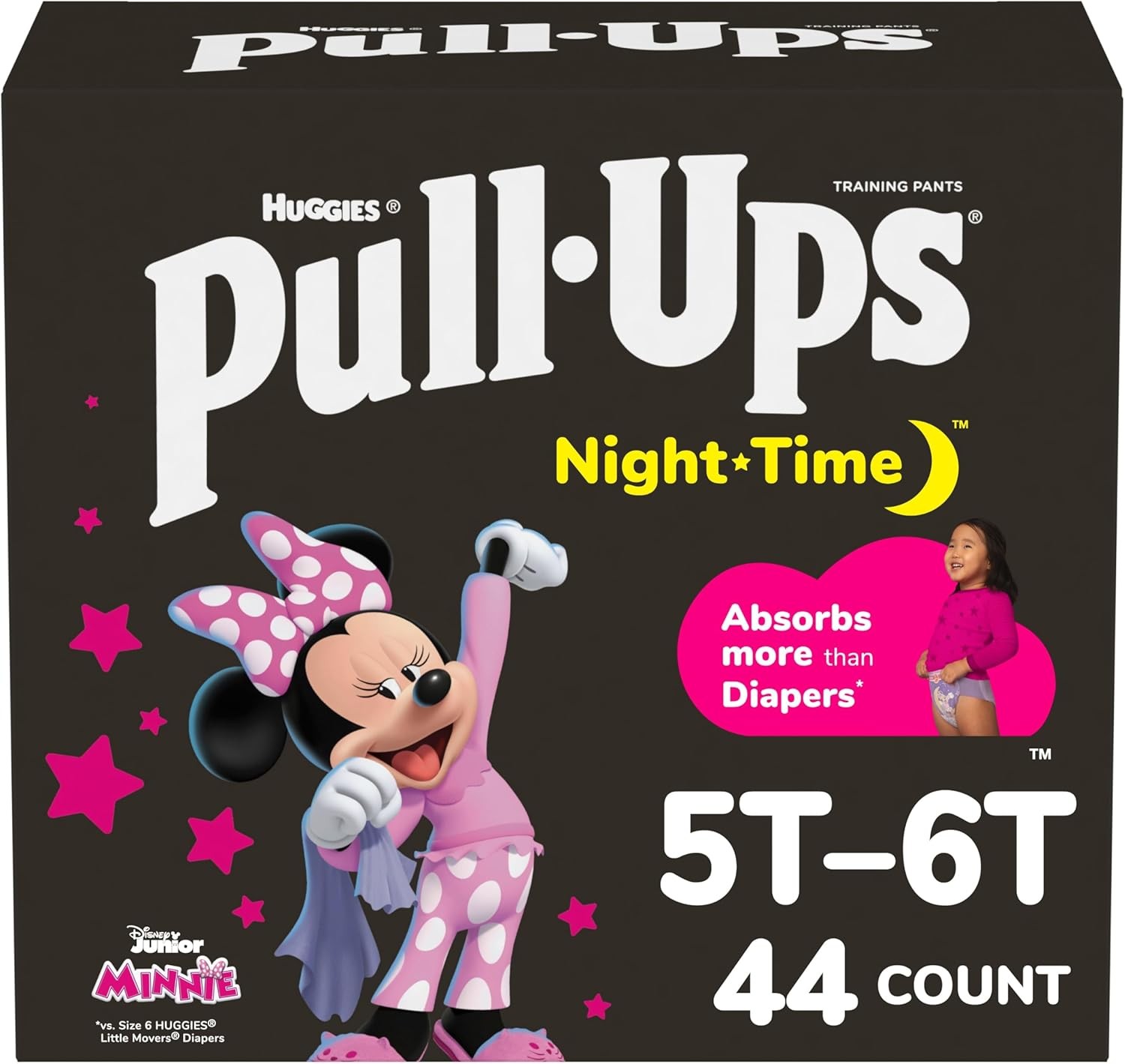
- Disposable night-time training pants typically use a superabsorbent polymer core rated for 8-12 hours, with side panels that tear away for cleanup versus pull-up only styles.
- Reusable cloth training pants rely on layered cotton or bamboo with a waterproof PUL outer; absorbency scales with GSM (fabric weight), not brand claims.
- Pull-up diapers and training pants differ by design: training pants have higher waistbands and stretchier sides for self-dressing, while night-time versions add extra absorbency and leak guards.
- Sizing follows weight ranges more than age; 2T/3T generally covers roughly 32-40 lb and 5T/6T roughly 46-60 lb, with overlap zones where either fits.
Best use cases
- Best fit: a child who stays dry most days but wakes wet — choose a dedicated night-time disposable training pant in the correct weight band, not a daytime pull-up.
- Best fit: daytime potty learning with frequent changes — reusable cloth training pants with a PUL outer reduce waste and let the child feel wetness, accelerating awareness.
- Wrong fit to skip: buying bulk night-time pants for a child still in daytime diapers; the higher absorbency hides wetness and slows learning during the day.
- Wrong fit to skip: cloth pants for overnight unless you layer a booster and accept daily laundry; standard cloth training pants rarely hold a full night's urine.
Buying tips
- Check the weight range on the package rather than the age label; a tall 3-year-old may need 4T sizing even if developmentally on track.
- Prioritize tear-away side seams for night-time disposables — they make middle-of-the-night changes far easier than pull-down styles.
- Avoid fabric softener and dryer sheets with cloth training pants; they coat the PUL layer and reduce waterproofing over time.
- Compare absorbency tiers: night-time pants carry more SAP and a wider core than daytime training pants, so do not substitute one for the other.
Specs
| Absorbency Tier | Daytime vs Night-time / Overnight |
|---|---|
| Closure Style | Pull-on stretch sides vs tear-away seams |
| Material Type | Disposable SAP core vs cloth cotton/PUL |
| Size Basis | Weight band (lb) over age label |
Related searches
What to check before buying
- Weigh your child and measure waist circumference; compare against the brand's weight band, not the age range on the front of the pack.
- Decide disposable versus cloth first — this determines laundry volume, ongoing cost, and whether you need a wet bag.
- For overnight use, confirm the product is explicitly labeled night-time or overnight; standard training pants lack the absorbency.
- Check that the waistband stretches enough for independent pull-down; rigid waistbands defeat the purpose of training pants.
FAQ
Data sources: eBay / Amazon listings and product attribute feeds. Updated Nov 22, 2026.
Some links on this page are affiliate links. If you buy after clicking one, we may earn a commission at no extra cost to you. This does not change which products appear here or their order. Affiliate disclosure.