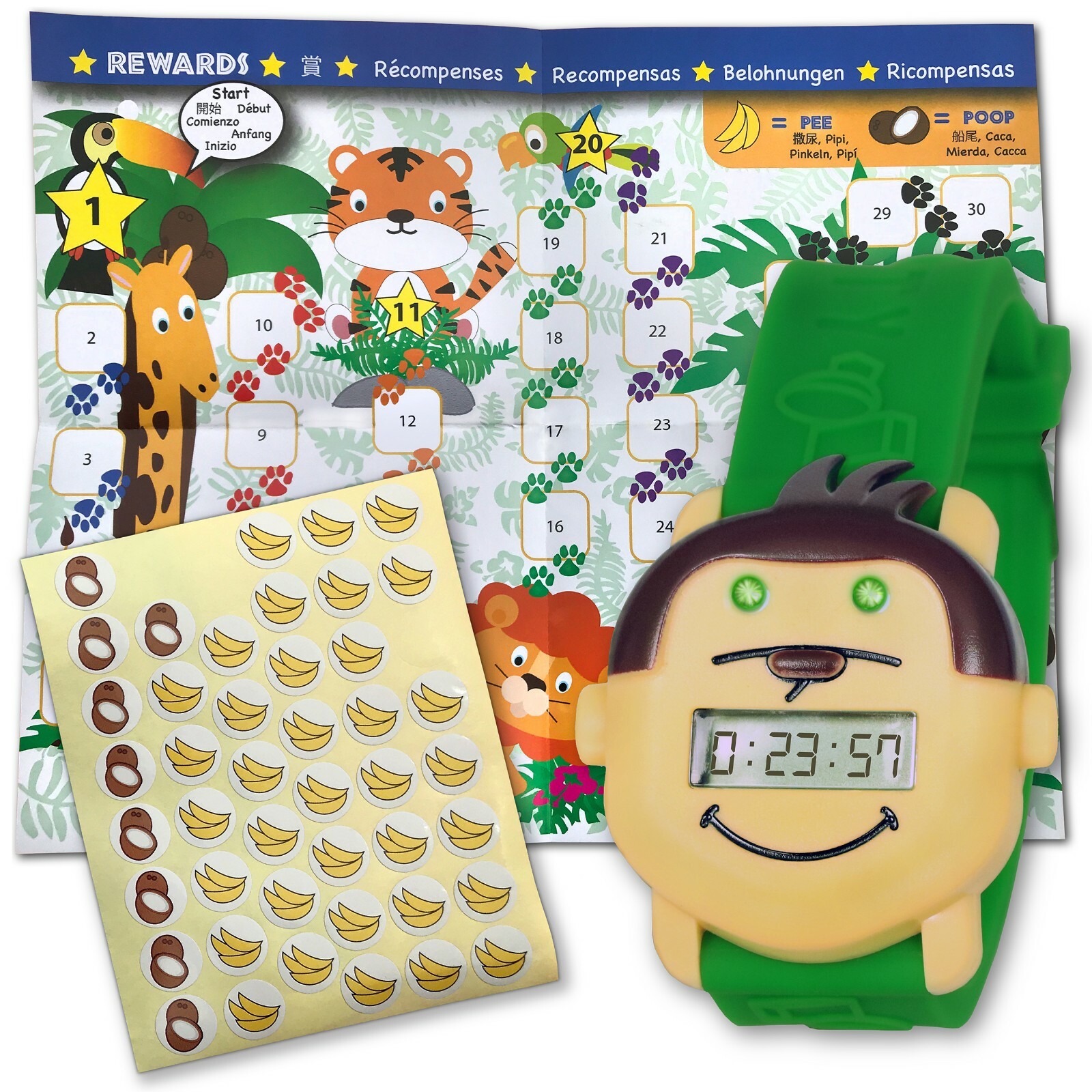

Photos from current listings. Actual item, color, and included accessories may vary.
Potty Training Reward Chart Buying Guide
Potty training reward charts are visual tracking systems that pair a sticker, token, or checkmark with a small reward to reinforce toilet use. The primary trade-off is between paper charts that tear and fade versus rigid magnetic or token-based boards that survive daily handling. Choose a rigid board with a built-in token or sticker system if you want a tool that lasts the full training window; skip flimsy paper pads unless you plan to replace them weekly.


At a glance
- Category
- Potty Training
- Data updated
- Nov 15, 2026
Current offers
Highlights
- Magnetic boards use a steel backplate with 0.5–1 mm magnet thickness; paper charts rely on adhesive stickers that lose tack after 10–15 re-sticks.
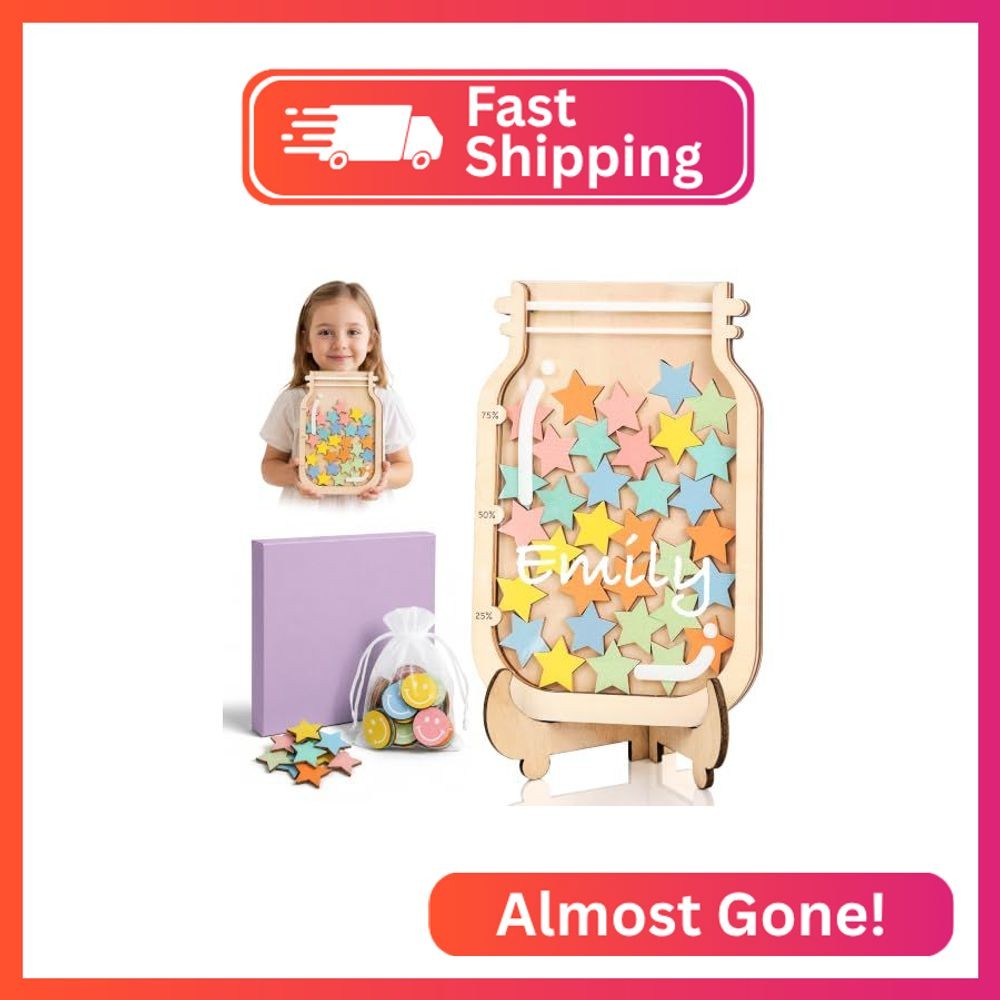
- Token-reward jars (often acrylic or PET) hold 20–50 tokens and teach accumulation, while sticker charts deliver instant visual feedback per success.
- Reminder watches are standalone timers (typically 30–120 minute intervals) that vibrate or beep; they are not charts and must be paired with a separate tracking board.
- Waterproof vinyl or laminated charts resist bathroom humidity and urine splashes; unlaminated cardstock warps within days in a damp bathroom.
Best use cases
- Best fit: a 2–3 year old in early training — pick a magnetic board with large stickers and a visible reward column; skip token jars that require counting skills.
- Best fit: a 3–4 year old who needs interval reminders — pair a vibrating reminder watch with a simple sticker chart; skip standalone charts that rely on parental memory alone.
- Wrong fit: a child in a daycare or multi-caregiver setting — avoid single-user paper charts; choose a board that travels or a digital reminder watch with a shared log.
- Best fit: a resistant or older trainee (4+ years) — use a token jar with a defined reward threshold (e.g., 10 tokens = small prize); skip toddler-style character charts that feel babyish.
Buying tips
- Match chart size to your wall space: standard boards run 11×14 in to 16×20 in; measure the bathroom or bedroom wall and leave 2–3 in clearance for hanging hardware.
- Choose magnetic over adhesive if the chart will be re-used for multiple children — magnets hold through 100+ cycles, while sticker adhesive degrades after 10–15 repositions.
- For reminder watches, confirm the interval range covers your child's typical voiding gap (usually 60–90 minutes); a fixed 30-minute timer is too frequent for most 3-year-olds.
- Select a chart with at least 20–30 reward slots so the child sees progress over 2–4 weeks; charts with fewer than 10 slots lose motivational value after the first week.
Specs
| Chart Material | Magnetic board / Laminated vinyl / Cardstock |
|---|---|
| Reward Type | Stickers / Magnets / Tokens |
| Slot Count | 10–30 reward slots |
| Reminder Interval | 30–120 min (watch models) |
Related searches
What to check before buying
- Measure the intended wall or door area and confirm the chart's dimensions plus hanging clearance fit without blocking light switches or towel bars.
- Confirm the bathroom or bedroom surface is flat and clean — magnetic boards need a steel-backed or smooth surface; textured or curved walls require adhesive strips or a freestanding easel.
- Check that the reward mechanism (stickers, magnets, tokens) is included or specify the exact refill size; boards that use proprietary stickers can become unusable when the refill pack runs out.
- For reminder watches, verify the battery type (usually CR2032 coin cell) and that the watch is water-resistant to at least IPX4 for bathroom humidity.
FAQ
Data sources: eBay / Amazon listings and product attribute feeds Data updated Nov 15, 2026.
Some links on this page are affiliate links. If you buy after clicking one, we may earn a commission at no extra cost to you. This does not change which products appear here or their order. Affiliate disclosure.