Photos from current listings. Actual item, color, and included accessories may vary.
Toilet Potty Training Buying Guide
Toilet potty training gear splits into three architectures: contoured seat reducers, freestanding floor potties, and ladder step-stools with built-in seats. The core trade-off is portability and packability versus stability and back support; any trainer that flexes under a child's weight or lacks a non-slip base will wobble and stall progress. Choose a rigid, wide-base seat with a splash guard for home use, and a folding or travel cover only as a secondary on-the-go tool.


At a glance
- Category
- Potty Training
- Data updated
- Nov 15, 2026
Current offers
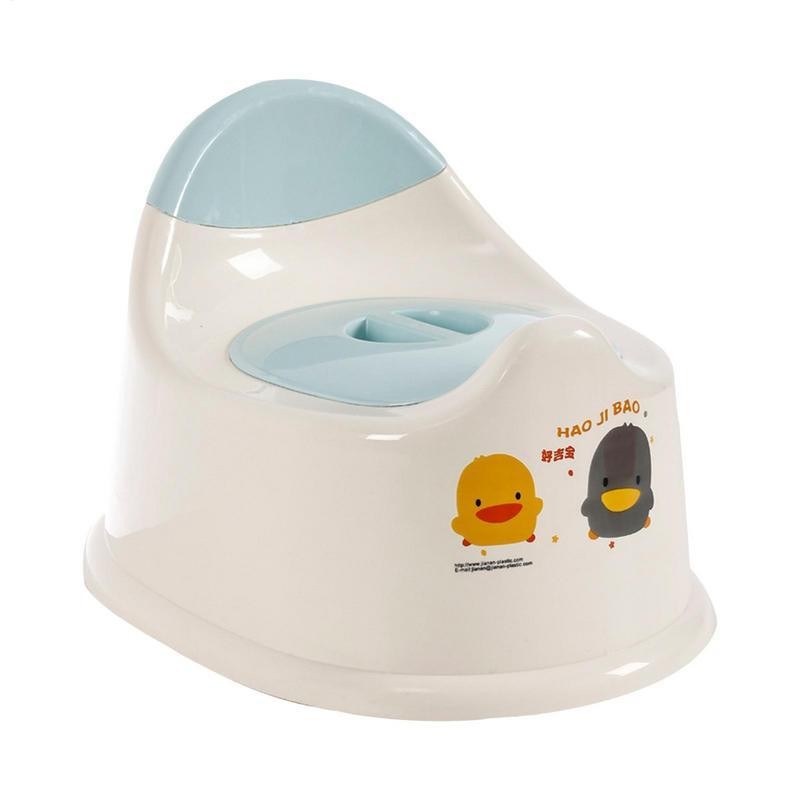 Toilet Seat Toddler Cute Toddler Potty Training Toilet Seat Lightweight Spill Pr$13.13
 View on eBay
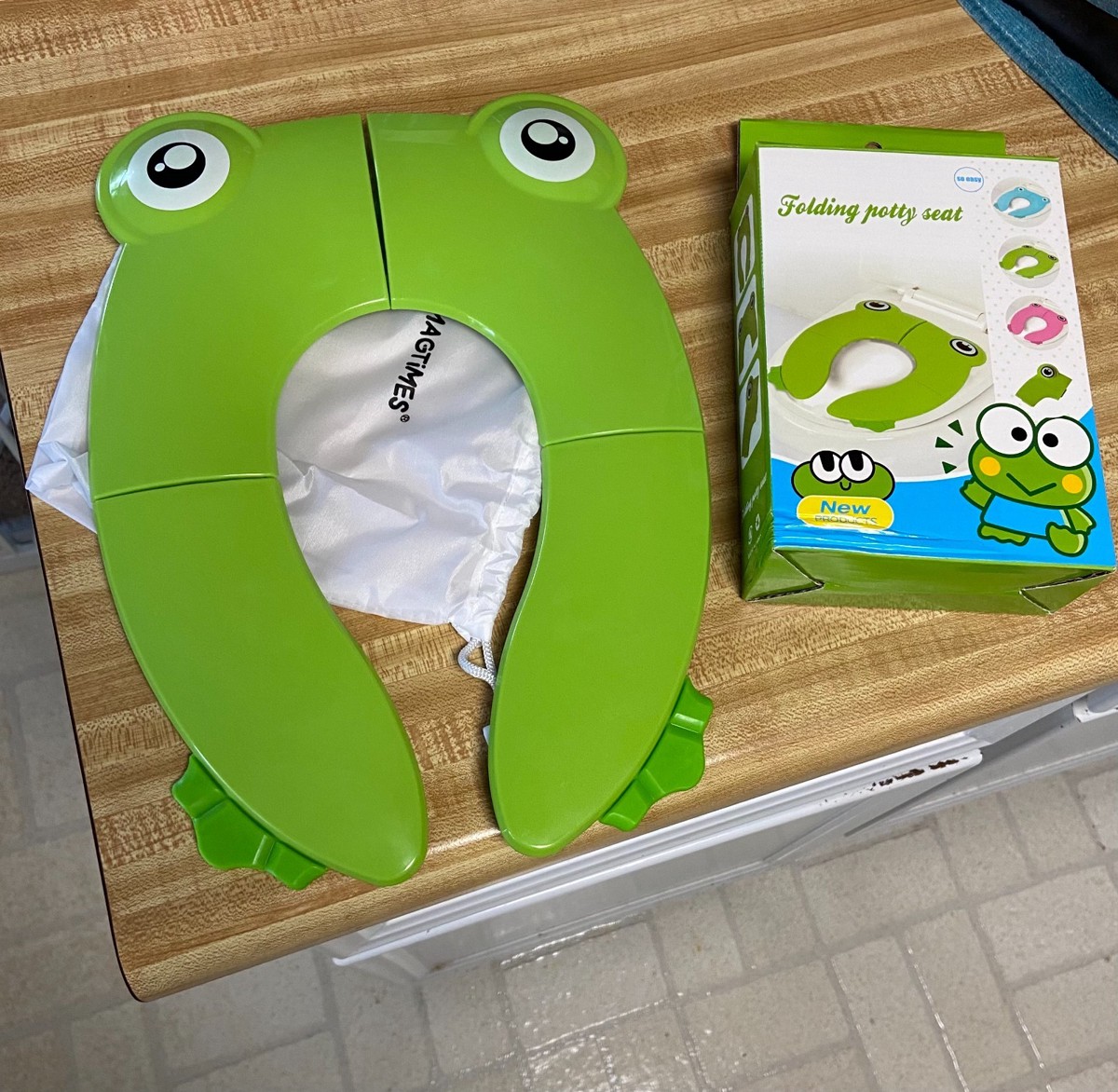 Portable Folding Toddler Potty Training Seat Non-Slip Travel Toilet Cover Green$13.98View on eBay
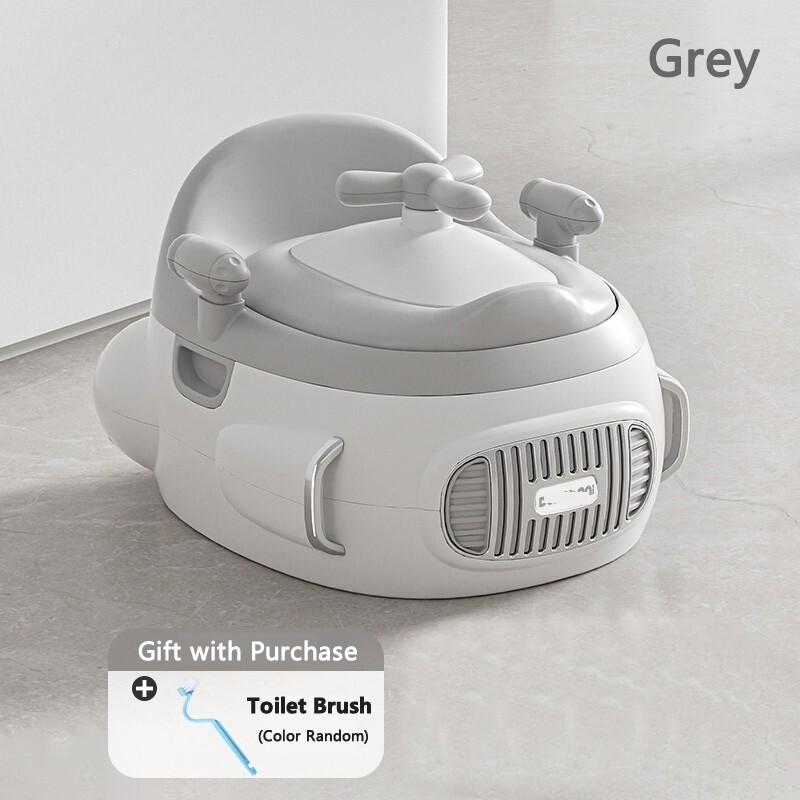 Potty Training Toilet Toddler Comfortable Cushion Easy-to-Clean and Anti-Slip$16.89View on eBay
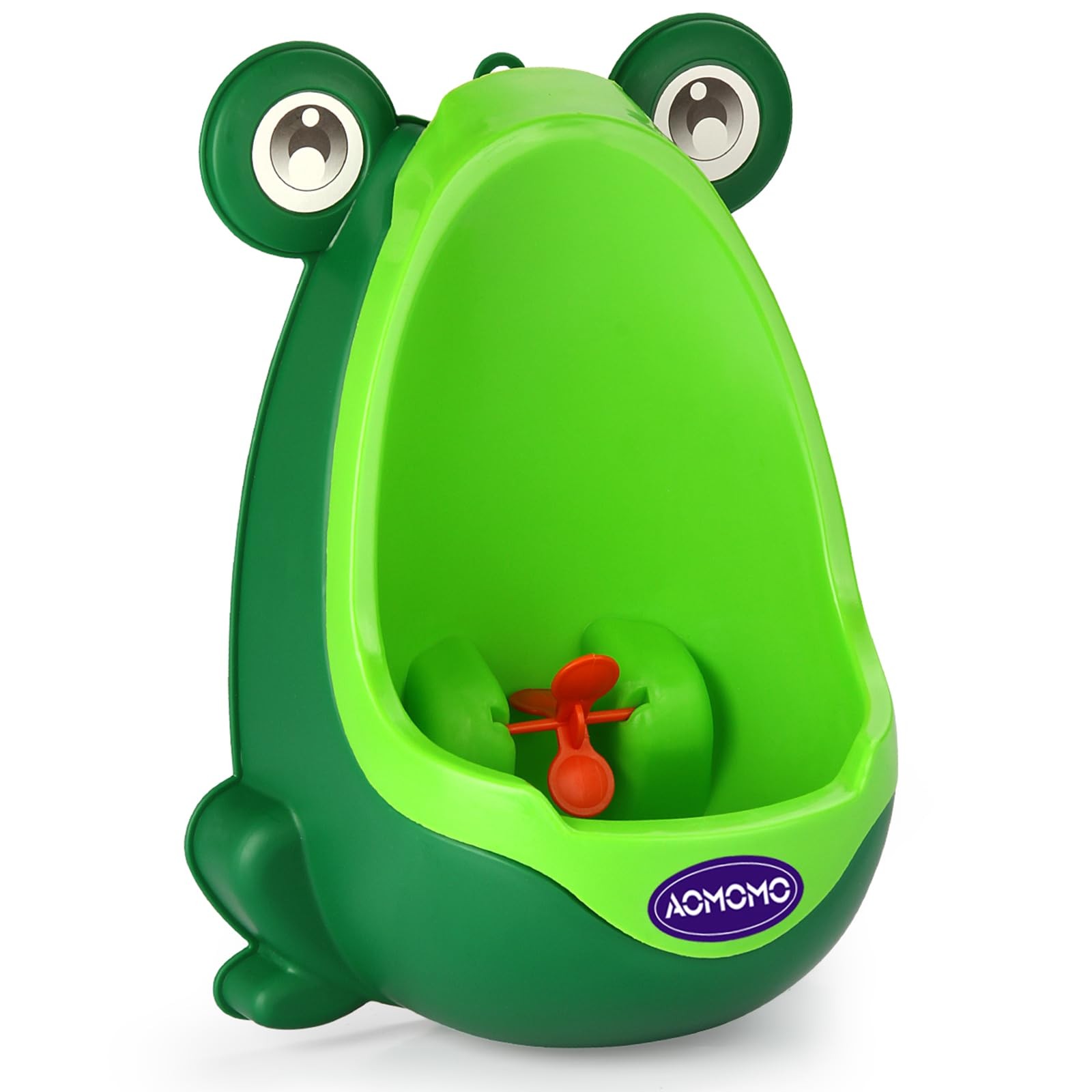 AOMOMO Frog Potty Training Urinal for Boys Toilet with Funny Aiming Target Green$16.99View on eBay
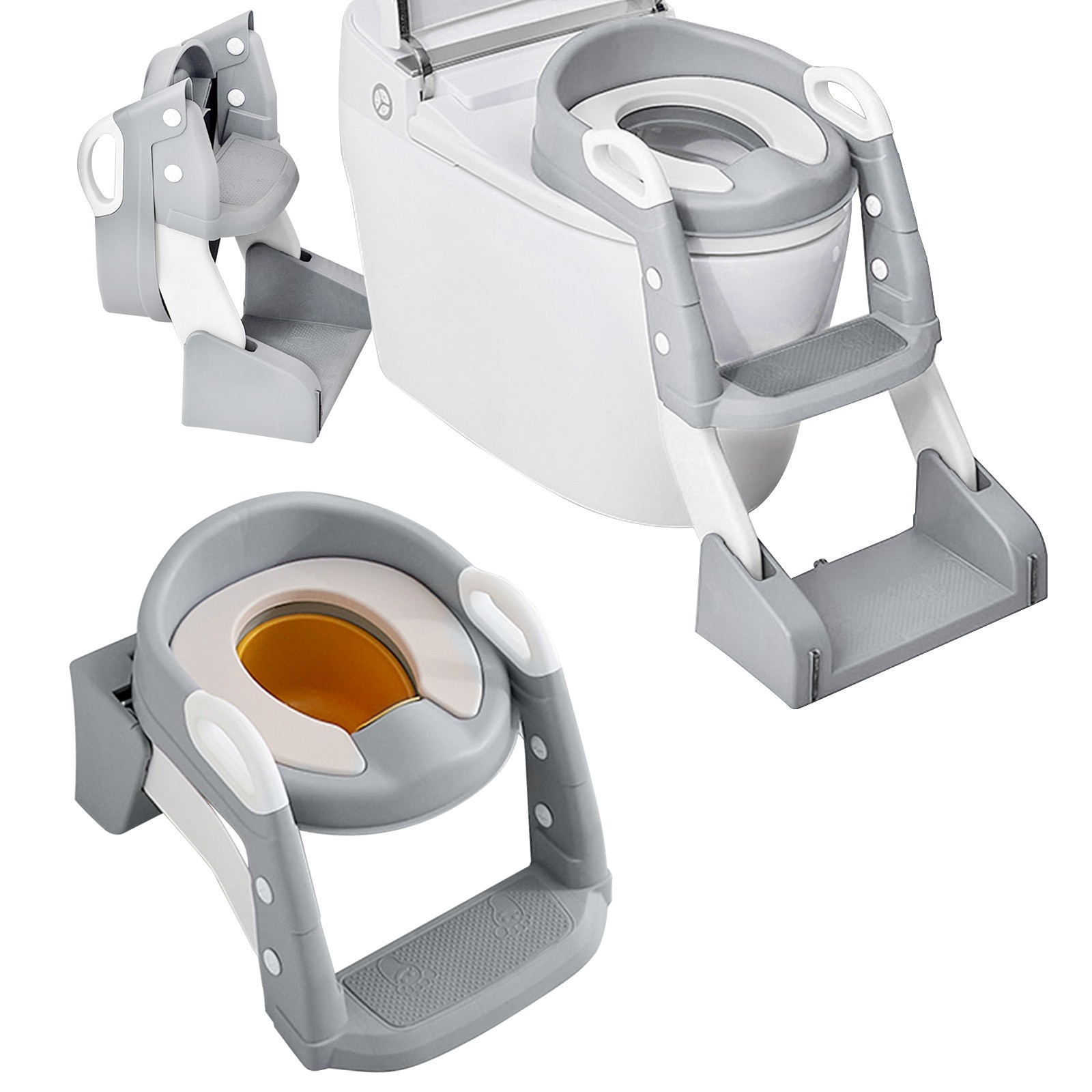 2 in 1 Toddler Potty Training Seat Step Stool Ladder Kids Toilet Trainer Chair$19.99View on eBay
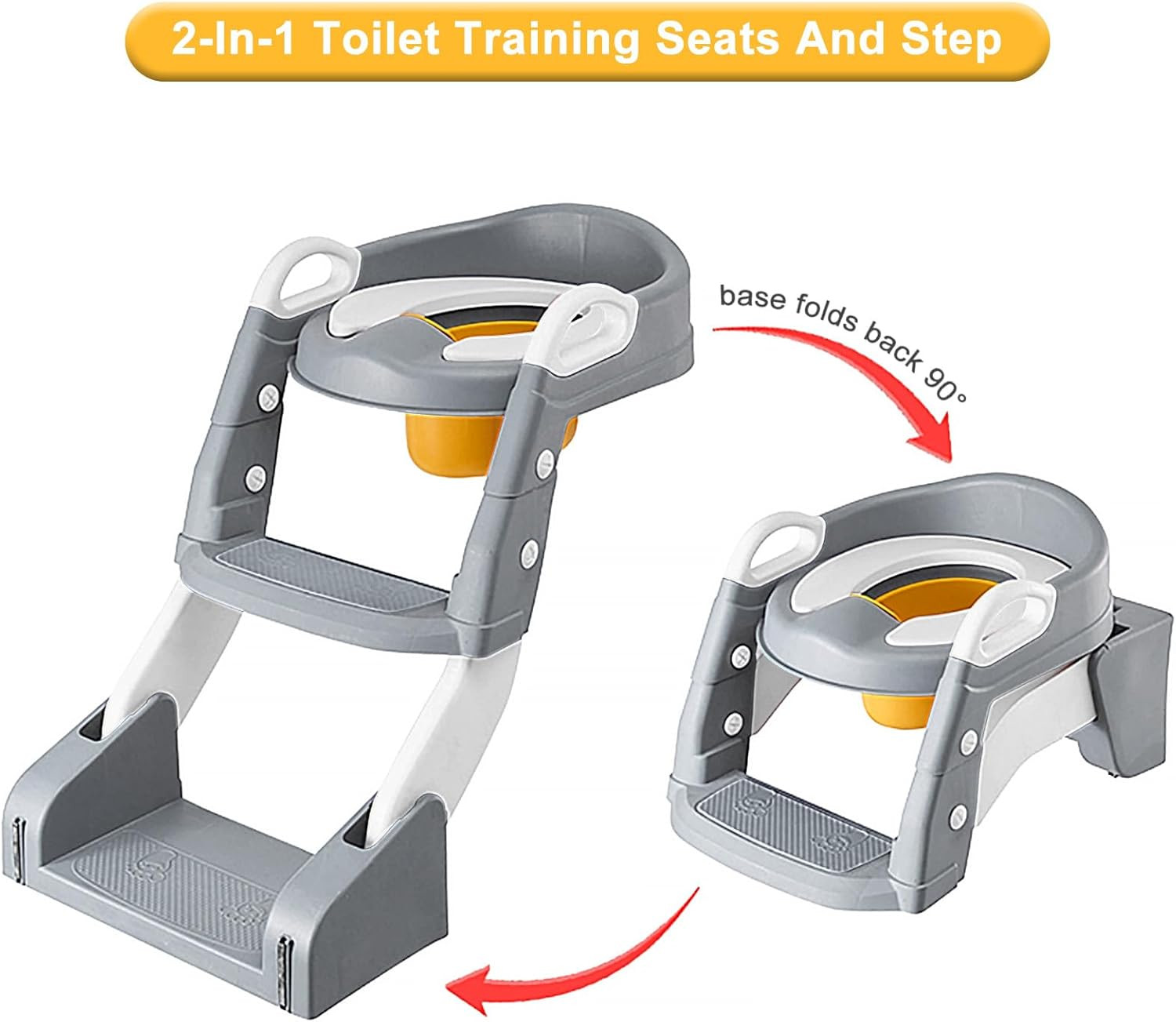 2 in 1 Toddler Potty Training Toilet Seat Foldable Potty Seat Ladder Step Stool$19.99View on eBay
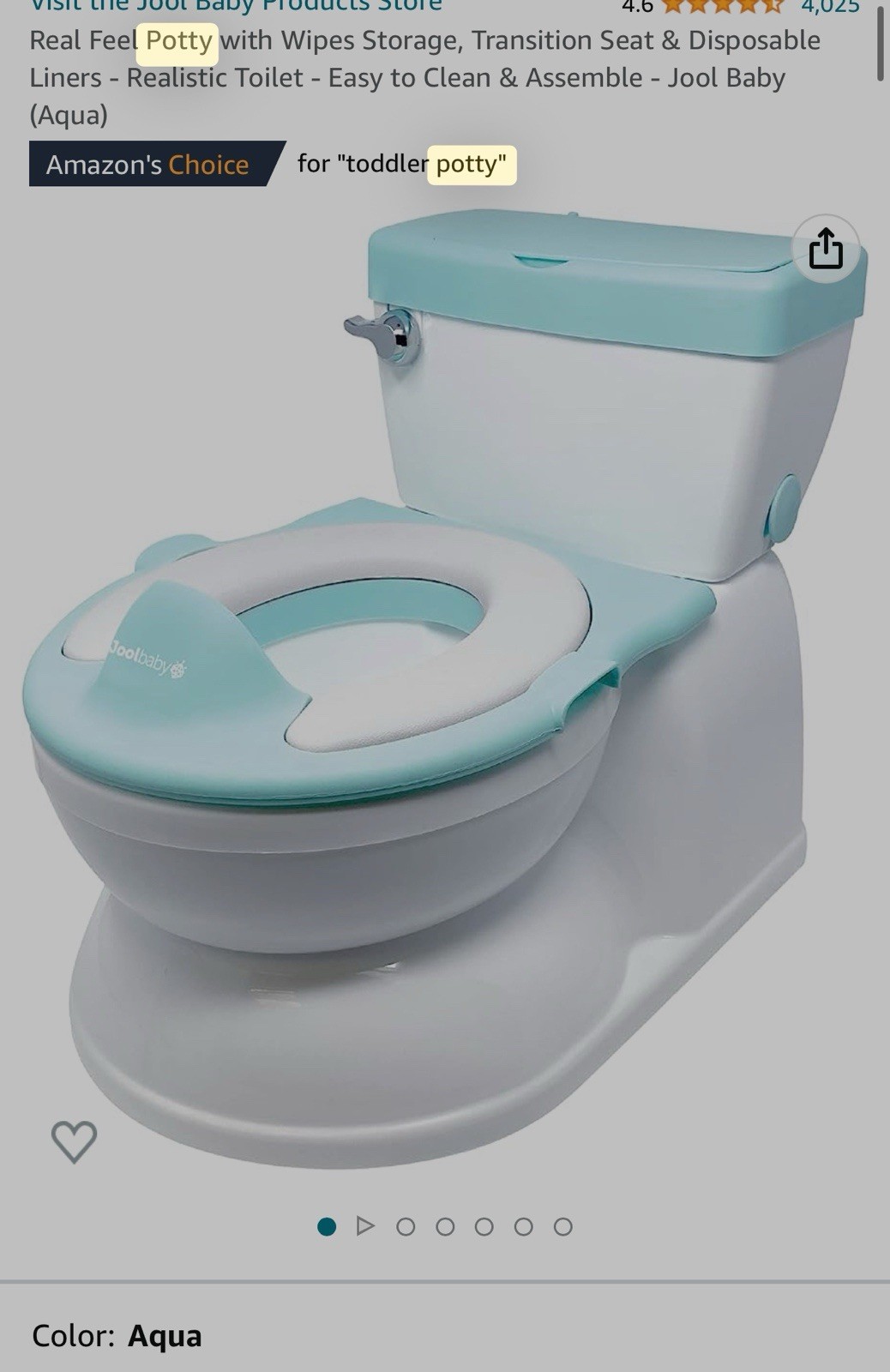 Real Feel 2-in-1 Potty with Wipes Storage, Realistic Potty Training Toilet$25.00View on eBay
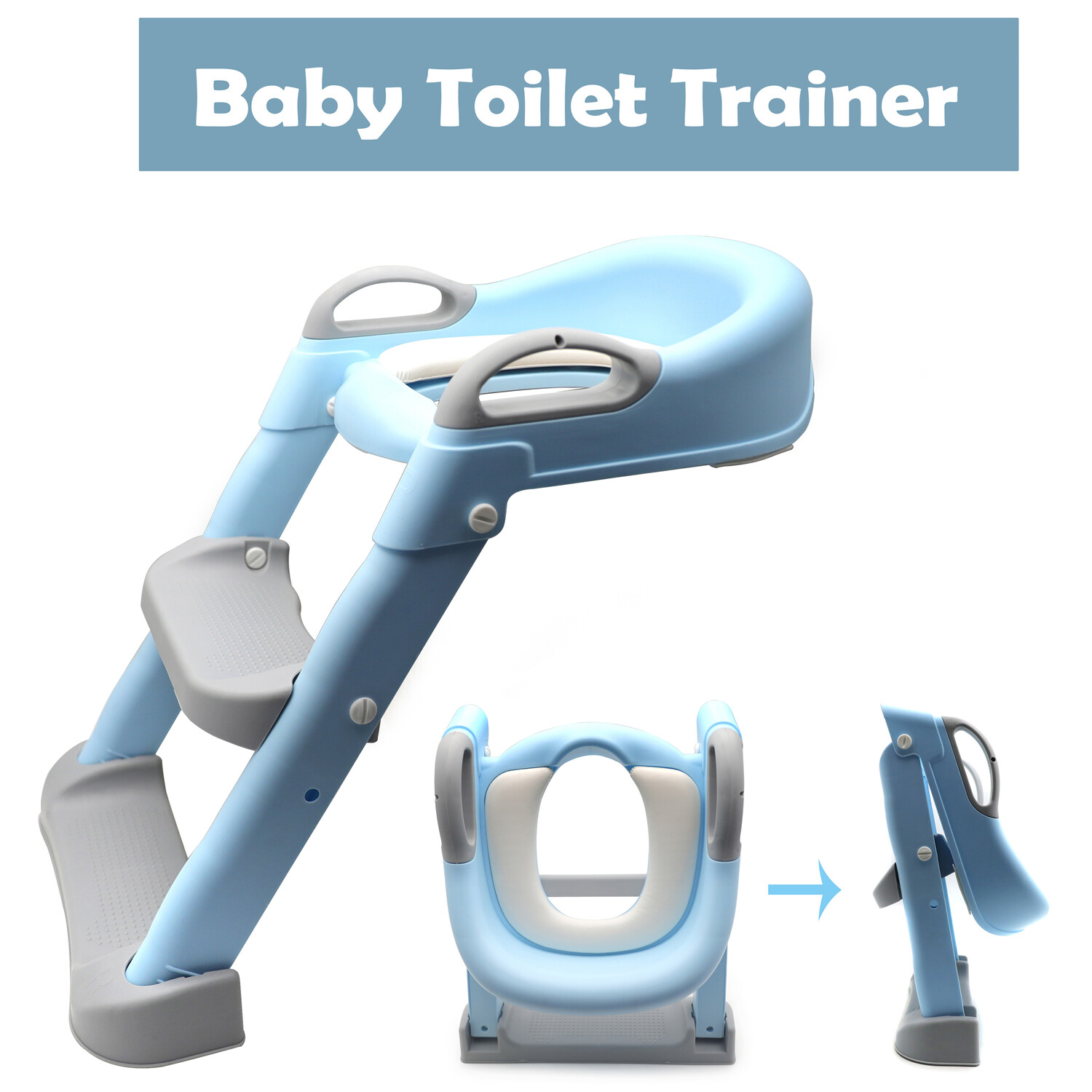 Blue Toddler Potty Training Toilet Seat Ladder Step Chair Infant Kid Trainer$26.80View on eBay
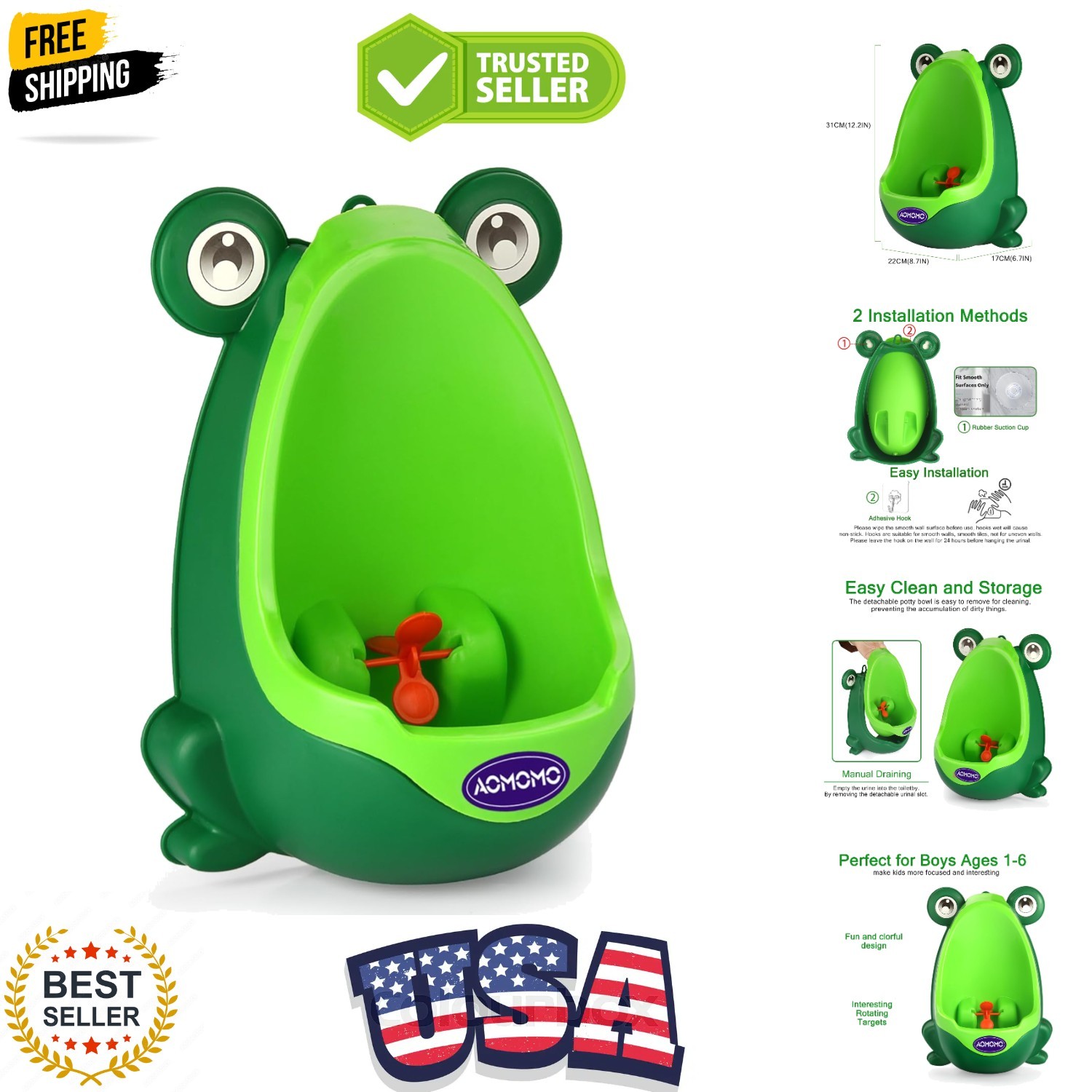 Toddler Urinal for Boys, Frog Potty Training Toilet with Spinning Target, Age...$28.79View on eBay
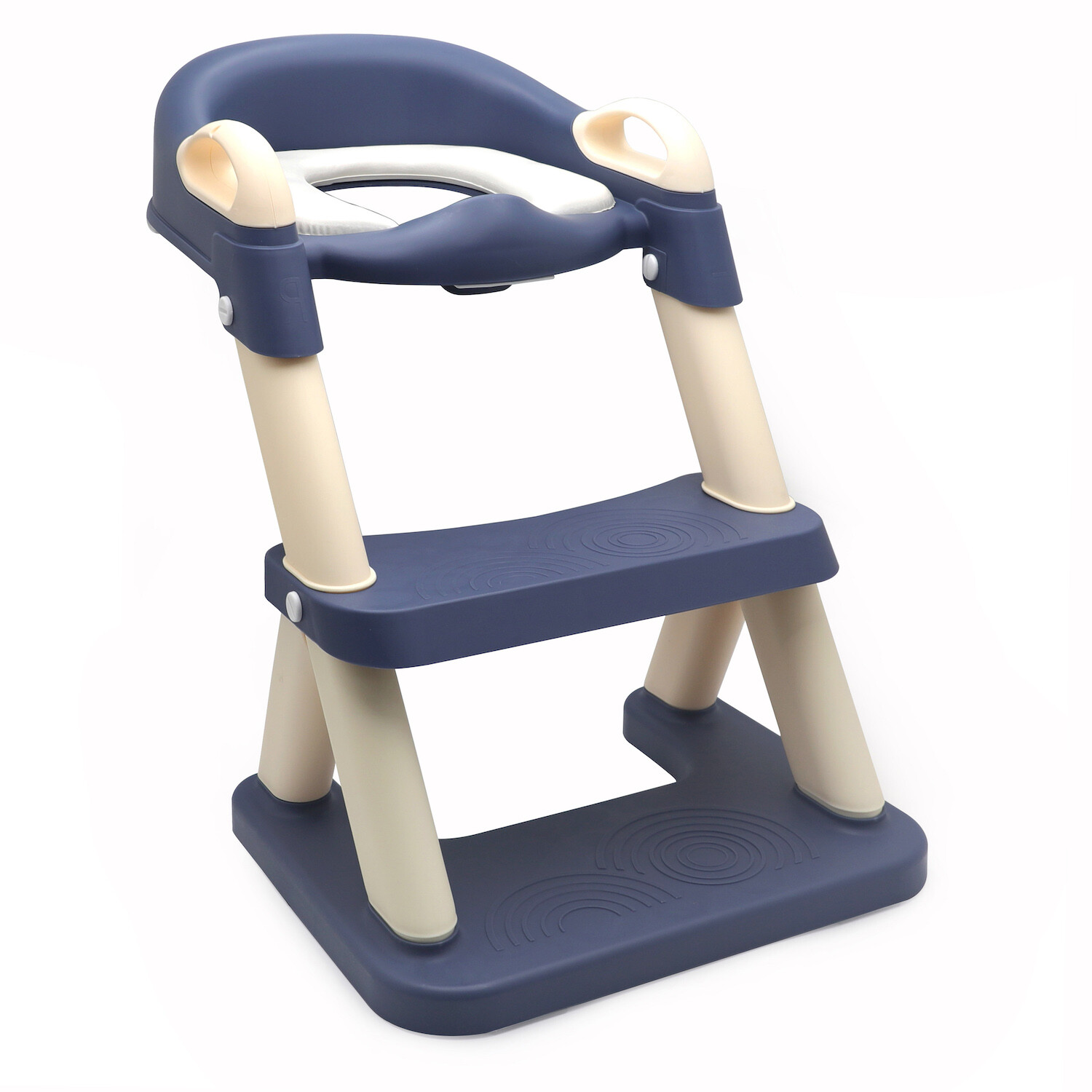 Blue Kid Potty Training Seat Ladder Toilet Chair Infant Kid Bathroom Trainer$30.00View on eBay
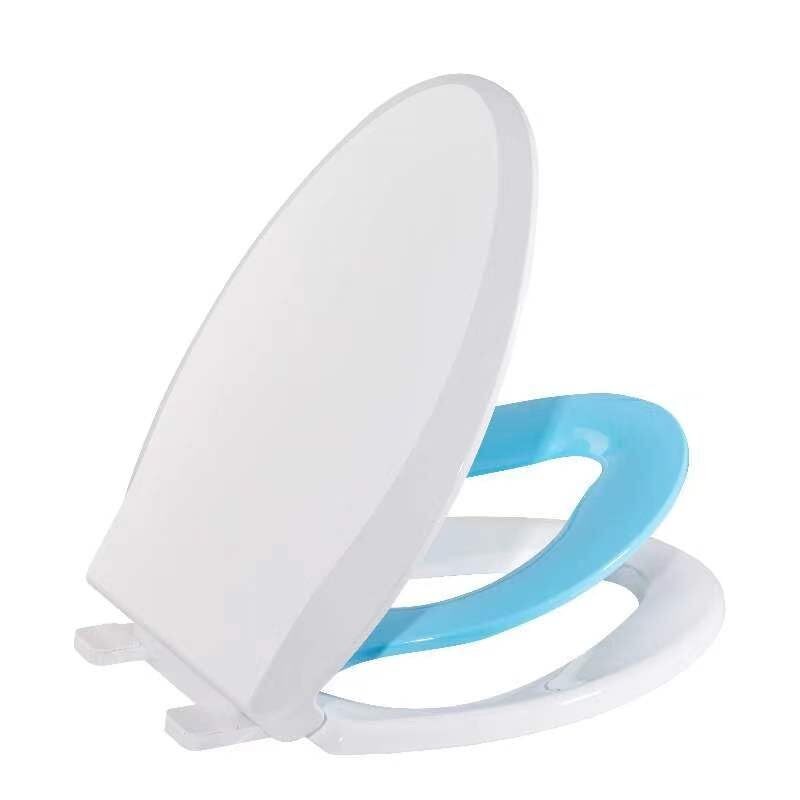 Potty Training Toilet Seat w/Toddler Seat 19" Elongated Toilet Seat for Toddlers$30.59View on eBay
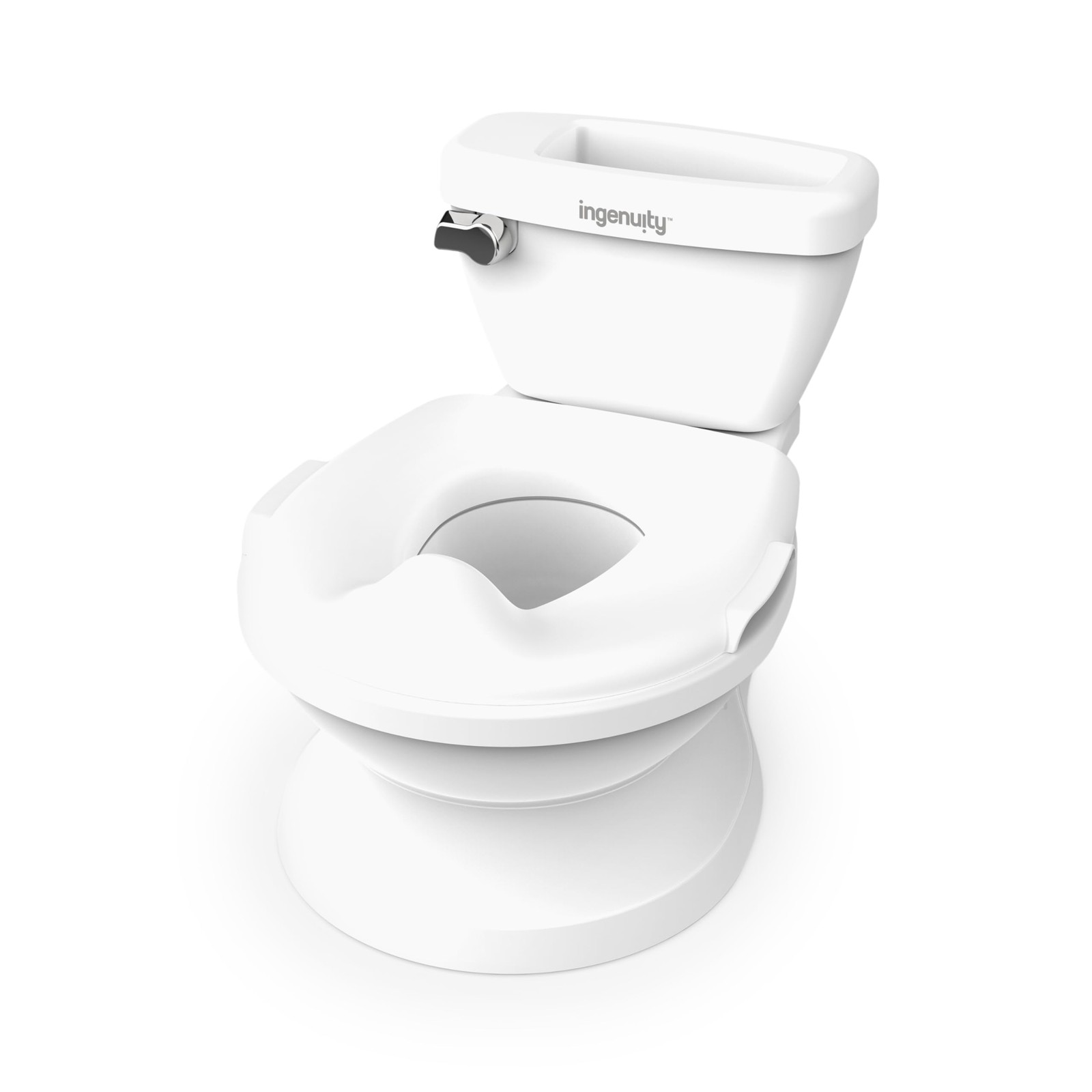 Ingenuity My Size Potty Pro 2 in 1 Potty Training Toilet Floor Potty with$30.99View on eBay
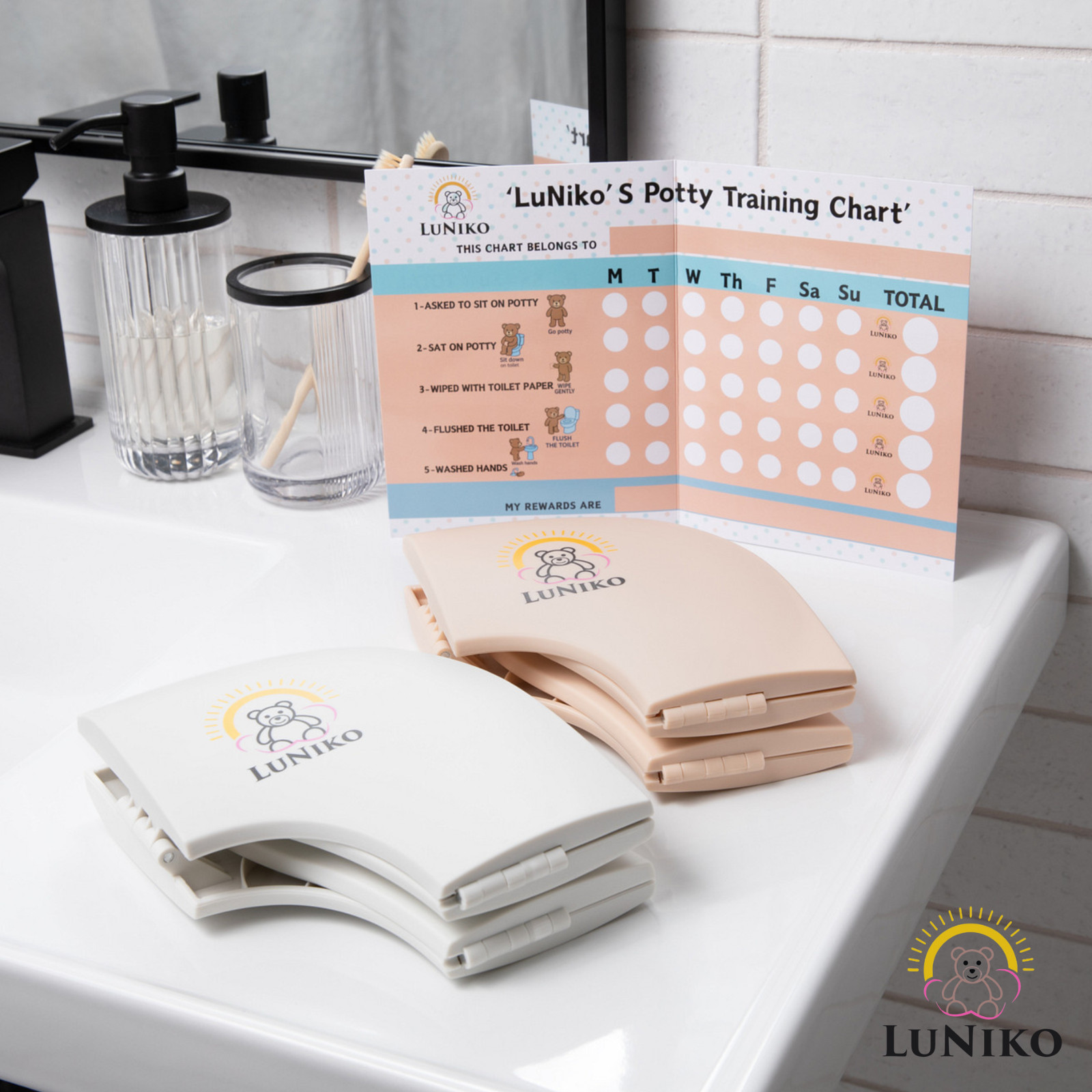 LuNiko Folding Potty Training Seat Gray Portable Travel Toilet Toddler New$32.95View on eBay
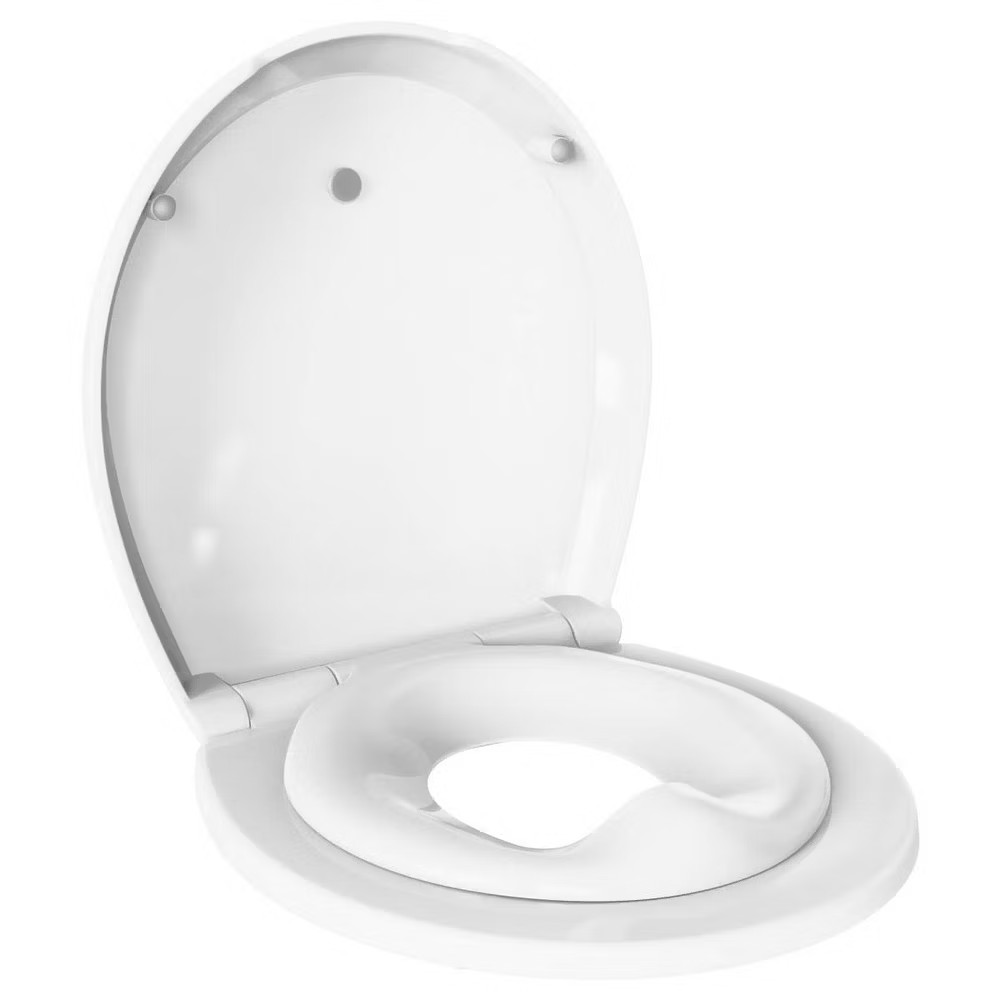 Jool Baby Quick Flip Toilet Seat with Built-In Potty Training Seat -$32.99View on eBay
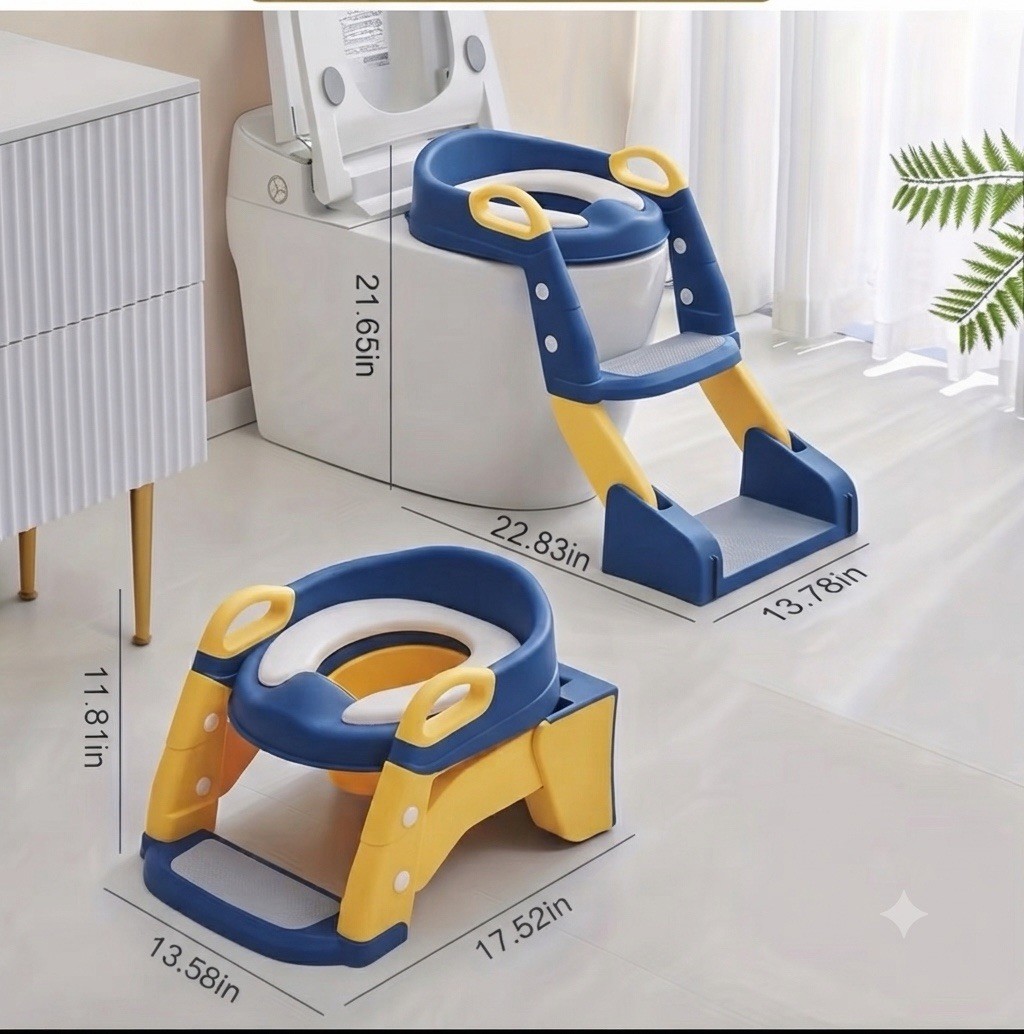 Toddler Potty Training Seat Step Stool Ladder Kids Toilet Trainer Chair Foldable$32.99View on eBay
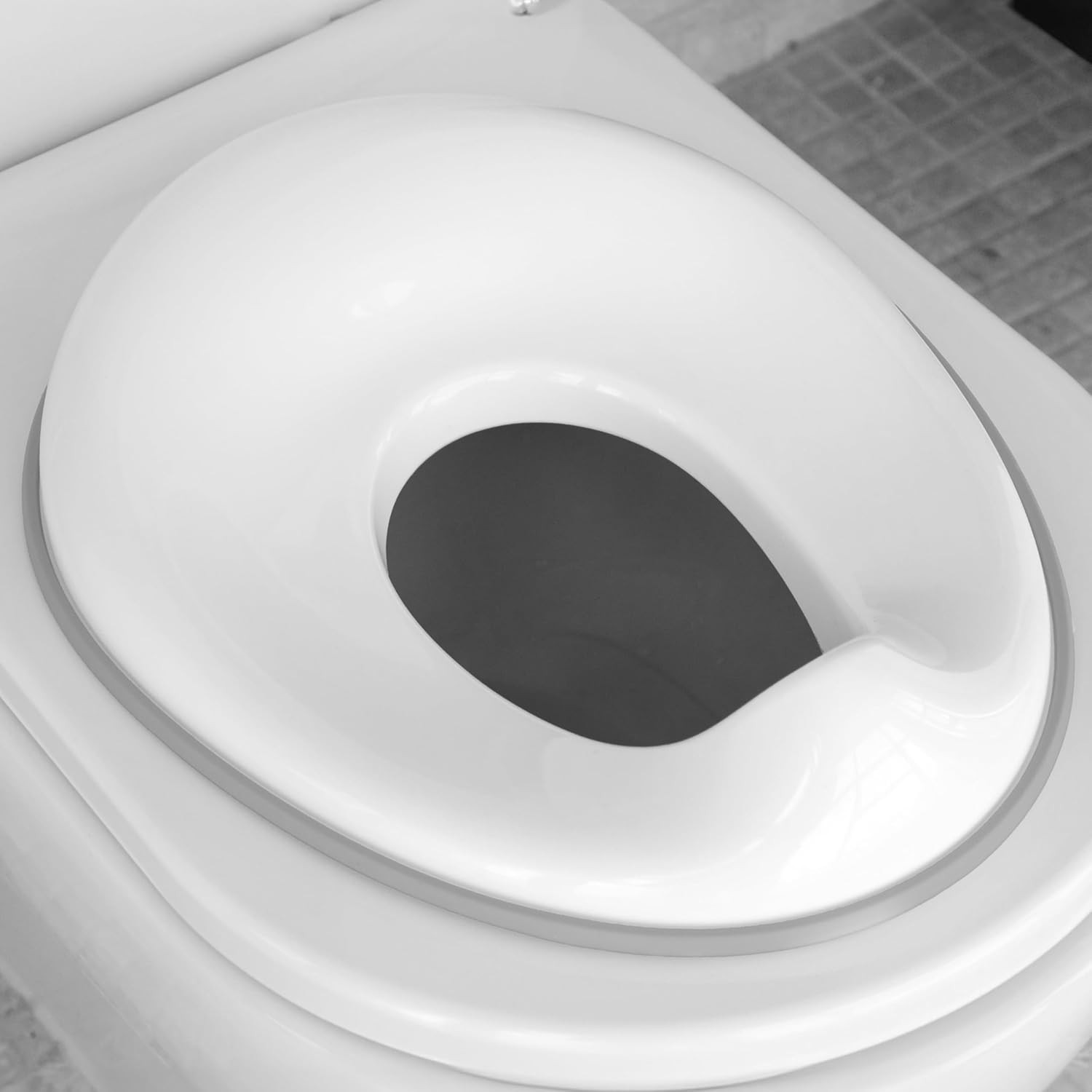 Jool Baby Potty Training Seat for Boys and Girls, Fits Round & Oval Toilets, Non$33.99View on eBay
- Ingenuity My Size Potty Pro 2in1 Potty Training Toilet, Floor Potty with Remo...$34.34View on eBay
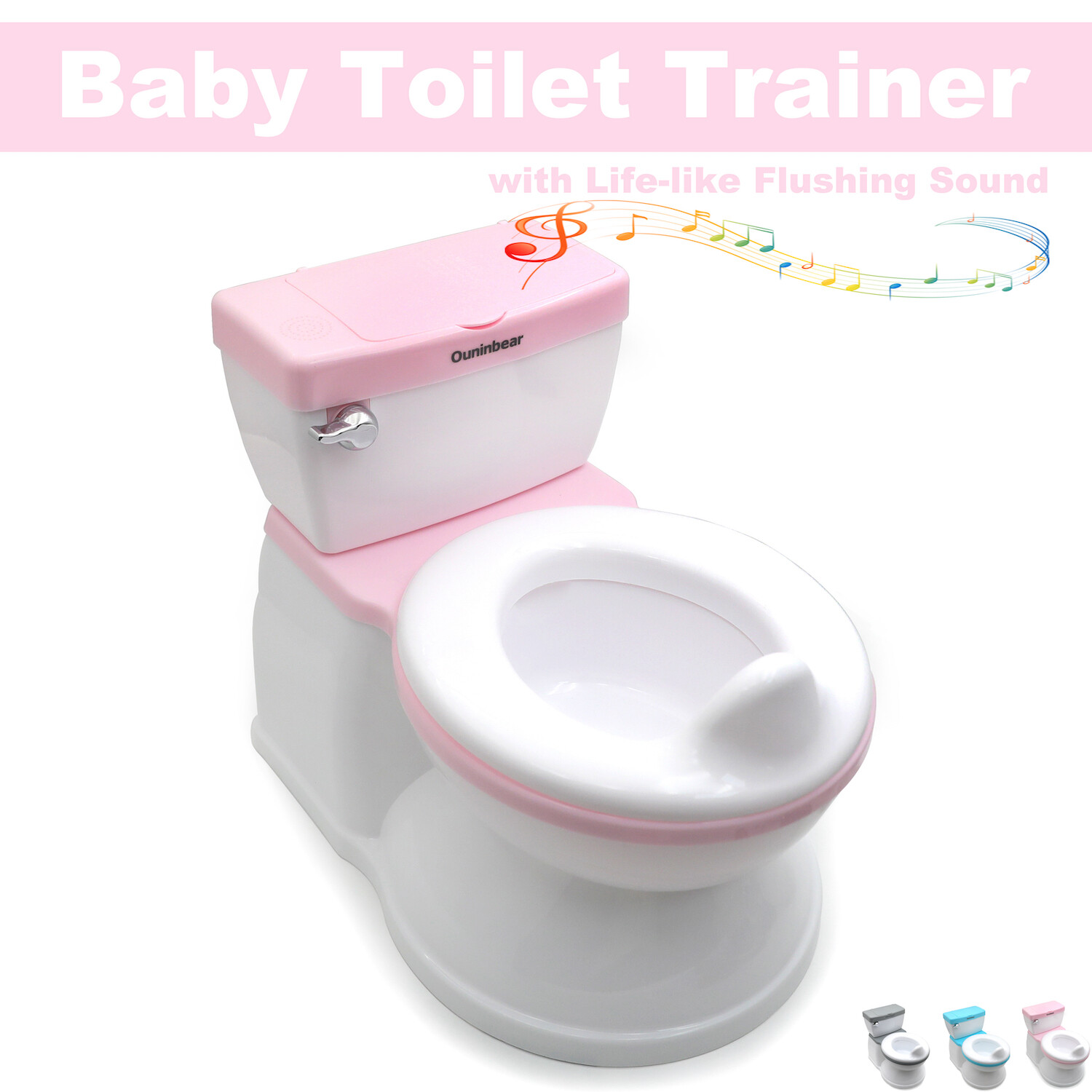 Pink Toddler Potty Training Toilet w/ Flushing Sound Handle Baby Chair Seat$35.95View on eBay
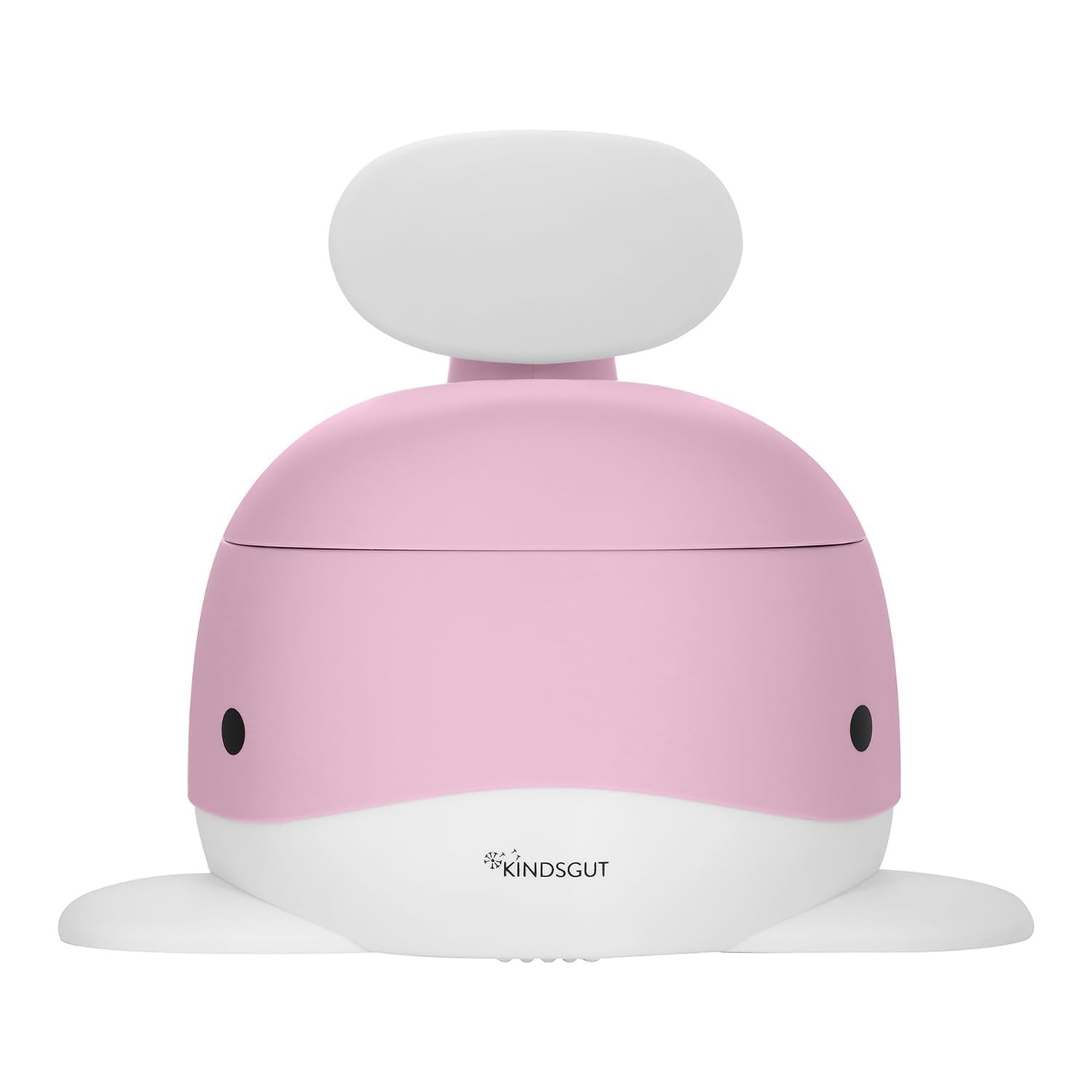 Kindsgut Whale Potty Training Toilet, Delicate Pink$60.80View on eBay
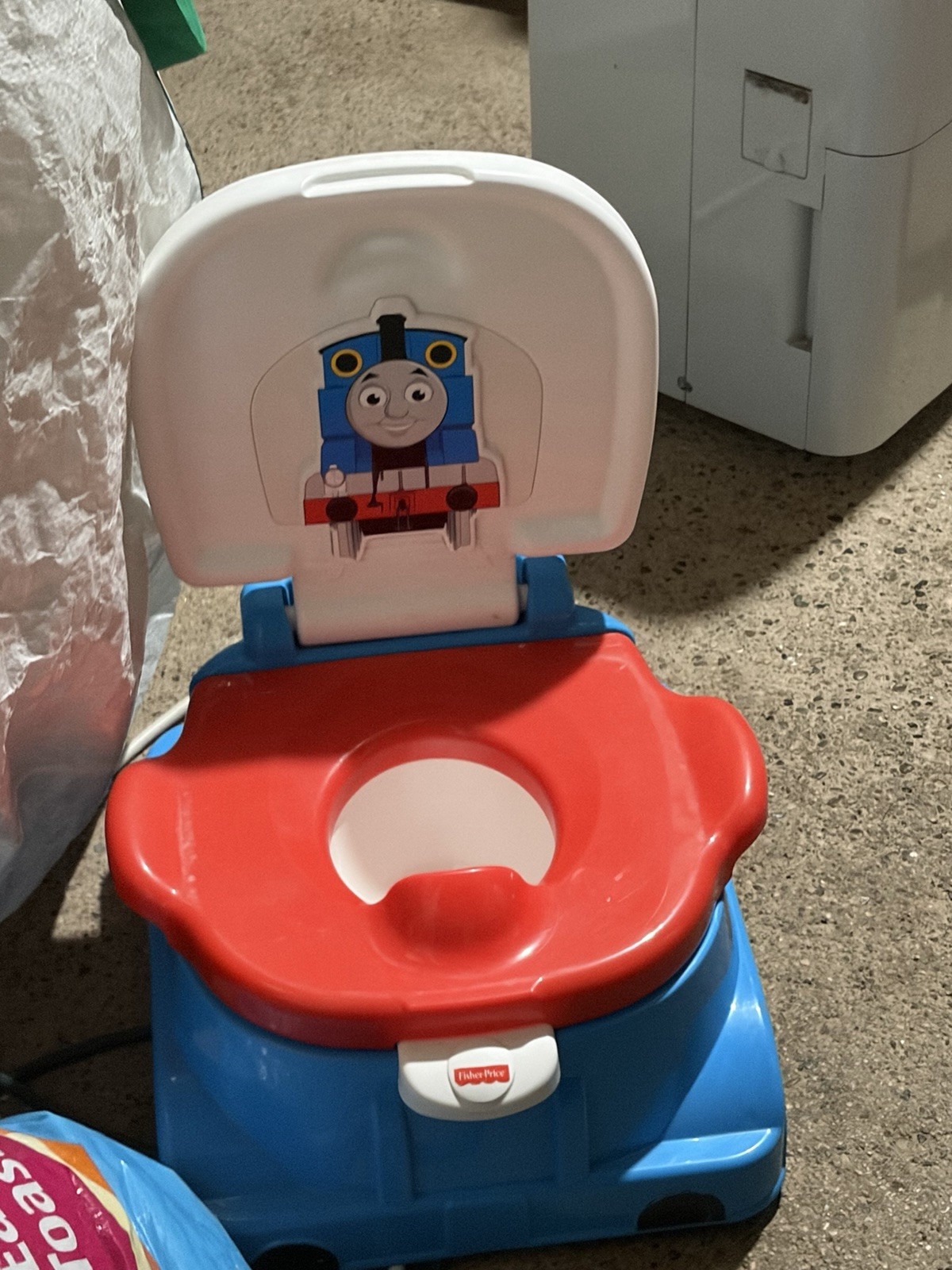 Fisher-Price Thomas & Friends 3-in-1 Toddler Potty Training Toilet & Step Stool$99.99View on eBay
Highlights
- Seat reducers rely on a contoured rim with a front splash guard; models without a raised guard let boys spray over the gap.
- Ladder trainers convert a standard toilet into a trainer via a hinged step and padded seat; steel or thick PP frames resist flexing better than thin hollow plastic.
- Freestanding floor potties with a high back and armrests give toddlers postural support; low-profile pans suit only confident, taller toddlers.
- Folding travel covers compress to pocket size but lack back support and a step, making them a supplement to, not a replacement for, a home trainer.
Best use cases
- Best fit: a first-time trainer at home — pick a floor potty with a high back and wide base, or a ladder trainer if the child is tall enough to climb and the toilet rim is standard height.
- Best fit: boys learning aim — choose a seat reducer with a tall front splash guard or a dedicated urinal with an aiming target; skip open-front reducers.
- Wrong fit: using a folding travel cover as the daily home seat — it offers no back support or step and flexes on adult toilet rims; keep it for outings only.
- Wrong fit: a ladder trainer on a soft-close or one-piece low-profile toilet — the step hooks need a standard rim and clearance behind the seat; confirm the toilet profile first.
Buying tips
- Measure the toilet rim before buying a ladder trainer: most hook-style steps fit standard elongated and round rims, but one-piece or skirted toilets often lack a lip to grip.
- Check the seat opening: a reducer's inner opening should be roughly 5–6 inches wide at the front for toddlers; too wide lets a small child slip through.
- Prefer polypropylene (PP) over thin polystyrene; PP resists cracking and cleans better, and a rubberized or TPR base ring is the key anti-slip feature.
- For floor potties, a base footprint of at least 10–12 inches and a weight rating around 50 lb (22 kg) indicate a stable, tip-resistant build.
Specs
| Trainer Type | Seat reducer / Ladder / Floor potty |
|---|---|
| Material | PP plastic / ABS / Steel frame |
| Anti-Slip Base | Rubber or TPR ring / Non-slip feet |
| Splash Guard | Front guard 1.5–2 in / None |
Related searches
What to check before buying
- Toilet type: standard two-piece with a visible rim lip for ladder trainers; skirted or one-piece toilets need a freestanding potty instead.
- Child fit: seated knee height and toilet rim height — a ladder trainer works when the child can sit with feet flat on the step, typically around 2.5 years and up.
- Floor and base: non-slip feet or a rubber ring on smooth tile; a wide, weighted base on carpet to prevent tipping.
- Companion parts: a step stool for hand-washing, a travel cover for outings, and wipes storage only if the potty design includes a sealed compartment.
FAQ
Data sources: eBay / Amazon listings and product attribute feeds Data updated Nov 15, 2026.
Some links on this page are affiliate links. If you buy after clicking one, we may earn a commission at no extra cost to you. This does not change which products appear here or their order. Affiliate disclosure.