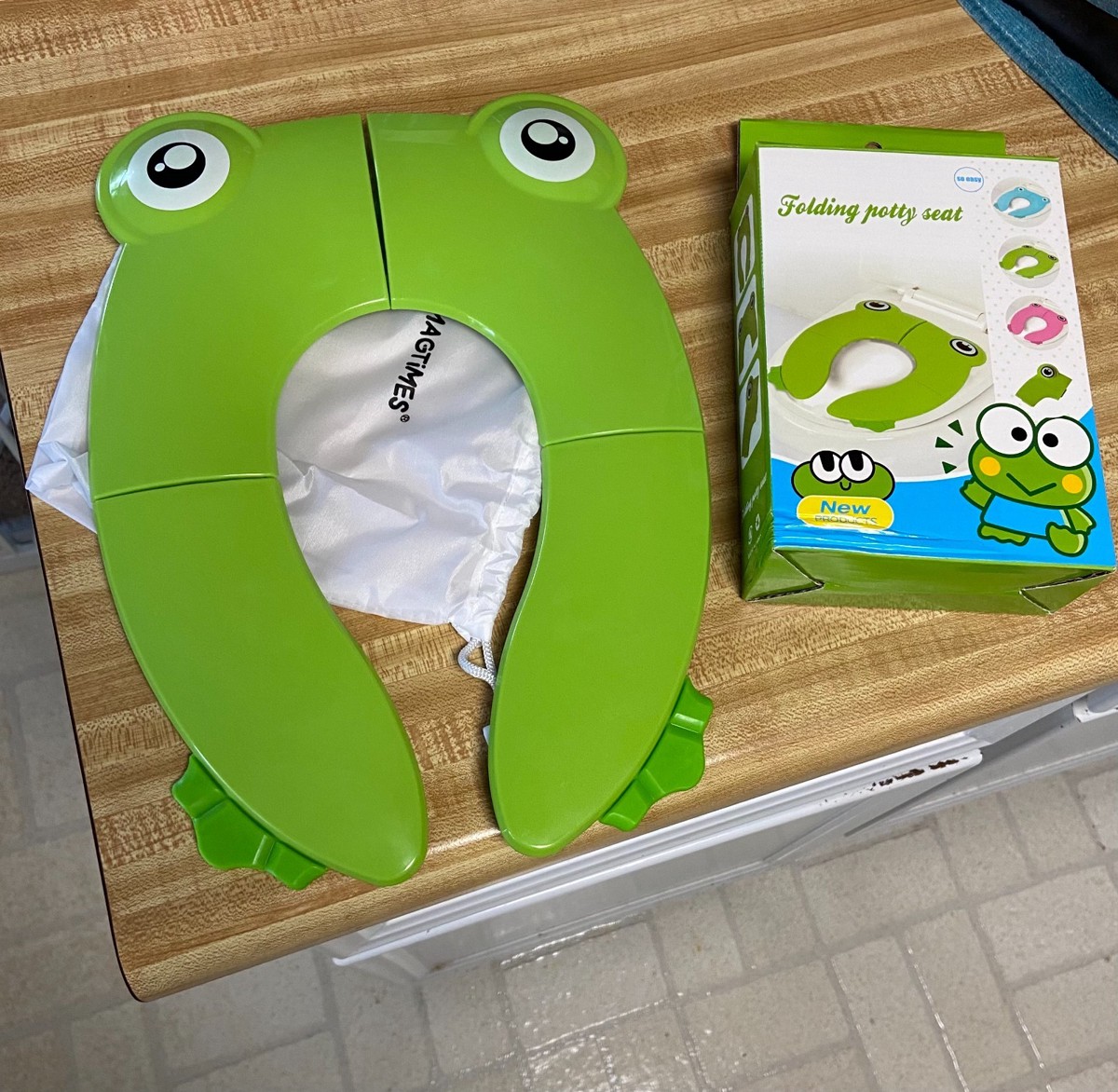

Photos from current listings. Actual item, color, and included accessories may vary.
Travel Potty Buying Guide
Travel potties are portable toilet solutions for toddlers on the go—ranging from folding seats that snap onto adult toilets to freestanding units with bags or liners. The core trade-off is packability versus stability and cleanup: folding seats are tiny but depend on a clean adult toilet, while freestanding travel potties offer independence but add bulk and waste-handling steps. Choose a folding seat if you mostly need backup in public restrooms; choose a freestanding unit if your child refuses adult toilets or you need roadside/outdoor capability.


At a glance
- Category
- Potty Training
- Data updated
- Nov 16, 2026
Current offers
Highlights
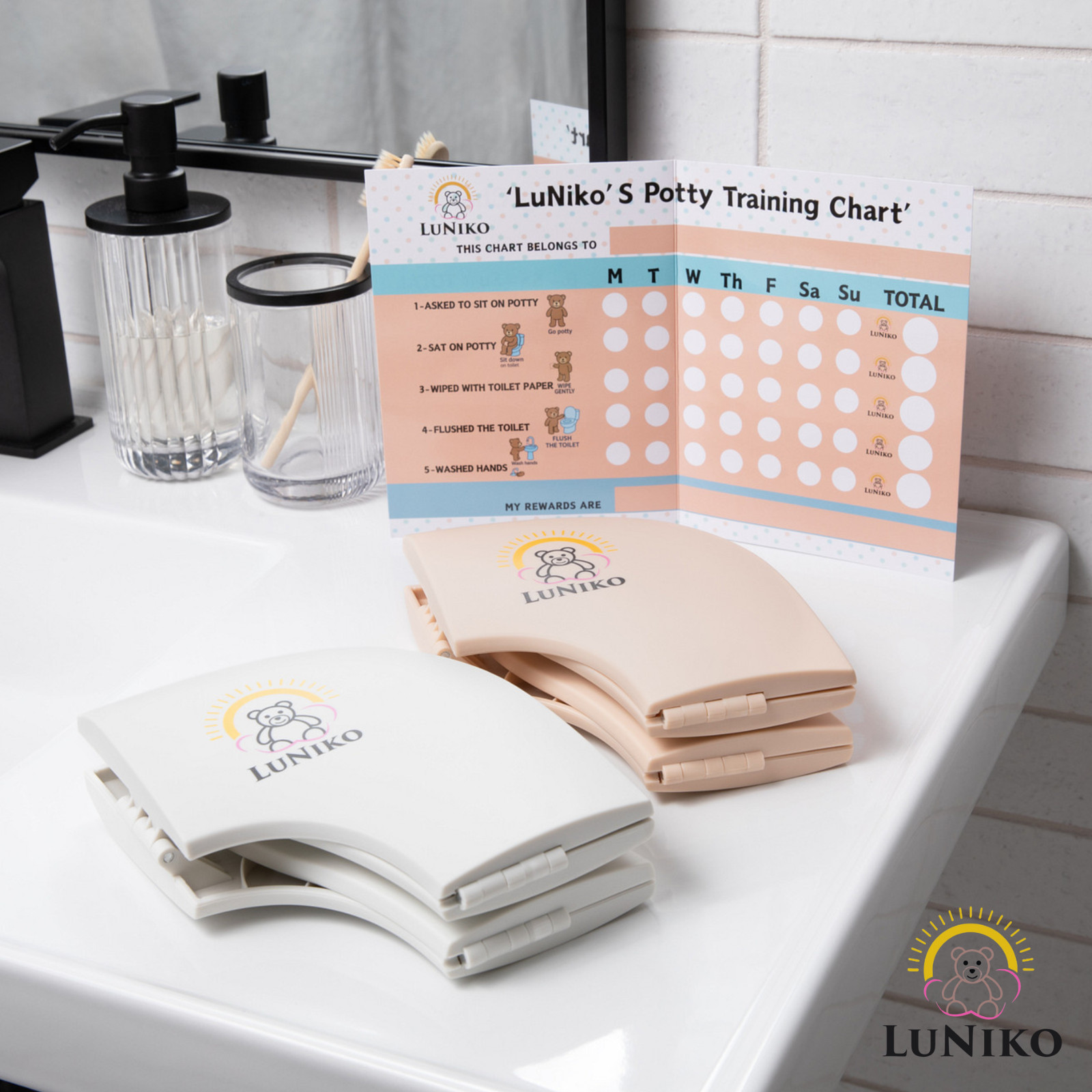
- Folding toilet-seat covers collapse to roughly 1–2 inches thick and use hinged PP or ABS plastic with silicone or TPE non-slip pads; weight typically 0.6–1.2 lb and fits most oval/elongated adult toilets via adjustable rear tabs.
- Freestanding travel potties split into rigid-shell designs (wider base, 2–4 lb, often with removable inner bucket) and soft silicone pop-up designs (collapses flat, 1–2 lb, relies on a rigid rim insert for stability).
- Waste containment differs by architecture: seat covers use public toilets directly, bag-based units require leak-resistant liners with absorbent pads, and bucket units need a removable bowl plus carry bag for hygienic transport.
- Hinge and latch quality determines lifespan—look for double-pivot hinges with metal pins or reinforced nylon, a locking tab that prevents accidental collapse under a seated child, and wipe-clean seams without exposed foam.
Best use cases
- Best fit for folding seat: toddlers 18 months–4 years who will sit on an adult toilet with a reducer ring; ideal for diaper-bag carry, restaurant and store restrooms, and air travel where space is minimal. Skip freestanding bulk if you only need backup.
- Best fit for rigid freestanding potty: newly trained 18–30 month olds who fear adult toilets or need to go roadside/parks; pick a wide-base unit with non-slip feet and a removable bucket. Skip flimsy pop-ups if your child is heavy or wiggly.
- Best fit for silicone pop-up potty: travel-heavy families needing a flat-pack backup in a backpack or glovebox for 2–3 year olds; pair with leak-proof liners. Skip it as a primary potty if your child needs back support or refuses soft seats.
- Wrong fit to avoid: buying a seat cover for a child who won't sit on public toilets, or a freestanding potty for a child already comfortable with adult toilets—both add weight without solving the actual resistance point.
Buying tips
- Measure your home and frequent-use toilets: seat covers need an opening roughly 8–10 inches wide and 11–13 inches long; adjustable rear tabs and front lip fit most elongated and round bowls, but oversized one-piece seats can overhang compact bowls.
- Match weight capacity to your child: most folding seats support 50–65 lb, but hinge and rim strength matter more than the printed limit—reinforced nylon hinges with metal pins outlast single-pivot plastic hinges that loosen with repeated folding.
- For freestanding units, prioritize base footprint and non-slip feet: a base at least 10–12 inches wide resists tipping during sit-down; removable buckets with a lid simplify cleanup, while bag-only designs need thick, leak-resistant liners with absorbent pads.
- Check pack size against your bag: folding seats collapse to about 1–2 inches thick and 5–8 inches wide, fitting most diaper bags; rigid potties are 2–4 lb and need a dedicated carry bag, so choose silicone pop-ups for minimal pack space.
Specs
| Type | Folding seat / Rigid potty / Pop-up |
|---|---|
| Fold Thickness | 1–2 in folding seats; 2–3 in pop-ups |
| Weight | 0.6–1.2 lb seat; 2–4 lb rigid potty |
| Toilet Fit | Round & elongated, 8–10 in opening |
Related searches
What to check before buying
- Measure your primary adult toilet bowl (length, width, shape) and confirm the seat cover's adjustable range covers it—elongated bowls need longer seats with rear tabs.
- Weigh your child and check the seat's stated capacity plus hinge type; children over 40 lb need metal-pin or reinforced hinges rather than single plastic pivots.
- For freestanding potties, confirm base width (10–12 in+) and non-slip feet for your intended surfaces (car seat, grass, tile) and that replacement liners or bags are standard sizes.
- Check travel constraints: folded dimensions must fit your diaper bag or carry-on, and any bag-based unit needs a supply of compatible leak-resistant liners with absorbent pads for outings.
FAQ
Data sources: eBay / Amazon listings and product attribute feeds Data updated Nov 16, 2026.
Some links on this page are affiliate links. If you buy after clicking one, we may earn a commission at no extra cost to you. This does not change which products appear here or their order. Affiliate disclosure.