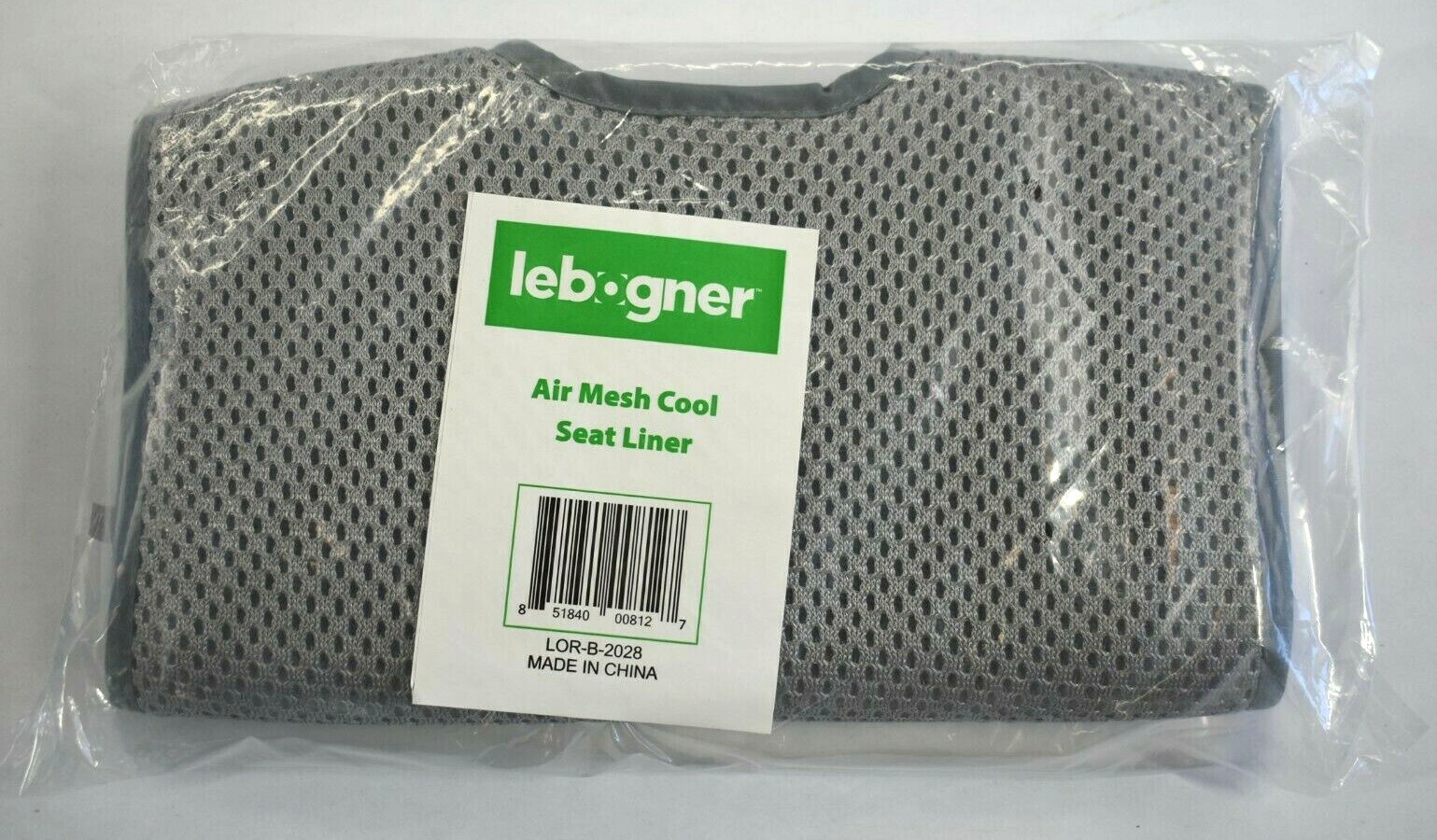

Photos from current listings. Actual item, color, and included accessories may vary.
Booster Car Seat Buying Guide
A booster car seat raises a child so the vehicle's three-point seat belt fits correctly across the shoulder and hips, bridging the gap between a harnessed seat and adult belt use. The core trade-off is high-back versus backless design: high-back models add head and torso side-impact protection plus a shoulder-belt guide, while backless boosters win on portability and older-kid compliance but rely entirely on the vehicle's head restraint and belt geometry. Choose a high-back with a rigid latch or highback-to-backless convertible if your child still naps or the vehicle lacks adjustable head restraints; choose a no-back booster only for a child 40+ lb who sits upright for the whole trip and rides in a seat with adequate head support.


At a glance
- Category
- Strollers & Car Seats
- Data updated
- Nov 15, 2026
Current offers
Highlights
- High-back boosters route the shoulder belt through a fixed guide and add a structural head/neck surround; backless boosters provide only a seat-bottom elevation and belt-positioning clip.
- Rigid LATCH/ISOFIX connectors secure the booster shell to the vehicle anchors for consistent belt geometry, while flexible or no-latch boosters can shift and must be buckled even when empty.
- A 5-point harness booster converts to a belt-positioning booster by removing the harness, extending usable life from roughly 30-40 lb through 100 lb or more with a single purchase.
- Backless boosters typically weigh 2-4 lb and fit three-across in most rear benches; high-back boosters run 7-15 lb and consume more width, limiting three-across fitment.
Best use cases
- Best fit: a child aged 4-8 who still falls asleep in the car or rides in a vehicle with low or non-adjustable rear head restraints—pick a high-back booster with a deep head wing and rigid LATCH.
- Best fit: a child 6+ who sits upright for the entire trip and needs a third seat in a tight rear bench—pick a backless booster with a belt-positioning clip and confirm the vehicle head restraint reaches at least the top of the child's ears.
- Wrong fit: a child under 4 or under 40 lb—skip boosters entirely and use a rear-facing or forward-facing harnessed seat until the child meets the booster's minimum weight and height.
- Wrong fit: a vehicle with inflatable seat belts in the booster position—skip standard boosters unless the model is explicitly rated for inflatable-belt use; most belt-positioning guides cannot safely route an air-bag belt.
Buying tips
- Match the booster's minimum weight and height to your child now: most belt-positioning boosters start at 40 lb and 43 in, and a seat your child does not yet meet is unsafe to use even for a short trip.
- Measure your rear bench: a high-back booster needs roughly 17-20 in of width, so three-across fitment in a 52-56 in bench usually requires backless boosters or a narrow high-back under 17 in.
- Require a rigid LATCH system or a belt-positioning clip that locks the lap belt low across the upper thighs—if the lap belt rides over the belly, the booster's geometry is wrong for your child.
- Check the expiry label and generation: booster shells are typically rated 6-10 years from manufacture, and a used seat with an unknown crash history should be skipped regardless of model tier.
Specs
| Booster Type | High-back / Backless / 2-in-1 convertible |
|---|---|
| Weight Range | 40-100 lb belt-positioning; 30-100 lb harness mode |
| LATCH System | Rigid LATCH vs flexible strap vs none |
| Belt Routing | Shoulder guide + lap belt low on thighs |
Related searches
What to check before buying
- Measure your child's seated height and weight and compare against the booster's minimum and maximum ratings before choosing high-back or backless.
- Confirm the vehicle's rear head restraint adjusts high enough to support the top of your child's ears when using a backless booster.
- Check that your rear seat belt is a standard three-point lap-shoulder belt—lap-only belts and inflatable belts require specific booster ratings.
- Verify the booster width against your rear bench and any adjacent car seat so the seat belt buckle is accessible and not buried.
FAQ
Data sources: eBay / Amazon listings and product attribute feeds Data updated Nov 15, 2026.
Some links on this page are affiliate links. If you buy after clicking one, we may earn a commission at no extra cost to you. This does not change which products appear here or their order. Affiliate disclosure.