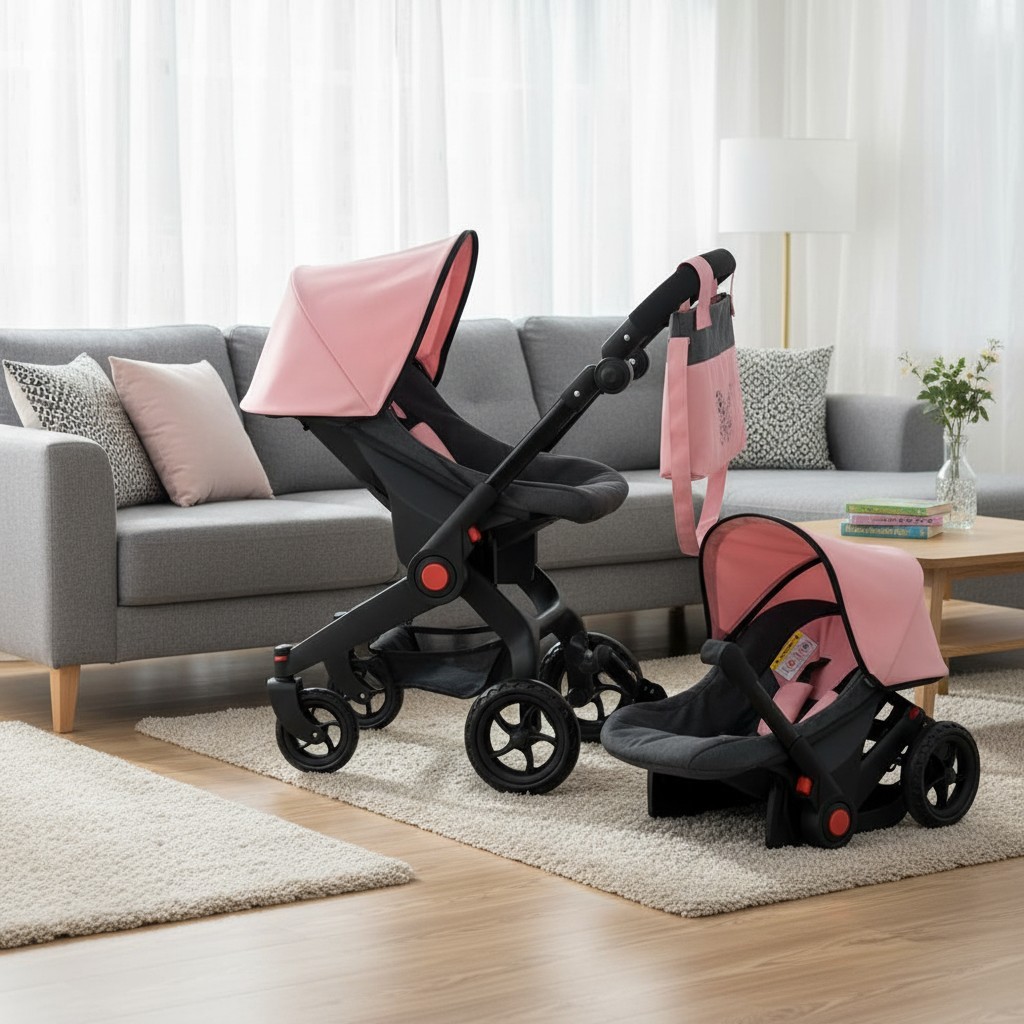

Photos from current listings. Actual item, color, and included accessories may vary.
Convertible Car Seat Buying Guide
A convertible car seat is a single harnessed seat that transitions from rear-facing infant use to forward-facing toddler use, and often to a belt-positioning booster. The core trade-off is between extended rear-facing capacity and seat bulk: larger shells with higher rear-facing weight limits protect longer but may not fit compact back seats. Choose a seat that meets FMVSS 213 and fits your child's height/weight trajectory plus your vehicle's rear seat geometry; skip seats that only meet minimums or lack a no-rethread harness.


At a glance
- Category
- Strollers & Car Seats
- Data updated
- Nov 15, 2026
Current offers
Highlights
- Rear-facing weight limits range from 30–50 lb; seats rated to 40–50 lb allow longer rear-facing use, which is safer for spinal development.
- No-rethread harness systems adjust shoulder height without disassembly, reducing misuse risk versus manual rethread slots.
- Steel-reinforced frames and energy-absorbing foam (EPS/EPP) improve crash performance but add weight and bulk.
- LATCH weight limits are typically 65 lb combined child+seat; beyond that, switch to vehicle belt and top tether for forward-facing.
Best use cases
- Extended rear-facing (birth to 4+ years): pick a seat with a 40–50 lb rear-facing limit and tall shell; skip compact seats with 30–35 lb limits.
- Frequent seat swapping between cars: choose a lightweight seat (under 20 lb) with easy LATCH connectors; avoid steel-frame bulk seats that are hard to move.
- Three-across seating in a compact back seat: select a narrow seat (17–18 in wide) with a slim base; skip wide luxury seats exceeding 19 in.
- Booster transition after harness outgrowth: pick a seat with a high forward-facing harness limit (65+ lb) and a removable back for booster mode; skip seats that max out at 40 lb forward-facing.
Buying tips
- Measure your vehicle's rear seat depth and angle: a seat with a deep recline may not fit rear-facing without pushing front seats forward excessively.
- Check the car seat's expiration date (typically 6–10 years) and ensure replacement parts are available for that model.
- For rear-facing installation, ensure the seat's built-in lock-off or locking clip works with your vehicle's seat belt type (lap-shoulder vs lap-only).
- Verify the seat's LATCH connectors match your vehicle's lower anchors (rigid vs flexible) and that the seat fits without blocking adjacent seat belt buckles.
Specs
| Rear-Facing Limit | 30–50 lb / 32–49 in |
|---|---|
| Forward-Facing Limit | 40–65+ lb harness |
| Harness Adjustment | No-rethread vs manual slots |
| Seat Width | 17–21 in (narrow: 17–18 in) |
Related searches
What to check before buying
- Measure your child's current height and weight, and project growth: a seat with a 49-inch standing height limit lasts longer than one capped at 43 inches.
- Test-fit in your vehicle: install the seat rear-facing and confirm the front passenger seat has at least 1 inch of clearance from the car seat's top.
- Check your vehicle's owner manual for LATCH weight limits and approved seating positions; center rear is safest but may lack LATCH.
- Confirm the seat's harness slot height range covers your child's torso height from birth to booster age without rethreading.
FAQ
Data sources: eBay / Amazon listings and product attribute feeds Data updated Nov 15, 2026.
Some links on this page are affiliate links. If you buy after clicking one, we may earn a commission at no extra cost to you. This does not change which products appear here or their order. Affiliate disclosure.