Photos from current listings. Actual item, color, and included accessories may vary.
Newborn Carrier Buying Guide
A newborn carrier is a structured or semi-structured baby carrier designed to safely hold an infant from roughly 7–8 lb up to the point they can be worn in a standard carrier, typically 25–35 lb. The core trade-off is between soft, wrap-style carriers that contour to a floppy newborn and structured carriers with buckles and padding that offer more support but can overwhelm a small infant. The decision rule: choose a carrier explicitly rated from 7–8 lb with a narrow, adjustable seat and firm head/neck support; skip any carrier that starts at 12 lb or lacks a documented minimum weight.

At a glance
- Category
- Baby Carriers, Slings & Backpacks
- Data updated
- Nov 18, 2026
Current offers
 Ergobaby Embrace Cozy Knit Newborn Carrier For Babies$60.99
 View on eBay
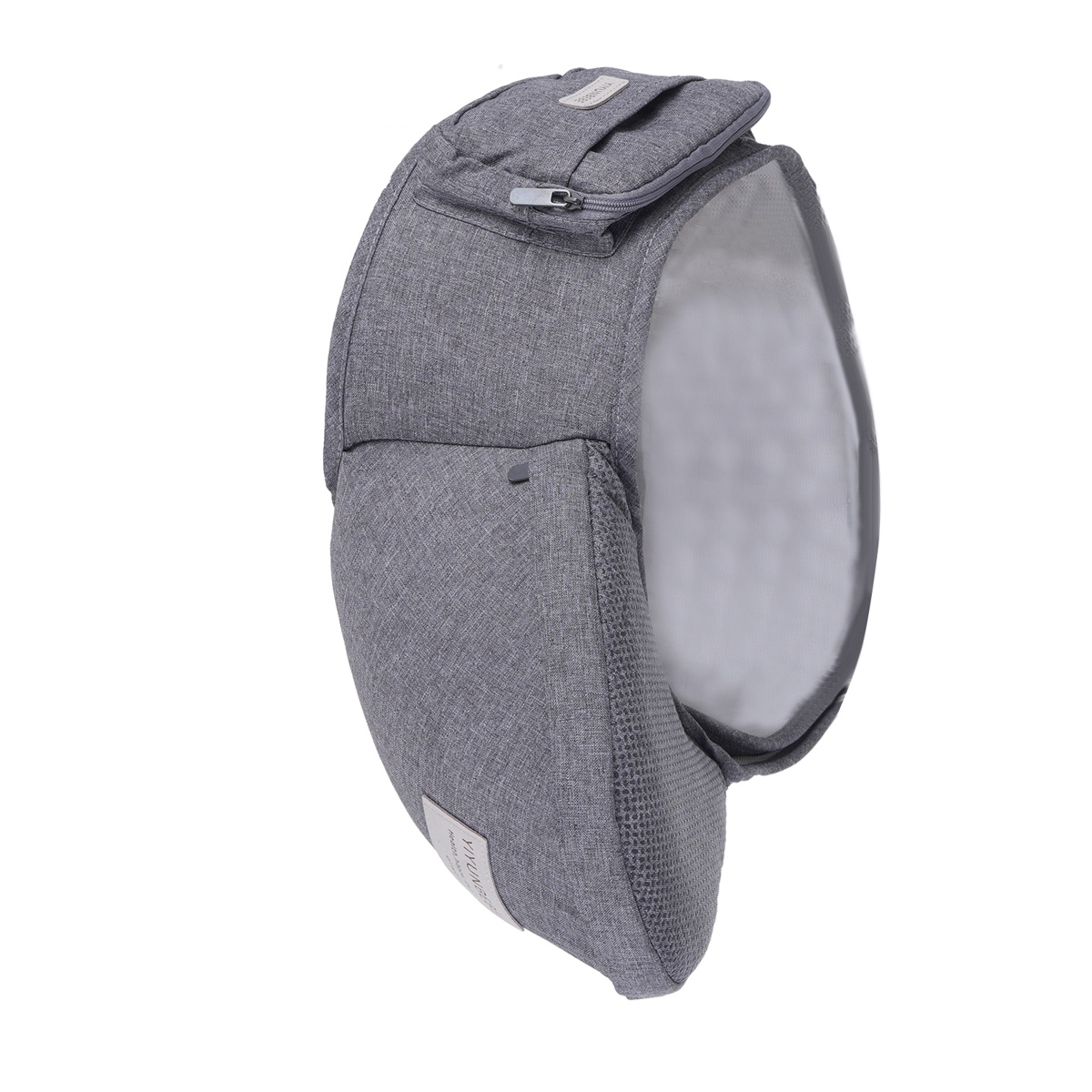 Ergonomic Hip Seat Baby Carrier, Hip Adjustable Waist Belt, Zipper Pocket For Essentials, For 0-36 Months Newborn & Toddler, 7-41lbs Gray$37.99
 View on Mallflare
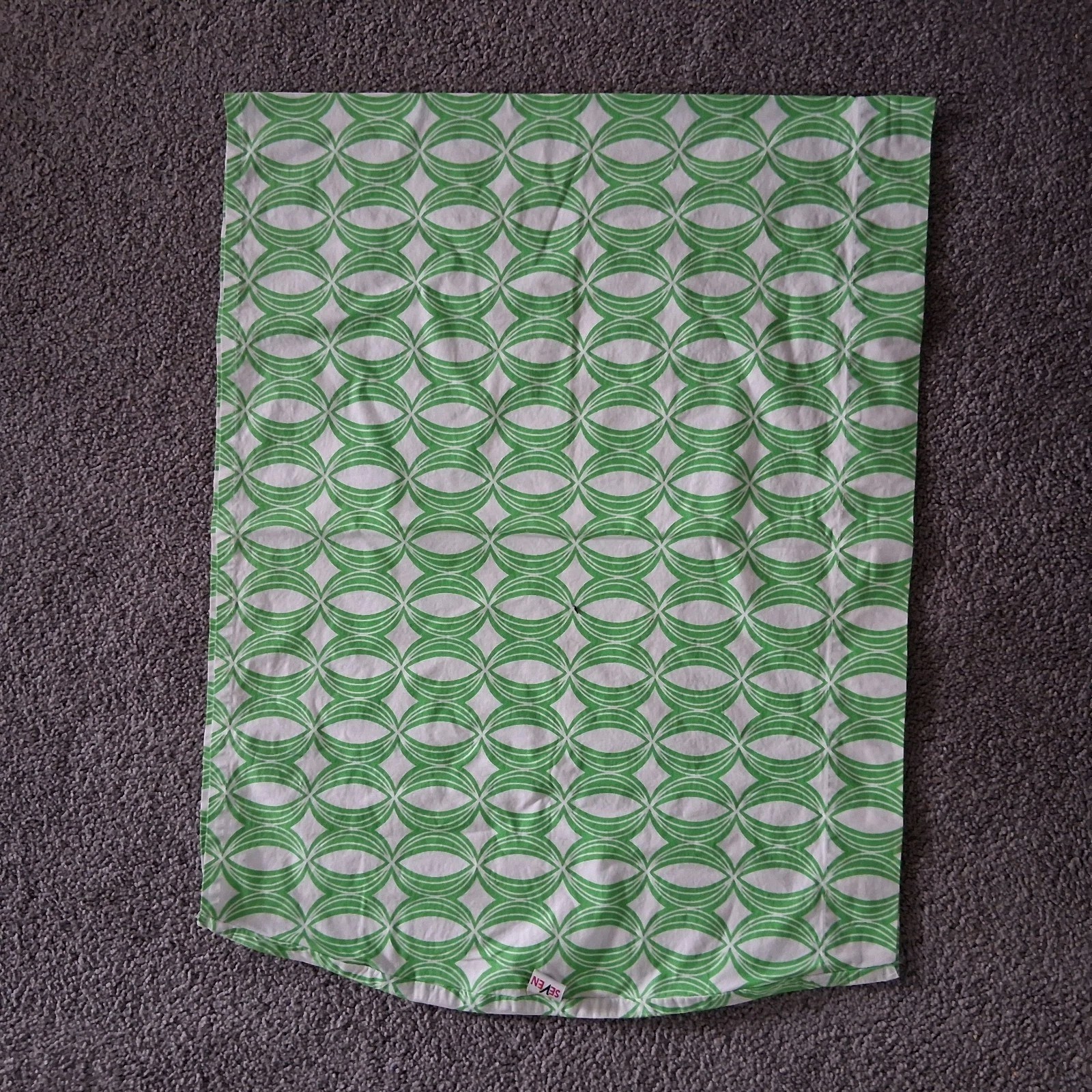
- Seven Baby Sling Carrier Size 4 Newborn to Toddler 8 lb up to 35 lb EUC$5.53View on eBay
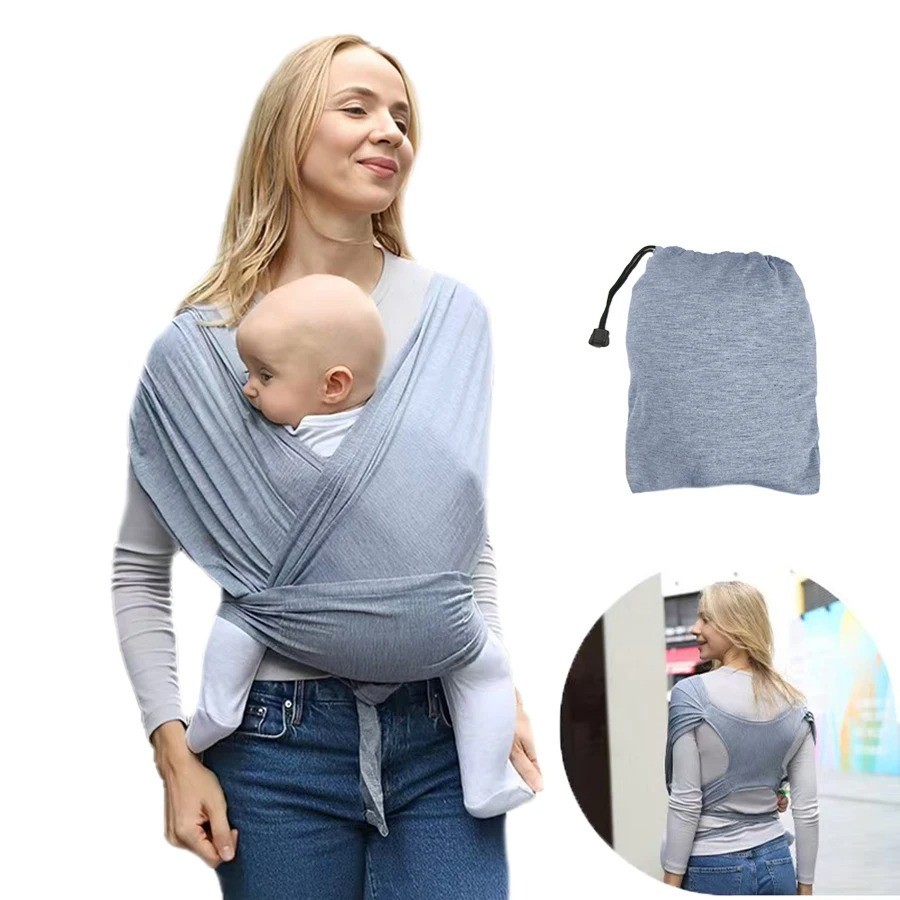 Ergonomic Baby Carrier Backpack Newborn Sling X-Shape Support Infant Wrap 4 Colo$12.99View on eBay
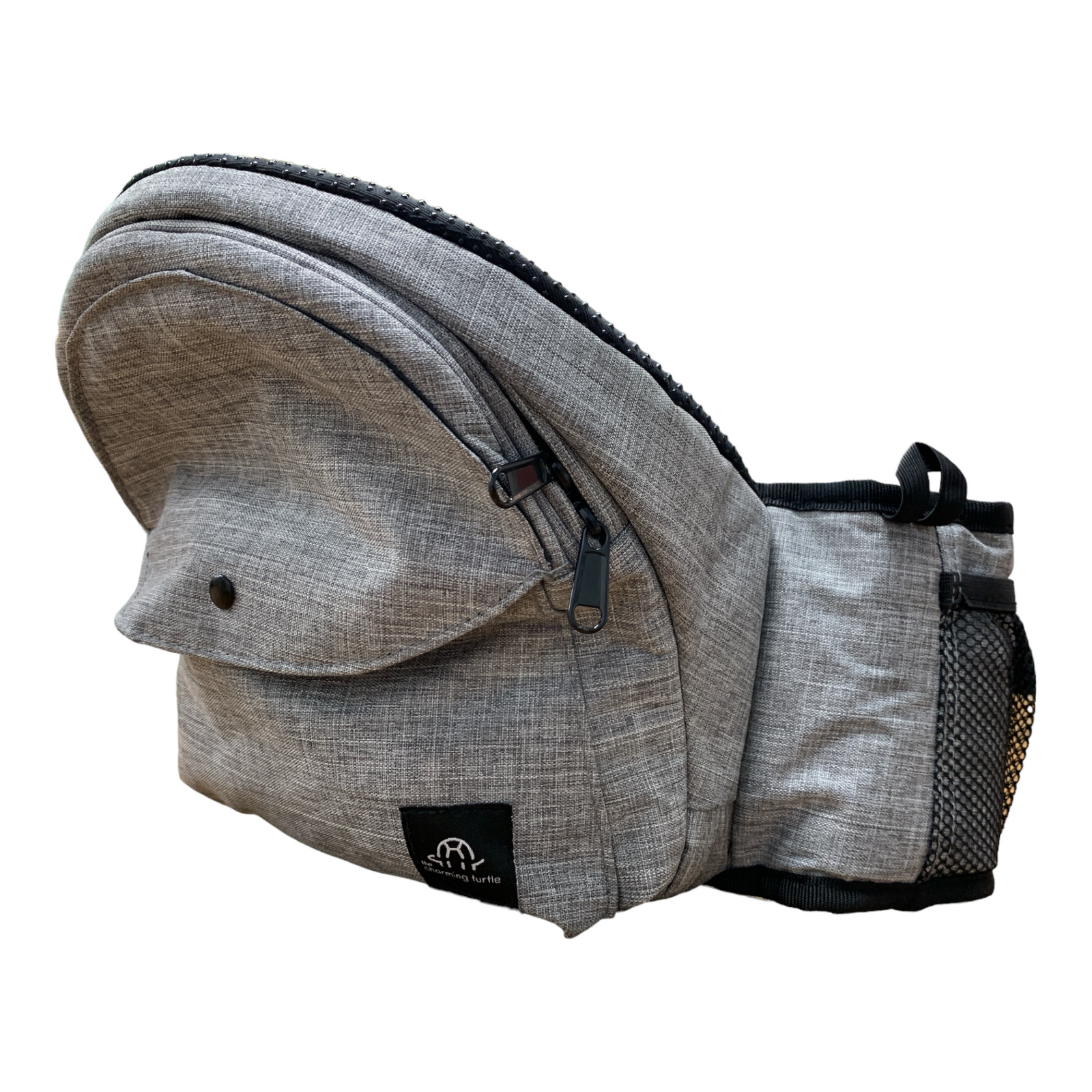 Baby Hip Carrier Ergonomic Hip Seat Carrier for Newborn to Toddler - Adjustable$15.99View on eBay
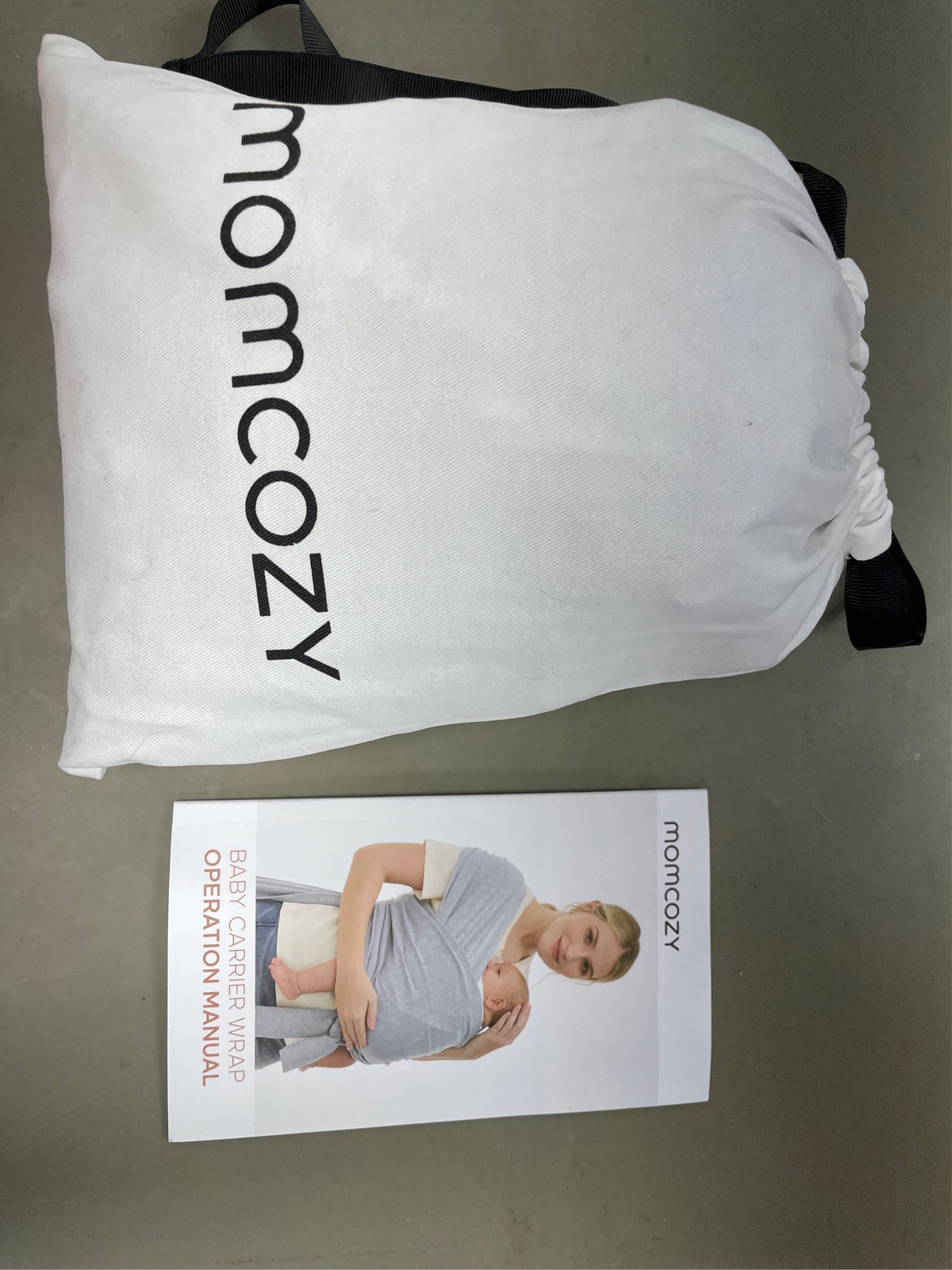 Momcozy Baby Wrap Carrier, Ergonomic Infant Slings for Newborn to Toddler 8-35 l$16.27View on eBay
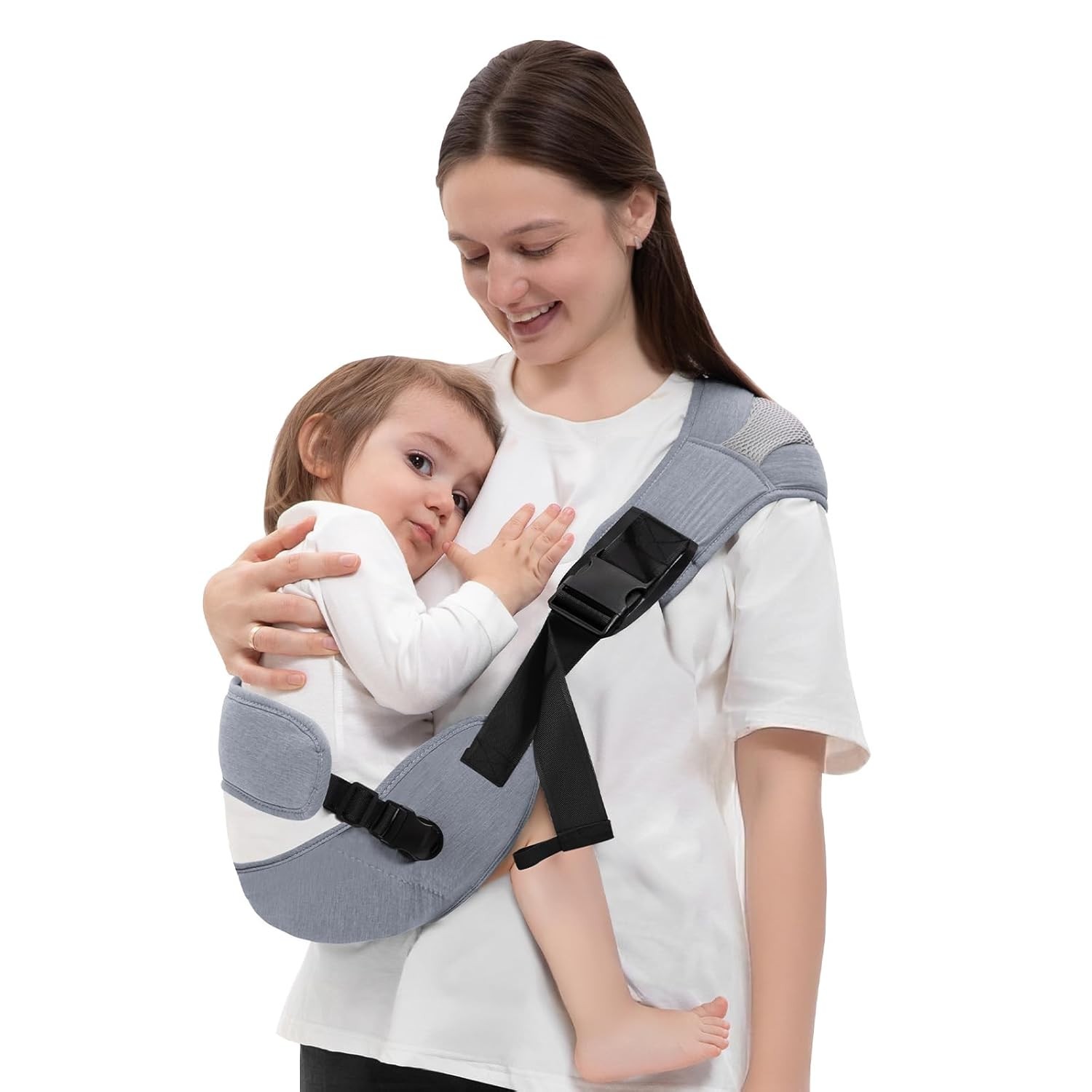 Baby Carrier Newborn to Toddler-Adjustable Baby Sling CarrierToddler Carrier ...$18.99View on eBay
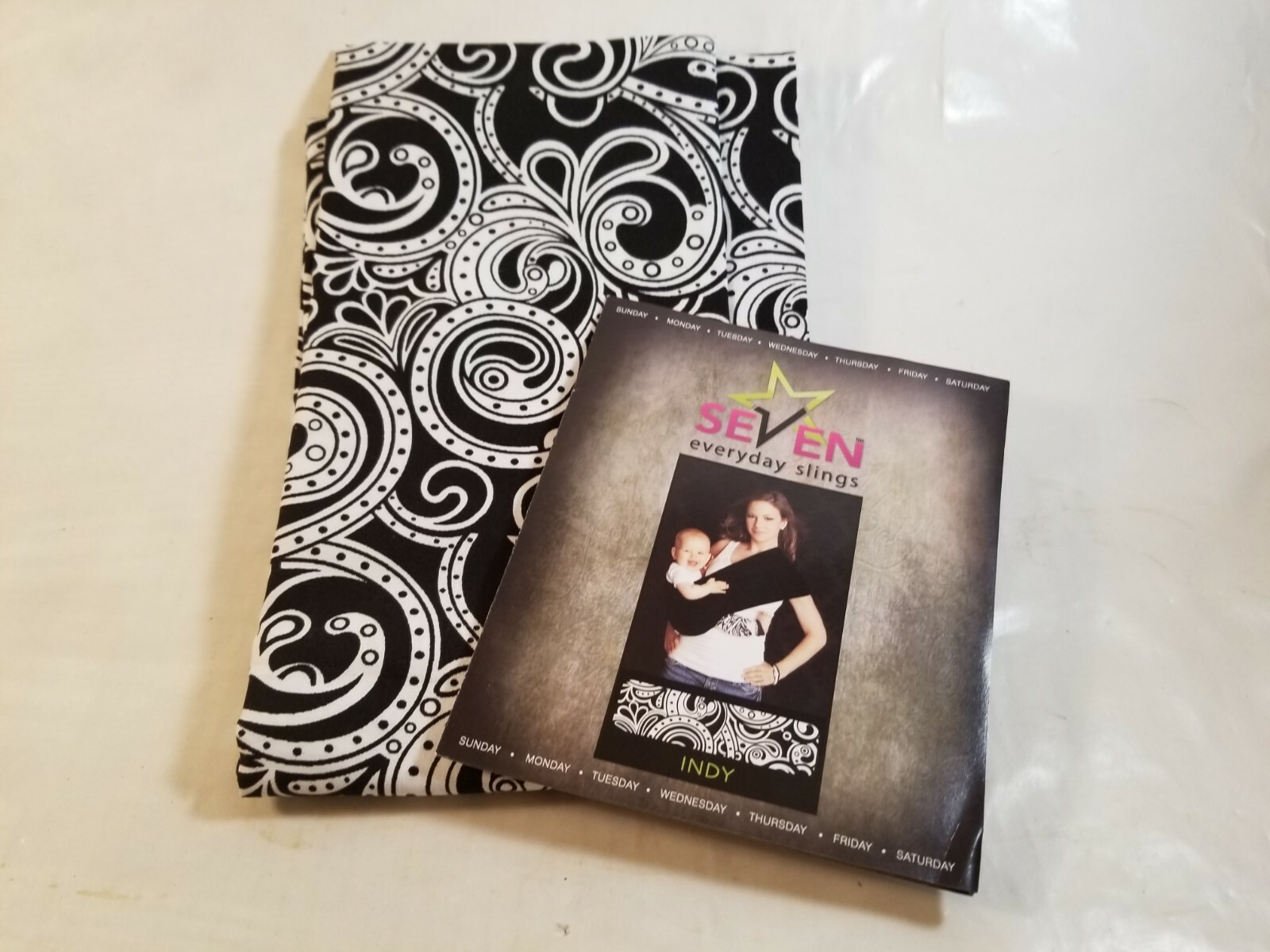 Seven Baby Sling Carrier Infant Newborn to Toddler 8 lb to 35 lb Indy Style$19.56View on eBay
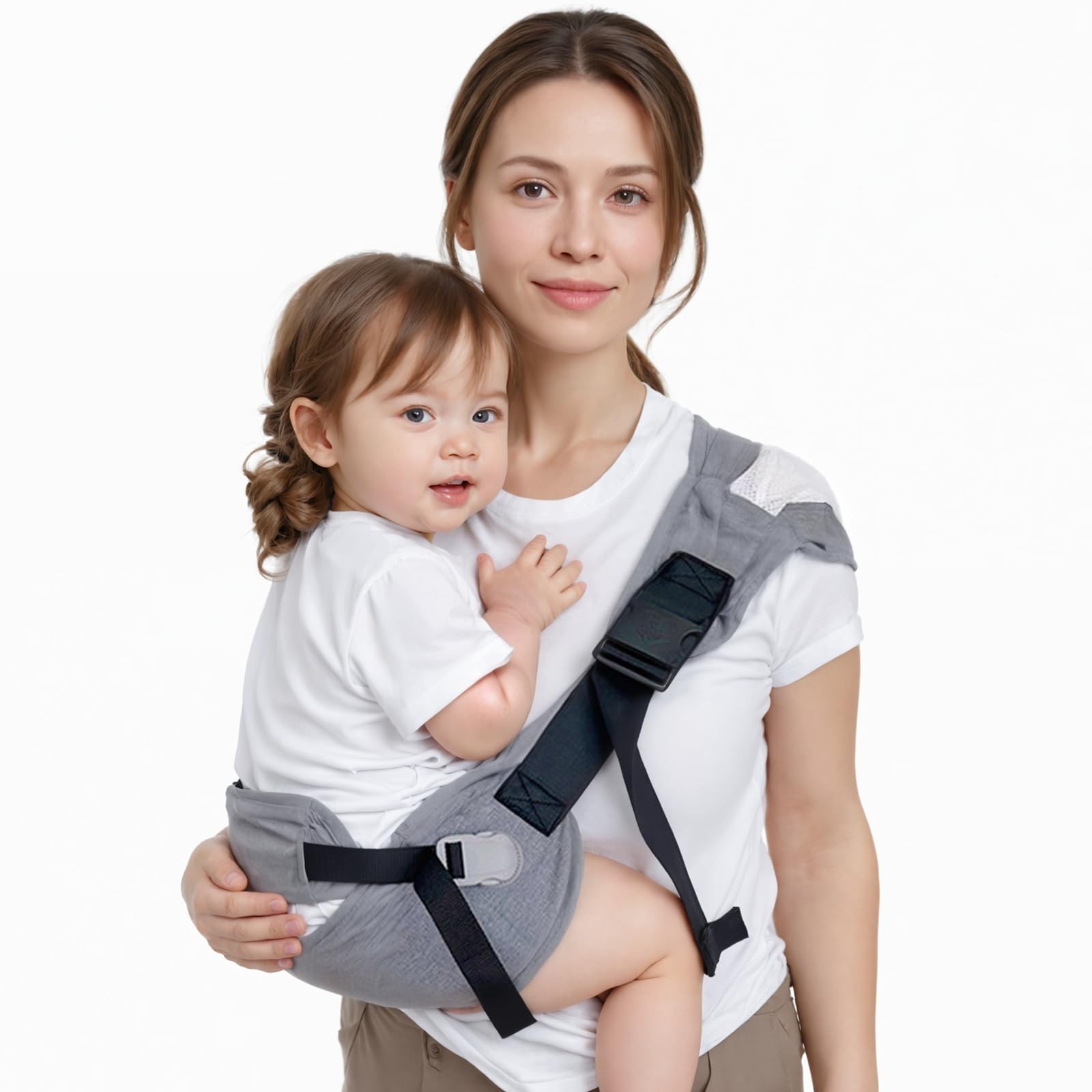 Baby Carrier Newborn to Toddler-Adjustable Baby Sling Carrier,Toddler Carrier...$25.71View on eBay
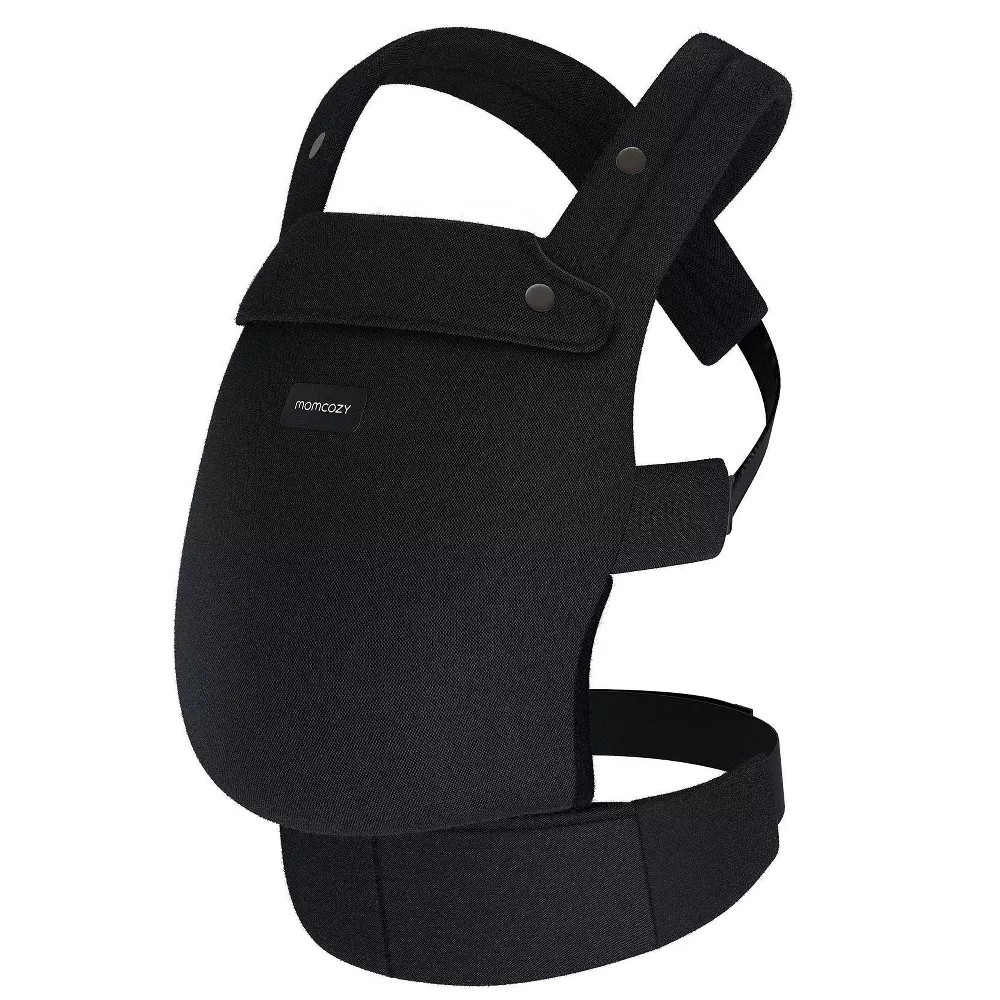 Momcozy Baby Carrier - Newborn to Toddler$26.34View on eBay
- Baby Carrier Newborn to Toddler-Adjustable Baby Sling Carrier,Toddler Carrier...$26.69View on eBay
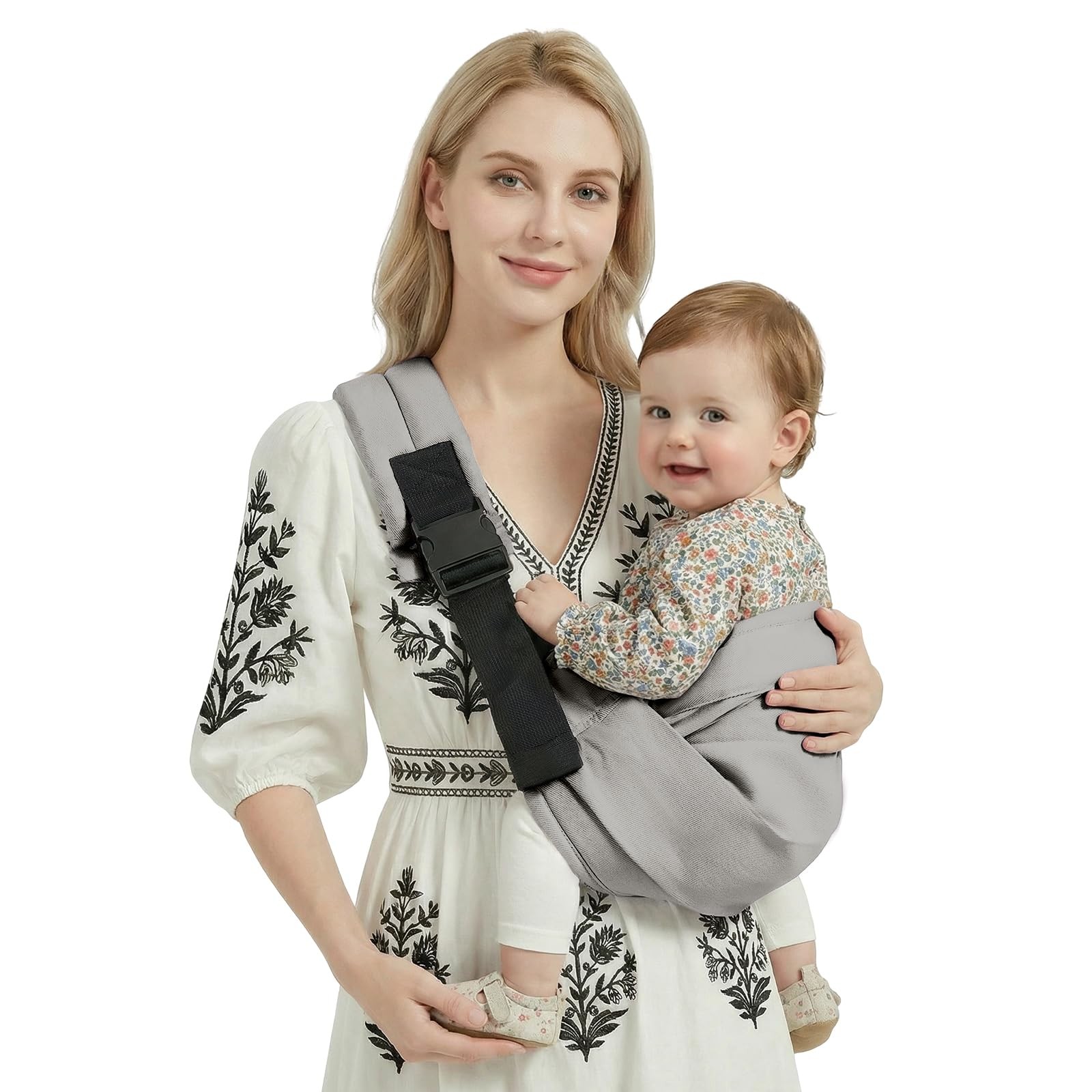 Grey Adjustable Baby Sling Carrier Newborn Toddler Fits 730lbs$27.83View on eBay
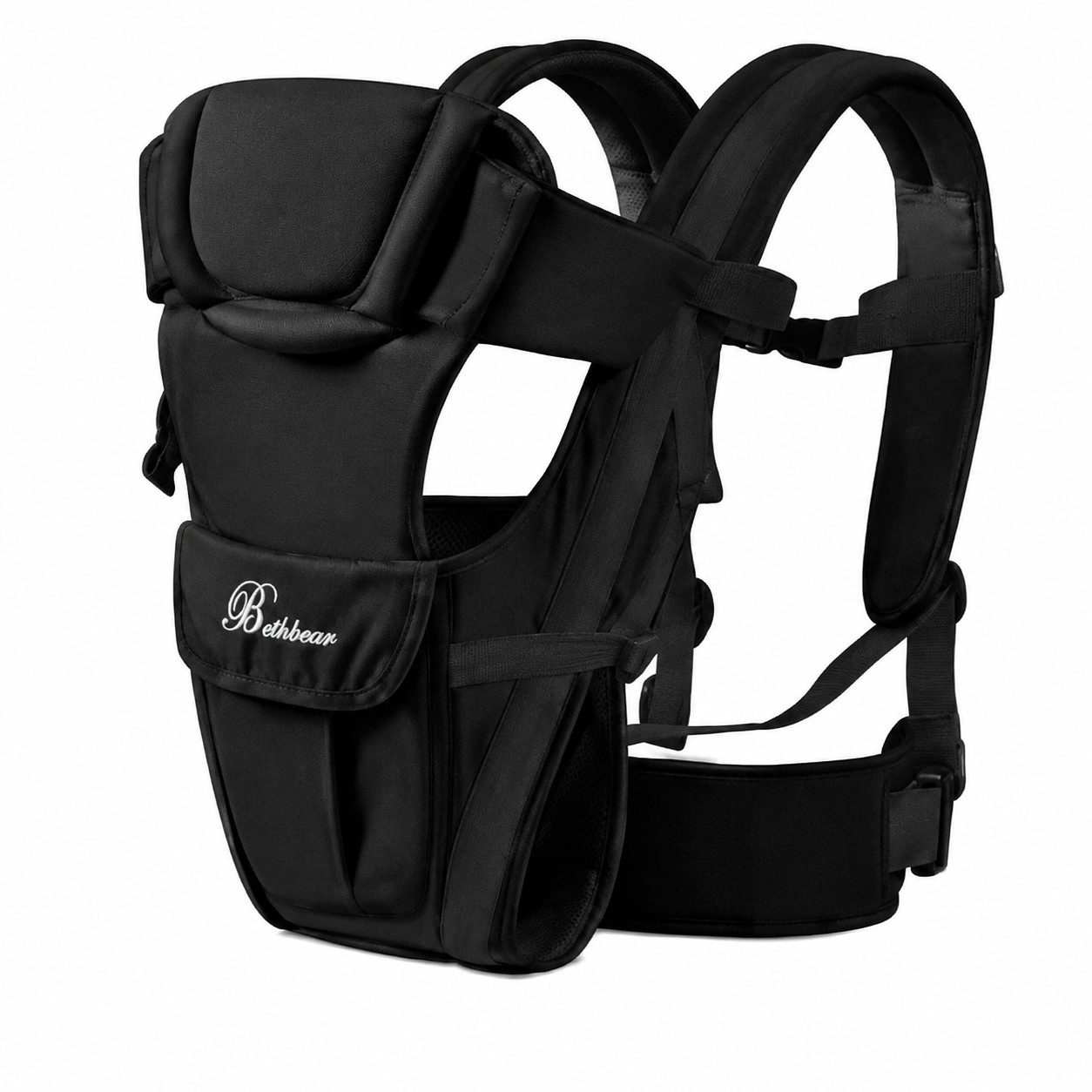 4-in-1 Ergonomic Baby Sling Carrier Adjustable Newborn Infant Toddler Backpack$29.99View on eBay
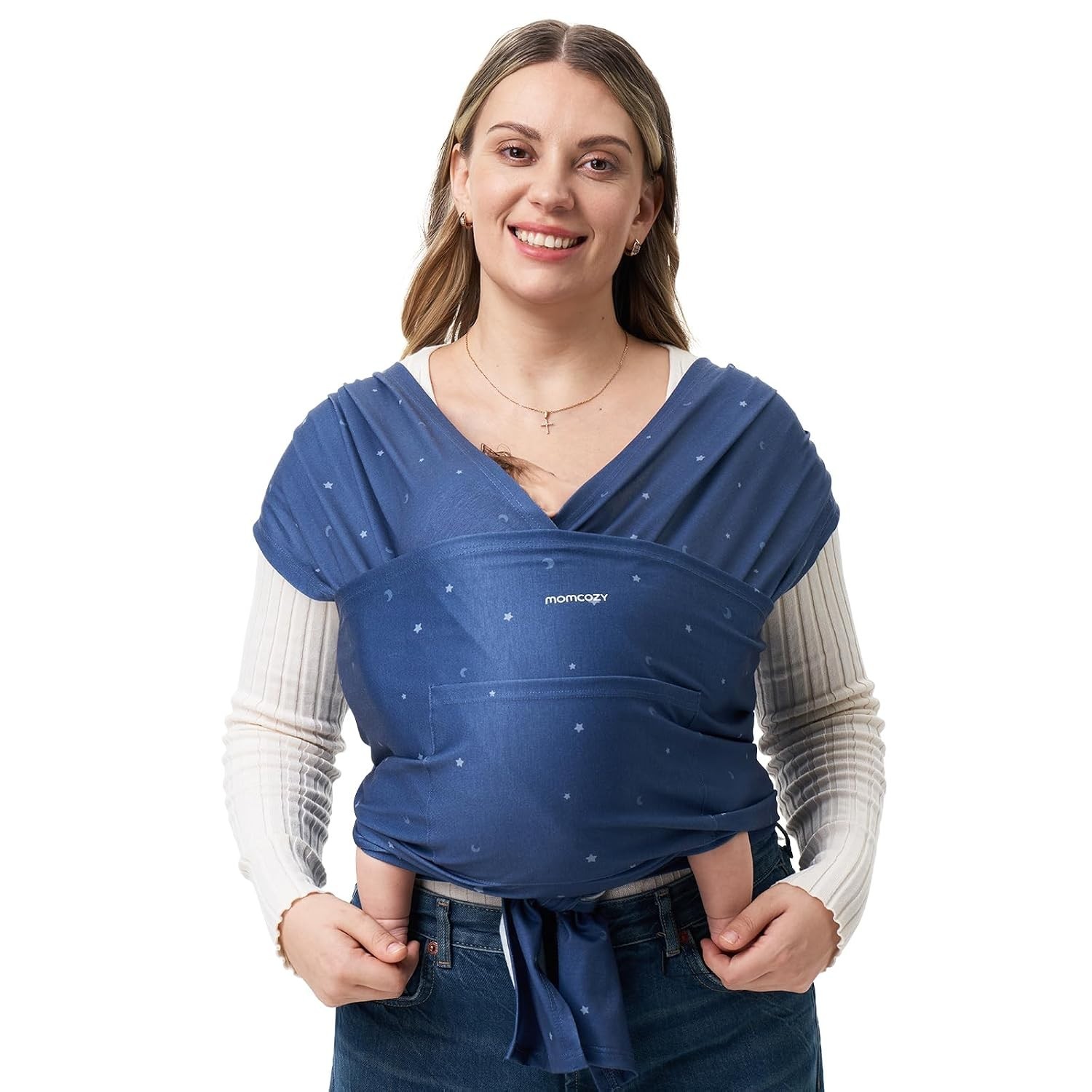 Momcozy Baby Wrap Carrier Infant Slings for Newborn to Toddler 8-33 lbs Easy to$30.00View on eBay
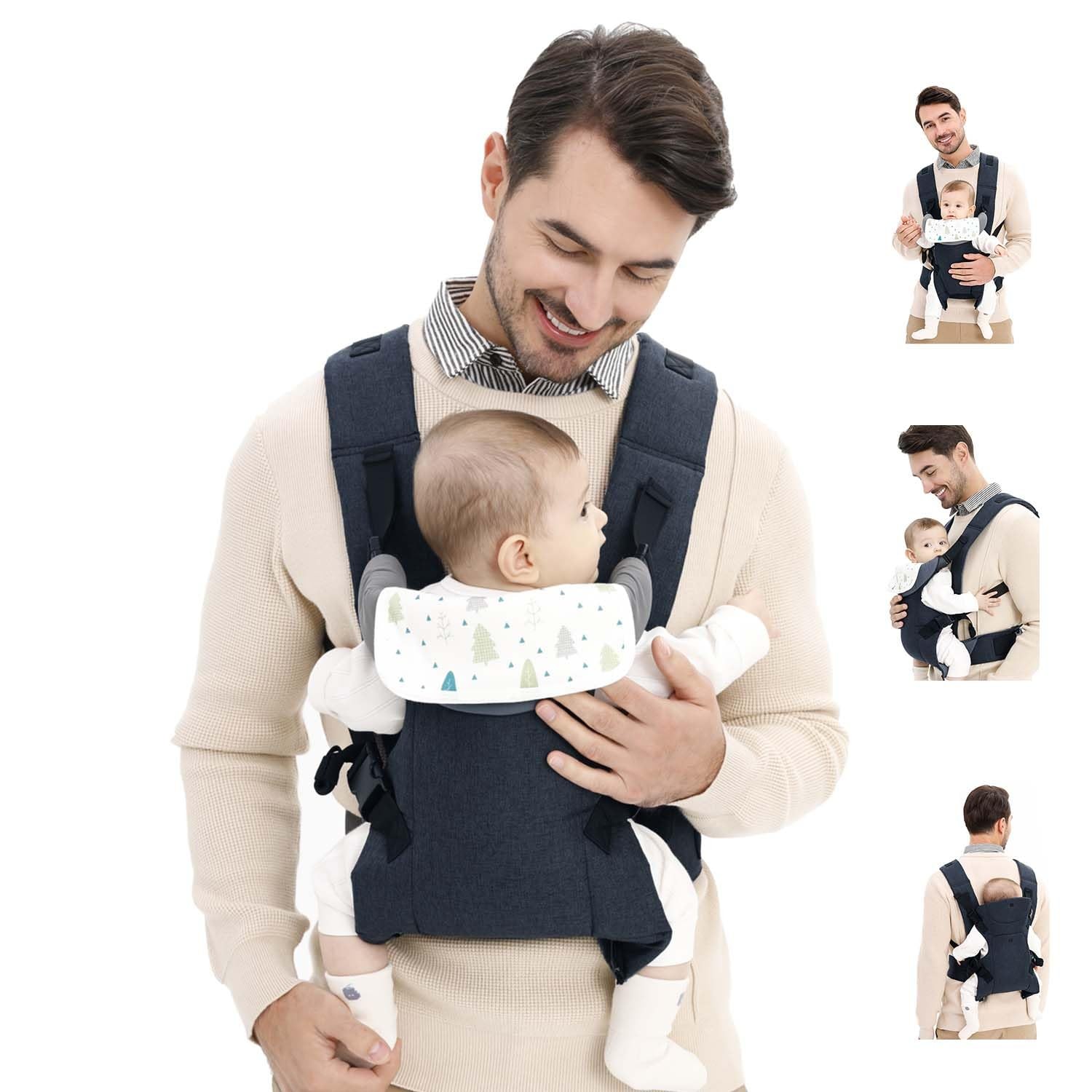 Baby Sling Carrier,4-in-1 Ergonomic Baby Backpack Front Carrier,Newborn to Wr...$30.40View on eBay
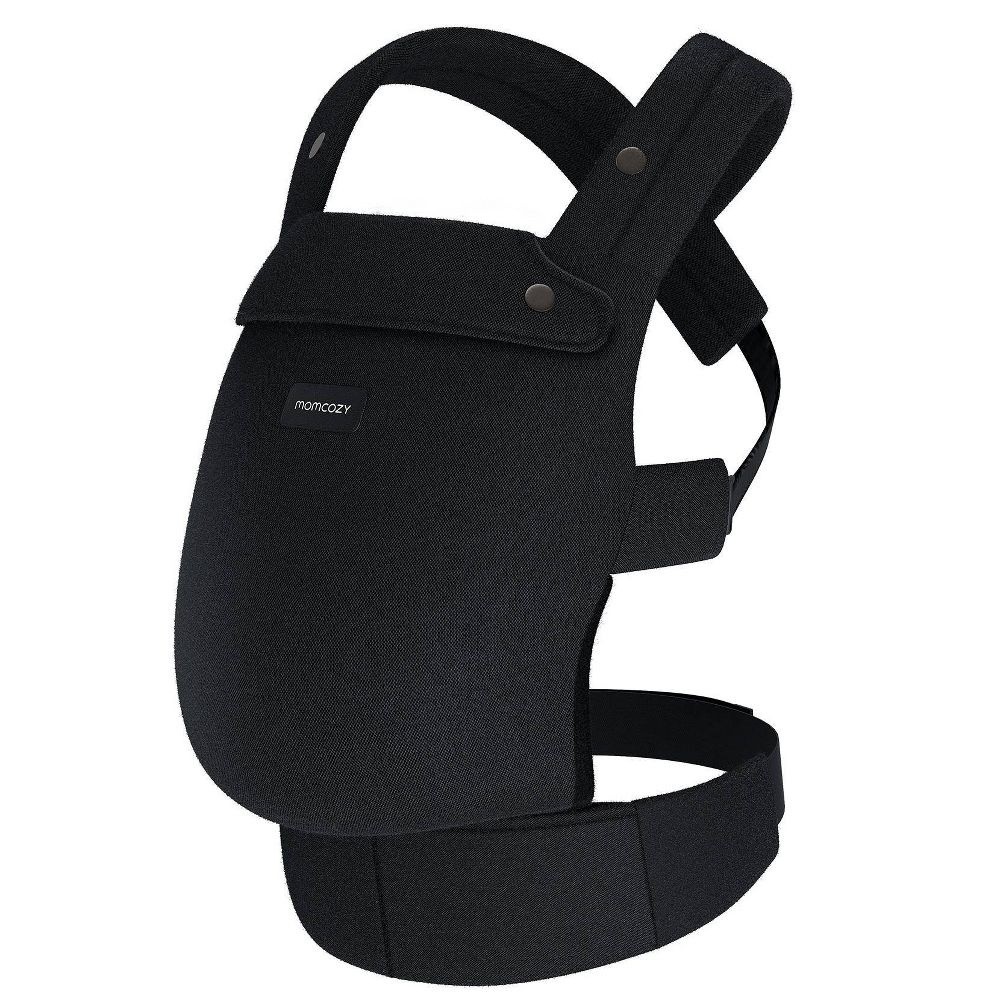 Momcozy Baby Carrier - Newborn to Toddler$30.99View on eBay
- Baby Sling Carrier,4-in-1 Ergonomic Baby Backpack Front Carrier,Newborn to To...$34.47View on eBay
- 4in1 Ergonomic Baby Sling Carrier Backpack Newborn to Toddler Dark Blue$35.75View on eBay
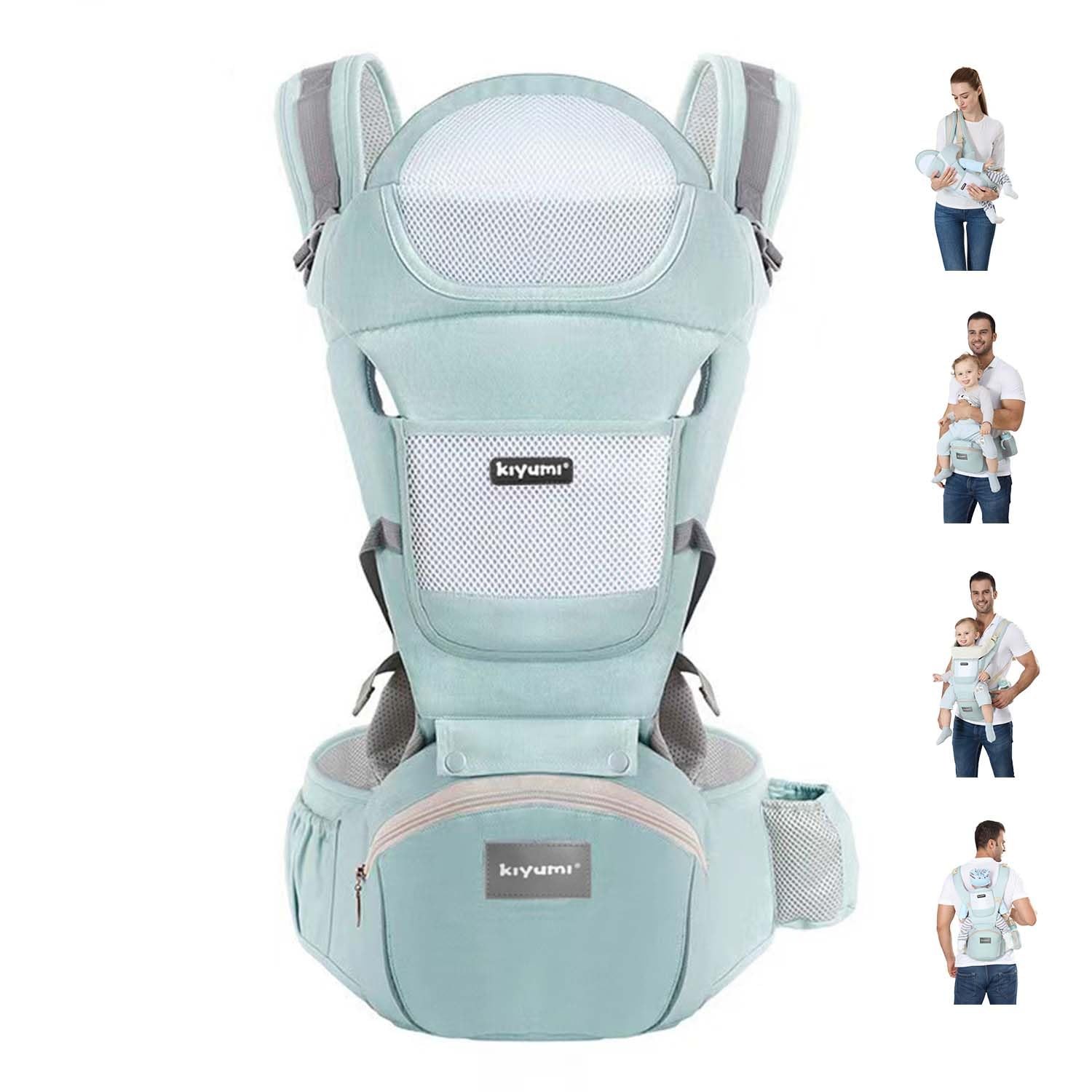 6 in1 Baby Carrier Newborn to Toddler with Head Support and Breathable Mesh$69.99View on eBay
Highlights
- Newborn-rated carriers specify a minimum weight of 7–8 lb and a maximum of 25–35 lb; carriers starting at 12 lb are not true newborn carriers.
- Wrap-style carriers use 95% polyester / 5% spandex knit for four-way stretch and contoured support; woven wraps use non-stretch cotton for toddlers.
- Structured newborn carriers use buckles, padded shoulder straps, and a wide adjustable waistband (typically 26–55 in) to distribute weight to the hips.
- Ergonomic certification (e.g., International Hip Dysplasia Institute recognition) requires an M-position seat with knees above hips and supported thigh-to-knee.
Best use cases
- Best for 0–4 months: pick a stretchy wrap or semi-structured carrier rated from 7–8 lb with a narrow seat and firm head support; skip framed backpacks and hip seats until neck control.
- Best for 4–18 months: choose a convertible structured carrier with a width-adjustable seat (narrow for newborn, wide for toddler) and a 25–35 lb max; skip single-position slings.
- Wrong fit: a hip-seat carrier with a hard shelf is for 6+ months and 15+ lb; do not use it for a floppy newborn despite 'newborn to toddler' labeling.
Buying tips
- Match the carrier's minimum weight to your baby: 7–8 lb for full-term newborns, 5–7 lb for preemies; a 12 lb minimum leaves a newborn unsupported.
- Check seat width adjustability: a newborn seat should narrow to 4–6 in across to avoid over-splaying hips; toddler seats widen to 12–14 in.
- Verify waistband range: most structured carriers fit waists 26–55 in; extenders add 8–12 in and are required for waists above 48 in.
- Prefer buckles rated to 35 lb and 1–2 in wide padded straps; narrow 1 in straps dig into shoulders above 15 lb.
Specs
| Weight Range | 7-8 lb min / 25-35 lb max |
|---|---|
| Carrier Type | Stretchy wrap / Structured buckle |
| Seat Adjustment | Narrow 4-6 in to wide 12-14 in |
| Waist Fit | 26-55 in adjustable waistband |
Related searches
What to check before buying
- Measure your waist and chest: confirm the carrier's waistband range covers your measurement with at least 2 in of adjustment margin.
- Check your baby's weight and height: newborn mode requires 7–8 lb minimum and head-to-shoulder fit within the carrier's back panel height.
- Confirm climate and fabric: stretchy knit (polyester/spandex) is breathable but warm; mesh panels suit hot climates above 80°F.
- Verify washing: newborn carriers contact skin and spit-up; machine-washable (cold, air-dry) is practical for daily use.
FAQ
Data sources: eBay / Amazon listings and product attribute feeds Data updated Nov 18, 2026.
Some links on this page are affiliate links. If you buy after clicking one, we may earn a commission at no extra cost to you. This does not change which products appear here or their order. Affiliate disclosure.