Photos from current listings. Actual item, color, and included accessories may vary.
Baby Monitor With Camera Buying Guide
A baby monitor with camera combines a camera unit with a parent-side display or smartphone app to watch and hear a sleeping child. The core trade-off is between dedicated closed-system monitors (no Wi-Fi, low latency, no hacking risk) and Wi-Fi/app-based models (remote viewing, higher resolution, but dependent on network and cloud security). Buy a dedicated FHSS/DECT monitor for reliability and privacy, or a Wi-Fi model only if you need encrypted remote access and accept app dependency.


At a glance
- Category
- Baby Monitoring & Safety
- Data updated
- Nov 17, 2026
Current offers
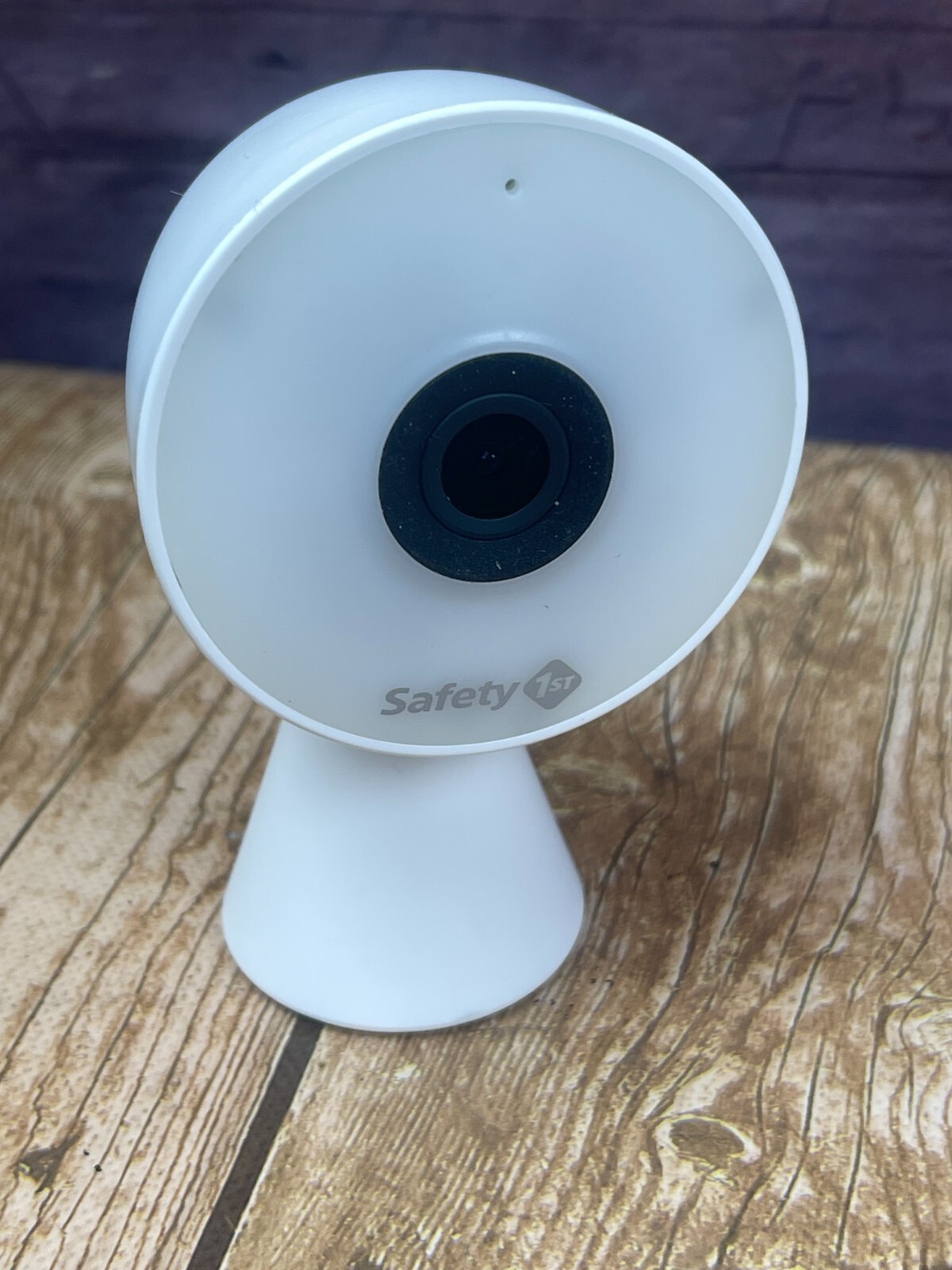 Safety 1st HD Wi-Fi Baby Monitor Camera with Sound and Movement Detecting MO163$12.72
 View on eBay
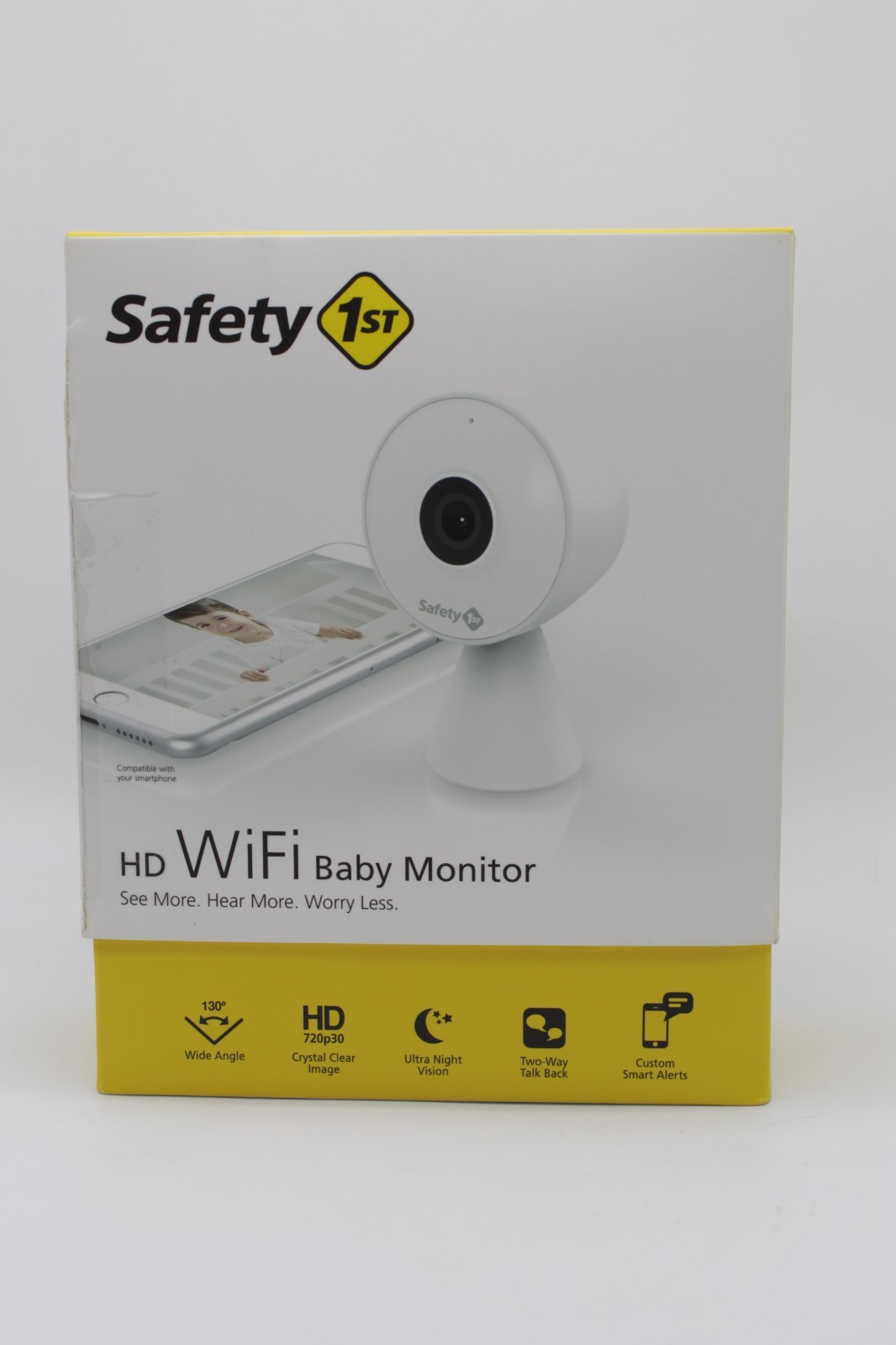 Safety 1st HD Wi-Fi Baby Monitor Camera with Sound & Motion Detection - Open Box$17.99View on eBay
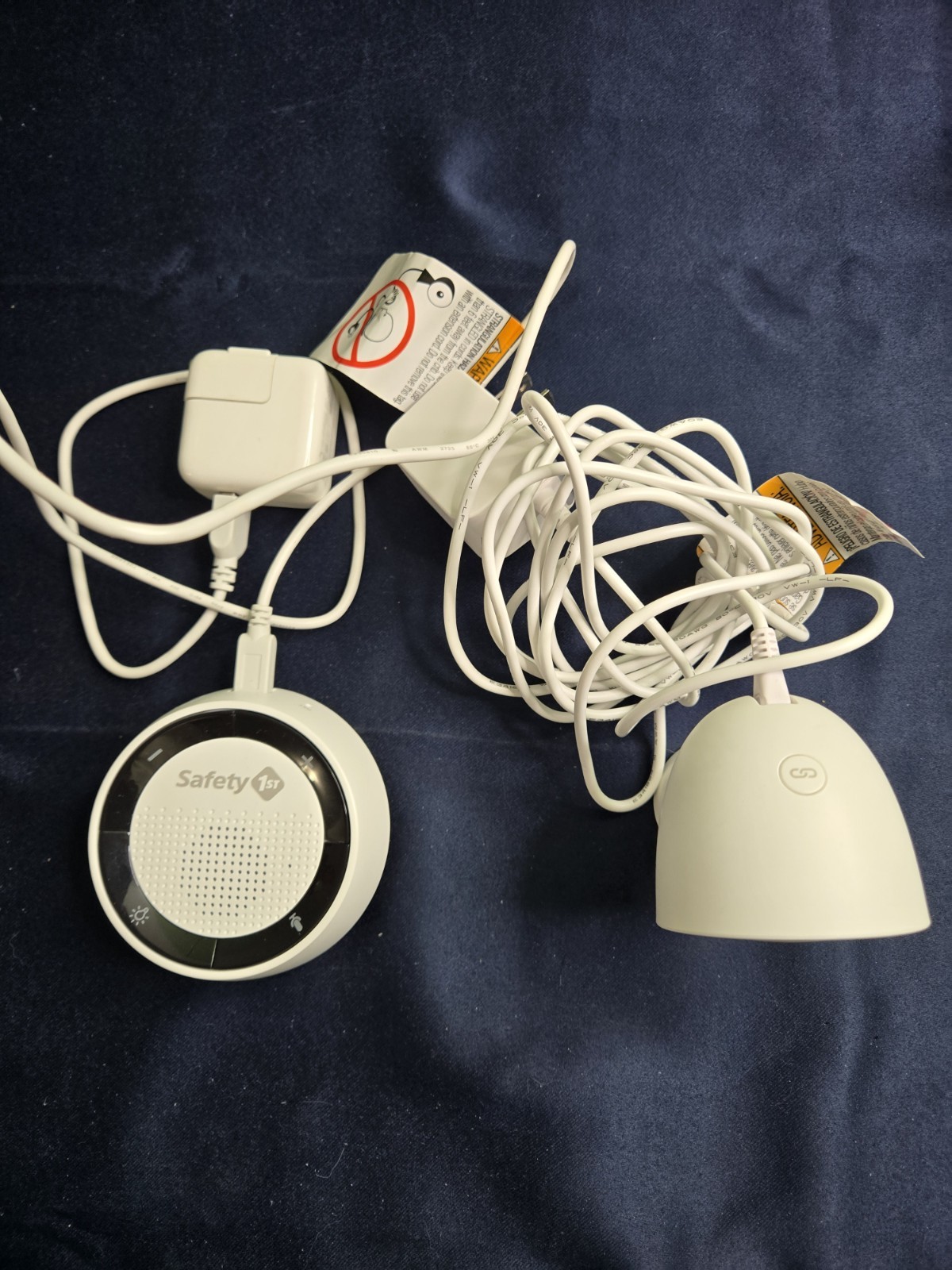 Safety 1st HD Wi-Fi Baby Monitor Camera MO163 Complete & Tested$19.95View on eBay
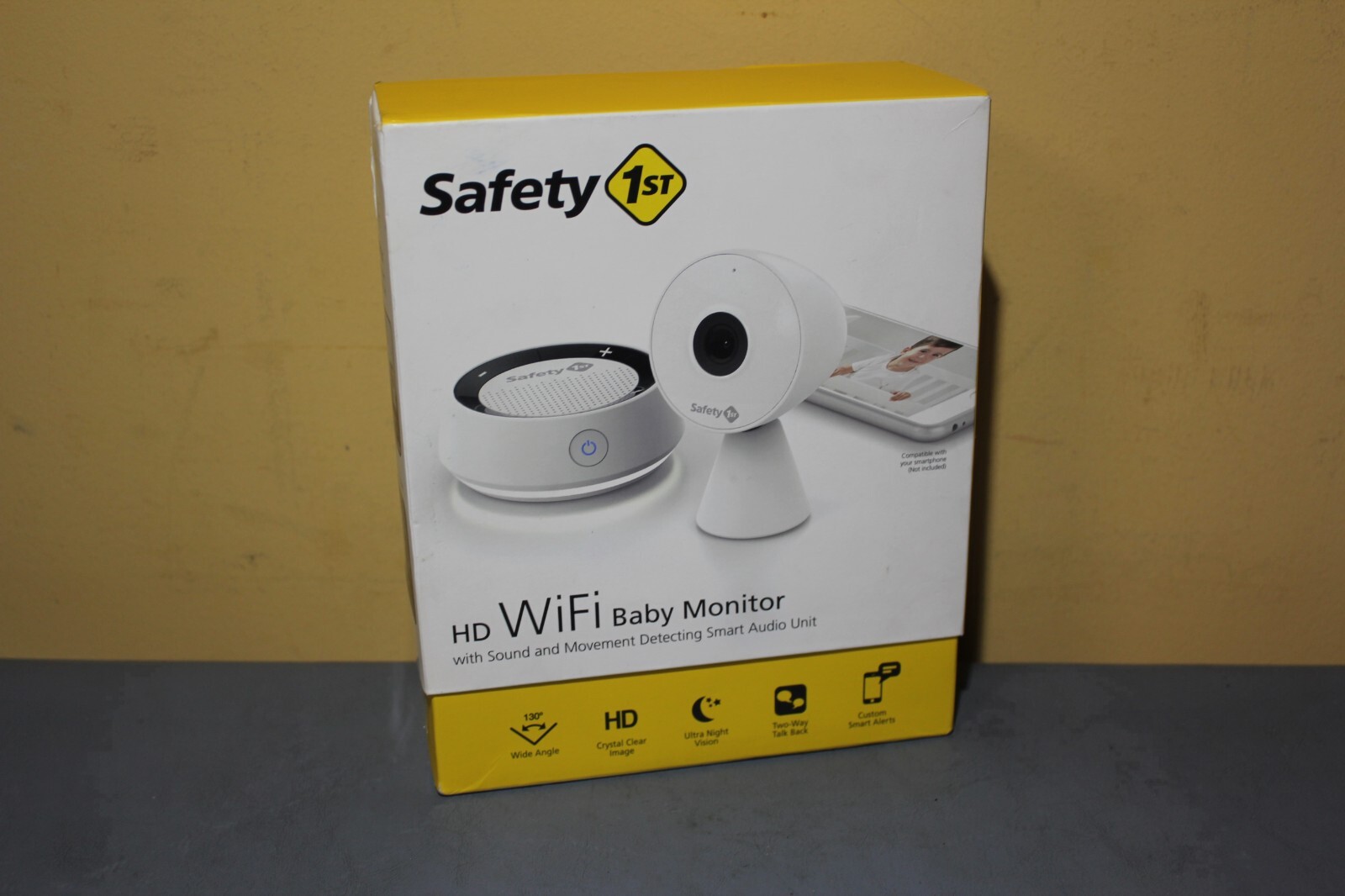 Safety 1st - HD WiFi Baby Monitor Camera MO163 - New$19.95View on eBay
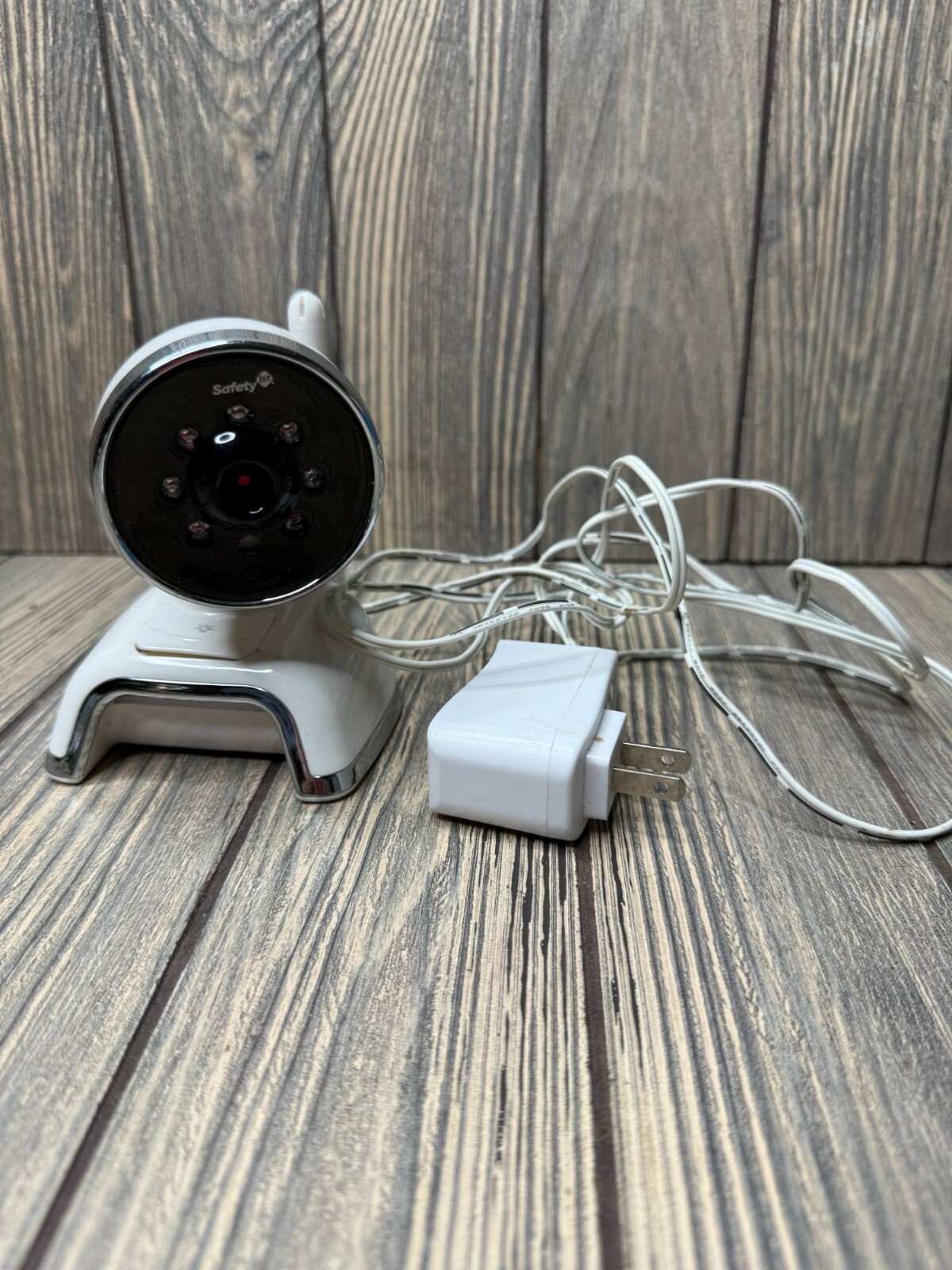 Safety 1st Touch Tech Baby Monitor Camera With Adapter & Night Vision MO140$23.99View on eBay
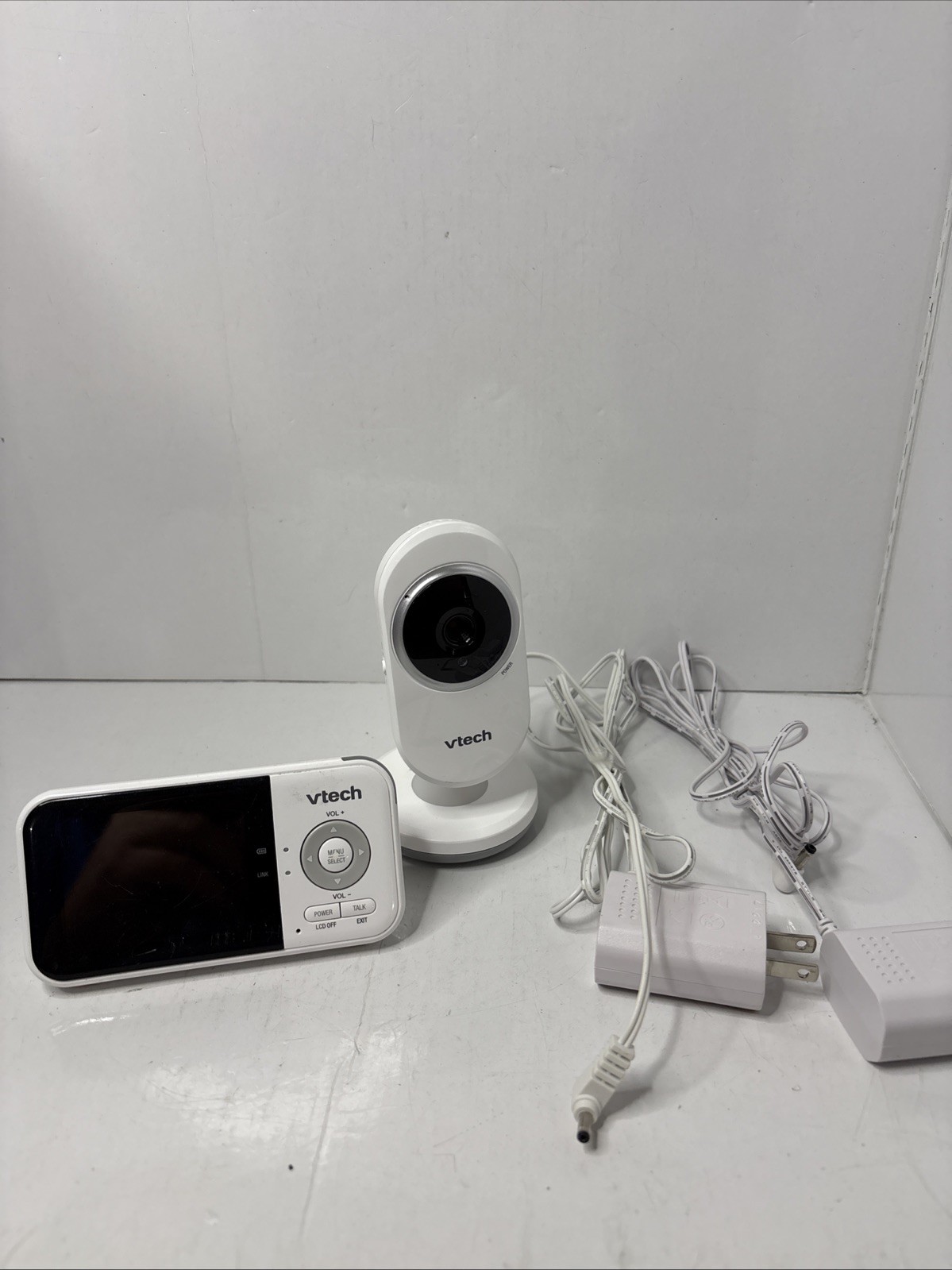 VTech VM3254 2.8 in Baby Monitor Camera Set - Tested Works Great *** Baby Safety$24.99View on eBay
 GoodBaby 5" Baby Monitor with Camera and Audio, No WiFi Secure Camera, 30-Hour$25.88View on eBay
 GoodBaby 5" Baby Monitor with Camera and Audio, No WiFi Secure Camera, 30-Hour$25.89View on eBay
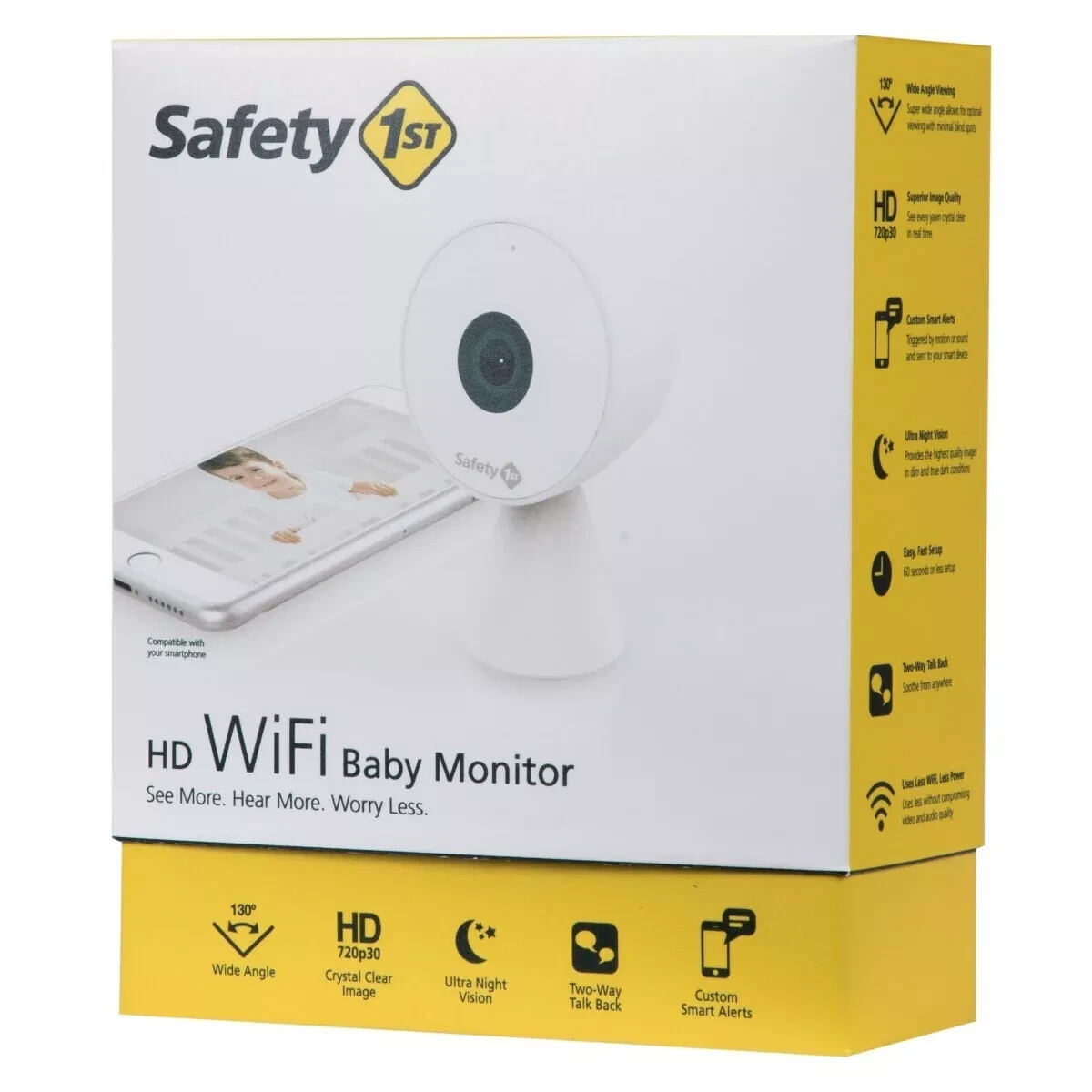 Safety 1st HD Wi-Fi Baby Monitor Camera with Sound- and Movement-Detecting$28.20View on eBay
 Baby Car Camera, 4.3" HD Night Vision Car Baby Monitor with Camera, Safety Seat$28.93View on eBay
- Itomoro Baby Car Camera, 4.3" HD Night Vision Car Baby Monitor with Camera, Safe$29.07View on eBay
- Itomoro Baby Car Camera, 4.3" HD Night Vision Car Baby Monitor with Camera, Safe$29.99View on eBay
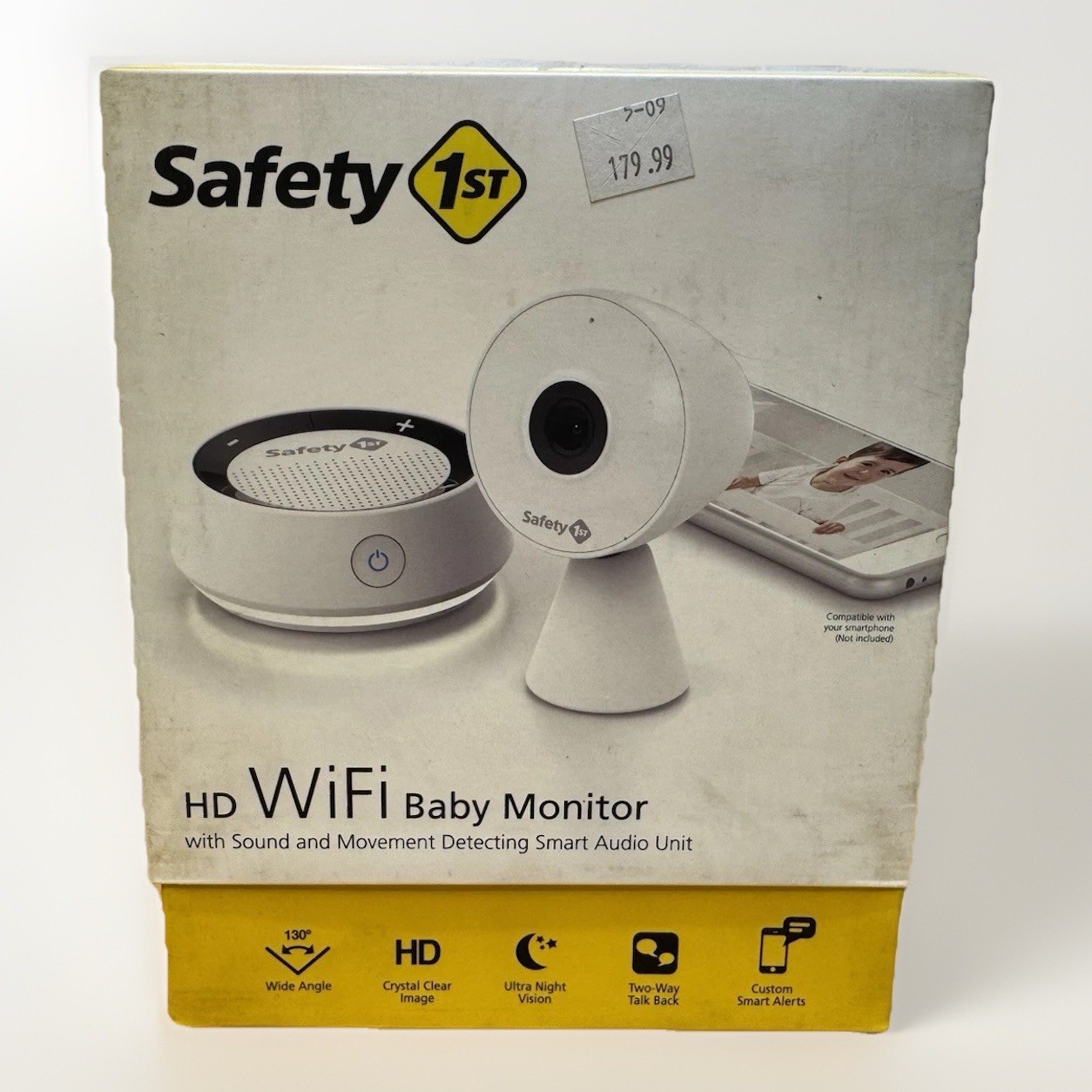 Safety 1st HD WiFi Streaming BABY Monitor Camera With Audio Movement Detection$29.99View on eBay
- Itomoro Baby Car Camera, 4.3" HD Night Vision Car Baby Monitor with Camera, Safe$31.36View on eBay
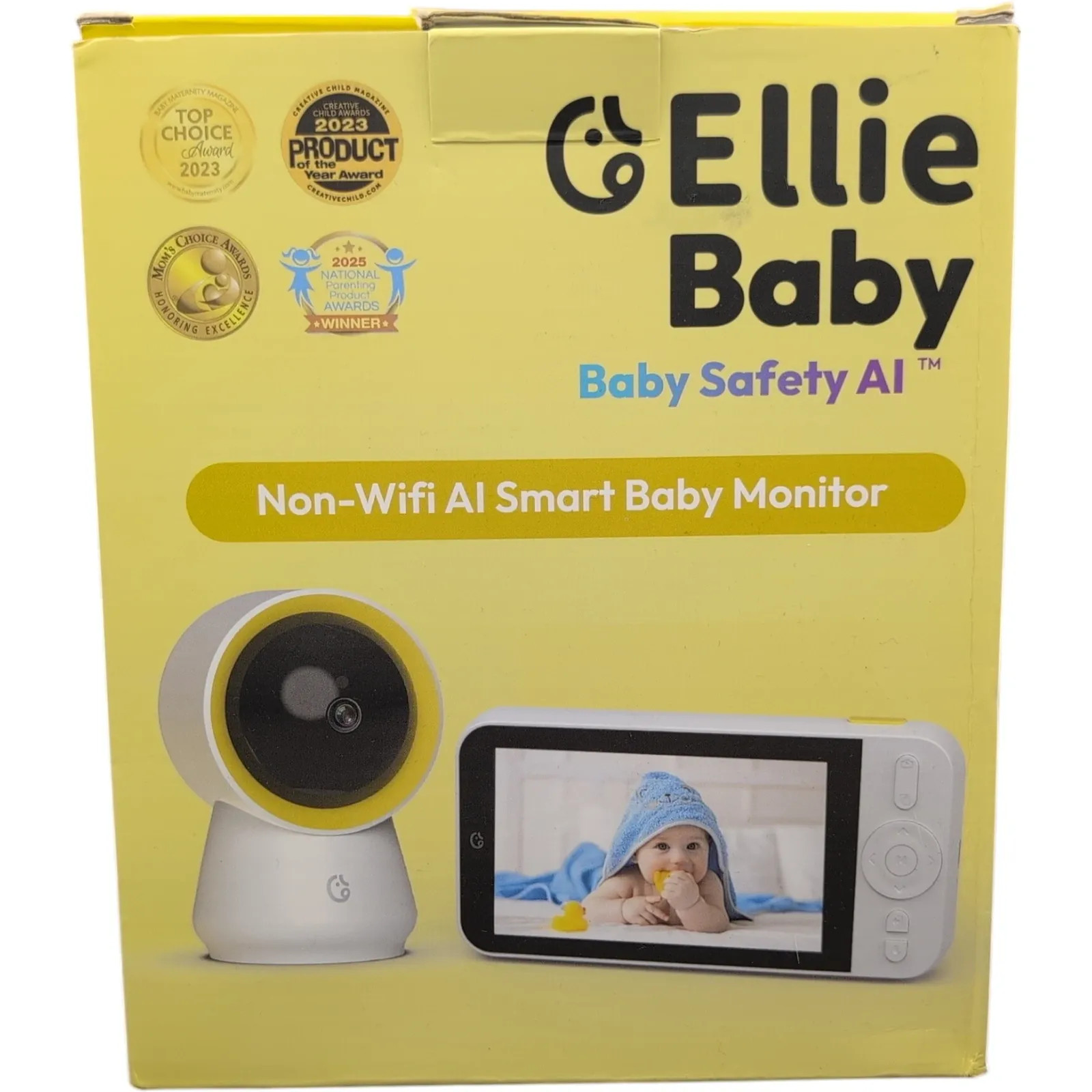 Ellie Baby Non-Wifi AI Smart Baby Monitor Camera 5in Screen SC-AI04 White HD$31.54View on eBay
 Baby Car Camera, 4.3" HD Night Vision Car Baby Monitor with Camera, Safety Seat$31.72View on eBay
- Baby Car Camera, 4.3" HD Night Vision Car Baby Monitor with Camera, Safety Seat$31.99View on eBay
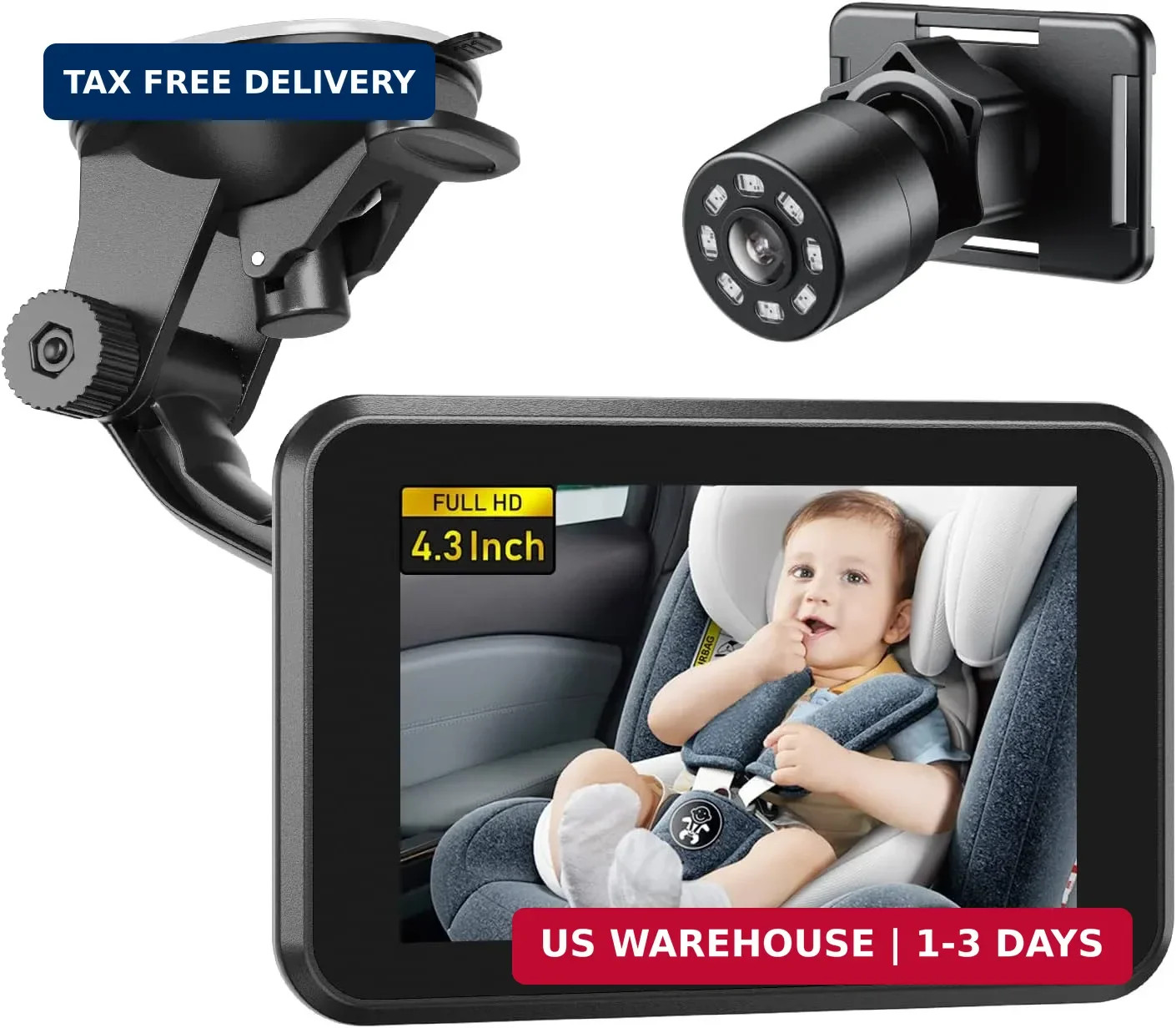 Itomoro Baby Car Camera, 4.3" HD Night Vision Car Baby Monitor with Camera, Safe$32.48View on eBay
- Baby Car Camera, 4.3" HD Night Vision Car Baby Monitor with Camera, Safety Seat$32.90View on eBay
- Baby Car Camera, 4.3" HD Night Vision Car Baby Monitor with Camera, Safety Seat$32.94View on eBay
Highlights
- Dedicated monitors use FHSS or DECT radio links that keep video local, cut latency under 200 ms, and cannot be accessed over the internet.
- Wi-Fi cameras need WPA2/WPA3 encryption, two-factor authentication, and local microSD or NAS recording to avoid cloud-only dependency.
- Display size drives detail: 2.8-inch screens suit audio-first checks, while 4.3-5.5-inch 720p/1080p panels make night-vision faces and breathing motion legible.
- Night vision range is set by IR LED count and wavelength: 940 nm LEDs avoid visible red glow but reach less distance than 850 nm arrays.
Best use cases
- Pick a non-Wi-Fi FHSS monitor with a dedicated 2.8-5 inch parent screen for overnight sleep and low-latency audio; skip app-only cameras if you want zero network exposure.
- Pick a Wi-Fi camera with local microSD recording, 2FA, and 1080p for remote check-ins from work or travel; skip cloud-only models with no local storage fallback.
- Pick a multi-camera-capable system (2-4 channels) for two children or a nursery plus playroom; skip single-camera kits if you will need a second view within a year.
- Pick a car/portable camera with suction or seat mount and 12V adapter only for vehicle use; skip it for nursery duty because mounting and power differ.
Buying tips
- Choose FHSS/DECT for the nursery and reserve Wi-Fi for travel or secondary viewing; mixing both gives local reliability plus remote access.
- Match screen size to use: under 3 inches for audio-first light sleepers, 4.3 inches and up for visual breathing-motion checks.
- For two kids, confirm the parent unit supports at least 4 camera channels and split-screen or auto-cycle viewing.
- Check night vision spec: 850 nm IR gives longer range, 940 nm IR is invisible but shorter; both need total darkness to work.
Specs
| Connection Type | FHSS/DECT closed vs Wi-Fi app |
|---|---|
| Parent Display | 2.8-5.5 in, 720p-1080p |
| Night Vision | IR 850 nm long-range / 940 nm invisible |
| Camera Channels | 1-4 cameras, split-screen |
Related searches
What to check before buying
- Measure the distance from camera to crib and to the parent-unit charging spot; FHSS range drops through two walls, so plan a repeater or closer mount.
- Confirm the camera mount type works with your wall, shelf, or crib rail; avoid loose cables within 3 feet of the crib.
- Check your Wi-Fi band and router: most cameras need 2.4 GHz, and 5 GHz-only networks require a dual-band router or extender.
- Verify plug standard and voltage for your region (100-240V adapter or USB-C) and whether the parent unit runs on battery or mains only.
FAQ
Data sources: eBay / Amazon listings and product attribute feeds Data updated Nov 17, 2026.
Some links on this page are affiliate links. If you buy after clicking one, we may earn a commission at no extra cost to you. This does not change which products appear here or their order. Affiliate disclosure.