Photos from current listings. Actual item, color, and included accessories may vary.
Baby Formula Buying Guide
Baby formula spans powder, liquid concentrate, and ready-to-feed formats, each differing in protein architecture (intact cow's-milk vs partially hydrolyzed vs amino-acid elemental), carbohydrate source (lactose vs corn syrup solids), and sterilization/packaging. The core trade-off is digestive tolerance and allergen risk versus cost and convenience, while preparation equipment adds a separate durability layer of heating precision and cleaning. The decision rule: match the protein tier to the infant's clinical need (routine term, colic/reflux, or diagnosed allergy) and choose a preparation method that guarantees water at 158°F/70°C for powder safety.

At a glance
- Category
- Feeding & Sterilizing
- Data updated
- Nov 17, 2026
Current offers
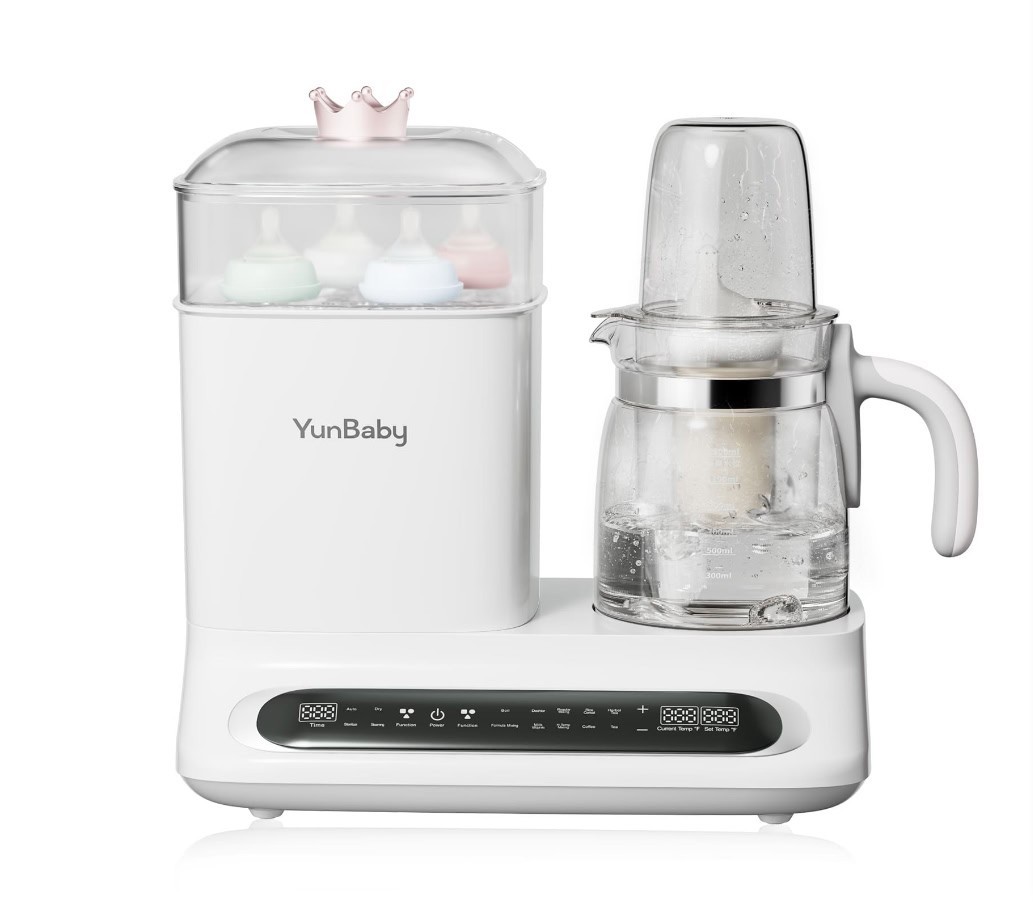 Baby Bottle Warmer Sterilizer Dryer 44oz Formula Kettle with Storage Rack 110V$81.80
 View on eBay
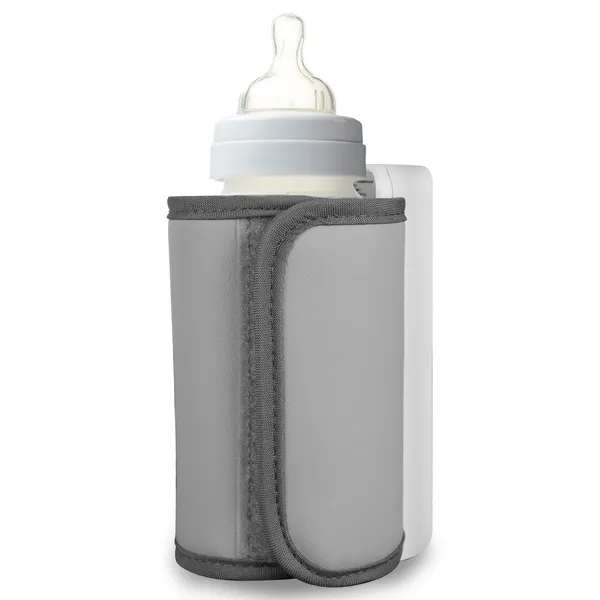 Portable Bottle Warmer On The Go Baby Milk Formula For Travel With 6 Heating Levels USB Rechargeable Keep Warm For 5 Hours$49.99
 View on Mallflare
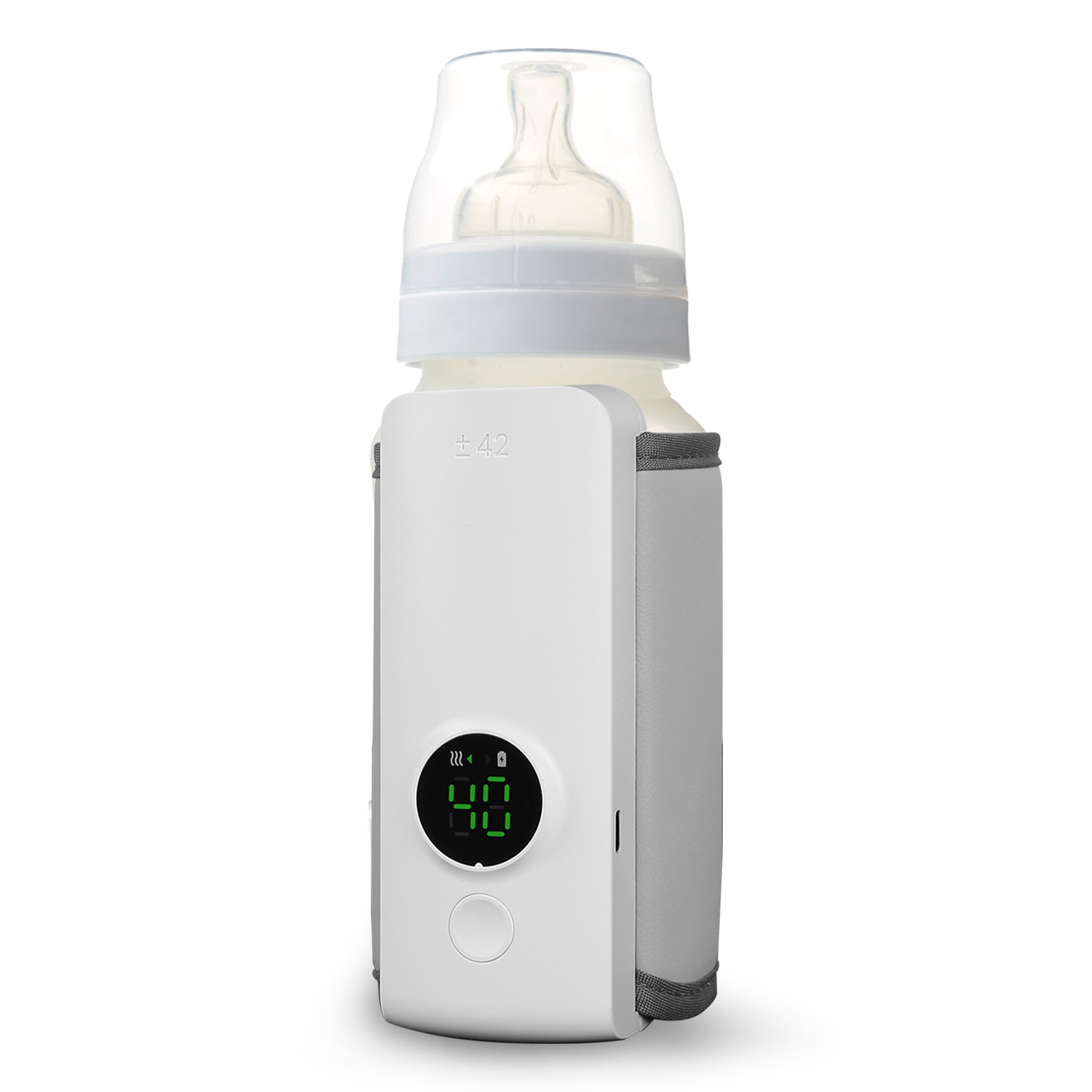 1Pc Portable Bottle Warmer Baby Milk Formula For Travel With 6 Heating Levels USB Rechargeable Keep Warm For 5 Hours No Included$52.99View on Mallflare
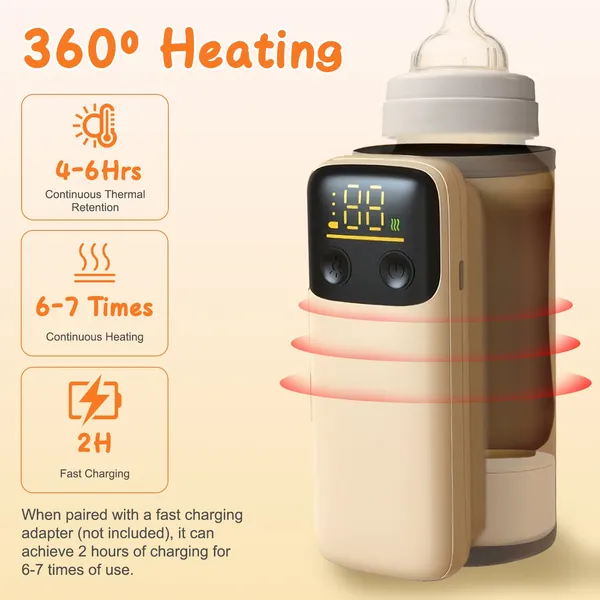 Portable Bottle Warmer With Night Light Baby Milk Formula For Home Travel 6 Heating Levels$56.99View on Mallflare
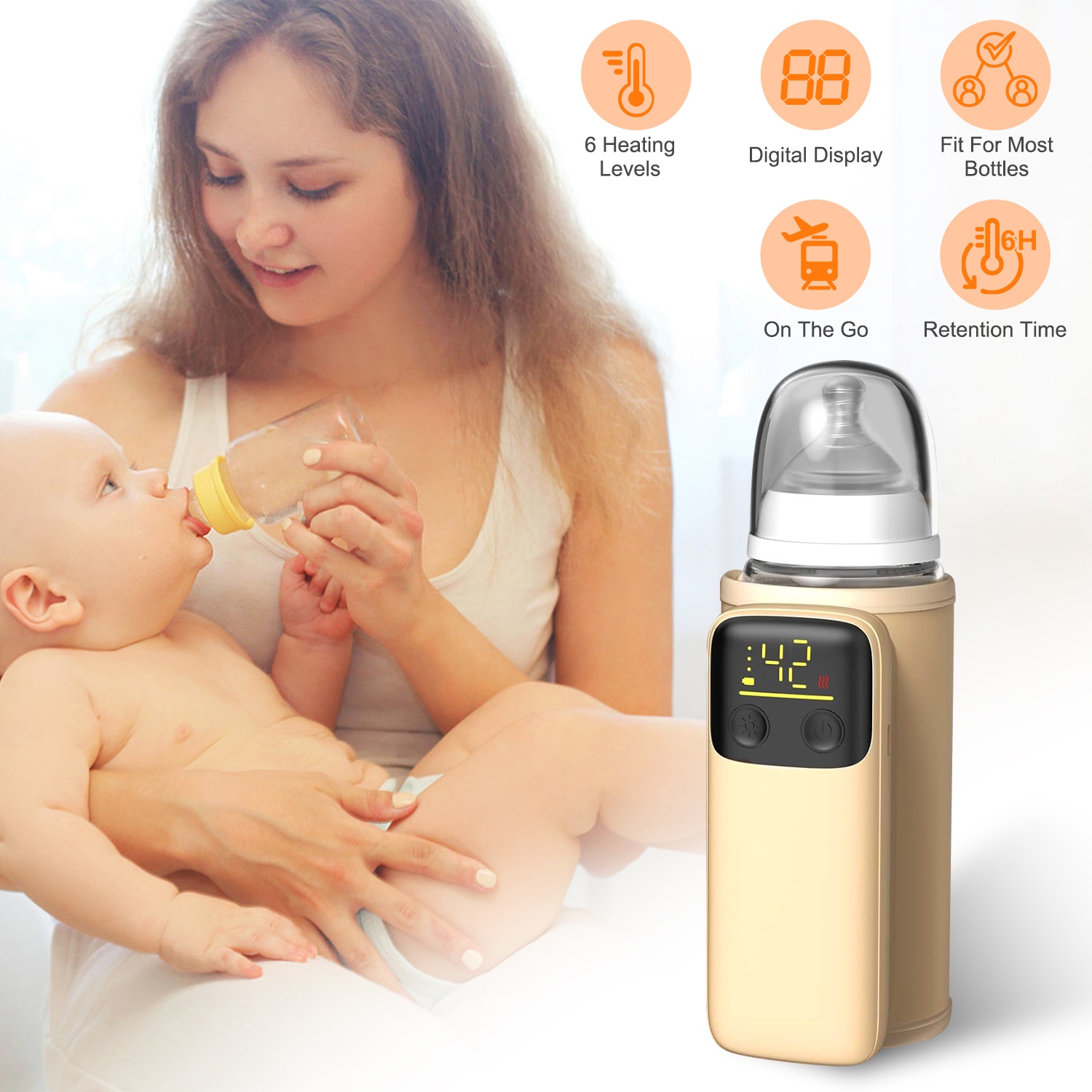 1Pc Portable Bottle Warmer With Night Light On The Go Baby Milk Formula For Home Travel 6 Heating Levels$62.99View on Mallflare
Highlights
- Protein tiers dictate tolerance: intact cow's-milk protein for routine term infants; partially hydrolyzed 100% whey for colic and reflux; extensively hydrolyzed or amino-acid formulas only for diagnosed cow's-milk protein allergy.
- Powder is not sterile: WHO and CDC recommend mixing powder with water at 158°F/70°C to kill Cronobacter sakazakii, then cooling; ready-to-feed liquid is sterile and requires no heating for safety.
- Lactose is the gold-standard carbohydrate for term infants; lactose-free and soy formulas swap in corn syrup solids or sucrose and are reserved for confirmed lactase deficiency or galactosemia, not routine fussiness.
- Preparation hardware tiers split by function: USB-rechargeable portable warmers (6 heat levels, ~5-hour hold) for travel; 110V countertop kettle-sterilizer-dryer combos (44 oz capacity, storage rack) for home volume and sanitizing.
Best use cases
- Breastfed supplementation: choose a standard intact-protein cow's-milk powder with lactose as the first carbohydrate for the closest nutritional profile; skip soy and lactose-free unless medically indicated.
- Colic or reflux: pick a partially hydrolyzed 100% whey formula with reduced lactose; skip extensively hydrolyzed or amino-acid formulas, which are for diagnosed allergy and cost significantly more.
- Home volume feeding: pair powder formula with a 110V kettle-sterilizer-dryer combo (44 oz, storage rack) to batch-prepare and sanitize bottles; skip USB portable warmers, which are for travel only.
- Travel and overnight: use ready-to-feed sterile liquid or a USB-rechargeable portable warmer with 6 heat levels for on-the-go bottles; skip countertop units that require mains power.
Buying tips
- For powder, boil water and let it cool to 158°F/70°C before mixing, then cool under running water to feeding temperature—this sterilizes the powder without degrading nutrients.
- Match protein tier to symptoms: routine term = intact cow's-milk; colic/gas = partially hydrolyzed whey; diagnosed CMPA = extensively hydrolyzed or amino-acid, never soy as first substitute.
- Portable warmers: choose USB-rechargeable units rated for 5-hour hold and 6 heat levels for travel; for home, a 110V kettle with 44 oz capacity and sterilizer-dryer function covers bottles and pump parts.
- Ready-to-feed liquid is sterile and needs no boiling water; use it for newborns, immunocompromised infants, or when clean water access is uncertain—powder is the cost-effective routine option.
Specs
| Protein Tier | Intact / Partially Hydrolyzed / Amino-Acid |
|---|---|
| Carbohydrate Source | Lactose vs Corn Syrup Solids / Sucrose |
| Formula Format | Powder / Liquid Concentrate / Ready-to-Feed |
| Prep Equipment Power | USB Rechargeable vs 110V Mains |
Related searches
What to check before buying
- Confirm the infant's age and clinical status (term, preterm, colic, diagnosed allergy) before selecting protein tier; preterm and low-birth-weight infants need specialized 22–24 kcal/oz formulas.
- Check water source: if safe boiled water is unavailable, choose ready-to-feed liquid; if using powder, a kettle with temperature control to 158°F/70°C is required.
- Verify plug standard for countertop units: US models are 110V; portable warmers use USB-C or USB-A rechargeable power and need no outlet.
- Measure bottle and storage capacity: 44 oz kettle systems suit batch preparation and pump-part sanitizing; portable warmers fit standard 4–9 oz bottles only.
FAQ
Data sources: eBay / Amazon listings and product attribute feeds Data updated Nov 17, 2026.
Some links on this page are affiliate links. If you buy after clicking one, we may earn a commission at no extra cost to you. This does not change which products appear here or their order. Affiliate disclosure.