Photos from current listings. Actual item, color, and included accessories may vary.
Bottle Infant With Gas Buying Guide
Anti-gas infant bottles combine a vented nipple or internal air-return system with a soft, slow-flow teat to reduce swallowed air during feeding. The critical trade-off is vent complexity versus cleaning effort: true anti-colic systems use a separate vent tube, diaphragm, or collapsible silicone body, while basic 'anti-colic' nipples are just shaped teats with no air-return path. Choose a bottle with a documented venting mechanism and a nipple flow rate matched to your baby's age; skip unvented bottles or oversized flow rates that flood the feed.

At a glance
- Category
- Feeding & Sterilizing
- Data updated
- Nov 19, 2026
Current offers
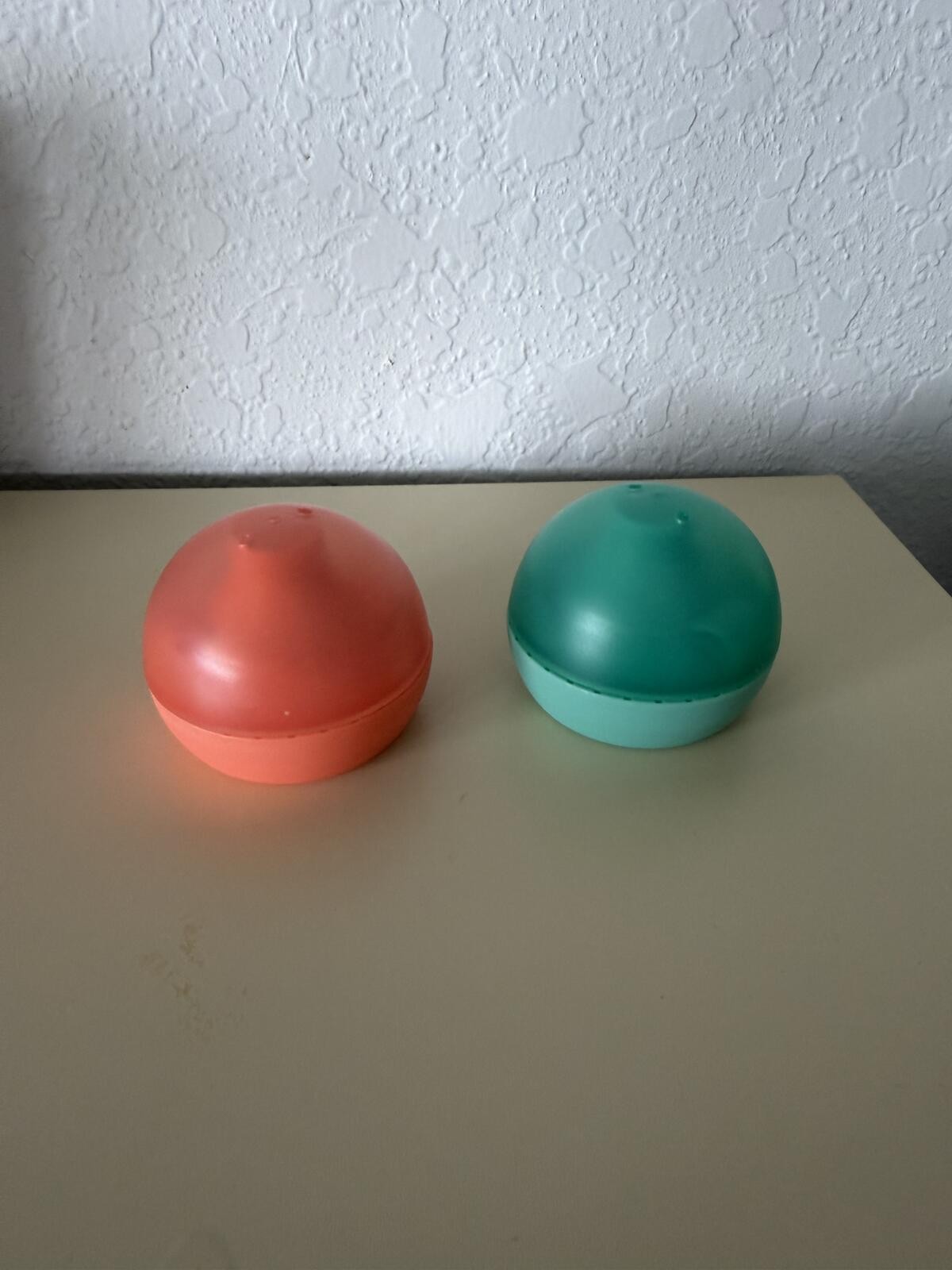 • Baby • Boon Snug Sip Universal Water and Juice Silicone Bottle Toppers$8.00
 View on eBay
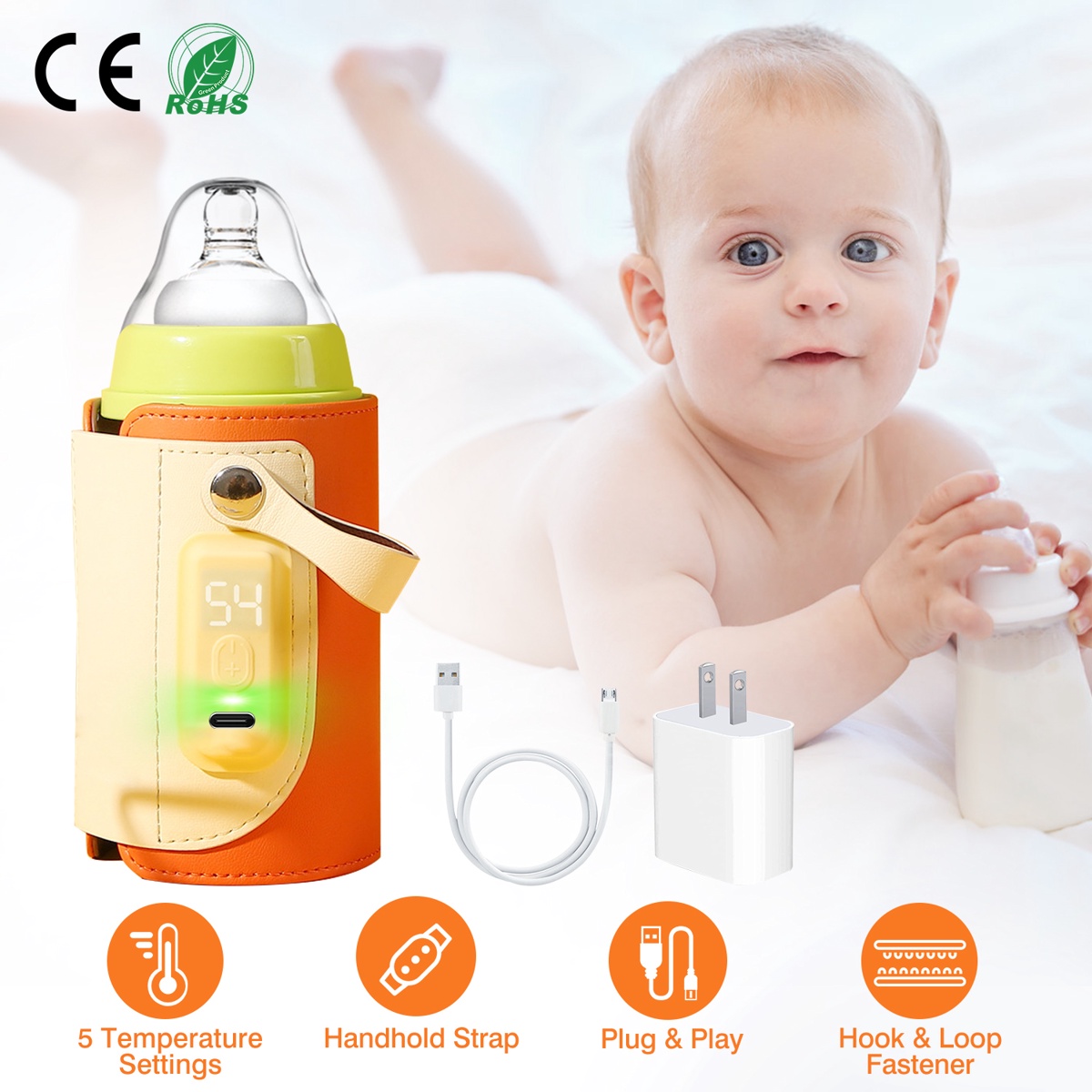 1Pc Portable Baby Milk Warmer 5 Temperature Adjustable Handhold Bottle With Fast Charge Adapter For Outdoor Car Travel$36.99
 View on Mallflare
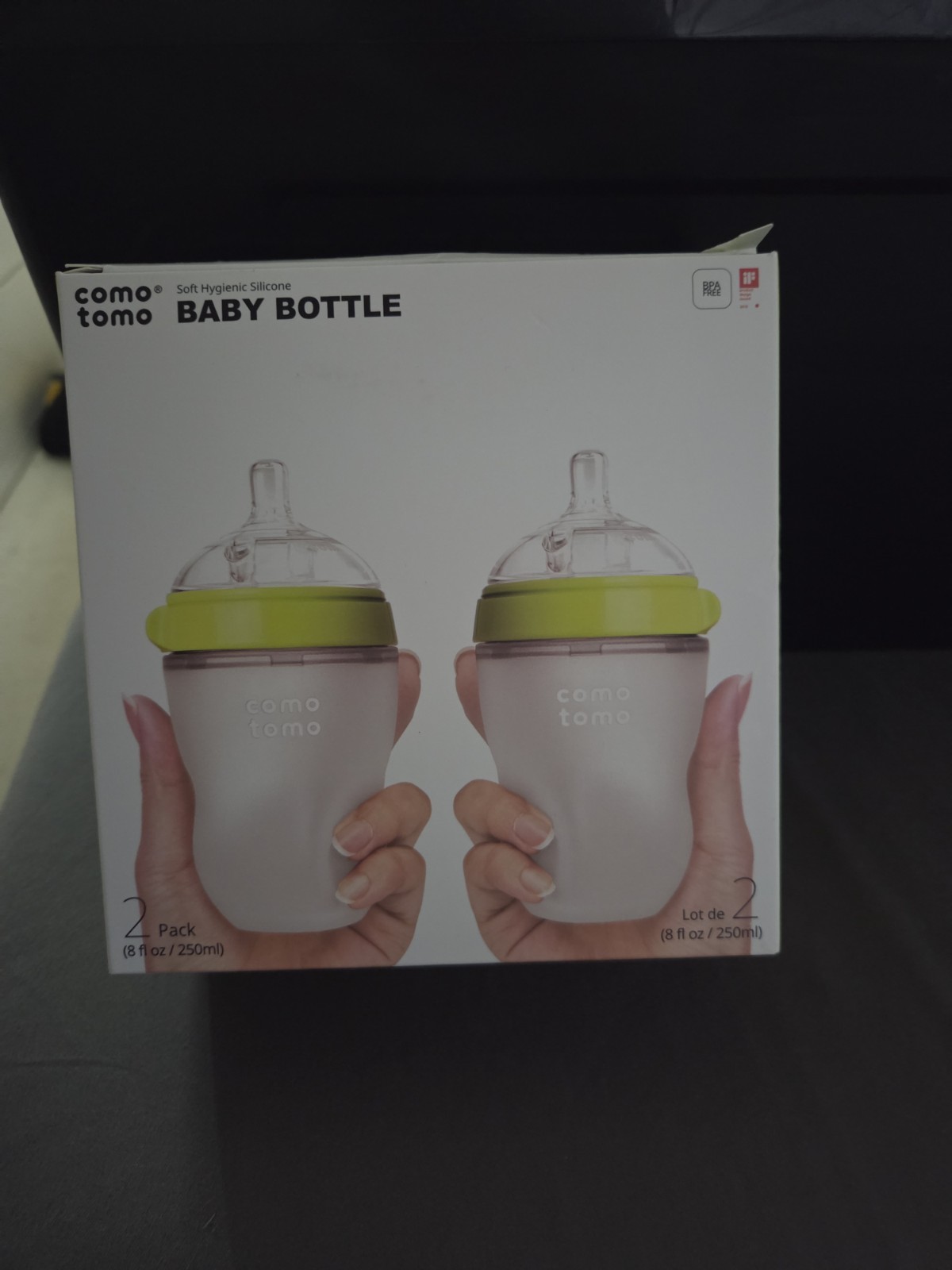 Comotomo Baby Bottle Set, Green - 8oz (2 Pack)$12.99View on eBay
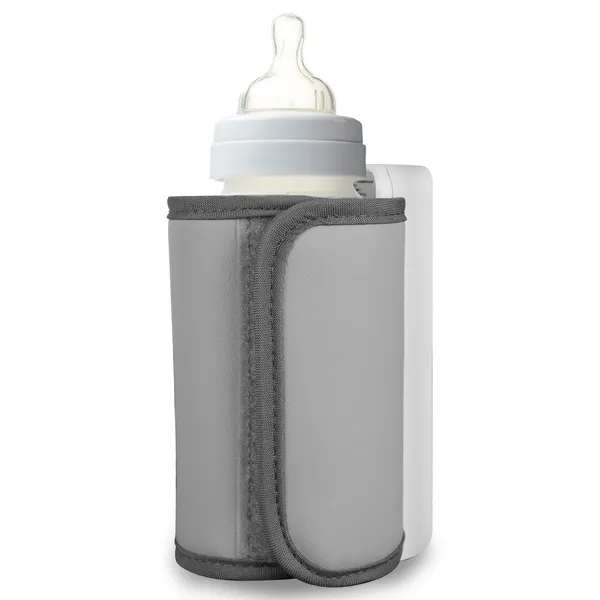 Portable Bottle Warmer On The Go Baby Milk Formula For Travel With 6 Heating Levels USB Rechargeable Keep Warm For 5 Hours$49.99View on Mallflare
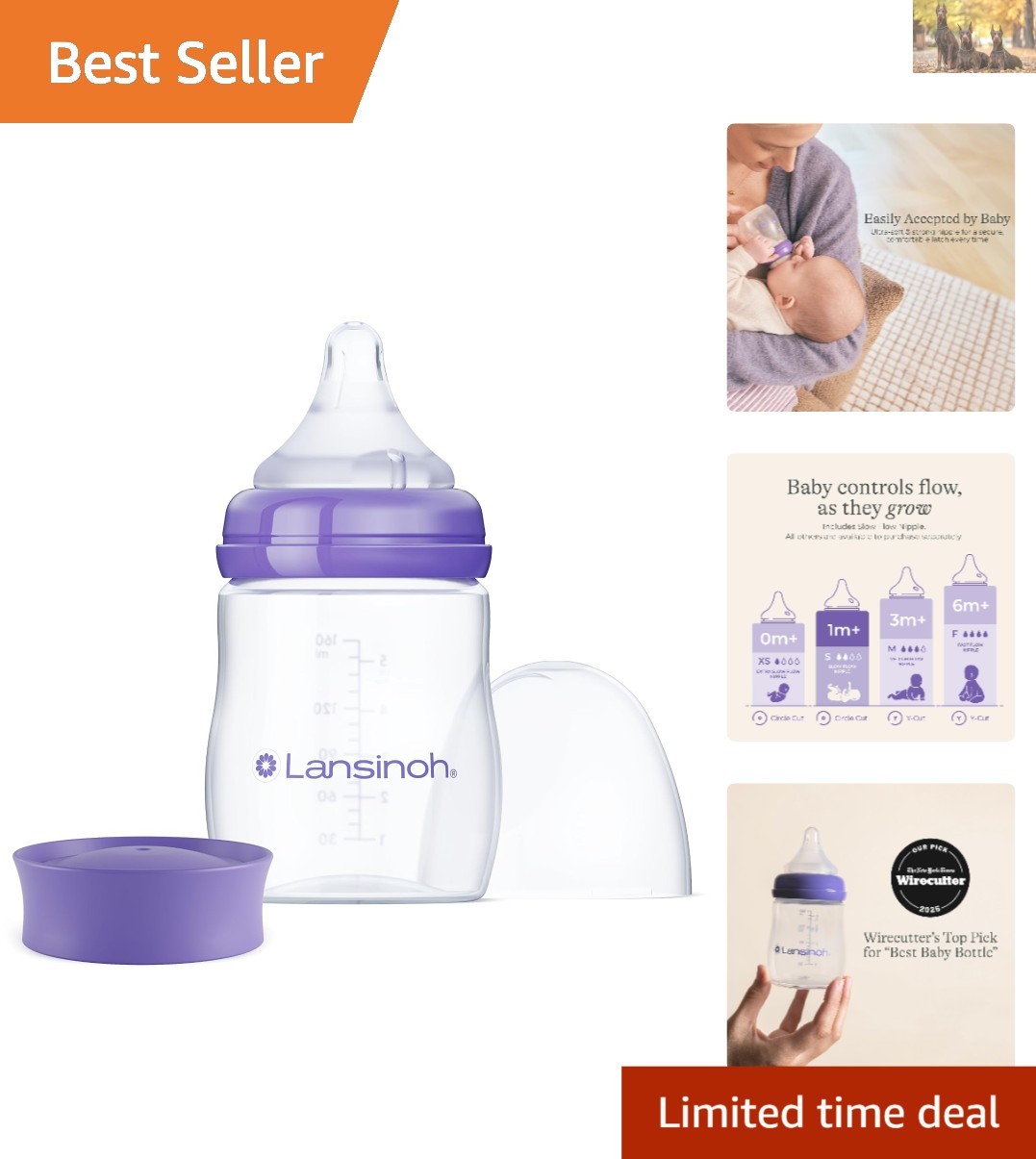 Breastfeeding Friendly Anti-Colic Baby Bottle - 5 oz with Slow Flow Nipple$16.91View on eBay
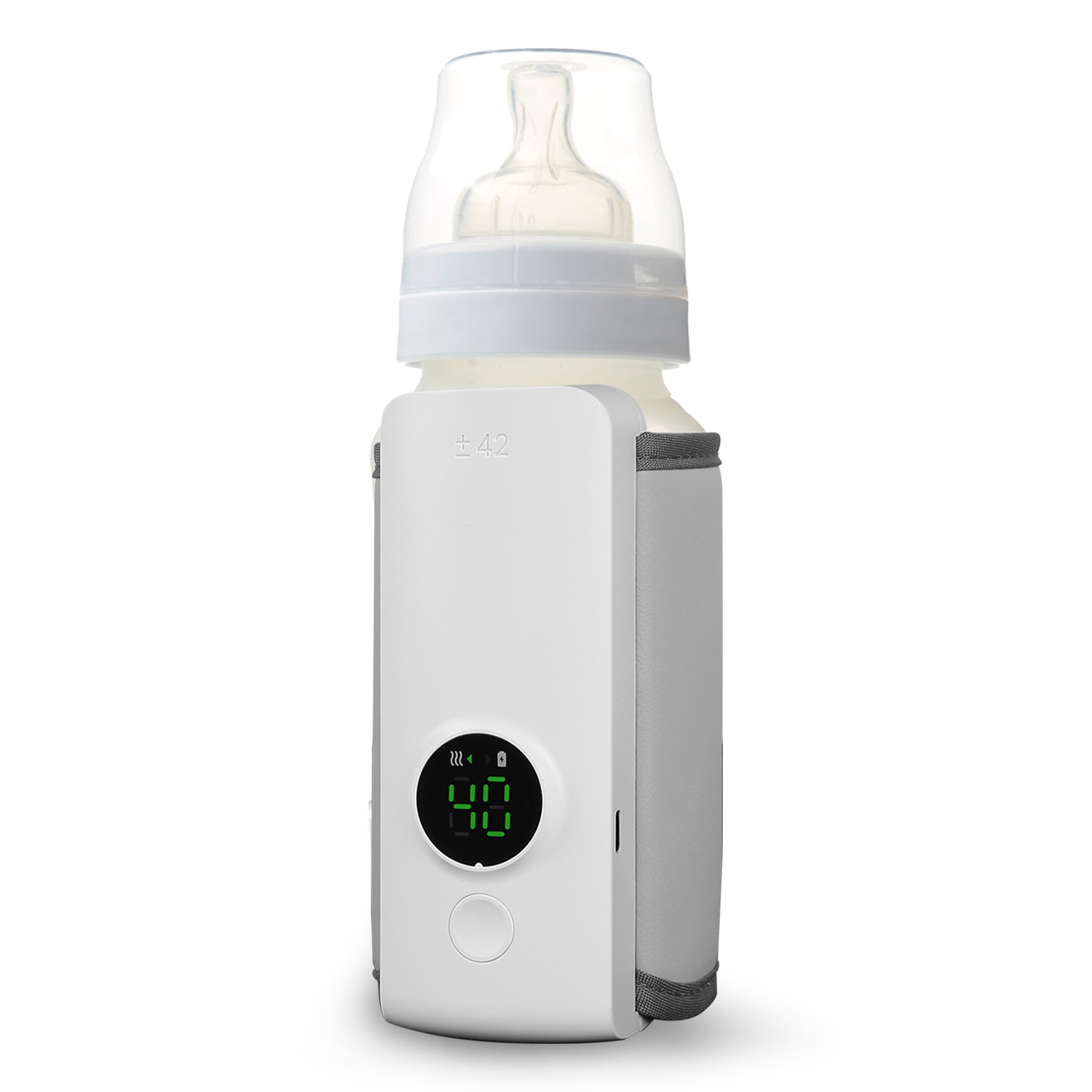 1Pc Portable Bottle Warmer Baby Milk Formula For Travel With 6 Heating Levels USB Rechargeable Keep Warm For 5 Hours No Included$52.99View on Mallflare
 Munchkin Clean Electric Steam Sterilizer sanitizer baby bottle cleaner$20.00View on eBay
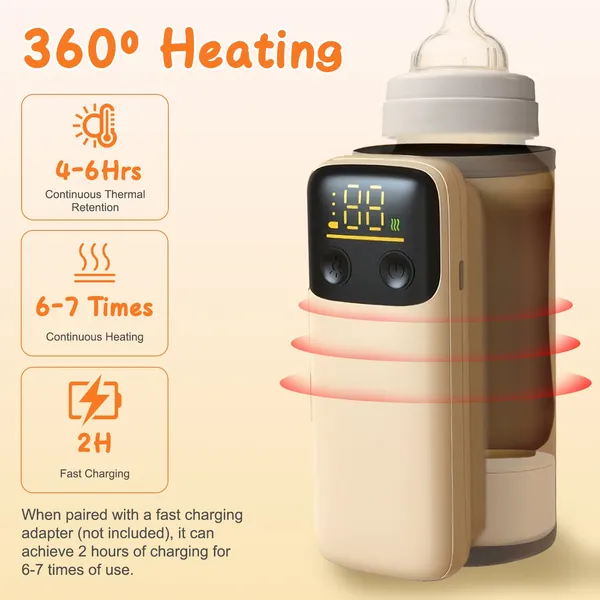 Portable Bottle Warmer With Night Light Baby Milk Formula For Home Travel 6 Heating Levels$56.99View on Mallflare
 Tommee Tippee Natural Start Anti-Colic Baby Bottle, 9oz, Slow-Flow...$21.00View on eBay
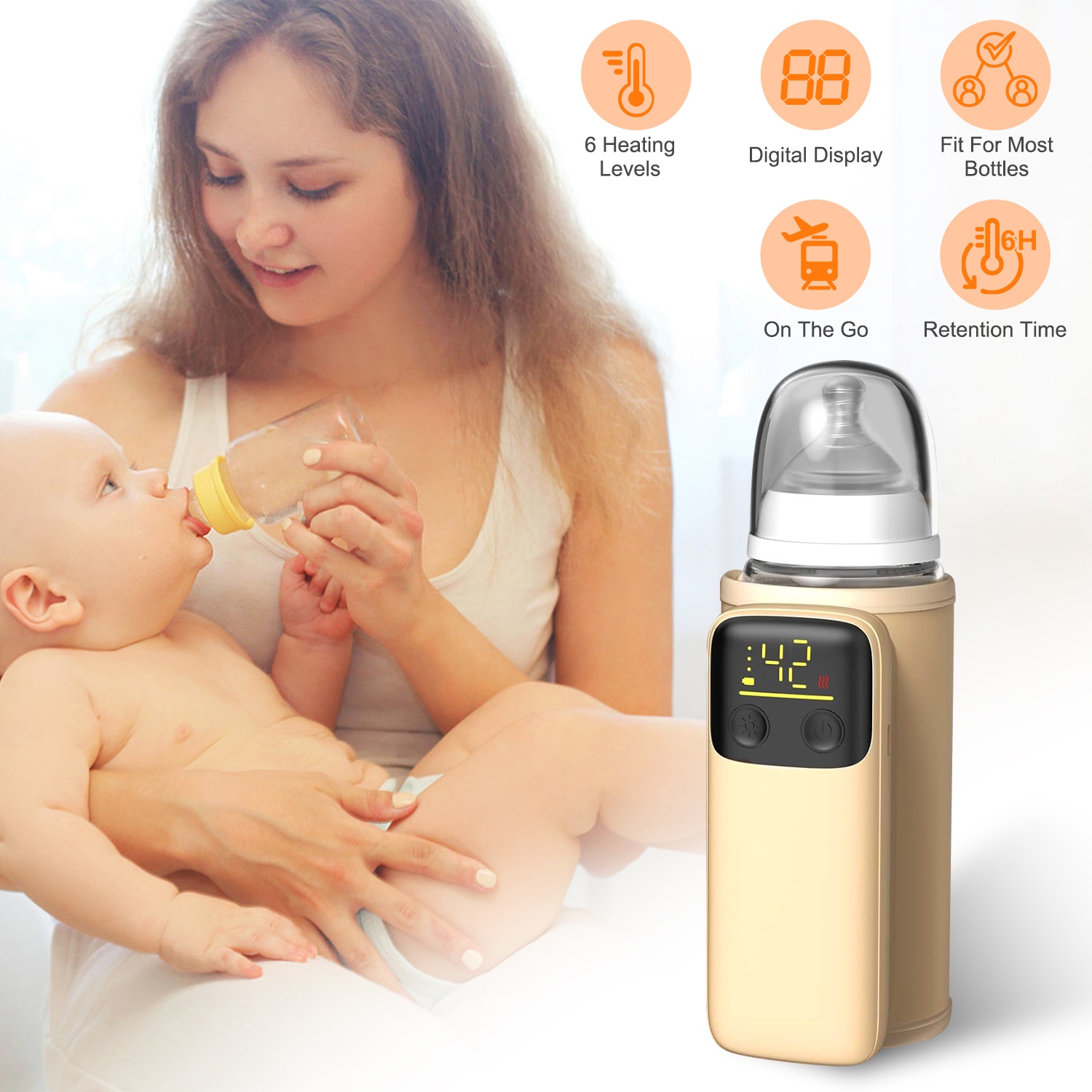 1Pc Portable Bottle Warmer With Night Light On The Go Baby Milk Formula For Home Travel 6 Heating Levels$62.99View on Mallflare
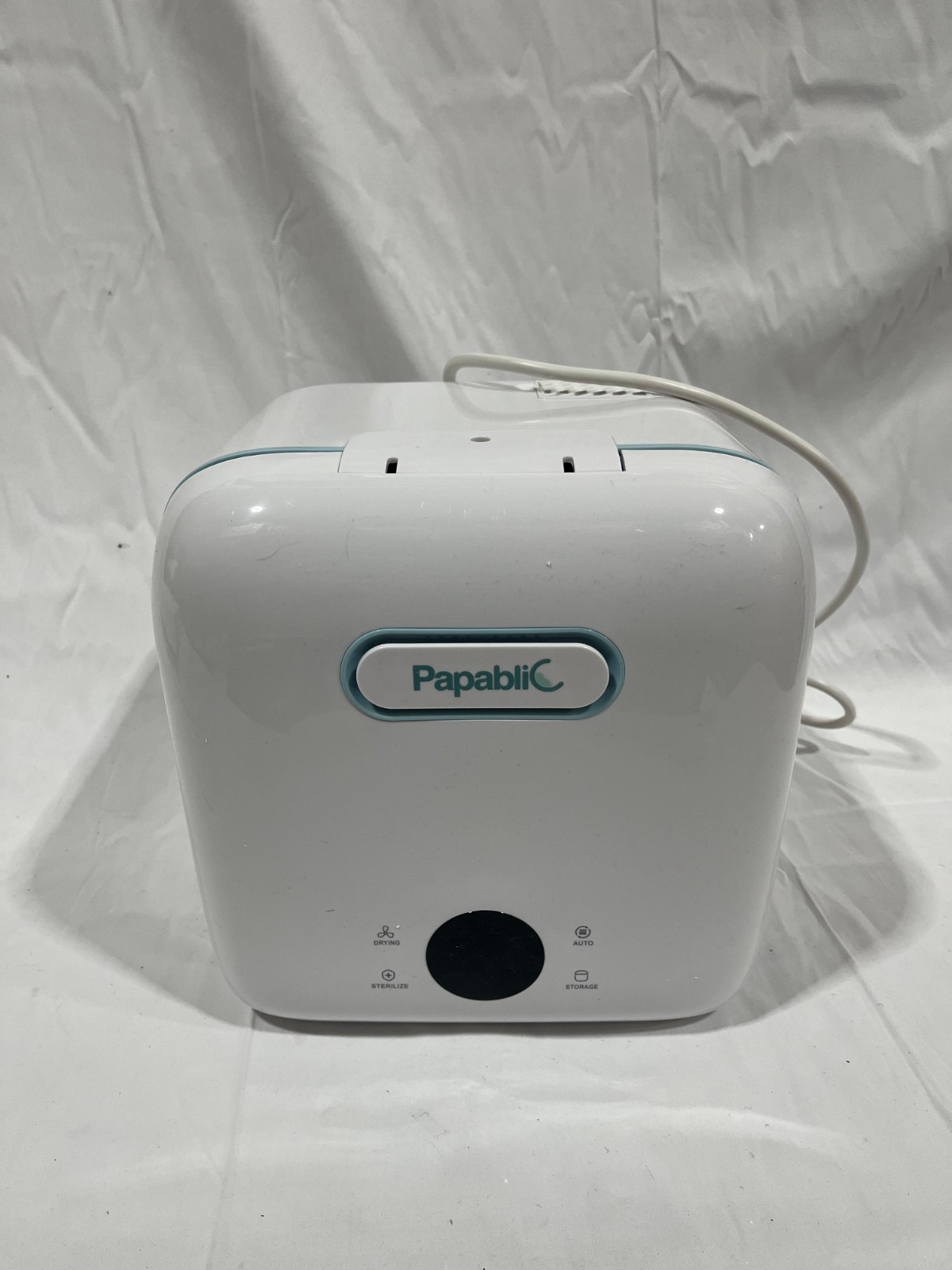 Papablic Baby Bottle Electric Steam Sterilizer and Dryer White 125W Power$22.74Last checked Nov 18, 2026View on eBay
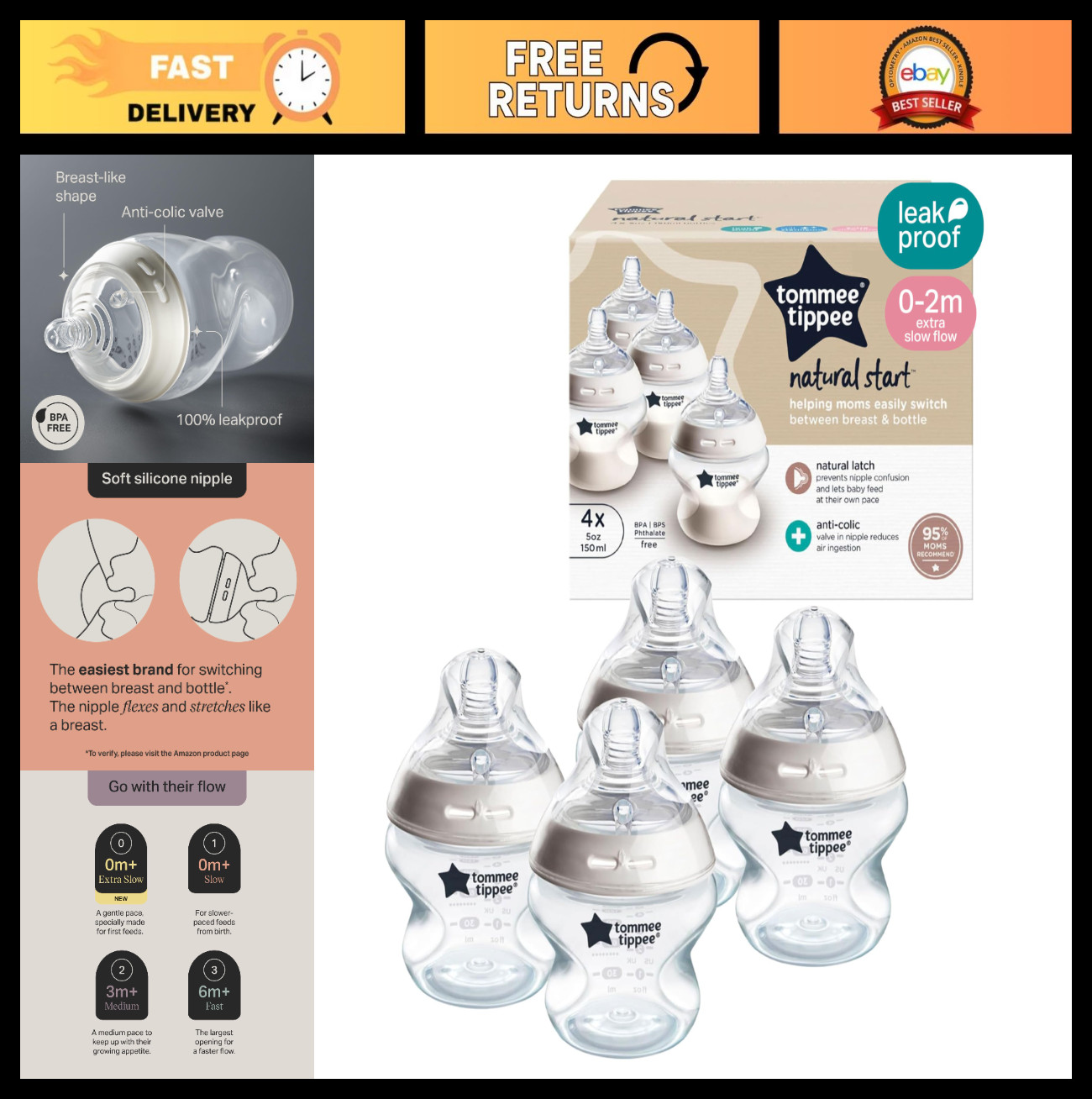 Anti-Colic Baby Bottles 5 oz BPA Free, Slow Flow Nipple, Self-Sterilizing, Pack$31.99View on eBay
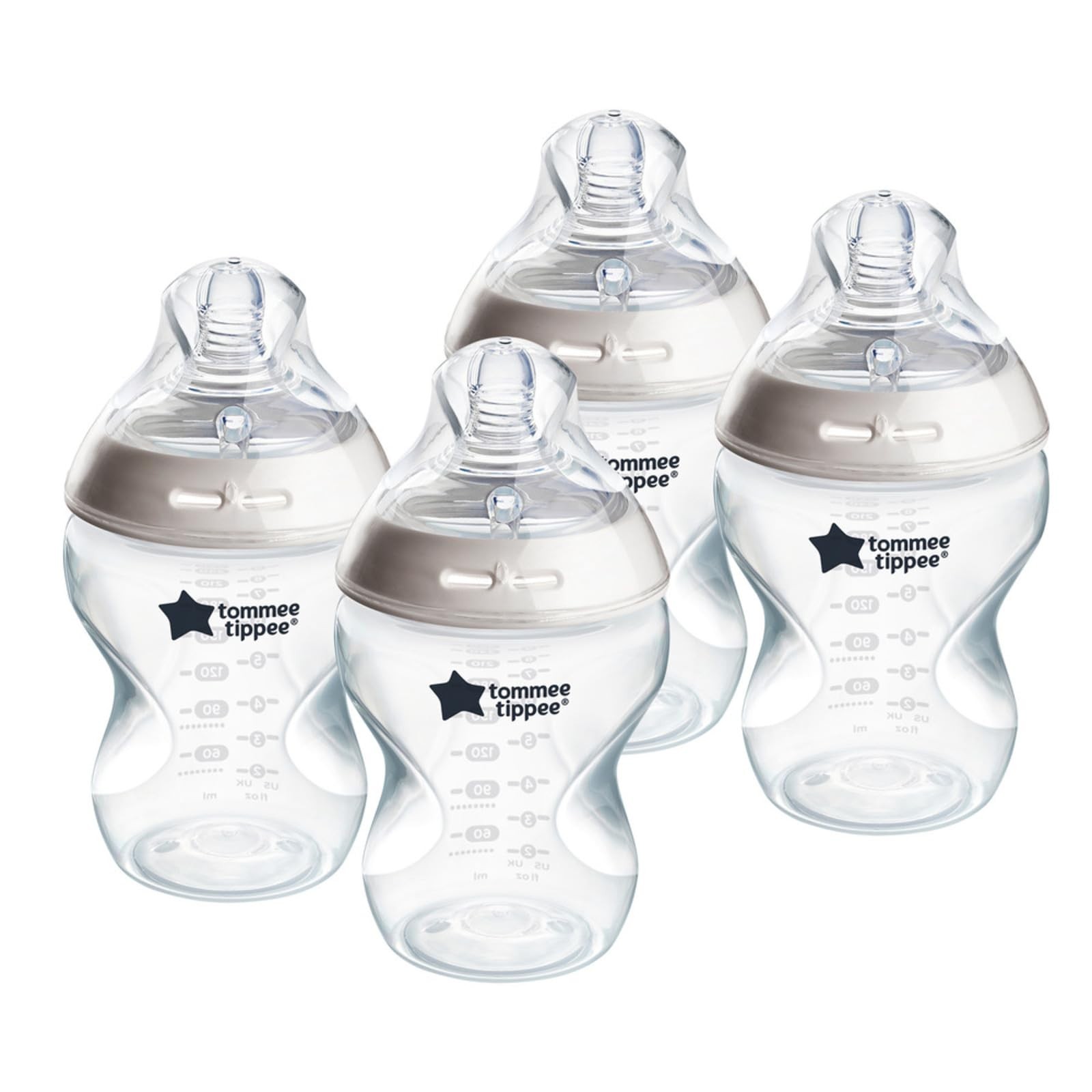 Anti-Colic Baby Bottles 9 oz BPA Free, Slow Flow Nipple, Self-Sterilizing, Pack$33.99View on eBay
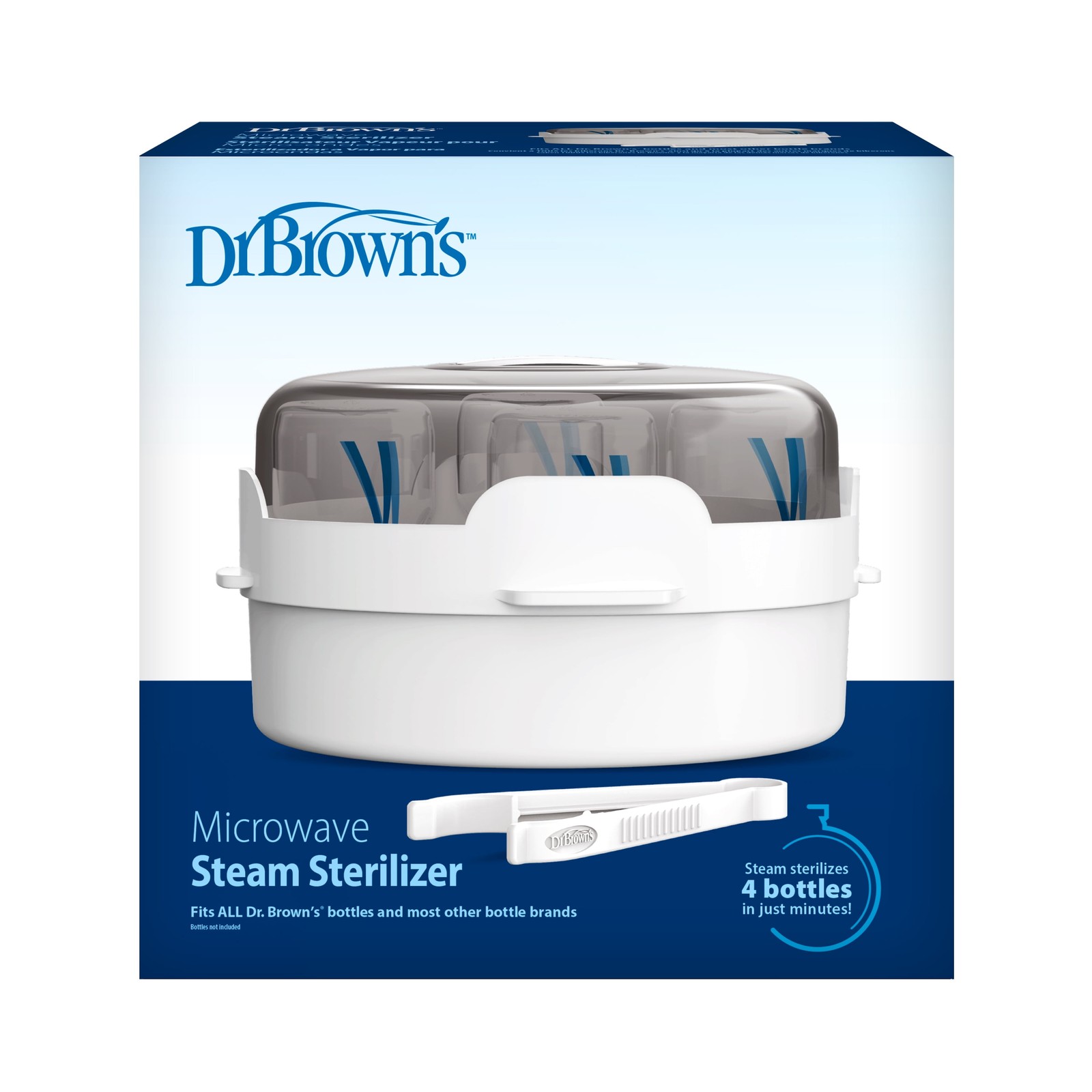 Microwave Steam Sterilizer, Quickly Sterilize Baby Bottles, Pacifiers, Breast Pu$34.80View on eBay
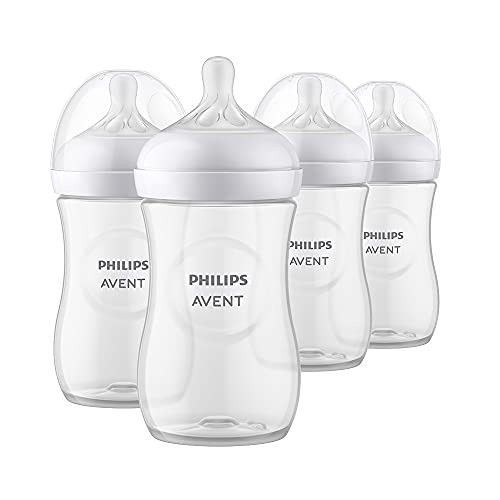 Fast Flow Natural Baby Bottles 2-Pack, 11oz - Perfect for Breastfeeding Moms$35.99View on eBay
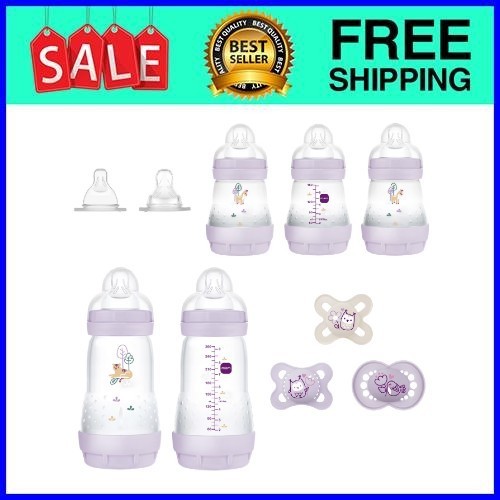 MAM Baby Essentials Bottle & Pacifier Gift Set 10-Piece Fast Ship USA$38.69View on eBay
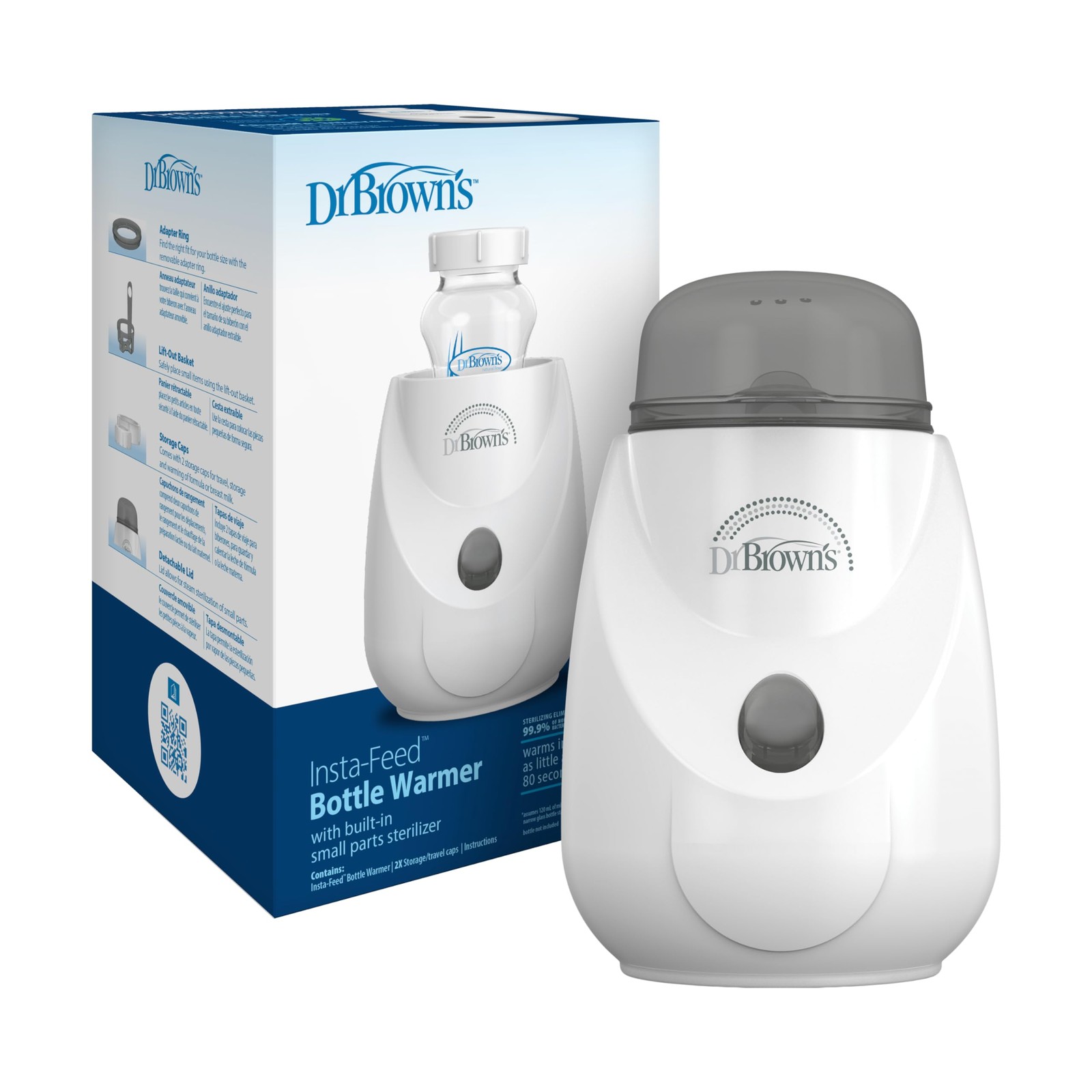 Dr. Brown's Insta-Feed Baby Bottle Warmer and Sterilizer for Baby Bottles and Ba$39.39View on eBay
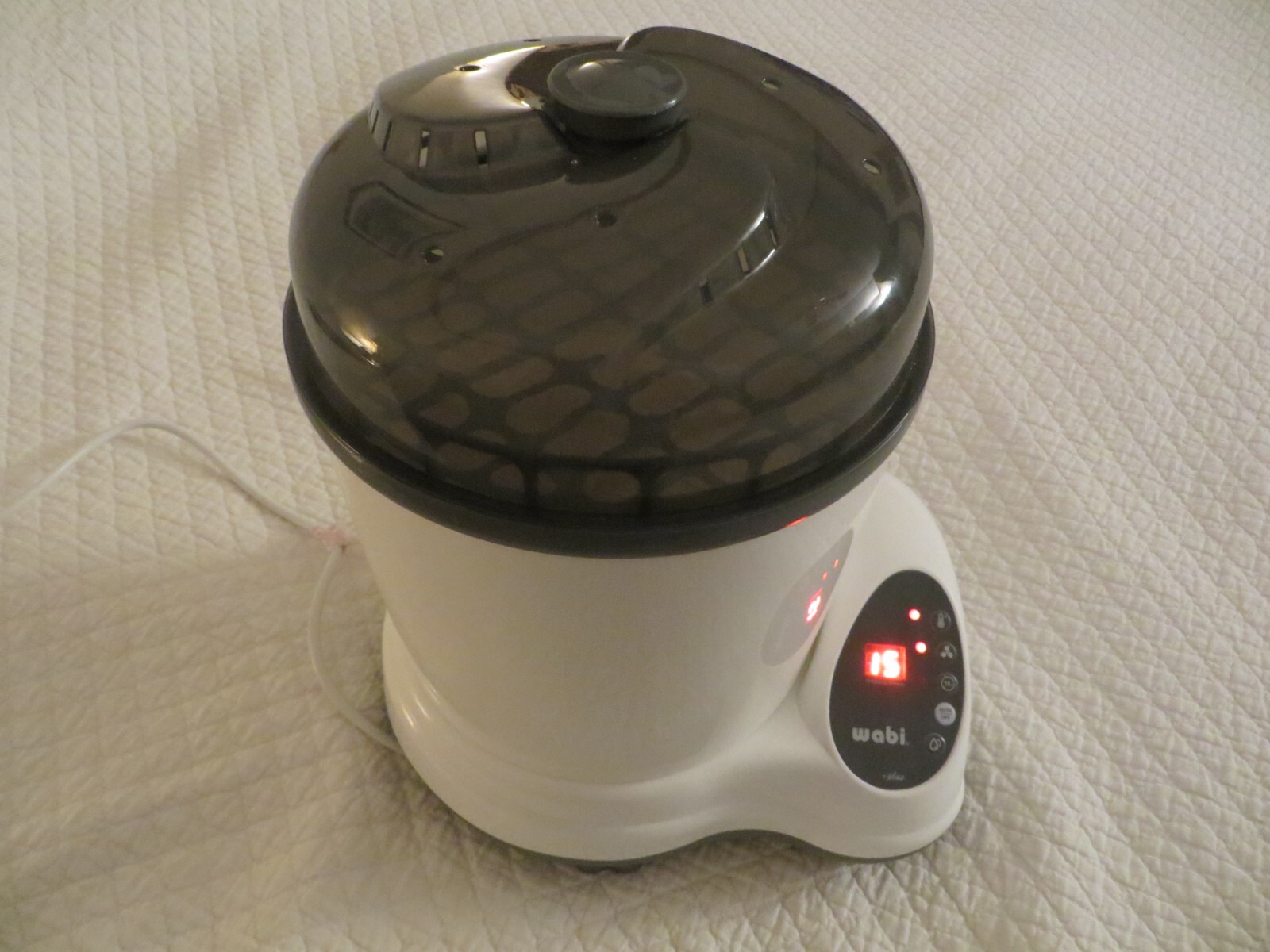 Wabi Baby Bottle Cleaner Steam Sterilizer and Dryer Large Capacity WA-8811N$39.99View on eBay
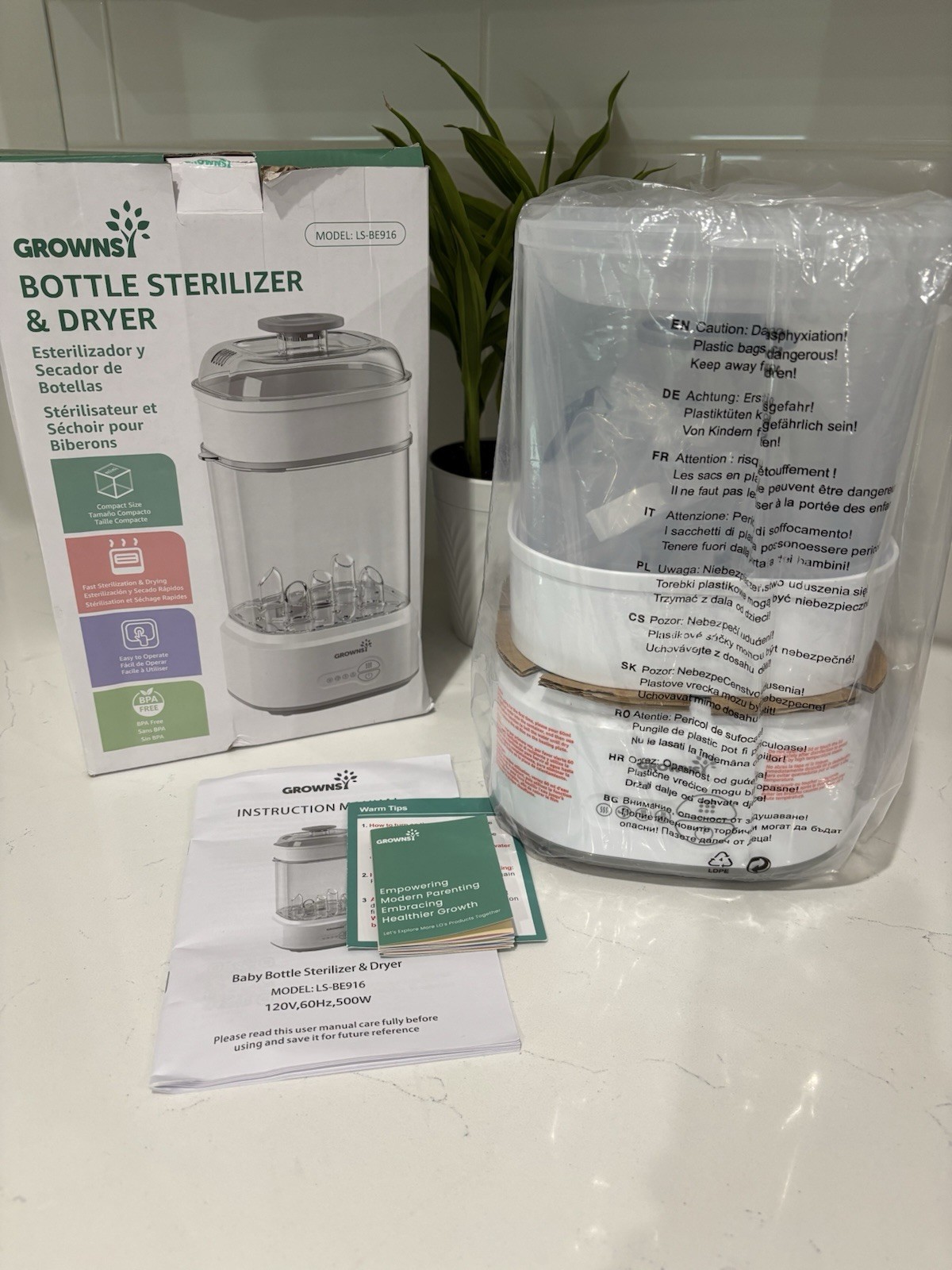 GROWNSY Bottle Sterilizer & Dryer, Compact Electric Steam Baby Bottle Sterilizer$39.99View on eBay
 Papablic Baby Bottle Electric Steam Sterilizer and Dryer 2day Ship$45.00View on eBay
Highlights
- Vented internal systems (vent tube, air-return diaphragm, or collapsible silicone) reduce vacuum buildup and swallowed air far more than a shaped nipple alone.
- Nipple flow rate matters more than bottle size: slow-flow (0-3 months), medium (3-6 months), and fast (6+ months) nipples must match the baby's suck strength to prevent gas from gulping.
- Bottle body material affects venting durability: borosilicate glass holds vacuum better and resists odor, while PP and PPSU plastic are lighter and shatter-resistant but can warp with repeated steam sterilization.
- Wide-neck bottles accept more anti-colic vent inserts and are easier to clean; narrow-neck standard bottles have fewer vent options but fit most breast pumps directly.
Best use cases
- Best fit: breastfed babies with gas — pick a wide-neck bottle with a slow-flow nipple and an internal vent tube or collapsible silicone body to mimic breast feeding rhythm and reduce air intake.
- Best fit: formula-fed babies who gulp — choose a bottle with a vented base or air-return diaphragm plus a medium-flow nipple, and size up the nipple only when the feed takes longer than 20 minutes.
- Wrong fit: babies without gas issues — a basic single-piece nipple and bottle is easier to clean and cheaper; skip multi-part vent systems that add daily disassembly.
- Wrong fit: overnight feeding with minimal cleaning — avoid bottles with narrow vent tubes and multiple small parts; a two-piece collapsible silicone bottle cleans faster.
Buying tips
- Match nipple flow to age: use slow-flow (level 1) for 0-3 months, medium (level 2) for 3-6 months, and fast (level 3) for 6+ months; a too-fast nipple causes gulping and gas.
- Check the vent type: internal vent tubes and air-return diaphragms are the most effective anti-gas designs; collapsible silicone bodies work by shrinking as the baby feeds to eliminate vacuum.
- Verify bottle neck width: wide-neck (approx. 2 in/50 mm) fits more anti-colic inserts and is easier to brush; narrow-neck fits standard breast pumps and car cup holders.
- Confirm sterilization compatibility: glass and silicone tolerate boiling and steam safely; PP plastic is steam-safe but check the manufacturer's temperature rating before repeated steam cycles.
Specs
| Vent System | Internal tube / diaphragm / collapsible |
|---|---|
| Nipple Flow | Slow / medium / fast by age |
| Bottle Material | Glass / PP / PPSU / silicone |
| Neck Width | Wide (~50 mm) / narrow standard |
Related searches
What to check before buying
- Measure your breast pump flange and bottle thread: wide-neck bottles fit wide-mouth pumps, narrow-neck fit standard pumps — bring the pump to the store or check the thread diameter.
- Confirm your sterilizer basket height and bottle diameter: tall 9 oz/260 ml bottles may not fit compact electric steam sterilizers; check internal basket dimensions.
- Check nipple material and flow marking: silicone is standard; latex is softer but degrades faster — verify the flow level printed on the nipple base matches your baby's age.
- Verify spare-part availability: vent tubes, diaphragms, and nipples wear out; ensure replacement nipples and vent parts are sold separately for the bottle model you choose.
FAQ
Data sources: eBay / Amazon listings and product attribute feeds Data updated Nov 19, 2026.
Some links on this page are affiliate links. If you buy after clicking one, we may earn a commission at no extra cost to you. This does not change which products appear here or their order. Affiliate disclosure.