Photos from current listings. Actual item, color, and included accessories may vary.
Electric Sterilizer Buying Guide
Electric sterilizers use steam heat to kill 99.9% of germs on bottles, pump parts, and small accessories, and the core trade-off is whether you get a sterilize-only unit or a combined sterilize-and-dry cycle that eliminates manual air-drying. Choose a sterilize-and-dry model with a HEPA-filtered drying fan and stainless or BPA-free PP construction for daily use; sterilize-only plastic tubs are acceptable only as backup or travel units.


At a glance
- Category
- Feeding & Sterilizing
- Data updated
- Nov 15, 2026
Current offers
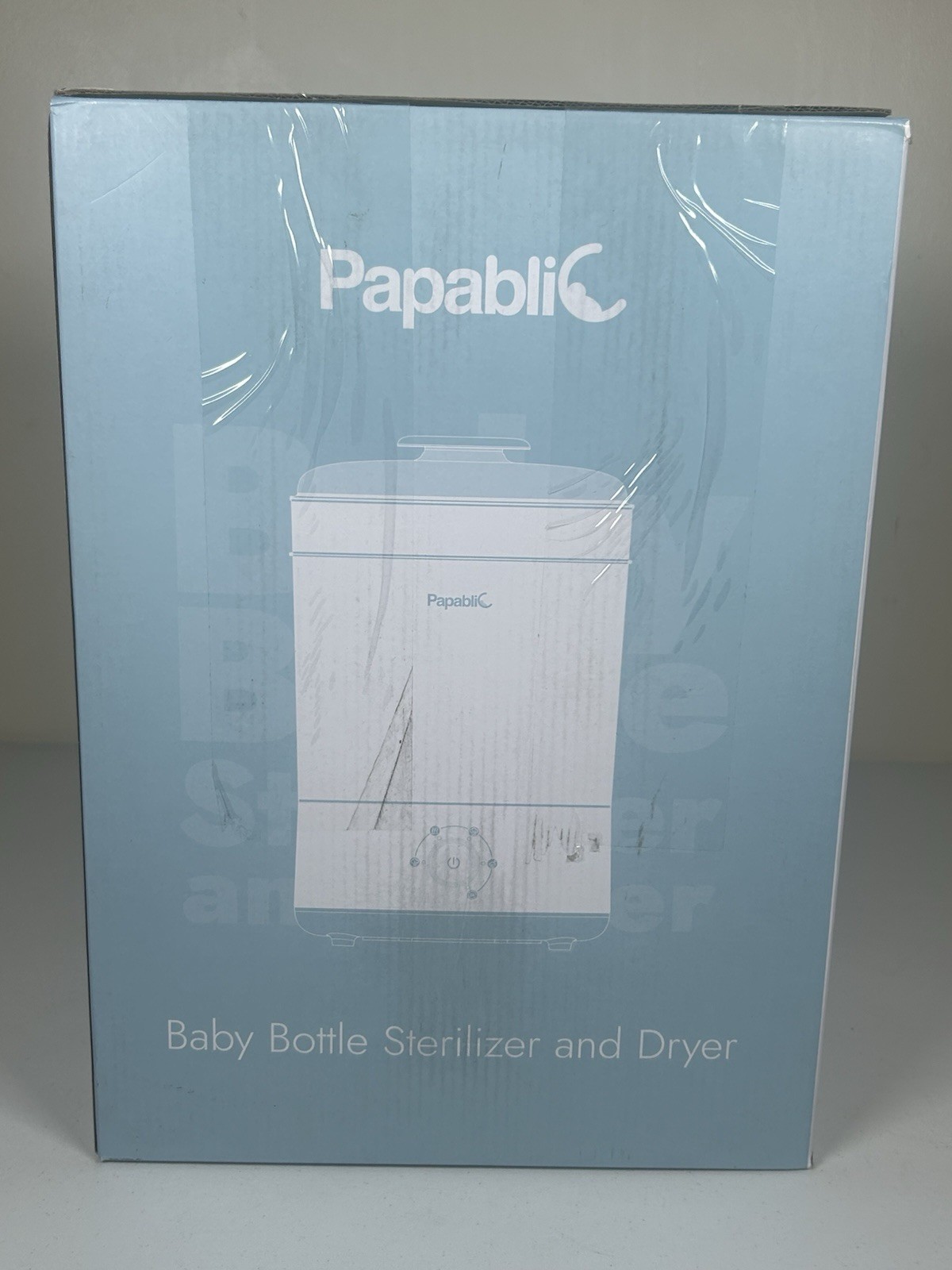 Papablic Baby Bottle Sterilizer and Dryer Electric Sterilizer White New$44.97
 View on eBay
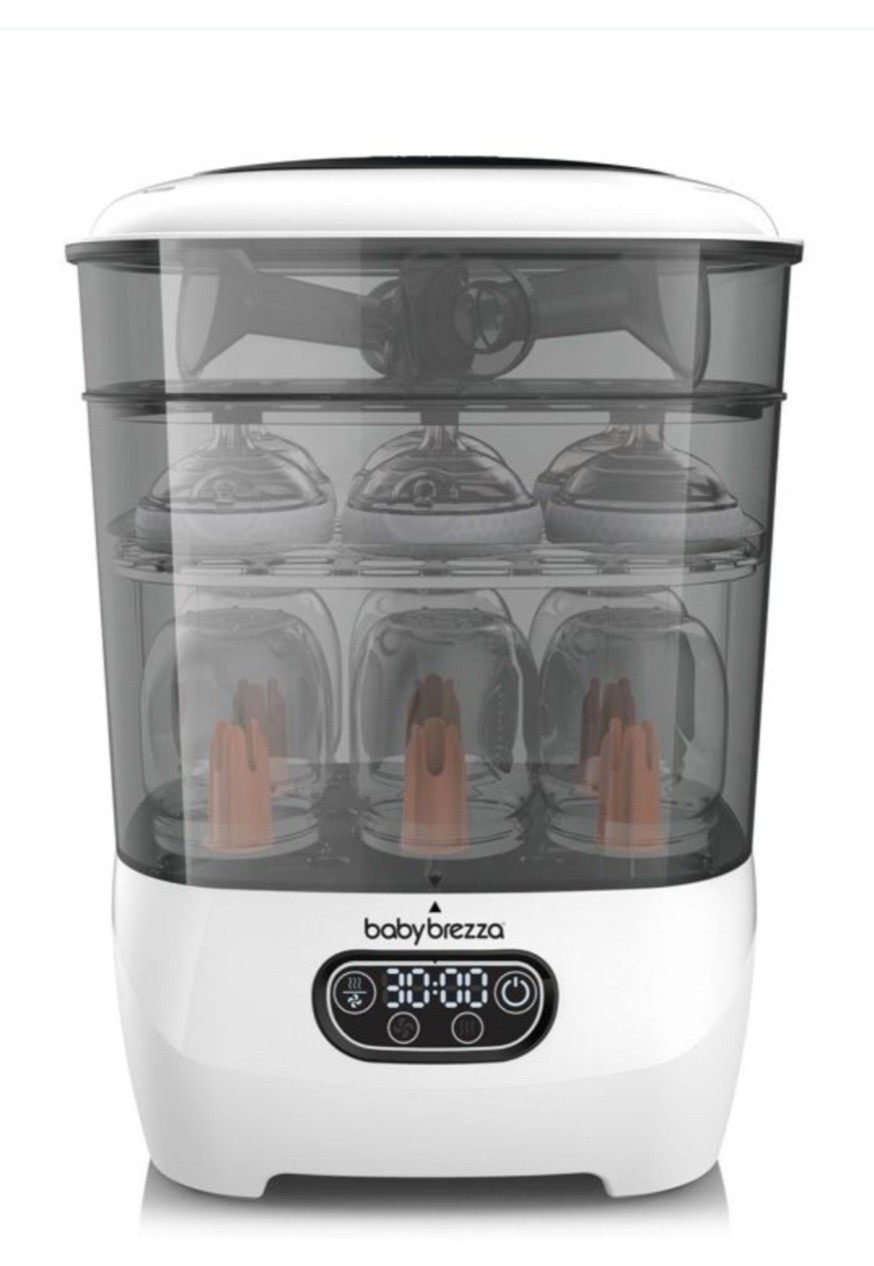 Baby Brezza One Step Advanced Electric Sterilizer and Dryer - White (BRZ0069)$60.00View on eBay
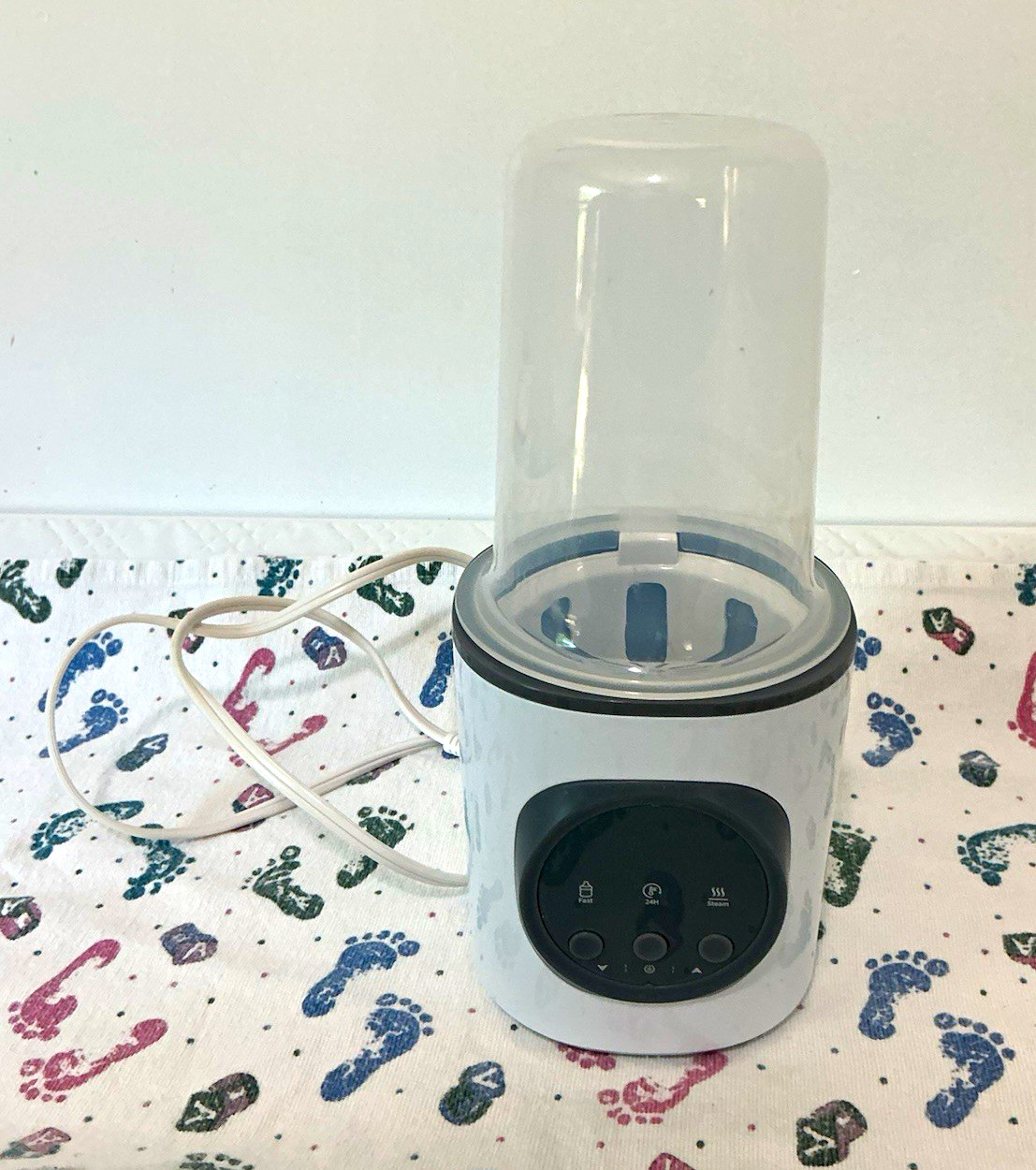 Momcozy KleanPal Pro Electric Baby Bottle Sterilizer, Auto Shut-Off, White/Gray$15.00View on eBay
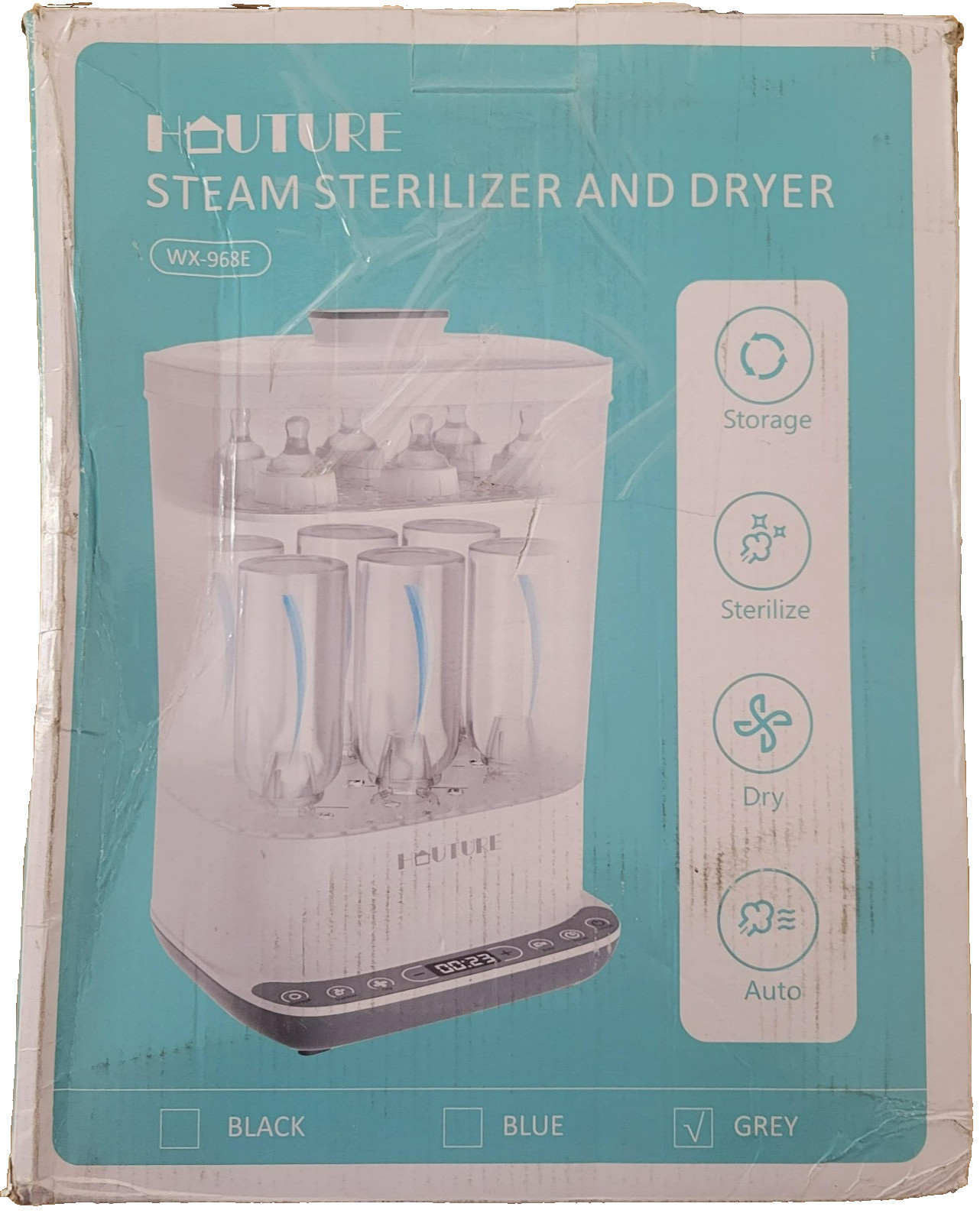 HAUTURE Bottle Sterilizer and Dryer, Electric Steam Bottle Sanitizer$19.58View on eBay
 Munchkin Clean Electric Steam Sterilizer sanitizer baby bottle cleaner$20.00View on eBay
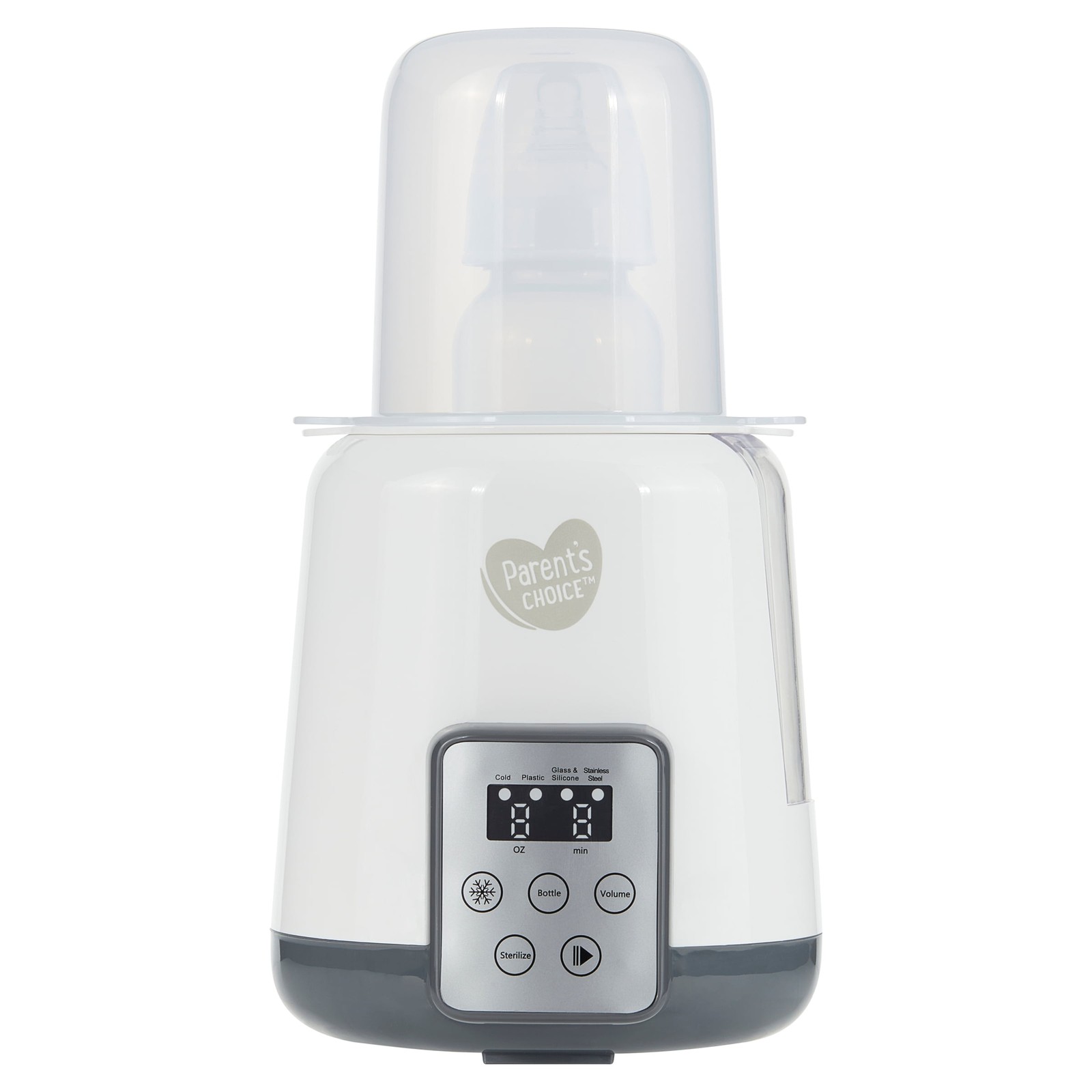 Electric Bottle Warmer and Sterilizer for Baby Feeding Accessories$23.80View on eBay
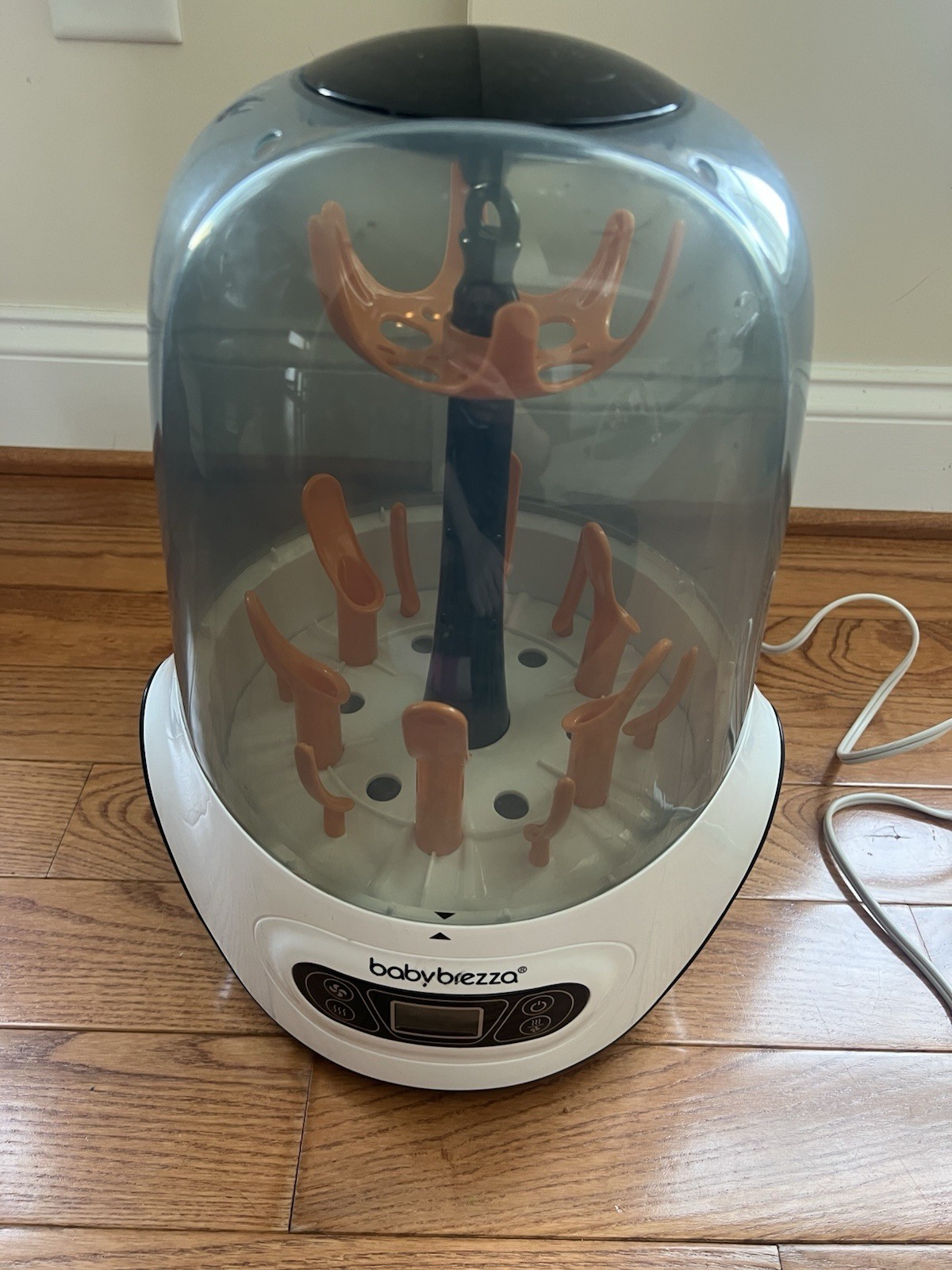 Baby Brezza One Step Baby Bottle Sterilizer And Dryer /Electric Steam Sterilizer$24.50View on eBay
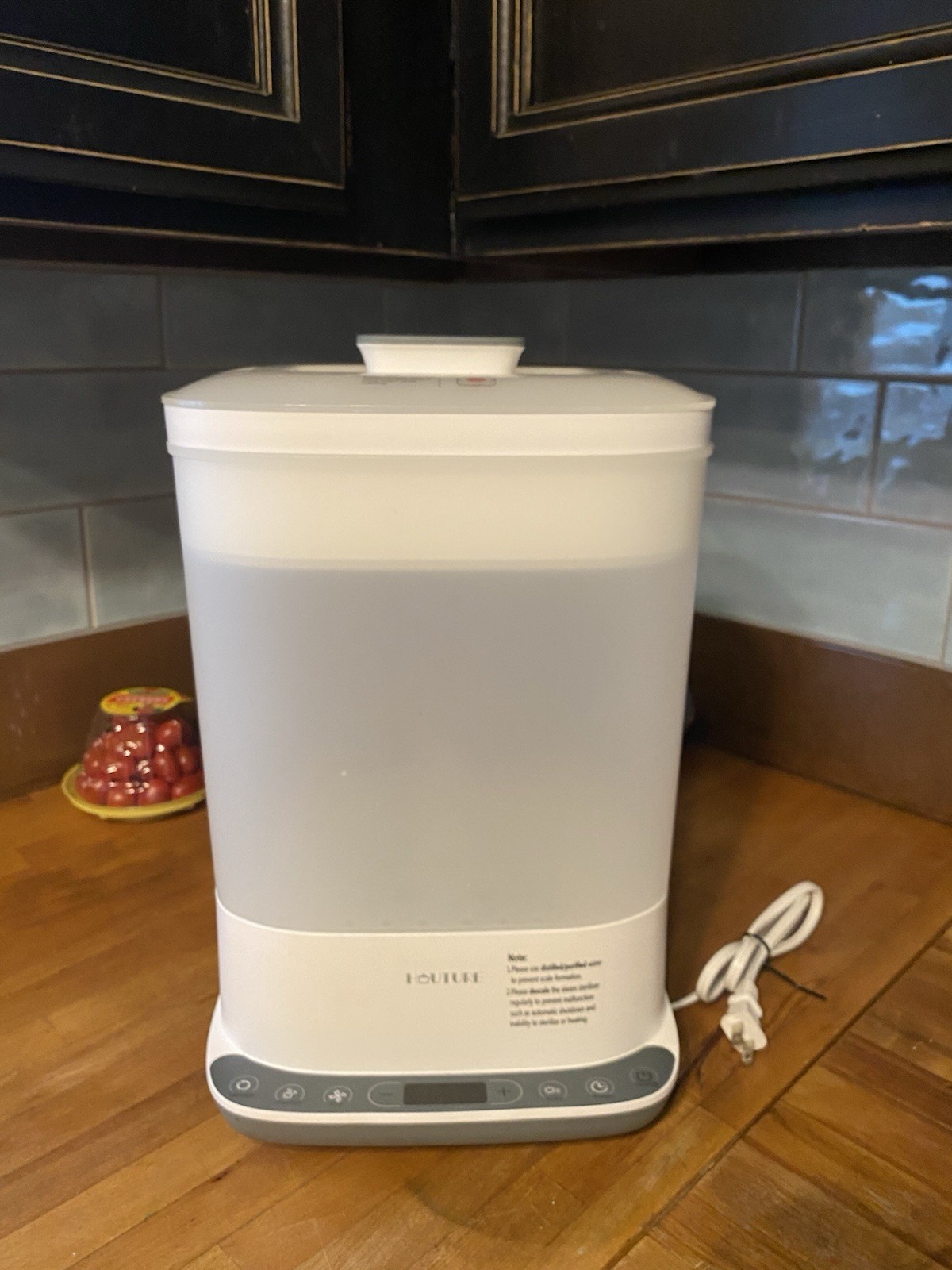 Electric Baby Bottle Sterilizer, 6-in-1 HAUTURE Bottle Sterilizer and Dryer$24.99View on eBay
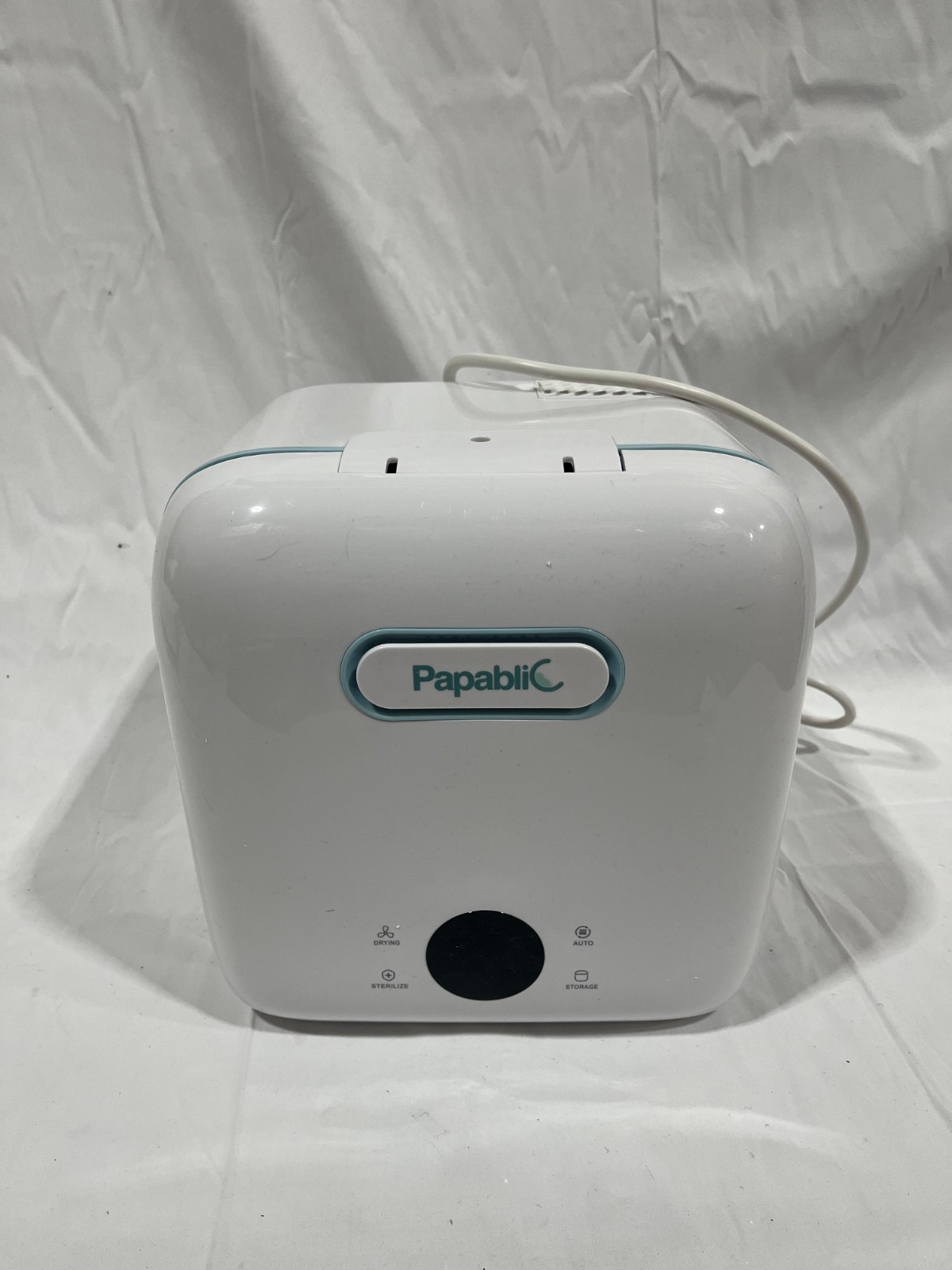 Papablic Baby Bottle Electric Steam Sterilizer and Dryer White 125W Power$29.99View on eBay
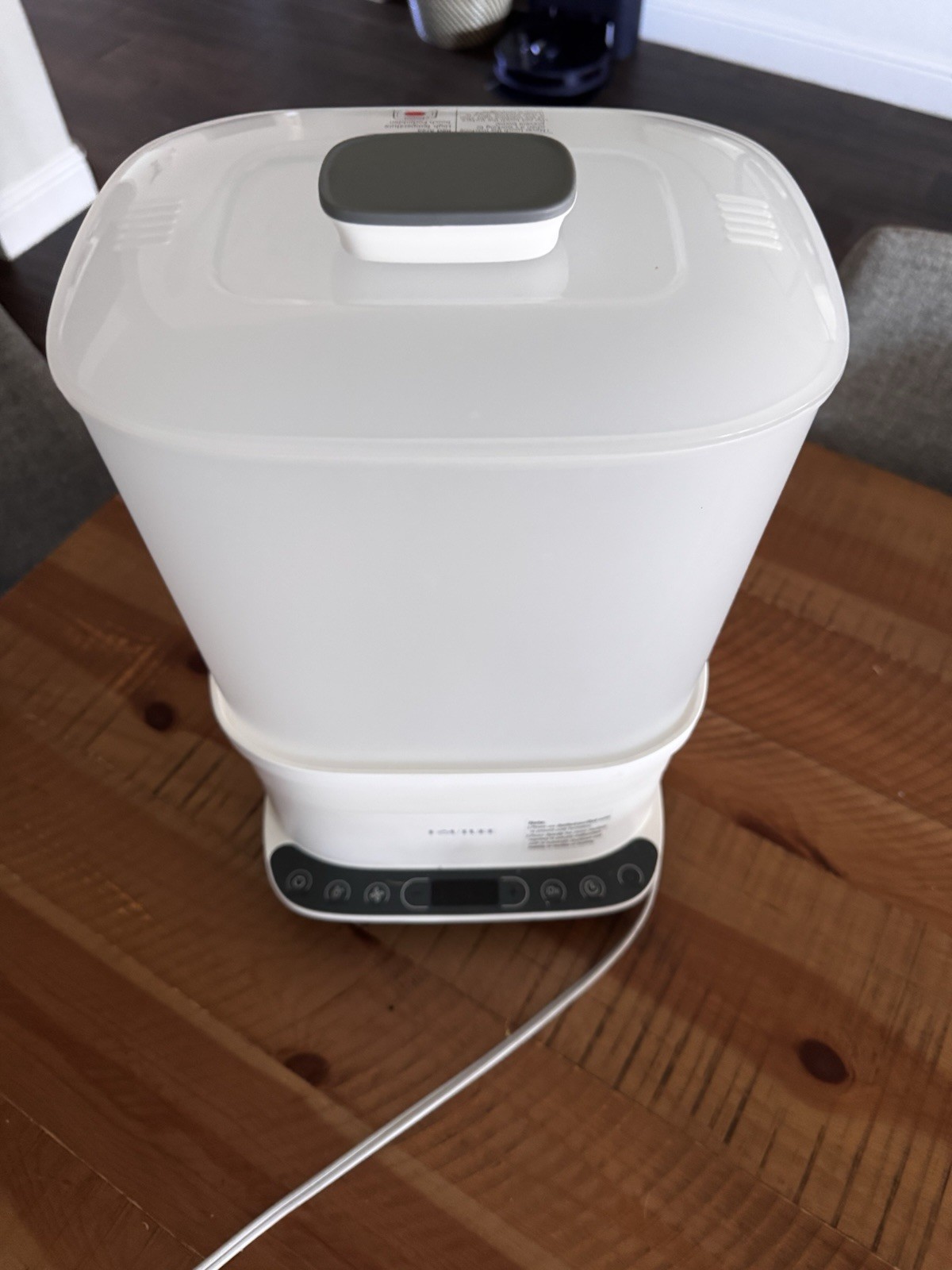 Electric Baby Bottle Sterilizer, 6-in-1 HAUTURE Bottle Sterilizer and Dryer$30.00View on eBay
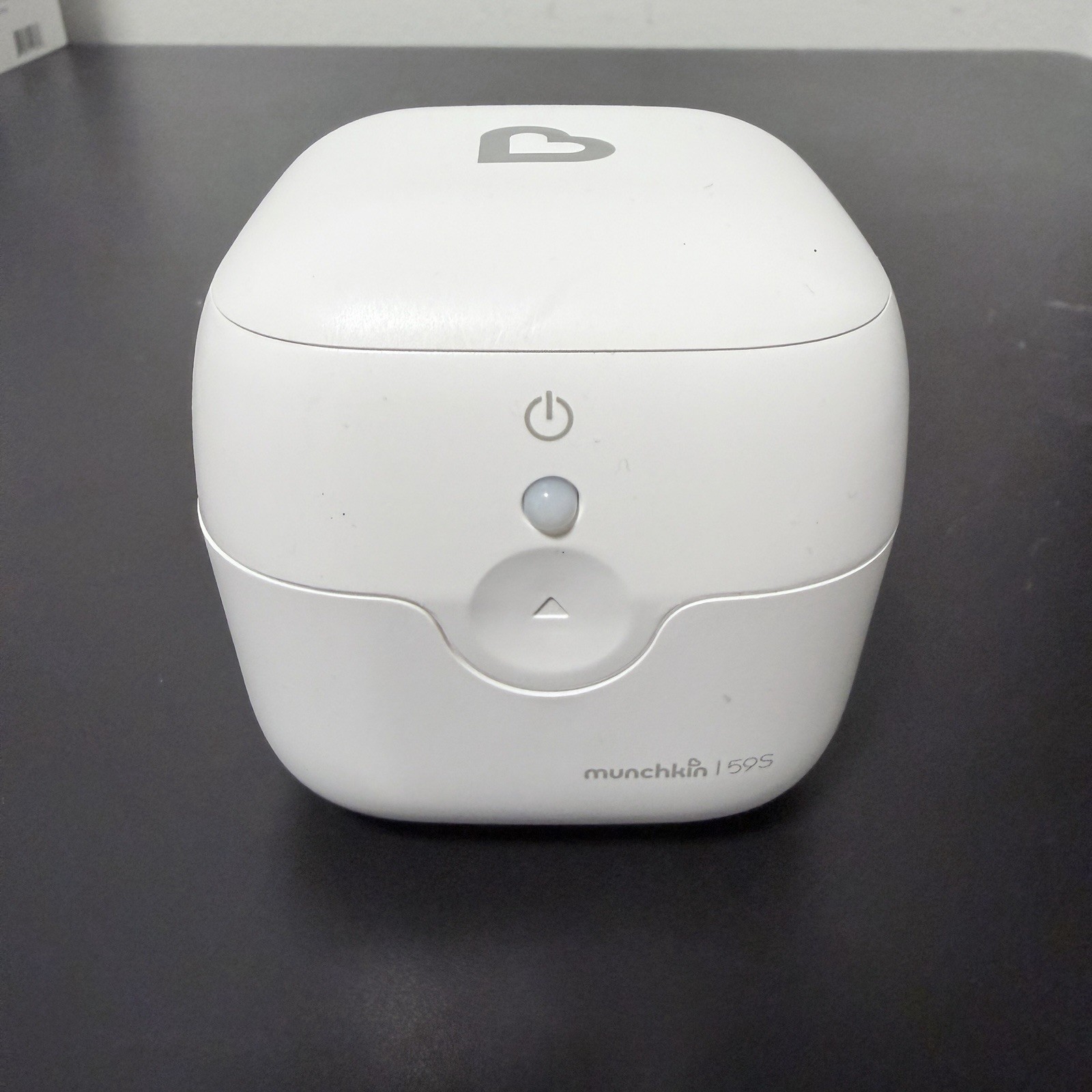 Munchkin 59S Pacifier Portable Electric UV-Sterilizer Tested Working$34.00View on eBay
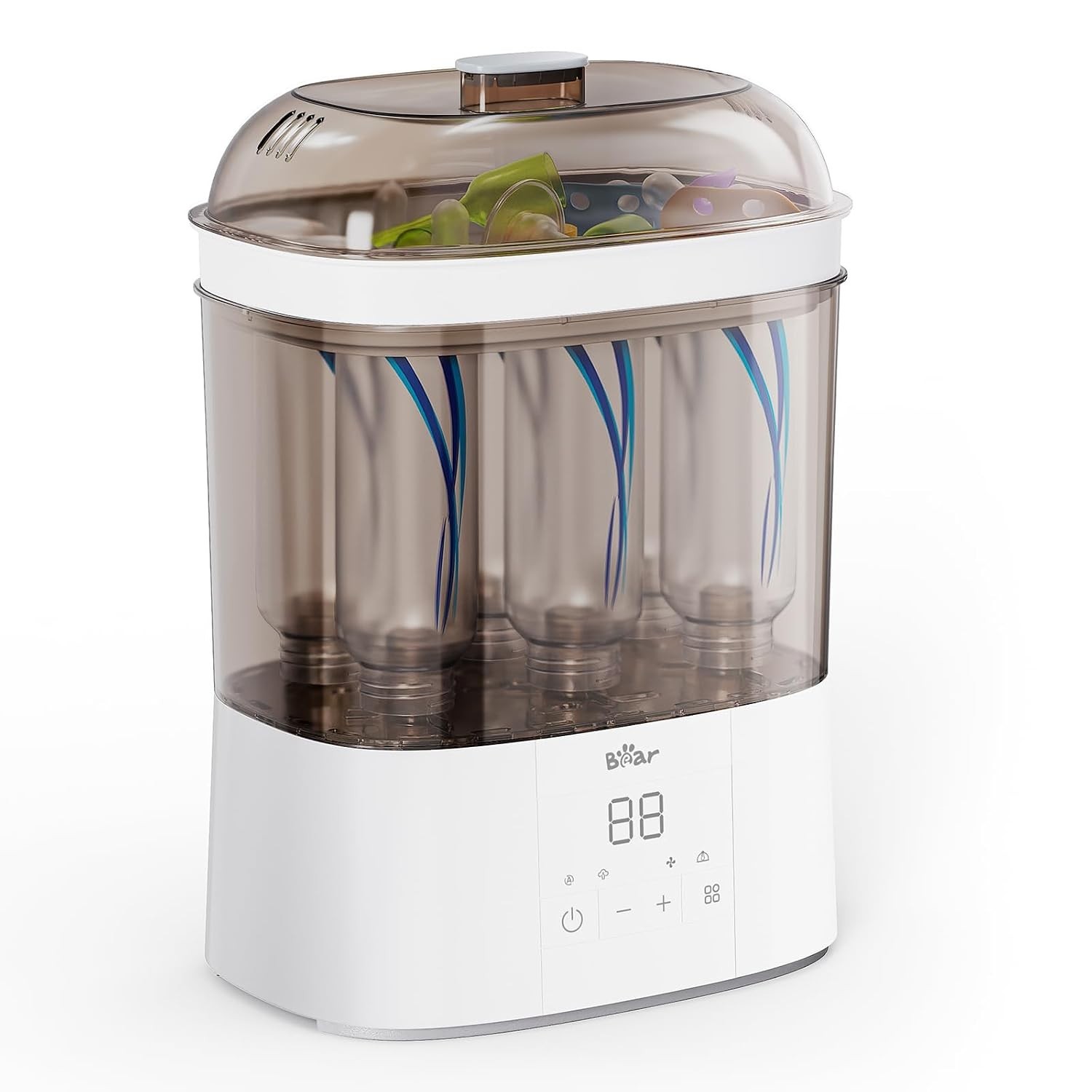 Bear 2 Layers Large Electric Steam Baby Bottle Sterilizer and Dryer$34.99View on eBay
 Grownsy Bottle Sterilizer and Dryer Model LS-BE916, Compact Electric Steam Baby$39.95View on eBay
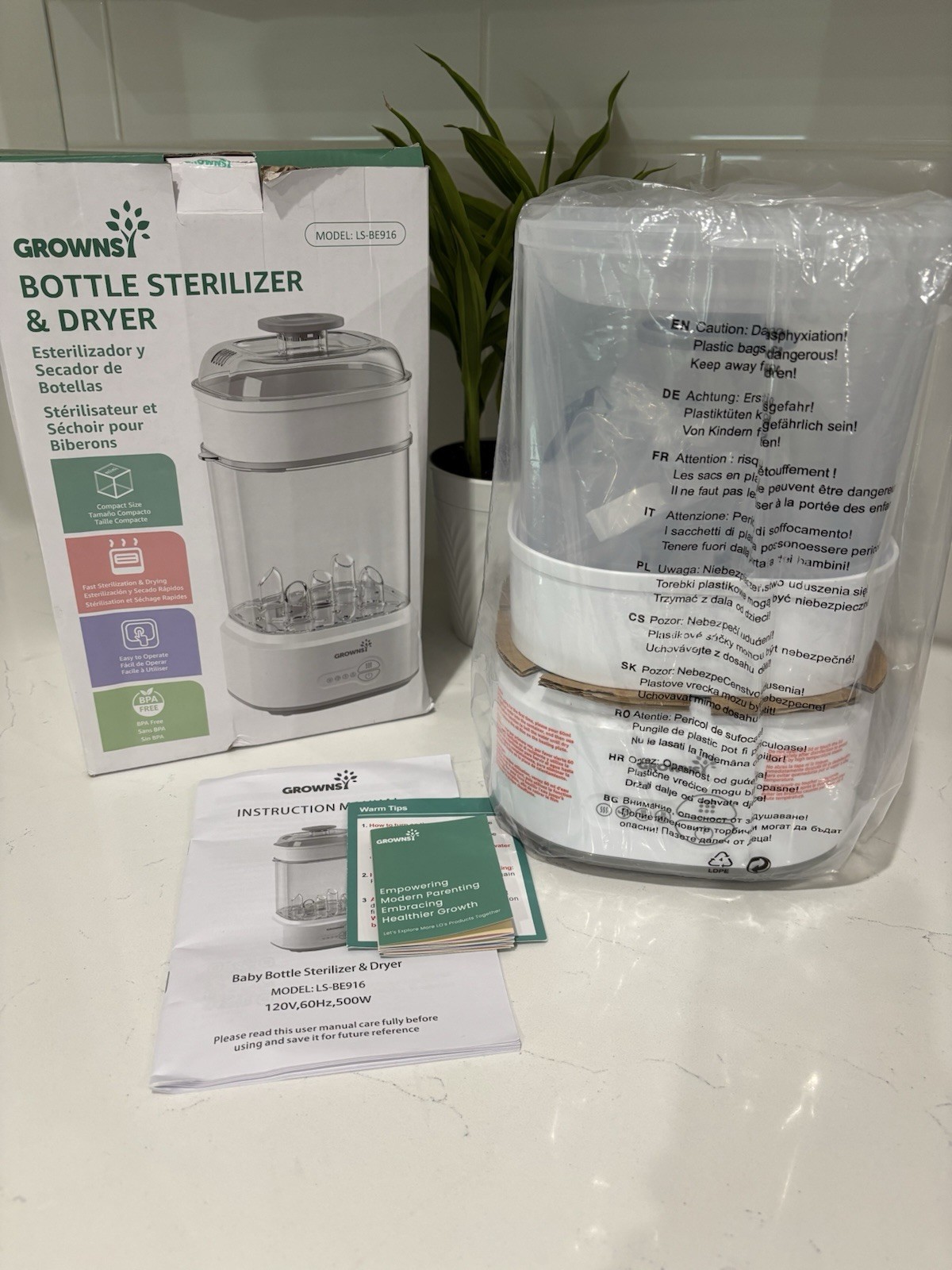 GROWNSY Bottle Sterilizer & Dryer, Compact Electric Steam Baby Bottle Sterilizer$39.99View on eBay
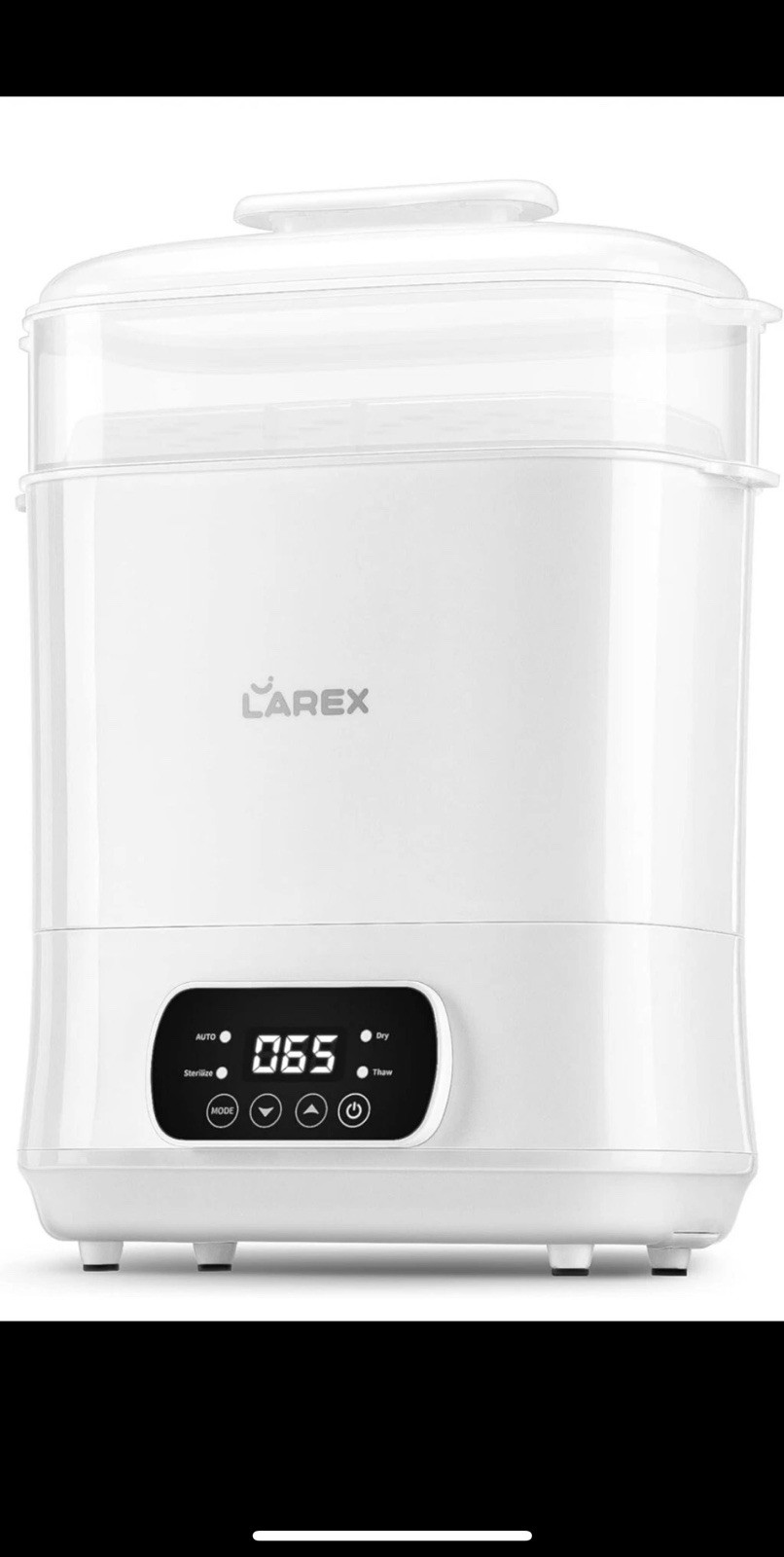 Larex 4-in-1 Baby Bottle Sterilizer and Dryer Electric Steam$42.99View on eBay
- GROWNSY Bottle Sterilizer & Dryer, Compact Electric Steam Baby Bottle Sterilizer$44.00View on eBay
 Papablic Baby Bottle Electric Steam Sterilizer and Dryer 2day Ship$45.00View on eBay
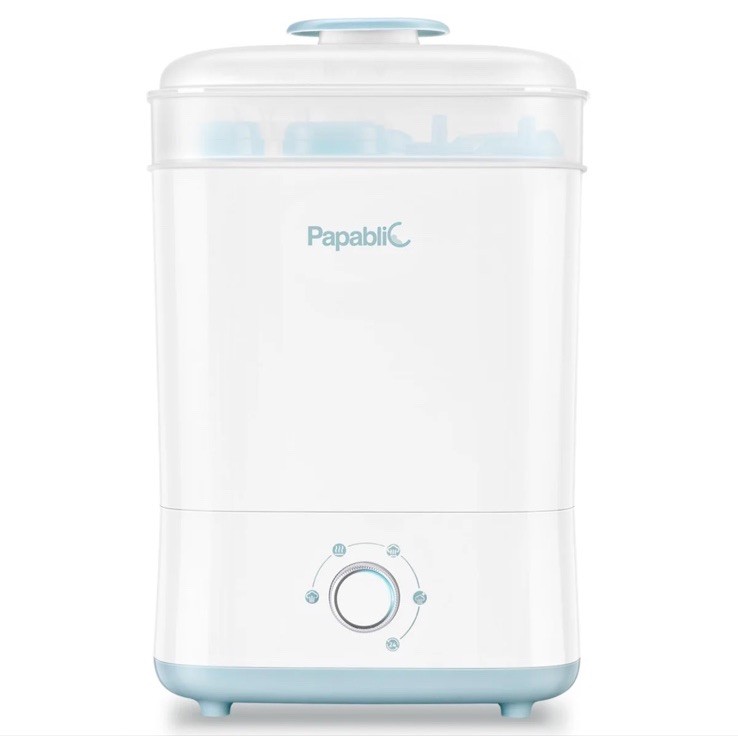 Papablic Baby Bottle Electric Steam Sterilizer and Dryer$45.00View on eBay
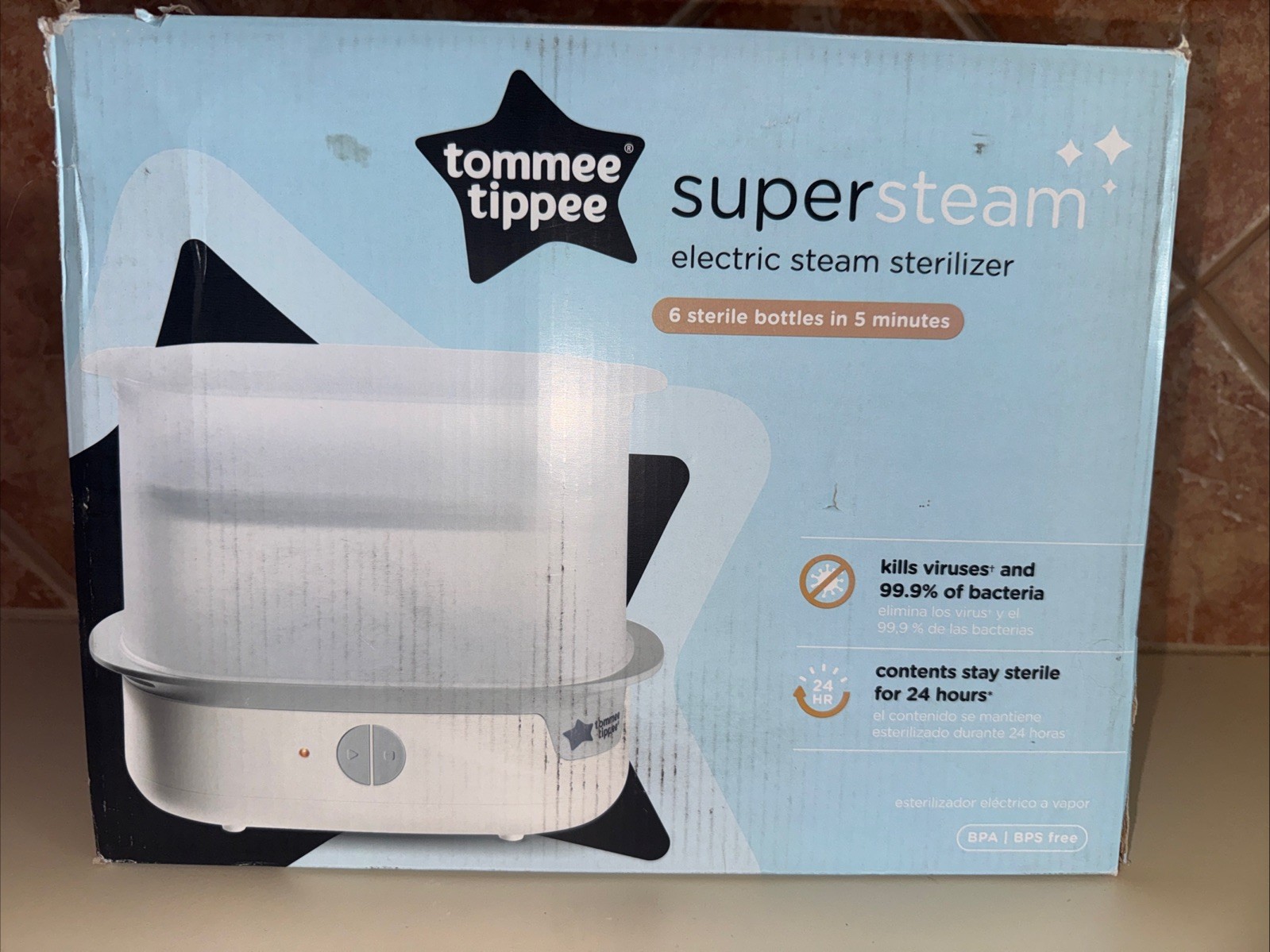 Tommee Tippee Steri-Steam Electric Steam Sterilizer, White - 522220$49.95View on eBay
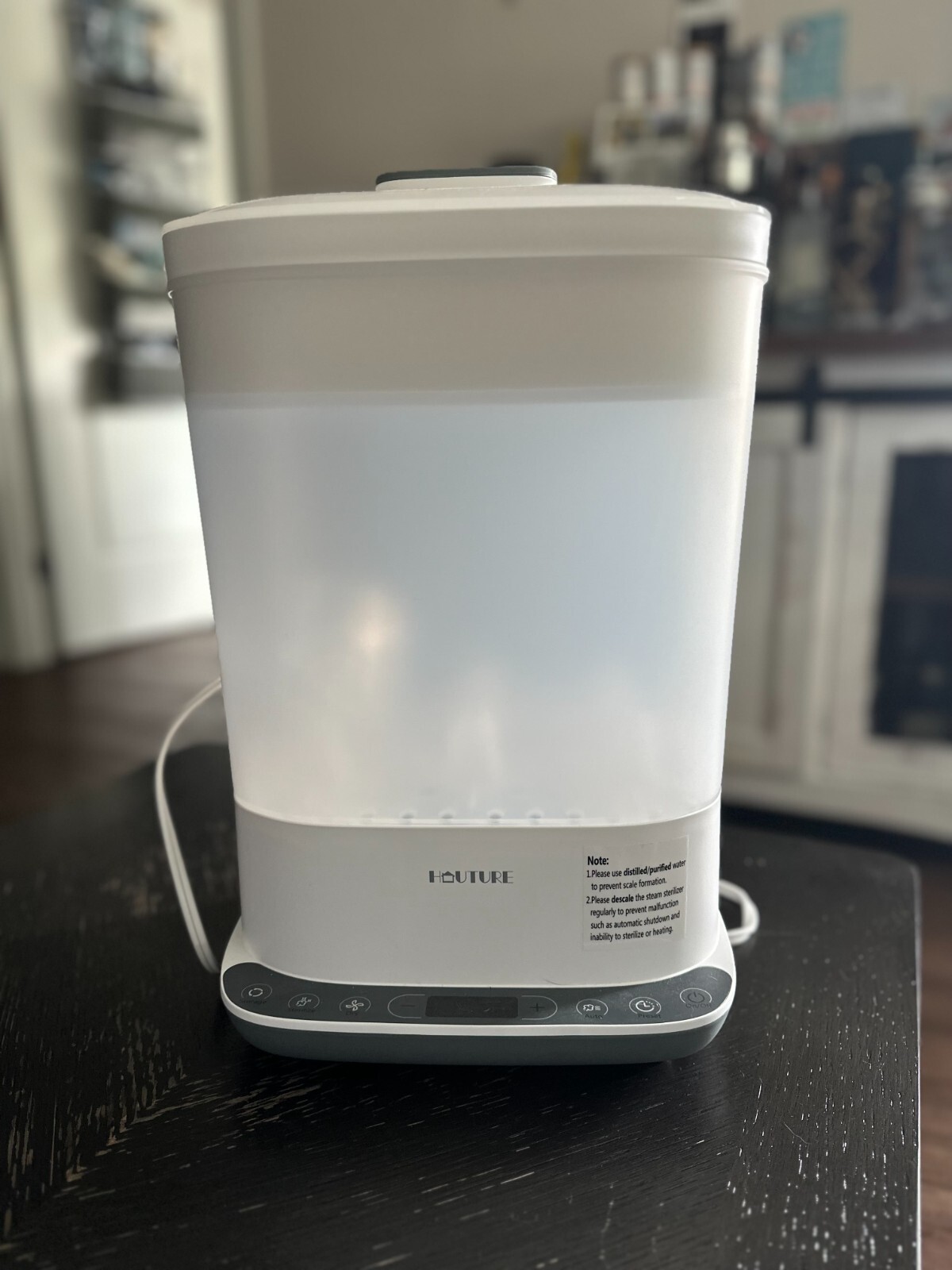 Electric Baby Bottle Sterilizer, 6-in-1 HAUTURE Bottle Sterilizer and Dryer$50.00View on eBay
Highlights
- Steam sterilization reaches 100°C/212°F for 5–10 minutes, which is the validated contact time for 99.9% germ reduction; dry-cycle models then run 30–60 minutes of filtered air.
- Sterilize-and-dry units use a HEPA H13 or comparable filter on the drying intake; sterilize-only tubs leave parts wet and exposed to airborne recontamination after the cycle.
- Chamber capacity is measured in bottle count and accessory load: 6-bottle capacity fits standard 8–9 oz bottles upright, while 8–10 bottle chambers accept wider anti-colic bottles and pump-part baskets.
- Stainless-steel heating plates resist mineral scale better than exposed plastic heaters; in hard-water areas, descale with citric acid every 2–4 weeks to preserve steam output.
Best use cases
- Best fit: Buy a sterilize-and-dry model if you wash bottles daily and want them dry and ready to use without towel-drying — pick 6–8 bottle capacity for one baby. Skip sterilize-only tubs if you lack counter space for a separate drying rack.
- Best fit: Choose a compact sterilize-only unit for travel, grandparents' houses, or as a second unit; it heats faster and packs smaller. Skip it as your primary unit if you formula-feed and need dry bottles multiple times per day.
- Best fit: Pumping mothers should pick a model with a dedicated accessory basket and at least 8-bottle capacity so flanges, valves, and bottles fit in one load. Skip narrow 4-bottle chambers that force two cycles per pump session.
- Wrong fit: Do not buy an electric sterilizer for microwave-only or dishwasher-only workflows — a microwave steam bag or dishwasher's sanitize cycle covers that need with less counter footprint.
Buying tips
- Match chamber capacity to your feeding method: 4–6 bottles suits breastfed newborns, 8–10 bottles suits formula-fed babies or exclusive pumpers who run multiple cycles daily.
- Prioritize a model with auto shut-off and a dry cycle timer of at least 30 minutes; short dry cycles leave nipple threads and valve crevices wet, which invites mold.
- Check that the heating element is stainless steel or covered, and that the water reservoir is removable — descaling a fixed reservoir in hard-water areas is difficult and shortens unit life.
- Confirm the unit accepts your bottle brand's widest diameter: standard bottles are ~2.1 in/53 mm at the base, wide-neck anti-colic bottles run 2.4–2.6 in/60–66 mm and need a wider basket.
Specs
| Function | Sterilize-only vs Sterilize + Dry |
|---|---|
| Chamber Capacity | 4–6 bottles vs 8–10 bottles |
| Heating Element | Stainless steel vs exposed plastic |
| Drying Filter | HEPA H13 vs unfiltered air dry |
Related searches
What to check before buying
- Measure your counter space: most sterilize-and-dry units run 10–14 in wide and 12–16 in tall with the lid open, so confirm clearance under upper cabinets.
- Check your water hardness; if you see white scale on a kettle within weeks, plan on citric-acid descaling every 2–4 weeks and favor a removable reservoir.
- Verify plug and voltage: North American units are 120V/60Hz; using a 120V unit on 220–240V mains requires a step-down transformer, not just a plug adapter.
- Confirm bottle and pump-part compatibility: wide-neck bottles and pump flanges need the larger basket tier, and some units ship without an accessory basket.
FAQ
Data sources: eBay / Amazon listings and product attribute feeds Data updated Nov 15, 2026.
Some links on this page are affiliate links. If you buy after clicking one, we may earn a commission at no extra cost to you. This does not change which products appear here or their order. Affiliate disclosure.