Photos from current listings. Actual item, color, and included accessories may vary.
Milk Bottle Buying Guide
Milk bottles are the primary feeding vessel for infants, and the key trade-off is material safety and venting design versus convenience and durability. Glass offers inert, scratch-free feeding but adds weight and break risk; plastic (PP, PPSU, silicone) is lightweight and shatter-resistant but degrades with heat cycles. The decision rule: prioritize a wide-neck, anti-colic vented bottle in glass or PPSU for daily home feeding, and reserve lightweight PP or silicone for travel and daycare.

At a glance
- Category
- Feeding & Sterilizing
- Data updated
- Nov 15, 2026
Current offers
 Baby Bottle Warmer &Sterilizer Fast Milk Warmer Single Bottle BPA Free$50.00
 View on eBay
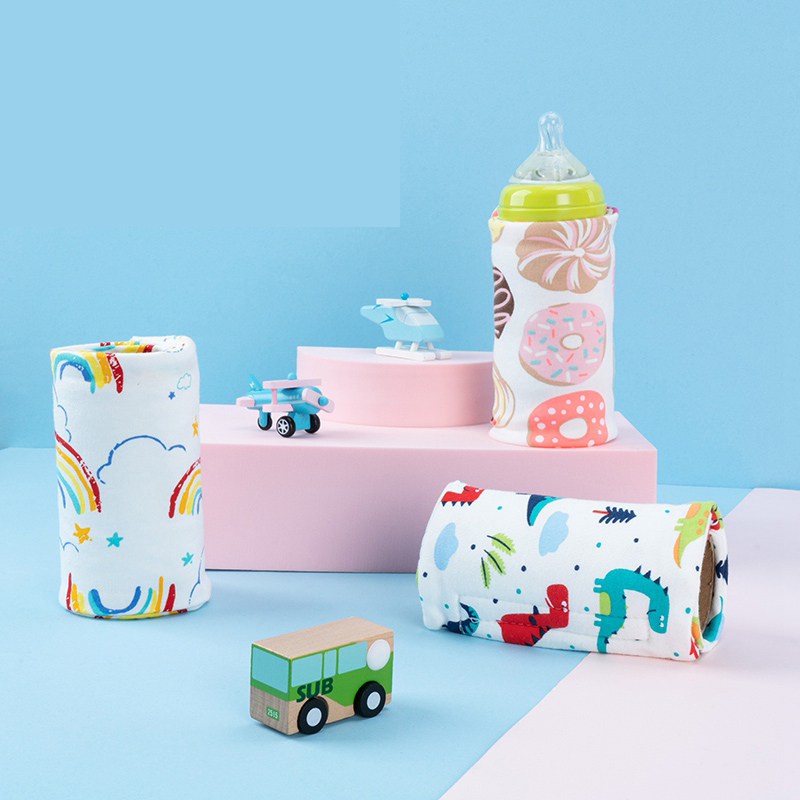 USB Milk Water Warmer Travel Stroller Insulated Bag Portable Baby Nursing Bottle Heater Cover Food$11.99
 View on Mallflare
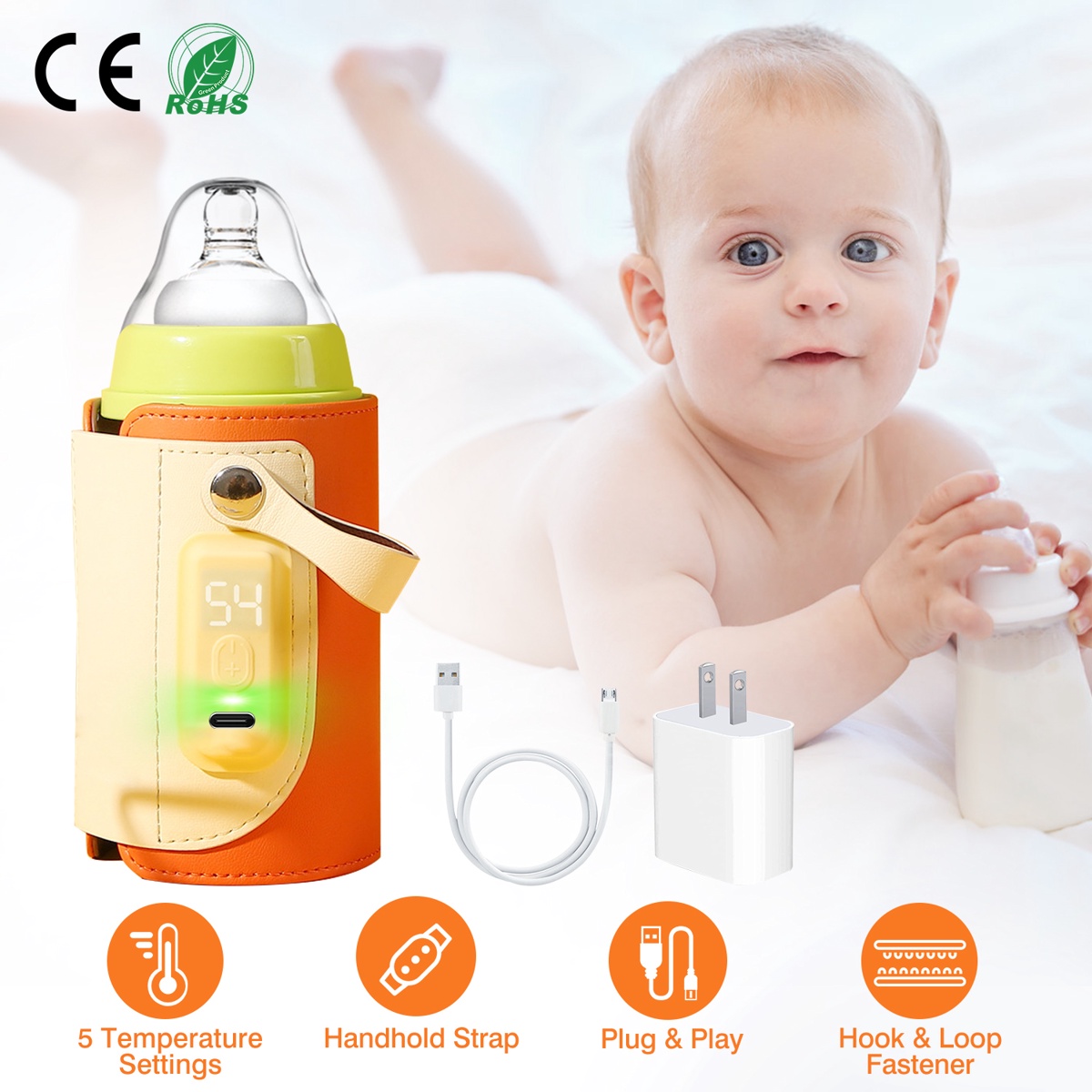 1Pc Portable Baby Milk Warmer 5 Temperature Adjustable Handhold Bottle With Fast Charge Adapter For Outdoor Car Travel$36.99View on Mallflare
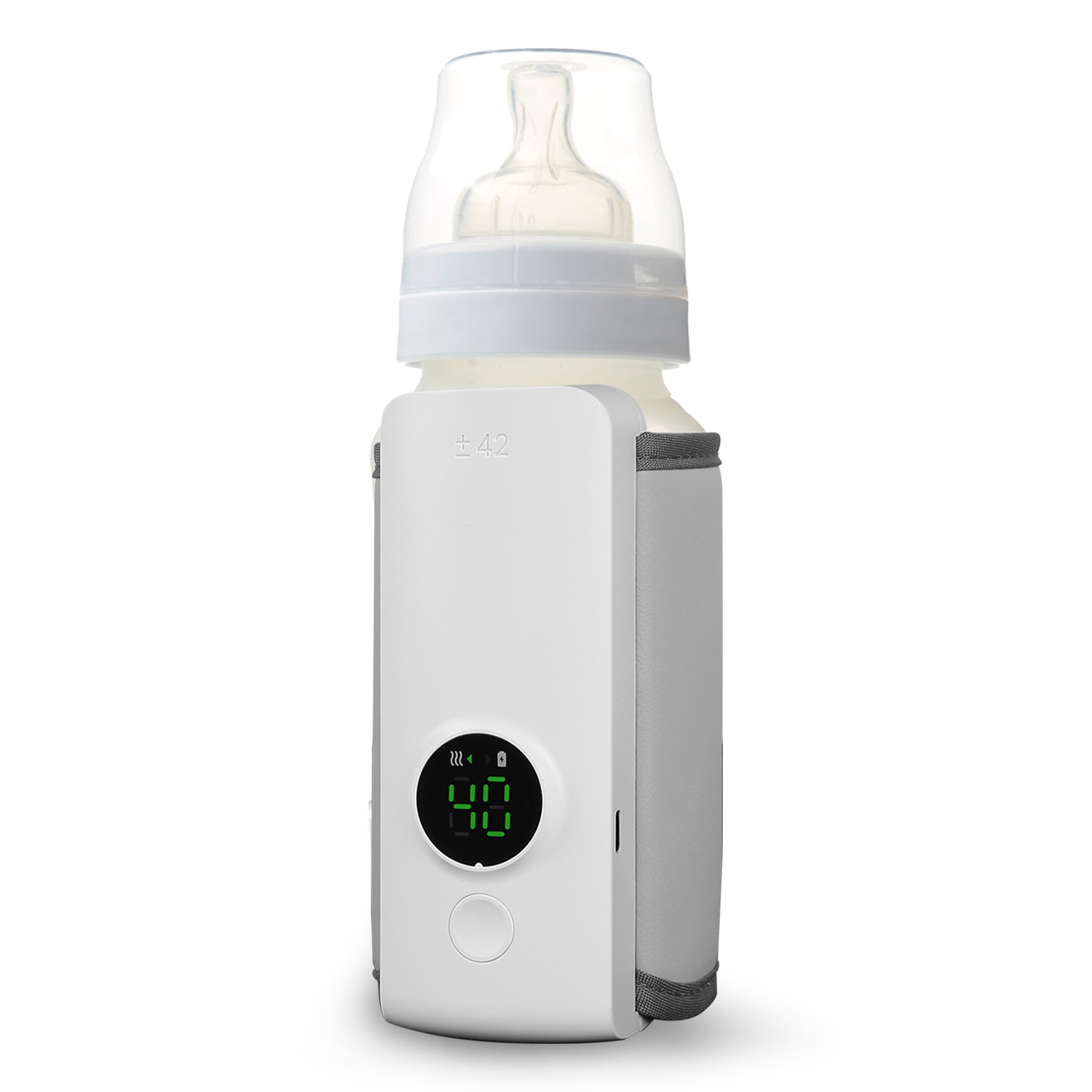 1Pc Portable Bottle Warmer Baby Milk Formula For Travel With 6 Heating Levels USB Rechargeable Keep Warm For 5 Hours No Included$52.99View on Mallflare
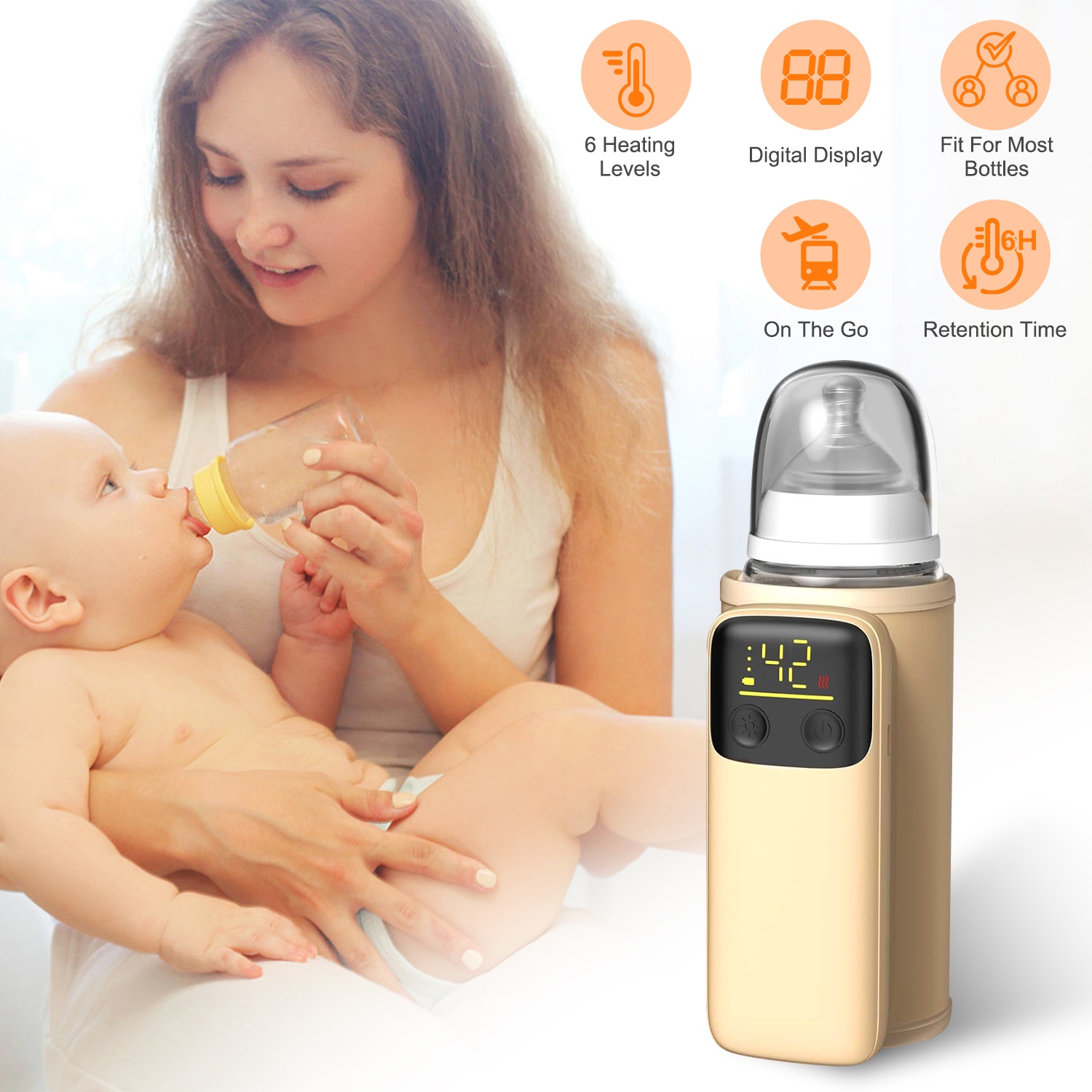 1Pc Portable Bottle Warmer With Night Light On The Go Baby Milk Formula For Home Travel 6 Heating Levels$62.99View on Mallflare
Highlights
- Material grade dictates heat tolerance: borosilicate glass and PPSU withstand repeated boiling/steam sterilization without leaching, while standard PP bottles cloud and degrade after roughly 6 months of daily steam cycles.
- Venting architecture separates colic performance: internal vent systems (tubes or duckbill valves) equalize pressure and reduce swallowed air, whereas simple nipple-hole vents only partially compensate.
- Nipple flow rate is staged by age: slow-flow (0-3 months), medium (3-6 months), fast (6+ months); using an oversized flow on a newborn causes gulping and spit-up.
- Wide-neck (roughly 50-60 mm) bottles accept most brushes and compatible nipples, while narrow-neck (standard) bottles limit cross-brand nipple swaps and are harder to clean.
Best use cases
- Best fit: newborn at home with frequent steam sterilization — choose a wide-neck borosilicate glass bottle with an internal vent system and slow-flow nipple; skip lightweight PP if the bottle will be boiled daily.
- Best fit: daycare and travel — choose PPSU or silicone bottles with a travel cap and medium-flow nipple; skip glass, which is heavy and breakable in diaper bags.
- Best fit: combination feeding or pumping — choose bottles whose neck thread matches your pump brand (wide-neck pumps fit wide-neck bottles); skip narrow-neck bottles if you pump into them directly.
- Wrong fit: overnight self-feeding without supervision — no bottle is safe for propped or unsupervised feeding; skip any bottle marketed for hands-free overnight use.
Buying tips
- Match nipple flow to age, not bottle size: start with slow-flow for 0-3 months and step up only when feeding takes longer than 20 minutes or the nipple collapses.
- Check neck thread compatibility before buying: wide-neck bottles fit wide-neck pump flanges and most anti-colic nipples; narrow-neck bottles require brand-specific nipples.
- For plastic, choose PPSU over PP if the bottle will be steam-sterilized daily — PPSU resists heat cycling and retains clarity far longer.
- Buy at least 4-6 bottles in the 4-8 oz range for a newborn to cover a day's feeding plus washing cycles; larger 9-11 oz bottles suit 6+ months.
Specs
| Bottle Material | Glass / PP / PPSU / Silicone |
|---|---|
| Neck Width | Wide-neck 50-60 mm vs Narrow |
| Venting System | Internal vent vs nipple vent |
| Nipple Flow | Slow / Medium / Fast by age |
Related searches
What to check before buying
- Confirm your sterilizer or pot accommodates the bottle height and width — wide-neck glass bottles are taller and may not fit compact steam sterilizers.
- Verify the nipple level included in the box matches your baby's age; most bottles ship with slow-flow, but some ship with medium.
- Check that the bottle neck thread matches your pump flange or breast pump adapter if you plan to pump directly into bottles.
- Measure your diaper bag pocket and bottle warmer cavity — portable warmers and insulated bags fit specific bottle diameters, typically wide-neck only.
FAQ
Data sources: eBay / Amazon listings and product attribute feeds Data updated Nov 15, 2026.
Some links on this page are affiliate links. If you buy after clicking one, we may earn a commission at no extra cost to you. This does not change which products appear here or their order. Affiliate disclosure.