Photos from current listings. Actual item, color, and included accessories may vary.
Potty Buying Guide
A standalone potty is the first real toilet a toddler uses, and the core trade-off is between a simple floor potty (easy access, low pressure) and a convertible seat/ladder system (real-toilet familiarity, but fit and stability vary). The decisive rule: buy a floor potty with a high back and wide base for early training, then a rigid, non-slip ladder seat only after the child is steady and tall enough for the adult toilet.


At a glance
- Category
- Potty Training
- Data updated
- Nov 15, 2026
Current offers
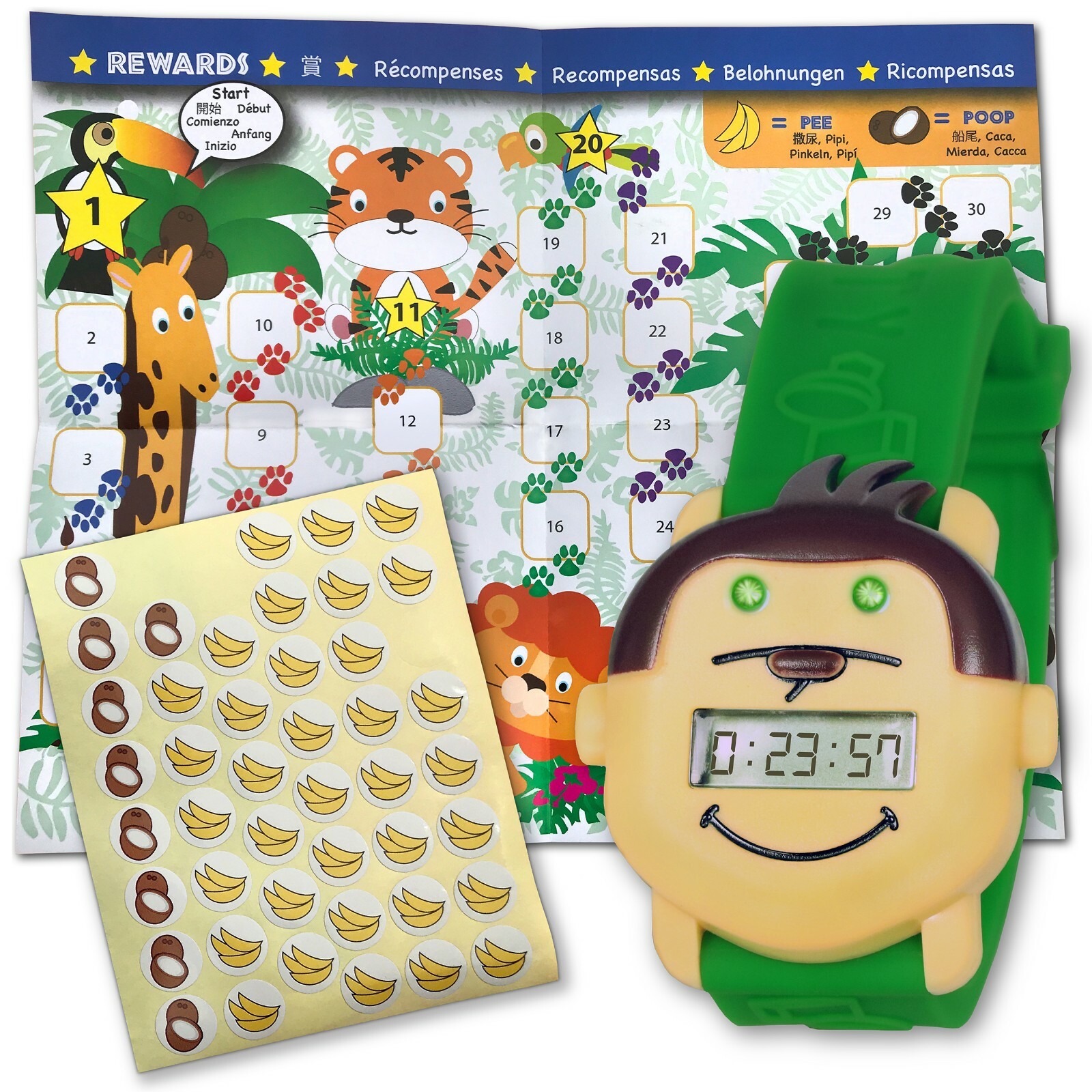 Potty Monkey Watch | Potty Training Reminder Watch w/ Colorful Fun Reward Chart$10.95
 View on eBay
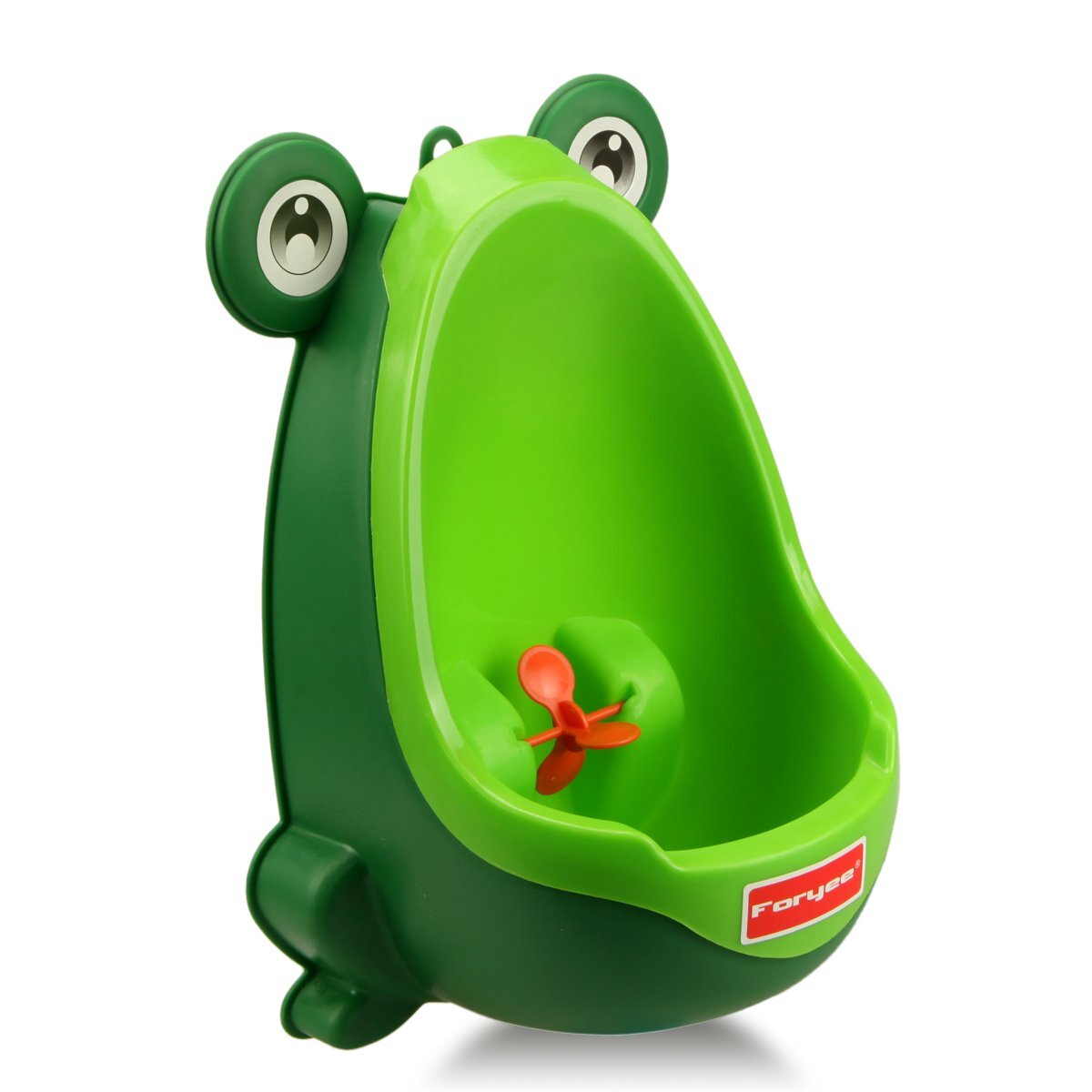 Cute Frog Potty Training Urinal for Boys with Funny Aiming Target - Blackish Gre$11.79View on eBay
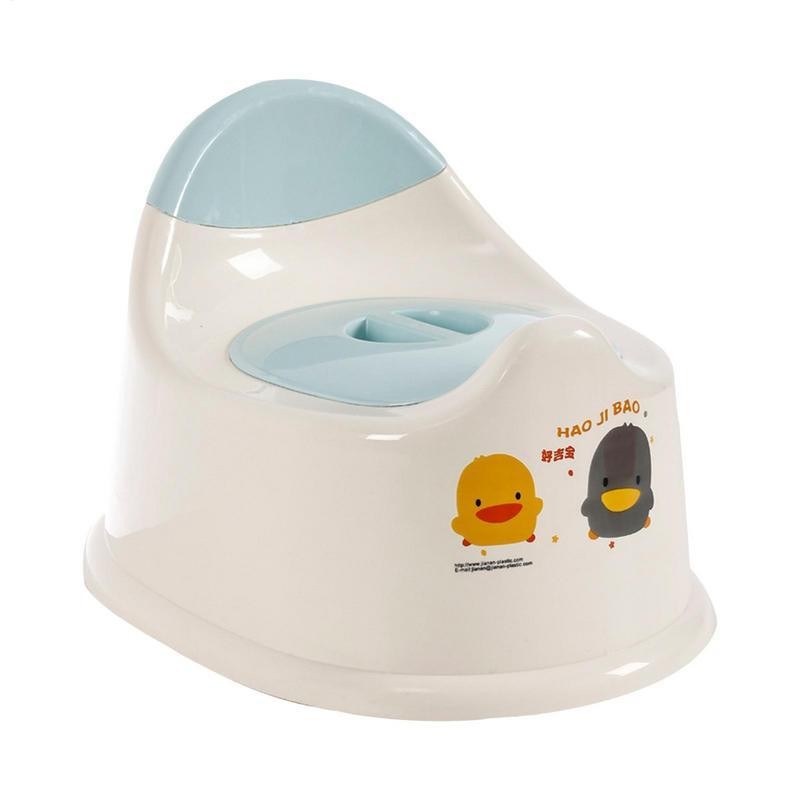 Toilet Seat Toddler Cute Toddler Potty Training Toilet Seat Lightweight Spill Pr$13.13View on eBay
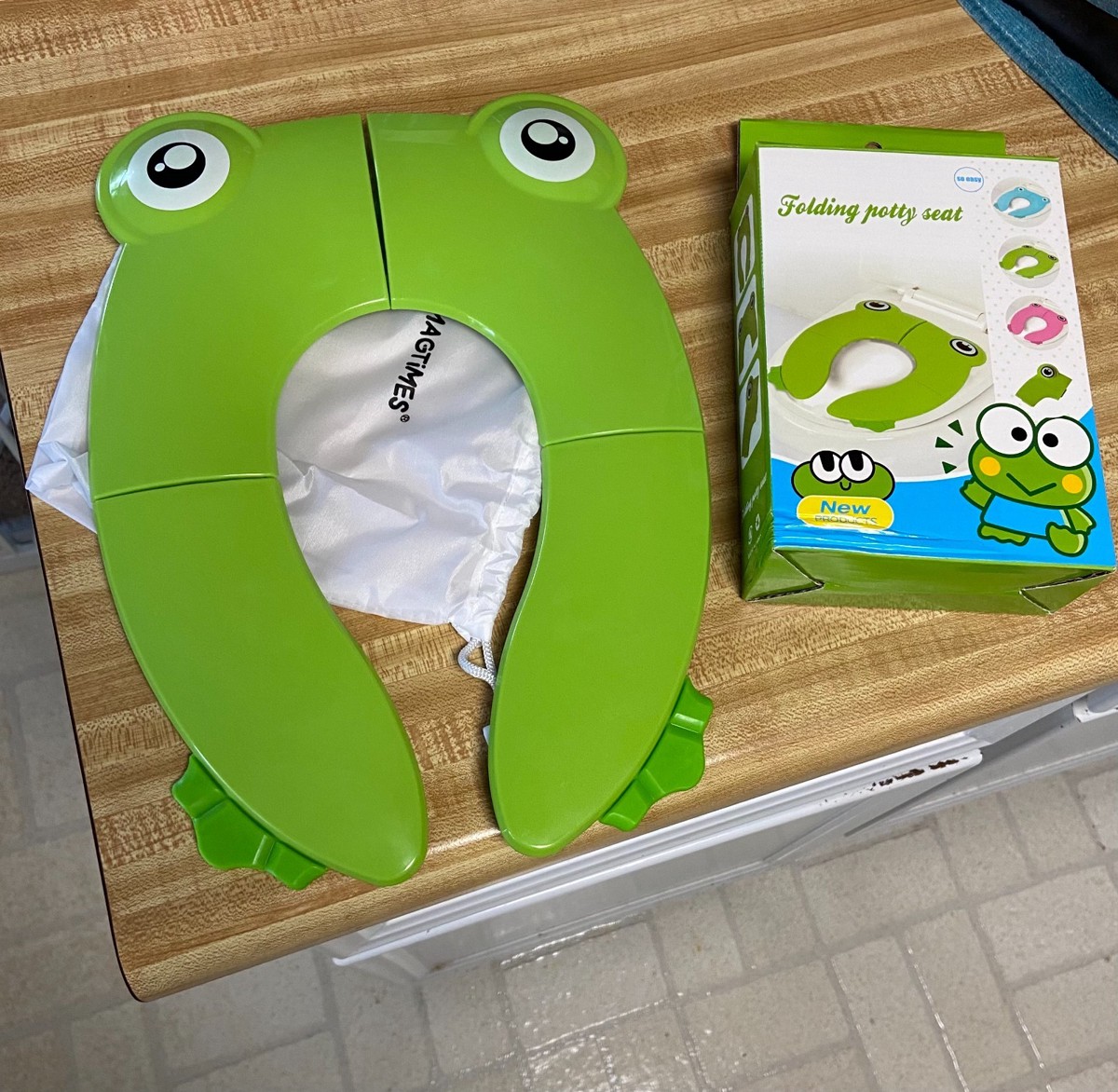 Portable Folding Toddler Potty Training Seat Non-Slip Travel Toilet Cover Green$13.98View on eBay
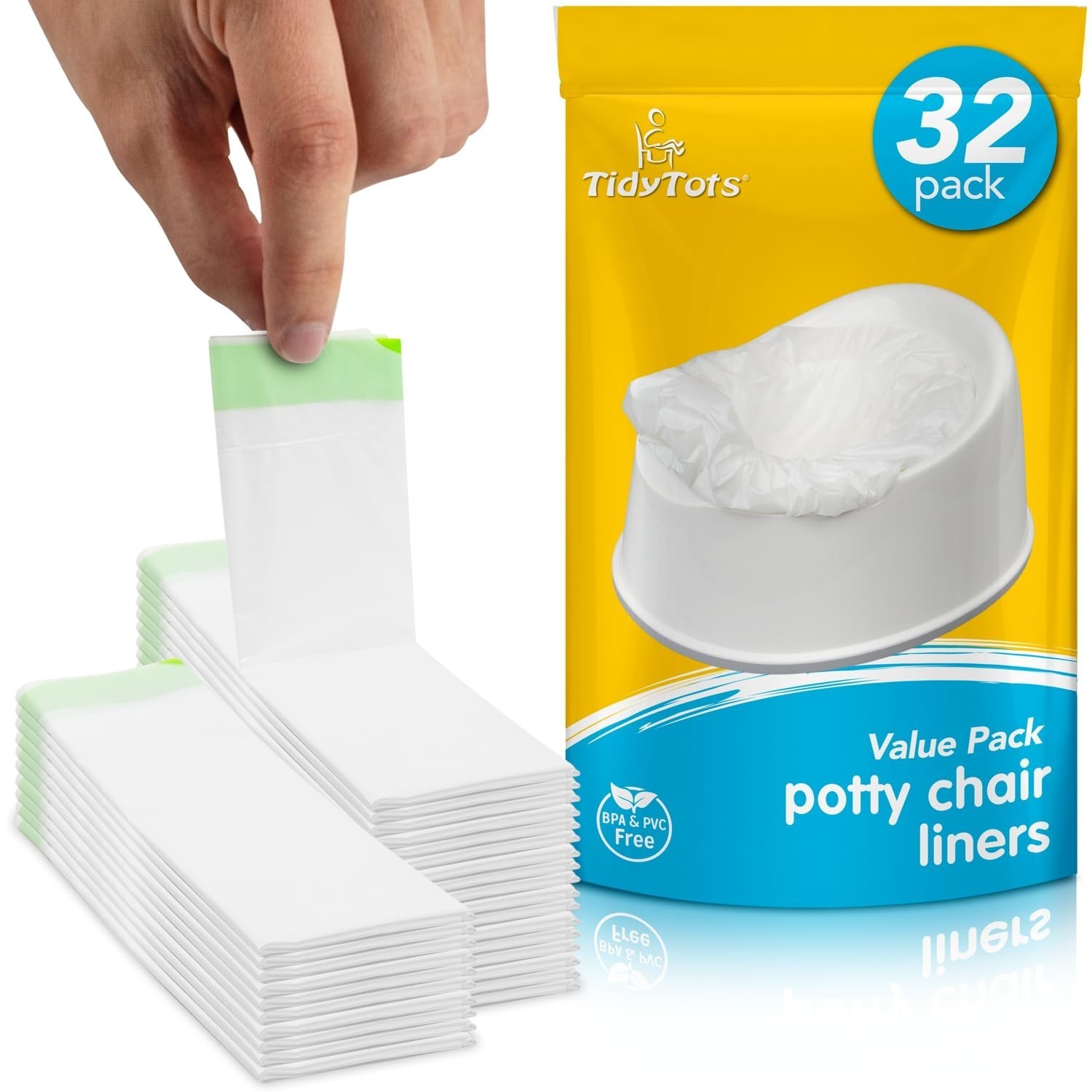 TidyTots Disposable Potty Chair Liners Potty Training Toddlers Value Pack of 32$16.12View on eBay
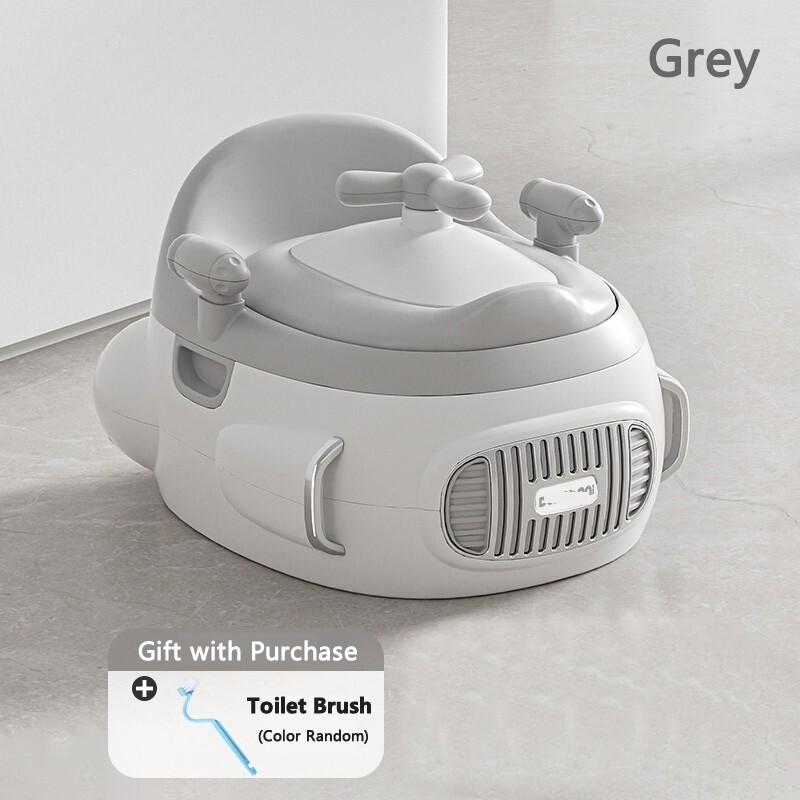 Potty Training Toilet Toddler Comfortable Cushion Easy-to-Clean and Anti-Slip$16.89View on eBay
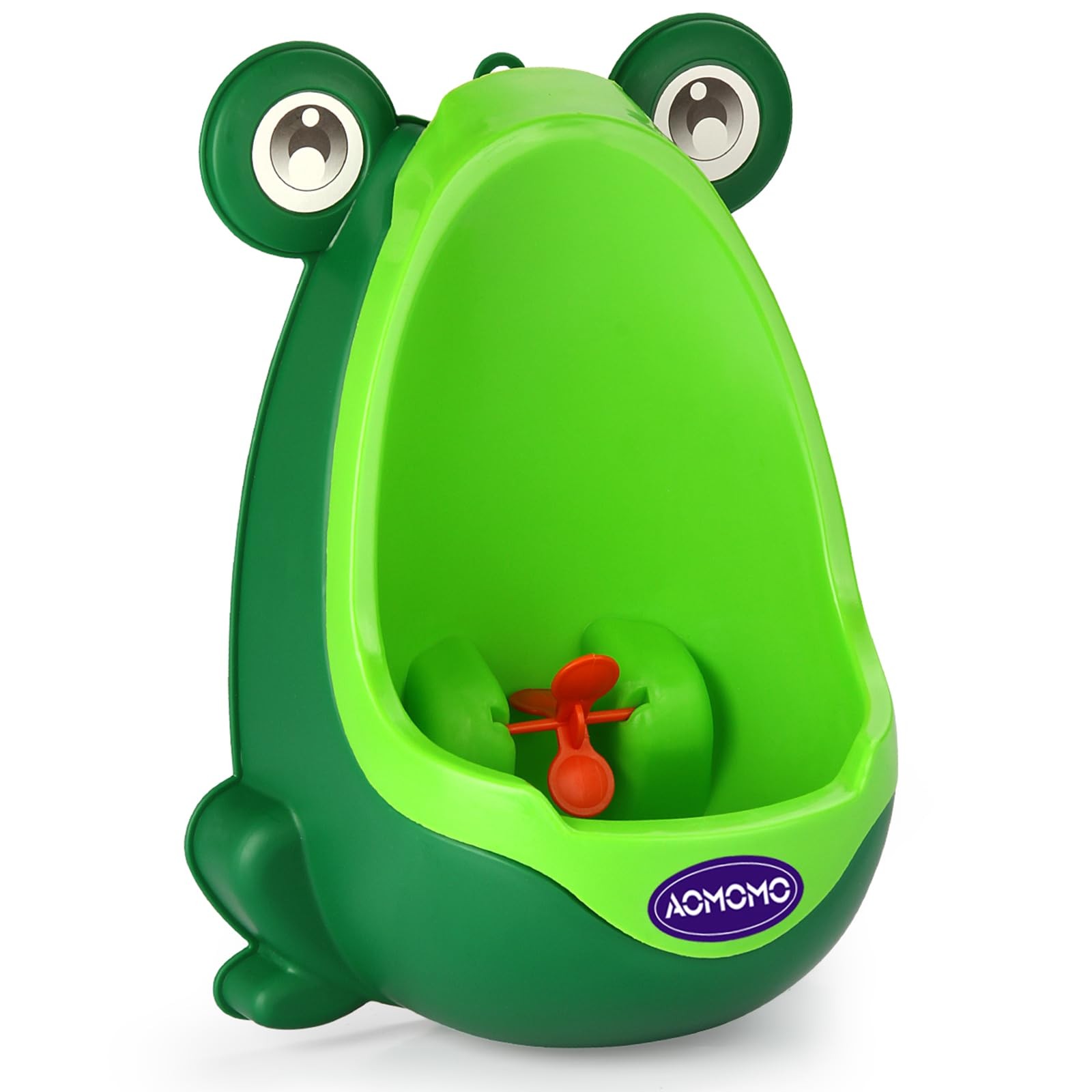 AOMOMO Frog Potty Training Urinal for Boys Toilet with Funny Aiming Target Green$16.99View on eBay
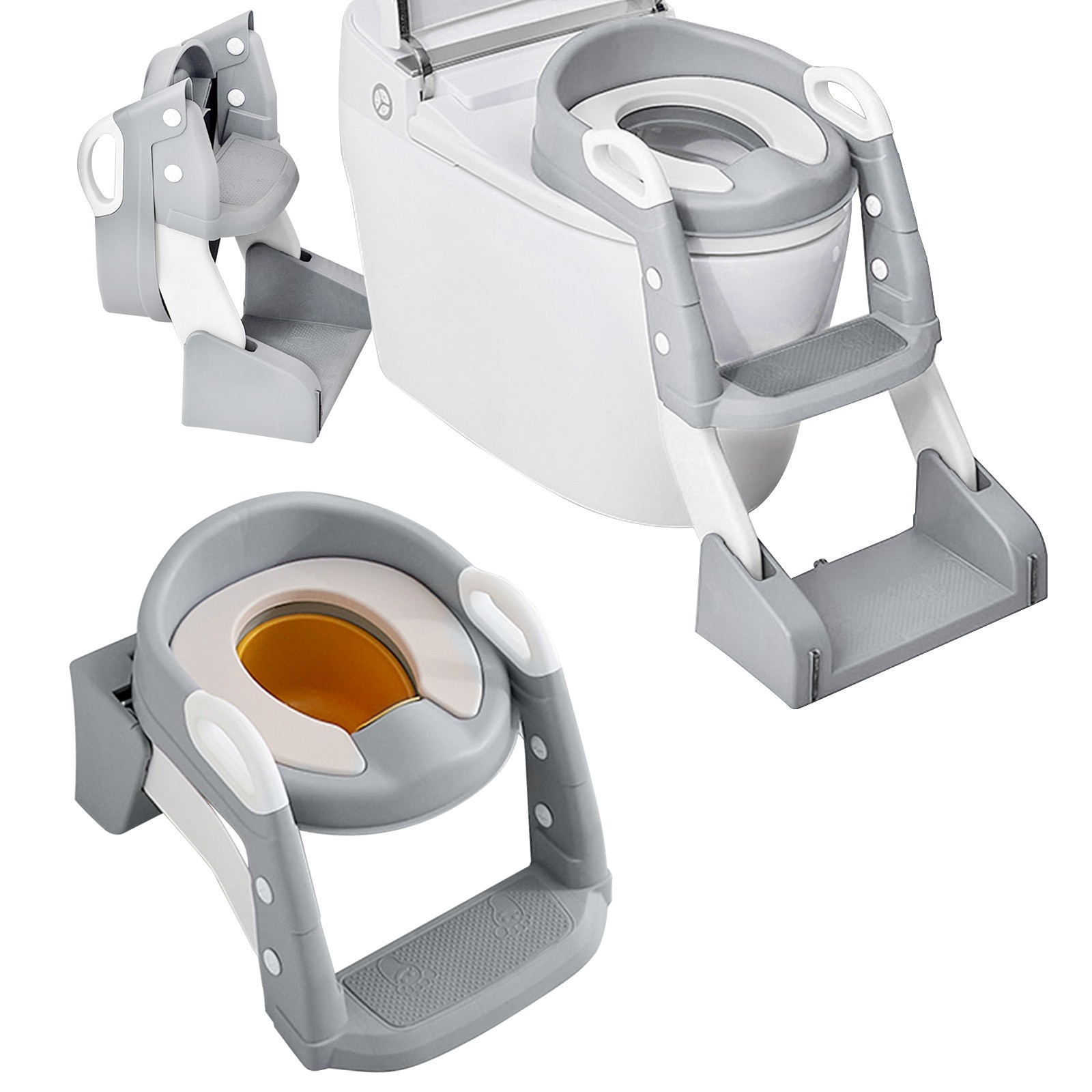 2 in 1 Toddler Potty Training Seat Step Stool Ladder Kids Toilet Trainer Chair$19.99View on eBay
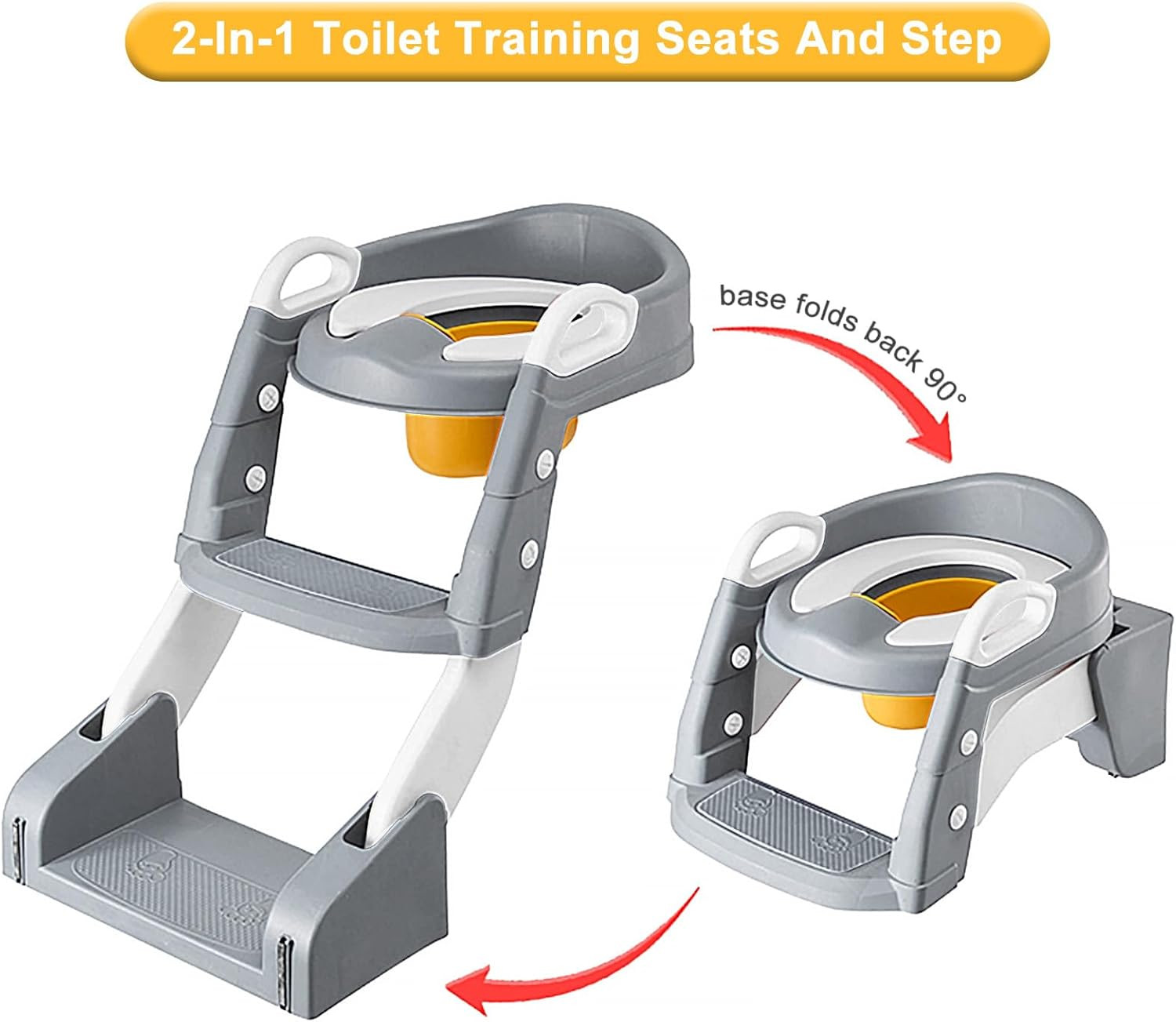 2 in 1 Toddler Potty Training Toilet Seat Foldable Potty Seat Ladder Step Stool$19.99View on eBay
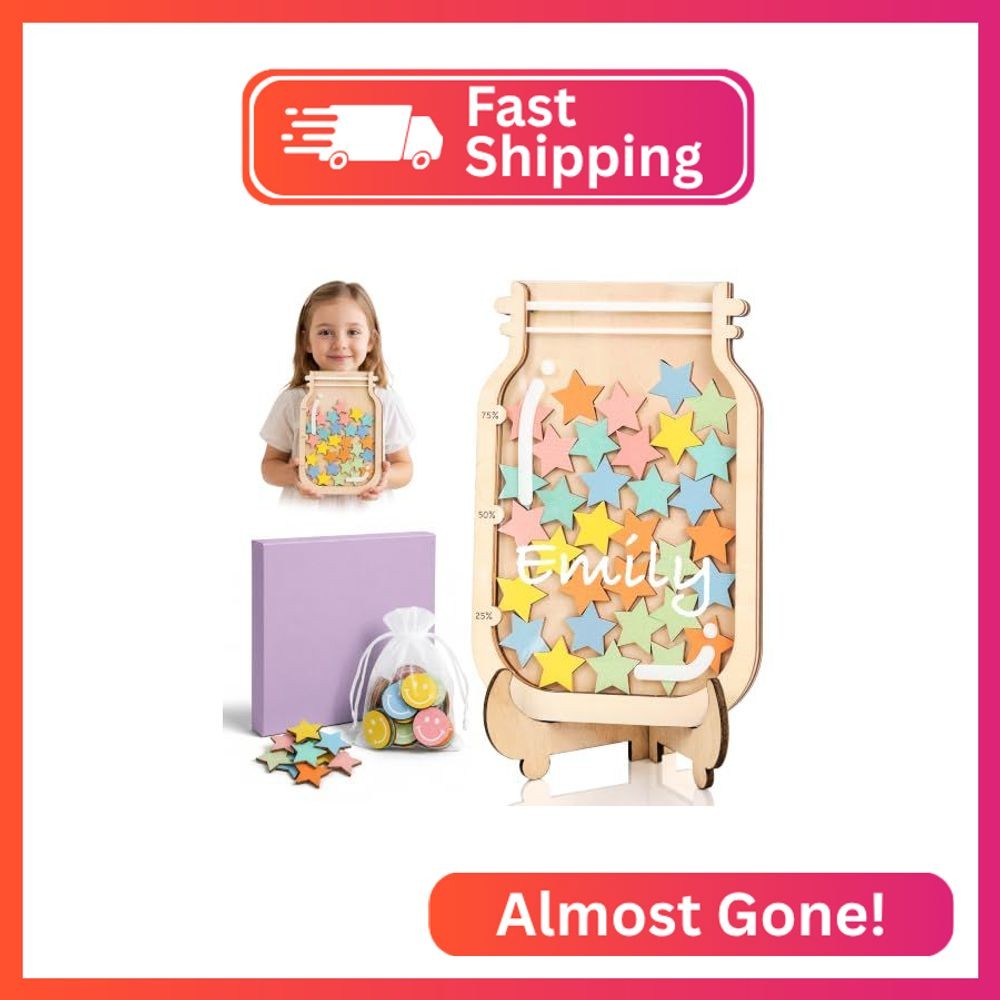 Reward Jar Potty Training Chart, Behavior Chart for Kids Classroom Must$21.05View on eBay
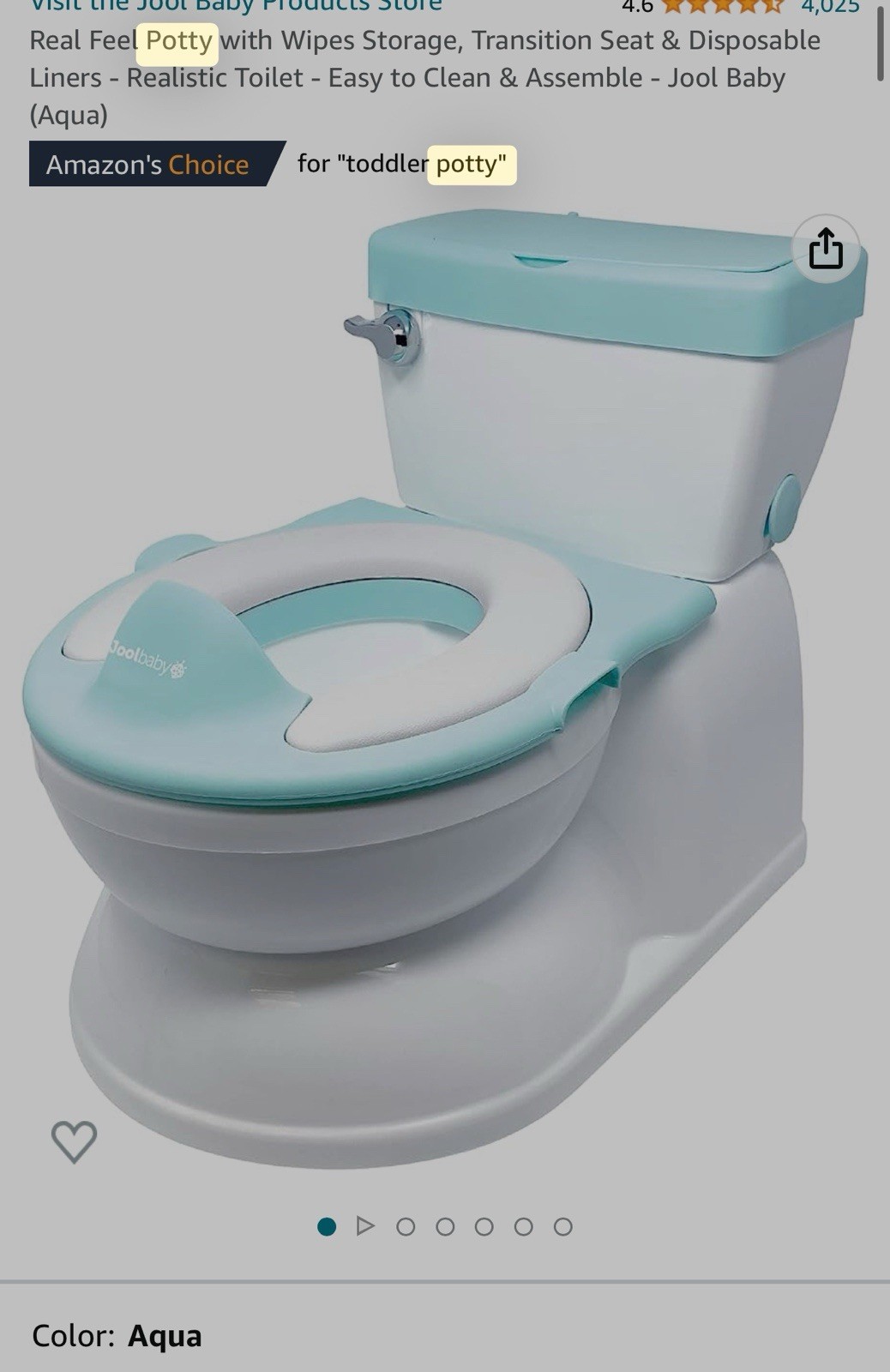 Real Feel 2-in-1 Potty with Wipes Storage, Realistic Potty Training Toilet$25.00View on eBay
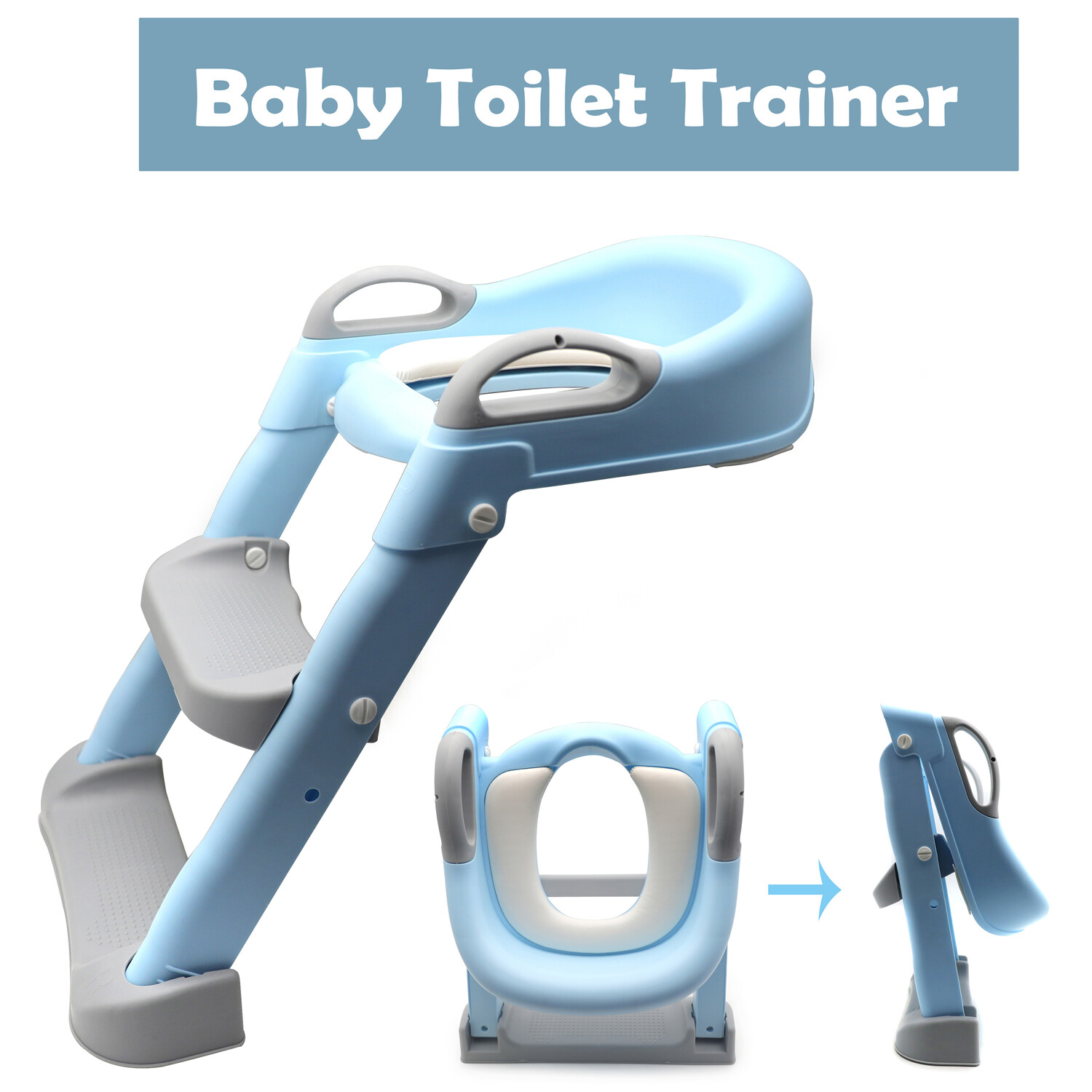 Blue Toddler Potty Training Toilet Seat Ladder Step Chair Infant Kid Trainer$26.80View on eBay
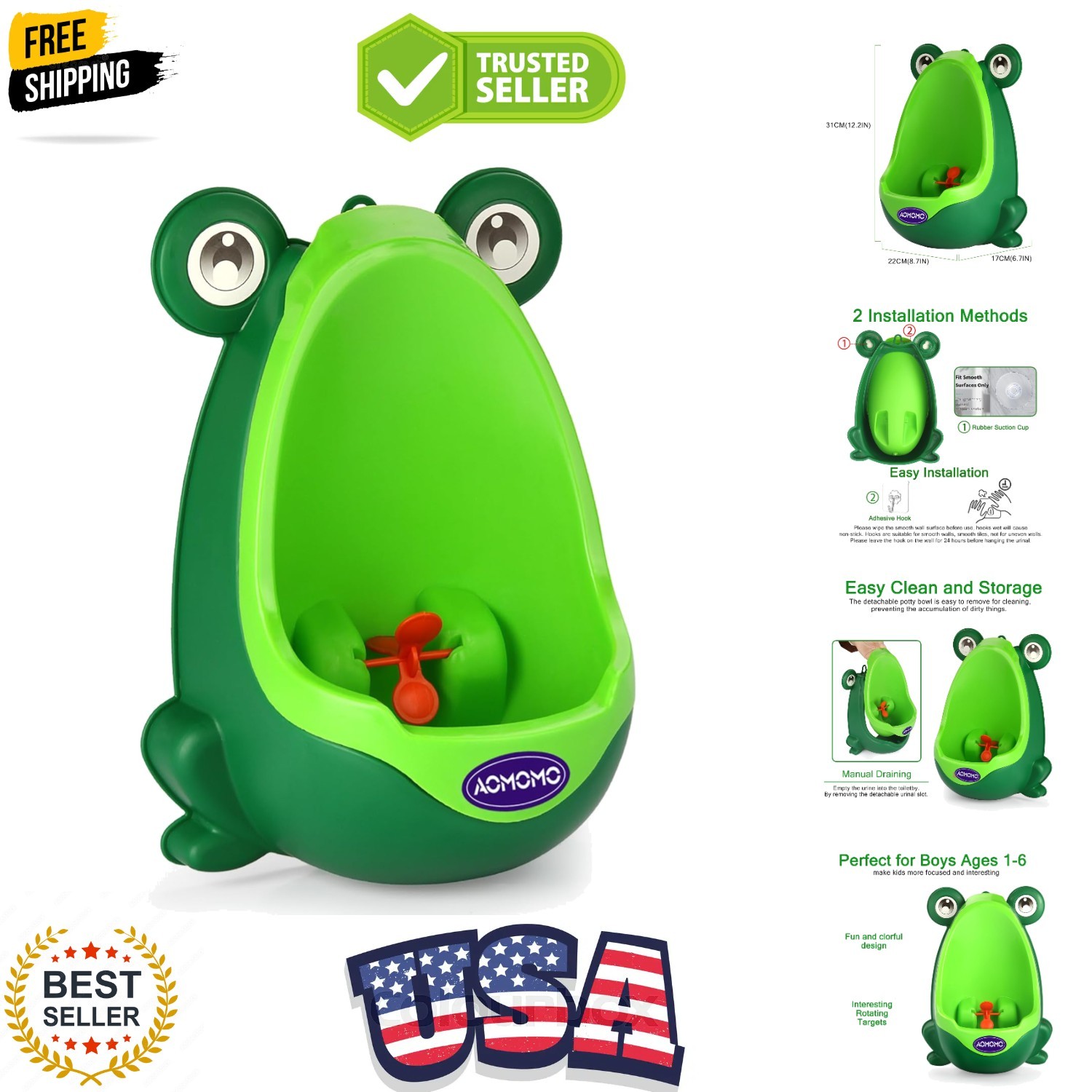 Toddler Urinal for Boys, Frog Potty Training Toilet with Spinning Target, Age...$28.79View on eBay
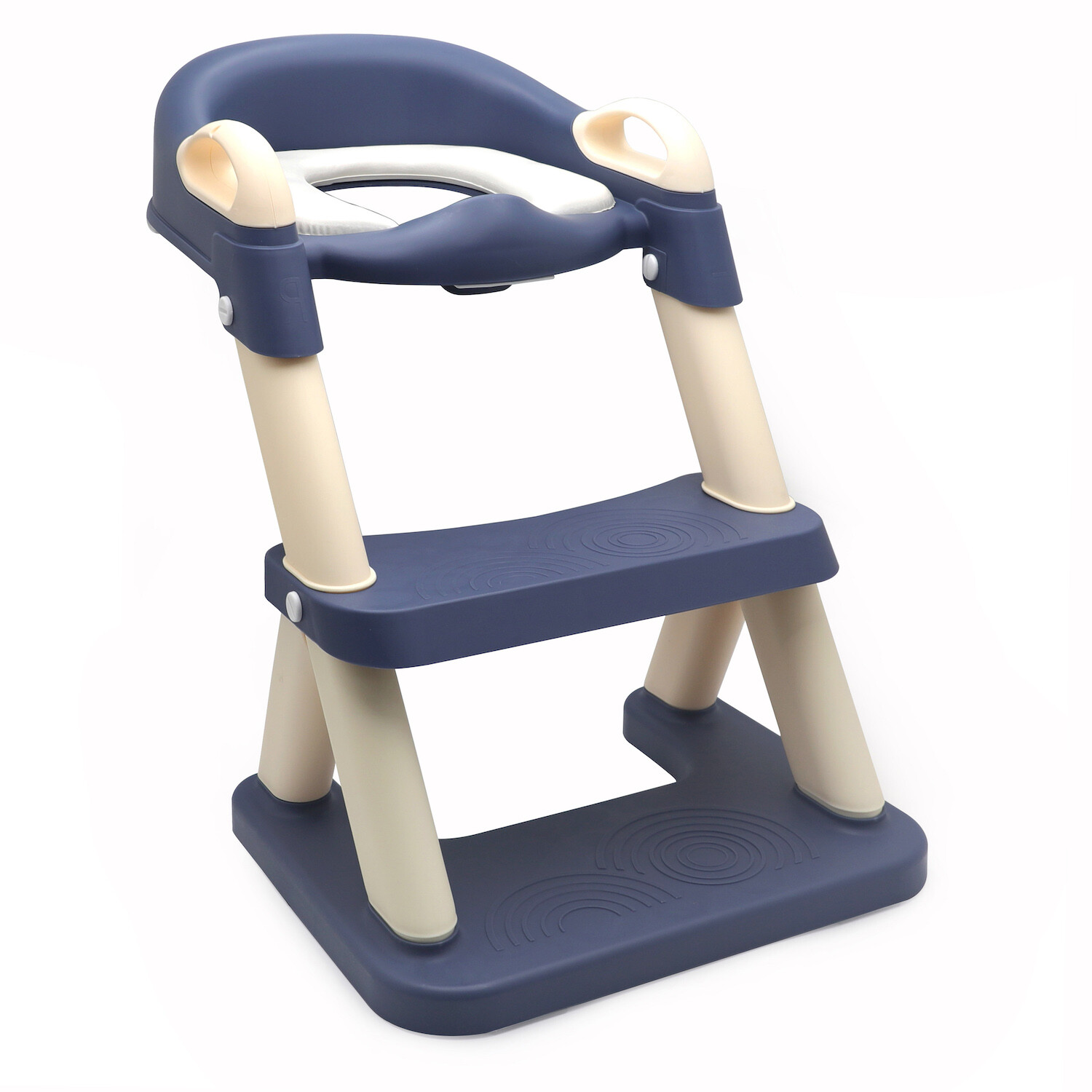 Blue Kid Potty Training Seat Ladder Toilet Chair Infant Kid Bathroom Trainer$30.00View on eBay
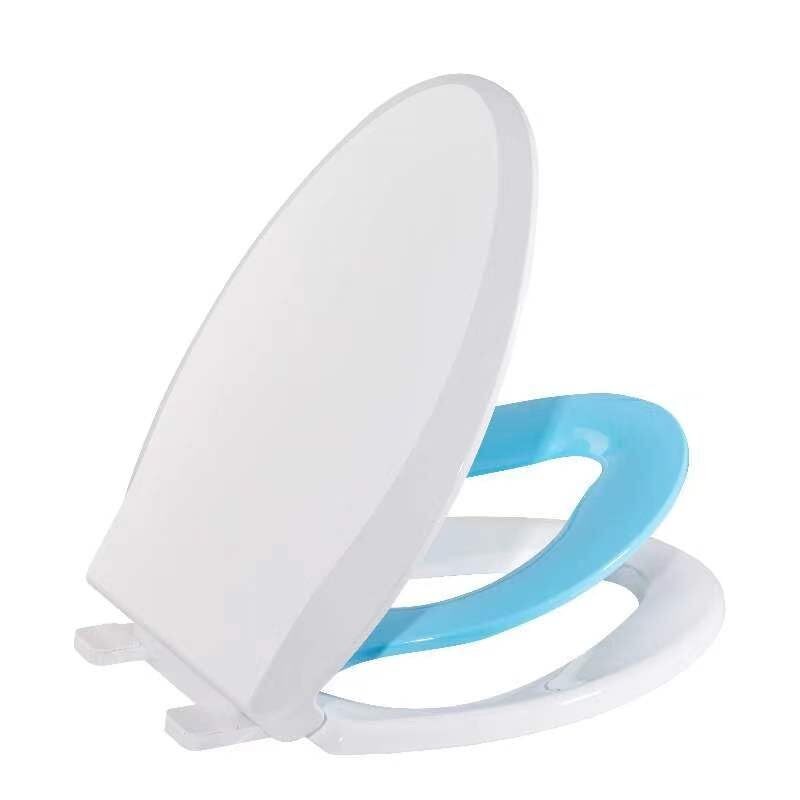 Potty Training Toilet Seat w/Toddler Seat 19" Elongated Toilet Seat for Toddlers$30.59View on eBay
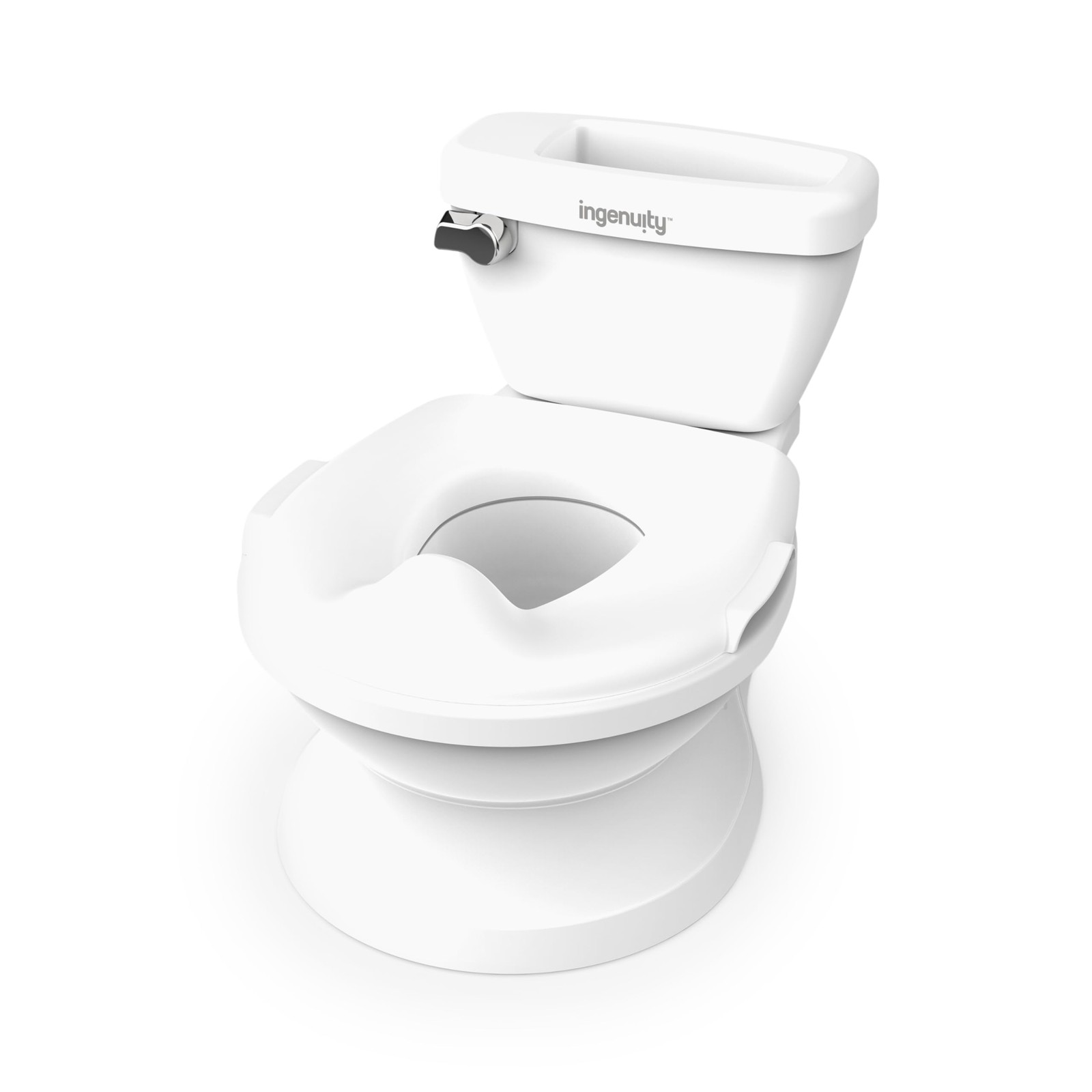 Ingenuity My Size Potty Pro 2 in 1 Potty Training Toilet Floor Potty with$30.99View on eBay
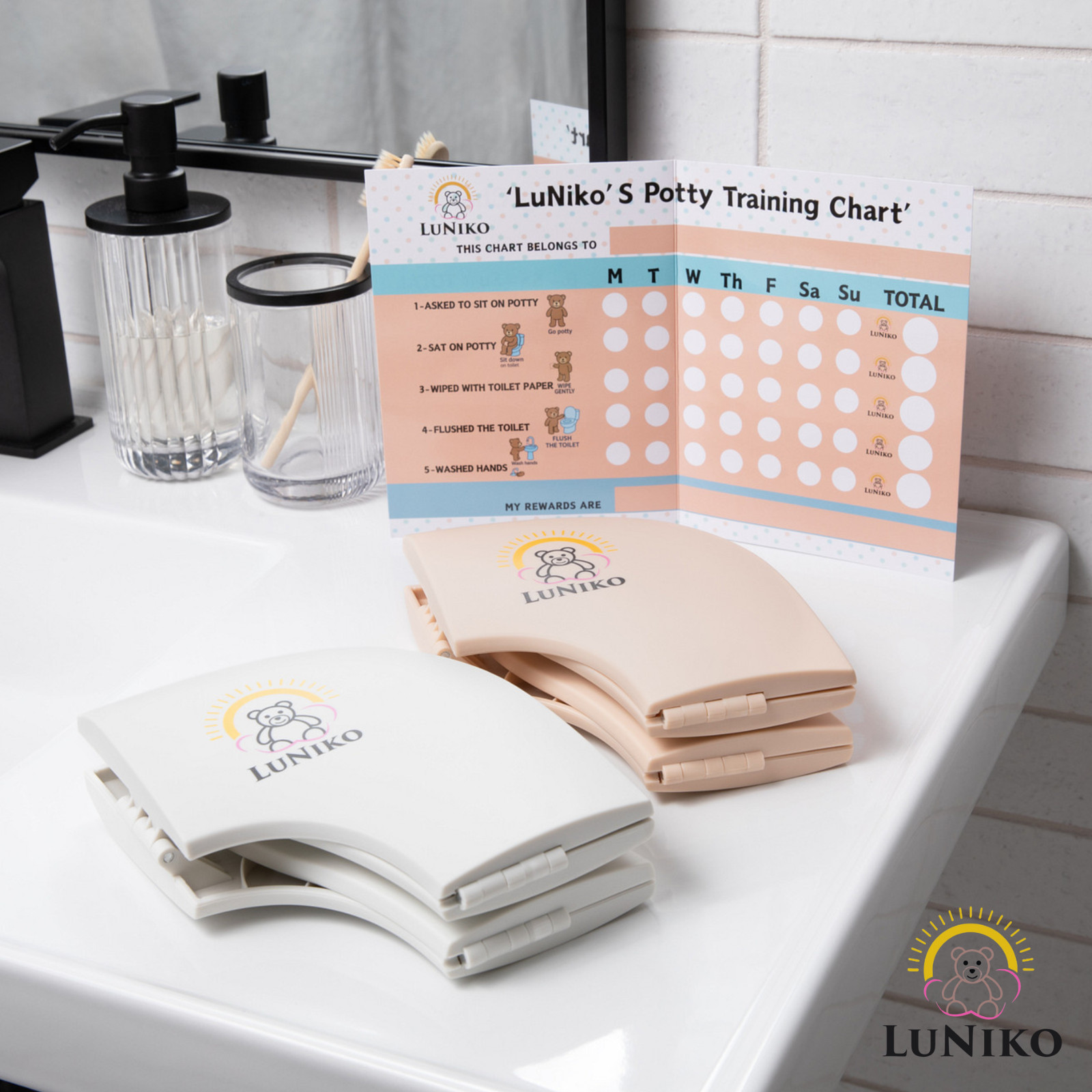 LuNiko Folding Potty Training Seat Gray Portable Travel Toilet Toddler New$32.95View on eBay
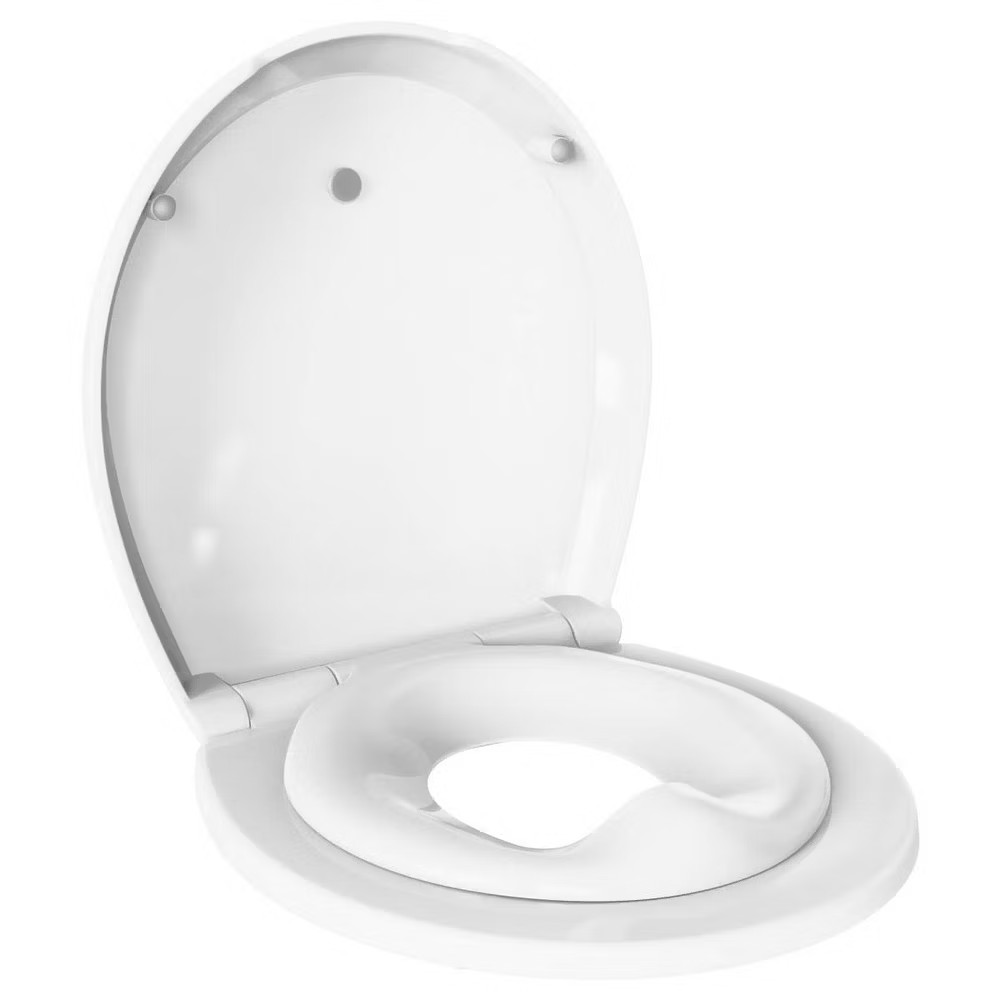 Jool Baby Quick Flip Toilet Seat with Built-In Potty Training Seat -$32.99View on eBay
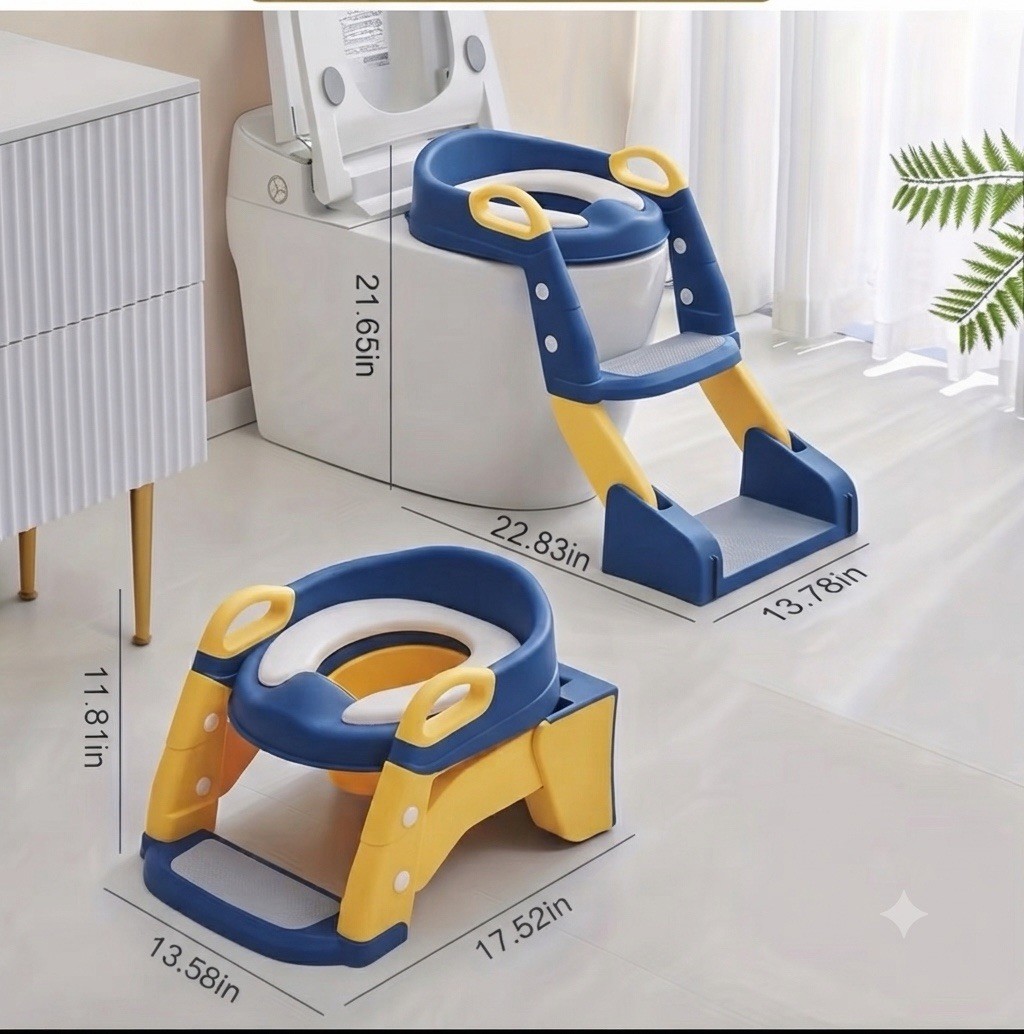 Toddler Potty Training Seat Step Stool Ladder Kids Toilet Trainer Chair Foldable$32.99View on eBay
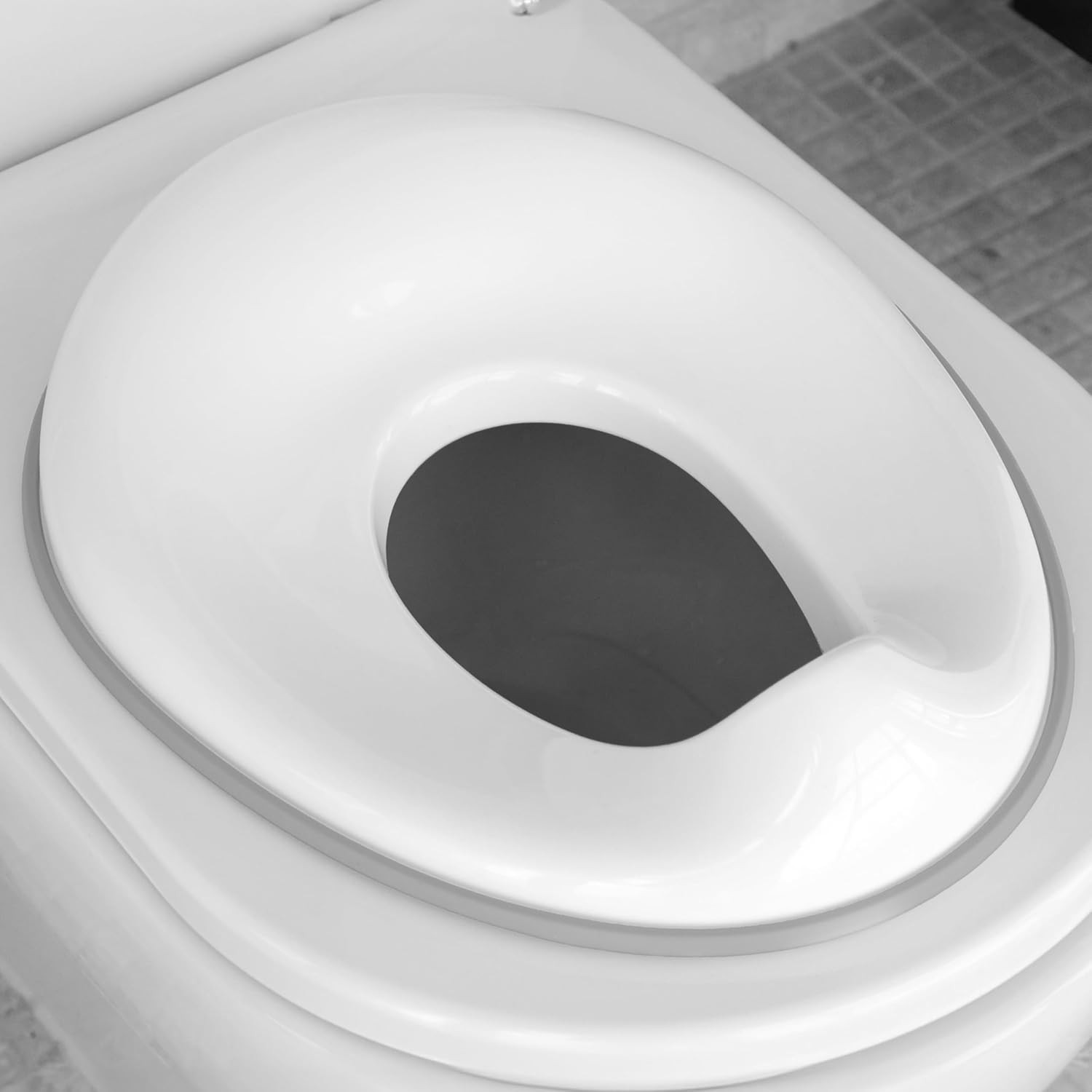 Jool Baby Potty Training Seat for Boys and Girls, Fits Round & Oval Toilets, Non$33.99View on eBay
Highlights
- Floor potties and ladder seats are different tools: a floor potty keeps feet grounded for pushing, while a ladder seat trains posture on the adult toilet but requires a stable, non-flexing step.
- Base footprint and rubberized feet determine tip resistance; a wide, low center of gravity beats a narrow novelty shape for a wiggly beginner.
- Ladder-seat hinges and step treads are the failure points: metal pivot hardware and textured, non-slip treads outlast all-plastic folding joints.
- Seat fit is governed by the adult toilet bowl shape, not the child: elongated bowls need an elongated-compatible seat, and round bowls reject elongated-only seats.
Best use cases
- Best for 18–30 months: a high-back floor potty with a removable inner bowl and wide anti-slip base; skip ladder seats until the child climbs on and off the adult toilet unaided.
- Best for travel and small bathrooms: a folding seat cover or compact 2-in-1 seat/stool; skip bulky floor potties that need dedicated floor space.
- Best for boys' standing practice: a urinal with a raised splash guard and aiming target reduces spray; skip it as the only trainer because sitting is still needed for bowel movements.
- Wrong fit: buying a musical or novelty potty before basic sitting tolerance is established — the reward distracts from the routine and the novelty fades.
Buying tips
- Measure the adult toilet bowl inside length and width; elongated bowls run roughly 2–4 inches longer than round, so choose a seat explicitly labeled for your bowl type.
- Pick a floor potty with an inner bowl that lifts out and a splash guard at least 1 inch high; this cuts cleanup and contains boys' spray.
- For ladder seats, require a step with textured rubber tread and a seat that locks to the bowl rim; folding hinges should be metal-pinned, not friction-only plastic.
- Reward systems work as a habit anchor: a simple chart or timer watch supports routine, but pair it with a consistent sit schedule rather than relying on the reward alone.
Specs
| Potty Type | Floor potty / Ladder seat / Travel cover |
|---|---|
| Toilet Fit | Round vs elongated bowl match |
| Anti-Slip | Rubber feet / Textured step tread |
| Cleanup | Removable inner bowl / Liners |
Related searches
What to check before buying
- Measure the adult toilet bowl (round vs elongated) and the child's seated height before buying a ladder seat; the step must reach the bowl without overextending.
- Check floor space and doorway width for a floor potty; the base needs flat, level flooring for the anti-slip feet to grip.
- Confirm the potty's inner bowl capacity and whether liners fit — disposable liners require a matching bowl shape to stay put.
- For travel seats, verify the folded dimensions fit your bag and that the seat's anchors compress onto the bowl rim without slipping.
FAQ
Data sources: eBay / Amazon listings and product attribute feeds Data updated Nov 15, 2026.
Some links on this page are affiliate links. If you buy after clicking one, we may earn a commission at no extra cost to you. This does not change which products appear here or their order. Affiliate disclosure.