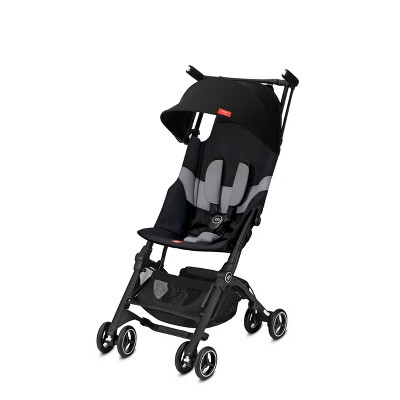

Photos from current listings. Actual item, color, and included accessories may vary.
All Terrain Stroller Buying Guide
All-terrain strollers are built for off-pavement use—gravel, grass, sand, snow—with larger air-filled or foam tires, suspension, and a sturdier frame than urban strollers. The core trade-off is weight and folded bulk versus true capability: air tires plus real suspension conquer rough ground, while EVA foam and small wheels keep it a compact compromise. Choose an all-terrain model only if air-filled tires and a locking front wheel are present; otherwise you're buying a mall stroller with knobby styling.


At a glance
- Category
- Strollers & Car Seats
- Data updated
- Nov 16, 2026
Current offers
Highlights
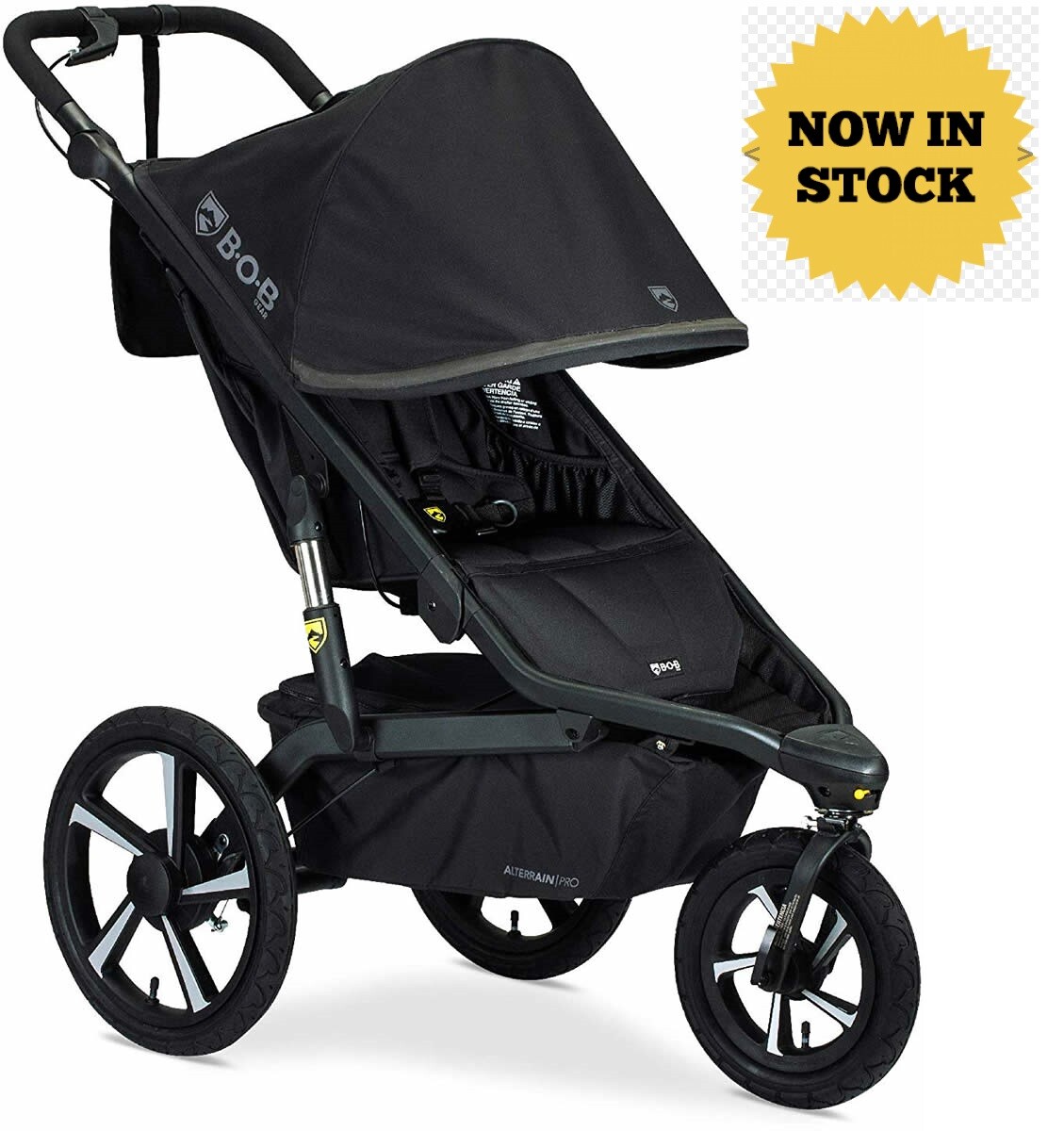
- Air-filled (pneumatic) tires with a locking swivel front wheel are the defining hardware—foam/EVA tires cannot match traction or shock absorption on gravel and roots.
- Suspension design separates tiers: independent rear or four-wheel spring suspension absorbs trail chatter; rigid frames transmit every bump to the child.
- Frame construction and folded footprint vary widely—full-size joggers use aluminum frames with quick-release rear wheels, while compact travel strollers sacrifice wheel size for one-hand folds.
- Brake type matters on hills: a hand-operated rear brake or wrist strap is essential for jogging and steep terrain, beyond the standard foot parking brake.
Best use cases
- Best fit: daily trail walks, park paths, and light jogging on gravel or grass—pick a full-size model with 12-inch or larger air tires, lockable front wheel, and hand brake.
- Best fit: travel and car-trunk storage where space is tight—choose a compact all-terrain with quick-fold and foam tires, but accept reduced off-road grip.
- Wrong fit: serious running or uneven mountain trails—a stroller without a fixed front wheel and hand brake is unsafe; use a dedicated jogging stroller instead.
- Skip if: you mostly shop indoors and use smooth sidewalks—a lightweight umbrella or compact stroller is easier to lift and store.
Buying tips
- Measure your trunk opening and door width first: full-size all-terrain strollers often fold to 30+ inches wide, while compact models fold near 20 inches.
- Check tire type explicitly—pneumatic air tires with a pump included suit rough ground; EVA foam tires are maintenance-free but harsh on gravel.
- Confirm the front wheel locks straight and the handlebar has a safety wrist strap if you plan to jog; both are non-negotiable for running.
- Verify the seat recline is flat or near-flat for infants and that the canopy offers UPF 50+ coverage; many all-terrain models accept bassinets or car seat adapters separately.
Specs
| Tire Type | Pneumatic air vs EVA foam |
|---|---|
| Front Wheel | Lockable swivel vs fixed |
| Suspension | Rear-only / 4-wheel / rigid |
| Folded Size | Full-size 30+ in vs compact 20-24 in |
Related searches
What to check before buying
- Measure your car trunk height and width with the stroller folded—full-size all-terrain models typically need 30+ inches of length.
- Check your doorway and elevator width; strollers wider than 24 inches can be tight in older buildings.
- Confirm the tire valve type and whether a pump is included; air tires need periodic inflation.
- Verify the handlebar height is comfortable for your stature—most fixed handles sit around 40-42 inches, too low for tall parents.
FAQ
Data sources: eBay / Amazon listings and product attribute feeds Data updated Nov 16, 2026.
Some links on this page are affiliate links. If you buy after clicking one, we may earn a commission at no extra cost to you. This does not change which products appear here or their order. Affiliate disclosure.