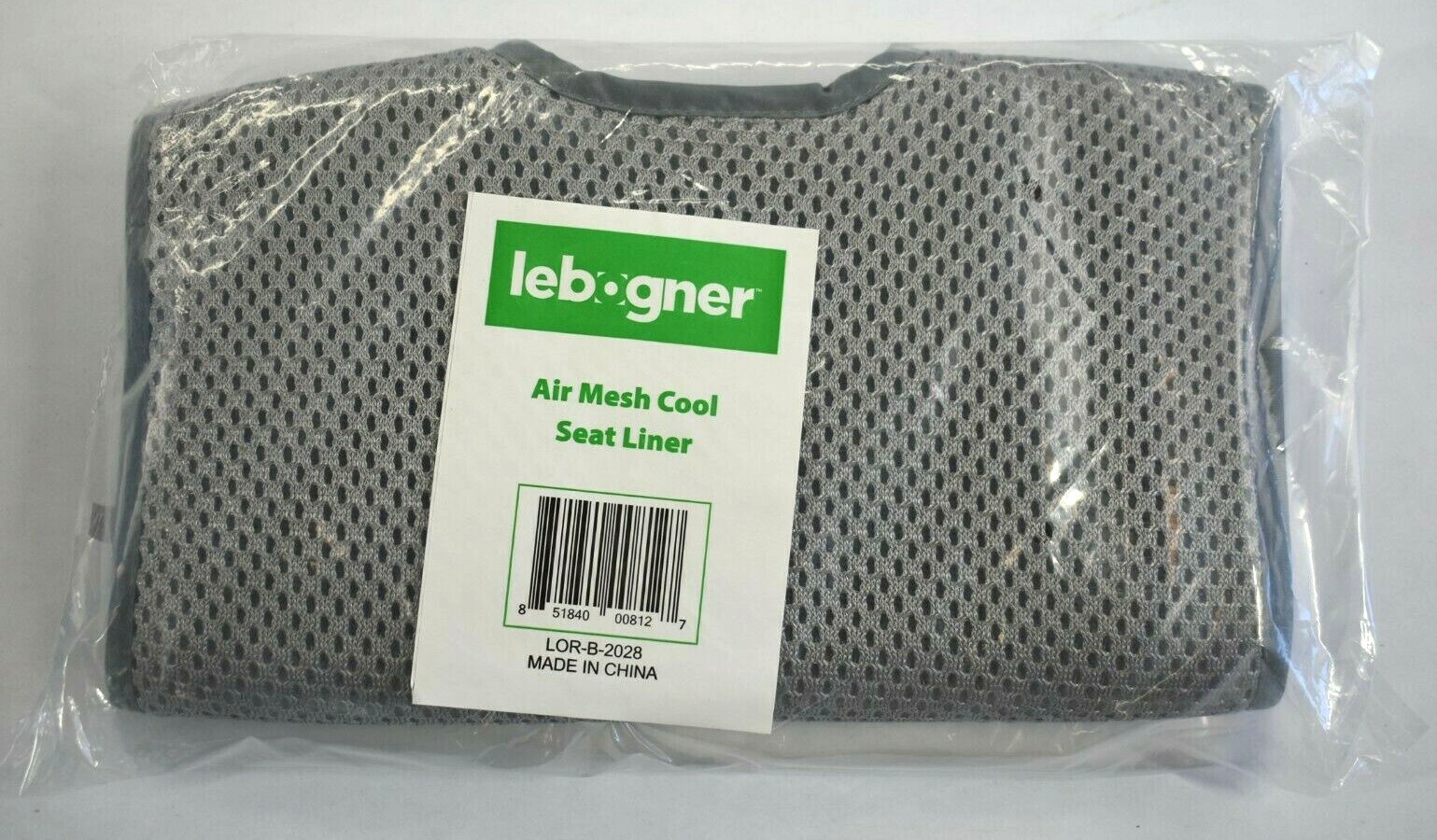

Photos from current listings. Actual item, color, and included accessories may vary.
Booster Seat Buying Guide
A booster seat is a forward-facing child restraint that raises a child so the vehicle's three-point seat belt fits correctly across the strongest parts of the body. The core trade-off is between high-back boosters with head/neck support and backless boosters that offer only height and belt positioning. Choose a high-back for children under 40 lb or vehicles without adjustable head restraints; choose a backless only when the child exceeds the booster's minimum weight and the vehicle's head restraint provides full support.


At a glance
- Category
- Strollers & Car Seats
- Data updated
- Nov 16, 2026
Current offers
Highlights
- High-back boosters have a rigid shell with shoulder-belt guide and adjustable headrest; backless boosters are a simple seat base with belt-positioning clips for lap and shoulder belts.
- Minimum weight for booster use is typically 40 lb (18 kg) across both types, but high-back models often start at 30 lb for younger children.
- Backless boosters require vehicle head restraints that reach at least the top of the child's ears; high-back boosters provide built-in head support up to their stated height limit.
- LATCH/ISOFIX connectors on boosters only secure the empty seat; the child is always restrained by the vehicle's three-point belt, not the booster's harness.
Best use cases
- Best for a child 40–80 lb and 43–57 in tall in a vehicle with adjustable head restraints: pick a backless booster for simple belt positioning and easy transfer between cars.
- Best for a child 30–40 lb or a vehicle with low/non-adjustable head restraints: pick a high-back booster with a shoulder-belt guide and deep head wings for head and neck support.
- Wrong fit: using a backless booster in a vehicle seat with no head restraint or one that sits below the child's ears—switch to a high-back booster or a different seating position.
- Wrong fit: a child under the booster's minimum weight or height—keep using a forward-facing harnessed seat until the booster's stated minimums are met.
Buying tips
- Match the booster's minimum and maximum weight/height limits to your child's current measurements; a seat rated 40–100 lb will not fit a 35 lb child safely.
- Measure your vehicle's seat-back height: a backless booster needs a head restraint at or above the child's ear level; otherwise use a high-back model.
- Check that the booster's shoulder-belt guide positions the belt across the center of the shoulder, not the neck; adjustable guides are essential for growing children.
- For a backless booster, confirm the vehicle seat cushion is at least as deep as the booster base so the belt routing clips align with the child's hips.
Specs
| Booster Type | High-back / Backless / 2-in-1 |
|---|---|
| Min Weight | 30–40 lb (13.6–18 kg) |
| Belt System | Vehicle 3-point seat belt |
| Head Support | Built-in (high-back) / Vehicle (backless) |
Related searches
What to check before buying
- Measure your child's weight and seated height against the booster's minimum and maximum limits before choosing high-back vs backless.
- Check every seating position you'll use: the vehicle head restraint must reach the top of the child's ears for a backless booster.
- Confirm your vehicle has a lap-and-shoulder belt (three-point) in that position; booster seats cannot be used with a lap-only belt.
- Verify the booster's width fits your vehicle seat without overhanging the cushion edges, especially in narrow center positions.
FAQ
Data sources: eBay / Amazon listings and product attribute feeds Data updated Nov 16, 2026.
Some links on this page are affiliate links. If you buy after clicking one, we may earn a commission at no extra cost to you. This does not change which products appear here or their order. Affiliate disclosure.