Photos from current listings. Actual item, color, and included accessories may vary.
Car Seat With Wheel Buying Guide
A car seat with wheels is not a single product category but a system: either a wheeled car seat base (the car seat itself plus an integrated trolley frame) or a travel system where a compatible infant car seat clicks into a stroller chassis. The core trade-off is between the convenience of rolling the seat versus the weight, folded bulk, and crash-test certification of the combined unit. The decisive rule: buy a wheeled car seat or travel system only when the seat and wheel base are certified together as a system (FMVSS 213 for the seat, plus stroller stability per ASTM F833), and skip any add-on wheel dolly that is not tested with your specific seat model.

At a glance
- Category
- Strollers & Car Seats
- Data updated
- Nov 15, 2026
Current offers
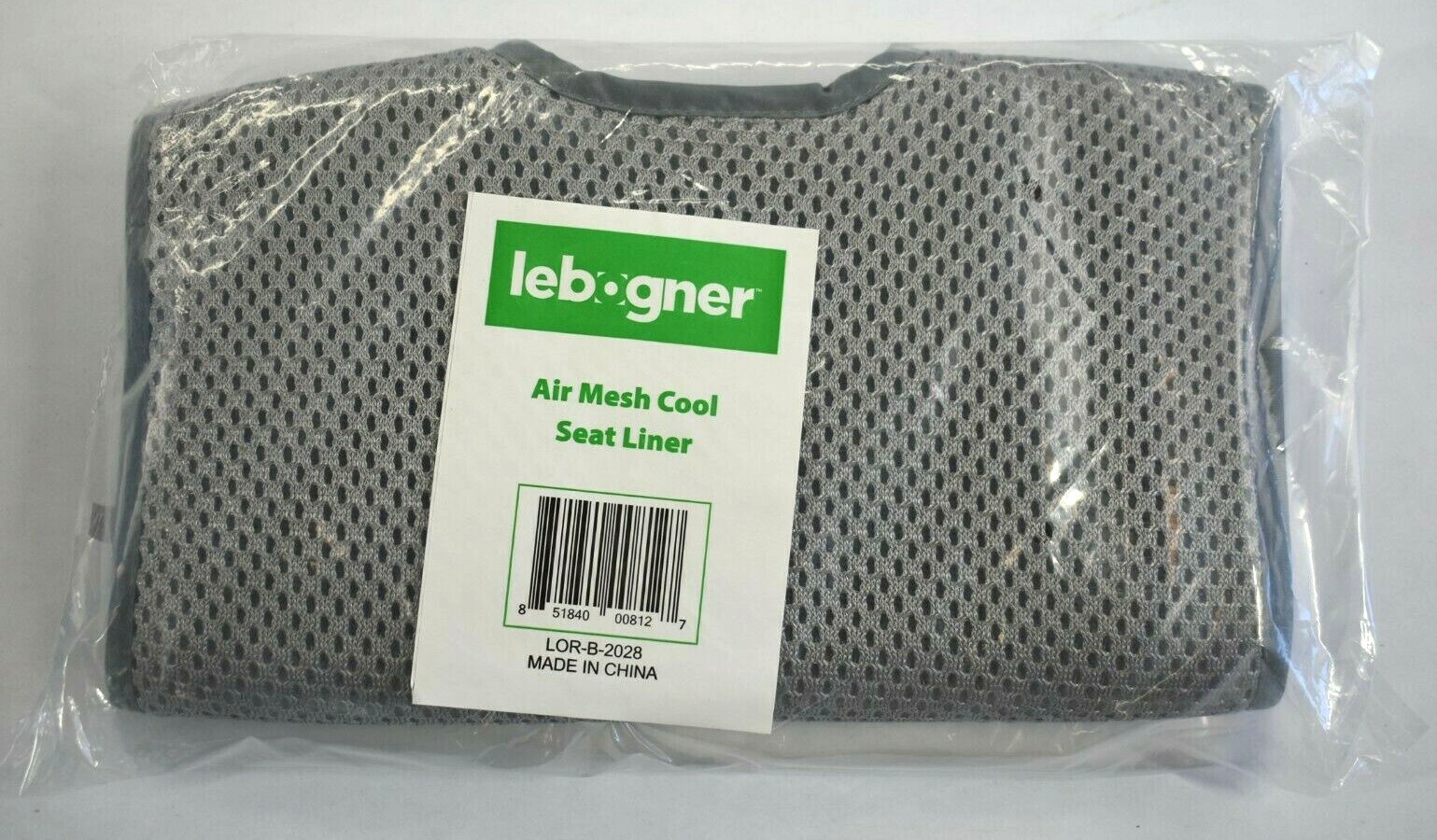 Lebogner 3D Air Mesh Cool Baby Seat Liner For Strollers Car Seats Jogger Booster$3.55
 View on eBay
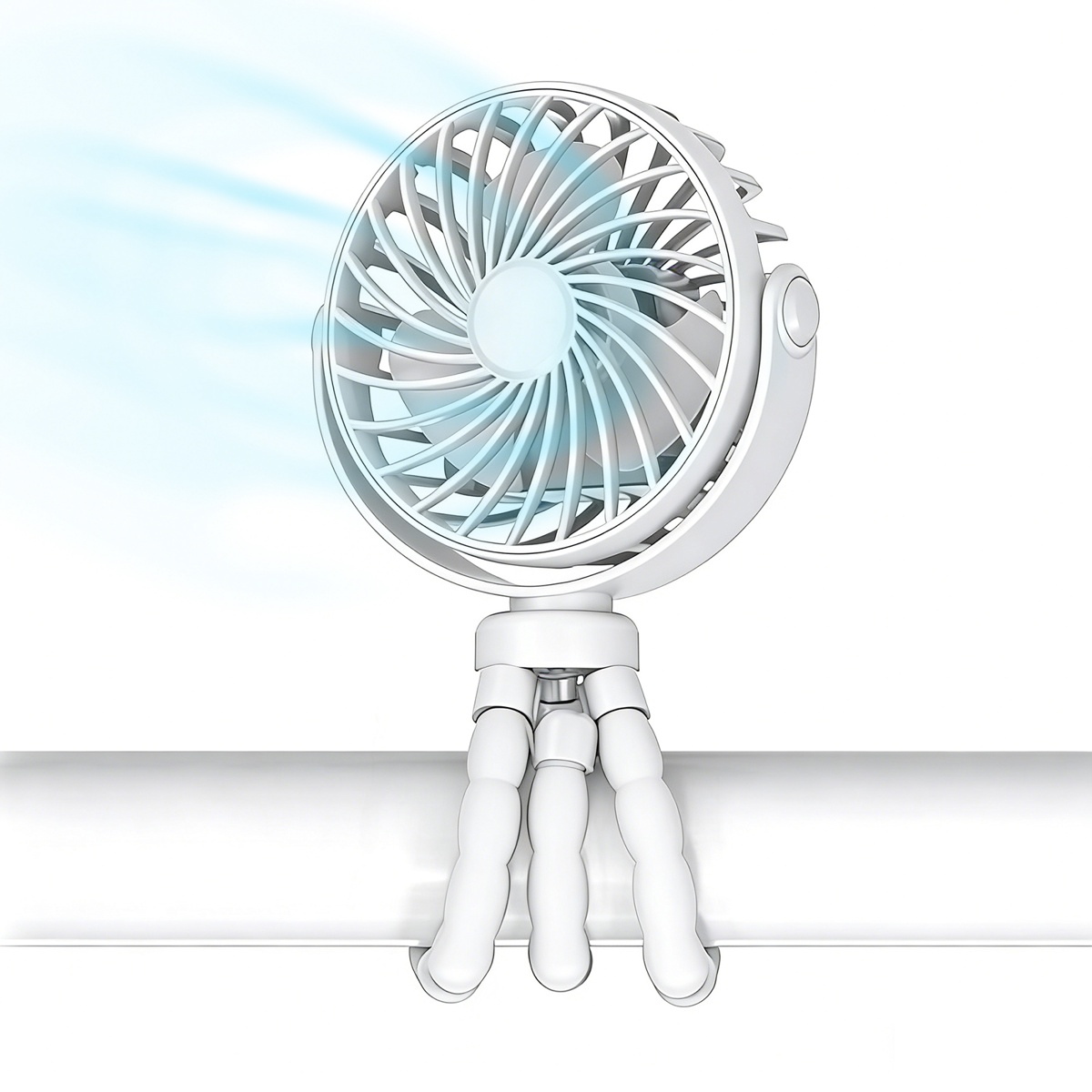 Rechargeable Stroller Fan With Flexible Tripod Clip,White Portable Fan For Baby Car Seat, Crib, Travel, Treadmill & Bed, 3-Speed Quiet Personal Cooling Fan$19.99
 View on Mallflare
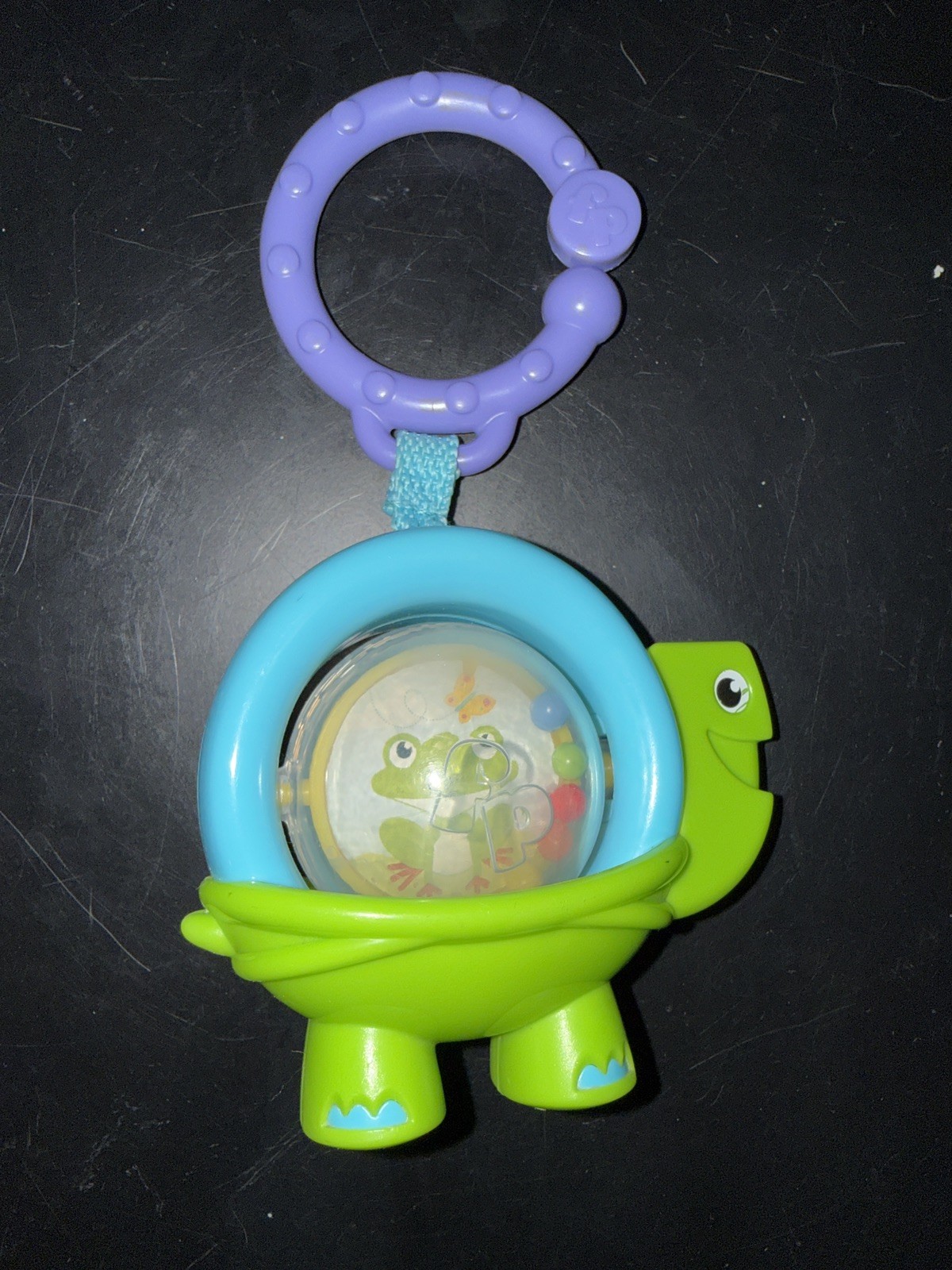 Fisher-Price Turtle Clip-On Rattle Ball Toy Infant Stroller Car Seat Teether$5.00View on eBay
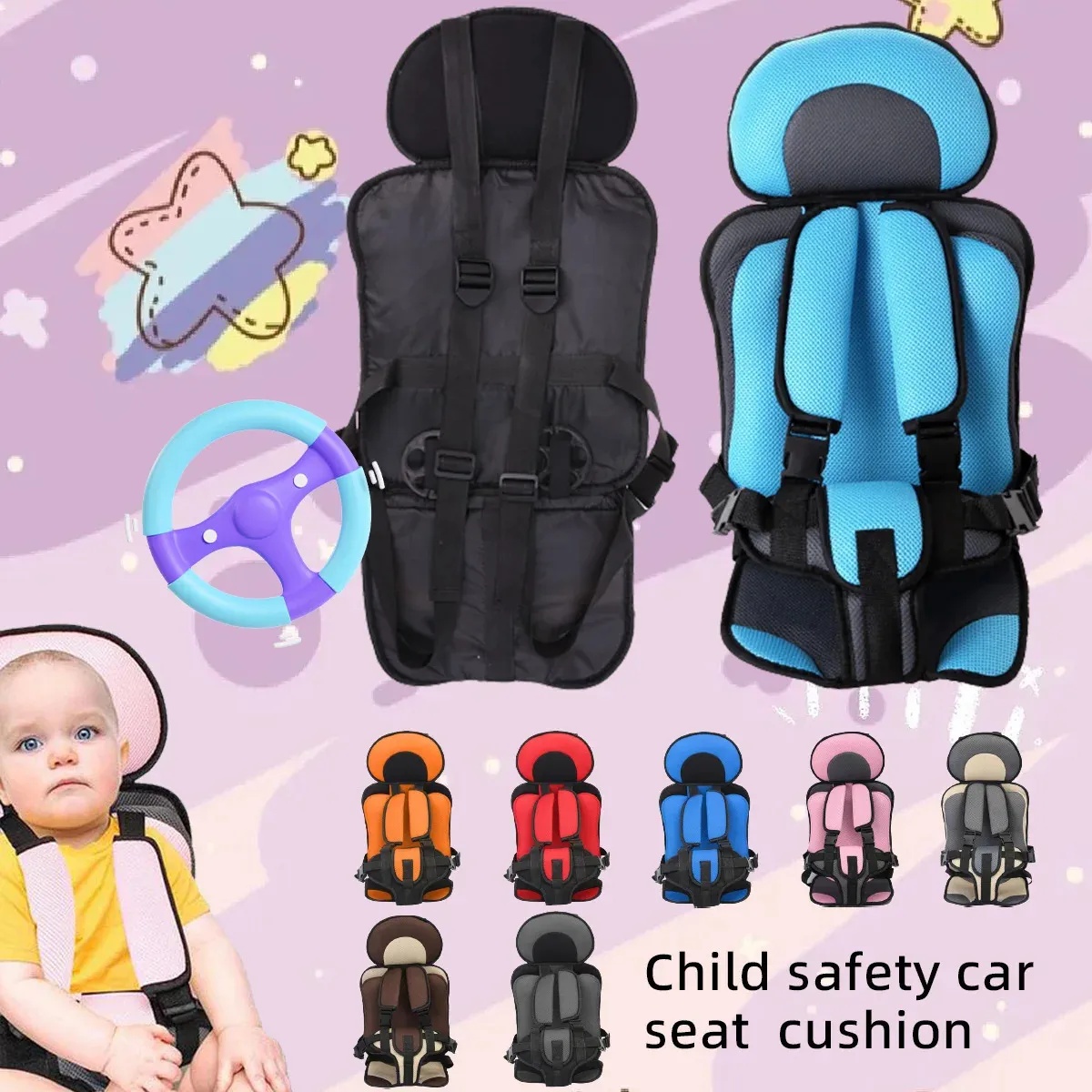 Infant Safe Seat Mat Portable Baby Safety Children's Chairs Updated Version Thickening Sponge Kids Car Stroller Seats Pad$19.99View on Mallflare
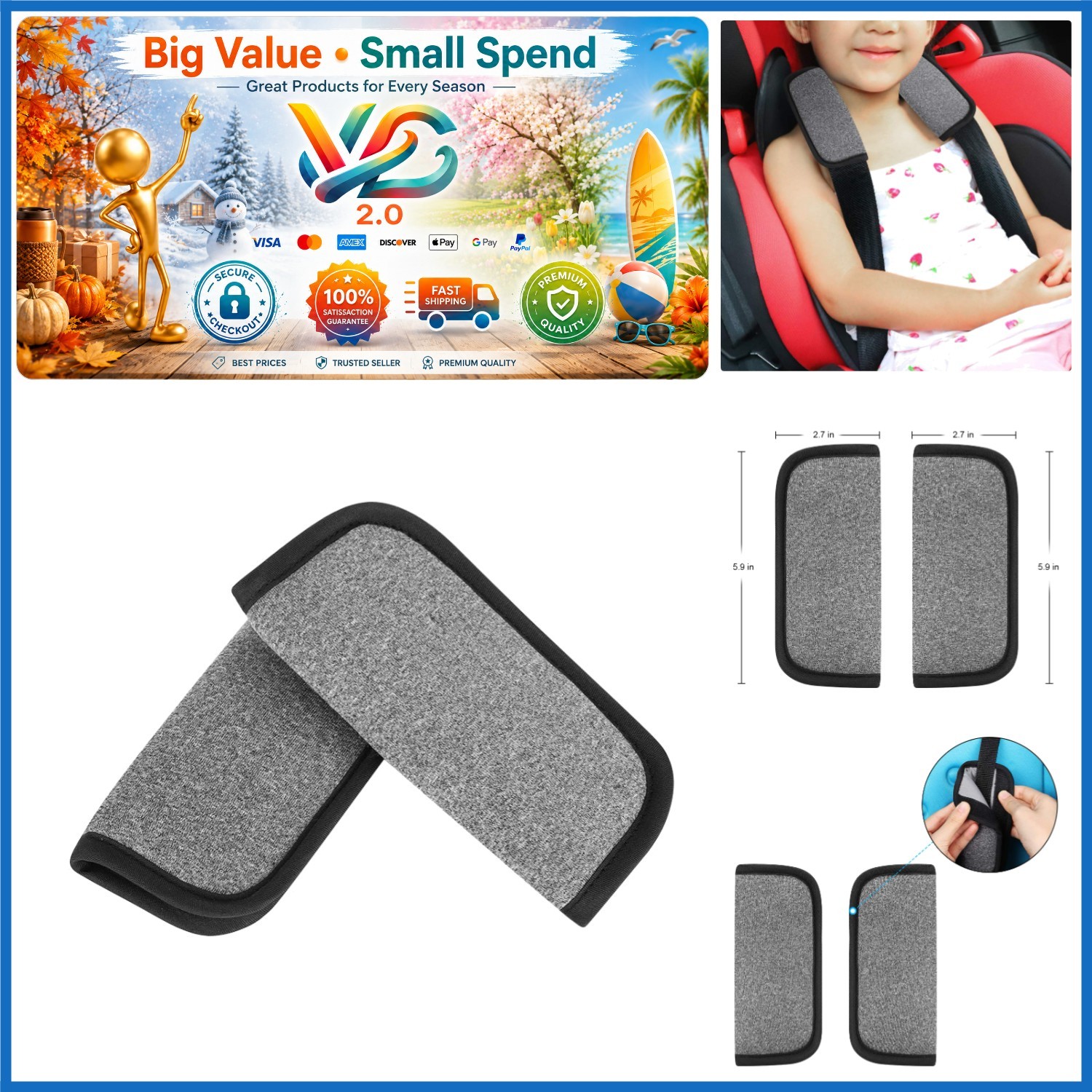 Grey Baby Car Seat Shoulder Pads Soft Strap Covers for Strollers & Car Seats,$7.58View on eBay
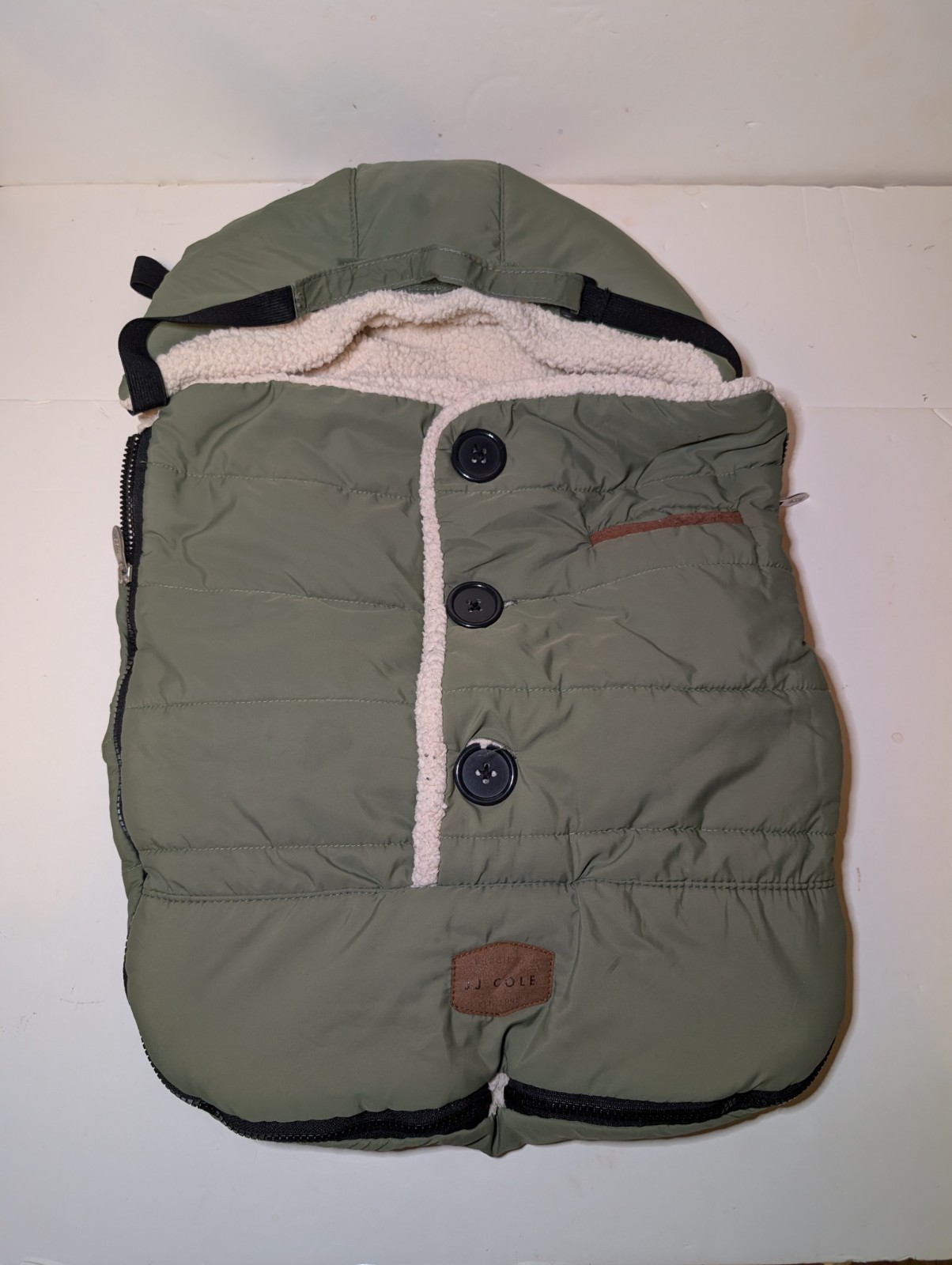 JJ Cole Bundleme Urban Baby Bunting Bag Olive Green Car Seat or Stroller 0-12$7.96View on eBay
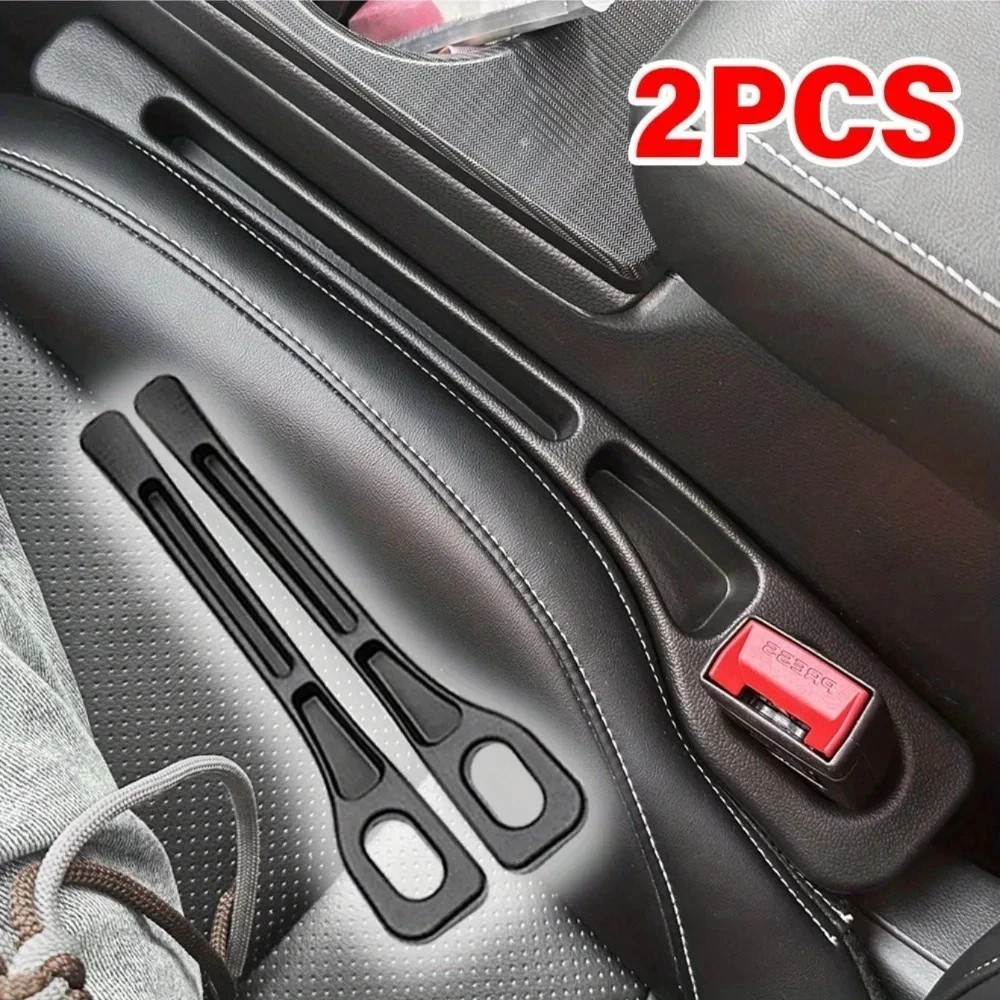 2Pcs Car Seat Gap Filler Storage Box Organizer Console Interior Accessories$10.39View on eBay
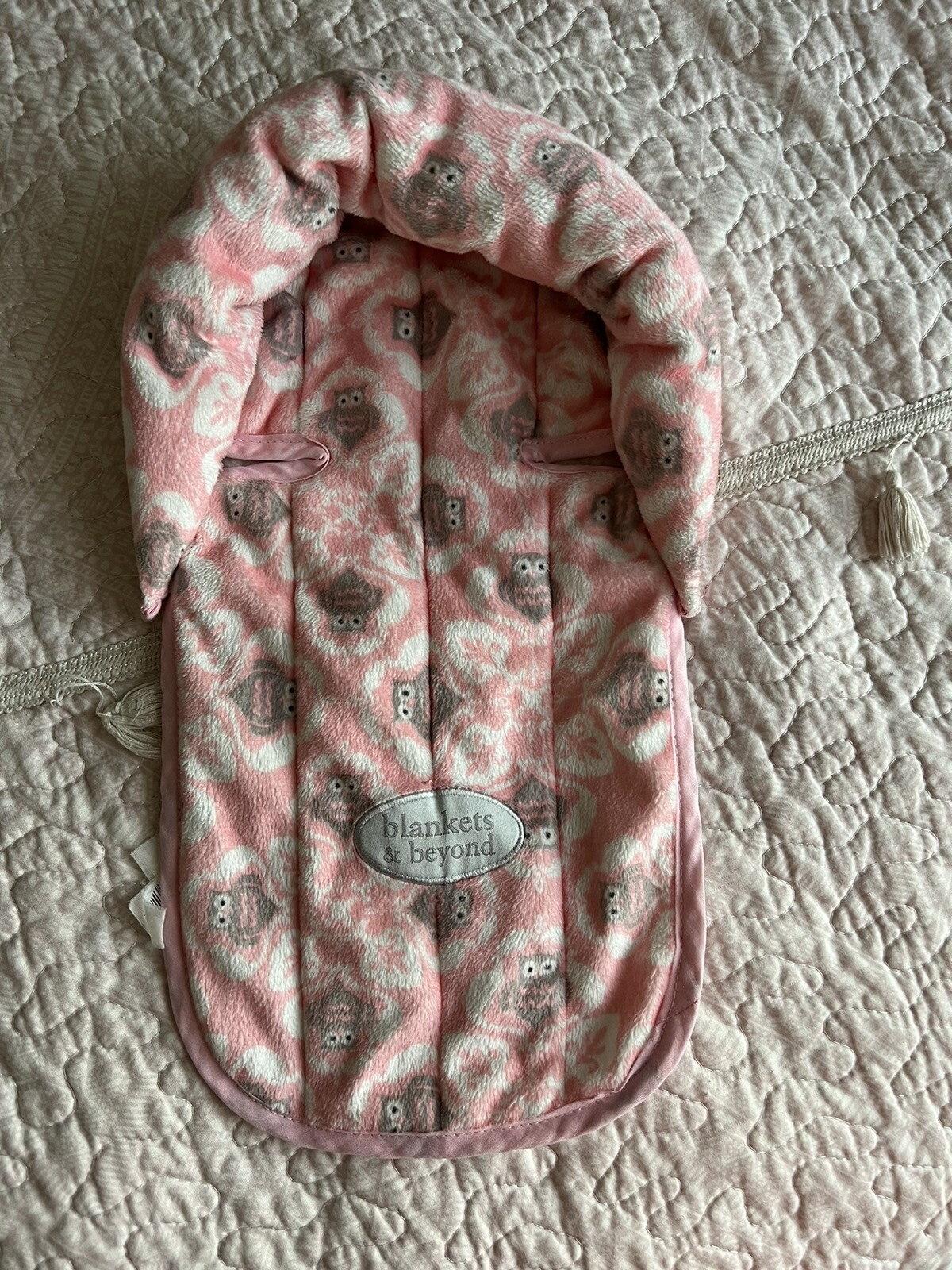 Blankets Beyond Infant Head Support for Car seats and Strollers Accessories$11.00View on eBay
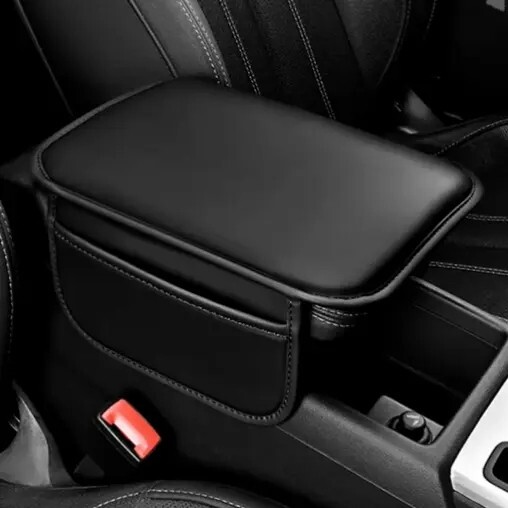 Leather PU Car Seat Armrest Cushion Storage PadAnti-Scratch Interior Protector$11.51View on eBay
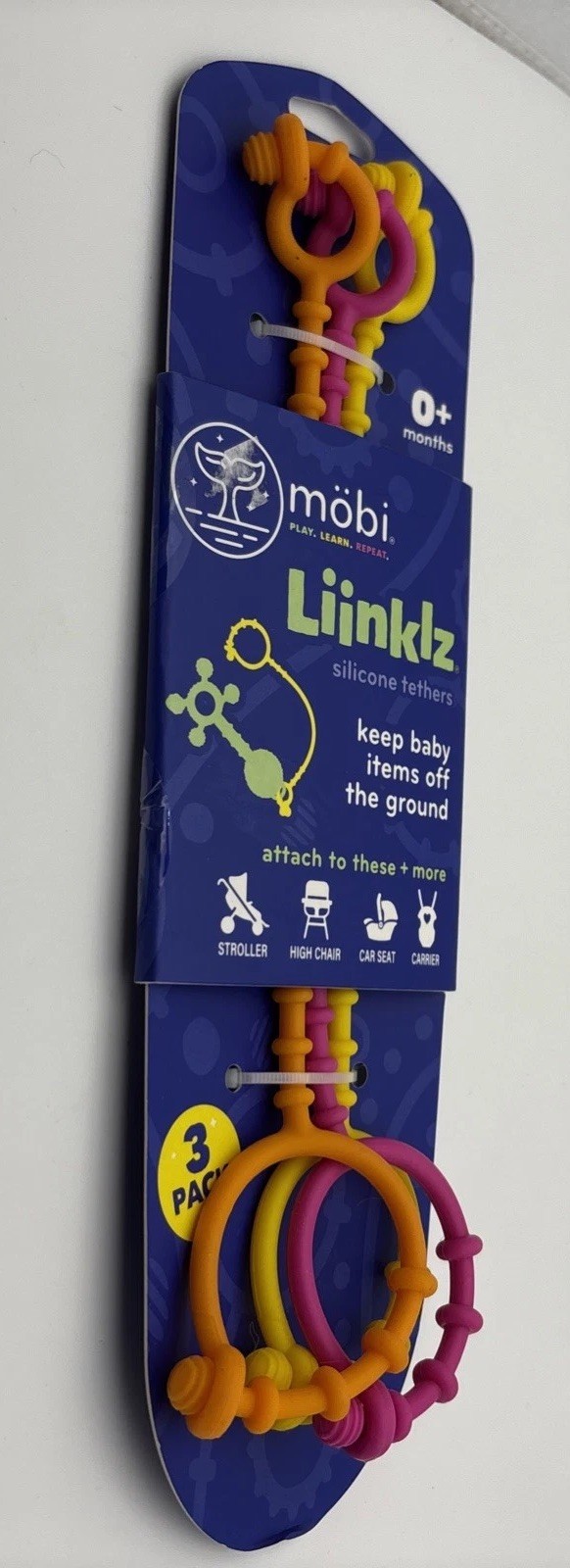 Liinklz Silicone Tethers for Strollers High Chairs Car Seats Baby Toy Safety New$11.96View on eBay
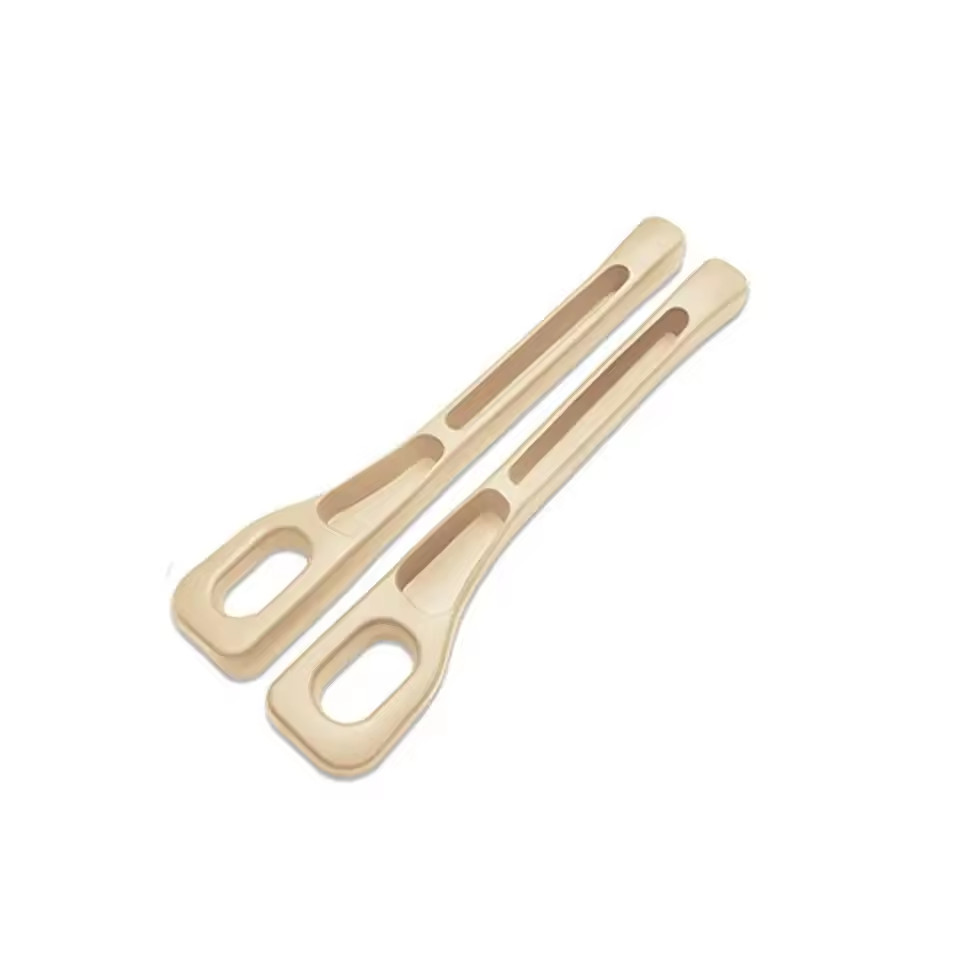 2Pcs Car Seat Gap Filler Organizer Crevice Storage Box Auto Interior Accessories$11.99View on eBay
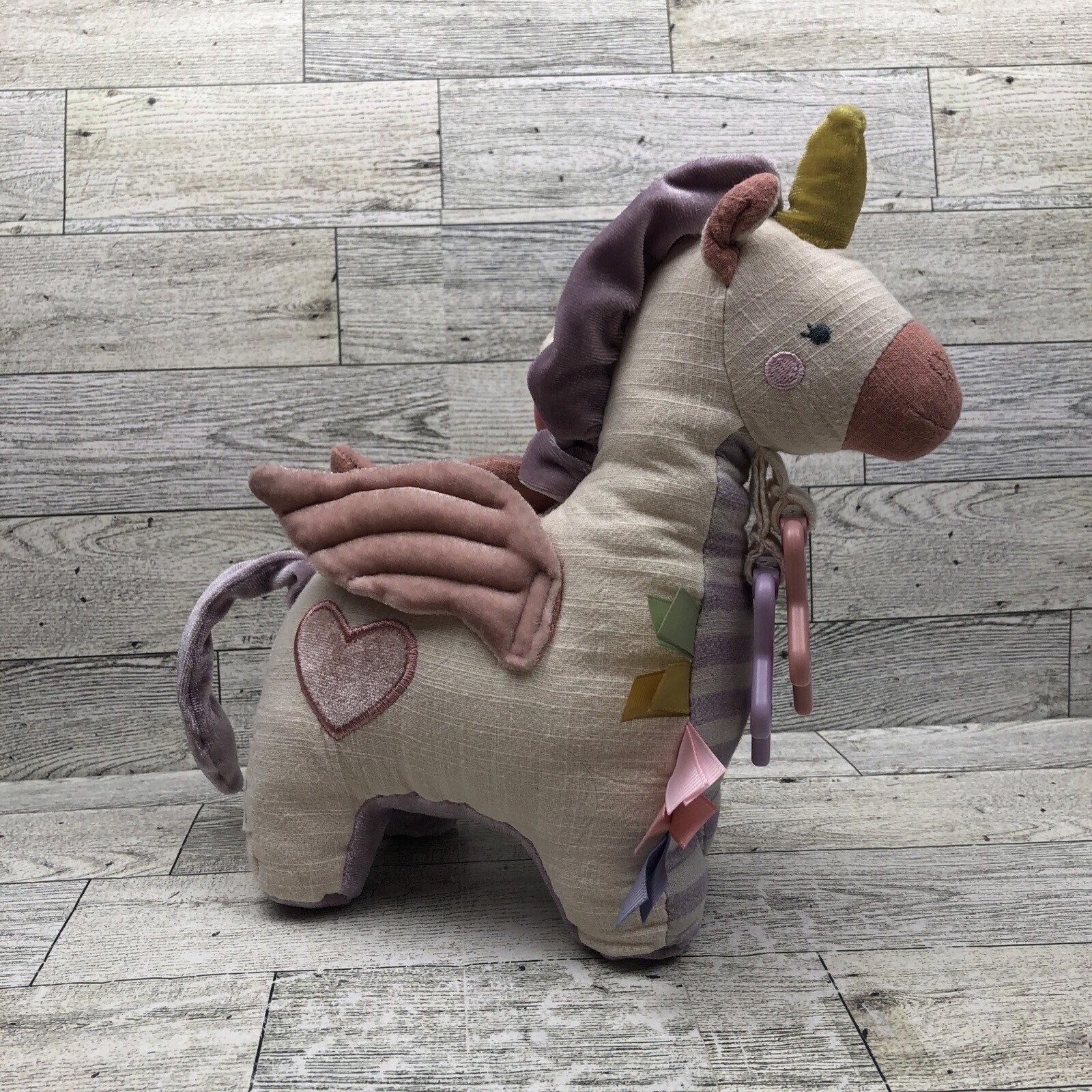 Itzy Ritzy Bitzy Bespoke Activity Toy for Stroller, Car Seat or Pegasus$13.00View on eBay
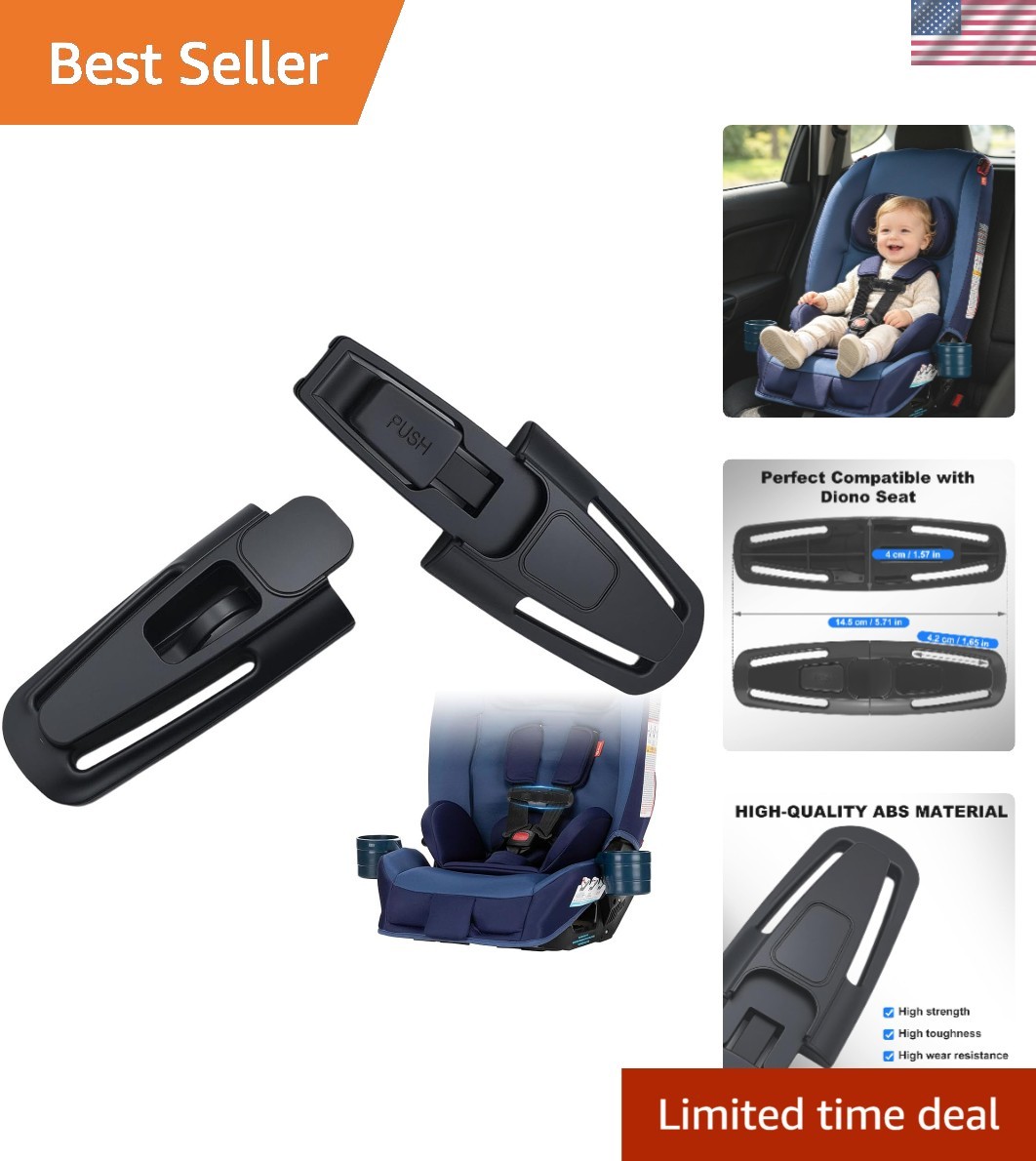 Durable One-Hand Release Chest Clip Compatible with Diono Strollers & Car Seats$13.99View on eBay
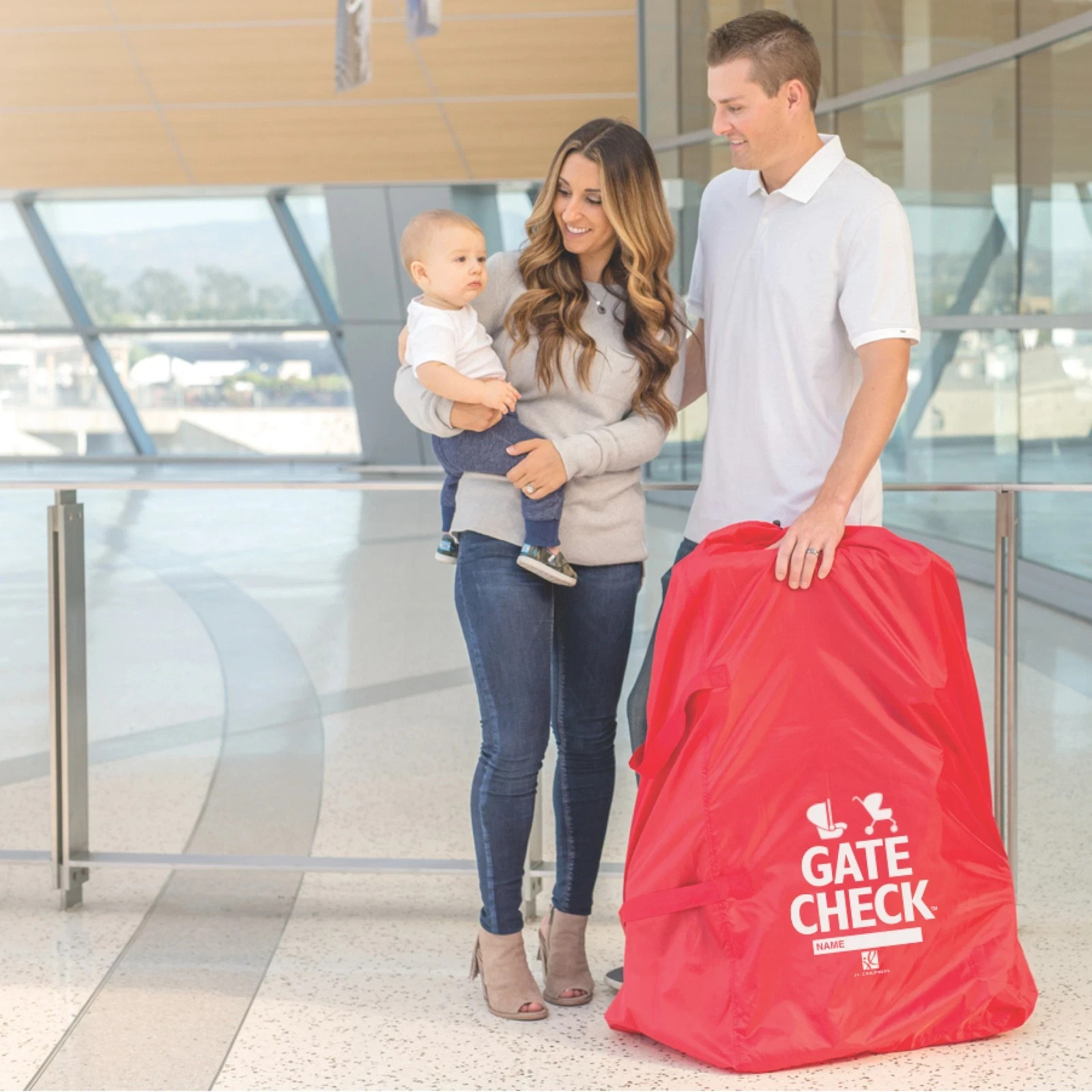 J.L. Childress Universal Gate Check Travel Bag for Car Seats or Strollers, Red -$14.00View on eBay
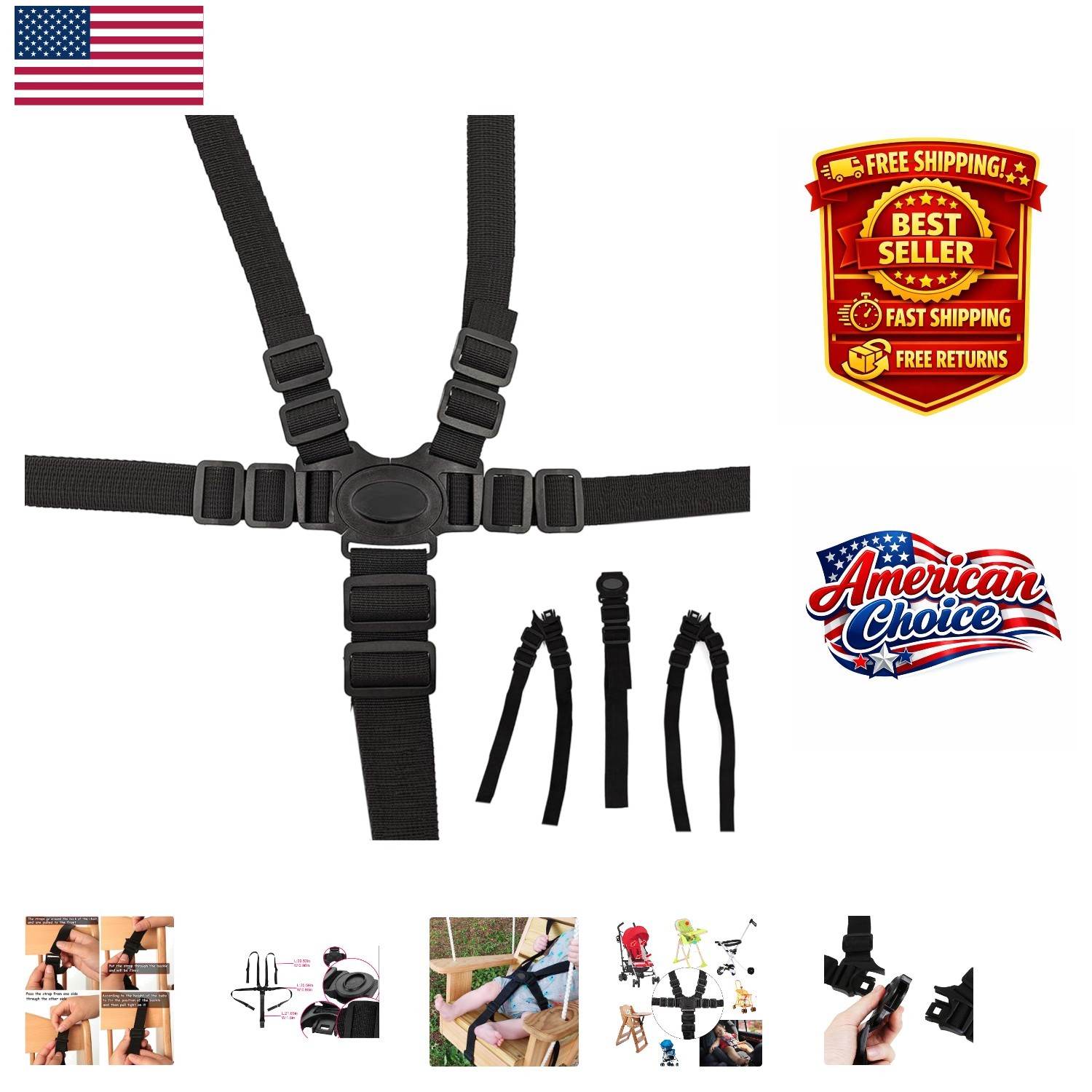 Portable 5-Point Safety Harness - Secure Baby Straps for Strollers & Car Seats$14.42View on eBay
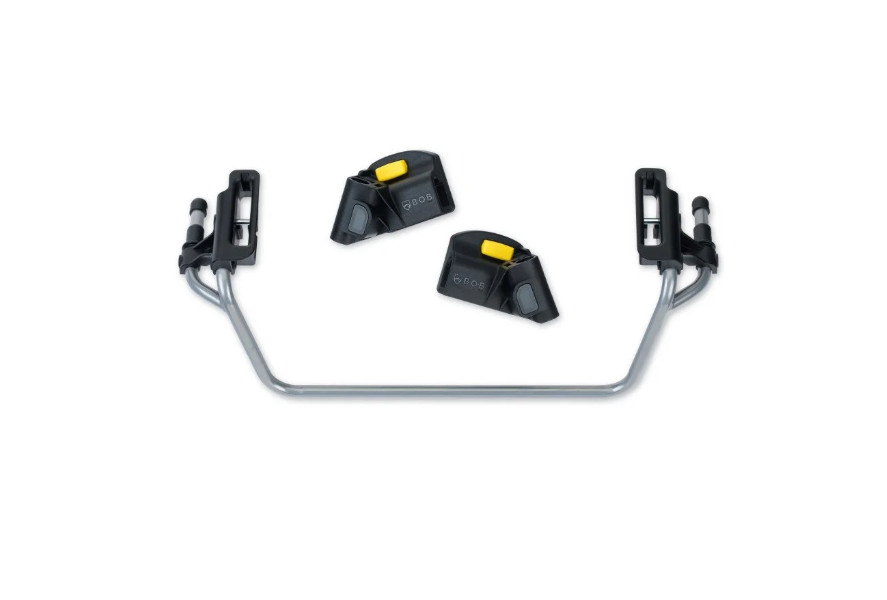 BOB Gear Single Jogging Stroller Adapter for Select Britax Infant Car Seats$14.88View on eBay
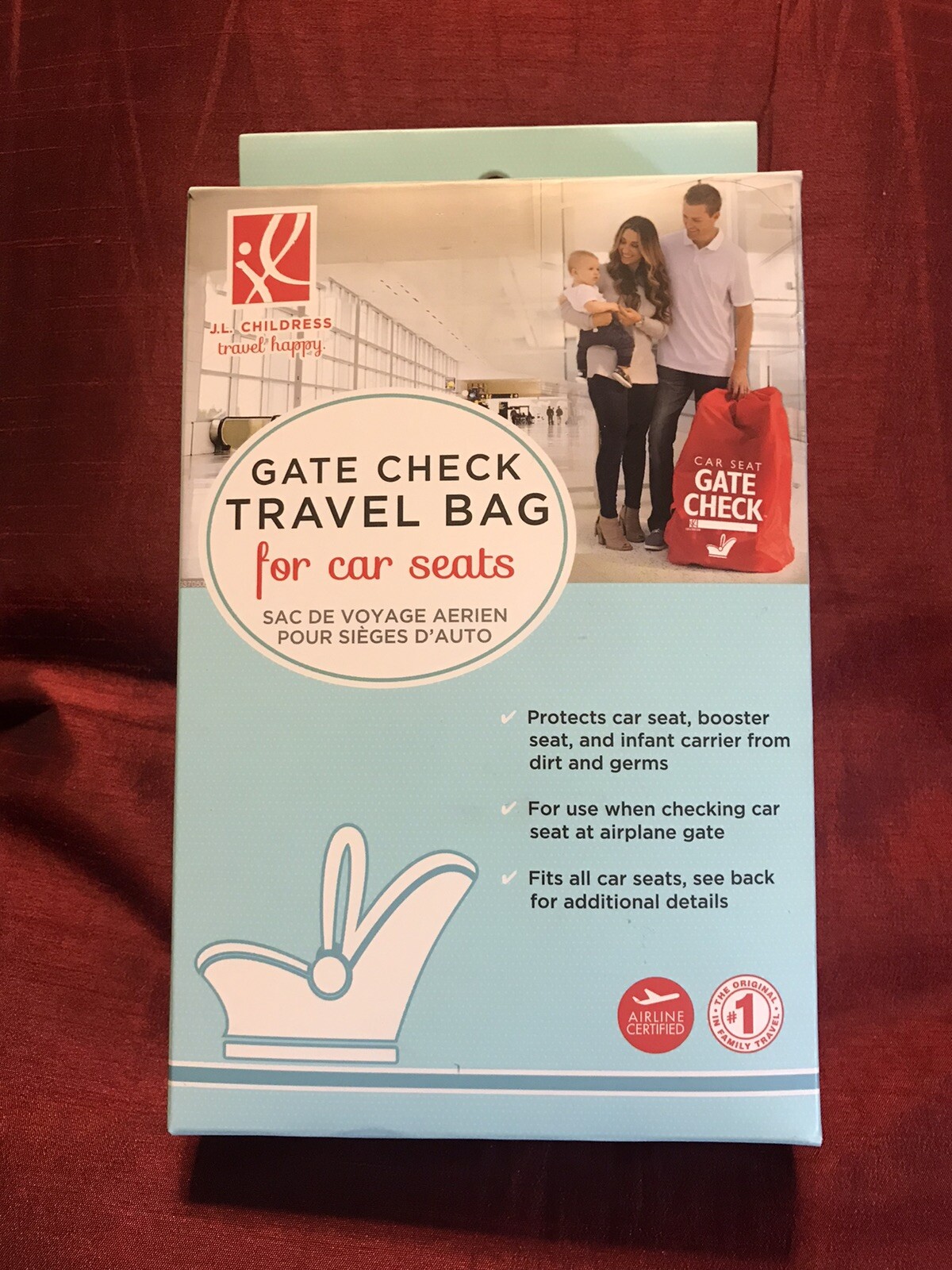 Universal Gate Check Travel Bag for Car Seats Red for Car Seats & Strollers$14.95View on eBay
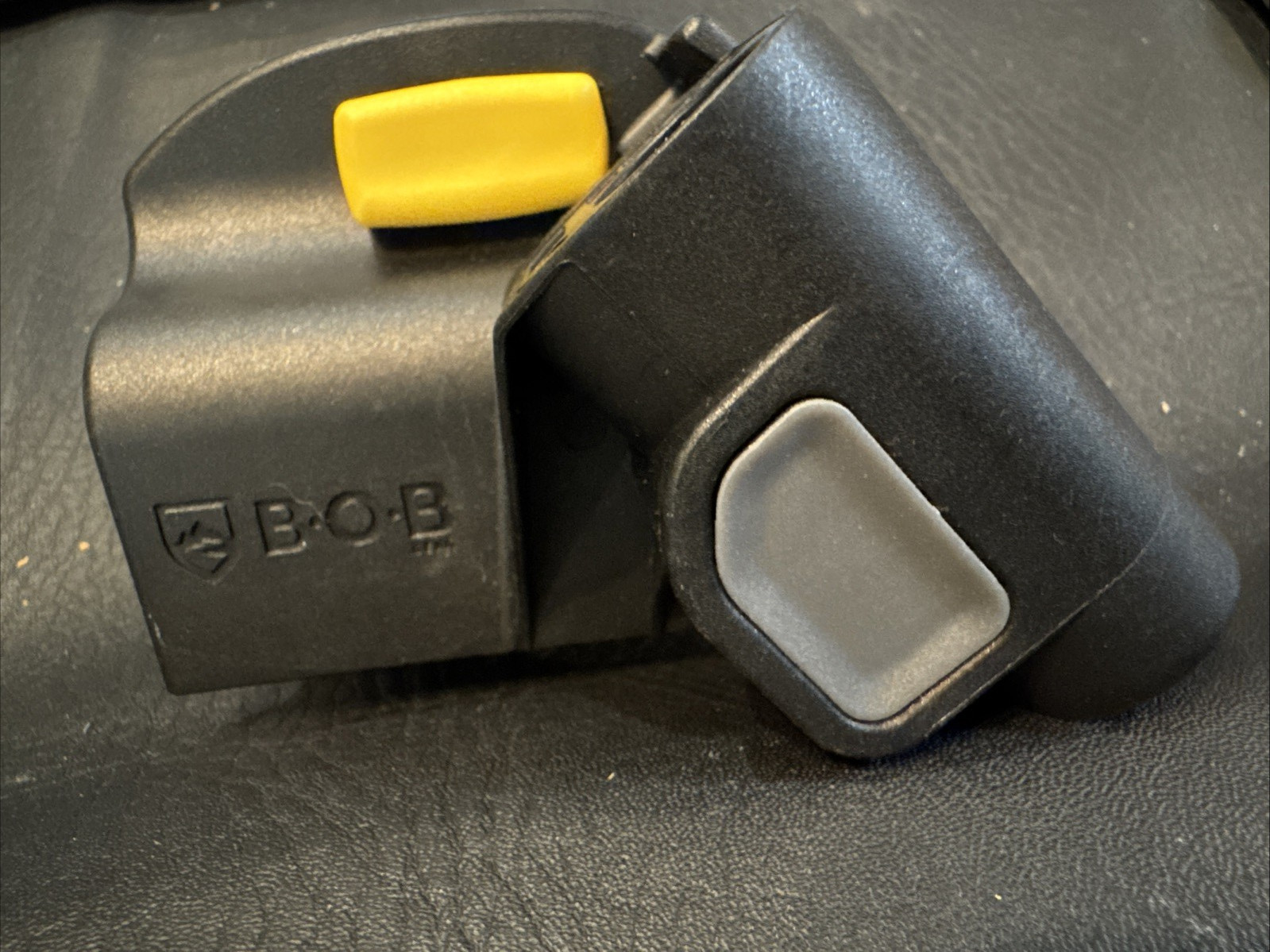 Left Side Only - BOB Gear Car Seat/Tray Bracket/Adapter - Bob Single Strollers$14.99View on eBay
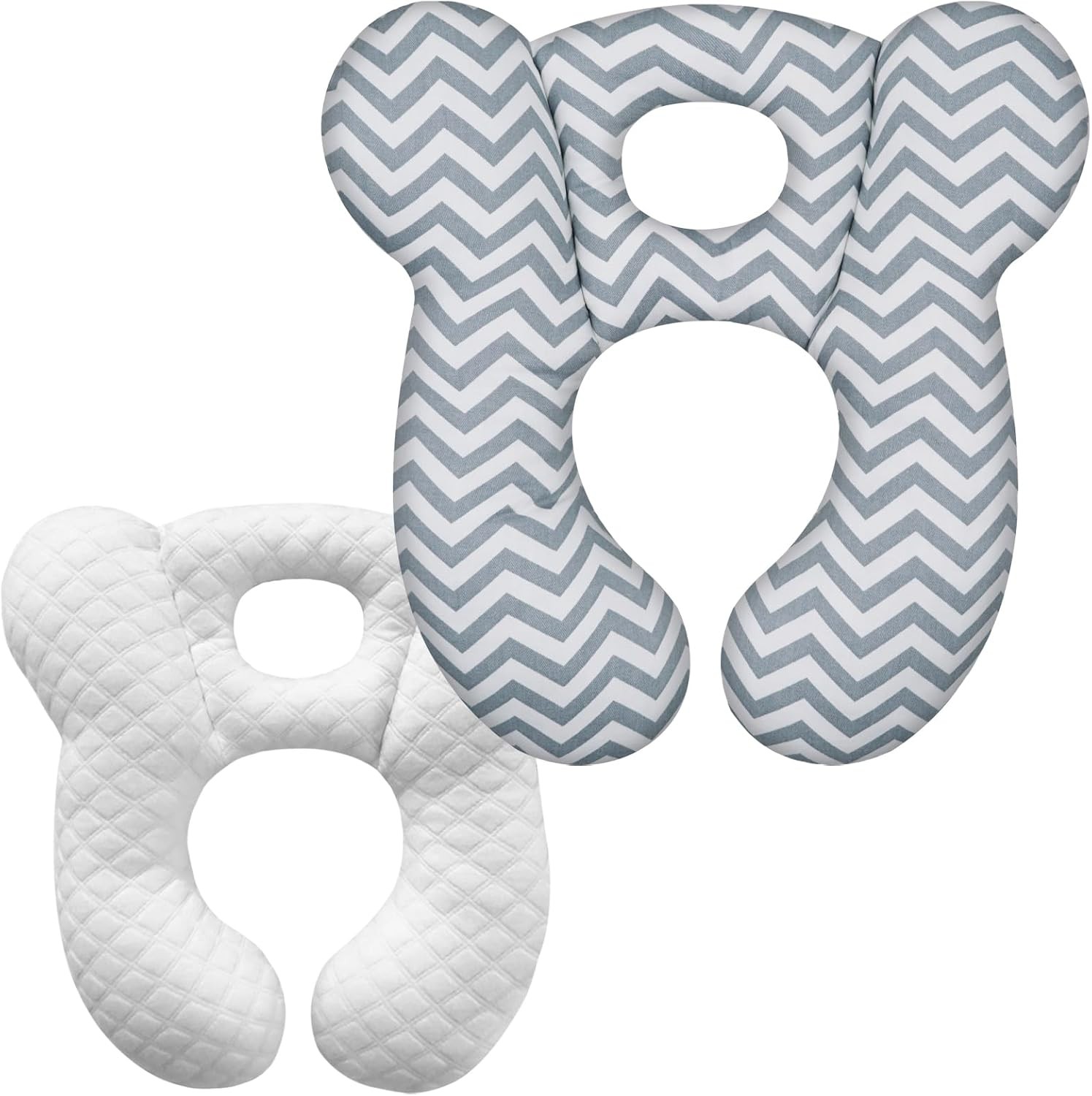 Baby Travel Pillow Upgrade U-Shape Infant Pillow Car Seat Pushchair & Stroller$15.40View on eBay
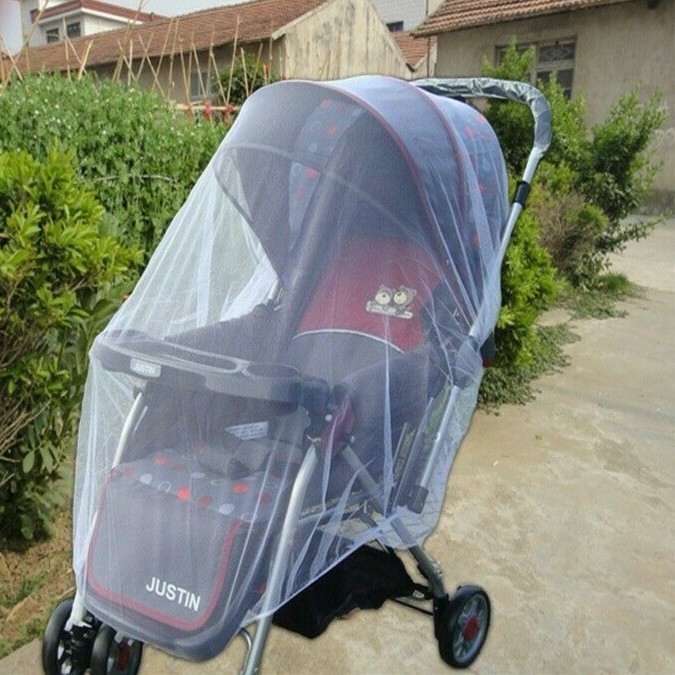 2 PACK Protective Insect Net for Baby Strollers, Car seats, Pack N Play ETC.$16.00View on eBay
Highlights
- Integrated wheeled car seats use a folding trolley frame with a rear axle and two swivel front wheels; the seat locks onto the frame via the same click-in mechanism used in the car base, so the base and seat must be the same brand and generation.
- Travel systems combine an infant car seat (rear-facing, typically rated 4–35 lb) with a stroller chassis that accepts the seat via a proprietary or universal adapter; the stroller's weight limit and fold mechanism determine real-world usability.
- Crash certification matters: FMVSS 213 covers the car seat in vehicle use, while ASTM F833 covers stroller safety; a wheeled car seat must pass FMVSS 213 in the car and the stroller must pass ASTM F833 when the seat is attached.
- Wheel type drives terrain performance: small plastic swivel wheels suit smooth floors and pavement, while larger air-filled or foam-filled rubber tires (8–12 in) handle gravel and curbs; never use a stroller with a car seat attached on stairs or uneven ground beyond its rated slope.
Best use cases
- Airport and city travel with an infant: pick a travel system with a compact fold and a car seat that clicks directly onto the stroller frame — skip separate wheeled dollies that require strapping the seat down.
- Car-to-home transitions without waking the baby: choose a wheeled car seat base with a smooth recline and a one-hand release, ideal for short trips; skip it if you need all-terrain capability.
- Jogging or rough pavement: use a stroller with 12-inch or larger fixed rear wheels and a hand brake, and only attach a car seat for walking — never for running; skip lightweight umbrella strollers for this use.
- Tight trunk space: select a travel system whose stroller folds to a compact cube under 24 inches wide; skip full-size wheeled car seat frames that fold flat but remain long and heavy.
Buying tips
- Match the car seat to the stroller by model number, not brand alone: adapters are generation-specific, and a 2019 seat may not lock into a 2024 stroller frame even from the same maker.
- Check the combined weight: a typical infant car seat weighs 7–10 lb and a stroller frame 15–25 lb; total systems over 30 lb become hard to lift into a trunk one-handed.
- Verify the car seat's rear-facing height and weight limits: most infant seats top out at 32–35 lb or 32 in, after which you need a convertible seat that does not attach to strollers.
- Inspect wheel bearings and tires: sealed ball bearings and foam-filled tires resist flats and wobble; plastic bushings on cheap dollies wear out within months on pavement.
Specs
| System Type | Wheeled base vs travel system |
|---|---|
| Seat Weight Limit | 4–35 lb rear-facing infant |
| Wheel Size | 5–7 in swivel vs 8–12 in fixed |
| Safety Standards | FMVSS 213 + ASTM F833 |
Related searches
What to check before buying
- Measure your vehicle's back seat and trunk: confirm the car seat base fits without overhanging the seat cushion, and the folded stroller fits with the parcel shelf closed.
- Check your door width and elevator size if using the wheeled seat indoors: the widest part of the stroller frame must pass through with at least 1 inch clearance.
- Confirm the car seat has a current FMVSS 213 label and the stroller meets ASTM F833; avoid used seats with unknown crash history.
- Verify the adapter or click-in mechanism is included or sold separately for your exact seat model, and that the seat locks with an audible click and a visual indicator.
FAQ
Data sources: eBay / Amazon listings and product attribute feeds Data updated Nov 15, 2026.
Some links on this page are affiliate links. If you buy after clicking one, we may earn a commission at no extra cost to you. This does not change which products appear here or their order. Affiliate disclosure.