Photos from current listings. Actual item, color, and included accessories may vary.
Lightweight Car Seat Buying Guide
A lightweight car seat is an infant or convertible seat engineered to reduce carry weight, typically via a lighter shell, minimal padding, or a smaller base—but lower weight often trades against side-impact structure, recline adjustability, and ease of installation. The decisive rule: prioritize a seat that meets FMVSS 213 and weighs under roughly 8 lb only if it still offers a rigid base with a proven latch system; avoid featherweight seats that skimp on EPS foam or require re-threading the harness to adjust height.


At a glance
- Category
- Strollers & Car Seats
- Data updated
- Nov 16, 2026
Current offers
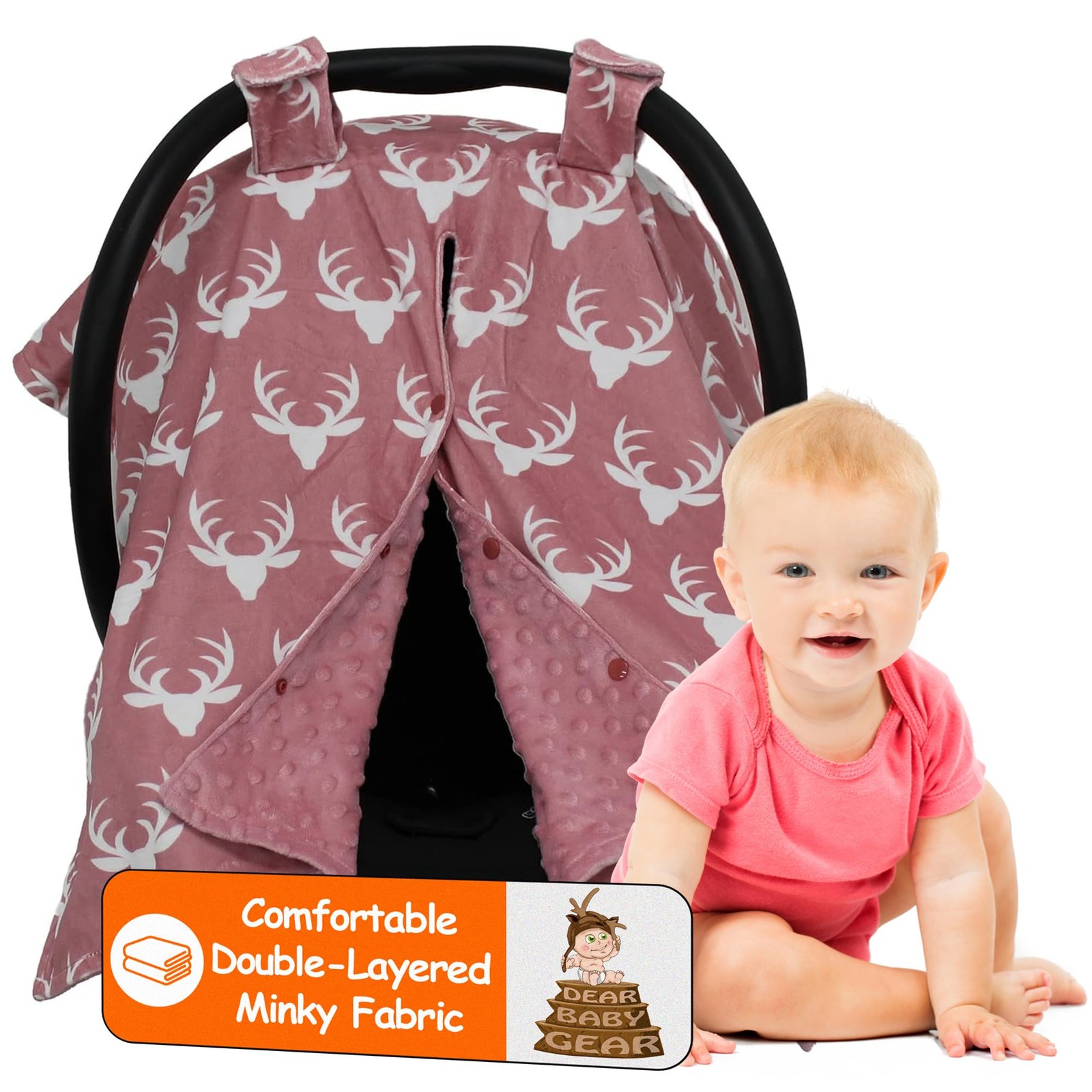 Dear Baby Car Seat Canopy 40”x30” Soft Lightweight Fabric–Antler Dusty Rose |...$58.99
 View on eBay
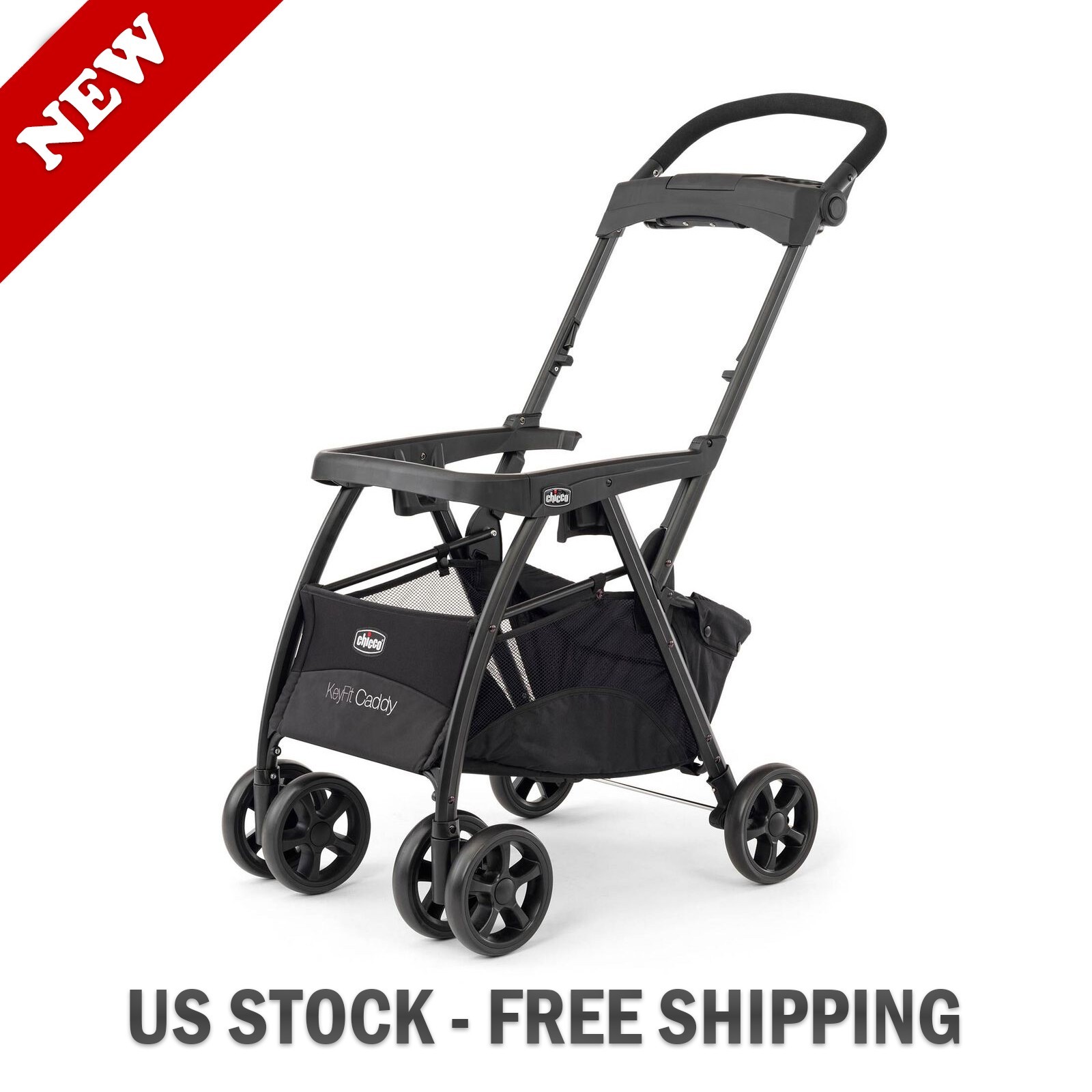 Chicco KeyFit Caddy Frame Stroller Lightweight Infant Car Seat Carrier Black$79.97View on eBay
 Graco GoMax Frame Stroller Compact Lightweight Universal Car Seat Carrier Black$119.18View on eBay
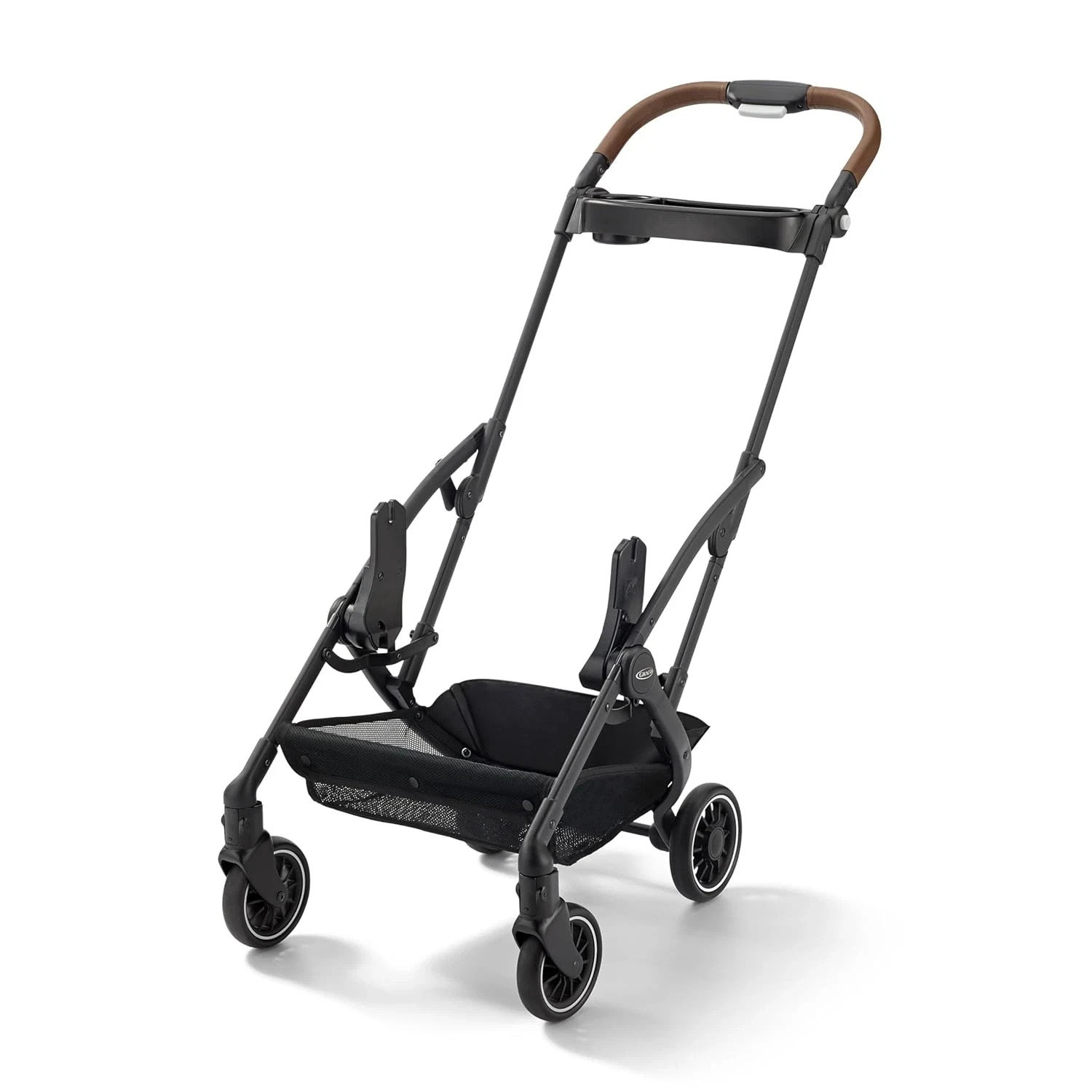 Graco GoMax Frame Stroller Compact Lightweight Universal Car Seat Carrier Black$125.99View on eBay
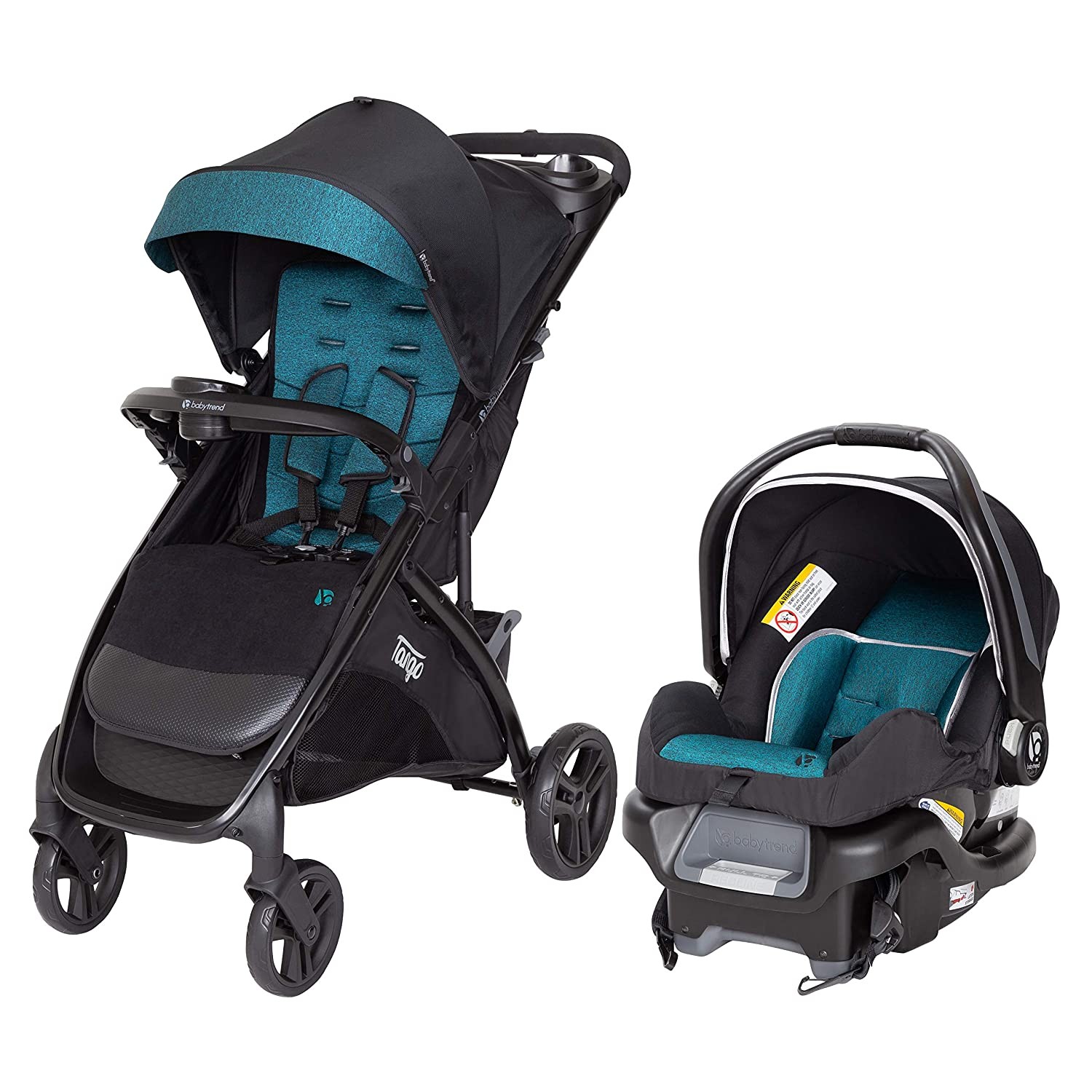 Baby Trend Tango Lightweight Infant Car Seat Stroller Travel System, Veridian$203.99Last checked Nov 14, 2026View on eBay
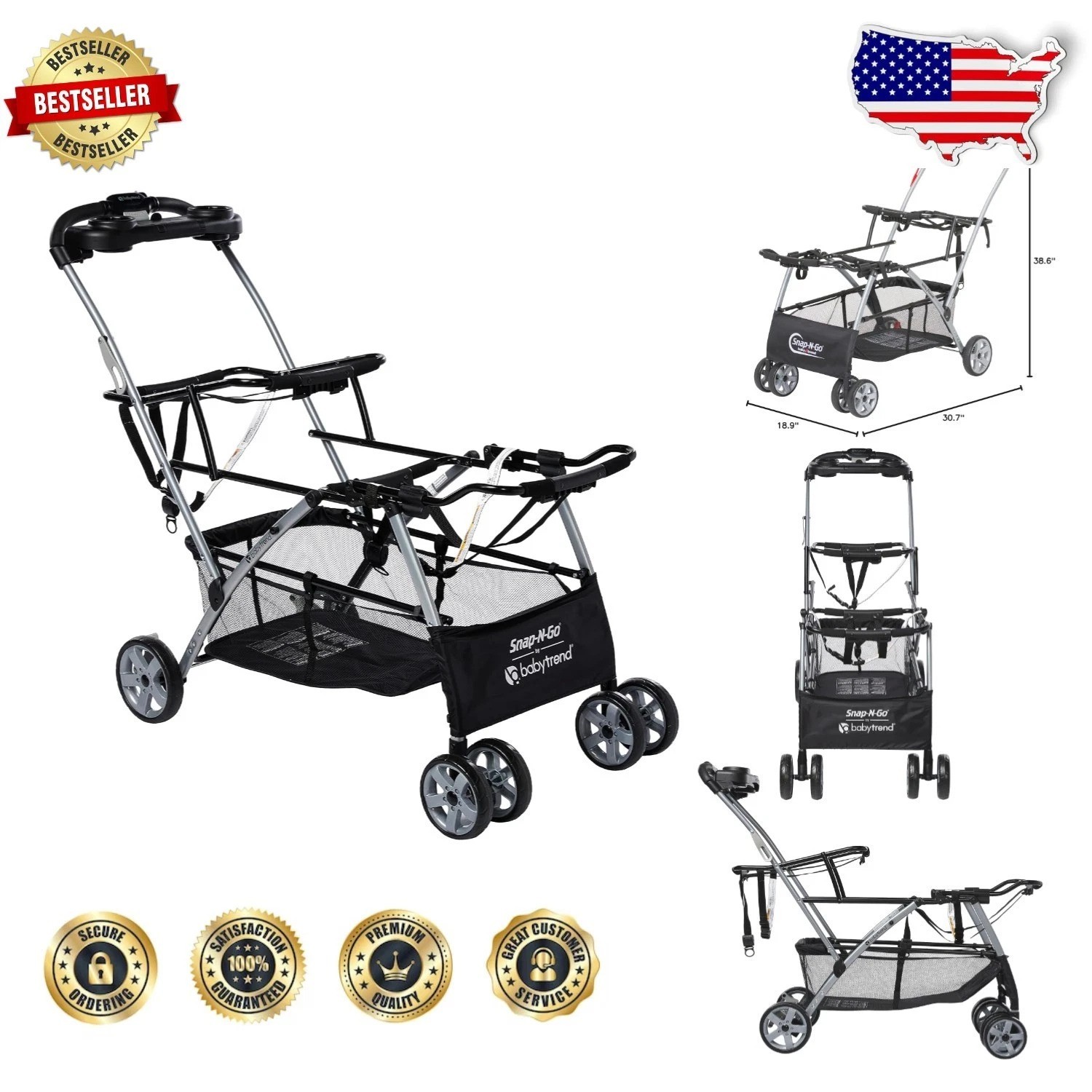 Snap-N-Go Double Stroller Travel System - 2 Infant Car Seats - Lightweight 18lbs$213.14View on eBay
Highlights
- Infant seats (rear-facing only) typically weigh 5–9 lb; convertible seats (rear- and forward-facing) start around 10–14 lb—so 'lightweight' means different things by category.
- FMVSS 213 is the U.S. federal safety standard; a lighter seat is only acceptable if it still passes side-impact testing and includes energy-absorbing EPS or EPP foam in the head and torso wings.
- A rigid stay-in-car base with a one-pull latch tightener adds 2–4 lb but dramatically reduces installation error versus a base-less seat belt route.
- Harness height adjustment via a no-rethread headrest is a key convenience tier; budget lightweight seats often require manual re-threading of the harness through slots, which is slower and error-prone.
Best use cases
- Best fit: urban parents who carry the seat short distances (car to stroller, car to door) should pick a sub-8 lb infant seat with a compatible stroller frame—weight savings matter most in repeated short carries.
- Wrong fit: families doing daily long-distance drives or frequent base swaps should skip ultralight base-less seats; choose a slightly heavier seat with a stay-in-car base and easy latch for secure, repeatable installation.
- Best fit: caregivers with back or shoulder strain should prioritize a seat with a wide, padded carry handle and a contoured shell—total weight including baby matters more than the bare seat spec.
- Wrong fit: buyers needing a seat that lasts past infancy should not buy a lightweight infant-only seat; step up to a lightweight convertible (10–14 lb) that accommodates rear-facing to higher weight limits.
Buying tips
- Weigh the seat plus your baby: a 7 lb seat with a 20 lb baby is 27 lb—choose a seat with an ergonomic handle and consider a stroller frame to avoid carrying the seat entirely.
- Check the seat's minimum and maximum infant weight limits: many lightweight infant seats start at 4–5 lb (good for preemies) and max out at 22–30 lb; ensure the upper limit covers your expected use period.
- Match the seat to a stroller frame or travel system: not all infant seats click into all frames—confirm the seat model is listed as compatible with your chosen frame (e.g., Chicco KeyFit seats fit KeyFit caddy frames).
- For convertible seats, look for a no-rethread harness and a seat weight under 15 lb; re-threading harness slots as the child grows is the most common installation mistake.
Specs
| Seat Category | Infant (rear-only) vs Convertible |
|---|---|
| Typical Seat Weight | 5–8 lb infant / 10–14 lb convertible |
| Safety Standard | FMVSS 213 + side-impact tested |
| Install Method | Base + LATCH vs base-less belt |
Related searches
What to check before buying
- Measure your vehicle's rear seat width and depth: a lightweight seat with a narrow base (under 17 in) fits three-across more easily, but check that the seat's footprint matches your bench.
- Confirm your vehicle's LATCH anchor locations and weight limits: some vehicles limit LATCH use to a combined child-plus-seat weight (often 65 lb); switch to seat belt when exceeded.
- Verify the seat's expiration date and crash history if buying used—lightweight seats are often hand-me-downs, but a seat with an unknown history or past expiration (typically 6–10 years) should be discarded.
- Check airline compatibility if you travel: most infant seats are FAA-approved for aircraft use when used with the seat belt (look for the FAA approval label), but lightweight base-less seats can be easier to install on planes.
FAQ
Data sources: eBay / Amazon listings and product attribute feeds Data updated Nov 16, 2026.
Some links on this page are affiliate links. If you buy after clicking one, we may earn a commission at no extra cost to you. This does not change which products appear here or their order. Affiliate disclosure.