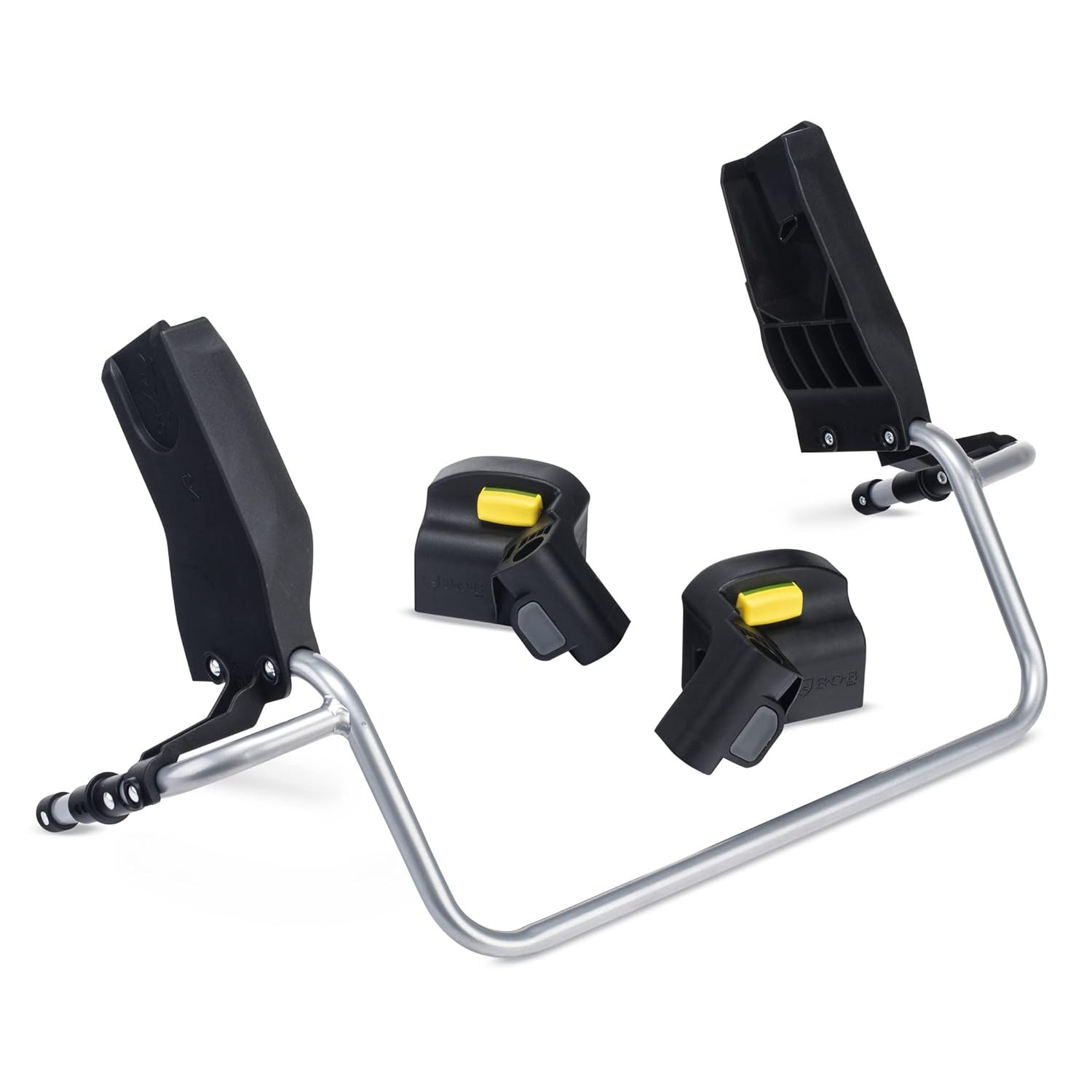

Photos from current listings. Actual item, color, and included accessories may vary.
Maxi Cosi Infant Car Seat Buying Guide
Maxi-Cosi infant car seats are rear-facing carriers that click into a stay-in-car base or compatible stroller, defined by the Mico/Nomad/Pria model tiers and their attachment ecosystem. The primary trade-off is between lightweight carrier convenience and side-impact protection, with lower-tier seats using EPS foam and a 22–30 lb weight limit while higher tiers add rigid LATCH, load legs, and anti-rebound bars. The decision rule: pick a seat with a load leg or anti-rebound bar if your vehicle lacks center LATCH, and skip any seat that cannot be installed with a seat belt and locked retractor in every seating position you use.


At a glance
- Category
- Strollers & Car Seats
- Data updated
- Nov 16, 2026
Current offers
Highlights
- Mico 30 uses a 30 lb / 32 in maximum and EPS foam; Mico Max 30 adds a load leg-compatible base and anti-rebound bar for reduced rotation.
- Nomad and Pria models use rigid LATCH connectors on the base, while Mico bases use flexible LATCH straps that require manual tensioning.
- All Maxi-Cosi infant seats use a 5-point harness with a front-adjust tightener; higher tiers add a magnetic buckle and premium fabric covers.
- Maxi-Cosi infant seats attach to strollers via Maxi-Cosi-branded adapters; Nuna and Cybex adapters are model-specific and do not cross-fit.
Best use cases
- Best fit: urban parents who need a lightweight carrier for taxi and rideshare use — choose the Mico 30 with a seat-belt-only install and no base for travel.
- Best fit: families with a dedicated vehicle and center LATCH — choose the Mico Max 30 with load leg and anti-rebound bar for maximum stability.
- Wrong fit: parents planning to reuse the seat for a second child beyond its 6-year expiration or after any moderate crash — buy new or verify the manufacture date.
- Wrong fit: stroller owners with Nuna or Cybex frames who assume universal adapter compatibility — buy the stroller-brand adapter matched to the Maxi-Cosi seat model.
Buying tips
- Match the seat weight limit to your child's growth curve: a 30 lb seat lasts most children to about 12–15 months, while a 35 lb seat adds 3–6 months of rear-facing use.
- Check your vehicle's LATCH limit — most cars allow LATCH use only up to 65 lb combined child-plus-seat weight, so a heavier seat forces seat-belt installation sooner.
- Measure your back seat: a base with a load leg needs 1–2 inches of clearance to the floor, and an anti-rebound bar adds 3–4 inches of front-to-back depth.
- Verify the seat's manufacture date on the label; infant seats expire 6–8 years from production, and a deeply discounted seat may have lost half its service life.
Specs
| Weight Limit | 22–35 lb rear-facing |
|---|---|
| Base Install | LATCH or seat belt |
| Rebound Control | Load leg / anti-rebound bar |
| Stroller Adapter | Brand- and model-specific |
Related searches
What to check before buying
- Measure your vehicle's rear seat cushion depth and the distance to the front seatback — a loaded base with rebound bar needs at least 26 inches of depth.
- Confirm your car has lower LATCH anchors in the seating position you will use, or plan to install with the seat belt and locked retractor.
- Check that your stroller frame accepts the Maxi-Cosi adapter for your specific seat model — adapters are seat-generation and stroller-brand specific.
- Verify the carrier's handle position and canopy clearance fit your vehicle's roofline and rear hatch opening without forcing the seat.
FAQ
Data sources: eBay / Amazon listings and product attribute feeds Data updated Nov 16, 2026.
Some links on this page are affiliate links. If you buy after clicking one, we may earn a commission at no extra cost to you. This does not change which products appear here or their order. Affiliate disclosure.