Baby Gear Advisor
Baby Gear Reviews & Buying Guides
Compare baby gear by use case, features, trade-offs, price, returns, and seller terms before you buy.
Discover
 Potty Training Doesn’t Have to Suck 🚽 The Chill Mom’s Guide That Actually Works
 Recycling Project - Making Hand Towels from Old Bath Towels shorts
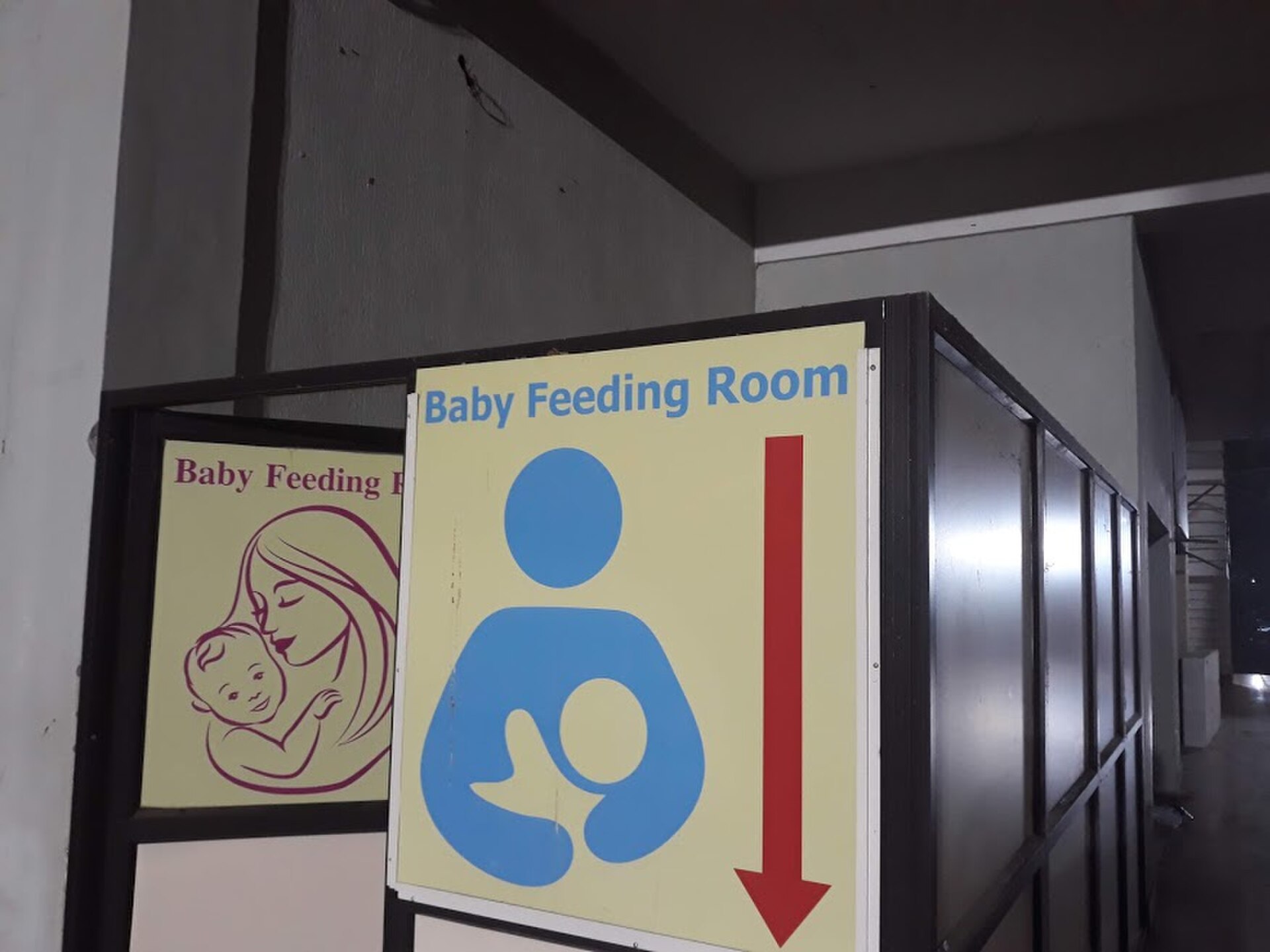 A Calm Shared Corner for Baby Gear
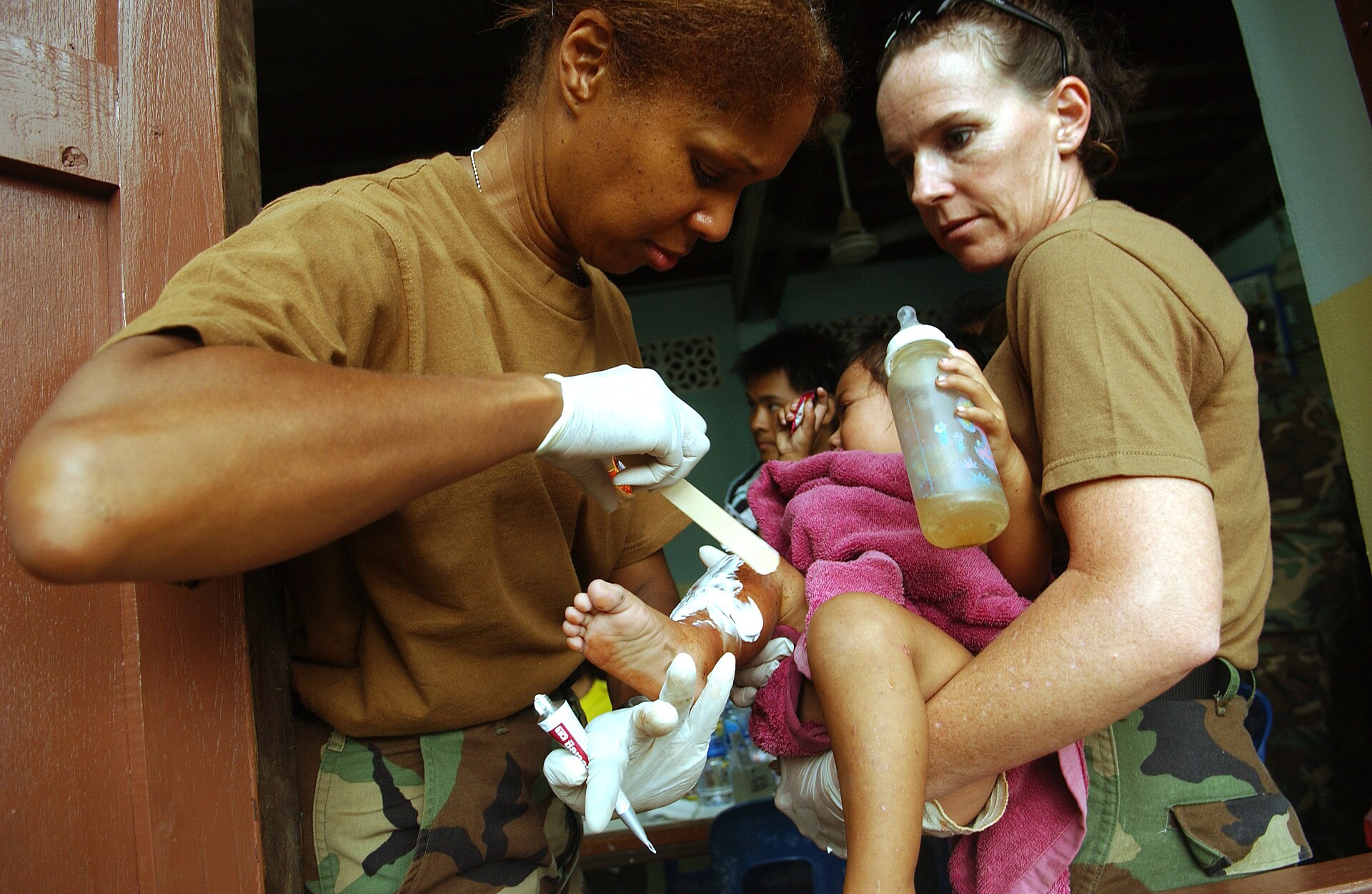 A Welcoming Shared Baby-Care Corner
 How to make a hooded bath towels. These towels are great for baby shower gifts!
 Baby Wrap Tutorial for Cozy Moms #babywraptutorial
 Twin Bassinet Setup & Assembly | Complete Installation Guide
 How to Operate the Magellan Kayak (and Other Tips for Beginners)
 Best Toys For Newborn Babies (From a Pediatric OT)
 The BEST Diaper of 2026? (The Answer Will Surprise You!)
Buying guides
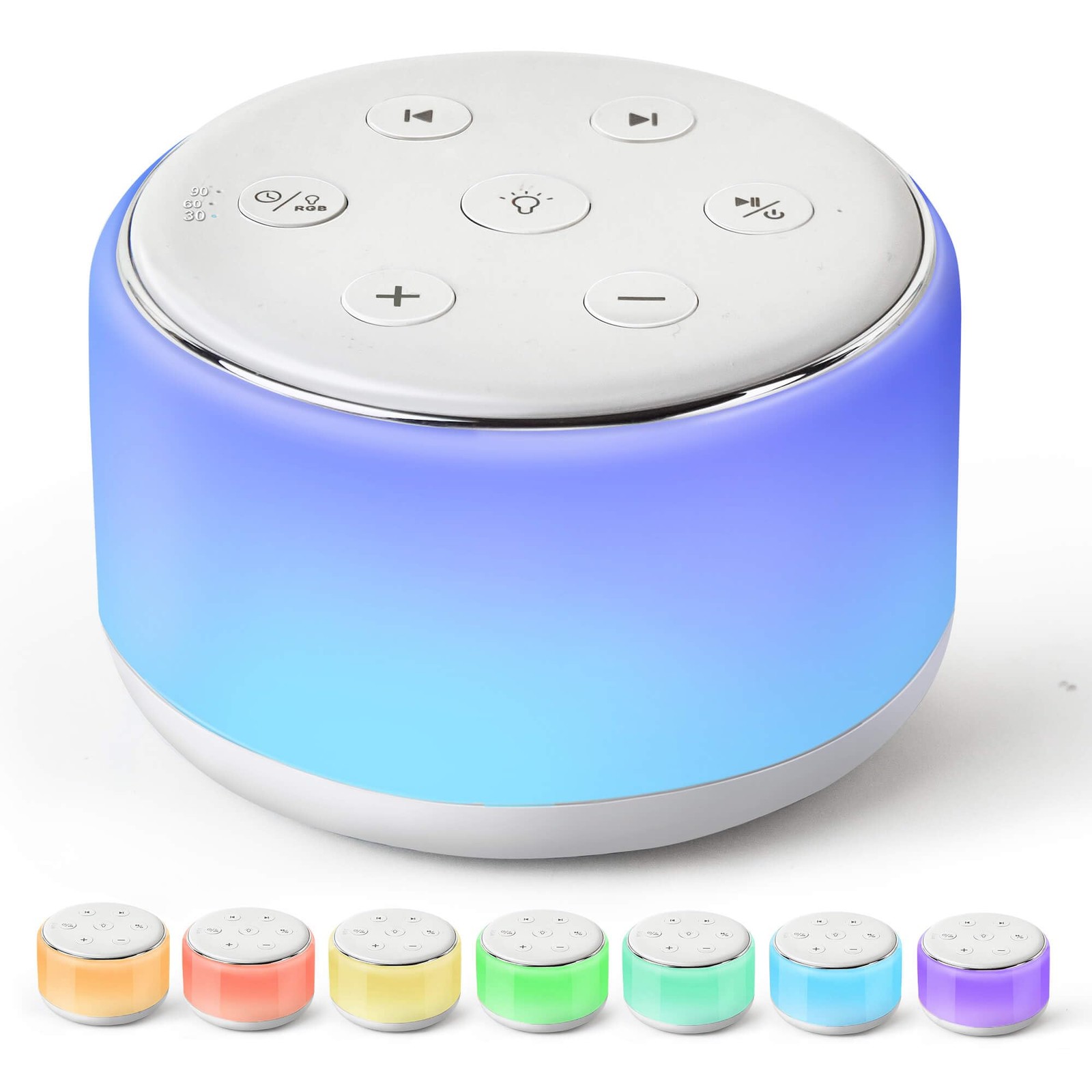
Baby Sleep & Soothing
Baby Sleep & Soothing
Compare baby sleep & soothing models, specs, and current prices.
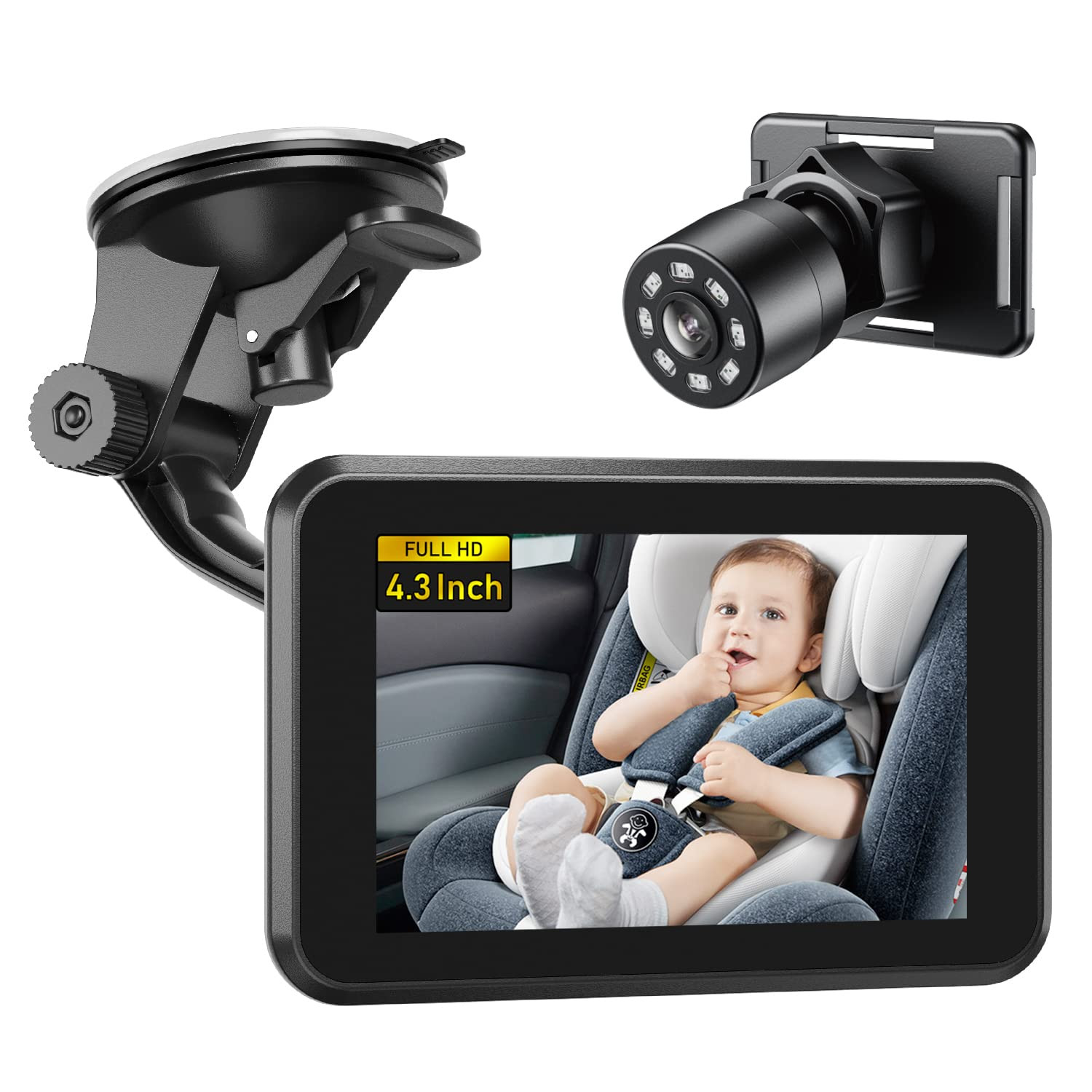
Baby Monitoring & Safety
Baby Monitoring & Safety
Compare baby monitoring & safety models, specs, and current prices.
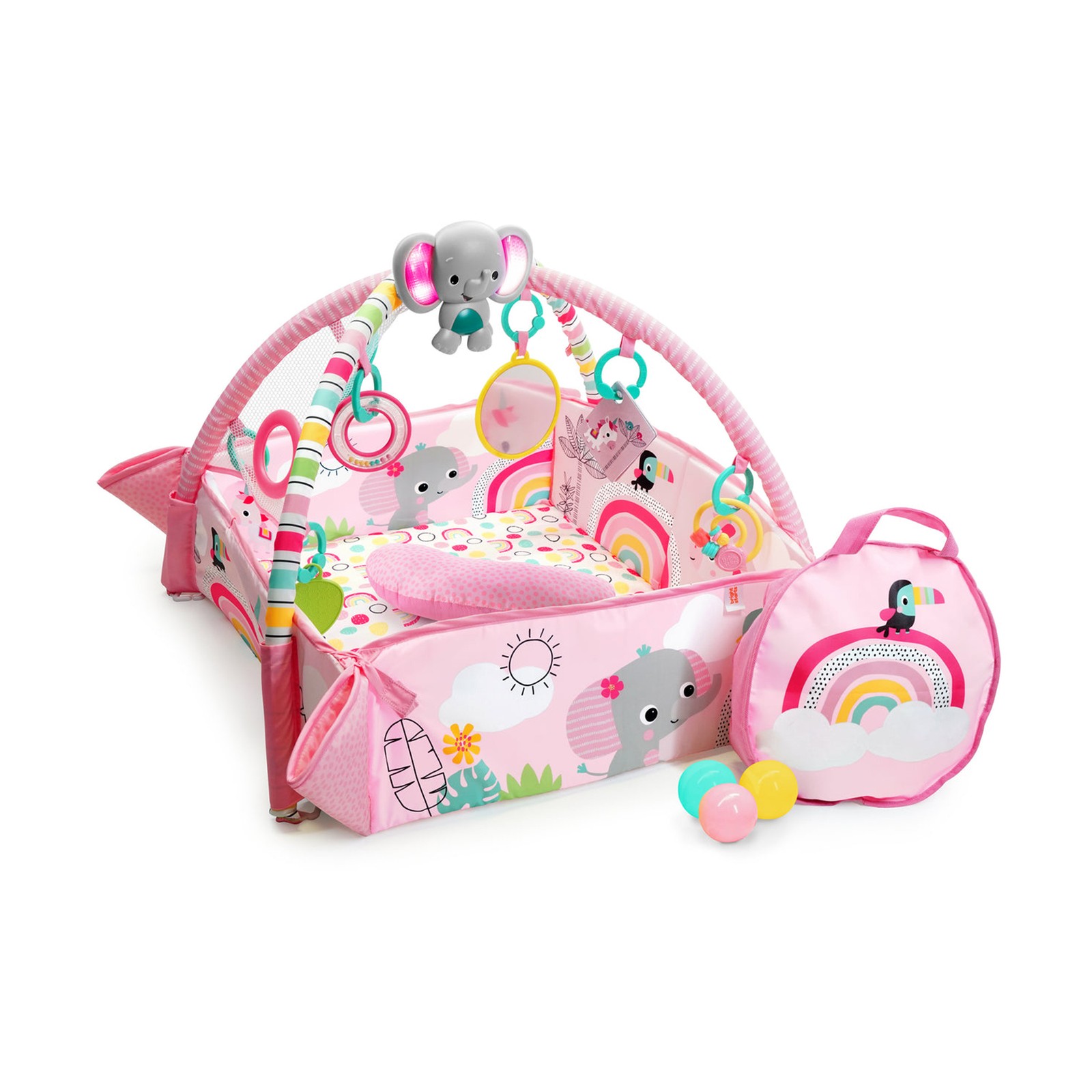
Baby Toys & Activity Gear
Baby Toys & Activity Gear
Compare baby toys & activity gear models, specs, and current prices.
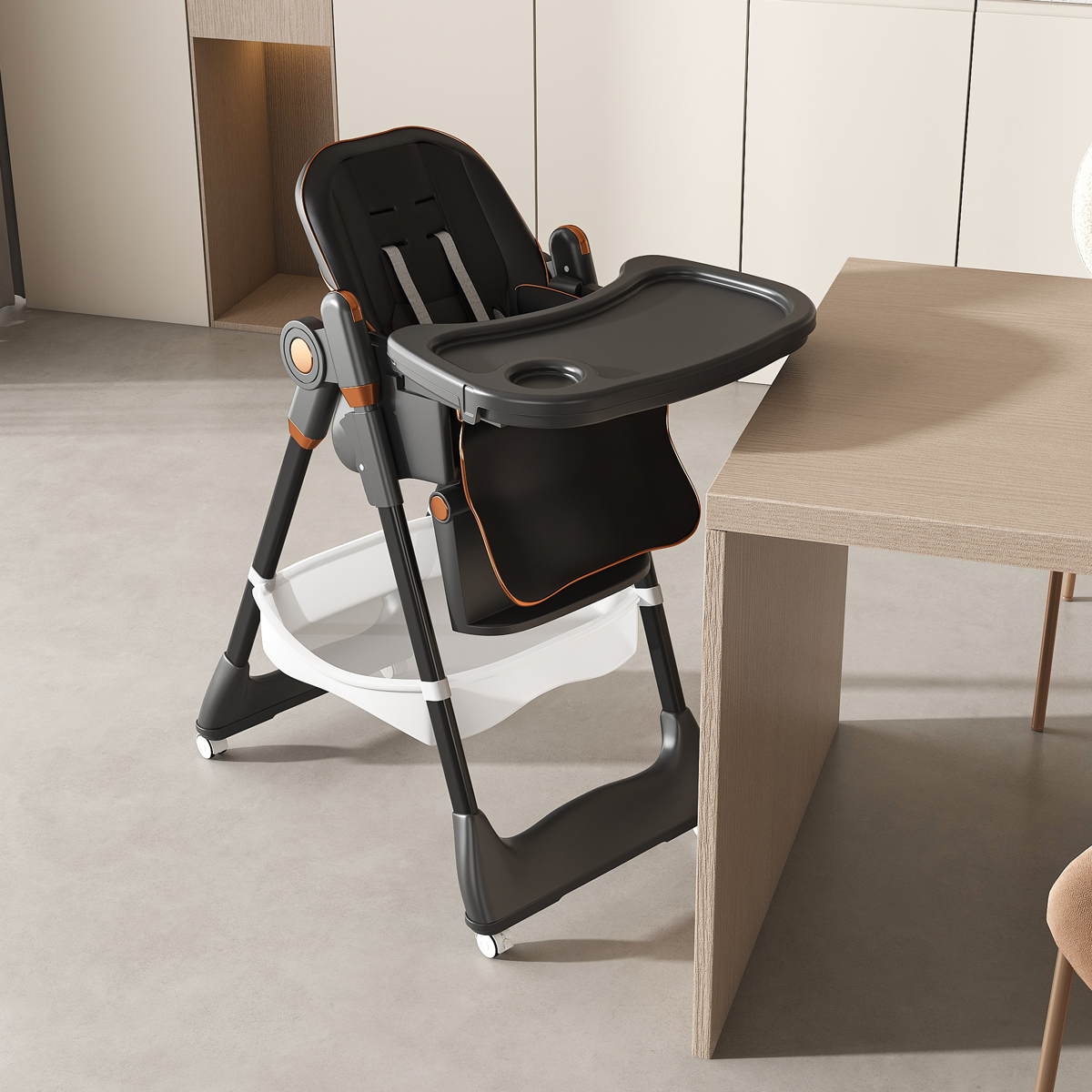
Feeding & Sterilizing
Feeding & Sterilizing
Compare feeding & sterilizing models, specs, and current prices.
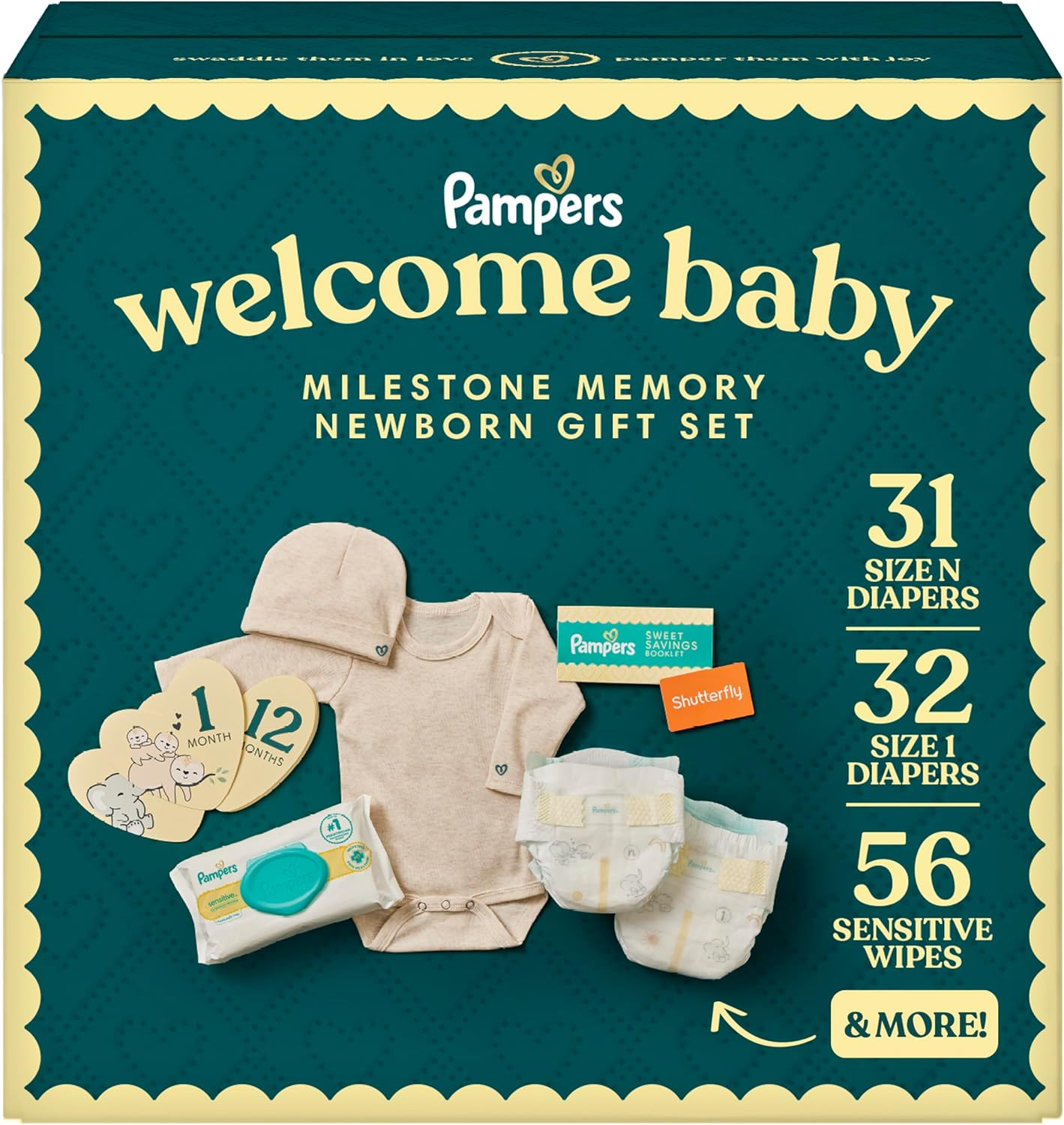
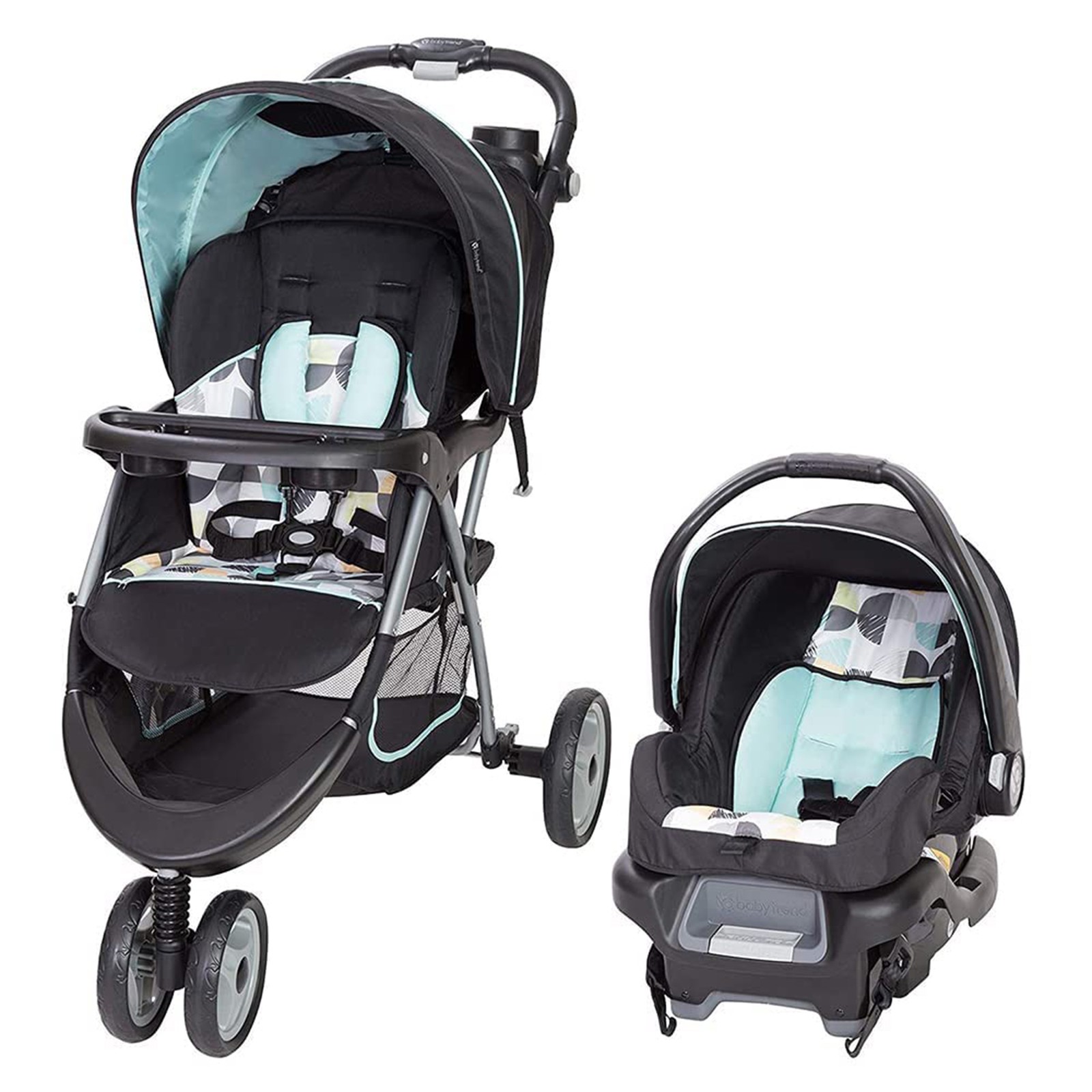
Strollers & Car Seats
Strollers & Car Seats
Compare strollers & car seats models, specs, and current prices.
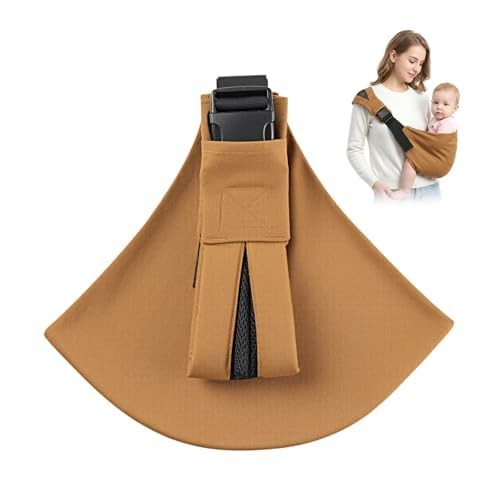
Baby Carriers, Slings & Backpacks
Baby Carriers, Slings & Backpacks
Compare baby carriers, slings & backpacks models, specs, and current prices.
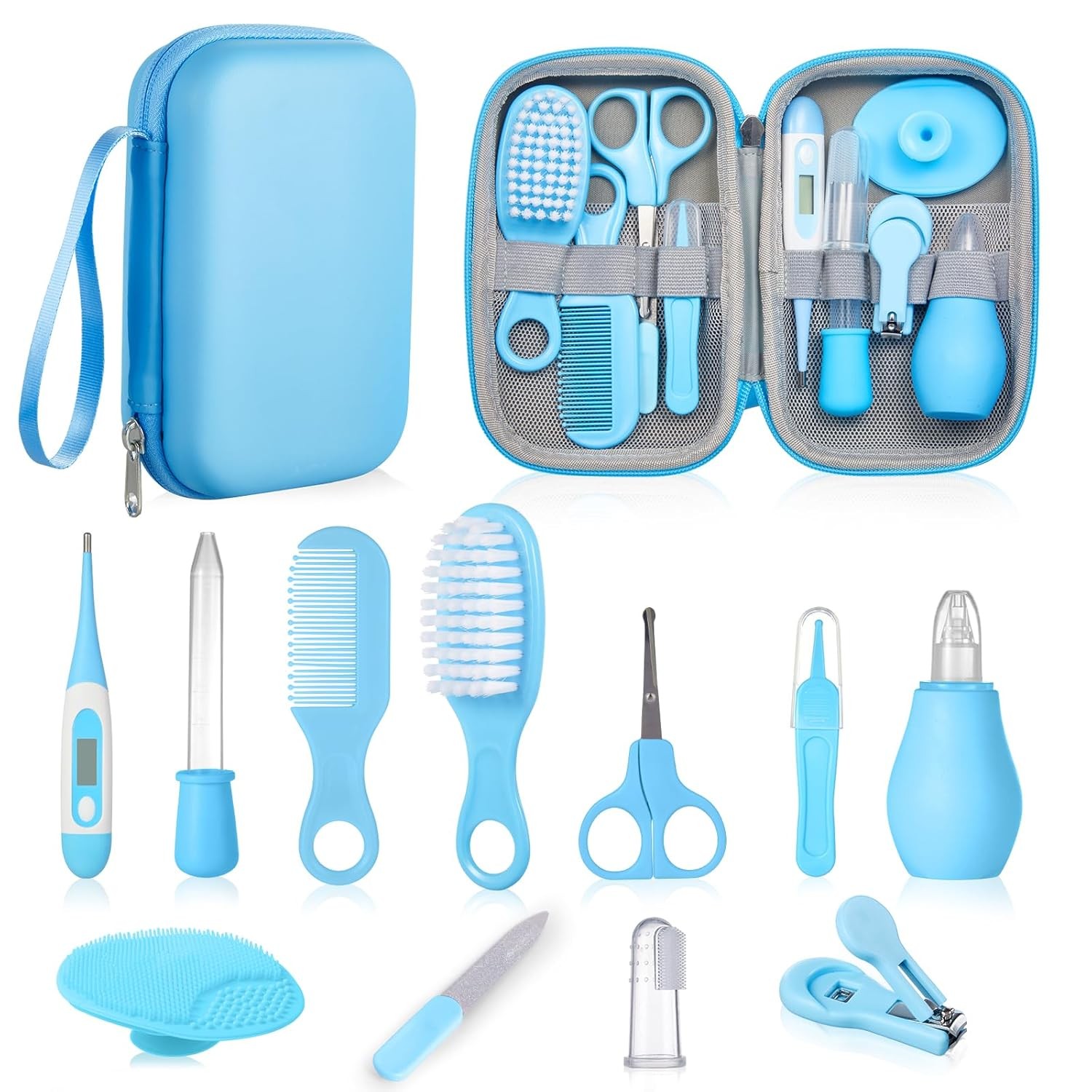
Baby Bathing & Grooming
Baby Bathing & Grooming
Compare baby bathing & grooming models, specs, and current prices.
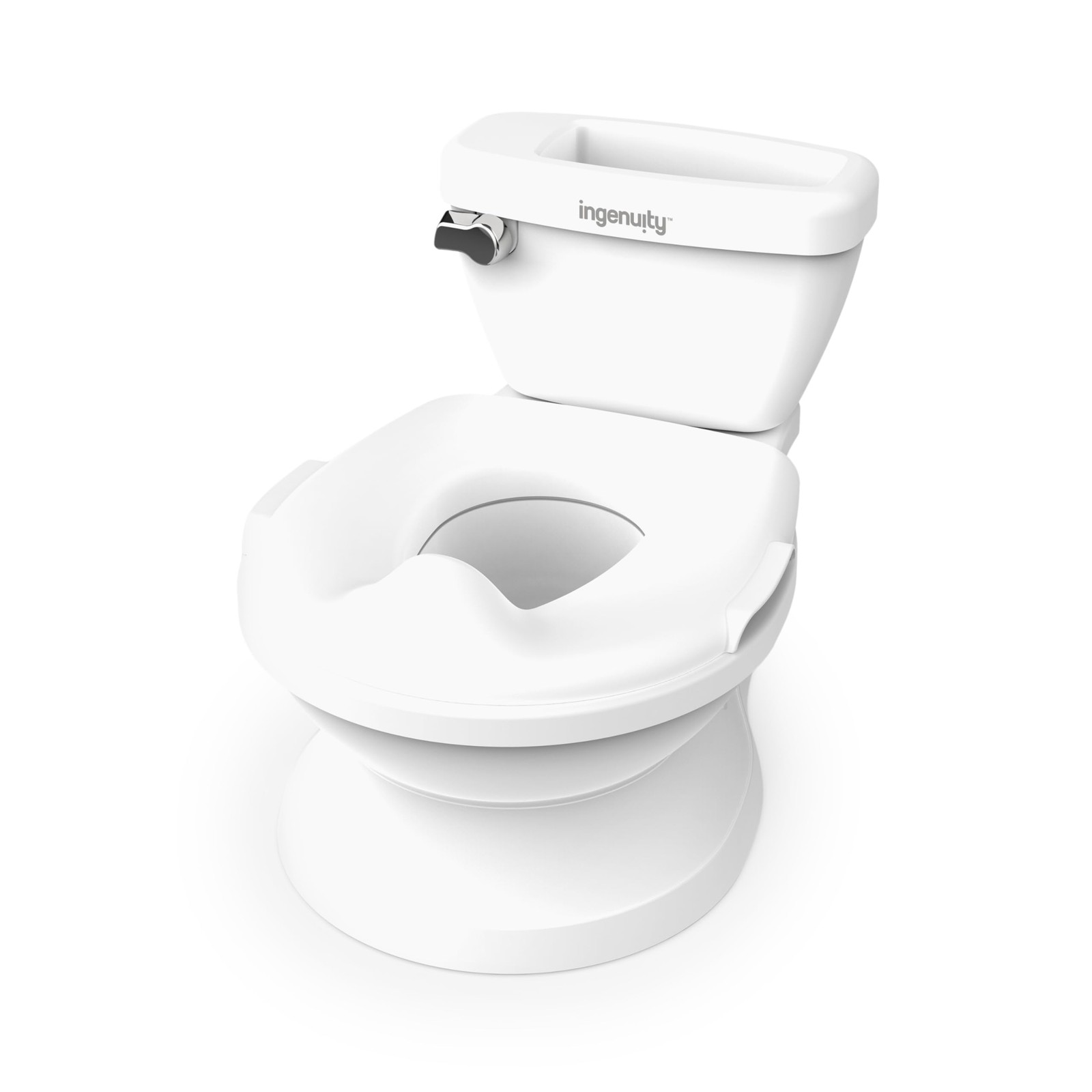
Baby Monitoring & Safety
Baby Monitor
A baby monitor is a dedicated audio/video link between a child's room and a parent unit, and the core trade-off is signal transport: FHSS/DSSS 2.4 GHz or 1.9 GHz DECT for private, low-latency dedicated links versus Wi-Fi for remote app access and cloud features. Buy a dedicated FHSS/DECT monitor when privacy, zero-latency audio, and no-subscription reliability matter; choose Wi-Fi only when you accept account security, internet dependency, and subscription tiers.
Baby Monitoring & Safety
Baby Monitor Camera
A baby monitor camera is either a dedicated closed-loop system (parent unit + camera over FHSS/DECT) or a Wi-Fi/IP camera streamed to your phone; the core trade-off is zero-latency, no-internet reliability versus remote access and app features. Buy a dedicated FHSS/DECT system with a parent unit for primary overnight sleep safety, and treat Wi-Fi cameras as a secondary remote-viewing layer, never the sole monitor.
Baby Monitoring & Safety
Baby Monitor With Camera
A baby monitor with camera combines a camera unit with a parent-side display or smartphone app to watch and hear a sleeping child. The core trade-off is between dedicated closed-system monitors (no Wi-Fi, low latency, no hacking risk) and Wi-Fi/app-based models (remote viewing, higher resolution, but dependent on network and cloud security). Buy a dedicated FHSS/DECT monitor for reliability and privacy, or a Wi-Fi model only if you need encrypted remote access and accept app dependency.
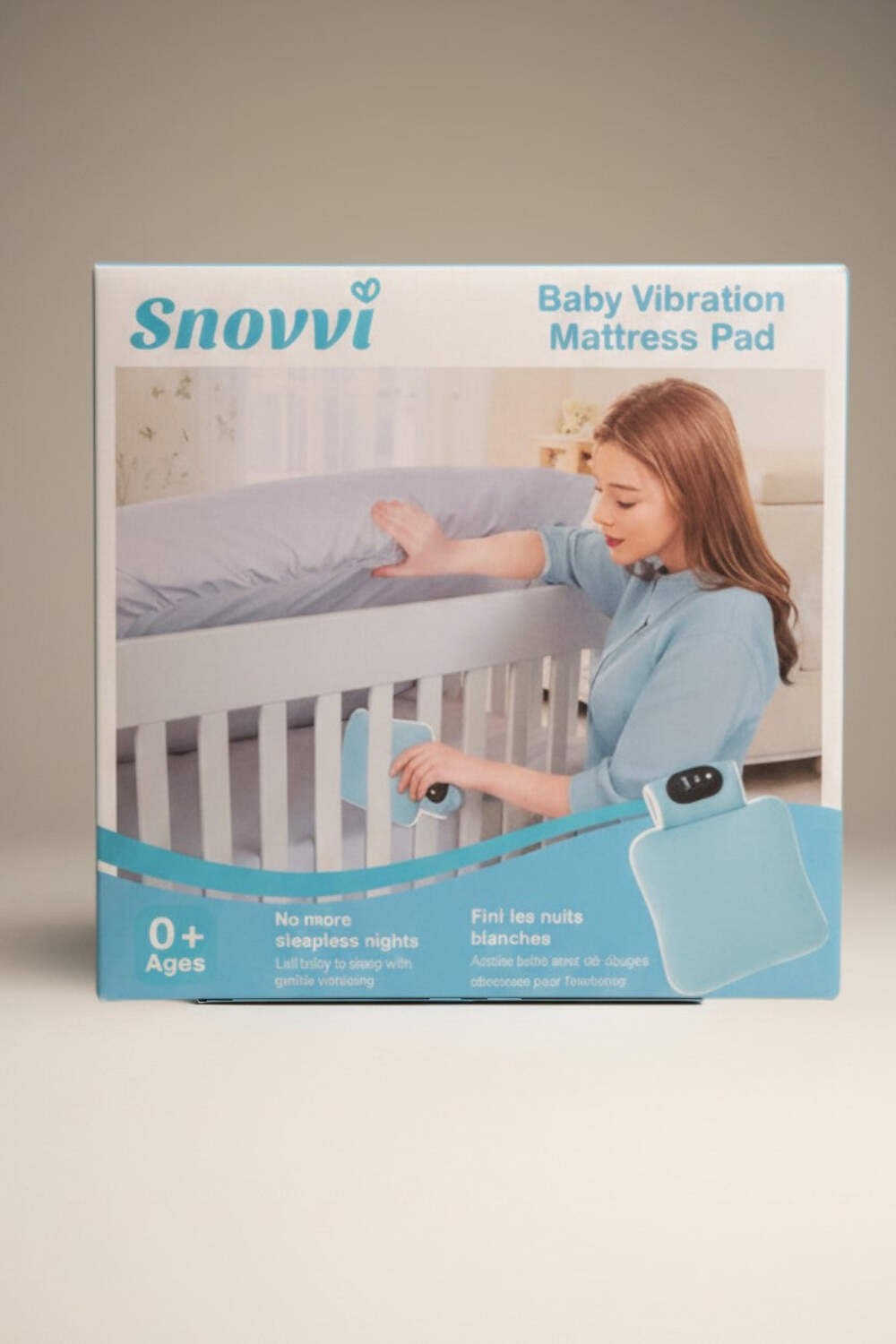
Baby Sleep & Soothing
Baby Sleep
Baby sleep products span swaddles, white-noise machines, and plush soothers, each with a distinct trade-off between safety compliance and convenience. The decisive rule is to buy only items with verified safety standards (CPSC, ASTM F2907 for swaddles) and avoid unregulated electric devices that lack automatic shutoff or fabric breathability ratings.
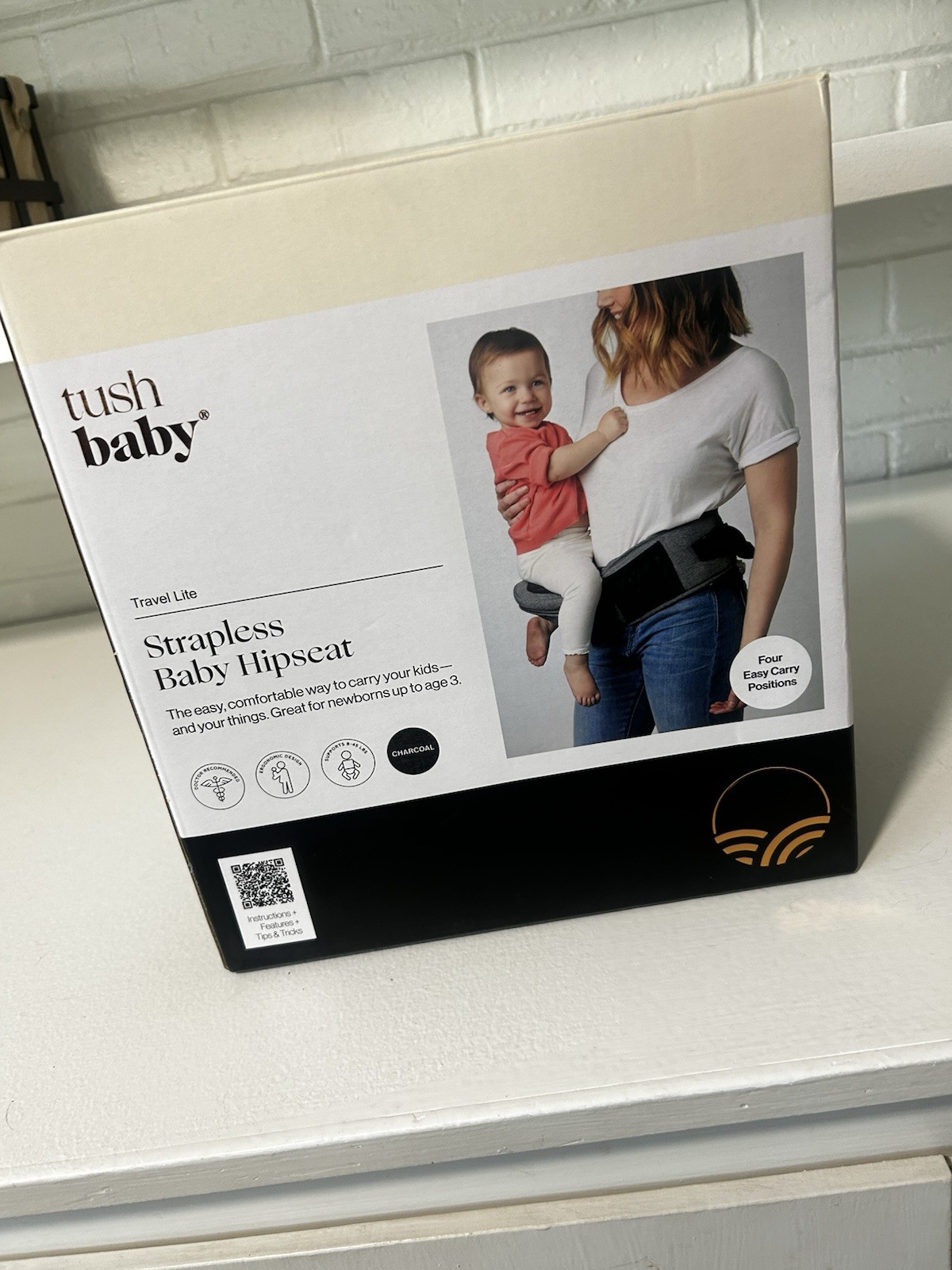
Baby Carriers, Slings & Backpacks
Baby Carrier
Baby carriers range from simple fabric wraps and ring slings to structured buckle carriers with hip seats. The core trade-off is between soft, adjustable fabric that conforms to a newborn and framed, padded structure that supports a toddler's weight for hours. Choose a carrier rated for your child's current weight with a wide, ergonomic seat and a secure, multi-point buckle or knot system; skip any carrier with narrow leg openings, single-point support, or unclear weight limits.
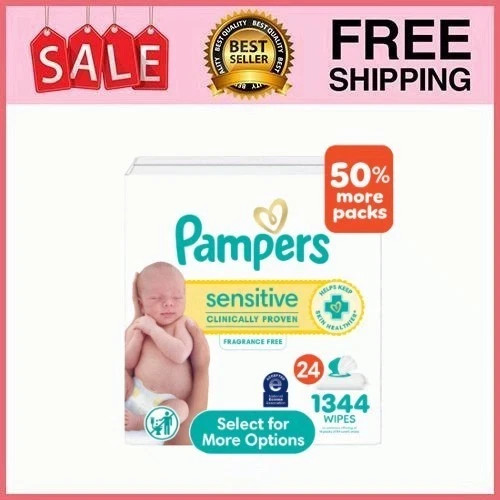
Diapers & Wipes
Wipe
Baby wipes are nonwoven cloths pre-moistened with water and mild surfactants, and the core trade-off is fabric strength and ingredient purity against cost and convenience. Durable options use spunlace or airlaid nonwovens at 40–60 GSM with 99% water and no fragrance, while compromises thin to 30–40 GSM, add alcohol or methylisothiazolinone, and tear on the second pass. The decision rule: for newborn or reactive skin, pick unscented 99% water wipes in flip-top packs; for household and older-toddler use, standard scented 50–60 GSM wipes are adequate.
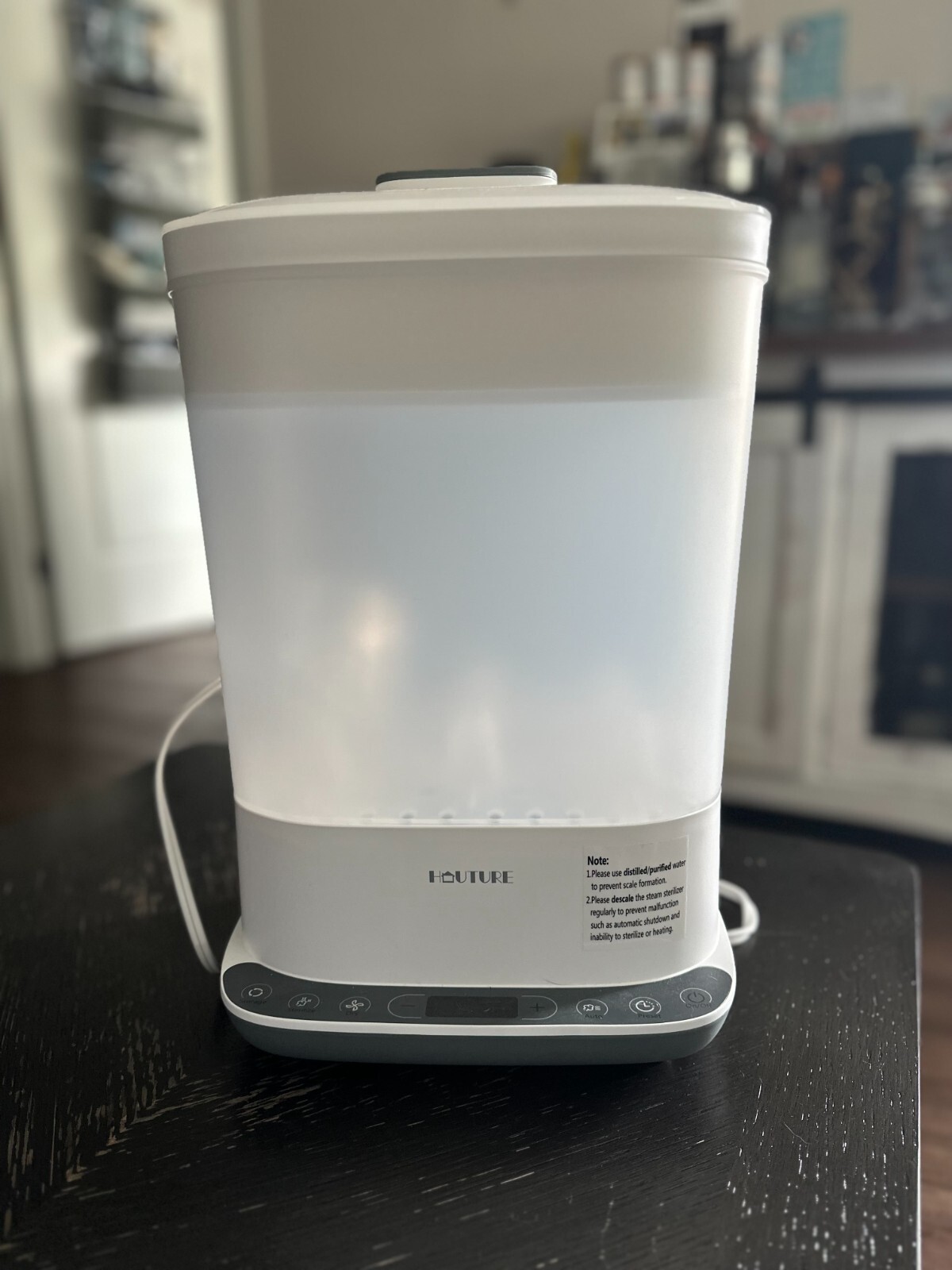
Feeding & Sterilizing
Brand Bottle
Brand bottles are the major-label feeding systems—Philips Avent, Dr. Brown's, Comotomo, Tommee Tippee, Medela—where the brand premium buys validated anti-colic venting, breast-pump compatibility, and consistent nipple flow ratings. The core trade-off is venting complexity versus cleaning burden: internal vent systems reduce ingested air but add parts, while simple wide-neck silicone bottles clean fast but demand paced feeding technique. Buy branded only when you need pump-matched threading or a proven flow scale; otherwise a basic wide-neck bottle performs the same job.
Feeding & Sterilizing
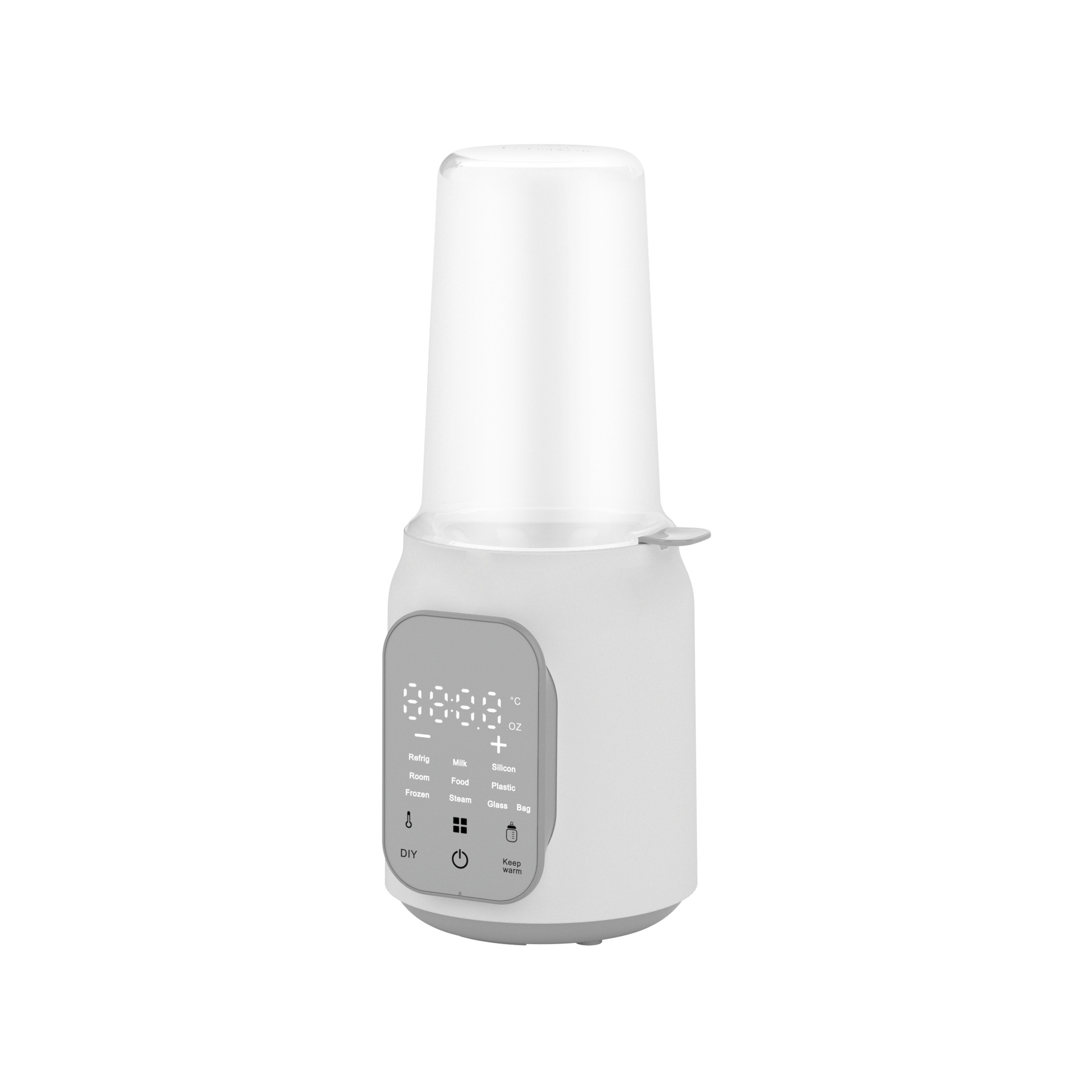
Bottle Sterilizer
A bottle sterilizer uses steam heat (electric or microwave) to kill 99.9% of germs on bottles, nipples, and pump parts; the core trade-off is between a compact microwave unit and a countertop electric model that also dries. Buy electric steam-and-dry if you sterilize daily and want dry, ready-to-use parts; choose a microwave steam bag or box only for travel or tight counters.
Feeding & Sterilizing
Recommended Bottle
Recommended baby bottles are the feeding vessels parents choose for newborns and infants, and the core trade-off is venting architecture versus cleaning simplicity: anti-colic vented systems reduce air ingestion but add parts, while simple wide-neck bottles are easier to sterilize. The decision rule is material and flow-grade first: pick BPA-free polypropylene or glass for durability, pair with a slow-flow newborn nipple, and skip any bottle whose venting cannot be fully disassembled and cleaned.
Baby Sleep & Soothing
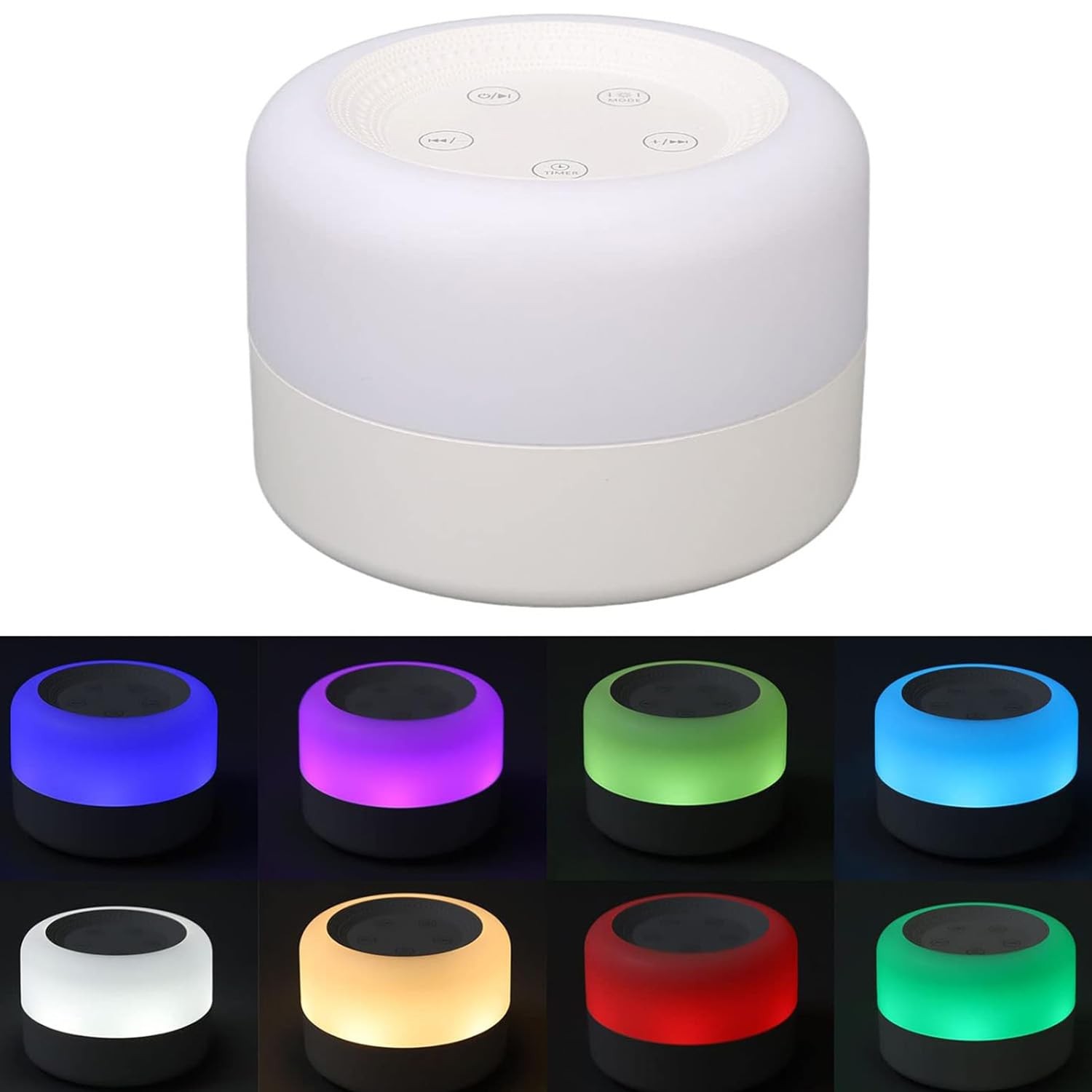
Portable Sound Machine
A portable sound machine is a battery-powered white-noise and lullaby device that clips to a stroller, crib, or diaper bag to mask environmental noise and cue sleep anywhere. The core trade-off is battery chemistry and speaker loudness versus physical size: sealed lithium-ion units run longer but age and cannot be user-replaced, while AAA/AA-powered units offer unlimited runtime with fresh cells but fewer features. Buy a rechargeable unit with at least 15 hours of real runtime, a true volume range that reaches 75 dB at 1 meter, and a locking clip; skip button-cell or vibration-only toys that cannot sustain masking noise through a nap.
SHOPPING DIRECTORY
Stores






You may also like
Finding more guides for you…