Photos from current listings. Actual item, color, and included accessories may vary.
Activity Table Buying Guide
Activity tables blend play, sensory exploration, and early learning into a child-height station: the core trade-off is between plastic multi-function centers (light, wipe-clean, but often wobblier) and wooden convertible tables (heavier, sturdier, longer-lived, but pricier). Buyers should match the table's primary mode—sit-in activity center vs. stand-at sensory/art table—to the child's developmental stage and the room's footprint, and skip any model that lacks a wide base or non-slip feet.

At a glance
- Category
- Baby Toys & Activity Gear
- Data updated
- Nov 15, 2026
Current offers
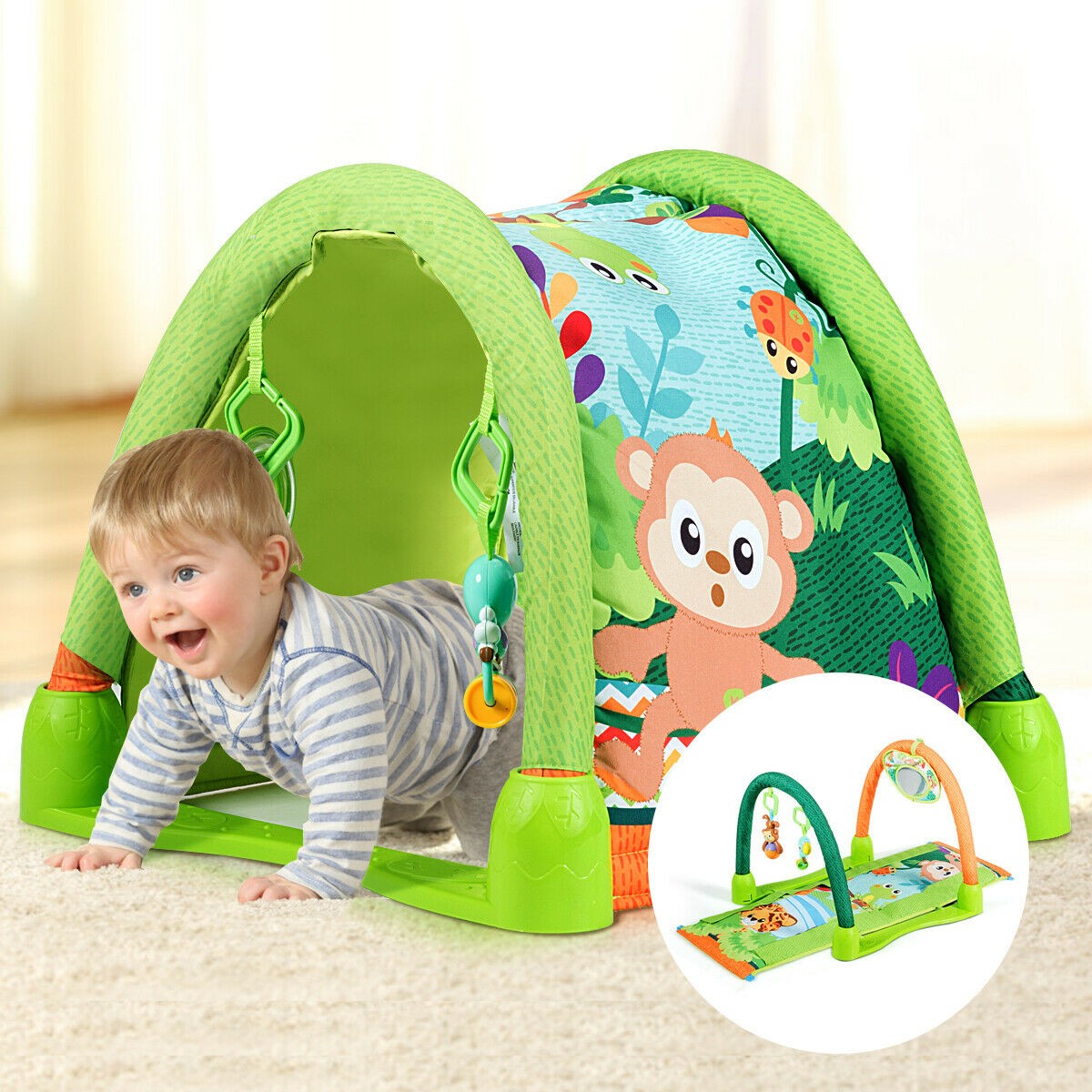 4-in-1 Green Activity Play Mat Baby Activity Center w/3 Hanging Toys$12.00
 View on eBay
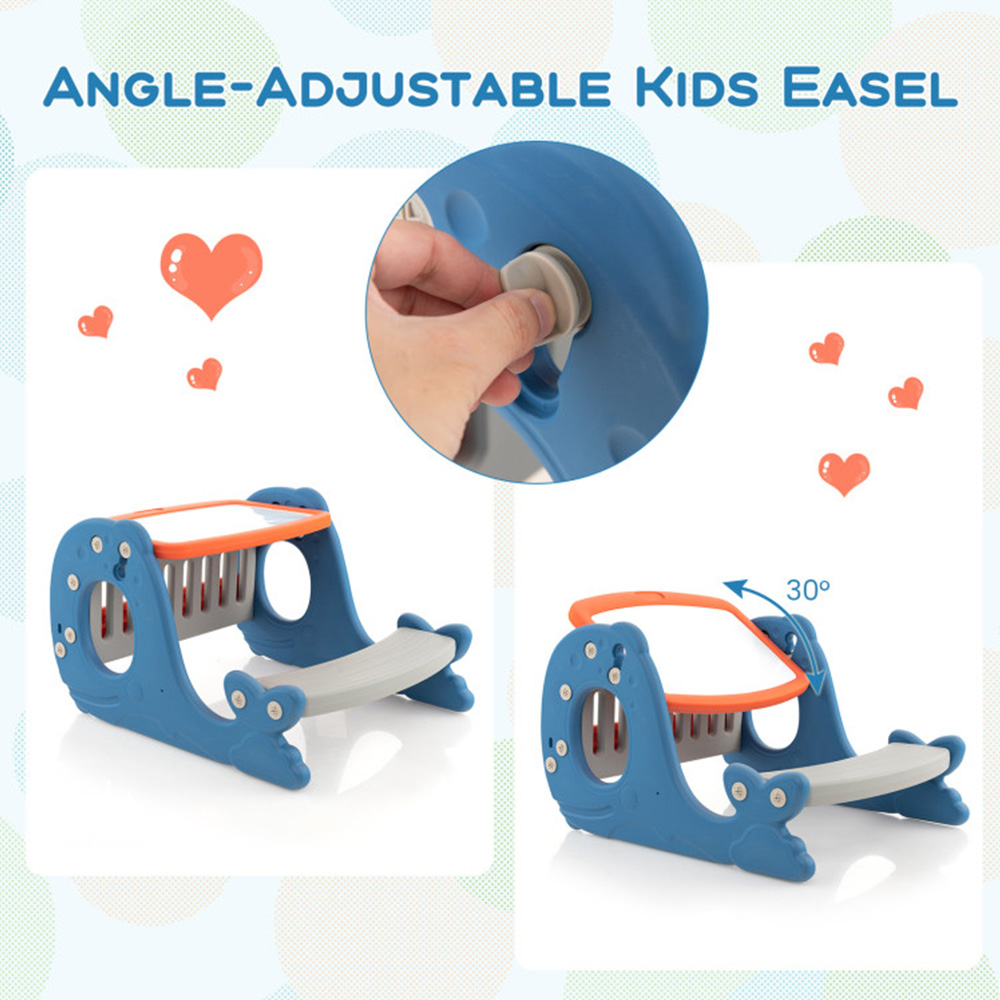 Blue Convertible Children's Activity Table Set, Infant And Toddler Erasable Whiteboard Easel$89.99
 View on Mallflare
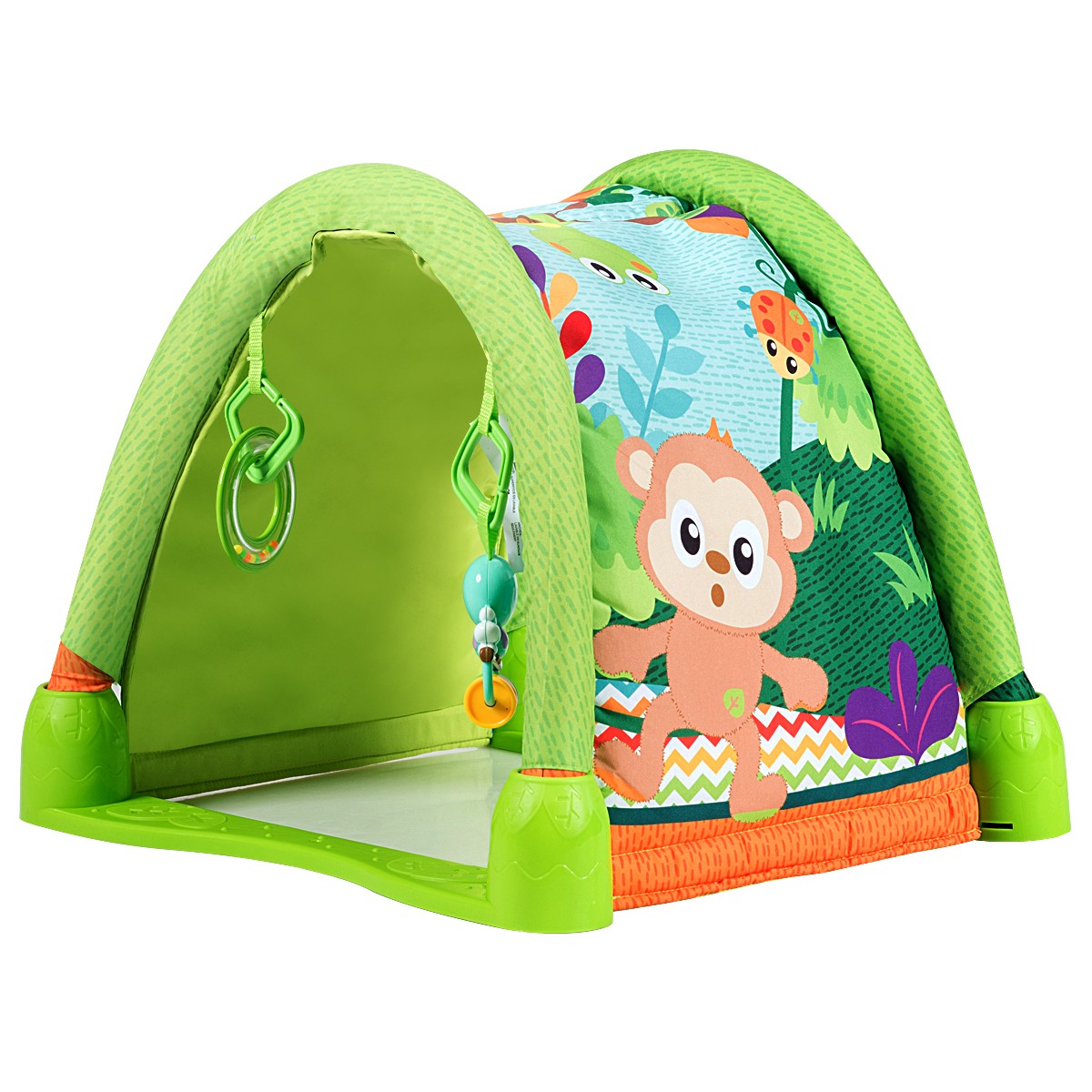 4 in 1 Activity Gym Play Mat Baby Activity Center w/ 3Educational Toys$12.99View on eBay
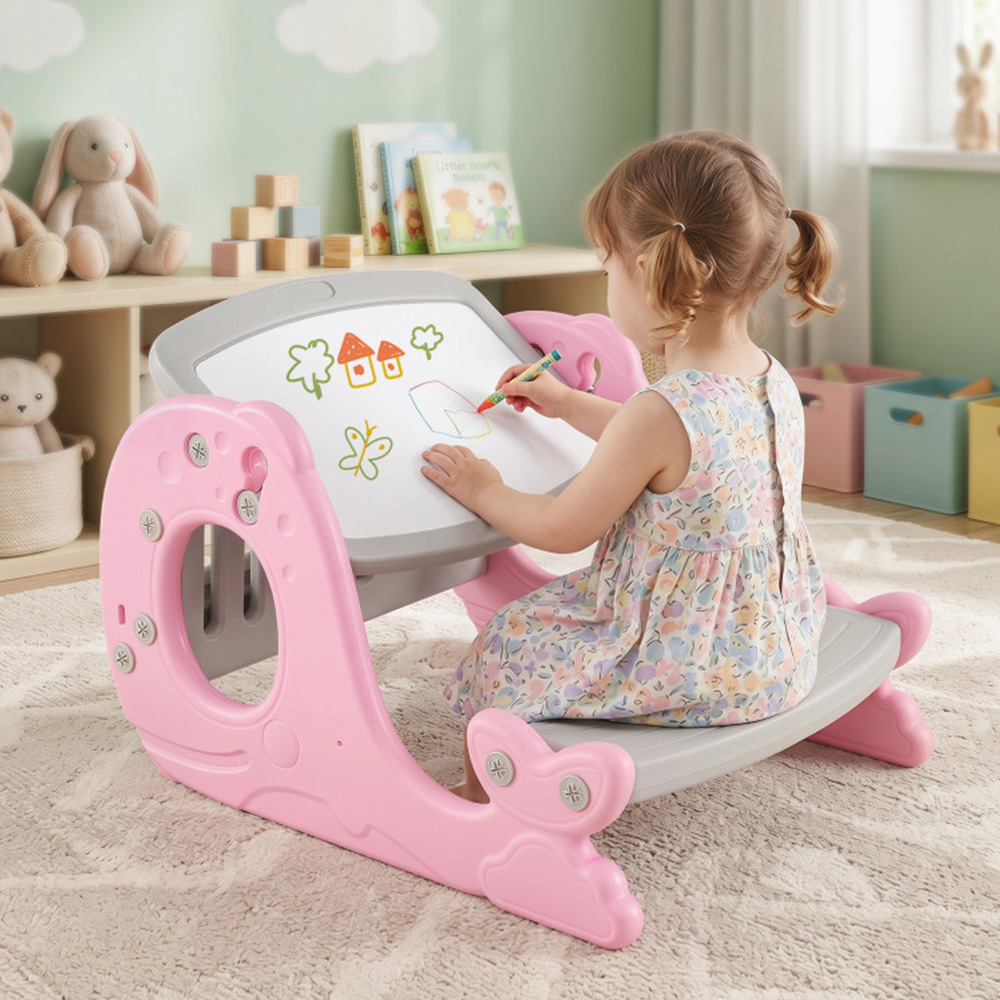 Pink Convertible Children's Activity Table Set, Infant Erasable Whiteboard Easel$89.99View on Mallflare
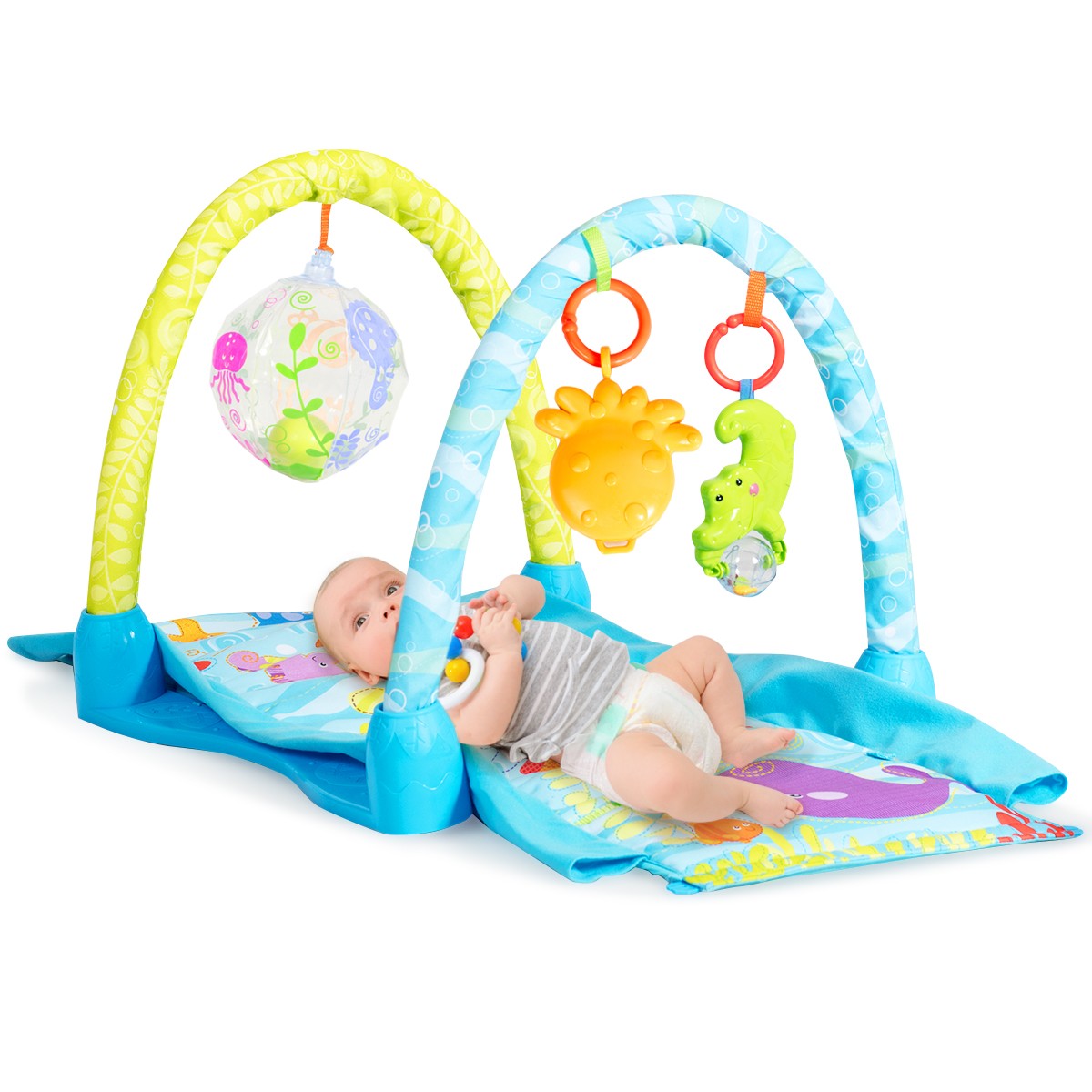 4 in 1 Activity Gym Play Mat Baby Activity Center w/ 3 Hanging Toys Play Time$15.99View on eBay
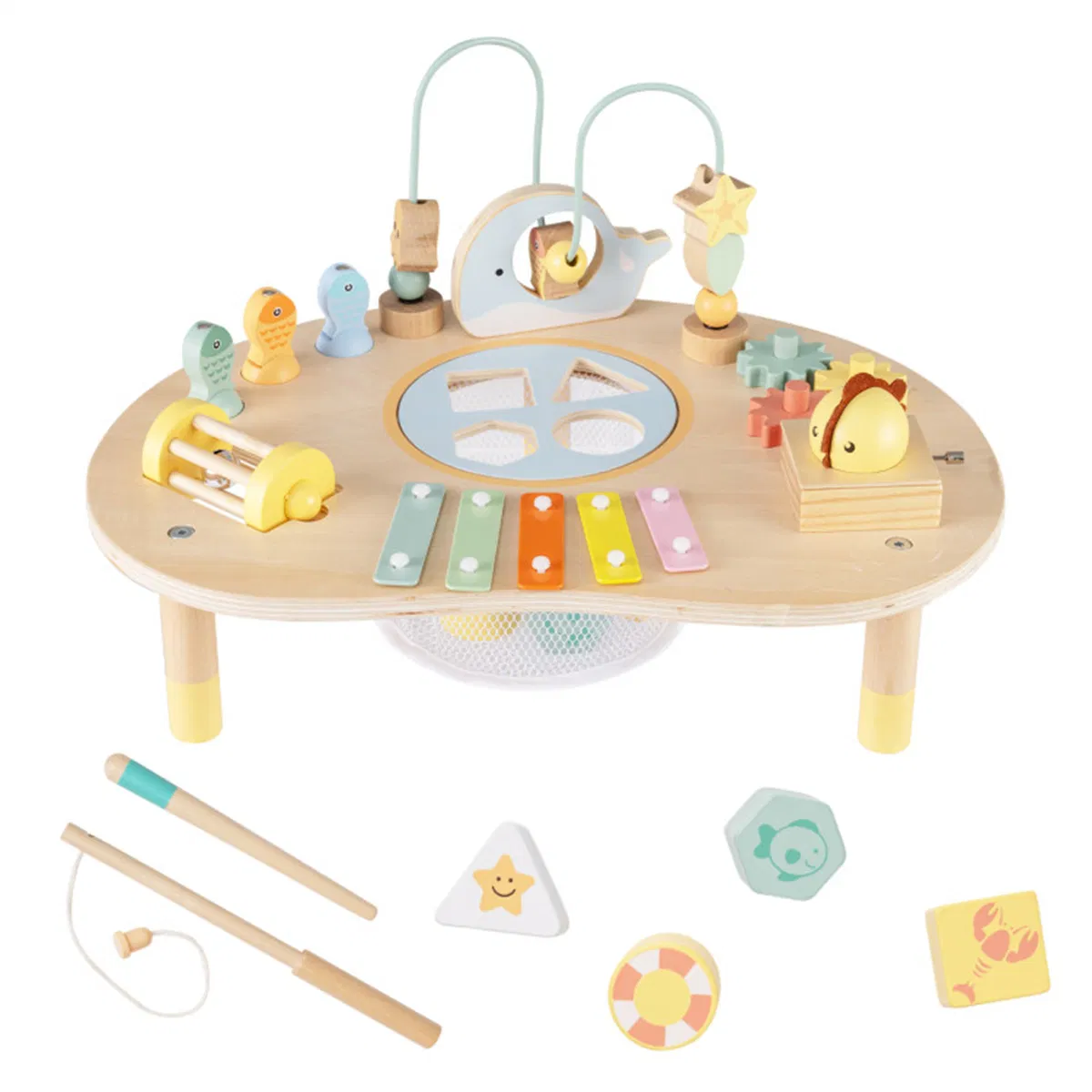 7-in-1 Wooden Baby Activity Table 12M+ Sensory Play with Music & Shape Sorting$100.99View on Mallflare
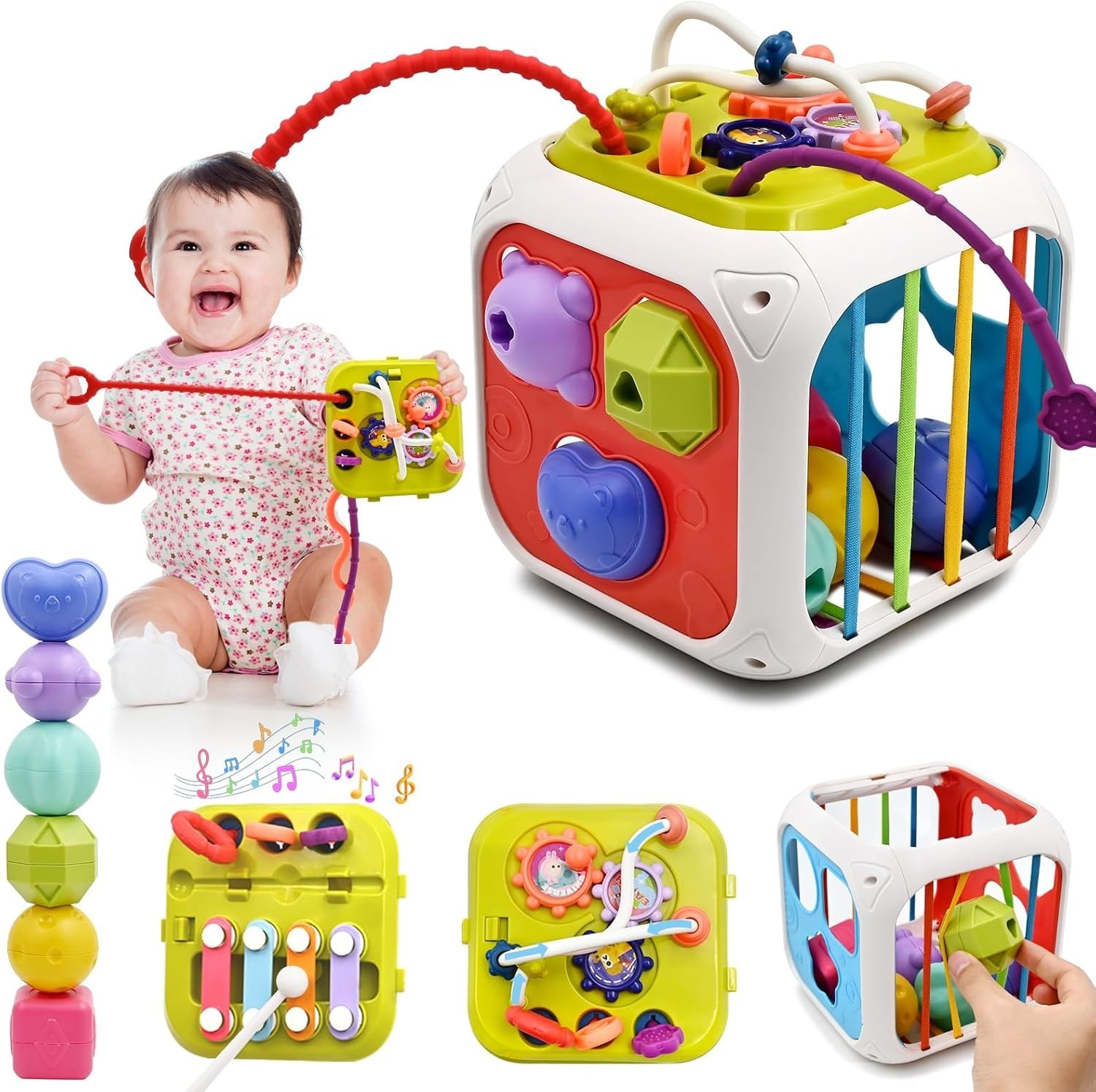 7 in 1 Baby Toys 6 to 12 Months Activity Cube Montessori Toys for 1$29.79View on eBay
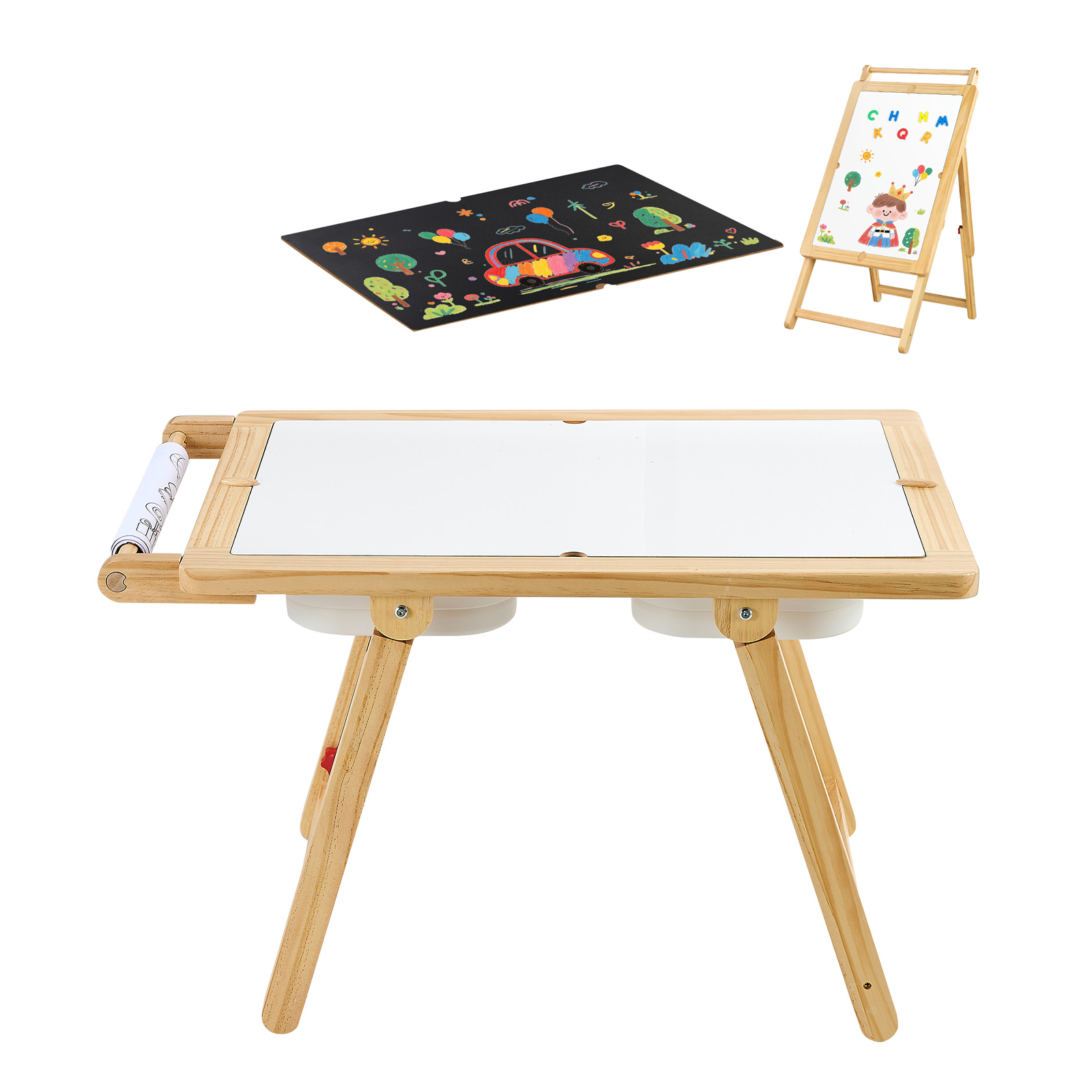 Sensory Table For Toddlers, Wooden Kids Activity And Art Easel With Reversible Double-Sided Board, Storage Bins, For$63.99View on Mallflare
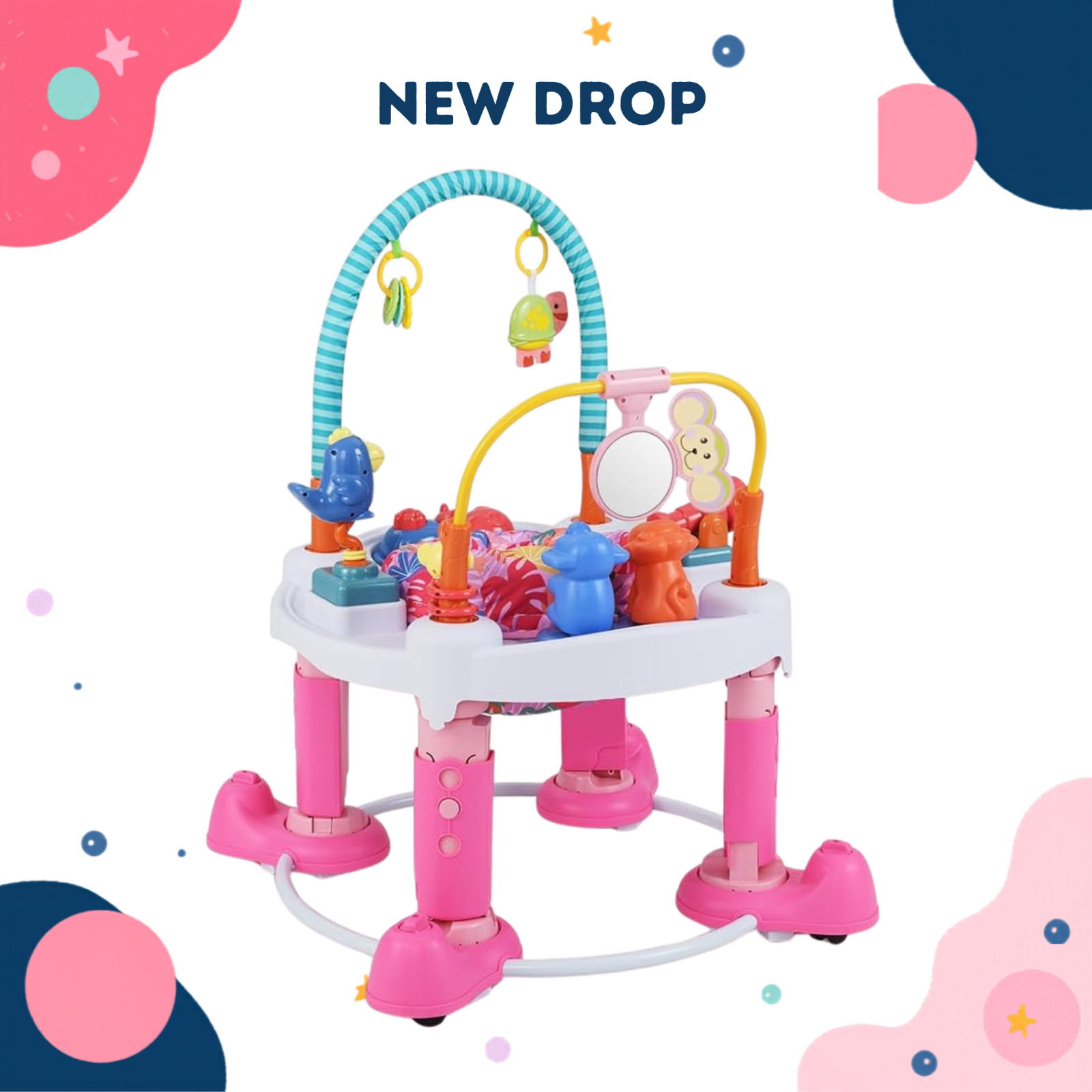 NEW Baby Bouncer 5-in-1 Activity Center Pink Foldable Rotating Seat Walker$120.00View on eBay
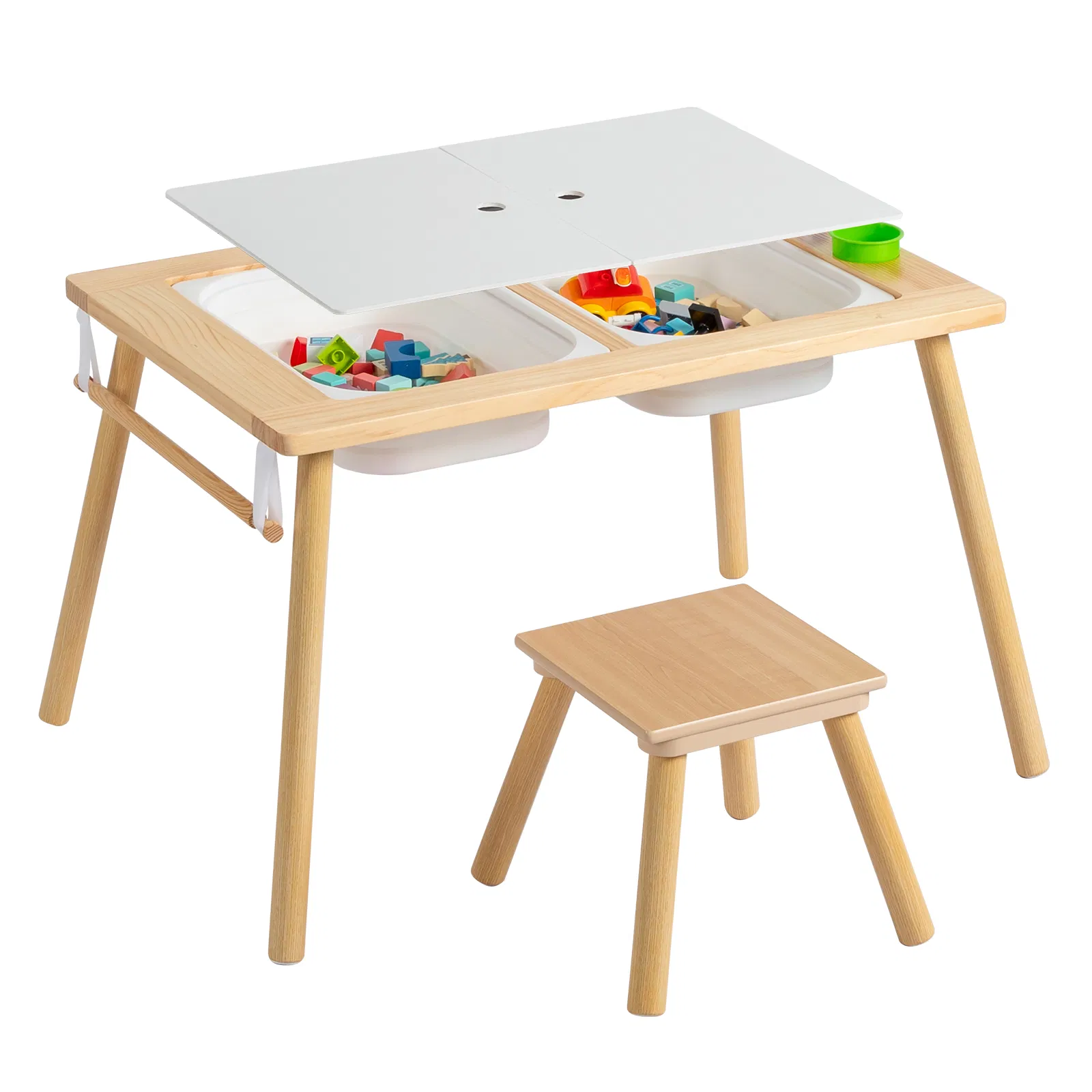 Children's Sensory Table with Stool, Kids Activity 2 Storage Bins & 2 Pen Holders & Paper Roll, Multifunction Toddler$67.99View on Mallflare
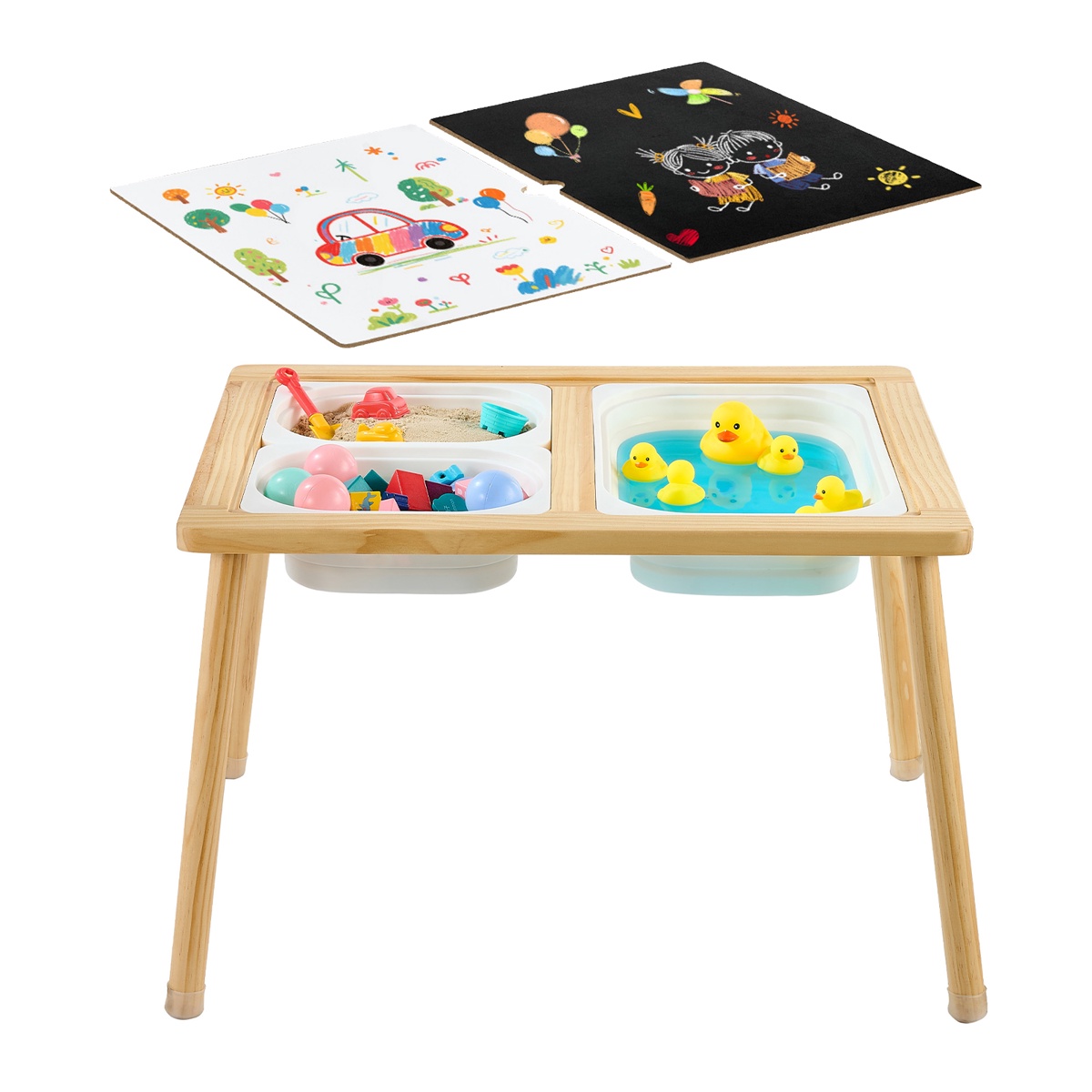 Sensory Table For Toddlers, Wooden Kids Activity With Reversible Double-Sided Board, Storage Bins, And Non-Slip Feet,$72.99View on Mallflare
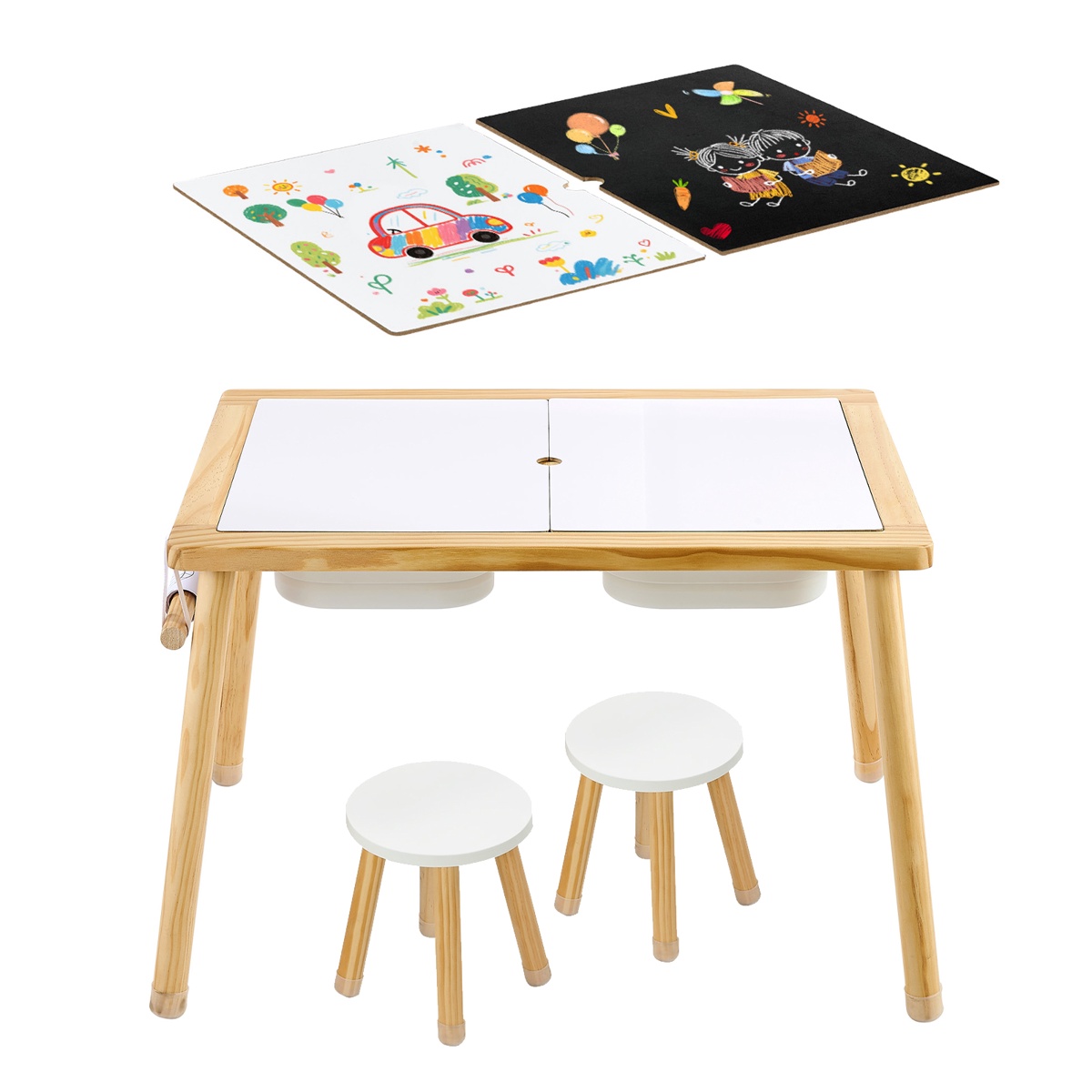 Sensory Table For Toddlers, Wooden Kids Activity With 2 Stools, Double-Sided Board, Storage Bins, And Non-Slip Feet, For$96.99View on Mallflare
Highlights
- Plastic PP activity centers typically weigh 5–9 lb and suit 6–18 months; wooden convertible tables weigh 15–25 lb and support 12M–4Y+.
- Convertible designs add a reversible whiteboard/chalkboard top, storage bins, or a paper-roll holder—features that extend usable age past toddlerhood.
- Stability comes from base spread: a footprint of at least 24×24 in and non-slip feet prevent tipping during pull-up standing.
- Sensory tables with bins and pen holders demand a rim height of 18–22 in for seated toddlers; activity centers for infants sit lower at 12–16 in.
Best use cases
- Best for infants 6–12 months: a low activity center with hanging toys and a padded play mat—skip wooden art tables until the child can stand.
- Best for toddlers 12–24 months: a wooden 7-in-1 convertible table with shape sorting and music—skip flimsy plastic cubes that tip when pulled up on.
- Best for art and sensory play 2Y+: a sensory table with reversible board, storage bins, and paper roll—skip infant gyms that lack a flat work surface.
- Wrong fit for small apartments: oversized 4-in-1 gym-and-table combos that occupy more than 3×3 ft—choose a compact folding or stackable design instead.
Buying tips
- Match table height to the child: seated play needs a surface 12–16 in high for infants; standing toddlers need 18–22 in.
- Choose solid wood (birch or pine, 0.6–0.75 in thick) over MDF for convertible tables—it resists wobble and survives climbing.
- For plastic centers, look for PP or HDPE with a base wider than the top by at least 4 in on each side for tip resistance.
- Confirm the table ships with all companion parts—play mat, hanging toys, storage bins—since missing accessories often aren't sold separately.
Specs
| Primary Material | PP plastic / solid wood / MDF |
|---|---|
| Recommended Age | 6M+ centers · 12M+ tables · 3Y+ sensory |
| Table Height | 12–16 in infant · 18–22 in toddler |
| Convertible Modes | 2-in-1 to 7-in-1 (board, bins, easel) |
Related searches
What to check before buying
- Measure the play area: leave at least 12 in clearance on all sides so the child can circle the table safely.
- Check floor type: non-slip feet are essential on hardwood or tile; carpeted rooms need a wider base to prevent tipping.
- Verify age grading on the box: activity centers are rated 6M+, convertible tables 12M+, and sensory tables 3Y+ due to small parts.
- Ensure the table fits through doorways and stair gates if it will move between rooms—foldable or lightweight plastic models are easier to relocate.
FAQ
Data sources: eBay / Amazon listings and product attribute feeds Data updated Nov 15, 2026.
Some links on this page are affiliate links. If you buy after clicking one, we may earn a commission at no extra cost to you. This does not change which products appear here or their order. Affiliate disclosure.