Photos from current listings. Actual item, color, and included accessories may vary.
Toy 6 Month Buying Guide
Toys for 6-month-olds are designed to support the developmental leaps of sitting, grasping, and mouthing, where safety and material integrity matter more than flashy features. The primary trade-off is between simple, open-ended sensory toys that grow with the baby and battery-powered gadgets that entertain briefly but often lack durability. The clear decision rule: choose toys made from food-grade silicone, BPA-free plastics, or solid hardwoods with rounded edges and no small parts, and skip anything that requires batteries, has fabric that can't be washed, or includes pieces smaller than a ping-pong ball.

At a glance
- Category
- Baby Toys & Activity Gear
- Data updated
- Nov 15, 2026
Current offers
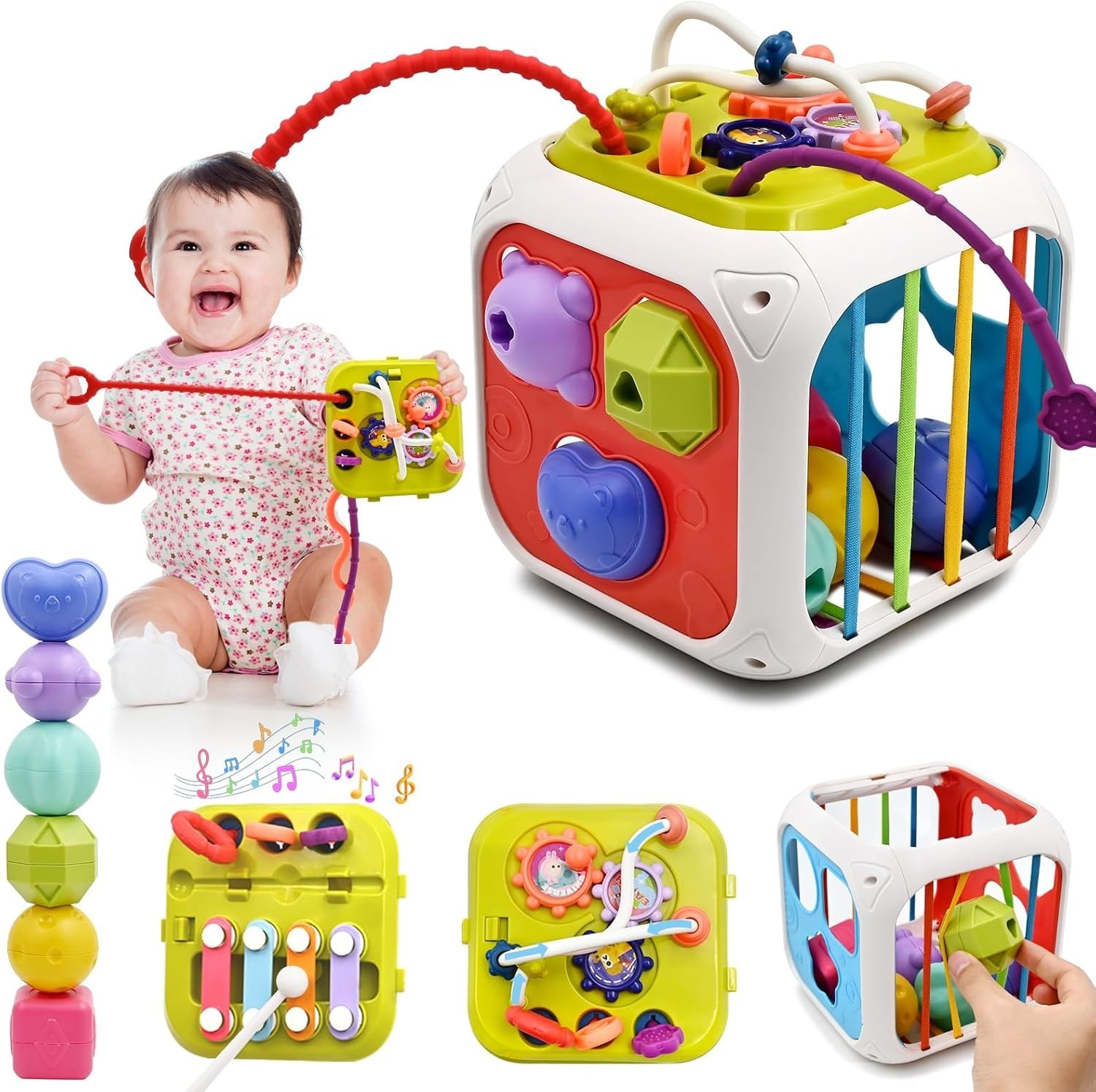 7 in 1 Baby Toys 6 to 12 Months Activity Cube Montessori Toys for 1$29.79
 View on eBay
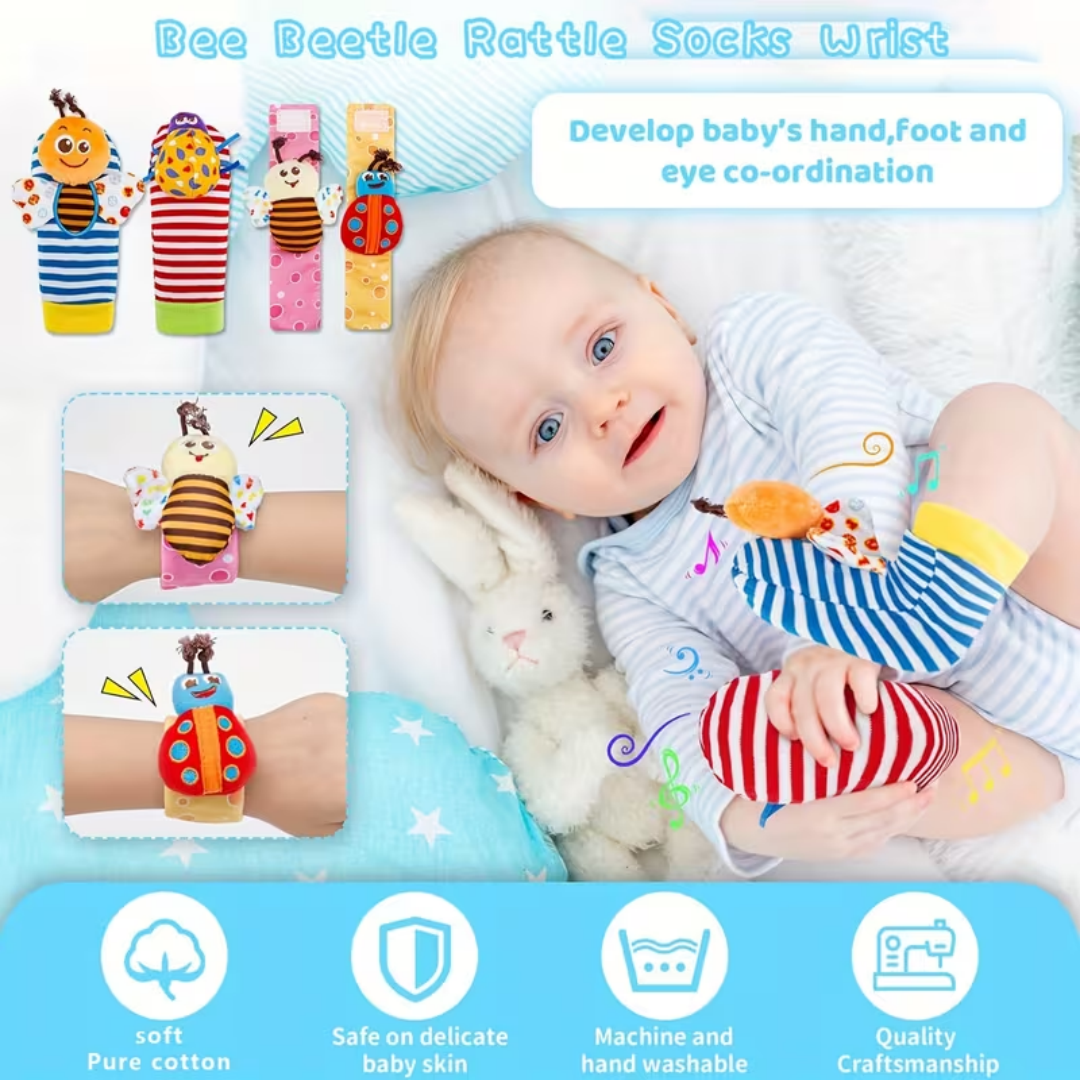 Baby Ringing Toy Set, Gripping Easy to Grasp Sensory Buckle, Development Learning Music Toy, Newborn Shower Birthday Gift 1 2 3 4 5 6 7 9 10 12 Months Boy and Girl$40.99
 View on Mallflare
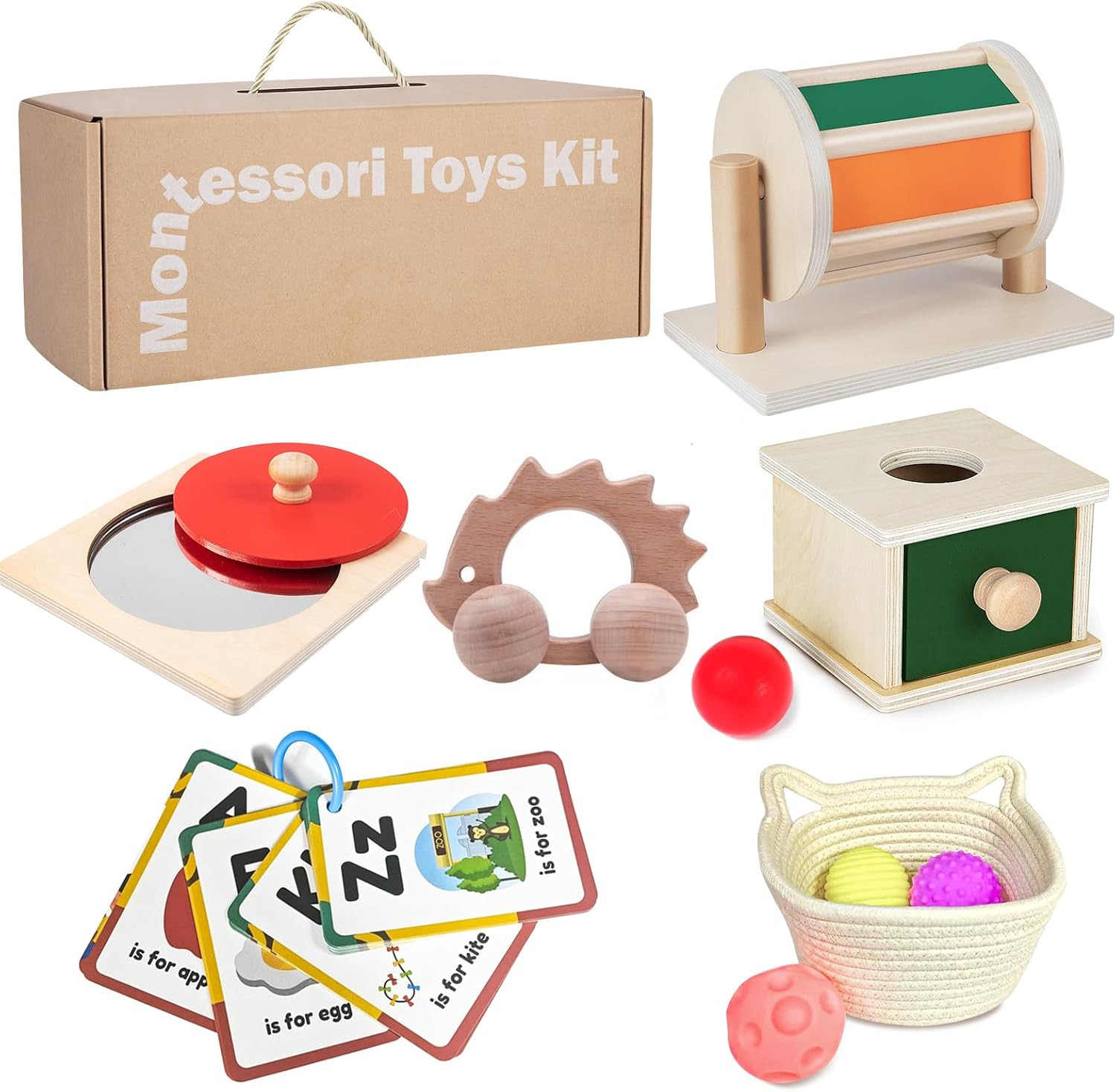 Montessori Toys for Babies 0-6 Months, 6 in 1 Learning Educational Set for Newbo$77.41View on eBay
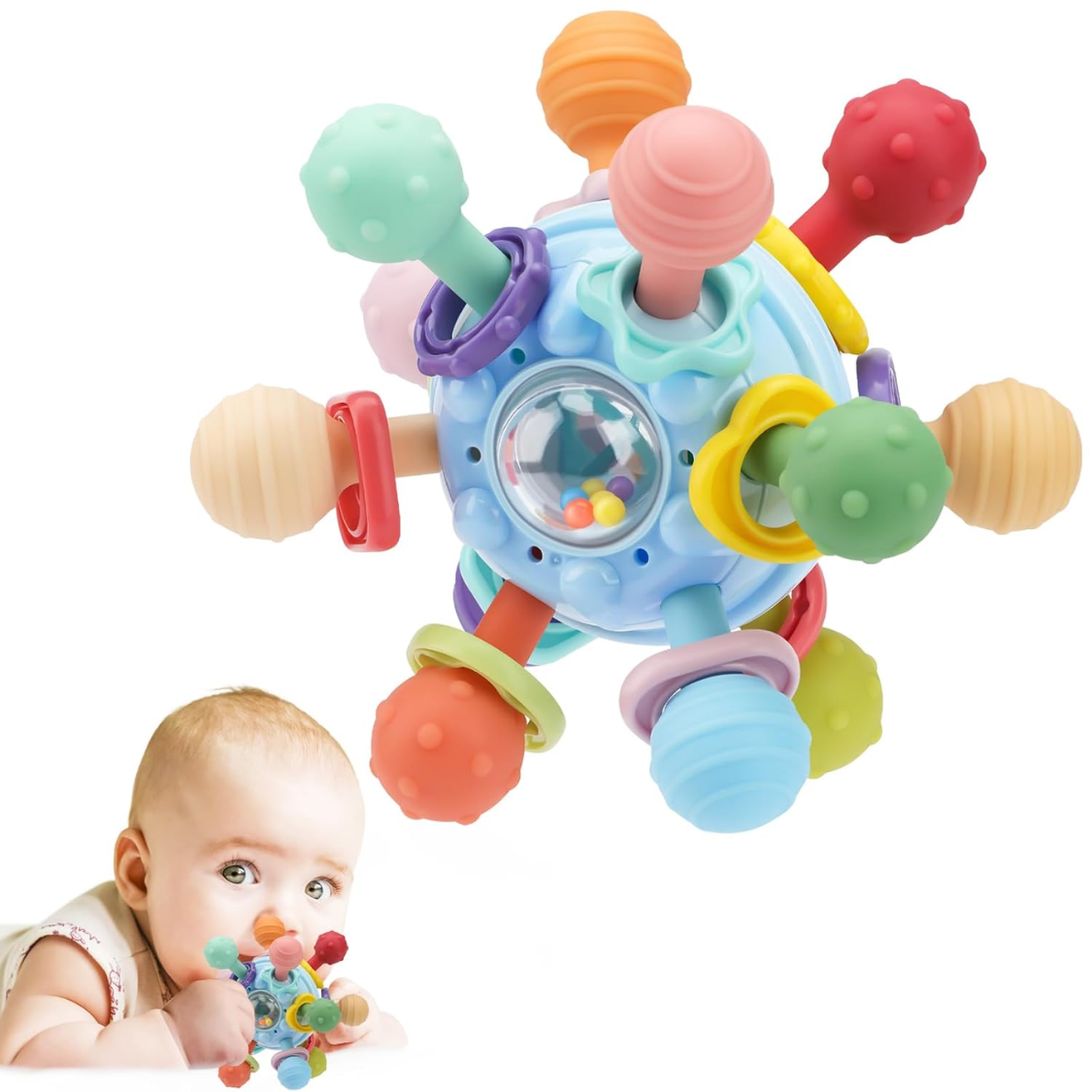 Baby Montessori Sensory Toys For Teether Teething For Babies 0 3 6 9 12 18 Months Newborn Infant Learning Developmental$52.99View on Mallflare
Highlights
- Safety standards: Look for ASTM F963 (US) or EN71 (EU) certification; these mandate non-toxic materials, no small parts that fit entirely in a small-parts cylinder, and secure battery compartments.
- Material grades: Food-grade silicone (FDA-approved) is ideal for teethers because it's non-porous and dishwasher-safe; BPA-free ABS plastic is durable for activity cubes; solid hardwood (maple, beech) with water-based finishes outlasts MDF or plywood.
- Developmental design: At 6 months, toys should promote palmar grasp, object permanence, and cause-and-effect; look for easy-to-grasp rings, soft rattles, and activity cubes with multiple manipulative features (gears, flaps, beads).
- Durability mechanics: Avoid toys with glued-on parts or painted details that can chip; prefer ultrasonic-welded plastic seams, reinforced stitching on fabric, and one-piece molded silicone.
Best use cases
- Best fit: A 7-in-1 activity cube with a wooden or plastic frame, bead maze, and shape sorters for babies who can sit with support—it builds fine motor skills and lasts through toddlerhood. Skip battery-operated plastic cubes with lights and sounds.
- Best fit: A silicone teething ring set with textured surfaces and easy-grip handles for babies actively mouthing and drooling. Skip fabric lovies or plush toys that can't be machine-washed and may harbor bacteria.
- Best fit: A Montessori-inspired sensory set with soft balls, crinkle fabric, and grasping rings for floor play and tummy time. Skip small rattles with metal beads that can loosen or toys with long cords (strangulation risk).
Buying tips
- Check the small-parts rule: any toy or detachable component that fits completely inside a 1.25-inch (3.2 cm) diameter cylinder is a choking hazard for under-3s—avoid it.
- Prioritize toys that weigh under 1 lb (450 g) so a 6-month-old can lift and manipulate them without frustration; heavier toys cause drop-and-cry cycles.
- Choose toys with a diameter of at least 2.5 inches (6.4 cm) for easy grasping by small hands; rings and handles should be 0.5–0.75 inches (1.3–1.9 cm) thick for a secure palmar grip.
- For teethers, verify the material is FDA-approved food-grade silicone or natural rubber (not TPE or PVC) and that it's free of BPA, phthalates, and lead—these are legally required in the US and EU but often unmarked on white-label imports.
Specs
| Material | Food-grade silicone / BPA-free plastic |
|---|---|
| Safety Standard | ASTM F963 / EN71 certified |
| Grasp Size | 2.5+ in diameter, 0.5–0.75 in thick |
| Battery | None (screw-secured if present) |
Related searches
What to check before buying
- Measure your play space: activity cubes typically need at least 12 x 12 inches (30 x 30 cm) of floor area, and ensure there's no tipping risk if the baby pulls up on it.
- Confirm the toy is free of button batteries or magnets—both are severe ingestion hazards; if a battery is present, the compartment must require a screwdriver to open.
- Check washability: silicone and plastic toys should be dishwasher-safe (top rack) or wipe-clean; fabric toys must be machine-washable on gentle cycle.
- Verify age grading: toys labeled '6+ months' have passed stricter small-parts tests than '0+ months' toys, which may still be safe but are often simpler.
FAQ
Data sources: eBay / Amazon listings and product attribute feeds Data updated Nov 15, 2026.
Some links on this page are affiliate links. If you buy after clicking one, we may earn a commission at no extra cost to you. This does not change which products appear here or their order. Affiliate disclosure.