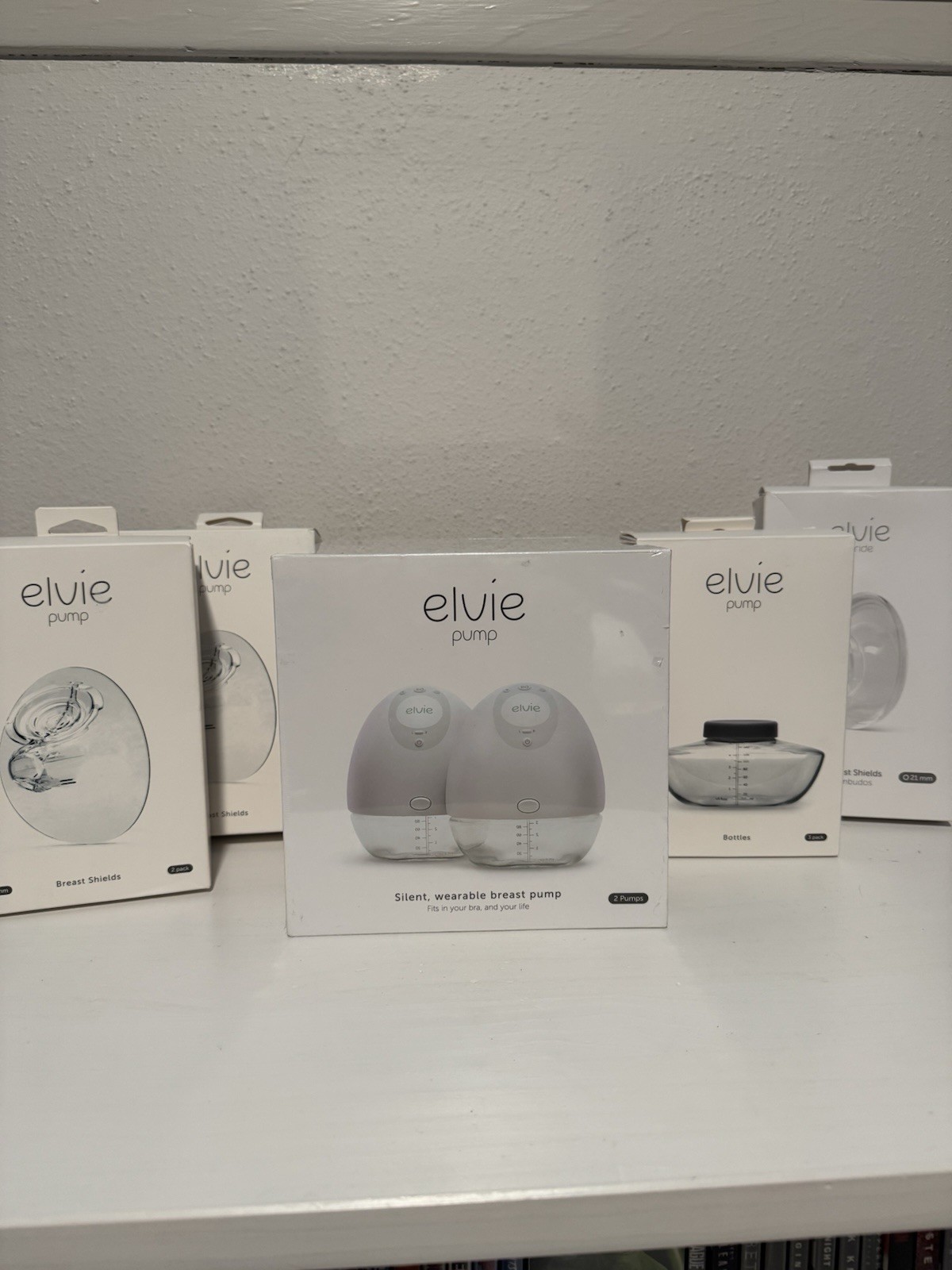

Photos from current listings. Actual item, color, and included accessories may vary.
Electric Breast Pump Buying Guide
Electric breast pumps use motor-driven suction to express milk, and the core trade-off is between hospital-grade suction (closed-system, high vacuum, cycle adjustability) and portable convenience (wearable, battery-powered, lower vacuum). Durable options use closed-system diaphragms, food-grade silicone, and brushless motors; compromises rely on open-system suction, weak single-cylinder pumps, and proprietary flange sizes.


At a glance
- Category
- Feeding & Sterilizing
- Data updated
- Nov 17, 2026
Current offers
Highlights
- Closed-system pumps with a physical barrier between milk and motor prevent mold and extend motor life; open-system pumps require frequent tubing replacement.
- Hospital-grade pumps deliver 250–300 mmHg vacuum with adjustable cycles (40–120 cpm); wearable pumps typically max out at 150–200 mmHg.
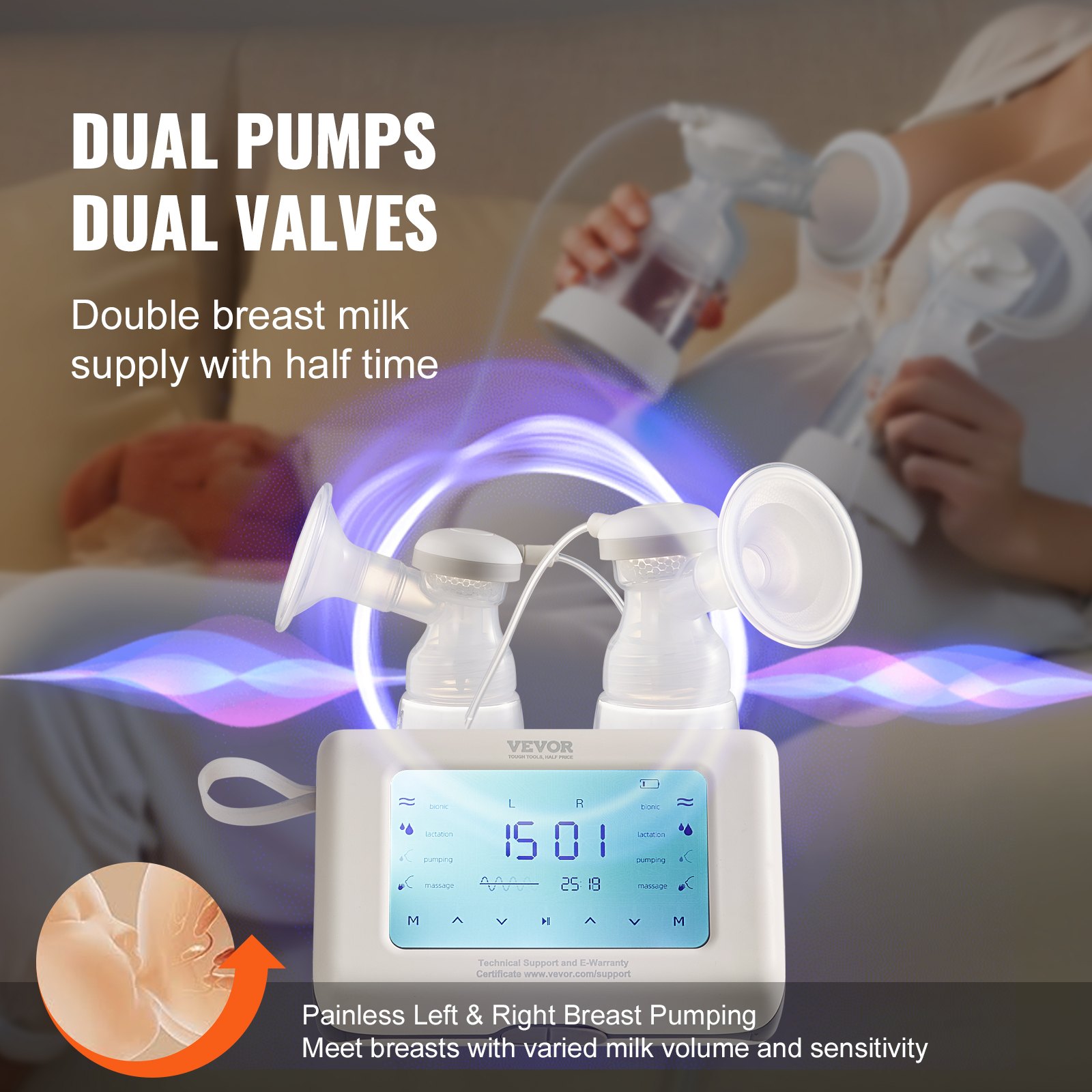
- Double pumps with independent phase control express both breasts simultaneously, cutting session time by 40–50% versus single pumps.
- Anti-backflow valves and food-grade silicone (LFGB or FDA) are mandatory for hygiene; flange size must match nipple diameter (24mm standard, 21/27/30mm options).
Best use cases
- Best for exclusive pumping or supply establishment: choose a closed-system double pump with 250+ mmHg and cycle control (e.g., Spectra S1/S2, Medela Pump in Style).
- Best for working or on-the-go moms: pick a wearable hands-free pump (Elvie, Willow) only if suction demand is moderate and you accept lower vacuum and battery dependence.
- Wrong fit: single open-system pumps with fixed cycle and no flange options — skip for daily use due to suction loss, hygiene risks, and nipple trauma.
- Wrong fit: wearable pumps for primary supply maintenance in the first 12 weeks — they lack the vacuum and cycle flexibility to establish milk supply reliably.
Buying tips
- Match flange size: measure nipple diameter and add 2–4mm; standard 24mm fits most, but 21mm and 27mm are common — wrong size reduces output and causes pain.
- Prioritize closed-system diaphragm pumps over open-system; they prevent milk backflow, mold, and motor corrosion, especially for daily double pumping.
- Check vacuum range: 250–300 mmHg for hospital-grade double pumps; 150–200 mmHg for wearables. Below 150 mmHg is insufficient for most moms.
- Verify power: internal rechargeable battery (≥2500mAh) for portability, or AC adapter with USB-C for travel; replaceable batteries are rare and should be avoided.
Specs
| System Type | Closed-system vs Open-system |
|---|---|
| Vacuum Range | 150–300 mmHg (hospital vs wearable) |
| Flange Size | 21/24/27/30 mm (measure nipple) |
| Power Source | AC adapter / Rechargeable battery (≥2500mAh) |
Related searches
What to check before buying
- Measure nipple diameter before ordering to select correct flange size (21/24/27/30mm); pumps ship with 24mm default.
- Confirm pump is closed-system with anti-backflow valve — essential for hygiene and motor longevity.
- Check battery capacity and charge time if wearable or portable: ≥2500mAh for 2–3 pumping sessions per charge.
- Verify compatibility with your bottle system (wide-neck vs narrow-neck) and spare parts availability (valves, membranes, flanges).
FAQ
Data sources: eBay / Amazon listings and product attribute feeds Data updated Nov 17, 2026.
Some links on this page are affiliate links. If you buy after clicking one, we may earn a commission at no extra cost to you. This does not change which products appear here or their order. Affiliate disclosure.