Baby Gear Advisor

Baby Gear Advisor

Baby Gear Reviews & Buying Guides

Compare baby gear by use case, features, trade-offs, price, returns, and seller terms before you buy.

Buying guides

Buying guide image
Potty Training

Potty Training Toilet Seat

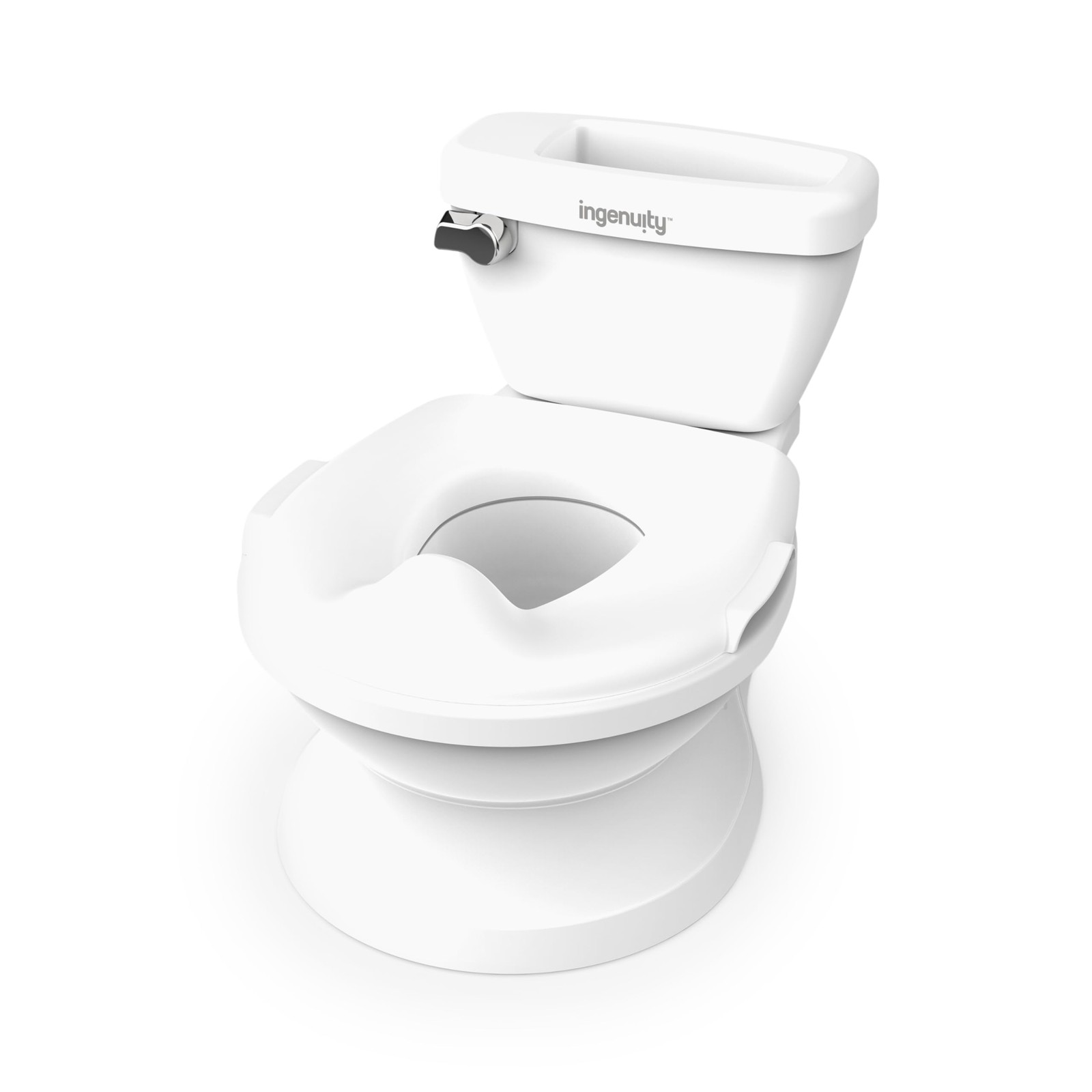
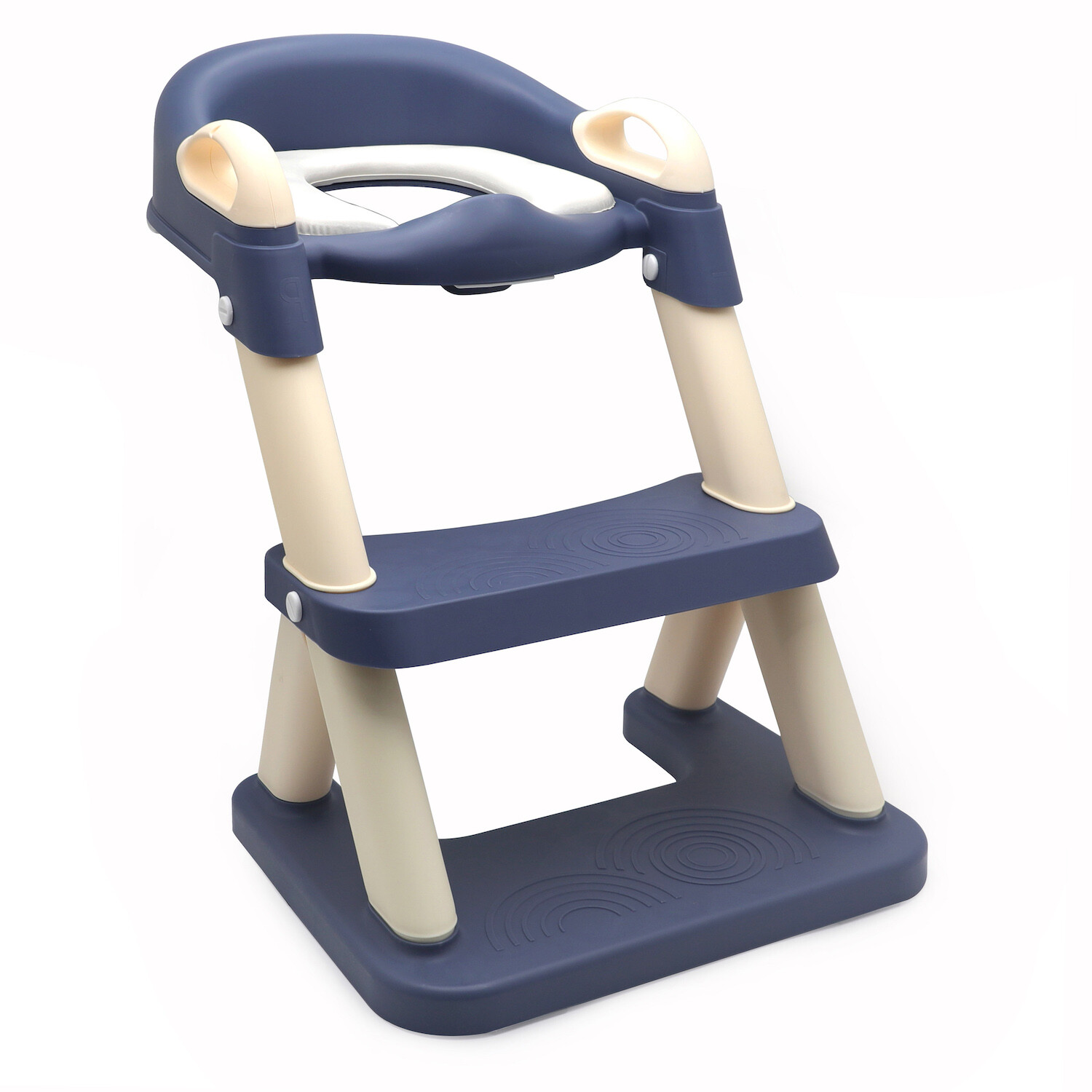
A potty training toilet seat is a child-sized adapter that sits on your adult toilet to give toddlers secure, independent access. The core trade-off is between simple toppers (cheap, portable, unstable) and integrated ladder/step systems (stable, self-supporting, bulky). The decision rule: buy a seat with a wide, non-slip rim and a backrest; add a ladder only if your child needs height or you want fewer lifts.
Buying guide image
Baby Sleep & Soothing

Crib

A crib is the primary sleep environment for infants and toddlers, defined by safety standards, convertible functionality, and space efficiency. The critical trade-off is between full-size convertible cribs (durable wood, standard mattress, longer use) and portable/mini cribs (lightweight, smaller footprint, shorter lifespan). The decision rule: prioritize JPMA-certified full-size cribs with a standard 52-inch mattress for long-term durability, and choose mini/portable cribs only when floor space is under 30 square feet or frequent travel is required.

Buying guide image
Baby Sleep & Soothing

Crib With Storage

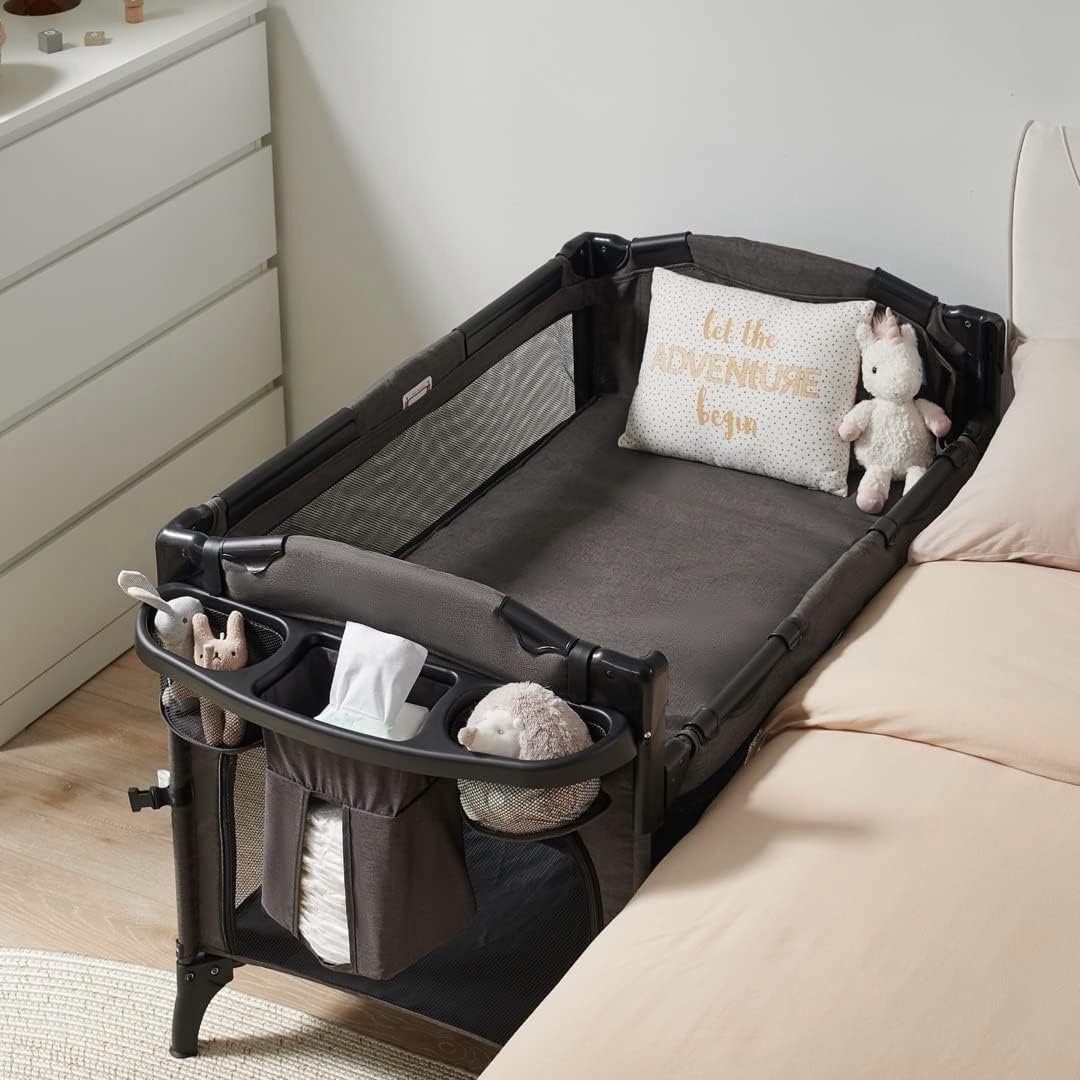
A crib with storage combines an infant bed with drawers, a changing station, or under-crib cubbies to maximize nursery space. The core trade-off is between integrated storage convenience and structural rigidity, since drawer glides and extra panels can compromise frame stability if underspecified. Choose a solid-wood or hardwood-veneer frame with metal drawer runners and fixed-side or convertible design; skip particleboard-heavy units with plastic glides and non-standard mattress sizing.

Buying guide image
Strollers & Car Seats

Sit And Stand Stroller

A sit-and-stand stroller is a multi-child transport that pairs a full front seat with a rear platform or bench so an older sibling can ride standing or perched. The core trade-off is bench rigidity and rear-axle load rating versus folded bulk: integrated molded benches with 5-point harnesses outlast bolt-on universal boards that flex and rattle. Buy an integrated two-seat-plus-bench frame for daily sibling duty; choose a universal board only as a light-duty add-on for a stroller you already own.

Buying guide image
Baby Monitoring & Safety

Baby Gate With Door

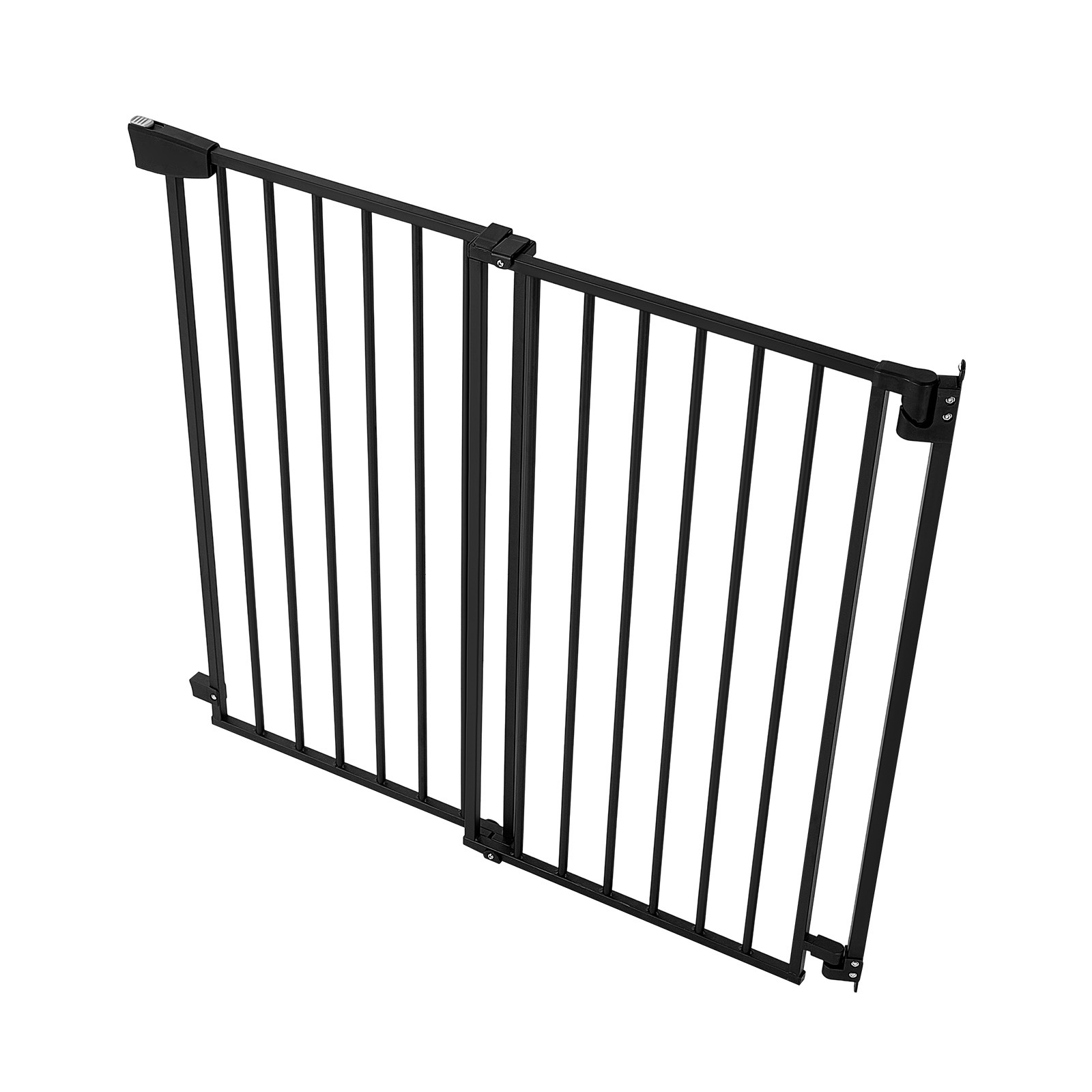
A baby gate with a door is a pressure-mounted or hardware-mounted barrier with a walk-through gate, defined by the trade-off between no-drill portability and drilled-in structural security. Pressure-mount gates suit flat doorways and renters but rely on friction and rubber pads, while hardware-mounted gates bolt into studs or masonry for stair-top safety. The decision rule: use hardware mounting at the top of stairs and pressure mounting only at bottom-of-stair or doorway transitions.

Buying guide image
Strollers & Car Seats

Double Stroller With Car Seat

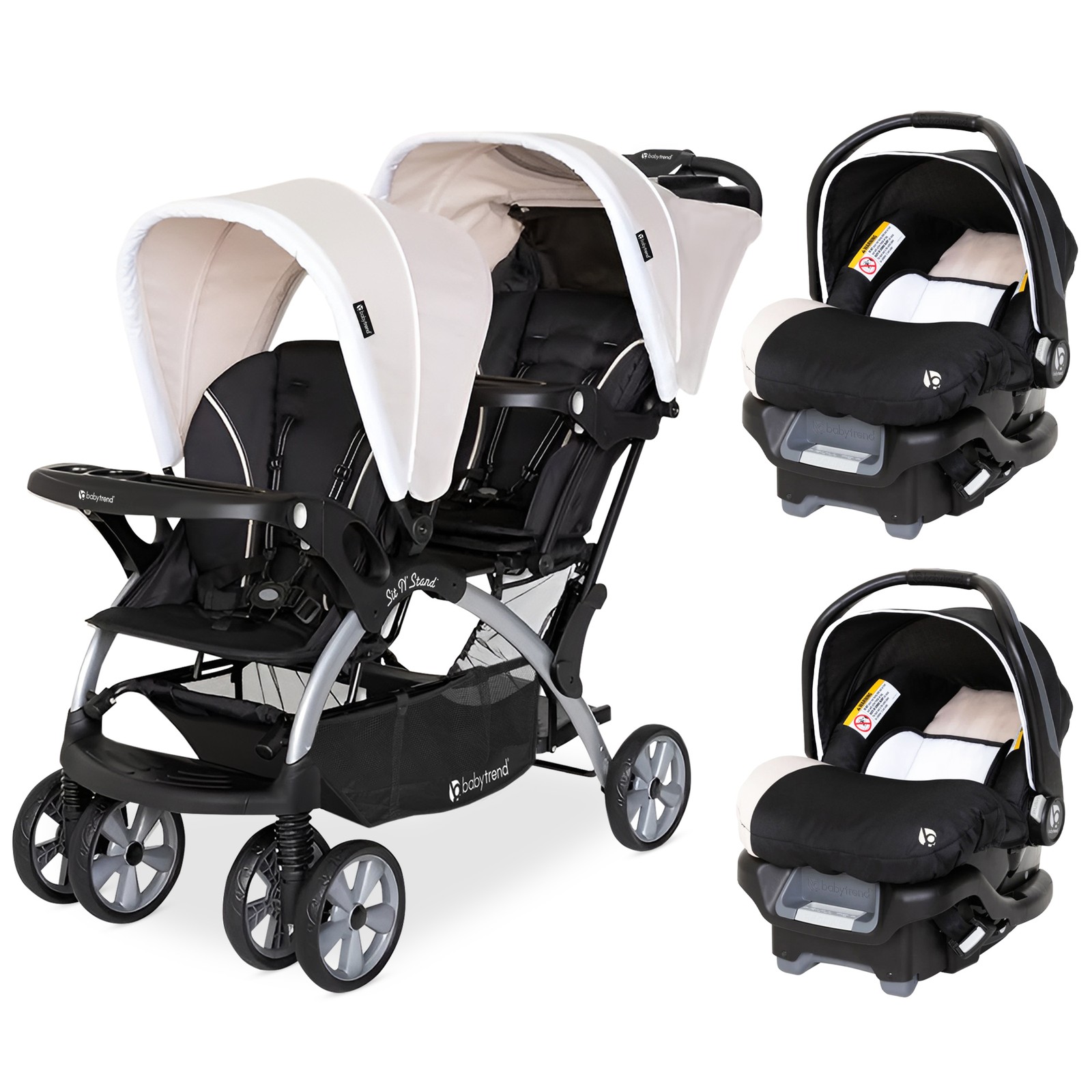
A double stroller with car seat pairs a two-child chassis with infant car seat adapters or integrated travel-system seats, so you can move a newborn and a toddler without waking either. The core trade-off is between universal car-seat-frame flexibility (light, cheap, but limited to car-seat duty) and convertible tandem/side-by-side strollers (heavier, pricier, but usable long after the bucket seat is outgrown). The decision rule: buy a dedicated frame only if you need a short-term newborn shuttle; buy a convertible double with a confirmed adapter or included car seat if you want one purchase to last from birth through preschool.

Buying guide image
Diapers & Wipes

Diaper And Wipe

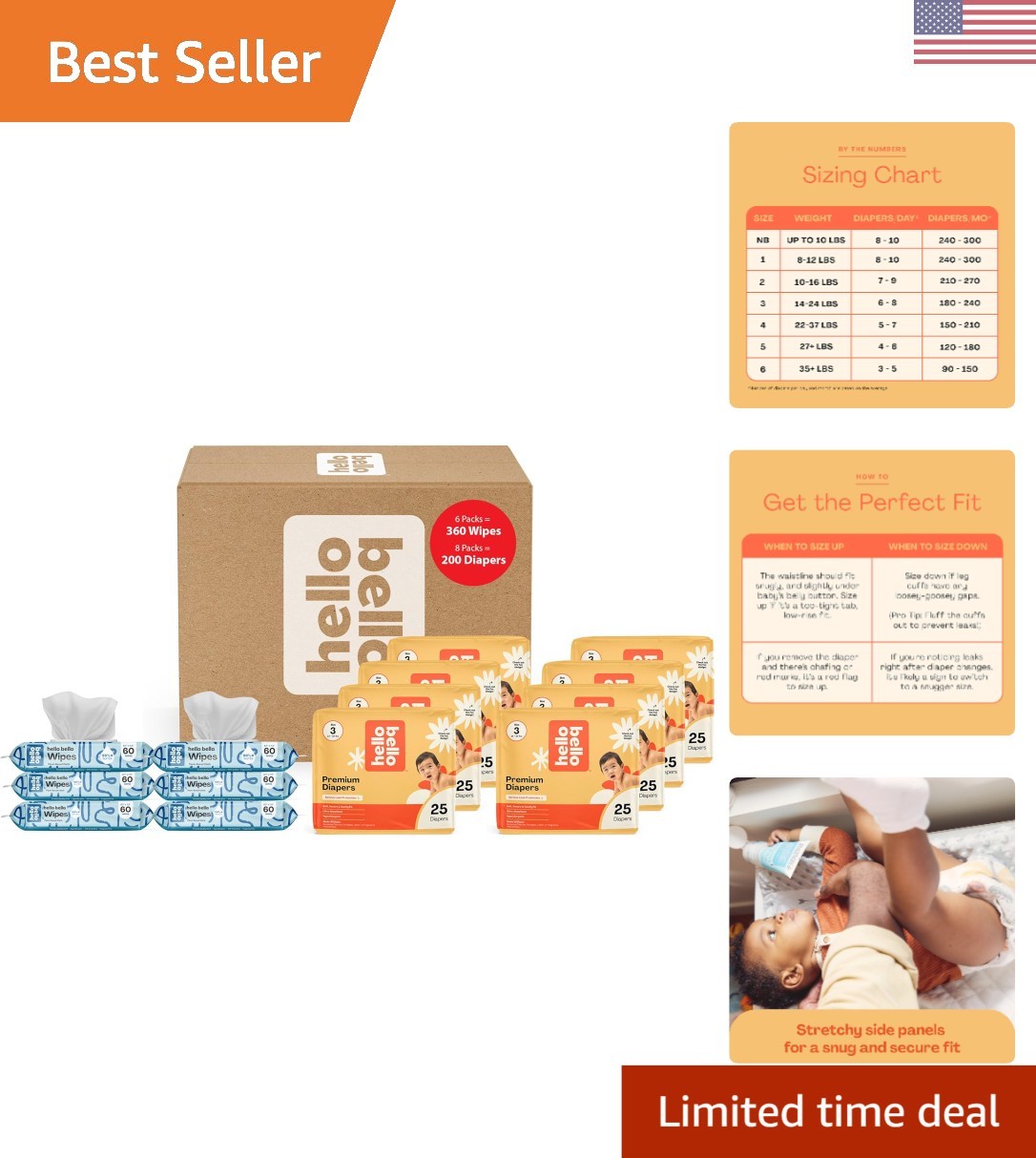
Diapers and wipes are disposable hygiene essentials defined by absorbency chemistry, fit engineering, and wipe substrate quality. The core trade-off is between ultra-thin, high-polymer diapers that wick fast but can sag when wet, and thicker wood-pulp blends that hold shape but feel bulkier. Decision rule: buy diapers with a wetness indicator and stretchy side panels for overnight use, and wipes with 99% water and no fragrance for newborn skin; skip any wipe listing that hides its preservative or fabric grade.

Buying guide image
Diapers & Wipes

Huggy Simply Clean Wipe

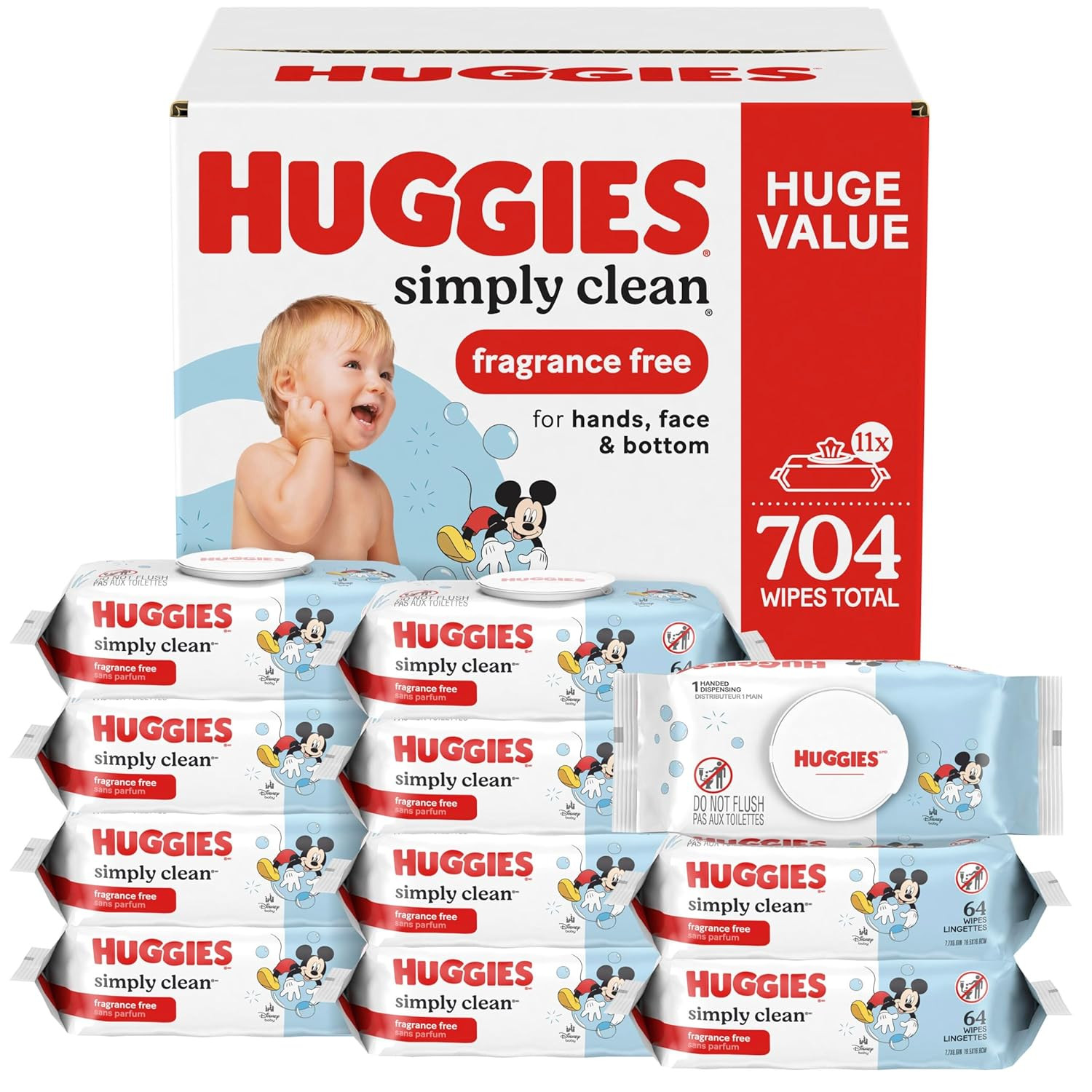
Huggies Simply Clean wipes are a fragrance-free, polypropylene nonwoven wipe sold in flip-top packs, positioned as a no-frills everyday option between sensitive-skin and plant-based tiers. The core trade-off is wipe thickness and moisture retention versus cost: Simply Clean uses a lighter-weight spunlace than Huggies Special Delivery or Natural Care, so it resists tearing less but dispenses easily. The decision rule: buy Simply Clean for intact-skin, high-volume diaper and hand cleanup; step up to a thicker or plant-based tier for eczema-prone skin, raw diaper rash, or heavy messes.

Buying guide image
Baby Monitoring & Safety

Of Stair Gate

A stair gate is a pressure-mounted or hardware-mounted barrier that prevents falls on steps and blocks off-limit rooms. The core trade-off is mounting method: pressure gates are drill-free but can fail at the top of stairs, while hardware-mounted gates screw into studs and are the only safe choice for stair-top installation. The decision rule is simple: top-of-stairs means hardware-mounted into wood or masonry; doorways and bottom-of-stairs can use pressure-mounted gates with a no-trip bottom bar.

Buying guide image
Strollers & Car Seats

Bike Trailer With Stroller

A bike trailer with stroller converts between a tow-behind cargo child carrier and a push-mode stroller, so the hitch, axle, and frame must survive both towing and swivel-jog loads. The primary trade-off is a welded steel or aluminum frame with a real axle-mounted hitch versus a folded tube frame with a clamp-on coupler that loosens. Buy a two-in-one only if the frame is welded, the hitch replaces the rear axle nut, and the harness is a true five-point; skip bolt-together frames and single-point couplers.

Buying guide image
Strollers & Car Seats

Bike Trailer

A bike trailer is a tow-behind child carrier that converts between cycling, jogging, and strolling via swappable wheel and hitch kits. The core trade-off is frame rigidity and hitch interface quality versus folded bulk: steel frames and metal hitches track straight and survive curb strikes, while fabric-shell and plastic-hitch units flex and wobble at speed. Choose a steel or aluminum frame with a steel hitch and 5-point harness for daily road use; skip fabric-only shells and universal plastic hitches for anything beyond occasional pavement trips.

Buying guide image
Potty Training

Toilet Potty Training

Toilet potty training gear splits into three architectures: contoured seat reducers, freestanding floor potties, and ladder step-stools with built-in seats. The core trade-off is portability and packability versus stability and back support; any trainer that flexes under a child's weight or lacks a non-slip base will wobble and stall progress. Choose a rigid, wide-base seat with a splash guard for home use, and a folding or travel cover only as a secondary on-the-go tool.

Buying guide image
Baby Toys & Activity Gear

Activity Table

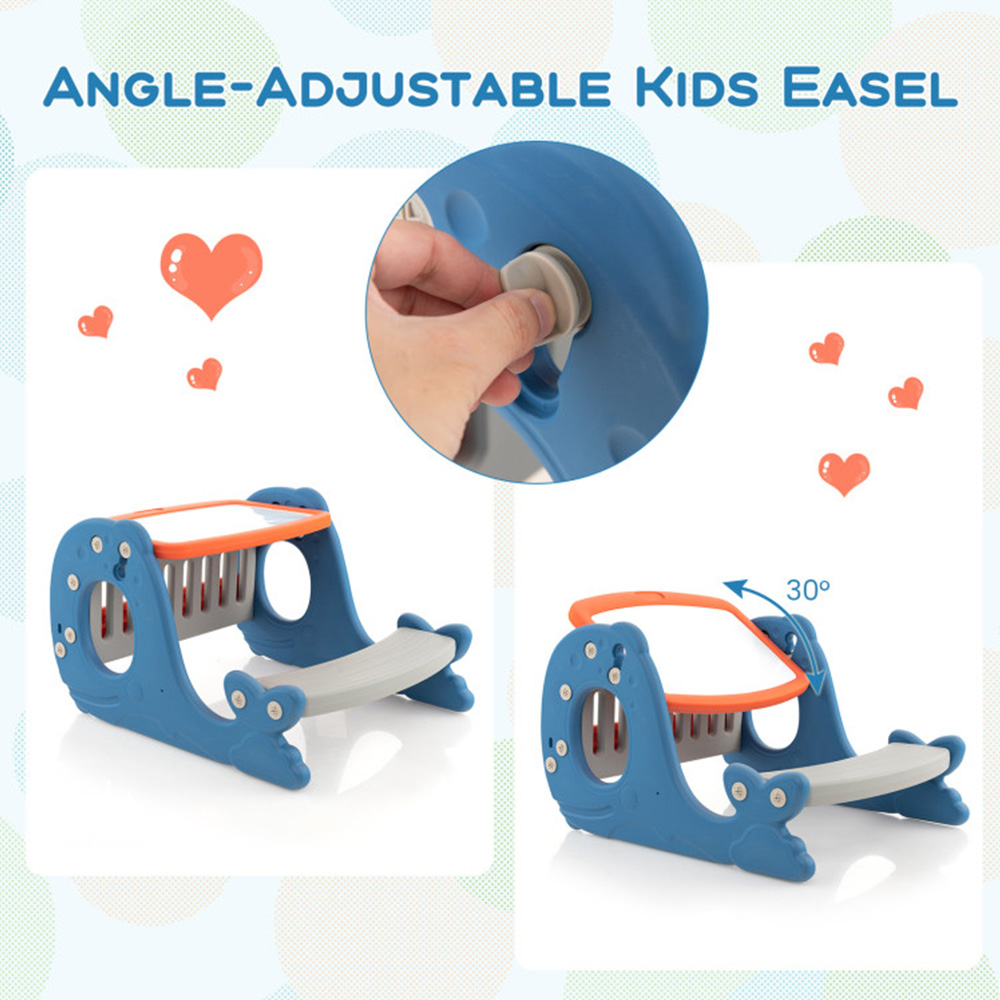
Activity tables blend play, sensory exploration, and early learning into a child-height station: the core trade-off is between plastic multi-function centers (light, wipe-clean, but often wobblier) and wooden convertible tables (heavier, sturdier, longer-lived, but pricier). Buyers should match the table's primary mode—sit-in activity center vs. stand-at sensory/art table—to the child's developmental stage and the room's footprint, and skip any model that lacks a wide base or non-slip feet.

Buying guide image
Baby Toys & Activity Gear

Toy 6 12 Month

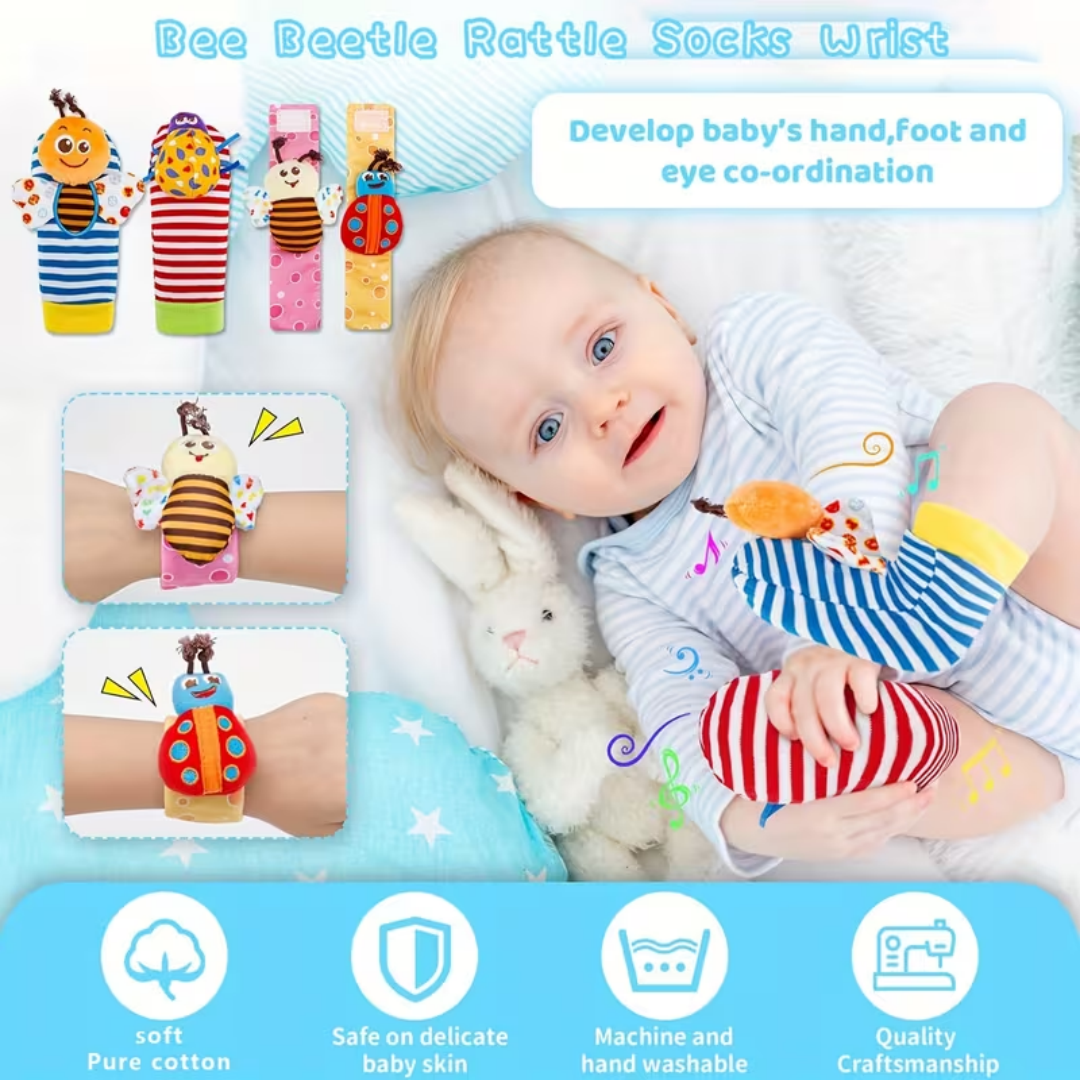
Toys for 6–12 month olds bridge the gap between passive sensory exploration and early cause-and-effect play, so the core trade-off is between open-ended, mouth-safe sensory items and structured activity centers that demand sitting balance. The decisive rule: prioritize mouth-safe materials (food-grade silicone, BPA-free ABS, sealed hardwood) and graspable proportions over electronic features, because this age group learns through chewing, transferring, and batting—not screens or complex mechanisms.

Buying guide image
Baby Toys & Activity Gear

Toy 6 Month

Toys for 6-month-olds are designed to support the developmental leaps of sitting, grasping, and mouthing, where safety and material integrity matter more than flashy features. The primary trade-off is between simple, open-ended sensory toys that grow with the baby and battery-powered gadgets that entertain briefly but often lack durability. The clear decision rule: choose toys made from food-grade silicone, BPA-free plastics, or solid hardwoods with rounded edges and no small parts, and skip anything that requires batteries, has fabric that can't be washed, or includes pieces smaller than a ping-pong ball.

Buying guide image
Diapers & Wipes

Diaper Wipe

Diaper wipes are nonwoven sheets pre-moistened with a water-based cleaning solution, and the core trade-off is between cloth-like softness (higher GSM, embossed textures) and low-cost spunlace polypropylene that can tear or leave lint. Durable, skin-safe options use >=60 GSM nonwoven with zero alcohol/fragrance and a flip-top or resealable film that keeps moisture in; compromise wipes thin under 45 GSM, rely on plastic-heavy blends, or ship in flimsy pop-up packs that dry out.

Buying guide image
Baby Monitoring & Safety

Gate With Door Stair

A stair gate with a door is a hardware-mounted or pressure-mounted safety barrier that combines a full-width barrier with a walk-through gate for daily stair access. The core trade-off is mounting security versus convenience: pressure-mounted units install without drilling but can fail under a child's push at the top of stairs, while hardware-mounted units screw into studs or masonry for a fixed, swing-limited barrier. The decision rule is simple—use hardware-mounted at the top of stairs, pressure-mounted only at the bottom or in doorways, and never rely on a gate that lacks a positive-latch, self-closing hinge at a stairway opening.

Buying guide image
Baby Carriers, Slings & Backpacks

Wrap Carrier

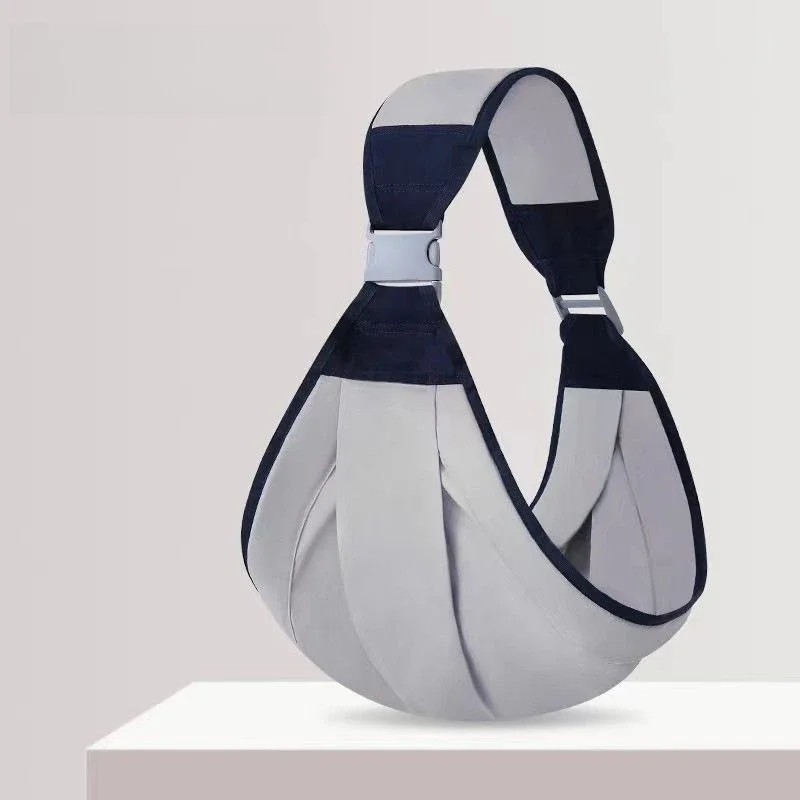
A wrap carrier is a long fabric sash that secures a baby against the wearer's chest with no buckles, distributing weight across both shoulders and the back. The core trade-off is fabric stretch and recovery: stretchy knit wraps (cotton/spandex) are forgiving for newborns but sag past roughly 15-20 lbs, while woven non-stretch wraps and ring slings carry heavier babies without deformation and offer hip-carry options. Buy a stretchy wrap for the first six months and a woven wrap or ring sling for the toddler years — anything claiming both without woven construction is a compromise.

Buying guide image
Feeding & Sterilizing

Bottle Warmer

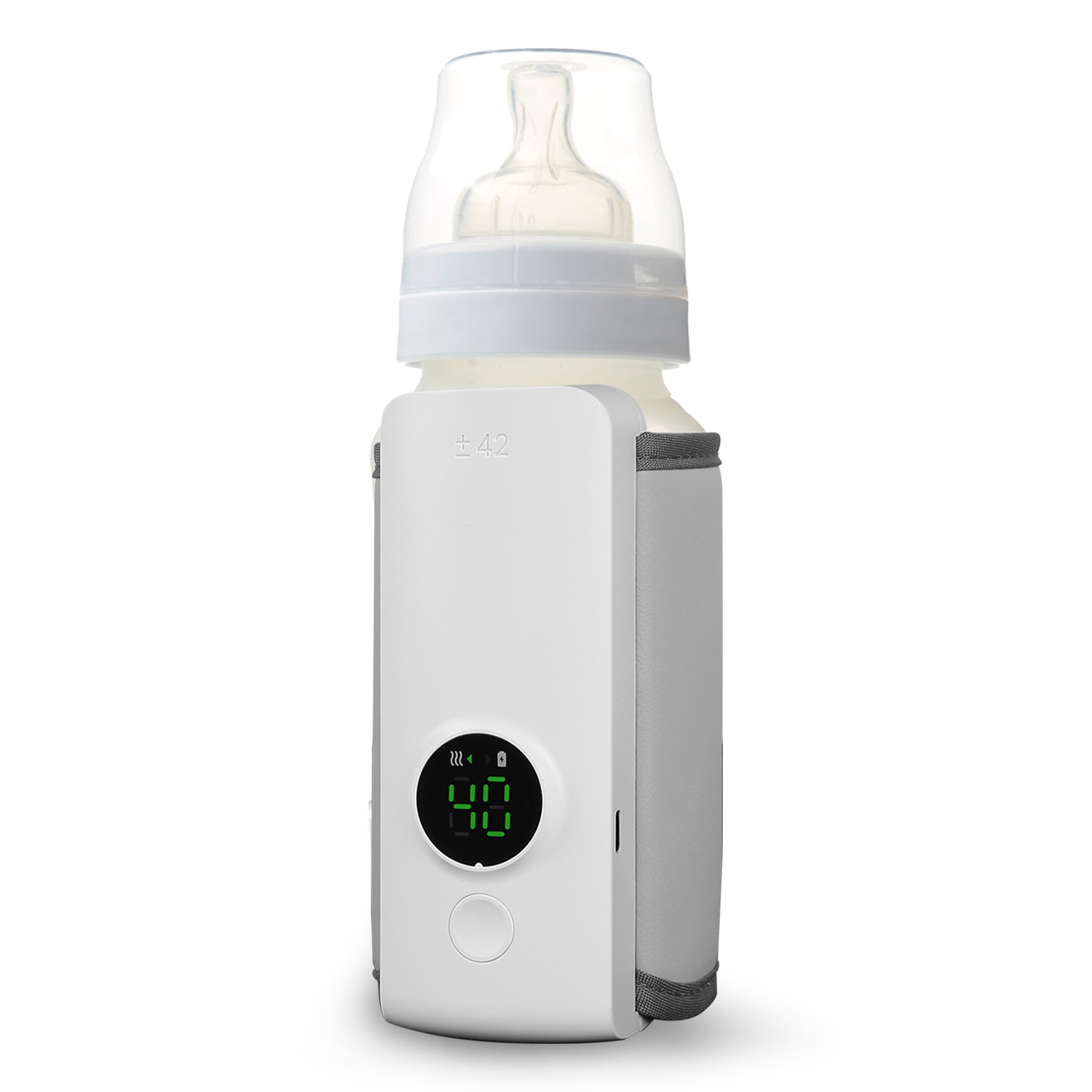
A bottle warmer is a countertop or portable appliance that heats breast milk, formula, or baby food to a safe, even temperature while often adding sterilization and defrost functions. The primary trade-off is speed and convenience versus temperature safety: fast steam or water-bath units can overheat milk, while gentle warm-water or portable USB units protect nutrients but take longer. Choose a unit with a thermostat or preset temperature control and a BPA-free, wide-mouth bottle fit; skip anything without a thermal cutoff or with a narrow fixed chamber.

Buying guide image
Baby Sleep & Soothing

Swaddle

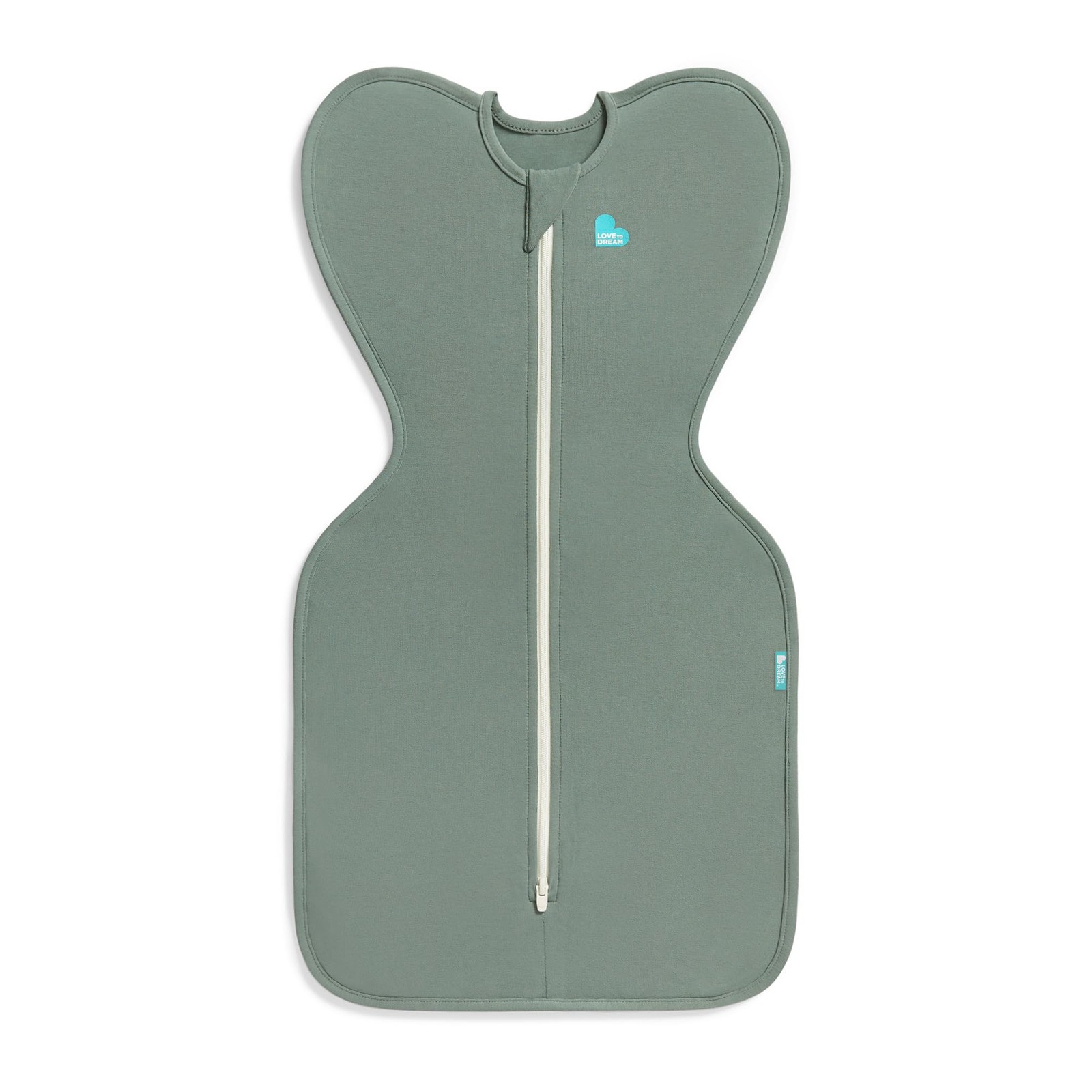
Swaddles are infant sleep garments that restrict the Moro startle reflex to extend sleep, and the core trade-off is between arms-down compression (calms but blocks self-soothing) and arms-up designs (allow hand-to-mouth soothing but must fit the torso snugly). Choose a TOG-rated, hip-healthy swaddle sized to your baby's exact weight; skip any loose blanket-style wrap or unrated fabric that can ride up over the face.

You may also like

Finding more guides for you…