Baby Gear Advisor

Baby Gear Advisor

Baby Gear Reviews & Buying Guides

Compare baby gear by use case, features, trade-offs, price, returns, and seller terms before you buy.

Buying guides

Buying guide image
Feeding & Sterilizing

Electric Bottle Sterilizer

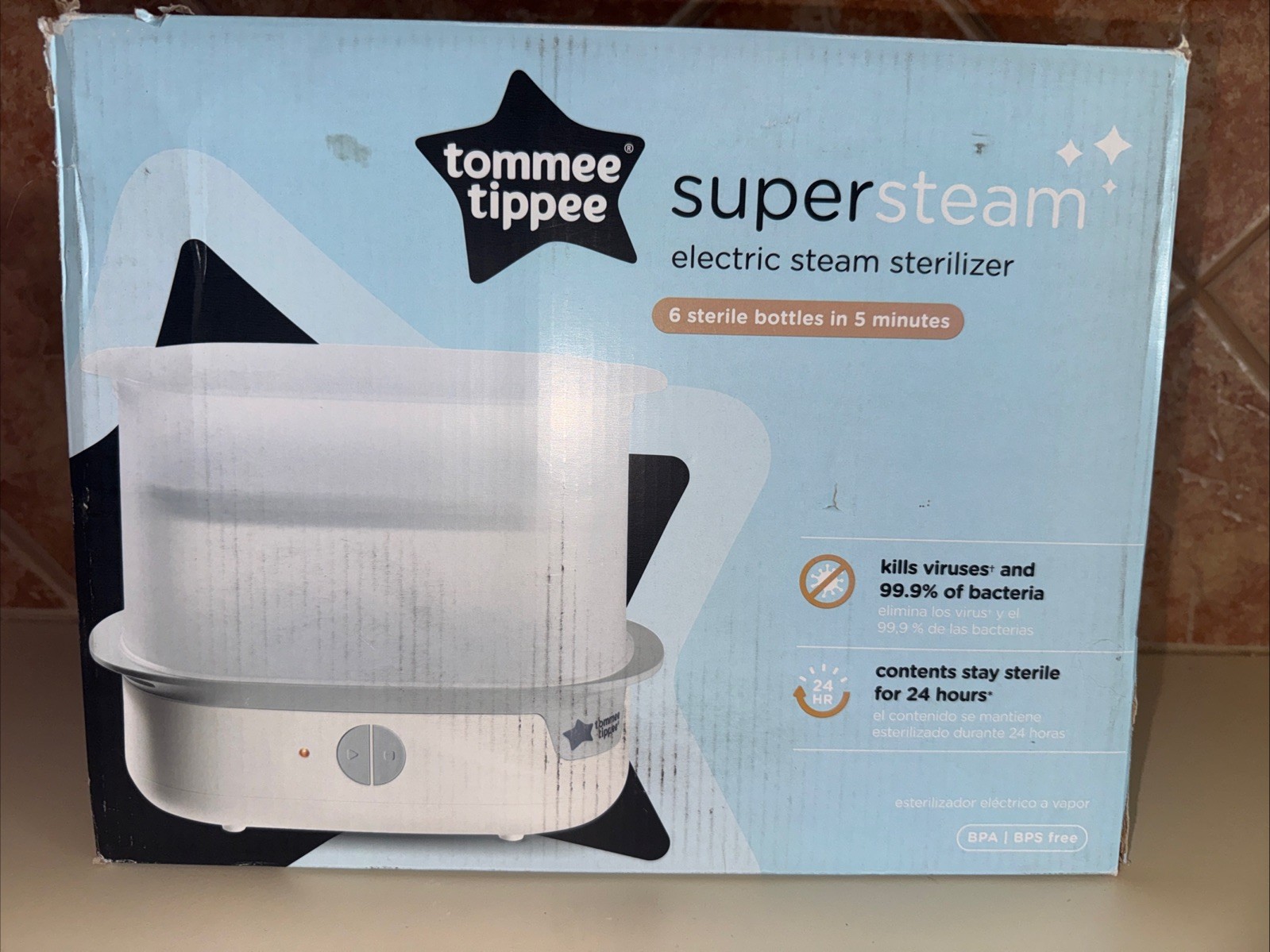
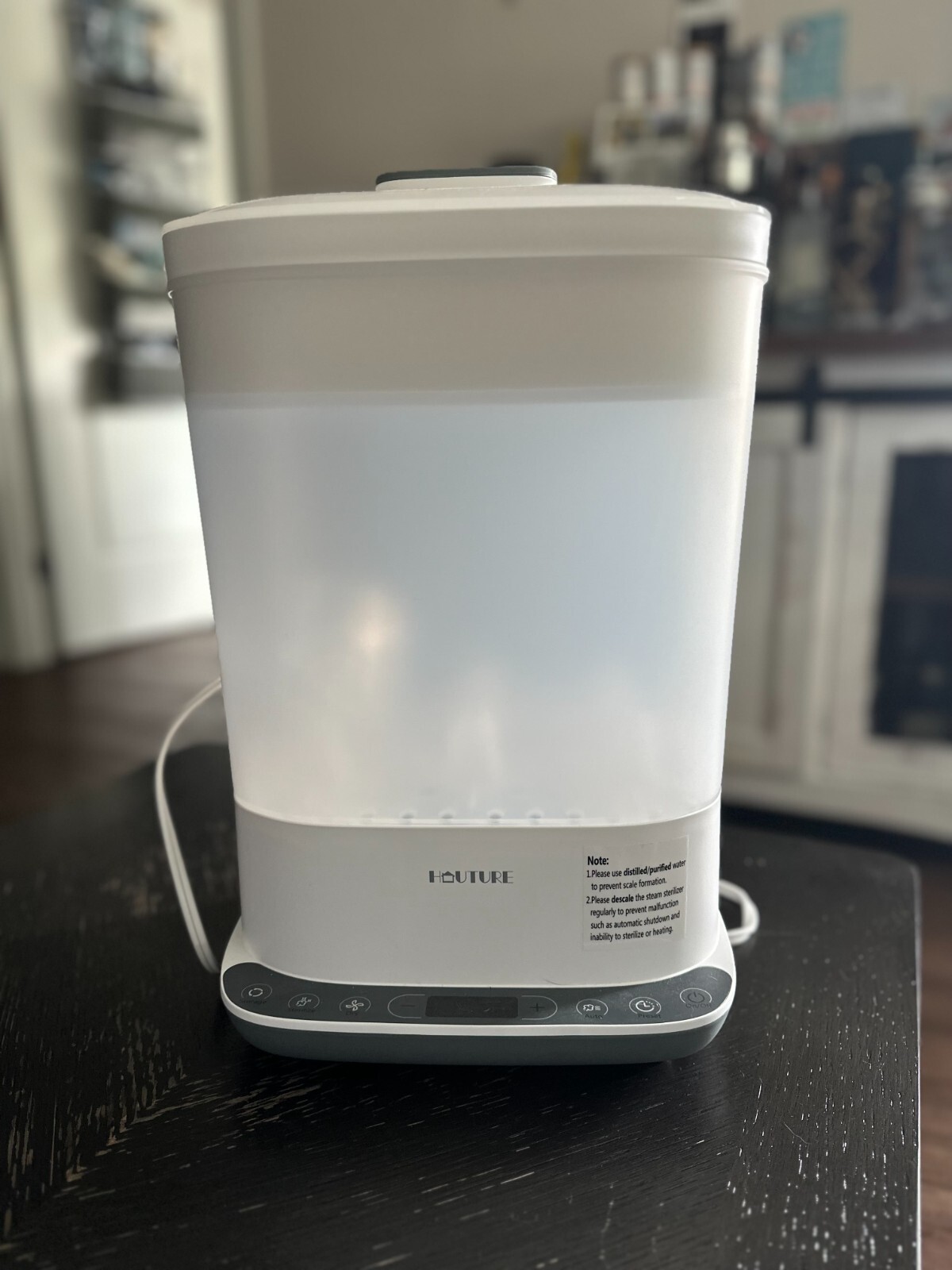
An electric bottle sterilizer uses steam or dry heat to eliminate bacteria and pathogens from infant feeding gear, with the core trade-off between fast, energy-efficient steam and gentle, chemical-free dry heat that can warp less heat-resistant plastics. The decisive rule: choose a steam sterilizer with a dedicated drying cycle and auto shut-off if you need daily speed; choose dry-heat only if you routinely sterilize metal, glass, or heat-stable silicone and accept longer cycles.
Buying guide image
Baby Toys & Activity Gear

Baby Toy

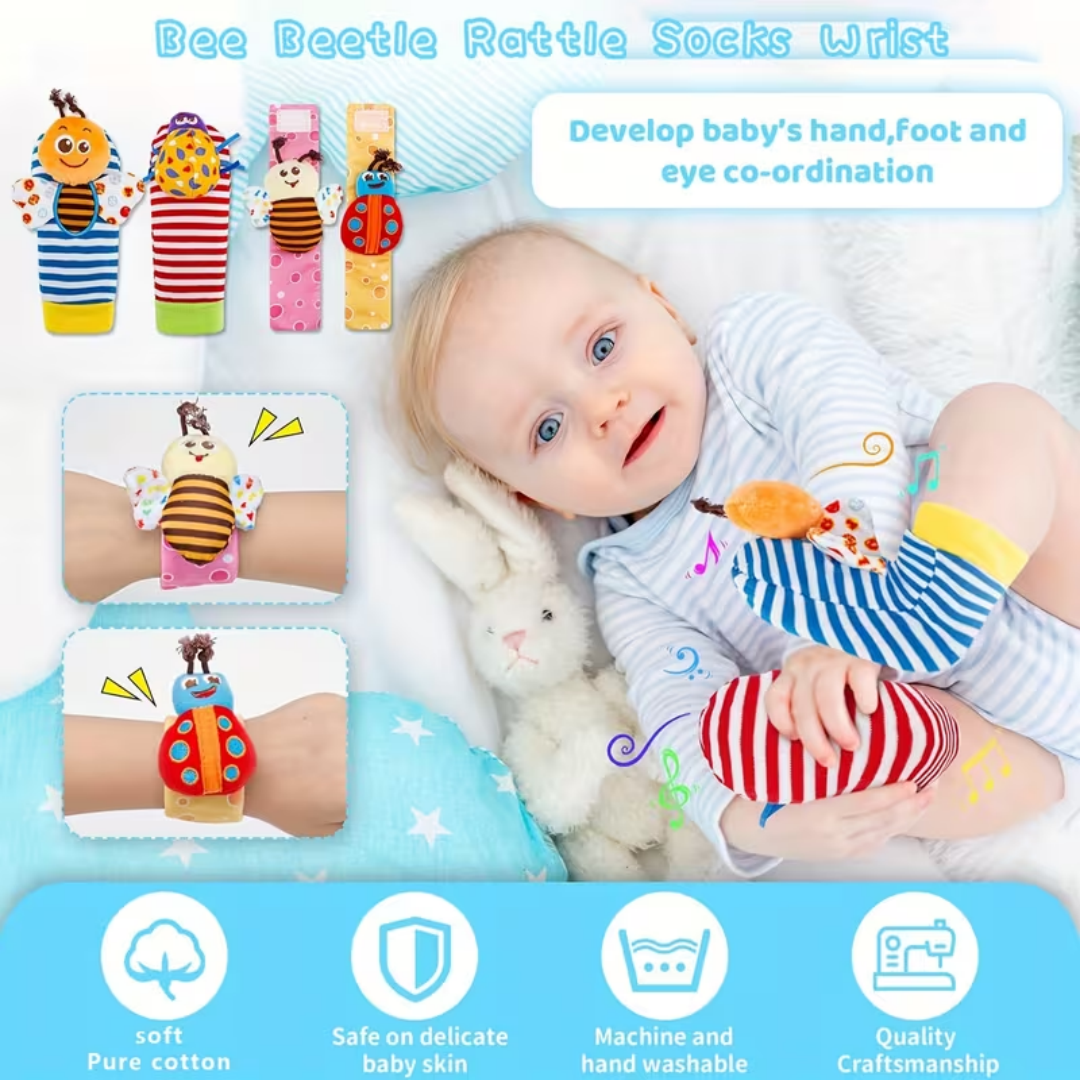
Baby toys are stage-gated developmental tools where safety certification and material grade decide durability and suitability, not feature count. The core trade-off is between open-ended, stage-matched simplicity versus battery-driven multi-mode gadgets that can overstimulate or break. The rule: buy only for the child's current motor stage, insist on ASTM F963 or EN71 marks, and skip any toy without a stated age band.

Buying guide image
Baby Sleep & Soothing

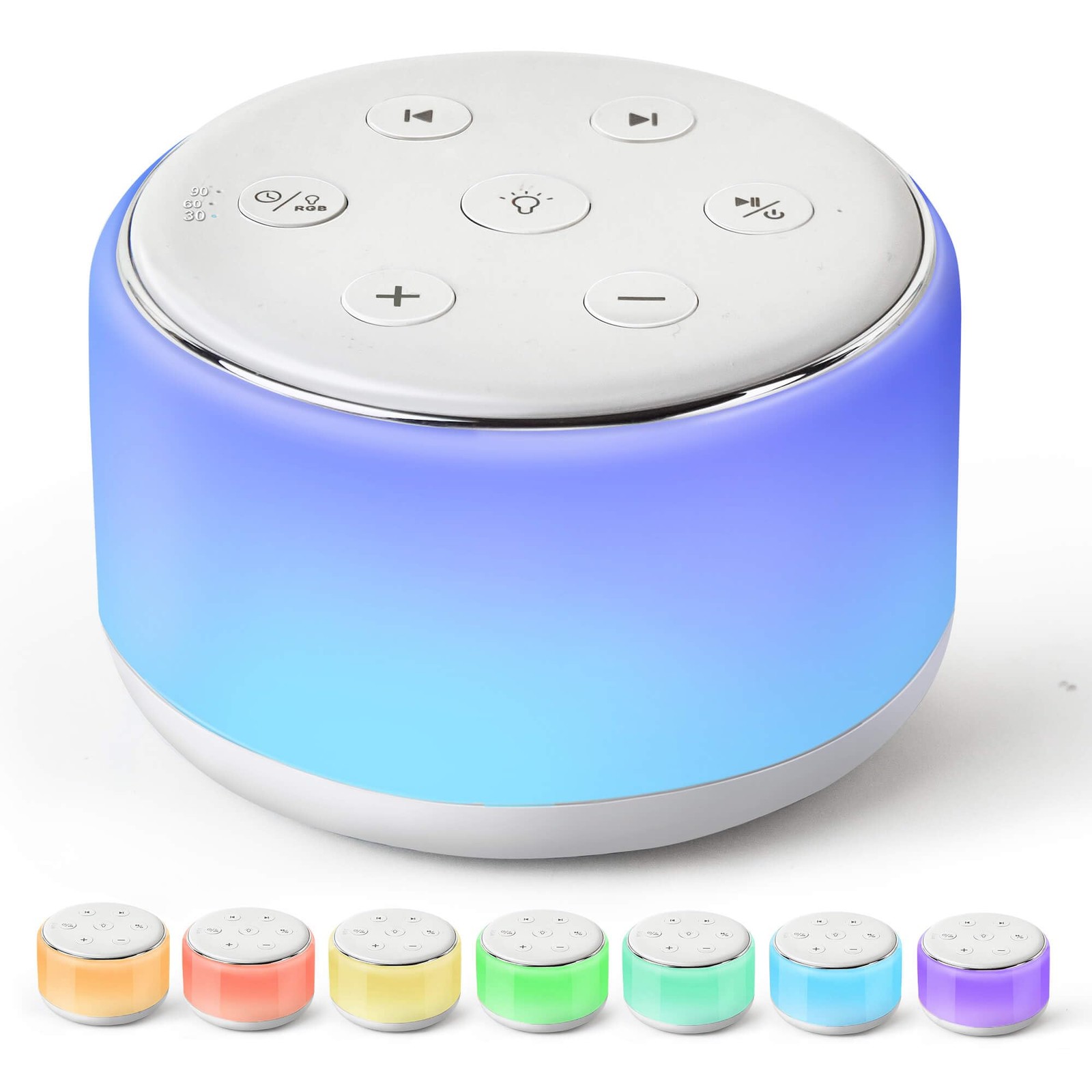
White Noise Sound Machine

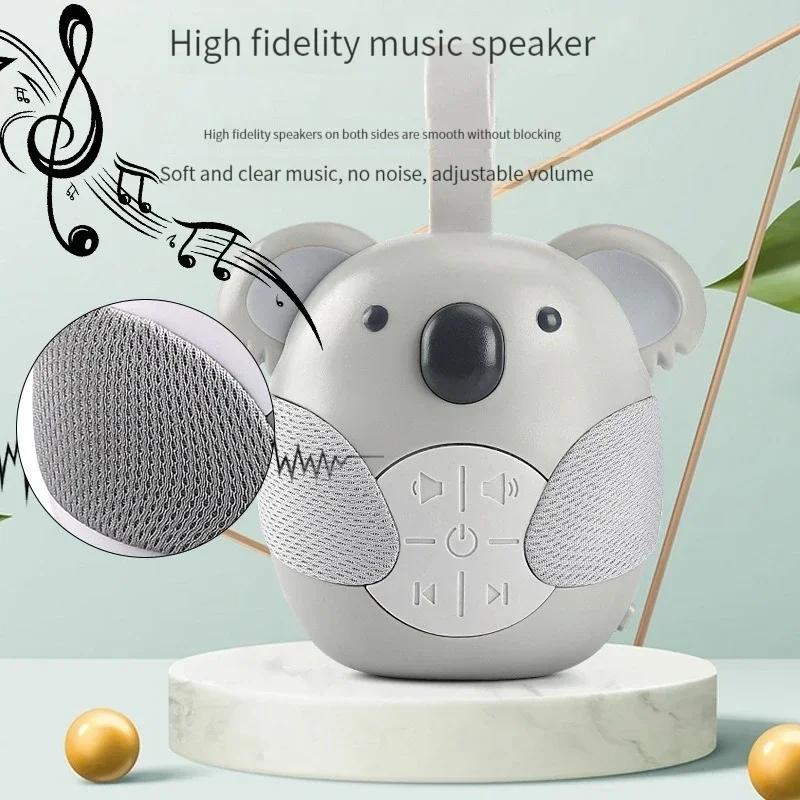
A white noise sound machine for baby sleep is a small bedside device that plays continuous broadband noise or soothing lullabies to mask household sounds and cue sleep. The core trade-off is between a simple fixed-output noise box and a feature-rich unit with adjustable volume, night light, and timer, where the latter often introduces audible electronic hum or fragile controls. The decision rule: prioritize a unit with a true analog or high-quality digital noise engine, a mechanical volume dial or stepped attenuation below 50 dB, and a verified auto-off timer—skip any model whose lowest volume still exceeds 45 dB at crib distance.

Buying guide image
Baby Toys & Activity Gear

Baby Gift

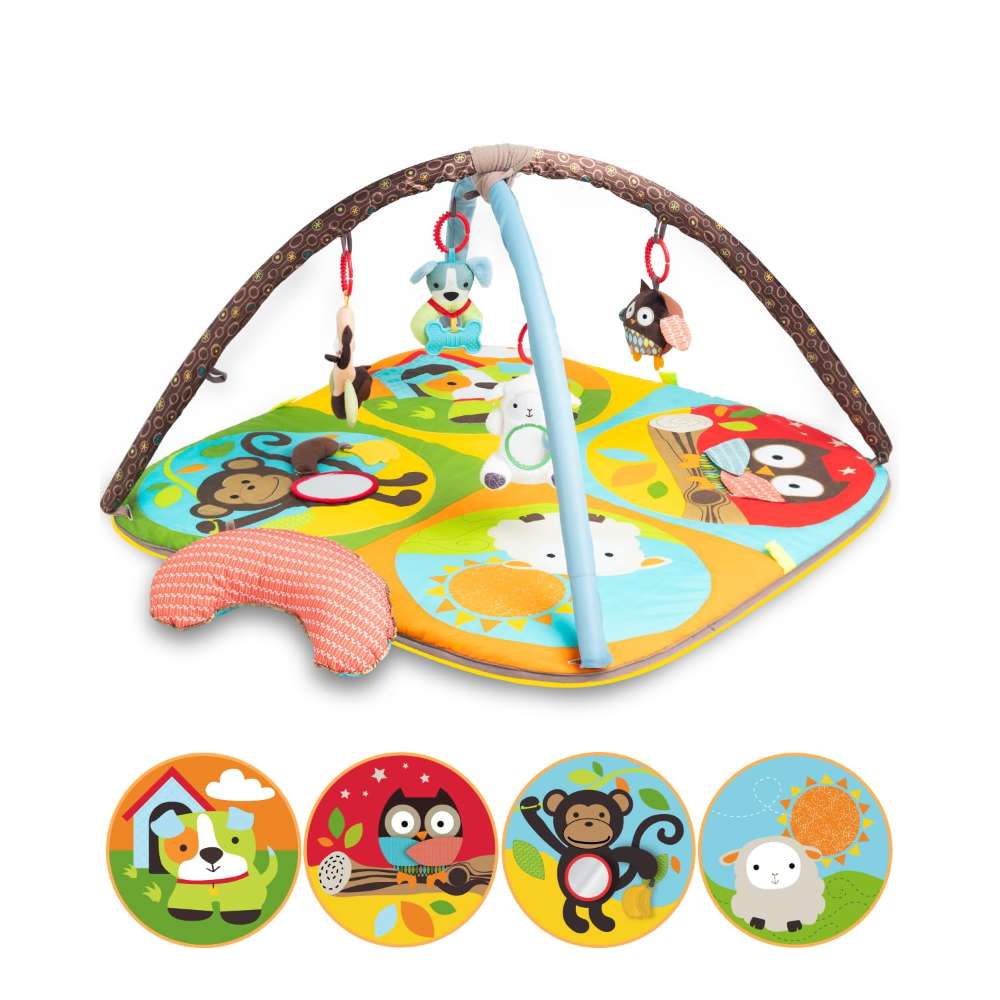
A baby gift is any developmentally targeted play or activity item—activity gyms, playmats, bouncers, sensory toys—chosen to match an infant's motor stage and survive daily use. The core trade-off is developmental longevity versus material safety: modular grow-with-me gyms and ABS/polyester builds outlast single-stage novelty toys, while PVC-heavy or battery-locked designs are short-lived compromises. The decision rule: buy to the child's current motor milestone plus one stage ahead, and prioritize OEKO-TEX textiles and BPA-free plastics over feature count.

Buying guide image
Baby Monitoring & Safety

Video Monitor

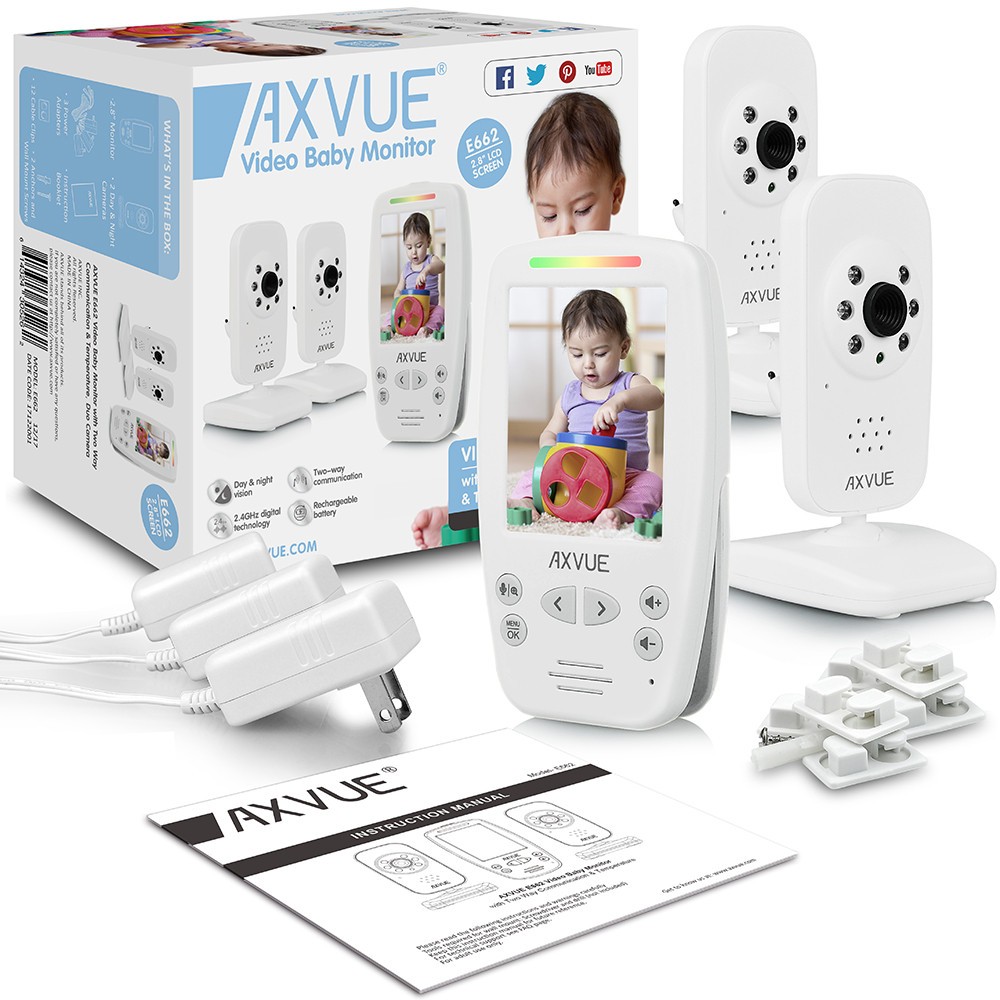
A video monitor is a dedicated camera-and-display system that lets you see and hear a child or dependent adult in another room without relying on Wi-Fi or a phone app. The core trade-off is between a closed-loop 2.4 GHz FHSS link with a dedicated parent unit (low latency, no internet exposure) and a Wi-Fi/app-based camera (remote access, but dependent on your network and account security). Buy a dedicated FHSS system when reliability and privacy matter; accept a Wi-Fi camera only if remote viewing from outside the home is a hard requirement.

Buying guide image
Potty Training

Potty Training

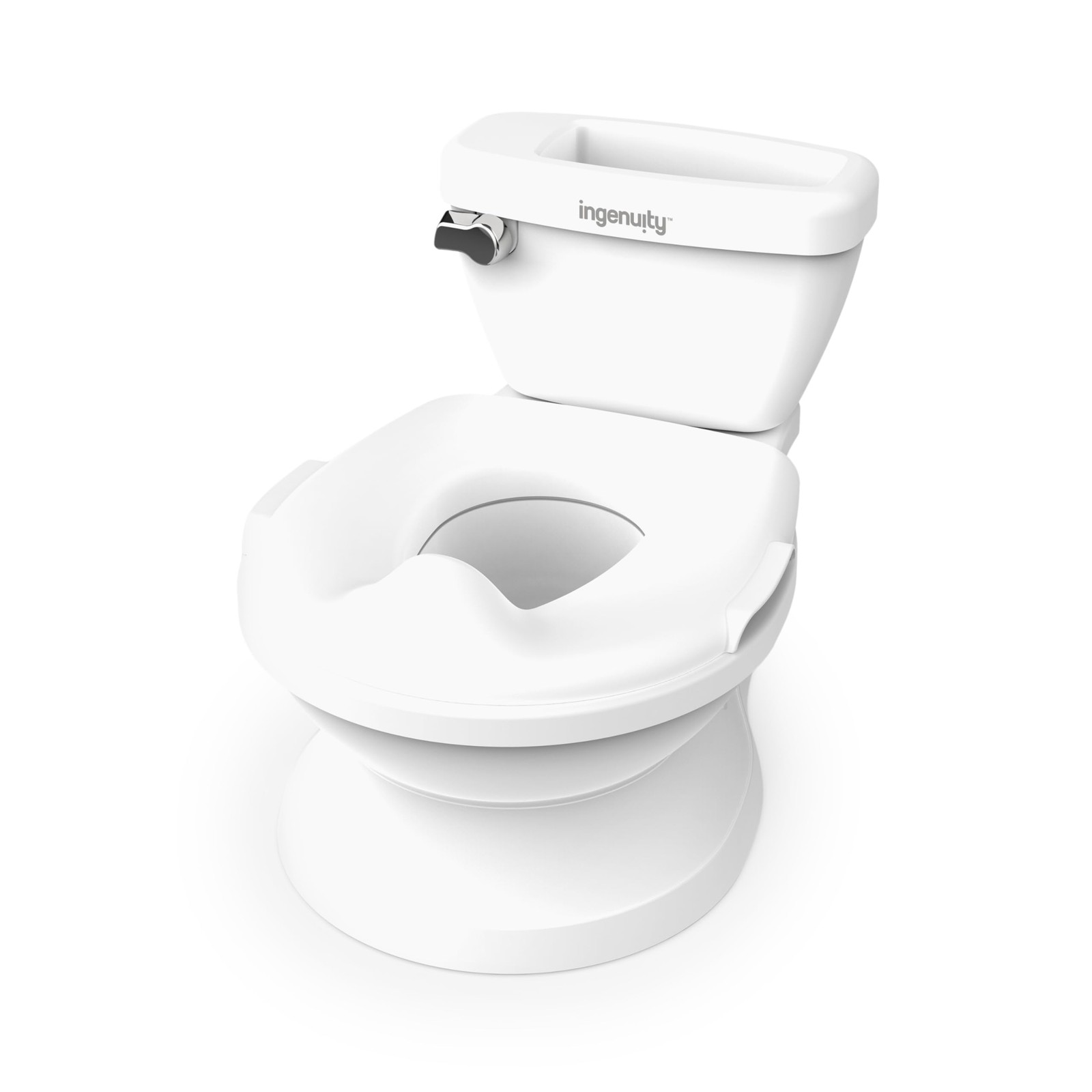
Potty training gear splits into three architectures: standalone floor potties, toilet-seat reducers with or without ladders, and travel/urinal solutions. The primary trade-off is stability and cleanup versus portability and child independence. Buy a rigid, wide-base floor potty or a ladder seat with non-slip treads for home; choose a folding seat or compact urinal only for travel or small bathrooms.

Buying guide image
Feeding & Sterilizing

Steam Sterilizer

A steam sterilizer uses boiling water to kill 99.9% of bacteria and mold on baby bottles, pacifiers, and breast pump parts, with the core trade-off being electric countertop units (batch speed, auto-dry) versus microwave units (price, space). The decision rule: choose an electric unit with a HEPA-filtered drying cycle for daily multi-bottle use; choose a microwave unit only for tight counters, travel, or budget constraints—and always match unit capacity to your actual daily bottle count plus pump parts.

Buying guide image
Baby Sleep & Soothing

White Noise Sleep Machine

A white noise sleep machine is a compact sound generator that masks disruptive noise to help babies and adults fall and stay asleep. The key trade-off is between simple, robust analog/DSP sound engines with reliable timers and cheap digital modules that hiss or lack true low-frequency output. Choose a unit with dedicated white/pink noise, a mechanical or high-quality digital fan sound, adjustable volume, and a failsafe auto-off; skip novelty models with only lullabies or flashing lights if your goal is noise masking.

Buying guide image
Feeding & Sterilizing

Baby Bottle

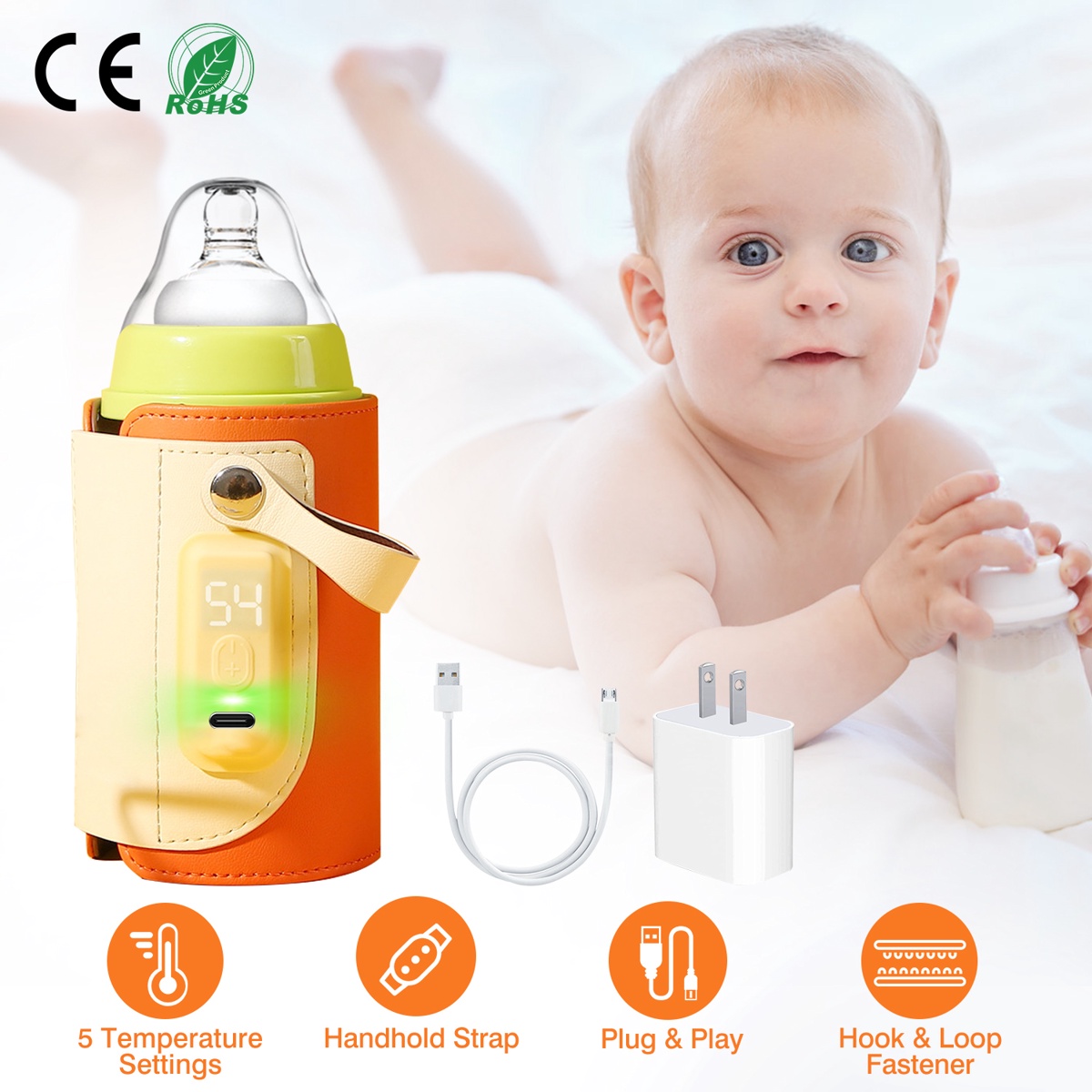
Baby bottles are feeding vessels defined by nipple flow rate, venting architecture, and material safety, where the core trade-off is colic-reduction complexity versus cleaning simplicity. A truly durable, low-colic bottle uses a dedicated air-vent system (internal vent tube or dual anti-colic valve) and medical-grade silicone or polypropylene, not just a shaped nipple. Choose a vented, wide-neck bottle with slow-flow nipples for gas-prone infants; skip unvented narrow bottles unless a professional has cleared your baby's latch.

Buying guide image
Feeding & Sterilizing

Bottle Infant With Gas

Anti-gas infant bottles combine a vented nipple or internal air-return system with a soft, slow-flow teat to reduce swallowed air during feeding. The critical trade-off is vent complexity versus cleaning effort: true anti-colic systems use a separate vent tube, diaphragm, or collapsible silicone body, while basic 'anti-colic' nipples are just shaped teats with no air-return path. Choose a bottle with a documented venting mechanism and a nipple flow rate matched to your baby's age; skip unvented bottles or oversized flow rates that flood the feed.

Buying guide image
Strollers & Car Seats

Double Stroller

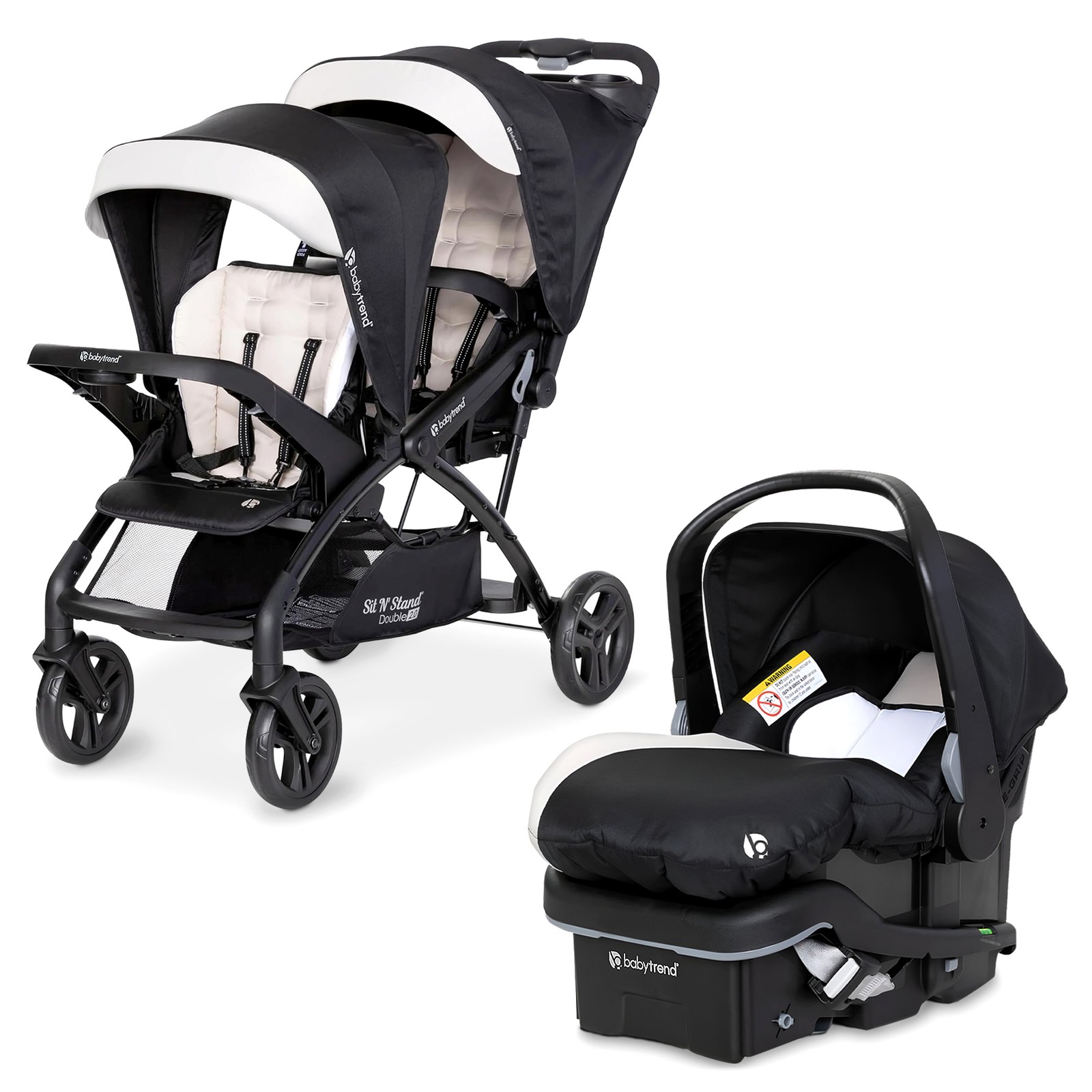
A double stroller is a two-child pushchair built as side-by-side, tandem, or sit-and-stand architecture; the core trade-off is width/maneuverability versus folded footprint and toddler flexibility. Durable options use sealed bearing wheels, steel or aluminum frames rated to 50 lb per seat, and JPMA/ASTM-compliant five-point harnesses. Buy a true double if two children ride simultaneously most days; choose a sit-and-stand with a 2.5+ year age gap, and skip travel-system-only frames unless infant car seats are the primary use.

Buying guide image
Potty Training

Potty Seat

A potty seat is a child-sized adapter or standalone trainer that bridges the size gap between a toddler and an adult toilet, and the core trade-off is between lightweight travel portability and stable, ladder-supported independence. Durable options use rigid PP or ABS frames with non-slip TPR feet and secure hinge locks, while compromises flex, shift, or rely on thin foam that cracks. Choose a ladder-step seat for home independence training, a compact folding seat for travel, and a standalone floor potty for early-stage confidence.

Buying guide image
Diapers & Wipes

Pamper Sensitive Wipe

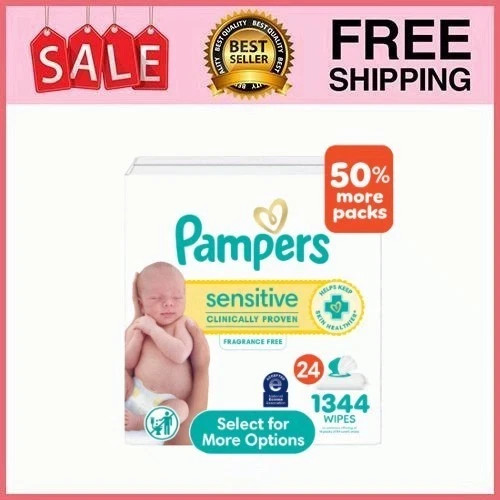
Pampers Sensitive wipes are fragrance-free, water-based cloths designed for delicate skin, where the main trade-off is between gentle ingredients and enough wet strength for cleanup. Durable options use a thick, low-lint nonwoven with a mild pH-balanced lotion; compromises are thin sheets that tear or dry out. Choose based on pack count for turnover and seal quality for moisture retention, not on marketing claims.

Buying guide image
Strollers & Car Seats

Travel System

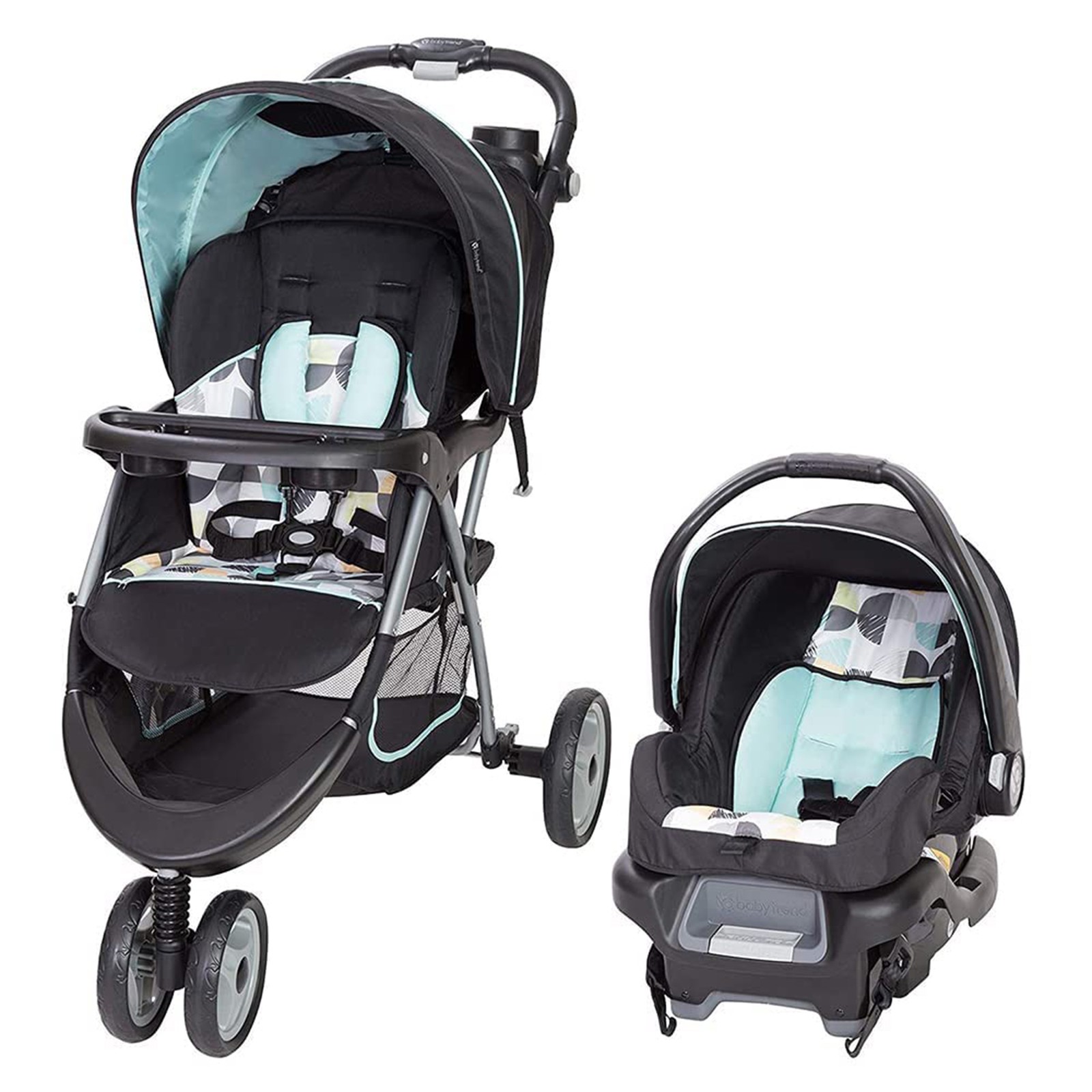
A travel system bundles an infant car seat, a compatible stroller, and often a base into one purchase, but the real differentiator is the car seat’s installation method and the stroller’s frame and wheel build. The primary trade-off is between lightweight convenience (higher center of gravity, smaller wheels) and all-terrain stability (jogger frames, larger air-filled tires, heavier weight). Choose a system with a rigid LATCH or European-style ISOFIX base and a stroller frame that matches your daily terrain; skip any system that relies on a seat-belt-only base or plastic wheel forks if you plan frequent outdoor use.

Buying guide image
Potty Training

Potty Training Seat

A potty training seat is a child-sized toilet topper or ladder system that adapts an adult toilet for toddler use, and the core trade-off is between a compact friction-fit topper and a freestanding ladder seat with a step. Durable options use rigid polypropylene or PP+TPR construction with a wide, anti-slip base and a splash guard; compromises are thin, flexible seats that shift on the bowl and lack a front lip. The decision rule: buy a ladder seat for independent use and floor-level stability, and a friction-fit topper for travel and small bathrooms.

Buying guide image
Strollers & Car Seats

Compact Double Stroller

A compact double stroller is a side-by-side or tandem two-child pushchair engineered to fold smaller and roll narrower than full-size doubles, trading some cargo capacity and seat plushness for portability. The core trade-off is folded footprint and weight versus seat width, canopy coverage, and push smoothness on rough terrain. Choose a true compact double only if you routinely fold and lift it into a car trunk or narrow doorway; otherwise a full-size double delivers more comfort and storage per child.

Buying guide image
Strollers & Car Seats

Double Stroller Twin

A double stroller for twins is a tandem or side-by-side chassis built to carry two children of identical age and seat needs, not a single-plus-buggy-board compromise. The core trade-off is maneuverability versus footprint: side-by-side models fit two full recline seats but struggle through standard 32-inch doorways, while tandem models thread narrow aisles but often downgrade the rear seat. Buy side-by-side only if you have wide doorways and trunk space; buy tandem only if both seats offer full flat recline and independent canopies.

Buying guide image
Strollers & Car Seats

Double Stroller With Bassinet

A double stroller with bassinet is a tandem or side-by-side platform that accommodates two children, at least one of whom rides in a lie-flat bassinet (or a car-seat adapter that mimics one) for newborns. The core trade-off is between true lie-flat bassinet construction (rigid floor, ventilation, AAP-safe flat angle) and convertible/travel-system frames that only approximate flat with an infant car seat or reclined seat. Buy a dedicated bassinet-equipped double if you have a newborn plus a toddler and need true flat sleep; choose a car-seat-frame or sit-and-stand double only if infant seat compatibility, not bassinet sleep, is your priority.

Buying guide image
Potty Training

Portable Potty Seat

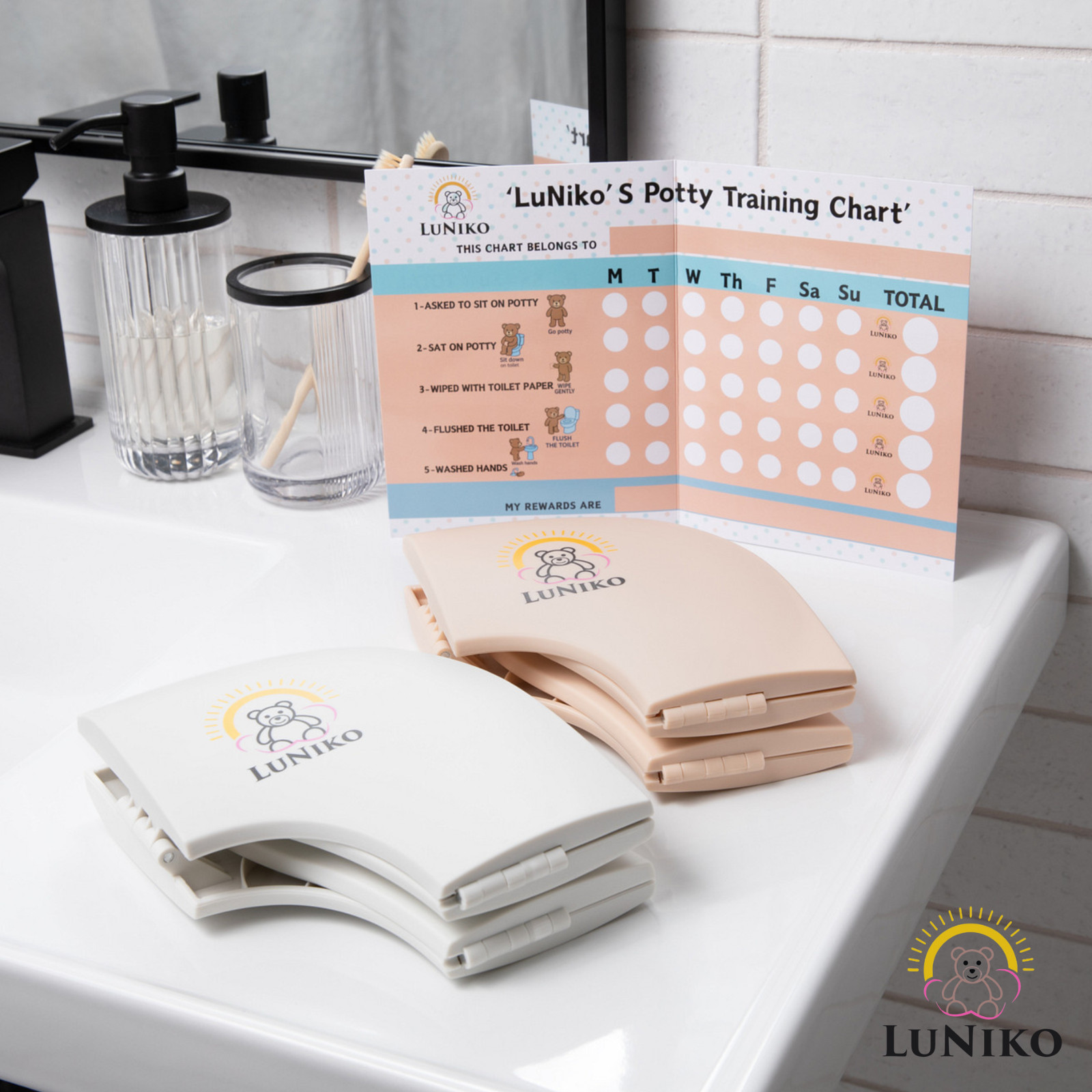
A portable potty seat is a foldable or compact training seat that lets a toddler use a full-size toilet away from home, and the key trade-off is hinge strength and splash geometry versus packability. Durable options use wide rubberized contact patches and a locking hinge that survives repeated folding; compromises rely on thin friction tape and loose pivots that wobble on oval bowls. The decision rule: buy a seat with at least four non-slip contact points and a rigid locking mechanism, skip any seat marketed only on cute colorways without hinge or grip specs.

Buying guide image
Potty Training

Portable Potty Training Seat

A portable potty training seat is a compact, travel-ready reducer that lets a toddler use an adult toilet safely away from home. The core trade-off is between folding hinge durability and non-slip stability versus packability and weight. Durable options use rigid polypropylene with rubberized grip pads and a wide, contoured splash guard; compromises rely on thin plastic, weak hinges, and undersized seats that shift under a child.

You may also like

Finding more guides for you…